Business models and tech aside, Open Banking companies look set to change the way we handle our cash
FM
Since the European Union introduced the second Payment Services Directive - or PSD2 - in January of last year, there’s been an explosion in the number of new financial technology companies entering the market.
In the UK, these new firms have been licensed under Open Banking regulations, a set of rules akin to those introduced by the EU. To date, more than 100 firms have registered with the Financial Conduct Authority under the new laws.
To put it in simple terms, Open Banking forced banks to open up their customers' banking data to third-party providers.
Using an API, those third-party companies, be it a software provider or mobile application, can plug into a customer's bank account and start monitoring their transactions.
A substantial proportion of the companies regulated under these new rules have received licenses to act as Account Information Service Providers or, to use the correct Open Banking lingo, ‘AISPs.’
Read-Only
Unlike Payment Initiation Service Providers (PISPs), which are also regulated under Open Banking rules, AISPs cannot transfer your money or undertake transactions for you. Instead, they have read-only access to your different bank accounts, allowing them to see your transaction data.
Having that ability has led many AISPs to provide budgeting services of some description to their clients. Others that are less focused on retail customers are building accounting systems.
With access to multiple bank accounts, AISPs are uniquely placed to provide these sorts of services.
Up until now, a retail customer or business wanting to analyze their own finances would have to check their spending across different accounts and try to piece everything together.
Leaving aside the complex process of figuring out where you spent what and how much money you have to your name, it’s boring and annoying to have to log-in and out of different applications and online platforms.
New tech?
An AISP can amalgamate all of your spending into one place, letting you track your finances more easily and - potentially - help you save more money.
But as exciting as all of this is, it leaves one wondering as to whether this is actually a new set of technology or just something that companies can do now that they have access to the requisite data.
To draw an analogy, most cars are capable of going faster than 80 mph, but traffic regulations (should) prevent you from driving at that speed.
If those laws were to change, and we were allowed to drive at 100 mph, it wouldn’t be ‘new’ technology that allowed cars to go that fast but a simple change in legislation.
Similarly, PSD2 forced banks into providing an API for use by third-party service providers. That being the case, is AISP technology really new or did it exist previously and, because of PSD2-backed legal changes, it’s only now that it can actually be used?
“In theory, any technology built today on top of Open Banking data could have been developed by banks years ago,” said Sam Abrika, the founder of Cash Coach, a mobile application that gamifies saving.
“In practice it’s not that easy. For example, when I was working at UBS I experienced the most stringent client privacy protection I have ever seen. Accessing anonymised and aggregated client data was a lengthy and complicated process."
Just as one could debate how novel the technology underpinning Open Banking firms is, there is also an argument to be made about the business model that some AISPs are using.
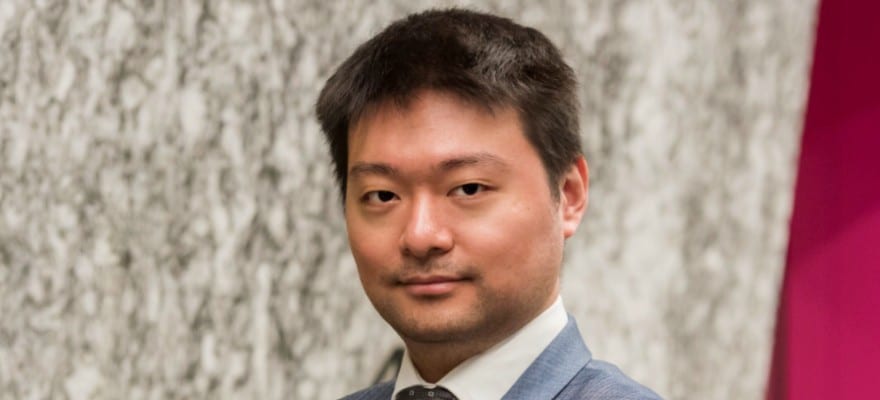
Cash Coach founder Sam Abrika
Like most internet companies, whether it be Google or Facebook, several ASIPs appear to be planning on providing a ‘free’ service and then using their customers’ data to make money.
There has been some suggestion that this could come back to bite them.
Facebook’s ability - and need - to manipulate its users’ behaviour, encroach on their privacy and bombard them with third-party marketing campaigns, stems directly from the fact that it provides a free service and needs to drive revenue through advertising.
People have also become increasingly distrustful of internet companies running this model, with a huge amount of media venom focused on technology giants since Donald Trump’s election in 2016.
Real added value
Having said that, it’s also unlikely that an AISP running a budgeting app is going to be able to capture someone’s attention in the same way that Facebook or YouTube can.
And even if they were able to, that wouldn’t necessarily be a bad thing. If these applications are fit for purpose, they should help people become better money managers and more financially savvy. Conversely, it is difficult to see what benefits one accrues from scrolling endlessly through their Facebook newsfeed.
There are also plenty of AISPs that don’t plan on using the Google or Facebook-style business model. Instead, they are using or exploring other means of making money from their products.
“Yapily does not sell transaction data as most aggregator firms do. It is not part of our business model. Propositions that give value to the consumer in return for sharing their Open Banking data will drive the market.
“It will be for the individual user - whether a consumer or an SME - to decide if they wish to utilise the freemium approach and potentially have their data sold on or if they wish to pay for the service. Many AISPs are monetizing their offering through a referral or marketplace offering or simply by making a margin on the service.”
Here to stay
Regardless of what business model they use, it can also appear as though most AISPs are all quite similar. As one executive at a trading firm put it after scrolling through the FCA’s list of regulated providers - “it’s just a bunch of budgeting apps.”
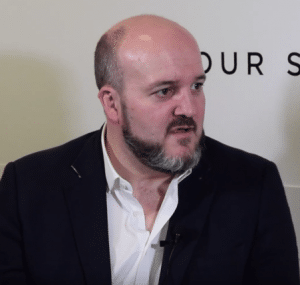
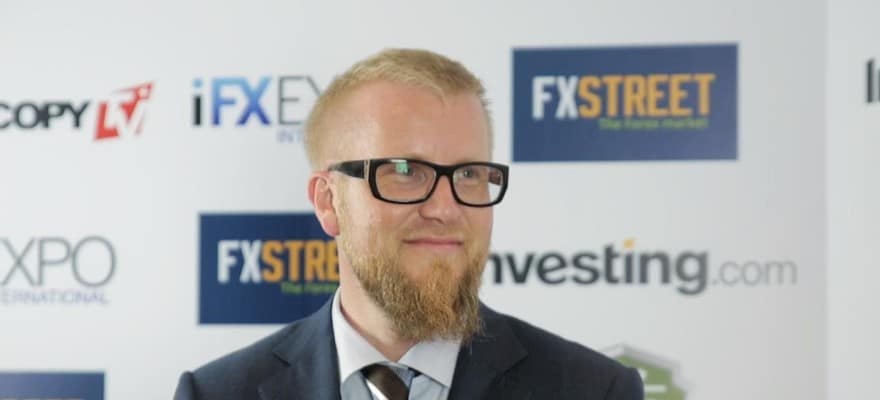
Matt Cockayne, chief commercial officer, Yapily (source: Harrington Starr TV)
But this is a huge oversimplification. Clearly a piece of money management software aimed at small-to-medium size enterprises is not the same as a budgeting app that wants to build up your credit score.
And if it were the case that AISPs were limited to retail-focused budgeting apps - that’s still a big market to tap into.
“Even if AISPs had a similar offering, I would see it as a healthy thing - a lot of competitors means there’s a large market to tap into,” said Abrika.
“But I think each new, regulated AISP is going to have its own product, audience and motive for entering the market. I started Cash Coach to gamify personal finance and to bring to everyone the kind of advanced analytics I developed for banks. That’s not something anyone else is doing or could bring to market.”
With so many of them storming on to the financial scene, it can be hard to track all the different business lines that Open Banking firms are targeting.
But, whether they want to work with huge businesses or help the average Joe, AISPs are here to stay and they look set to dramatically change the way we manage our money.
Since the European Union introduced the second Payment Services Directive - or PSD2 - in January of last year, there’s been an explosion in the number of new financial technology companies entering the market.
In the UK, these new firms have been licensed under Open Banking regulations, a set of rules akin to those introduced by the EU. To date, more than 100 firms have registered with the Financial Conduct Authority under the new laws.
To put it in simple terms, Open Banking forced banks to open up their customers' banking data to third-party providers.
Using an API, those third-party companies, be it a software provider or mobile application, can plug into a customer's bank account and start monitoring their transactions.
A substantial proportion of the companies regulated under these new rules have received licenses to act as Account Information Service Providers or, to use the correct Open Banking lingo, ‘AISPs.’
Read-Only
Unlike Payment Initiation Service Providers (PISPs), which are also regulated under Open Banking rules, AISPs cannot transfer your money or undertake transactions for you. Instead, they have read-only access to your different bank accounts, allowing them to see your transaction data.
Having that ability has led many AISPs to provide budgeting services of some description to their clients. Others that are less focused on retail customers are building accounting systems.
With access to multiple bank accounts, AISPs are uniquely placed to provide these sorts of services.
Up until now, a retail customer or business wanting to analyze their own finances would have to check their spending across different accounts and try to piece everything together.
Leaving aside the complex process of figuring out where you spent what and how much money you have to your name, it’s boring and annoying to have to log-in and out of different applications and online platforms.
New tech?
An AISP can amalgamate all of your spending into one place, letting you track your finances more easily and - potentially - help you save more money.
But as exciting as all of this is, it leaves one wondering as to whether this is actually a new set of technology or just something that companies can do now that they have access to the requisite data.
To draw an analogy, most cars are capable of going faster than 80 mph, but traffic regulations (should) prevent you from driving at that speed.
If those laws were to change, and we were allowed to drive at 100 mph, it wouldn’t be ‘new’ technology that allowed cars to go that fast but a simple change in legislation.
Similarly, PSD2 forced banks into providing an API for use by third-party service providers. That being the case, is AISP technology really new or did it exist previously and, because of PSD2-backed legal changes, it’s only now that it can actually be used?
“In theory, any technology built today on top of Open Banking data could have been developed by banks years ago,” said Sam Abrika, the founder of Cash Coach, a mobile application that gamifies saving.
“In practice it’s not that easy. For example, when I was working at UBS I experienced the most stringent client privacy protection I have ever seen. Accessing anonymised and aggregated client data was a lengthy and complicated process."
Just as one could debate how novel the technology underpinning Open Banking firms is, there is also an argument to be made about the business model that some AISPs are using.
Cash Coach founder Sam Abrika
Like most internet companies, whether it be Google or Facebook, several ASIPs appear to be planning on providing a ‘free’ service and then using their customers’ data to make money.
There has been some suggestion that this could come back to bite them.
Facebook’s ability - and need - to manipulate its users’ behaviour, encroach on their privacy and bombard them with third-party marketing campaigns, stems directly from the fact that it provides a free service and needs to drive revenue through advertising.
People have also become increasingly distrustful of internet companies running this model, with a huge amount of media venom focused on technology giants since Donald Trump’s election in 2016.
Real added value
Having said that, it’s also unlikely that an AISP running a budgeting app is going to be able to capture someone’s attention in the same way that Facebook or YouTube can.
And even if they were able to, that wouldn’t necessarily be a bad thing. If these applications are fit for purpose, they should help people become better money managers and more financially savvy. Conversely, it is difficult to see what benefits one accrues from scrolling endlessly through their Facebook newsfeed.
There are also plenty of AISPs that don’t plan on using the Google or Facebook-style business model. Instead, they are using or exploring other means of making money from their products.
“Yapily does not sell transaction data as most aggregator firms do. It is not part of our business model. Propositions that give value to the consumer in return for sharing their Open Banking data will drive the market.
“It will be for the individual user - whether a consumer or an SME - to decide if they wish to utilise the freemium approach and potentially have their data sold on or if they wish to pay for the service. Many AISPs are monetizing their offering through a referral or marketplace offering or simply by making a margin on the service.”
Here to stay
Regardless of what business model they use, it can also appear as though most AISPs are all quite similar. As one executive at a trading firm put it after scrolling through the FCA’s list of regulated providers - “it’s just a bunch of budgeting apps.”
Matt Cockayne, chief commercial officer, Yapily (source: Harrington Starr TV)
But this is a huge oversimplification. Clearly a piece of money management software aimed at small-to-medium size enterprises is not the same as a budgeting app that wants to build up your credit score.
And if it were the case that AISPs were limited to retail-focused budgeting apps - that’s still a big market to tap into.
“Even if AISPs had a similar offering, I would see it as a healthy thing - a lot of competitors means there’s a large market to tap into,” said Abrika.
“But I think each new, regulated AISP is going to have its own product, audience and motive for entering the market. I started Cash Coach to gamify personal finance and to bring to everyone the kind of advanced analytics I developed for banks. That’s not something anyone else is doing or could bring to market.”
With so many of them storming on to the financial scene, it can be hard to track all the different business lines that Open Banking firms are targeting.
But, whether they want to work with huge businesses or help the average Joe, AISPs are here to stay and they look set to dramatically change the way we manage our money.
U.S. Bill Targets Sports Prediction Contracts, Creating Uncertainty for Brokers
Featured Videos
CMC Markets’ Artur Delijergijevs on Metals Demand, Volatility, & Stable Execution
CMC Markets’ Artur Delijergijevs on Metals Demand, Volatility, & Stable Execution
CMC Markets’ Artur Delijergijevs on Metals Demand, Volatility, & Stable Execution
CMC Markets’ Artur Delijergijevs on Metals Demand, Volatility, & Stable Execution
In this exclusive Executive Interview, Finance Magnates speaks with Artur Delijergijevs, Head of Systematic Market Making at CMC Markets, about the current state of metals demand and market volatility.
Delijergijevs offers a desk-level view on:
- Metals Demand: Why metals are seeing the strongest demand from both retail and institutional clients right now.
- The Safe-Haven Debate: Questioning whether gold still fits the classic safe-haven definition given large daily price movements.
- Volatile Market Prep: How a market-making desk prepares its systems and pricing for stressed market conditions and high-impact economic events.
- Hybrid Execution: Why the best execution model combines electronic speed with human relationship support, especially during volatility.
- AI in Workflow: Where CMC Markets is integrating machine learning for risk management and pricing, and the limitations of AI during stressed markets.
- Dubai's Role: The strategic importance of Dubai’s location for covering global trading sessions across Asia, Europe, and the US.
Watch to understand how CMC Markets maintains stable pricing and reliable execution quality in high-volatility environments.
#CMCmarkets #forex #metals #gold #trading #volatility #MarketMaking #iFXDubai #FinanceMagnates #Finance #Fintech #Execution #AlgorithmicTrading #RiskManagement
In this exclusive Executive Interview, Finance Magnates speaks with Artur Delijergijevs, Head of Systematic Market Making at CMC Markets, about the current state of metals demand and market volatility.
Delijergijevs offers a desk-level view on:
- Metals Demand: Why metals are seeing the strongest demand from both retail and institutional clients right now.
- The Safe-Haven Debate: Questioning whether gold still fits the classic safe-haven definition given large daily price movements.
- Volatile Market Prep: How a market-making desk prepares its systems and pricing for stressed market conditions and high-impact economic events.
- Hybrid Execution: Why the best execution model combines electronic speed with human relationship support, especially during volatility.
- AI in Workflow: Where CMC Markets is integrating machine learning for risk management and pricing, and the limitations of AI during stressed markets.
- Dubai's Role: The strategic importance of Dubai’s location for covering global trading sessions across Asia, Europe, and the US.
Watch to understand how CMC Markets maintains stable pricing and reliable execution quality in high-volatility environments.
#CMCmarkets #forex #metals #gold #trading #volatility #MarketMaking #iFXDubai #FinanceMagnates #Finance #Fintech #Execution #AlgorithmicTrading #RiskManagement
In this exclusive Executive Interview, Finance Magnates speaks with Artur Delijergijevs, Head of Systematic Market Making at CMC Markets, about the current state of metals demand and market volatility.
Delijergijevs offers a desk-level view on:
- Metals Demand: Why metals are seeing the strongest demand from both retail and institutional clients right now.
- The Safe-Haven Debate: Questioning whether gold still fits the classic safe-haven definition given large daily price movements.
- Volatile Market Prep: How a market-making desk prepares its systems and pricing for stressed market conditions and high-impact economic events.
- Hybrid Execution: Why the best execution model combines electronic speed with human relationship support, especially during volatility.
- AI in Workflow: Where CMC Markets is integrating machine learning for risk management and pricing, and the limitations of AI during stressed markets.
- Dubai's Role: The strategic importance of Dubai’s location for covering global trading sessions across Asia, Europe, and the US.
Watch to understand how CMC Markets maintains stable pricing and reliable execution quality in high-volatility environments.
#CMCmarkets #forex #metals #gold #trading #volatility #MarketMaking #iFXDubai #FinanceMagnates #Finance #Fintech #Execution #AlgorithmicTrading #RiskManagement
In this exclusive Executive Interview, Finance Magnates speaks with Artur Delijergijevs, Head of Systematic Market Making at CMC Markets, about the current state of metals demand and market volatility.
Delijergijevs offers a desk-level view on:
- Metals Demand: Why metals are seeing the strongest demand from both retail and institutional clients right now.
- The Safe-Haven Debate: Questioning whether gold still fits the classic safe-haven definition given large daily price movements.
- Volatile Market Prep: How a market-making desk prepares its systems and pricing for stressed market conditions and high-impact economic events.
- Hybrid Execution: Why the best execution model combines electronic speed with human relationship support, especially during volatility.
- AI in Workflow: Where CMC Markets is integrating machine learning for risk management and pricing, and the limitations of AI during stressed markets.
- Dubai's Role: The strategic importance of Dubai’s location for covering global trading sessions across Asia, Europe, and the US.
Watch to understand how CMC Markets maintains stable pricing and reliable execution quality in high-volatility environments.
#CMCmarkets #forex #metals #gold #trading #volatility #MarketMaking #iFXDubai #FinanceMagnates #Finance #Fintech #Execution #AlgorithmicTrading #RiskManagement
Finance Magnates Awards 2026 – Nominations Now Open
Finance Magnates Awards 2026 – Nominations Now Open
Finance Magnates Awards 2026 – Nominations Now Open
Finance Magnates Awards 2026 – Nominations Now Open
Finance Magnates Awards 2026 – Nominations Now Open
Finance Magnates Awards 2026 – Nominations Now Open
The Finance Magnates Awards 2026 nominations are now open. 🏆
From fintech innovators to leading brokers, this is where the finance industry celebrates its biggest achievements.
Winners will be announced at the Cyprus Gala Dinner on November 6, 2026.
Nominate your brand now.
https://awards.financemagnates.com/?utm_source=linkedin&utm_medium=video&utm_campaign=nominations-open
#FMAwards #FinanceMagnates #FintechAwards #Fintech #FinanceIndustry
The Finance Magnates Awards 2026 nominations are now open. 🏆
From fintech innovators to leading brokers, this is where the finance industry celebrates its biggest achievements.
Winners will be announced at the Cyprus Gala Dinner on November 6, 2026.
Nominate your brand now.
https://awards.financemagnates.com/?utm_source=linkedin&utm_medium=video&utm_campaign=nominations-open
#FMAwards #FinanceMagnates #FintechAwards #Fintech #FinanceIndustry
The Finance Magnates Awards 2026 nominations are now open. 🏆
From fintech innovators to leading brokers, this is where the finance industry celebrates its biggest achievements.
Winners will be announced at the Cyprus Gala Dinner on November 6, 2026.
Nominate your brand now.
https://awards.financemagnates.com/?utm_source=linkedin&utm_medium=video&utm_campaign=nominations-open
#FMAwards #FinanceMagnates #FintechAwards #Fintech #FinanceIndustry
The Finance Magnates Awards 2026 nominations are now open. 🏆
From fintech innovators to leading brokers, this is where the finance industry celebrates its biggest achievements.
Winners will be announced at the Cyprus Gala Dinner on November 6, 2026.
Nominate your brand now.
https://awards.financemagnates.com/?utm_source=linkedin&utm_medium=video&utm_campaign=nominations-open
#FMAwards #FinanceMagnates #FintechAwards #Fintech #FinanceIndustry
The Finance Magnates Awards 2026 nominations are now open. 🏆
From fintech innovators to leading brokers, this is where the finance industry celebrates its biggest achievements.
Winners will be announced at the Cyprus Gala Dinner on November 6, 2026.
Nominate your brand now.
https://awards.financemagnates.com/?utm_source=linkedin&utm_medium=video&utm_campaign=nominations-open
#FMAwards #FinanceMagnates #FintechAwards #Fintech #FinanceIndustry
The Finance Magnates Awards 2026 nominations are now open. 🏆
From fintech innovators to leading brokers, this is where the finance industry celebrates its biggest achievements.
Winners will be announced at the Cyprus Gala Dinner on November 6, 2026.
Nominate your brand now.
https://awards.financemagnates.com/?utm_source=linkedin&utm_medium=video&utm_campaign=nominations-open
#FMAwards #FinanceMagnates #FintechAwards #Fintech #FinanceIndustry
Finance Magnates Awards 2026 | Nominations Now Open 🏆#Fintech #FMAwards #TradingIndustry
Finance Magnates Awards 2026 | Nominations Now Open 🏆#Fintech #FMAwards #TradingIndustry
Finance Magnates Awards 2026 | Nominations Now Open 🏆#Fintech #FMAwards #TradingIndustry
Finance Magnates Awards 2026 | Nominations Now Open 🏆#Fintech #FMAwards #TradingIndustry
Finance Magnates Awards 2026 | Nominations Now Open 🏆#Fintech #FMAwards #TradingIndustry
Finance Magnates Awards 2026 | Nominations Now Open 🏆#Fintech #FMAwards #TradingIndustry
Lights on. Cameras ready. 🎬
Finance Magnates Awards 2026 nominations are now open. 🏆
#FMAwards #FinanceMagnates #FintechAwards #Fintech
Lights on. Cameras ready. 🎬
Finance Magnates Awards 2026 nominations are now open. 🏆
#FMAwards #FinanceMagnates #FintechAwards #Fintech
Lights on. Cameras ready. 🎬
Finance Magnates Awards 2026 nominations are now open. 🏆
#FMAwards #FinanceMagnates #FintechAwards #Fintech
Lights on. Cameras ready. 🎬
Finance Magnates Awards 2026 nominations are now open. 🏆
#FMAwards #FinanceMagnates #FintechAwards #Fintech
Lights on. Cameras ready. 🎬
Finance Magnates Awards 2026 nominations are now open. 🏆
#FMAwards #FinanceMagnates #FintechAwards #Fintech
Lights on. Cameras ready. 🎬
Finance Magnates Awards 2026 nominations are now open. 🏆
#FMAwards #FinanceMagnates #FintechAwards #Fintech
Exness sees trust as the key theme for growth in MENA Trading Growth for 2026
Exness sees trust as the key theme for growth in MENA Trading Growth for 2026
Exness sees trust as the key theme for growth in MENA Trading Growth for 2026
Exness sees trust as the key theme for growth in MENA Trading Growth for 2026
Exness sees trust as the key theme for growth in MENA Trading Growth for 2026
Exness sees trust as the key theme for growth in MENA Trading Growth for 2026
Mohammad Amer, Regional Commercial Director at Exness, sits down to discuss the booming MENA financial trading market. Find out why Dubai is key to the company's growth strategy, how a mobile-first generation is changing expectations, and why trust will be the defining theme for traders in 2026.
In this interview, you'll learn:
* Why Dubai and the MENA region are critical growth markets for fintech and online trading.
* How Exness is addressing the demands of mobile-first, younger traders through engineering, platform stability, and transparent conditions.
* The essential role local talent plays in providing a culturally relevant and compliant user experience.
* Mohammad Amer's outlook on the future of the online trading industry and why stronger controls and systems are necessary.
* Why "trust" isn't just a brand value, but has commercial value—and why he predicts 2026 will be the "Year of Trust."
Key Takeaways:
➡️ The MENA region is rapidly shaping global financial markets.
➡️ New traders expect stability, precise execution, and transparency.
➡️ Local expertise is key to regulatory compliance and user experience.
➡️ Future success belongs to firms capable of meeting rising standards across regulation and platform consistency.
Read the full article at: https://www.financemagnates.com/thought-leadership/exness-sees-trust-as-the-key-theme-for-growth-in-mena-trading-growth-for-2026/
#Exness #MENA #Trading #FinTech #Dubai #OnlineTrading #FinanceMagnates #MohammadAmer #Trust #MobileTrading
Mohammad Amer, Regional Commercial Director at Exness, sits down to discuss the booming MENA financial trading market. Find out why Dubai is key to the company's growth strategy, how a mobile-first generation is changing expectations, and why trust will be the defining theme for traders in 2026.
In this interview, you'll learn:
* Why Dubai and the MENA region are critical growth markets for fintech and online trading.
* How Exness is addressing the demands of mobile-first, younger traders through engineering, platform stability, and transparent conditions.
* The essential role local talent plays in providing a culturally relevant and compliant user experience.
* Mohammad Amer's outlook on the future of the online trading industry and why stronger controls and systems are necessary.
* Why "trust" isn't just a brand value, but has commercial value—and why he predicts 2026 will be the "Year of Trust."
Key Takeaways:
➡️ The MENA region is rapidly shaping global financial markets.
➡️ New traders expect stability, precise execution, and transparency.
➡️ Local expertise is key to regulatory compliance and user experience.
➡️ Future success belongs to firms capable of meeting rising standards across regulation and platform consistency.
Read the full article at: https://www.financemagnates.com/thought-leadership/exness-sees-trust-as-the-key-theme-for-growth-in-mena-trading-growth-for-2026/
#Exness #MENA #Trading #FinTech #Dubai #OnlineTrading #FinanceMagnates #MohammadAmer #Trust #MobileTrading
Mohammad Amer, Regional Commercial Director at Exness, sits down to discuss the booming MENA financial trading market. Find out why Dubai is key to the company's growth strategy, how a mobile-first generation is changing expectations, and why trust will be the defining theme for traders in 2026.
In this interview, you'll learn:
* Why Dubai and the MENA region are critical growth markets for fintech and online trading.
* How Exness is addressing the demands of mobile-first, younger traders through engineering, platform stability, and transparent conditions.
* The essential role local talent plays in providing a culturally relevant and compliant user experience.
* Mohammad Amer's outlook on the future of the online trading industry and why stronger controls and systems are necessary.
* Why "trust" isn't just a brand value, but has commercial value—and why he predicts 2026 will be the "Year of Trust."
Key Takeaways:
➡️ The MENA region is rapidly shaping global financial markets.
➡️ New traders expect stability, precise execution, and transparency.
➡️ Local expertise is key to regulatory compliance and user experience.
➡️ Future success belongs to firms capable of meeting rising standards across regulation and platform consistency.
Read the full article at: https://www.financemagnates.com/thought-leadership/exness-sees-trust-as-the-key-theme-for-growth-in-mena-trading-growth-for-2026/
#Exness #MENA #Trading #FinTech #Dubai #OnlineTrading #FinanceMagnates #MohammadAmer #Trust #MobileTrading
Mohammad Amer, Regional Commercial Director at Exness, sits down to discuss the booming MENA financial trading market. Find out why Dubai is key to the company's growth strategy, how a mobile-first generation is changing expectations, and why trust will be the defining theme for traders in 2026.
In this interview, you'll learn:
* Why Dubai and the MENA region are critical growth markets for fintech and online trading.
* How Exness is addressing the demands of mobile-first, younger traders through engineering, platform stability, and transparent conditions.
* The essential role local talent plays in providing a culturally relevant and compliant user experience.
* Mohammad Amer's outlook on the future of the online trading industry and why stronger controls and systems are necessary.
* Why "trust" isn't just a brand value, but has commercial value—and why he predicts 2026 will be the "Year of Trust."
Key Takeaways:
➡️ The MENA region is rapidly shaping global financial markets.
➡️ New traders expect stability, precise execution, and transparency.
➡️ Local expertise is key to regulatory compliance and user experience.
➡️ Future success belongs to firms capable of meeting rising standards across regulation and platform consistency.
Read the full article at: https://www.financemagnates.com/thought-leadership/exness-sees-trust-as-the-key-theme-for-growth-in-mena-trading-growth-for-2026/
#Exness #MENA #Trading #FinTech #Dubai #OnlineTrading #FinanceMagnates #MohammadAmer #Trust #MobileTrading
Mohammad Amer, Regional Commercial Director at Exness, sits down to discuss the booming MENA financial trading market. Find out why Dubai is key to the company's growth strategy, how a mobile-first generation is changing expectations, and why trust will be the defining theme for traders in 2026.
In this interview, you'll learn:
* Why Dubai and the MENA region are critical growth markets for fintech and online trading.
* How Exness is addressing the demands of mobile-first, younger traders through engineering, platform stability, and transparent conditions.
* The essential role local talent plays in providing a culturally relevant and compliant user experience.
* Mohammad Amer's outlook on the future of the online trading industry and why stronger controls and systems are necessary.
* Why "trust" isn't just a brand value, but has commercial value—and why he predicts 2026 will be the "Year of Trust."
Key Takeaways:
➡️ The MENA region is rapidly shaping global financial markets.
➡️ New traders expect stability, precise execution, and transparency.
➡️ Local expertise is key to regulatory compliance and user experience.
➡️ Future success belongs to firms capable of meeting rising standards across regulation and platform consistency.
Read the full article at: https://www.financemagnates.com/thought-leadership/exness-sees-trust-as-the-key-theme-for-growth-in-mena-trading-growth-for-2026/
#Exness #MENA #Trading #FinTech #Dubai #OnlineTrading #FinanceMagnates #MohammadAmer #Trust #MobileTrading
Mohammad Amer, Regional Commercial Director at Exness, sits down to discuss the booming MENA financial trading market. Find out why Dubai is key to the company's growth strategy, how a mobile-first generation is changing expectations, and why trust will be the defining theme for traders in 2026.
In this interview, you'll learn:
* Why Dubai and the MENA region are critical growth markets for fintech and online trading.
* How Exness is addressing the demands of mobile-first, younger traders through engineering, platform stability, and transparent conditions.
* The essential role local talent plays in providing a culturally relevant and compliant user experience.
* Mohammad Amer's outlook on the future of the online trading industry and why stronger controls and systems are necessary.
* Why "trust" isn't just a brand value, but has commercial value—and why he predicts 2026 will be the "Year of Trust."
Key Takeaways:
➡️ The MENA region is rapidly shaping global financial markets.
➡️ New traders expect stability, precise execution, and transparency.
➡️ Local expertise is key to regulatory compliance and user experience.
➡️ Future success belongs to firms capable of meeting rising standards across regulation and platform consistency.
Read the full article at: https://www.financemagnates.com/thought-leadership/exness-sees-trust-as-the-key-theme-for-growth-in-mena-trading-growth-for-2026/
#Exness #MENA #Trading #FinTech #Dubai #OnlineTrading #FinanceMagnates #MohammadAmer #Trust #MobileTrading
Paytiko CEO Razi Salih on Why Payment Orchestration is a MUST-HAVE for Brokers in 2026
Paytiko CEO Razi Salih on Why Payment Orchestration is a MUST-HAVE for Brokers in 2026
Paytiko CEO Razi Salih on Why Payment Orchestration is a MUST-HAVE for Brokers in 2026
Paytiko CEO Razi Salih on Why Payment Orchestration is a MUST-HAVE for Brokers in 2026
Paytiko CEO Razi Salih on Why Payment Orchestration is a MUST-HAVE for Brokers in 2026
Paytiko CEO Razi Salih on Why Payment Orchestration is a MUST-HAVE for Brokers in 2026
At iFX Expo Dubai, Finance Magnates spoke with Razi Salih, CEO at Paytiko, about the evolution of the payments ecosystem and why payment orchestration has shifted from an option to a necessity for brokers, prop firms, and exchanges.
Mr. Salih explains how global expansion, the need for deep localisation, and the sheer number of new payment methods, from instant banking to stablecoins, are driving this critical infrastructure shift.
#PaymentOrchestration #Fintech #Brokerage #TradingPayments #RaziSalih #Paytiko #iFXExpoDubai #Stablecoins #AIinFintech
At iFX Expo Dubai, Finance Magnates spoke with Razi Salih, CEO at Paytiko, about the evolution of the payments ecosystem and why payment orchestration has shifted from an option to a necessity for brokers, prop firms, and exchanges.
Mr. Salih explains how global expansion, the need for deep localisation, and the sheer number of new payment methods, from instant banking to stablecoins, are driving this critical infrastructure shift.
#PaymentOrchestration #Fintech #Brokerage #TradingPayments #RaziSalih #Paytiko #iFXExpoDubai #Stablecoins #AIinFintech
At iFX Expo Dubai, Finance Magnates spoke with Razi Salih, CEO at Paytiko, about the evolution of the payments ecosystem and why payment orchestration has shifted from an option to a necessity for brokers, prop firms, and exchanges.
Mr. Salih explains how global expansion, the need for deep localisation, and the sheer number of new payment methods, from instant banking to stablecoins, are driving this critical infrastructure shift.
#PaymentOrchestration #Fintech #Brokerage #TradingPayments #RaziSalih #Paytiko #iFXExpoDubai #Stablecoins #AIinFintech
At iFX Expo Dubai, Finance Magnates spoke with Razi Salih, CEO at Paytiko, about the evolution of the payments ecosystem and why payment orchestration has shifted from an option to a necessity for brokers, prop firms, and exchanges.
Mr. Salih explains how global expansion, the need for deep localisation, and the sheer number of new payment methods, from instant banking to stablecoins, are driving this critical infrastructure shift.
#PaymentOrchestration #Fintech #Brokerage #TradingPayments #RaziSalih #Paytiko #iFXExpoDubai #Stablecoins #AIinFintech
At iFX Expo Dubai, Finance Magnates spoke with Razi Salih, CEO at Paytiko, about the evolution of the payments ecosystem and why payment orchestration has shifted from an option to a necessity for brokers, prop firms, and exchanges.
Mr. Salih explains how global expansion, the need for deep localisation, and the sheer number of new payment methods, from instant banking to stablecoins, are driving this critical infrastructure shift.
#PaymentOrchestration #Fintech #Brokerage #TradingPayments #RaziSalih #Paytiko #iFXExpoDubai #Stablecoins #AIinFintech
At iFX Expo Dubai, Finance Magnates spoke with Razi Salih, CEO at Paytiko, about the evolution of the payments ecosystem and why payment orchestration has shifted from an option to a necessity for brokers, prop firms, and exchanges.
Mr. Salih explains how global expansion, the need for deep localisation, and the sheer number of new payment methods, from instant banking to stablecoins, are driving this critical infrastructure shift.
#PaymentOrchestration #Fintech #Brokerage #TradingPayments #RaziSalih #Paytiko #iFXExpoDubai #Stablecoins #AIinFintech