>
Investment Going Glocal: 6 Tips to Become a Competitive International Investor
Investment Going Glocal: 6 Tips to Become a Competitive International Investor
Thursday,05/05/2016|10:09GMTby
Alexander Ayvazov
The founder and CEO of Titanium Investments shares his 6 tips for international success.
source: Finance Magnates
This article was written by Alexander Ayvazov, founder and CEO of Titanium Investments, a Russia-based international investment company.
A trend has been emerging in recent years, where in addition to local VCs and investors, international investing companies choose to focus on specific industries, whether near or far, rather than their local communities. This could cause, for example, a situation in which a China-based investing company would look to invest in French based startups that focus on cleantech.
Several investment companies have been trailblazing this new paradigm in investment. Horizons Ventures is a Hong-Kong based VC that focuses on early stage investments in telecommunications, media and technology companies. Though the company is based in Hong Kong the vast majority of its portfolio companies are from Israel and the US. Another example is Dragon Capital, a Vietnamese investment group that recently opened up its presence in the UK in order to grow its investments in the European market.
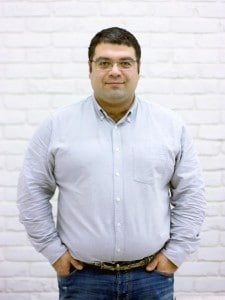
Alexander Ayvazov, CEO and Founder of Titanium Investments, a Russian based international investment company
Another recent addition to the growing movement is the Pando Group, a Chinese-backed venture capital fund headquartered in the British Virgin Islands, that recently announced plans to invest $250 million in Israeli startups, focusing on fintech companies in various stages.
All of these companies saw the opportunity for profitable investments in geographically remote markets, and made the necessary adaptations in order to access these markets.
While this type of glocal behavior (glocal: reflecting or characterized by both local and global considerations) is a positive driving force in the international economy, such companies have to compete with the aforementioned local VCs and investors for the attention of potential portfolio companies. This can be a particularly challenging feat for such international companies.
In addition to the challenges every investment company faces, they also have to take into consideration additional hurdles such as distance, cultural differences, and language, just to name a few. Based on my experience in running both local and international investment companies, I’d like to offer a few tips on how international investment companies can remain competitive and even gain an edge on local VCs and investors.
Local Representation
As with any glocal business, they key to being competitive with native companies is a strong and active presence at every local branch. This offers several advantages. First and foremost, it provides comfort and a sense of security to the startups. Though we have been transformed into a global village by modern technology, in business there is still no match for a face-to-face meeting. Having a strong local representation in markets relevant for investment will enable a stronger connection to founders, which will in turn make them more inclined to choose to do business with you.
Another key advantage is the possibility to know and connect with local limited partners. While you can and should reach out to LPs where you are based, LPs in your target market will be happier to invest knowing you are looking to ultimately have the funds infused into their own backyard. Remaining close to local LPs will let you cultivate stronger relationships, which will lead to bigger investments, and more of them over time.
Local investors speak the language, both literally and figuratively speaking.
Embrace The Culture
Local investors speak the language, both literally and figuratively speaking. When cultivating your local presence, start by adding a talented local to the team. A local partner with long term experience on the ground will be able to understand the needs and mentality of native entrepreneurs, which will in turn create better and more frequent business opportunities.
Ideally, someone who is familiar and comfortable with both cultures (home base and target market) would be the perfect candidate for a local partner, as they would be able to seamlessly manage communications flowing in both directions, with little to no cultural barriers. That being said, it is also important to make sure that all local partners and representative are fully aligned with your investment strategy and management approach.
If most investors prefer to focus on seed funding, create enticing offers for companies looking to complete A/B rounds.
Beat the local offer
The easiest choice for any startup would be to take an investment from a local VC or investment company, so that an international company needs to have a more attractive offer for them to be worth the effort. Study the local investment market in your target location, learn what they offer and what they don’t, and see how you can create USPs to make your investment seem attractive despite the distance.
For example, if most VCs in the local market take equity in each company they invest in, you can offer an alternative solution that will benefit both parties. If most investors prefer to focus on seed funding, create enticing offers for companies looking to complete A/B rounds. Anything you can offer that will show a strong advantage over the local offer can be significant.
Go beyond the investment
Many bidding startups are looking for more than just an investment these days. While some entrepreneurs have previous experience in running successful endeavors, many startups are founded by first timers who know nothing about running (or growing) a business.
In addition to banking and investment backgrounds, international investment companies should also look to hire individuals with managerial and entrepreneurial experience, in order to provide added value to prospective portfolio companies. When deciding between investment options, founders will be more likely to go with a company that will also be able to provide valuable advice on best practices in order to ensure long-term sustainability.
If done right, international investment companies can enjoy exponential growth through new, albeit geographically distant, markets.
Visit often
For entrepreneurs, signing an investment with a local VC will ensure, at the very least, a possibility to meet with top brass on a regular basis. That is why for international investors, even ones that adhere to my first tip and cultivate a strong local presence, frequent visits to any local investment location are essential.
It’s important for potential portfolio companies to know that they also have a direct connection to HQ for times when they feel such a connection is needed. Your local partner should manage the local companies and any local aspects of the business, make sure to schedule in-person meetings with portfolio companies and perspectives frequently, and make sure each meeting is valuable for them, and for you.
Bring the practice of having at least one strategic meeting with the founders outside of their country of origin, invite them to your HQ, or meet in one of the countries of the startups’ prospective clients. Founders work very hard around the clock, having strategic sessions off site with investors and board members that can bring on a fresh stream of ideas.
Let YOUR local flag fly
Notwithstanding all of the above, don’t forget to also stress your own local USPs. While local investment companies have many advantages to international ones, there are also many benefits to being a global company - mainly a bridge to international connections, which are a crucial element for any company hoping to expand globally.
Today, the many prospects of running a glocal business are fairly clear and as such have been enticing business people and major companies for some time now. So it comes as no surprise that investors are taking note and are looking to diversify by going global. If done right, international investment companies can enjoy exponential growth through new, albeit geographically distant, markets.
This article was written by Alexander Ayvazov, founder and CEO of Titanium Investments, a Russia-based international investment company.
A trend has been emerging in recent years, where in addition to local VCs and investors, international investing companies choose to focus on specific industries, whether near or far, rather than their local communities. This could cause, for example, a situation in which a China-based investing company would look to invest in French based startups that focus on cleantech.
Several investment companies have been trailblazing this new paradigm in investment. Horizons Ventures is a Hong-Kong based VC that focuses on early stage investments in telecommunications, media and technology companies. Though the company is based in Hong Kong the vast majority of its portfolio companies are from Israel and the US. Another example is Dragon Capital, a Vietnamese investment group that recently opened up its presence in the UK in order to grow its investments in the European market.
Alexander Ayvazov, CEO and Founder of Titanium Investments, a Russian based international investment company
Another recent addition to the growing movement is the Pando Group, a Chinese-backed venture capital fund headquartered in the British Virgin Islands, that recently announced plans to invest $250 million in Israeli startups, focusing on fintech companies in various stages.
All of these companies saw the opportunity for profitable investments in geographically remote markets, and made the necessary adaptations in order to access these markets.
While this type of glocal behavior (glocal: reflecting or characterized by both local and global considerations) is a positive driving force in the international economy, such companies have to compete with the aforementioned local VCs and investors for the attention of potential portfolio companies. This can be a particularly challenging feat for such international companies.
In addition to the challenges every investment company faces, they also have to take into consideration additional hurdles such as distance, cultural differences, and language, just to name a few. Based on my experience in running both local and international investment companies, I’d like to offer a few tips on how international investment companies can remain competitive and even gain an edge on local VCs and investors.
Local Representation
As with any glocal business, they key to being competitive with native companies is a strong and active presence at every local branch. This offers several advantages. First and foremost, it provides comfort and a sense of security to the startups. Though we have been transformed into a global village by modern technology, in business there is still no match for a face-to-face meeting. Having a strong local representation in markets relevant for investment will enable a stronger connection to founders, which will in turn make them more inclined to choose to do business with you.
Another key advantage is the possibility to know and connect with local limited partners. While you can and should reach out to LPs where you are based, LPs in your target market will be happier to invest knowing you are looking to ultimately have the funds infused into their own backyard. Remaining close to local LPs will let you cultivate stronger relationships, which will lead to bigger investments, and more of them over time.
Local investors speak the language, both literally and figuratively speaking.
Embrace The Culture
Local investors speak the language, both literally and figuratively speaking. When cultivating your local presence, start by adding a talented local to the team. A local partner with long term experience on the ground will be able to understand the needs and mentality of native entrepreneurs, which will in turn create better and more frequent business opportunities.
Ideally, someone who is familiar and comfortable with both cultures (home base and target market) would be the perfect candidate for a local partner, as they would be able to seamlessly manage communications flowing in both directions, with little to no cultural barriers. That being said, it is also important to make sure that all local partners and representative are fully aligned with your investment strategy and management approach.
If most investors prefer to focus on seed funding, create enticing offers for companies looking to complete A/B rounds.
Beat the local offer
The easiest choice for any startup would be to take an investment from a local VC or investment company, so that an international company needs to have a more attractive offer for them to be worth the effort. Study the local investment market in your target location, learn what they offer and what they don’t, and see how you can create USPs to make your investment seem attractive despite the distance.
For example, if most VCs in the local market take equity in each company they invest in, you can offer an alternative solution that will benefit both parties. If most investors prefer to focus on seed funding, create enticing offers for companies looking to complete A/B rounds. Anything you can offer that will show a strong advantage over the local offer can be significant.
Go beyond the investment
Many bidding startups are looking for more than just an investment these days. While some entrepreneurs have previous experience in running successful endeavors, many startups are founded by first timers who know nothing about running (or growing) a business.
In addition to banking and investment backgrounds, international investment companies should also look to hire individuals with managerial and entrepreneurial experience, in order to provide added value to prospective portfolio companies. When deciding between investment options, founders will be more likely to go with a company that will also be able to provide valuable advice on best practices in order to ensure long-term sustainability.
If done right, international investment companies can enjoy exponential growth through new, albeit geographically distant, markets.
Visit often
For entrepreneurs, signing an investment with a local VC will ensure, at the very least, a possibility to meet with top brass on a regular basis. That is why for international investors, even ones that adhere to my first tip and cultivate a strong local presence, frequent visits to any local investment location are essential.
It’s important for potential portfolio companies to know that they also have a direct connection to HQ for times when they feel such a connection is needed. Your local partner should manage the local companies and any local aspects of the business, make sure to schedule in-person meetings with portfolio companies and perspectives frequently, and make sure each meeting is valuable for them, and for you.
Bring the practice of having at least one strategic meeting with the founders outside of their country of origin, invite them to your HQ, or meet in one of the countries of the startups’ prospective clients. Founders work very hard around the clock, having strategic sessions off site with investors and board members that can bring on a fresh stream of ideas.
Let YOUR local flag fly
Notwithstanding all of the above, don’t forget to also stress your own local USPs. While local investment companies have many advantages to international ones, there are also many benefits to being a global company - mainly a bridge to international connections, which are a crucial element for any company hoping to expand globally.
Today, the many prospects of running a glocal business are fairly clear and as such have been enticing business people and major companies for some time now. So it comes as no surprise that investors are taking note and are looking to diversify by going global. If done right, international investment companies can enjoy exponential growth through new, albeit geographically distant, markets.
Recognition that matters.
Built on transparency.
Driven by the industry.
The Finance Magnates Awards 2026.
Nominations are now open.
🔗 https://awards.financemagnates.com/?utm_source=SM&utm_medium=social&utm_campaign=recognition-matters
Recognition that matters.
Built on transparency.
Driven by the industry.
The Finance Magnates Awards 2026.
Nominations are now open.
🔗 https://awards.financemagnates.com/?utm_source=SM&utm_medium=social&utm_campaign=recognition-matters
Recognition that matters.
Built on transparency.
Driven by the industry.
The Finance Magnates Awards 2026.
Nominations are now open.
🔗 https://awards.financemagnates.com/?utm_source=SM&utm_medium=social&utm_campaign=recognition-matters
Recognition that matters.
Built on transparency.
Driven by the industry.
The Finance Magnates Awards 2026.
Nominations are now open.
🔗 https://awards.financemagnates.com/?utm_source=SM&utm_medium=social&utm_campaign=recognition-matters
Tickmill Winner Spotlight | Broker of the Year 2025 (LATAM) 🏆 | Finance Magnates Awards #Trading
Tickmill Winner Spotlight | Broker of the Year 2025 (LATAM) 🏆 | Finance Magnates Awards #Trading
Tickmill Winner Spotlight | Broker of the Year 2025 (LATAM) 🏆 | Finance Magnates Awards #Trading
Tickmill Winner Spotlight | Broker of the Year 2025 (LATAM) 🏆 | Finance Magnates Awards #Trading
Tickmill Winner Spotlight | Broker of the Year 2025 (LATAM) 🏆 | Finance Magnates Awards #Trading
Tickmill Winner Spotlight | Broker of the Year 2025 (LATAM) 🏆 | Finance Magnates Awards #Trading
What helped Tickmill stand out this year?
In this Winner Spotlight, Johnny Khalil, Executive Director at Tickmill Europe, shares how listening closely to clients and delivering strong trading conditions made the difference.
A big thank you to the community whose support continues to drive progress every day.
👉 Think your brand has what it takes? Nominate for the 2026 Finance Magnates Awards: https://awards.financemagnates.com/#nominate
What helped Tickmill stand out this year?
In this Winner Spotlight, Johnny Khalil, Executive Director at Tickmill Europe, shares how listening closely to clients and delivering strong trading conditions made the difference.
A big thank you to the community whose support continues to drive progress every day.
👉 Think your brand has what it takes? Nominate for the 2026 Finance Magnates Awards: https://awards.financemagnates.com/#nominate
What helped Tickmill stand out this year?
In this Winner Spotlight, Johnny Khalil, Executive Director at Tickmill Europe, shares how listening closely to clients and delivering strong trading conditions made the difference.
A big thank you to the community whose support continues to drive progress every day.
👉 Think your brand has what it takes? Nominate for the 2026 Finance Magnates Awards: https://awards.financemagnates.com/#nominate
What helped Tickmill stand out this year?
In this Winner Spotlight, Johnny Khalil, Executive Director at Tickmill Europe, shares how listening closely to clients and delivering strong trading conditions made the difference.
A big thank you to the community whose support continues to drive progress every day.
👉 Think your brand has what it takes? Nominate for the 2026 Finance Magnates Awards: https://awards.financemagnates.com/#nominate
What helped Tickmill stand out this year?
In this Winner Spotlight, Johnny Khalil, Executive Director at Tickmill Europe, shares how listening closely to clients and delivering strong trading conditions made the difference.
A big thank you to the community whose support continues to drive progress every day.
👉 Think your brand has what it takes? Nominate for the 2026 Finance Magnates Awards: https://awards.financemagnates.com/#nominate
What helped Tickmill stand out this year?
In this Winner Spotlight, Johnny Khalil, Executive Director at Tickmill Europe, shares how listening closely to clients and delivering strong trading conditions made the difference.
A big thank you to the community whose support continues to drive progress every day.
👉 Think your brand has what it takes? Nominate for the 2026 Finance Magnates Awards: https://awards.financemagnates.com/#nominate
CMC Markets’ Artur Delijergijevs on Metals Demand, Volatility, & Stable Execution
CMC Markets’ Artur Delijergijevs on Metals Demand, Volatility, & Stable Execution
CMC Markets’ Artur Delijergijevs on Metals Demand, Volatility, & Stable Execution
CMC Markets’ Artur Delijergijevs on Metals Demand, Volatility, & Stable Execution
CMC Markets’ Artur Delijergijevs on Metals Demand, Volatility, & Stable Execution
CMC Markets’ Artur Delijergijevs on Metals Demand, Volatility, & Stable Execution
In this exclusive Executive Interview, Finance Magnates speaks with Artur Delijergijevs, Head of Systematic Market Making at CMC Markets, about the current state of metals demand and market volatility.
Delijergijevs offers a desk-level view on:
- Metals Demand: Why metals are seeing the strongest demand from both retail and institutional clients right now.
- The Safe-Haven Debate: Questioning whether gold still fits the classic safe-haven definition given large daily price movements.
- Volatile Market Prep: How a market-making desk prepares its systems and pricing for stressed market conditions and high-impact economic events.
- Hybrid Execution: Why the best execution model combines electronic speed with human relationship support, especially during volatility.
- AI in Workflow: Where CMC Markets is integrating machine learning for risk management and pricing, and the limitations of AI during stressed markets.
- Dubai's Role: The strategic importance of Dubai’s location for covering global trading sessions across Asia, Europe, and the US.
Watch to understand how CMC Markets maintains stable pricing and reliable execution quality in high-volatility environments.
#CMCmarkets #forex #metals #gold #trading #volatility #MarketMaking #iFXDubai #FinanceMagnates #Finance #Fintech #Execution #AlgorithmicTrading #RiskManagement
In this exclusive Executive Interview, Finance Magnates speaks with Artur Delijergijevs, Head of Systematic Market Making at CMC Markets, about the current state of metals demand and market volatility.
Delijergijevs offers a desk-level view on:
- Metals Demand: Why metals are seeing the strongest demand from both retail and institutional clients right now.
- The Safe-Haven Debate: Questioning whether gold still fits the classic safe-haven definition given large daily price movements.
- Volatile Market Prep: How a market-making desk prepares its systems and pricing for stressed market conditions and high-impact economic events.
- Hybrid Execution: Why the best execution model combines electronic speed with human relationship support, especially during volatility.
- AI in Workflow: Where CMC Markets is integrating machine learning for risk management and pricing, and the limitations of AI during stressed markets.
- Dubai's Role: The strategic importance of Dubai’s location for covering global trading sessions across Asia, Europe, and the US.
Watch to understand how CMC Markets maintains stable pricing and reliable execution quality in high-volatility environments.
#CMCmarkets #forex #metals #gold #trading #volatility #MarketMaking #iFXDubai #FinanceMagnates #Finance #Fintech #Execution #AlgorithmicTrading #RiskManagement
In this exclusive Executive Interview, Finance Magnates speaks with Artur Delijergijevs, Head of Systematic Market Making at CMC Markets, about the current state of metals demand and market volatility.
Delijergijevs offers a desk-level view on:
- Metals Demand: Why metals are seeing the strongest demand from both retail and institutional clients right now.
- The Safe-Haven Debate: Questioning whether gold still fits the classic safe-haven definition given large daily price movements.
- Volatile Market Prep: How a market-making desk prepares its systems and pricing for stressed market conditions and high-impact economic events.
- Hybrid Execution: Why the best execution model combines electronic speed with human relationship support, especially during volatility.
- AI in Workflow: Where CMC Markets is integrating machine learning for risk management and pricing, and the limitations of AI during stressed markets.
- Dubai's Role: The strategic importance of Dubai’s location for covering global trading sessions across Asia, Europe, and the US.
Watch to understand how CMC Markets maintains stable pricing and reliable execution quality in high-volatility environments.
#CMCmarkets #forex #metals #gold #trading #volatility #MarketMaking #iFXDubai #FinanceMagnates #Finance #Fintech #Execution #AlgorithmicTrading #RiskManagement
In this exclusive Executive Interview, Finance Magnates speaks with Artur Delijergijevs, Head of Systematic Market Making at CMC Markets, about the current state of metals demand and market volatility.
Delijergijevs offers a desk-level view on:
- Metals Demand: Why metals are seeing the strongest demand from both retail and institutional clients right now.
- The Safe-Haven Debate: Questioning whether gold still fits the classic safe-haven definition given large daily price movements.
- Volatile Market Prep: How a market-making desk prepares its systems and pricing for stressed market conditions and high-impact economic events.
- Hybrid Execution: Why the best execution model combines electronic speed with human relationship support, especially during volatility.
- AI in Workflow: Where CMC Markets is integrating machine learning for risk management and pricing, and the limitations of AI during stressed markets.
- Dubai's Role: The strategic importance of Dubai’s location for covering global trading sessions across Asia, Europe, and the US.
Watch to understand how CMC Markets maintains stable pricing and reliable execution quality in high-volatility environments.
#CMCmarkets #forex #metals #gold #trading #volatility #MarketMaking #iFXDubai #FinanceMagnates #Finance #Fintech #Execution #AlgorithmicTrading #RiskManagement
In this exclusive Executive Interview, Finance Magnates speaks with Artur Delijergijevs, Head of Systematic Market Making at CMC Markets, about the current state of metals demand and market volatility.
Delijergijevs offers a desk-level view on:
- Metals Demand: Why metals are seeing the strongest demand from both retail and institutional clients right now.
- The Safe-Haven Debate: Questioning whether gold still fits the classic safe-haven definition given large daily price movements.
- Volatile Market Prep: How a market-making desk prepares its systems and pricing for stressed market conditions and high-impact economic events.
- Hybrid Execution: Why the best execution model combines electronic speed with human relationship support, especially during volatility.
- AI in Workflow: Where CMC Markets is integrating machine learning for risk management and pricing, and the limitations of AI during stressed markets.
- Dubai's Role: The strategic importance of Dubai’s location for covering global trading sessions across Asia, Europe, and the US.
Watch to understand how CMC Markets maintains stable pricing and reliable execution quality in high-volatility environments.
#CMCmarkets #forex #metals #gold #trading #volatility #MarketMaking #iFXDubai #FinanceMagnates #Finance #Fintech #Execution #AlgorithmicTrading #RiskManagement
In this exclusive Executive Interview, Finance Magnates speaks with Artur Delijergijevs, Head of Systematic Market Making at CMC Markets, about the current state of metals demand and market volatility.
Delijergijevs offers a desk-level view on:
- Metals Demand: Why metals are seeing the strongest demand from both retail and institutional clients right now.
- The Safe-Haven Debate: Questioning whether gold still fits the classic safe-haven definition given large daily price movements.
- Volatile Market Prep: How a market-making desk prepares its systems and pricing for stressed market conditions and high-impact economic events.
- Hybrid Execution: Why the best execution model combines electronic speed with human relationship support, especially during volatility.
- AI in Workflow: Where CMC Markets is integrating machine learning for risk management and pricing, and the limitations of AI during stressed markets.
- Dubai's Role: The strategic importance of Dubai’s location for covering global trading sessions across Asia, Europe, and the US.
Watch to understand how CMC Markets maintains stable pricing and reliable execution quality in high-volatility environments.
#CMCmarkets #forex #metals #gold #trading #volatility #MarketMaking #iFXDubai #FinanceMagnates #Finance #Fintech #Execution #AlgorithmicTrading #RiskManagement
Finance Magnates Awards 2026 – Nominations Now Open
Finance Magnates Awards 2026 – Nominations Now Open
Finance Magnates Awards 2026 – Nominations Now Open
Finance Magnates Awards 2026 – Nominations Now Open
Finance Magnates Awards 2026 – Nominations Now Open
Finance Magnates Awards 2026 – Nominations Now Open
The Finance Magnates Awards 2026 nominations are now open. 🏆
From fintech innovators to leading brokers, this is where the finance industry celebrates its biggest achievements.
Winners will be announced at the Cyprus Gala Dinner on November 6, 2026.
Nominate your brand now.
https://awards.financemagnates.com/?utm_source=linkedin&utm_medium=video&utm_campaign=nominations-open
#FMAwards #FinanceMagnates #FintechAwards #Fintech #FinanceIndustry
The Finance Magnates Awards 2026 nominations are now open. 🏆
From fintech innovators to leading brokers, this is where the finance industry celebrates its biggest achievements.
Winners will be announced at the Cyprus Gala Dinner on November 6, 2026.
Nominate your brand now.
https://awards.financemagnates.com/?utm_source=linkedin&utm_medium=video&utm_campaign=nominations-open
#FMAwards #FinanceMagnates #FintechAwards #Fintech #FinanceIndustry
The Finance Magnates Awards 2026 nominations are now open. 🏆
From fintech innovators to leading brokers, this is where the finance industry celebrates its biggest achievements.
Winners will be announced at the Cyprus Gala Dinner on November 6, 2026.
Nominate your brand now.
https://awards.financemagnates.com/?utm_source=linkedin&utm_medium=video&utm_campaign=nominations-open
#FMAwards #FinanceMagnates #FintechAwards #Fintech #FinanceIndustry
The Finance Magnates Awards 2026 nominations are now open. 🏆
From fintech innovators to leading brokers, this is where the finance industry celebrates its biggest achievements.
Winners will be announced at the Cyprus Gala Dinner on November 6, 2026.
Nominate your brand now.
https://awards.financemagnates.com/?utm_source=linkedin&utm_medium=video&utm_campaign=nominations-open
#FMAwards #FinanceMagnates #FintechAwards #Fintech #FinanceIndustry
The Finance Magnates Awards 2026 nominations are now open. 🏆
From fintech innovators to leading brokers, this is where the finance industry celebrates its biggest achievements.
Winners will be announced at the Cyprus Gala Dinner on November 6, 2026.
Nominate your brand now.
https://awards.financemagnates.com/?utm_source=linkedin&utm_medium=video&utm_campaign=nominations-open
#FMAwards #FinanceMagnates #FintechAwards #Fintech #FinanceIndustry
The Finance Magnates Awards 2026 nominations are now open. 🏆
From fintech innovators to leading brokers, this is where the finance industry celebrates its biggest achievements.
Winners will be announced at the Cyprus Gala Dinner on November 6, 2026.
Nominate your brand now.
https://awards.financemagnates.com/?utm_source=linkedin&utm_medium=video&utm_campaign=nominations-open
#FMAwards #FinanceMagnates #FintechAwards #Fintech #FinanceIndustry
Finance Magnates Awards 2026 | Nominations Now Open 🏆#Fintech #FMAwards #TradingIndustry
Finance Magnates Awards 2026 | Nominations Now Open 🏆#Fintech #FMAwards #TradingIndustry
Finance Magnates Awards 2026 | Nominations Now Open 🏆#Fintech #FMAwards #TradingIndustry
Finance Magnates Awards 2026 | Nominations Now Open 🏆#Fintech #FMAwards #TradingIndustry
Finance Magnates Awards 2026 | Nominations Now Open 🏆#Fintech #FMAwards #TradingIndustry
Finance Magnates Awards 2026 | Nominations Now Open 🏆#Fintech #FMAwards #TradingIndustry
Lights on. Cameras ready. 🎬
Finance Magnates Awards 2026 nominations are now open. 🏆
#FMAwards #FinanceMagnates #FintechAwards #Fintech
Lights on. Cameras ready. 🎬
Finance Magnates Awards 2026 nominations are now open. 🏆
#FMAwards #FinanceMagnates #FintechAwards #Fintech
Lights on. Cameras ready. 🎬
Finance Magnates Awards 2026 nominations are now open. 🏆
#FMAwards #FinanceMagnates #FintechAwards #Fintech
Lights on. Cameras ready. 🎬
Finance Magnates Awards 2026 nominations are now open. 🏆
#FMAwards #FinanceMagnates #FintechAwards #Fintech
Lights on. Cameras ready. 🎬
Finance Magnates Awards 2026 nominations are now open. 🏆
#FMAwards #FinanceMagnates #FintechAwards #Fintech
Lights on. Cameras ready. 🎬
Finance Magnates Awards 2026 nominations are now open. 🏆
#FMAwards #FinanceMagnates #FintechAwards #Fintech