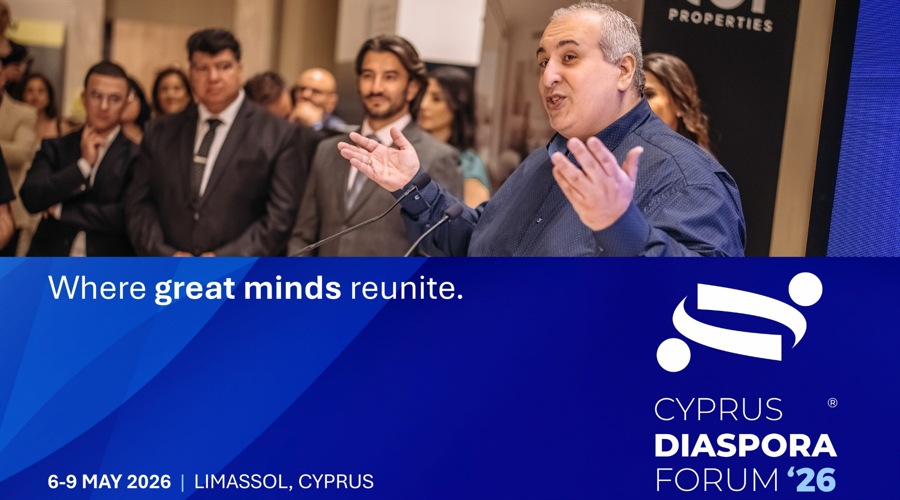
The Global Cypriot Advantage: Why Diaspora Engagement Is the Country’s Next Growth Frontier

Thursday, 26/02/2026 | 10:28 GMT by Finance Magnates Staff
  • Paul Lambis, Founder and CEO of the Cyprus Diaspora Forum talks about the global cypriot advantage
Cyprus Diaspora Forum - CEO Talk

In an era defined by global mobility, cross-border collaboration, and the rapid exchange of ideas, nations are increasingly measured not only by what happens within their borders but by the reach and influence of their people around the world. Few understand this more clearly than Paul Lambis, the Founder and CEO of the Cyprus Diaspora Forum — an initiative that has rapidly evolved into one of the most strategically significant international gatherings connected to Cyprus.

From 6 to 9 May 2026, the Forum returns to Limassol for its third edition, building on the momentum of previous years while expanding both its scale and ambition. Yet to describe the event merely as a conference would miss the essence of what Lambis set out to create. The Forum is, in many ways, a structural response to globalisation — a deliberate effort to convert identity into influence and heritage into measurable economic and strategic opportunity.

Speaking about the initiative's origins, Lambis describes a moment of recognition rather than inspiration. For years, he observed the remarkable achievements of Cypriots across the world — entrepreneurs leading multinational companies, scientists shaping research frontiers, creatives redefining industries, and professionals occupying positions of influence in global institutions. The diaspora was thriving, but its relationship with Cyprus remained fragmented, often sentimental rather than strategic.

“The realisation was simple,” he explains. “We had this extraordinary global network of talent, experience, and influence — but no structured platform to bring it together in a way that actively contributes to national development. I didn’t want to create another event that celebrates heritage. I wanted to create a mechanism that mobilises it.”

That distinction lies at the heart of the Forum’s design. Rather than positioning the diaspora as a distant community connected primarily through culture, the initiative reframes it as a strategic growth engine — a distributed network capable of accelerating investment, innovation, and international positioning. The premise is both practical and ambitious: a small country can dramatically expand its economic and geopolitical reach by mobilising its people's global presence.

For Lambis, this is not theoretical. He sees diaspora engagement as one of the defining competitive advantages of modern nations. Countries that successfully integrate their global citizens into economic planning, knowledge transfer, and innovation ecosystems multiply their capacity for growth. They gain access to international markets, attract new forms of capital, strengthen diplomatic relationships, and cultivate cross-border collaboration in emerging industries.

“The diaspora is not an extension of the country,” he says. “It is part of its operating system. When you connect global expertise back into national strategy, you expand what the country can achieve.”

This philosophy shapes every aspect of the Forum’s structure. Aside from the social and relationship-building component that naturally comes from bringing together global leaders, innovators, and professionals, participants move through a dense landscape of conversations, partnerships, and strategic engagement that spans the sectors driving contemporary economic transformation — artificial intelligence, financial technology, research and innovation, medical and health sciences, energy transition, digital content creation, education, and advanced scientific development. A strong emphasis is placed on cultivating innovation ecosystems by supporting startups and empowering small and medium-sized enterprises, recognising their critical role as engines of agility, job creation, and long-term economic resilience. Global investors explore opportunities to establish operations, fund emerging ventures, or form strategic partnerships with high-growth companies. Entrepreneurs gain exposure to international markets, mentorship, and capital networks. Policymakers engage with experts whose careers have unfolded across multiple regulatory and economic environments, helping to shape frameworks that enable innovation to thrive. Returning professionals assess pathways to reintegrate into the national economy, contributing knowledge, research capability, and entrepreneurial experience that can accelerate Cyprus’ transition into a competitive hub for innovation-led growth.
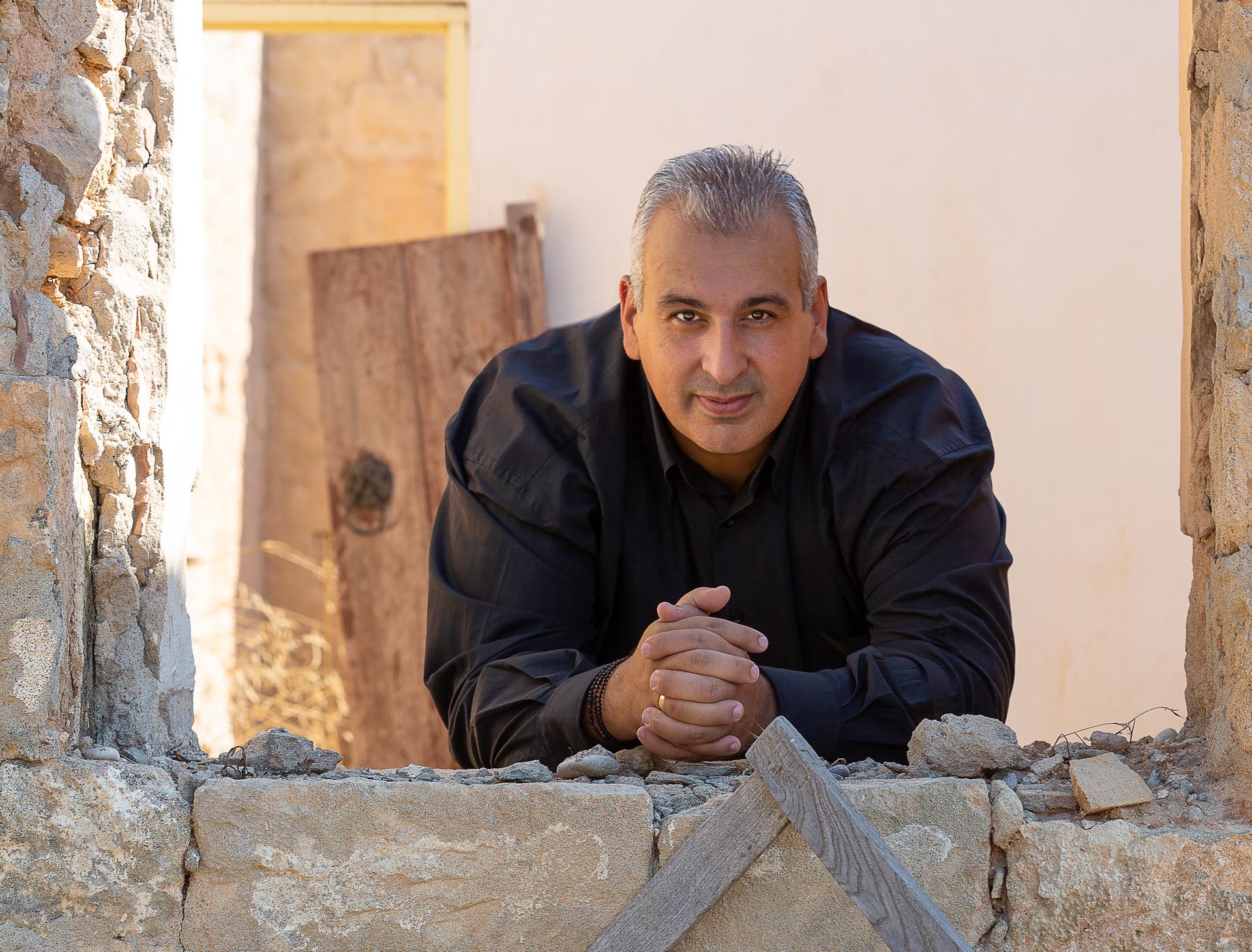
Paul Lambis of Cyprus Diaspora Forum

Repatriation is a particularly important dimension of this ecosystem. For decades, many of Cyprus’ most talented individuals have built careers abroad, drawn by opportunity, scale, and global exposure. The challenge now is not simply encouraging them to return physically but creating meaningful frameworks through which their expertise can contribute — whether through relocation, investment, advisory roles, or institutional collaboration. The Forum works closely with initiatives such as the Cyprus Government’s Minds in Cyprus initiative, which aims to make the return of highly skilled professionals both viable and impactful.

Lambis views this process as essential to national renewal. Talent mobility, he argues, should be cyclical rather than one-directional. Individuals gain knowledge abroad and reinvest it at home, strengthening local industries while maintaining international connectivity. The result is not isolation but integration — a national economy deeply embedded in global systems.

The Forum also situates Cyprus within broader geopolitical and economic frameworks. Its discussions frequently address the country’s role within the European Union and examine the potential implications of joining the Schengen Area — developments that could reshape mobility, investment flows, and regional positioning. These conversations underscore a recurring theme: Cyprus is not simply adapting to global change but actively seeking to define its place within it.

This forward-looking orientation reflects Lambis’ long-term vision for the country itself. He does not describe Cyprus merely as a destination for investment or relocation, but as what he calls a “connector state” — a nation that leverages geography, culture, and international networks to operate far beyond the limitations of size. Positioned at the crossroads of Europe, the Middle East, and Africa, Cyprus has the structural potential to function as a hub for commerce, innovation, education, and cultural exchange. Realising that potential, however, requires sustained openness to global collaboration and a willingness to engage its diaspora not as observers but as partners.

“Size is no longer the defining constraint it once was,” Lambis says. “Connectivity is what matters. Influence flows through networks — and Cyprus has one of the most powerful global networks available to any nation its size. The question is whether we choose to activate it.”

The Forum itself has become one of the primary mechanisms through which that activation occurs. Previous editions have drawn thousands of participants from across Europe, the Middle East, Africa, Asia, Australia, and North America. Many arrive initially out of curiosity or cultural connection, but leave with business partnerships, investment commitments, or collaborative projects already underway. The event has facilitated cross-border research initiatives, corporate expansions, and relocation decisions that extend well beyond its four-day programme.

Its ceremonial elements reflect both its global orientation and its cultural roots. This year’s gathering opens with a high-profile reception at the AMARA Hotel, setting a tone that blends international sophistication with Mediterranean hospitality. The closing CYDIA Awards Gala honours individuals of Cypriot heritage — as well as international figures who have contributed significantly to the country’s global standing — reinforcing the idea that national identity and global achievement are not separate narratives but interwoven ones.

What emerges from all of this is a redefinition of what diaspora engagement can look like in the twenty-first century. Rather than treating global citizens as symbolic ambassadors, the Forum positions them as active participants in shaping economic policy, innovation strategy, and international positioning. It transforms connection into collaboration and sentiment into structure.

For Lambis, this transformation is only beginning. He speaks less about individual events and more about generational change — about building systems that ensure younger members of the diaspora see Cyprus not only as an ancestral homeland but as a place of professional possibility. Sustained engagement, he believes, must extend beyond periodic gatherings into long-term networks that facilitate mentorship, investment, research collaboration, and entrepreneurial exchange.

When asked to summarise what the Forum ultimately represents, his answer is simple but expansive. It is, he says, a global movement — one that connects people across continents while anchoring them in shared purpose. A movement that recognises heritage not as nostalgia but as infrastructure. A movement that seeks to elevate Cyprus internationally by ensuring its people, wherever they are in the world, remain connected to its future.

As the third Cyprus Diaspora Forum prepares to convene, it stands not merely as a high-level gathering of influential individuals but as an evolving model of how nations can harness global identity as a driver of growth. In a world increasingly shaped by networks rather than borders, its underlying message resonates far beyond the Mediterranean: the true power of a country may lie not only within its territory, but within the reach of its people.
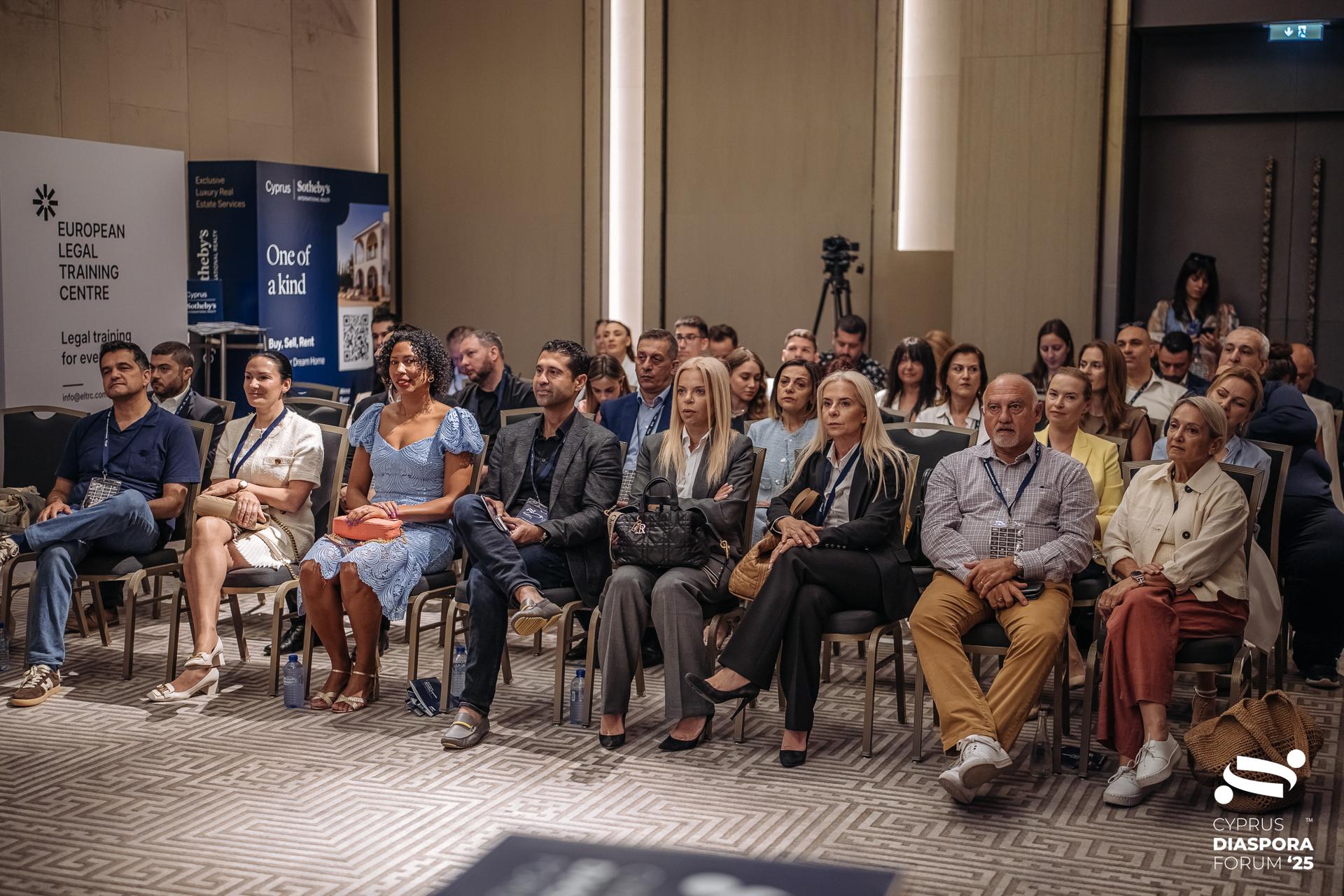
Cyprus Diaspora Forum Topics 2026

In an era defined by global mobility, cross-border collaboration, and the rapid exchange of ideas, nations are increasingly measured not only by what happens within their borders but by the reach and influence of their people around the world. Few understand this more clearly than Paul Lambis, the Founder and CEO of the Cyprus Diaspora Forum — an initiative that has rapidly evolved into one of the most strategically significant international gatherings connected to Cyprus.

From 6 to 9 May 2026, the Forum returns to Limassol for its third edition, building on the momentum of previous years while expanding both its scale and ambition. Yet to describe the event merely as a conference would miss the essence of what Lambis set out to create. The Forum is, in many ways, a structural response to globalisation — a deliberate effort to convert identity into influence and heritage into measurable economic and strategic opportunity.

Speaking about the initiative's origins, Lambis describes a moment of recognition rather than inspiration. For years, he observed the remarkable achievements of Cypriots across the world — entrepreneurs leading multinational companies, scientists shaping research frontiers, creatives redefining industries, and professionals occupying positions of influence in global institutions. The diaspora was thriving, but its relationship with Cyprus remained fragmented, often sentimental rather than strategic.

“The realisation was simple,” he explains. “We had this extraordinary global network of talent, experience, and influence — but no structured platform to bring it together in a way that actively contributes to national development. I didn’t want to create another event that celebrates heritage. I wanted to create a mechanism that mobilises it.”

That distinction lies at the heart of the Forum’s design. Rather than positioning the diaspora as a distant community connected primarily through culture, the initiative reframes it as a strategic growth engine — a distributed network capable of accelerating investment, innovation, and international positioning. The premise is both practical and ambitious: a small country can dramatically expand its economic and geopolitical reach by mobilising its people's global presence.

For Lambis, this is not theoretical. He sees diaspora engagement as one of the defining competitive advantages of modern nations. Countries that successfully integrate their global citizens into economic planning, knowledge transfer, and innovation ecosystems multiply their capacity for growth. They gain access to international markets, attract new forms of capital, strengthen diplomatic relationships, and cultivate cross-border collaboration in emerging industries.

“The diaspora is not an extension of the country,” he says. “It is part of its operating system. When you connect global expertise back into national strategy, you expand what the country can achieve.”

This philosophy shapes every aspect of the Forum’s structure. Aside from the social and relationship-building component that naturally comes from bringing together global leaders, innovators, and professionals, participants move through a dense landscape of conversations, partnerships, and strategic engagement that spans the sectors driving contemporary economic transformation — artificial intelligence, financial technology, research and innovation, medical and health sciences, energy transition, digital content creation, education, and advanced scientific development. A strong emphasis is placed on cultivating innovation ecosystems by supporting startups and empowering small and medium-sized enterprises, recognising their critical role as engines of agility, job creation, and long-term economic resilience. Global investors explore opportunities to establish operations, fund emerging ventures, or form strategic partnerships with high-growth companies. Entrepreneurs gain exposure to international markets, mentorship, and capital networks. Policymakers engage with experts whose careers have unfolded across multiple regulatory and economic environments, helping to shape frameworks that enable innovation to thrive. Returning professionals assess pathways to reintegrate into the national economy, contributing knowledge, research capability, and entrepreneurial experience that can accelerate Cyprus’ transition into a competitive hub for innovation-led growth.

Paul Lambis of Cyprus Diaspora Forum

Repatriation is a particularly important dimension of this ecosystem. For decades, many of Cyprus’ most talented individuals have built careers abroad, drawn by opportunity, scale, and global exposure. The challenge now is not simply encouraging them to return physically but creating meaningful frameworks through which their expertise can contribute — whether through relocation, investment, advisory roles, or institutional collaboration. The Forum works closely with initiatives such as the Cyprus Government’s Minds in Cyprus initiative, which aims to make the return of highly skilled professionals both viable and impactful.

Lambis views this process as essential to national renewal. Talent mobility, he argues, should be cyclical rather than one-directional. Individuals gain knowledge abroad and reinvest it at home, strengthening local industries while maintaining international connectivity. The result is not isolation but integration — a national economy deeply embedded in global systems.

The Forum also situates Cyprus within broader geopolitical and economic frameworks. Its discussions frequently address the country’s role within the European Union and examine the potential implications of joining the Schengen Area — developments that could reshape mobility, investment flows, and regional positioning. These conversations underscore a recurring theme: Cyprus is not simply adapting to global change but actively seeking to define its place within it.

This forward-looking orientation reflects Lambis’ long-term vision for the country itself. He does not describe Cyprus merely as a destination for investment or relocation, but as what he calls a “connector state” — a nation that leverages geography, culture, and international networks to operate far beyond the limitations of size. Positioned at the crossroads of Europe, the Middle East, and Africa, Cyprus has the structural potential to function as a hub for commerce, innovation, education, and cultural exchange. Realising that potential, however, requires sustained openness to global collaboration and a willingness to engage its diaspora not as observers but as partners.

“Size is no longer the defining constraint it once was,” Lambis says. “Connectivity is what matters. Influence flows through networks — and Cyprus has one of the most powerful global networks available to any nation its size. The question is whether we choose to activate it.”

The Forum itself has become one of the primary mechanisms through which that activation occurs. Previous editions have drawn thousands of participants from across Europe, the Middle East, Africa, Asia, Australia, and North America. Many arrive initially out of curiosity or cultural connection, but leave with business partnerships, investment commitments, or collaborative projects already underway. The event has facilitated cross-border research initiatives, corporate expansions, and relocation decisions that extend well beyond its four-day programme.

Its ceremonial elements reflect both its global orientation and its cultural roots. This year’s gathering opens with a high-profile reception at the AMARA Hotel, setting a tone that blends international sophistication with Mediterranean hospitality. The closing CYDIA Awards Gala honours individuals of Cypriot heritage — as well as international figures who have contributed significantly to the country’s global standing — reinforcing the idea that national identity and global achievement are not separate narratives but interwoven ones.

What emerges from all of this is a redefinition of what diaspora engagement can look like in the twenty-first century. Rather than treating global citizens as symbolic ambassadors, the Forum positions them as active participants in shaping economic policy, innovation strategy, and international positioning. It transforms connection into collaboration and sentiment into structure.

For Lambis, this transformation is only beginning. He speaks less about individual events and more about generational change — about building systems that ensure younger members of the diaspora see Cyprus not only as an ancestral homeland but as a place of professional possibility. Sustained engagement, he believes, must extend beyond periodic gatherings into long-term networks that facilitate mentorship, investment, research collaboration, and entrepreneurial exchange.

When asked to summarise what the Forum ultimately represents, his answer is simple but expansive. It is, he says, a global movement — one that connects people across continents while anchoring them in shared purpose. A movement that recognises heritage not as nostalgia but as infrastructure. A movement that seeks to elevate Cyprus internationally by ensuring its people, wherever they are in the world, remain connected to its future.

As the third Cyprus Diaspora Forum prepares to convene, it stands not merely as a high-level gathering of influential individuals but as an evolving model of how nations can harness global identity as a driver of growth. In a world increasingly shaped by networks rather than borders, its underlying message resonates far beyond the Mediterranean: the true power of a country may lie not only within its territory, but within the reach of its people.

Cyprus Diaspora Forum Topics 2026
About the Author: Finance Magnates Staff
Finance Magnates Staff
  • 4422 Articles
  • 166 Followers
About the Author: Finance Magnates Staff
This is the Finance Magnates Staff.
  • 4422 Articles
  • 166 Followers

More from the Author

Executives

!"#$%&'()*+,-./0123456789:;<=>?@ABCDEFGHIJKLMNOPQRSTUVWXYZ[\]^_`abcdefghijklmnopqrstuvwxyz{|} !"#$%&'()*+,-./0123456789:;<=>?@ABCDEFGHIJKLMNOPQRSTUVWXYZ[\]^_`abcdefghijklmnopqrstuvwxyz{|}