Matt House, CEO of SportQuake, told FinanceMagnates.com the ban on betting brands as shirt sponsors of Premier League teams will open “a buying opportunity for non-betting brands.”
Currently, 11 Premier League teams have betting brands as their main shirt sponsor.
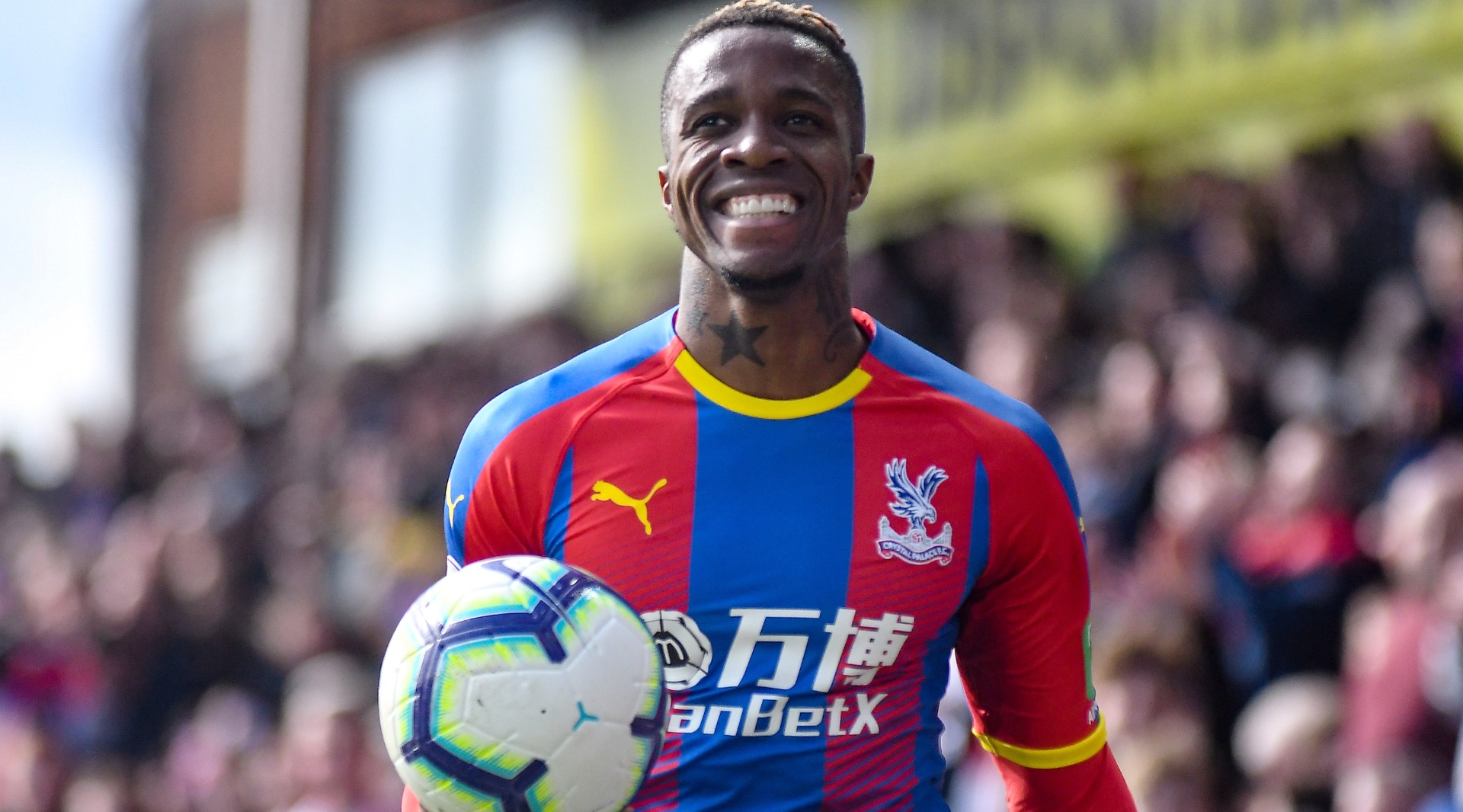
Wilfried Zaha of Palace pictured during the 2018/19 Premier League game
“Betting is the fifth-biggest spender on sports sponsorship globally and the second-largest spending brand category in Premier League sponsorship,” Matt House, CEO of SportQuake, told FinanceMagnates.com, as the UK is preparing to ban teams from displaying betting brands on shirts.
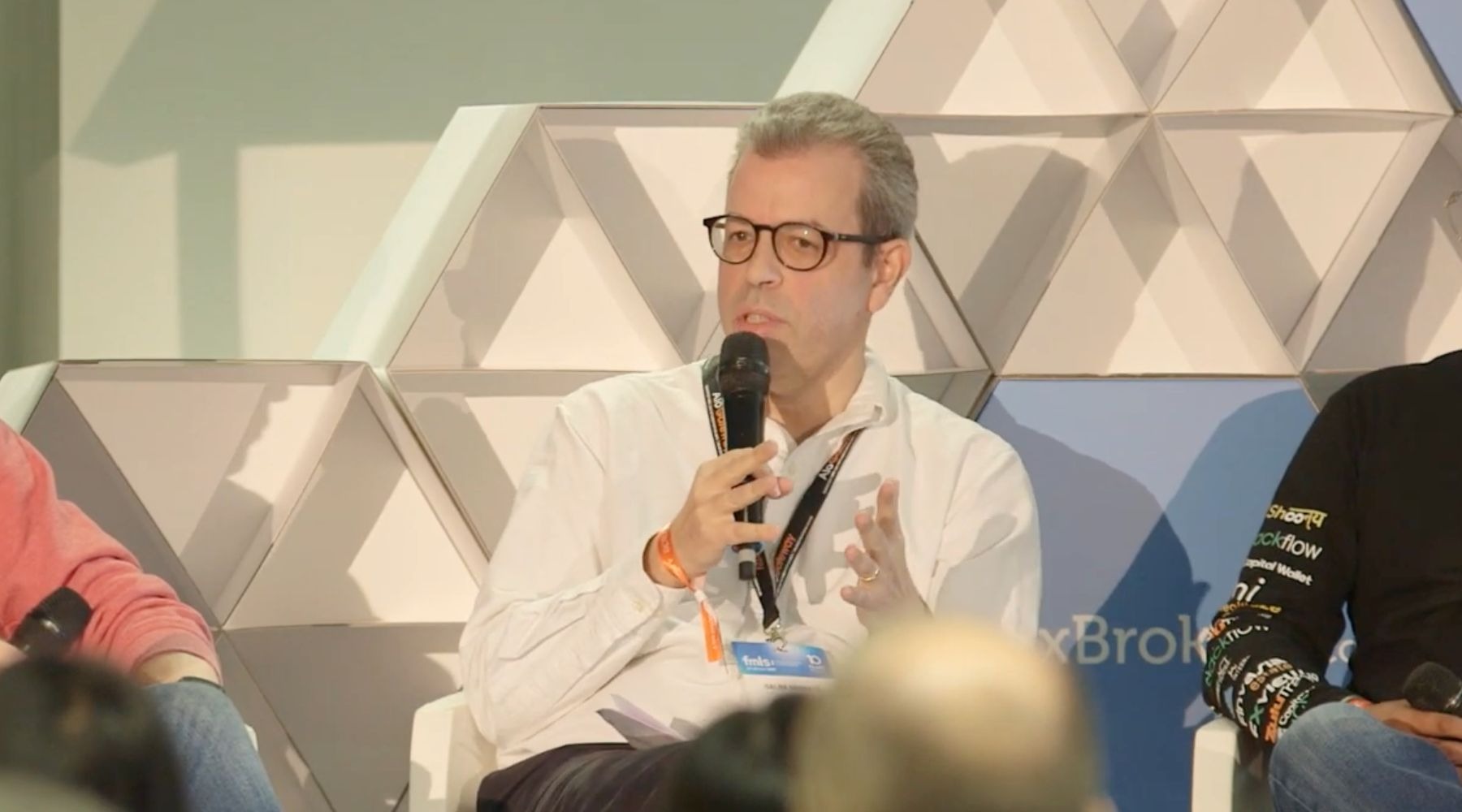
Matt House, CEO of SportQuake
Interestingly, 11 Premier League teams currently feature a gambling sponsor on the front of their shirts. The combined value of these shirt sponsorship deals in the ongoing season is $135.43 million (£101.1 million), according to figures from GlobalData.
House revealed that betting brands account for 10% of total Premier League sponsorship spending. “[The ban] is not material for Premier League teams as a whole,” he added, “but for the affected teams it’s a big challenge.”
He also pointed out that “betting will continue to be allowed across all other UK sports and will remain in the Premier League on non-front-of-shirt uniform assets, such as stadium branding, digital content and social media.”
Apart from betting brands, retail trading platforms are another industry spending heavily on sports sponsorships. FxPro, FBS and Plus500 have all previously placed their branding on the front of various football club shirts, while other brokers have promoted their brands on and off jerseys.
With the exit of many Premier League shirt sponsors, a new opportunity may emerge for brokers. “Premier League front-of-shirt sponsorship is a thinly traded marketplace, with only four to five teams per season,” House said. “So, with availability doubling and the biggest buyer exiting, simple supply and demand economics suggest the market is likely to be softer year-on-year, presenting a buying opportunity for non-betting brands.”
However, shirt sponsorship is expensive. “Smaller teams have been earning around £7 million per year from betting front-of-shirt packages, with larger teams making over £10 million annually,” the SportQuake CEO said. “The Villa x Betano deal is the largest betting front-of-shirt sponsorship in the Premier League, worth £20 million per year, subject to performance bonuses.”
That cost is rarely a barrier for willing CFD brokers. According to SportQuake, Swissquote spent $15 million on sports sponsorships in the 2024–25 season, followed by eToro and Plus500 at $10.7 million and $10.5 million, respectively. Other major spenders include Libertex, AvaTrade, Vantage, Doo Group and CFI Group.
The most favoured type of sponsorship, however, is becoming a global or regional “official partner.” According to House, these are “entry-level to sports sponsorship and, depending on your brand objectives, provide many helpful marketing tools—specifically for growing ambitious multi-market, digital-first fintech businesses.”
“We see great value in these packages,” he added. “They trade at around a 95% discount to historic front-of-shirt prices for similar marketing rights (e.g., excluding uniform but including IP, stadium branding, digital content and social media).”
“F1 Has Been Flying”
Although football receives the biggest share of sports spending by retail trading brands (CFD and non-CFD) at $86 million, other popular sports include basketball and Formula One, which attracted $32 million and $20 million, respectively.
“F1 has been flying since Covid and Drive to Survive,” House said, referring to the popular documentary series on Formula One. “The entry-level cost for a trading partner of a smaller F1 team is around £2 million per year depending on marketing rights. It’s an obvious area for CFD brokers to target—offering premium, globally known IP, a large investment-focused international audience, and the ability to activate regionally at F1’s 24 race weekends around the world.”
“It’s worth noting that while F1 is growing faster, football remains dominant—almost 50% of CFD sports sponsorship spend goes to football versus 11% for F1,” House added. “It will be interesting to watch the growth race over the next 12 months, especially as Premier League front-of-shirt prices decline, which might draw more spend back into football.”
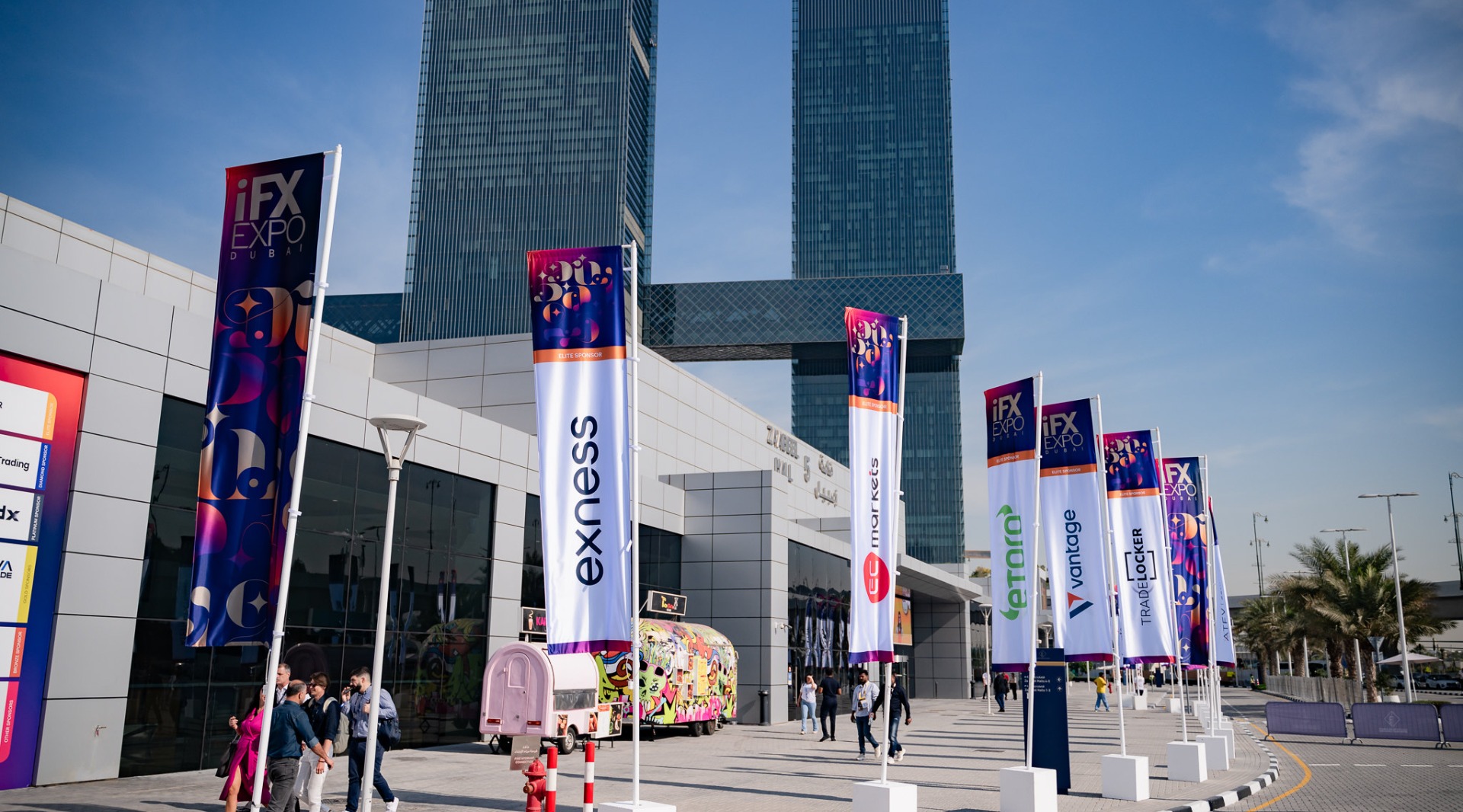
Brokerage brands are also showing interest in regional sports sponsorships, particularly in the UAE, South America and India.
Retail trading brands tripled their spending on sports sponsorship deals in the 2024–25 season compared to two years ago, reaching $183 million. However, Matt House, CEO of SportQuake, a sports sponsorship brokerage agency, believes that “many people spend their money badly.”
“The front end of getting to know each other and setting things on firm foundations is key,” he added. “Getting that right and paying the right price generally creates the highest ROI.
“We work extensively across fast-moving, digital-first industries,” House continued. “So, undoubtedly there will be further regulations and restrictions, but there will also be many opportunities. The top fintech and trading brands are major businesses now, with strong teams and financing behind them. The top sports teams are developing in the same way. That’s where the synergies are. That’s what makes it so exciting.”
“Betting is the fifth-biggest spender on sports sponsorship globally and the second-largest spending brand category in Premier League sponsorship,” Matt House, CEO of SportQuake, told FinanceMagnates.com, as the UK is preparing to ban teams from displaying betting brands on shirts.
Matt House, CEO of SportQuake
Interestingly, 11 Premier League teams currently feature a gambling sponsor on the front of their shirts. The combined value of these shirt sponsorship deals in the ongoing season is $135.43 million (£101.1 million), according to figures from GlobalData.
House revealed that betting brands account for 10% of total Premier League sponsorship spending. “[The ban] is not material for Premier League teams as a whole,” he added, “but for the affected teams it’s a big challenge.”
He also pointed out that “betting will continue to be allowed across all other UK sports and will remain in the Premier League on non-front-of-shirt uniform assets, such as stadium branding, digital content and social media.”
Apart from betting brands, retail trading platforms are another industry spending heavily on sports sponsorships. FxPro, FBS and Plus500 have all previously placed their branding on the front of various football club shirts, while other brokers have promoted their brands on and off jerseys.
With the exit of many Premier League shirt sponsors, a new opportunity may emerge for brokers. “Premier League front-of-shirt sponsorship is a thinly traded marketplace, with only four to five teams per season,” House said. “So, with availability doubling and the biggest buyer exiting, simple supply and demand economics suggest the market is likely to be softer year-on-year, presenting a buying opportunity for non-betting brands.”
However, shirt sponsorship is expensive. “Smaller teams have been earning around £7 million per year from betting front-of-shirt packages, with larger teams making over £10 million annually,” the SportQuake CEO said. “The Villa x Betano deal is the largest betting front-of-shirt sponsorship in the Premier League, worth £20 million per year, subject to performance bonuses.”
That cost is rarely a barrier for willing CFD brokers. According to SportQuake, Swissquote spent $15 million on sports sponsorships in the 2024–25 season, followed by eToro and Plus500 at $10.7 million and $10.5 million, respectively. Other major spenders include Libertex, AvaTrade, Vantage, Doo Group and CFI Group.
The most favoured type of sponsorship, however, is becoming a global or regional “official partner.” According to House, these are “entry-level to sports sponsorship and, depending on your brand objectives, provide many helpful marketing tools—specifically for growing ambitious multi-market, digital-first fintech businesses.”
“We see great value in these packages,” he added. “They trade at around a 95% discount to historic front-of-shirt prices for similar marketing rights (e.g., excluding uniform but including IP, stadium branding, digital content and social media).”
“F1 Has Been Flying”
Although football receives the biggest share of sports spending by retail trading brands (CFD and non-CFD) at $86 million, other popular sports include basketball and Formula One, which attracted $32 million and $20 million, respectively.
“F1 has been flying since Covid and Drive to Survive,” House said, referring to the popular documentary series on Formula One. “The entry-level cost for a trading partner of a smaller F1 team is around £2 million per year depending on marketing rights. It’s an obvious area for CFD brokers to target—offering premium, globally known IP, a large investment-focused international audience, and the ability to activate regionally at F1’s 24 race weekends around the world.”
“It’s worth noting that while F1 is growing faster, football remains dominant—almost 50% of CFD sports sponsorship spend goes to football versus 11% for F1,” House added. “It will be interesting to watch the growth race over the next 12 months, especially as Premier League front-of-shirt prices decline, which might draw more spend back into football.”
Brokerage brands are also showing interest in regional sports sponsorships, particularly in the UAE, South America and India.
Retail trading brands tripled their spending on sports sponsorship deals in the 2024–25 season compared to two years ago, reaching $183 million. However, Matt House, CEO of SportQuake, a sports sponsorship brokerage agency, believes that “many people spend their money badly.”
“The front end of getting to know each other and setting things on firm foundations is key,” he added. “Getting that right and paying the right price generally creates the highest ROI.
“We work extensively across fast-moving, digital-first industries,” House continued. “So, undoubtedly there will be further regulations and restrictions, but there will also be many opportunities. The top fintech and trading brands are major businesses now, with strong teams and financing behind them. The top sports teams are developing in the same way. That’s where the synergies are. That’s what makes it so exciting.”
Arnab Shome is an electronics engineer-turned-financial editor. He holds a Bachelor of Technology from the National Institute of Technology, Agartala. He entered the retail trading industry about a decade ago, covering the cryptocurrency market for Finance Magnates, and later expanded his coverage to include forex and CFDs as well.
His work at Finance Magnates includes C-level interviews, data-driven analysis, opinion pieces, and scoops of industry exclusives. He also contributes to Finance Magnates’ quarterly industry report.
Area of coverage:
1. CFD broker-related news
2. Industry-related Regulatory updates and developments
3. New retail trading trends
4. Prop trading industry updates
5. Executive interviews
Education:
Bachelor of Technology - National Institute of Technology, Agartala (India)
EBC Financial’s UK CEO David Barrett Steps Down After Six Years
FP Markets Winner Spotlight 🏆 | Global Broker of the Year 2025 #Trading #Broker #Innovation #Shorts
FP Markets Winner Spotlight 🏆 | Global Broker of the Year 2025 #Trading #Broker #Innovation #Shorts
FP Markets takes the spotlight as Global Broker of the Year 2025 at the Finance Magnates Awards.
Martin Stoilov, Head of Client Experience, shares that trust, innovation, and people played a key role in the company’s success, supported by a strong foundation of integrity and client-centricity.
Following this milestone, FP Markets continues to focus on growth, technology investment, and its core values of transparency and excellence.
👉 Be part of FM Awards 2026: https://awards.financemagnates.com/#nominate
FP Markets takes the spotlight as Global Broker of the Year 2025 at the Finance Magnates Awards.
Martin Stoilov, Head of Client Experience, shares that trust, innovation, and people played a key role in the company’s success, supported by a strong foundation of integrity and client-centricity.
Following this milestone, FP Markets continues to focus on growth, technology investment, and its core values of transparency and excellence.
👉 Be part of FM Awards 2026: https://awards.financemagnates.com/#nominate
In this video, we review @HolaPrimeMarketsOfficial, a multi-asset forex and CFDs broker offering different account types, trading platforms, and flexible trading conditions.
We cover the broker’s overall offering, including account options, trading environment, platforms like MT4 and MT5, and additional services such as managed accounts and fast withdrawals.
Watch the full video to see if Hola Prime Markets fits your trading needs.
📣 Stay up to date with the latest in finance and trading. Follow Finance Magnates for industry news, insights, and global event coverage.
Connect with us:
🔗 LinkedIn: /financemagnates
👍 Facebook: /financemagnates
📸 Instagram: https://www.instagram.com/financemagnates
🐦 X: https://x.com/financemagnates
🎥 TikTok: https://www.tiktok.com/tag/financemagnates
▶️ YouTube: /@financemagnates_official
#HolaPrime #ForexBroker #CFDTrading #FinanceMagnates #Trading #Forex #BrokerReview
In this video, we review @HolaPrimeMarketsOfficial, a multi-asset forex and CFDs broker offering different account types, trading platforms, and flexible trading conditions.
We cover the broker’s overall offering, including account options, trading environment, platforms like MT4 and MT5, and additional services such as managed accounts and fast withdrawals.
Watch the full video to see if Hola Prime Markets fits your trading needs.
📣 Stay up to date with the latest in finance and trading. Follow Finance Magnates for industry news, insights, and global event coverage.
Connect with us:
🔗 LinkedIn: /financemagnates
👍 Facebook: /financemagnates
📸 Instagram: https://www.instagram.com/financemagnates
🐦 X: https://x.com/financemagnates
🎥 TikTok: https://www.tiktok.com/tag/financemagnates
▶️ YouTube: /@financemagnates_official
#HolaPrime #ForexBroker #CFDTrading #FinanceMagnates #Trading #Forex #BrokerReview
Hola Prime Review: What You Need to Know | Full Breakdown by Finance Magnates
Hola Prime Review: What You Need to Know | Full Breakdown by Finance Magnates
In this video, we review @HolaPrime_Global, a proprietary trading firm offering evaluation programs and performance-based payouts in simulated market environments.
We cover how the challenge model works, including account types, profit splits (up to 95%), trading rules, and what it takes to reach a funded account. You’ll also learn about available platforms like MT4, MT5, cTrader, and more, along with insights into payouts, support, and trading conditions.
Watch the full video to see if Hola Prime fits your trading style.
📣 Stay up to date with the latest in finance and trading. Follow Finance Magnates for industry news, insights, and global event coverage.
Connect with us:
🔗 LinkedIn: /financemagnates
👍 Facebook: /financemagnates
📸 Instagram: https://www.instagram.com/financemagnates
🐦 X: https://x.com/financemagnates
🎥 TikTok: https://www.tiktok.com/tag/financemagnates
▶️ YouTube: /@financemagnates_official
#HolaPrime #PropFirm #Trading #FinanceMagnates #Forex #FuturesTrading #TradingReview #PropFirmReview
In this video, we review @HolaPrime_Global, a proprietary trading firm offering evaluation programs and performance-based payouts in simulated market environments.
We cover how the challenge model works, including account types, profit splits (up to 95%), trading rules, and what it takes to reach a funded account. You’ll also learn about available platforms like MT4, MT5, cTrader, and more, along with insights into payouts, support, and trading conditions.
Watch the full video to see if Hola Prime fits your trading style.
📣 Stay up to date with the latest in finance and trading. Follow Finance Magnates for industry news, insights, and global event coverage.
Connect with us:
🔗 LinkedIn: /financemagnates
👍 Facebook: /financemagnates
📸 Instagram: https://www.instagram.com/financemagnates
🐦 X: https://x.com/financemagnates
🎥 TikTok: https://www.tiktok.com/tag/financemagnates
▶️ YouTube: /@financemagnates_official
#HolaPrime #PropFirm #Trading #FinanceMagnates #Forex #FuturesTrading #TradingReview #PropFirmReview
Axi Winner Spotlight 🏆 | Global Most Innovative Broker 2025 #Innovation #Trading #Fintech #Broker
Axi Winner Spotlight 🏆 | Global Most Innovative Broker 2025 #Innovation #Trading #Fintech #Broker
Axi takes the spotlight at the Finance Magnates Awards, winning Global Most Innovative Broker 2025.
Olivia Xenofontos and Ivanna Openko share how the team will feel: proud, motivated, and ready to keep delivering.
They also describe the night as well-organized, focused, and enjoyable for all.
👉 Be part of FM Awards 2026.
Axi takes the spotlight at the Finance Magnates Awards, winning Global Most Innovative Broker 2025.
Olivia Xenofontos and Ivanna Openko share how the team will feel: proud, motivated, and ready to keep delivering.
They also describe the night as well-organized, focused, and enjoyable for all.
👉 Be part of FM Awards 2026.
Recognition that matters.
Built on transparency.
Driven by the industry.
The Finance Magnates Awards 2026.
Nominations are now open.
🔗 https://awards.financemagnates.com/?utm_source=SM&utm_medium=social&utm_campaign=recognition-matters
Recognition that matters.
Built on transparency.
Driven by the industry.
The Finance Magnates Awards 2026.
Nominations are now open.
🔗 https://awards.financemagnates.com/?utm_source=SM&utm_medium=social&utm_campaign=recognition-matters