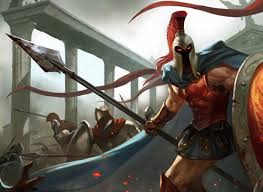
Trainees could perhaps choose from a variety of different gamified courses based on their existing level of knowledge and skill of day trading. Each course could be constructed as a completely different game experience. Alternatively, the whole training environment might become a massive multiplayer online role-playing game (MMORPG) like World of Warcraft.
The best games create a tension between a player’s abilities and the level of skill required to overcome a particular challenge. If the game is too easy it soon becomes boring. If the challenge is too difficult the player becomes frustrated and gives up. Get the balance just right and the player enters something called “flow”. This is a sweet spot where they’re really having fun and are completely immersed in the game experience. However, games offer us something else on the way to this Nirvana-like state, and that’s the ability to fail (often repeatedly), learn from our mistakes and improve. Games are not linear. They’re a series of small tasks, continuous feedback, milestone challenges, and attainment levels that gradually build to the realisation of a supreme goal or epic win. The best games are wrapped in a compelling narrative, offer players meaningful choices, opportunities to collaborate and share. Finally, any rewards given must be tailored to the specific
World of Tradecraft
Novice traders could undertake clear, simple tasks and challenges gradually gaining in experience. They could join trading guilds and work collaboratively together to undertake quests, learning from each other. More seasoned traders might also play the game, demonstrating their trading prowess in one-to-one competitions or becoming Yoda-like teachers and the heads of guilds. As an individual player’s abilities grow, new territories, challenges and rewards become available to them continually expanding the game’s depth and breadth. If anyone doubts the power and profitability of games like World of Warcraft just take a look at the figures. World of Warcraft is the number one subscription-based MMORPG, with approximately 7.8 million subscribers at the start of 2014. The game grossed over $10 billion by mid-2012, although profits have taken a slide more recently.
Corporate Training
Games have always played a major role in childhood learning and development. In fact, many animals also use play to teach their offspring vital survival skills. Once learned never forgotten. So, it might seem a little strange that somewhere along the path of business evolution all the fun seems to have been sucked out of corporate training. Instead, businesses spend absolute fortunes on dry, insipid, joyless training courses. These courses often leave employees demotivated and poorly equipped to tackle their jobs. In contrast, game-based learning suits generations of employees brought up with computer games – not just the Millennials.
Highly immersive, interactive learning games can increase long term retention of training content by 10 times the rate of standard courses. For those working in forex and other highly regulated financial services, game-based learning can help on-board new staff, develop sales skills, and keep your people motivated. It can also ensure that annual regulation and compliance training is done willingly. Games can create worlds where real work gets done, people have fun, learn, collaborate, share, compete and ultimately achieve. Delta Air Lines, McDonald’s, SAP, NTT Data and Deloitte are just some of the companies who’ve seen very positive results from game-based learning.
Behaviour Change
There has long been a debate about the potential negative influences of violent video games on those who play them. There have been similar debates about violent television and movie content. Now, science is starting to catch up and provide intriguing insights about how games can change us for the better, and worse. There is a lot of data coming from university professors, cognitive neuroscientists, evolutionary psychologists and even primatologists (they study monkeys) about how gameplay changes brain chemistry and influences behaviour. It seems people are happier working hard and doing something productive than relaxing. In fact, it seems doing nothing tends to bring on anxiety and even depression in many of us. Research by East Carolina University showed that casual games outperform certain drugs for alleviating anxiety and depression.
A Stanford University study suggests many of the traits we develop while playing games increasingly leak into our real lives such as being more creative, courageous, ambitious, and committed to our goals. At its heart gamification creates challenge-achievement-reward loops. The game might reward you with experience points, a badge or something similar. However, your brain rewards you with a shot of a neurotransmitter called dopamine. This chemical makes you feel great (positive reinforcement), and gradually changes the way you think and feel. Of course, healthier, more motivated and focused workers can only be a good thing for business.
Many gamers feel they can achieve more; build stronger social relationships; get more feedback and better rewards from virtual worlds than the real one. Still, the way games make us feel is real, and those positive feelings, states of mind and what we learn continue beyond the game into our real lives. It’s clear that games possess enormous power and extraordinary potential for business applications. We’ve seen how games can bring together thousands of people in common cause to overcome real-world challenges such as scientific research and the fight against AIDS. For brokers, banks and other financial institutions games represent a massive opportunity. Games might significantly improve the way you recruit, train, assess, motivate and retain staff. They can influence new product development; help you meet regulatory obligations; create greater customer engagement, and foster lifelong brand loyalty. In reality there’s everything to play for.
Trainees could perhaps choose from a variety of different gamified courses based on their existing level of knowledge and skill of day trading. Each course could be constructed as a completely different game experience. Alternatively, the whole training environment might become a massive multiplayer online role-playing game (MMORPG) like World of Warcraft.
The best games create a tension between a player’s abilities and the level of skill required to overcome a particular challenge. If the game is too easy it soon becomes boring. If the challenge is too difficult the player becomes frustrated and gives up. Get the balance just right and the player enters something called “flow”. This is a sweet spot where they’re really having fun and are completely immersed in the game experience. However, games offer us something else on the way to this Nirvana-like state, and that’s the ability to fail (often repeatedly), learn from our mistakes and improve. Games are not linear. They’re a series of small tasks, continuous feedback, milestone challenges, and attainment levels that gradually build to the realisation of a supreme goal or epic win. The best games are wrapped in a compelling narrative, offer players meaningful choices, opportunities to collaborate and share. Finally, any rewards given must be tailored to the specific
World of Tradecraft
Novice traders could undertake clear, simple tasks and challenges gradually gaining in experience. They could join trading guilds and work collaboratively together to undertake quests, learning from each other. More seasoned traders might also play the game, demonstrating their trading prowess in one-to-one competitions or becoming Yoda-like teachers and the heads of guilds. As an individual player’s abilities grow, new territories, challenges and rewards become available to them continually expanding the game’s depth and breadth. If anyone doubts the power and profitability of games like World of Warcraft just take a look at the figures. World of Warcraft is the number one subscription-based MMORPG, with approximately 7.8 million subscribers at the start of 2014. The game grossed over $10 billion by mid-2012, although profits have taken a slide more recently.
Corporate Training
Games have always played a major role in childhood learning and development. In fact, many animals also use play to teach their offspring vital survival skills. Once learned never forgotten. So, it might seem a little strange that somewhere along the path of business evolution all the fun seems to have been sucked out of corporate training. Instead, businesses spend absolute fortunes on dry, insipid, joyless training courses. These courses often leave employees demotivated and poorly equipped to tackle their jobs. In contrast, game-based learning suits generations of employees brought up with computer games – not just the Millennials.
Highly immersive, interactive learning games can increase long term retention of training content by 10 times the rate of standard courses. For those working in forex and other highly regulated financial services, game-based learning can help on-board new staff, develop sales skills, and keep your people motivated. It can also ensure that annual regulation and compliance training is done willingly. Games can create worlds where real work gets done, people have fun, learn, collaborate, share, compete and ultimately achieve. Delta Air Lines, McDonald’s, SAP, NTT Data and Deloitte are just some of the companies who’ve seen very positive results from game-based learning.
Behaviour Change
There has long been a debate about the potential negative influences of violent video games on those who play them. There have been similar debates about violent television and movie content. Now, science is starting to catch up and provide intriguing insights about how games can change us for the better, and worse. There is a lot of data coming from university professors, cognitive neuroscientists, evolutionary psychologists and even primatologists (they study monkeys) about how gameplay changes brain chemistry and influences behaviour. It seems people are happier working hard and doing something productive than relaxing. In fact, it seems doing nothing tends to bring on anxiety and even depression in many of us. Research by East Carolina University showed that casual games outperform certain drugs for alleviating anxiety and depression.
A Stanford University study suggests many of the traits we develop while playing games increasingly leak into our real lives such as being more creative, courageous, ambitious, and committed to our goals. At its heart gamification creates challenge-achievement-reward loops. The game might reward you with experience points, a badge or something similar. However, your brain rewards you with a shot of a neurotransmitter called dopamine. This chemical makes you feel great (positive reinforcement), and gradually changes the way you think and feel. Of course, healthier, more motivated and focused workers can only be a good thing for business.
Many gamers feel they can achieve more; build stronger social relationships; get more feedback and better rewards from virtual worlds than the real one. Still, the way games make us feel is real, and those positive feelings, states of mind and what we learn continue beyond the game into our real lives. It’s clear that games possess enormous power and extraordinary potential for business applications. We’ve seen how games can bring together thousands of people in common cause to overcome real-world challenges such as scientific research and the fight against AIDS. For brokers, banks and other financial institutions games represent a massive opportunity. Games might significantly improve the way you recruit, train, assess, motivate and retain staff. They can influence new product development; help you meet regulatory obligations; create greater customer engagement, and foster lifelong brand loyalty. In reality there’s everything to play for.
Charlie began his career working for Added Value, Europe's leading marketing consultancy, as a copywriter and account manager for blue chip clients such as British Airways, Shell UK Ltd and Guinness. Later he worked as a freelance marketing consultant. Over the last decade Charlie has worked for a wide range of technology companies, marketing hardware, software and IT services across EMEA. Charlie is a Member of the Chartered Institute of Marketing, CIM Chartered Marketer and certified gamification designer. In 2013 Charlie joined Ariel Communications, a trading platform provider, as Marketing Manager. Today he is a Marketing Consultant and Freelance Copywriter. Visit www.marketing-copywriter-uk.com Charlie began his career working for Added Value, Europe's leading marketing consultancy, as a copywriter and account manager for blue chip clients such as British Airways, Shell UK Ltd and Guinness. Later he worked as a freelance marketing consultant. Over the last decade Charlie has worked for a wide range of technology companies, marketing hardware, software and IT services across EMEA. Charlie is a Member of the Chartered Institute of Marketing, CIM Chartered Marketer and certified gamification designer. In 2013 Charlie joined Ariel Communications, a trading platform provider, as Marketing Manager. Today he is a Marketing Consultant and Freelance Copywriter.
Mitrade Hires Former TD Ameritrade and Capital.com Singapore Chief as Markets Advisor
Featured Videos
AvaTrade to Acquire Most of FXCM; NAGA Raises $8M
AvaTrade to Acquire Most of FXCM; NAGA Raises $8M
AvaTrade to Acquire Most of FXCM; NAGA Raises $8M
AvaTrade to Acquire Most of FXCM; NAGA Raises $8M
Today’s financial news recap covers AvaTrade agrees to acquire most of FXCM, NAGA secures eight million dollars in new financing, and Wise seeks a tax settlement in the UK.
Finance Magnates Daily Recap brings you the latest news from forex and CFD brokers, fintech, payments, cryptocurrency, digital assets, trading platforms, financial regulation and global markets.
Get the key company news, executive moves, deals, regulatory updates and market developments of the day, in just a few minutes. New episodes published every weekday.
Read more: https://www.financemagnates.com
#FinanceMagnates #ForexNews #FintechNews
Today’s financial news recap covers AvaTrade agrees to acquire most of FXCM, NAGA secures eight million dollars in new financing, and Wise seeks a tax settlement in the UK.
Finance Magnates Daily Recap brings you the latest news from forex and CFD brokers, fintech, payments, cryptocurrency, digital assets, trading platforms, financial regulation and global markets.
Get the key company news, executive moves, deals, regulatory updates and market developments of the day, in just a few minutes. New episodes published every weekday.
Read more: https://www.financemagnates.com
#FinanceMagnates #ForexNews #FintechNews
Today’s financial news recap covers AvaTrade agrees to acquire most of FXCM, NAGA secures eight million dollars in new financing, and Wise seeks a tax settlement in the UK.
Finance Magnates Daily Recap brings you the latest news from forex and CFD brokers, fintech, payments, cryptocurrency, digital assets, trading platforms, financial regulation and global markets.
Get the key company news, executive moves, deals, regulatory updates and market developments of the day, in just a few minutes. New episodes published every weekday.
Read more: https://www.financemagnates.com
#FinanceMagnates #ForexNews #FintechNews
Today’s financial news recap covers AvaTrade agrees to acquire most of FXCM, NAGA secures eight million dollars in new financing, and Wise seeks a tax settlement in the UK.
Finance Magnates Daily Recap brings you the latest news from forex and CFD brokers, fintech, payments, cryptocurrency, digital assets, trading platforms, financial regulation and global markets.
Get the key company news, executive moves, deals, regulatory updates and market developments of the day, in just a few minutes. New episodes published every weekday.
Read more: https://www.financemagnates.com
#FinanceMagnates #ForexNews #FintechNews
XTB Adds Overnight US Stock Trading; Nasdaq Ventures Invests in One Trading
XTB Adds Overnight US Stock Trading; Nasdaq Ventures Invests in One Trading
XTB Adds Overnight US Stock Trading; Nasdaq Ventures Invests in One Trading
XTB Adds Overnight US Stock Trading; Nasdaq Ventures Invests in One Trading
XTB Adds Overnight US Stock Trading; Nasdaq Ventures Invests in One Trading
XTB Adds Overnight US Stock Trading; Nasdaq Ventures Invests in One Trading
Today’s financial news recap covers XTB expands overnight US stock trading, Fortrade reports higher revenue, Nasdaq backs One Trading, and Vest Labs raises 13 million dollars.
Finance Magnates Daily Recap brings you the latest news from forex and CFD brokers, fintech, payments, cryptocurrency, digital assets, trading platforms, financial regulation and global markets.
Get the key company news, executive moves, deals, regulatory updates and market developments of the day, in just a few minutes. New episodes published every weekday.
Read more: https://www.financemagnates.com
#FinanceMagnates #ForexNews #FintechNews
Today’s financial news recap covers XTB expands overnight US stock trading, Fortrade reports higher revenue, Nasdaq backs One Trading, and Vest Labs raises 13 million dollars.
Finance Magnates Daily Recap brings you the latest news from forex and CFD brokers, fintech, payments, cryptocurrency, digital assets, trading platforms, financial regulation and global markets.
Get the key company news, executive moves, deals, regulatory updates and market developments of the day, in just a few minutes. New episodes published every weekday.
Read more: https://www.financemagnates.com
#FinanceMagnates #ForexNews #FintechNews
Today’s financial news recap covers XTB expands overnight US stock trading, Fortrade reports higher revenue, Nasdaq backs One Trading, and Vest Labs raises 13 million dollars.
Finance Magnates Daily Recap brings you the latest news from forex and CFD brokers, fintech, payments, cryptocurrency, digital assets, trading platforms, financial regulation and global markets.
Get the key company news, executive moves, deals, regulatory updates and market developments of the day, in just a few minutes. New episodes published every weekday.
Read more: https://www.financemagnates.com
#FinanceMagnates #ForexNews #FintechNews
Today’s financial news recap covers XTB expands overnight US stock trading, Fortrade reports higher revenue, Nasdaq backs One Trading, and Vest Labs raises 13 million dollars.
Finance Magnates Daily Recap brings you the latest news from forex and CFD brokers, fintech, payments, cryptocurrency, digital assets, trading platforms, financial regulation and global markets.
Get the key company news, executive moves, deals, regulatory updates and market developments of the day, in just a few minutes. New episodes published every weekday.
Read more: https://www.financemagnates.com
#FinanceMagnates #ForexNews #FintechNews
Today’s financial news recap covers XTB expands overnight US stock trading, Fortrade reports higher revenue, Nasdaq backs One Trading, and Vest Labs raises 13 million dollars.
Finance Magnates Daily Recap brings you the latest news from forex and CFD brokers, fintech, payments, cryptocurrency, digital assets, trading platforms, financial regulation and global markets.
Get the key company news, executive moves, deals, regulatory updates and market developments of the day, in just a few minutes. New episodes published every weekday.
Read more: https://www.financemagnates.com
#FinanceMagnates #ForexNews #FintechNews
Today’s financial news recap covers XTB expands overnight US stock trading, Fortrade reports higher revenue, Nasdaq backs One Trading, and Vest Labs raises 13 million dollars.
Finance Magnates Daily Recap brings you the latest news from forex and CFD brokers, fintech, payments, cryptocurrency, digital assets, trading platforms, financial regulation and global markets.
Get the key company news, executive moves, deals, regulatory updates and market developments of the day, in just a few minutes. New episodes published every weekday.
Read more: https://www.financemagnates.com
#FinanceMagnates #ForexNews #FintechNews
CMC Founder Downplays Volatility Hit; Devexperts Names CEO
CMC Founder Downplays Volatility Hit; Devexperts Names CEO
CMC Founder Downplays Volatility Hit; Devexperts Names CEO
CMC Founder Downplays Volatility Hit; Devexperts Names CEO
CMC Founder Downplays Volatility Hit; Devexperts Names CEO
CMC Founder Downplays Volatility Hit; Devexperts Names CEO
Today’s financial news recap covers low volatility pressures brokers, Devexperts names a new CEO, Saxo cuts onboarding time, and OKX reaches a 25 billion dollar valuation.
Finance Magnates Daily Recap brings you the latest news from forex and CFD brokers, fintech, payments, cryptocurrency, digital assets, trading platforms, financial regulation and global markets.
Get the key company news, executive moves, deals, regulatory updates and market developments of the day, in just a few minutes. New episodes published every weekday.
Read more: https://www.financemagnates.com
#FinanceMagnates #ForexNews #FintechNews
Today’s financial news recap covers low volatility pressures brokers, Devexperts names a new CEO, Saxo cuts onboarding time, and OKX reaches a 25 billion dollar valuation.
Finance Magnates Daily Recap brings you the latest news from forex and CFD brokers, fintech, payments, cryptocurrency, digital assets, trading platforms, financial regulation and global markets.
Get the key company news, executive moves, deals, regulatory updates and market developments of the day, in just a few minutes. New episodes published every weekday.
Read more: https://www.financemagnates.com
#FinanceMagnates #ForexNews #FintechNews
Today’s financial news recap covers low volatility pressures brokers, Devexperts names a new CEO, Saxo cuts onboarding time, and OKX reaches a 25 billion dollar valuation.
Finance Magnates Daily Recap brings you the latest news from forex and CFD brokers, fintech, payments, cryptocurrency, digital assets, trading platforms, financial regulation and global markets.
Get the key company news, executive moves, deals, regulatory updates and market developments of the day, in just a few minutes. New episodes published every weekday.
Read more: https://www.financemagnates.com
#FinanceMagnates #ForexNews #FintechNews
Today’s financial news recap covers low volatility pressures brokers, Devexperts names a new CEO, Saxo cuts onboarding time, and OKX reaches a 25 billion dollar valuation.
Finance Magnates Daily Recap brings you the latest news from forex and CFD brokers, fintech, payments, cryptocurrency, digital assets, trading platforms, financial regulation and global markets.
Get the key company news, executive moves, deals, regulatory updates and market developments of the day, in just a few minutes. New episodes published every weekday.
Read more: https://www.financemagnates.com
#FinanceMagnates #ForexNews #FintechNews
Today’s financial news recap covers low volatility pressures brokers, Devexperts names a new CEO, Saxo cuts onboarding time, and OKX reaches a 25 billion dollar valuation.
Finance Magnates Daily Recap brings you the latest news from forex and CFD brokers, fintech, payments, cryptocurrency, digital assets, trading platforms, financial regulation and global markets.
Get the key company news, executive moves, deals, regulatory updates and market developments of the day, in just a few minutes. New episodes published every weekday.
Read more: https://www.financemagnates.com
#FinanceMagnates #ForexNews #FintechNews
Today’s financial news recap covers low volatility pressures brokers, Devexperts names a new CEO, Saxo cuts onboarding time, and OKX reaches a 25 billion dollar valuation.
Finance Magnates Daily Recap brings you the latest news from forex and CFD brokers, fintech, payments, cryptocurrency, digital assets, trading platforms, financial regulation and global markets.
Get the key company news, executive moves, deals, regulatory updates and market developments of the day, in just a few minutes. New episodes published every weekday.
Read more: https://www.financemagnates.com
#FinanceMagnates #ForexNews #FintechNews
Today’s financial news recap covers Trade Nation buys FXCM's UK client book, Trading 212 reports higher revenue, the CFTC's move to allow perpetual index futures.
Finance Magnates Daily Recap brings you the latest news from forex and CFD brokers, fintech, payments, cryptocurrency, digital assets, trading platforms, financial regulation and global markets.
Get the key company news, executive moves, deals, regulatory updates and market developments of the day, in just a few minutes. New episodes published every weekday.
Read more: https://www.financemagnates.com
#FinanceMagnates #ForexNews #FintechNews
Today’s financial news recap covers Trade Nation buys FXCM's UK client book, Trading 212 reports higher revenue, the CFTC's move to allow perpetual index futures.
Finance Magnates Daily Recap brings you the latest news from forex and CFD brokers, fintech, payments, cryptocurrency, digital assets, trading platforms, financial regulation and global markets.
Get the key company news, executive moves, deals, regulatory updates and market developments of the day, in just a few minutes. New episodes published every weekday.
Read more: https://www.financemagnates.com
#FinanceMagnates #ForexNews #FintechNews
Today’s financial news recap covers Trade Nation buys FXCM's UK client book, Trading 212 reports higher revenue, the CFTC's move to allow perpetual index futures.
Finance Magnates Daily Recap brings you the latest news from forex and CFD brokers, fintech, payments, cryptocurrency, digital assets, trading platforms, financial regulation and global markets.
Get the key company news, executive moves, deals, regulatory updates and market developments of the day, in just a few minutes. New episodes published every weekday.
Read more: https://www.financemagnates.com
#FinanceMagnates #ForexNews #FintechNews
Today’s financial news recap covers Trade Nation buys FXCM's UK client book, Trading 212 reports higher revenue, the CFTC's move to allow perpetual index futures.
Finance Magnates Daily Recap brings you the latest news from forex and CFD brokers, fintech, payments, cryptocurrency, digital assets, trading platforms, financial regulation and global markets.
Get the key company news, executive moves, deals, regulatory updates and market developments of the day, in just a few minutes. New episodes published every weekday.
Read more: https://www.financemagnates.com
#FinanceMagnates #ForexNews #FintechNews
Today’s financial news recap covers Trade Nation buys FXCM's UK client book, Trading 212 reports higher revenue, the CFTC's move to allow perpetual index futures.
Finance Magnates Daily Recap brings you the latest news from forex and CFD brokers, fintech, payments, cryptocurrency, digital assets, trading platforms, financial regulation and global markets.
Get the key company news, executive moves, deals, regulatory updates and market developments of the day, in just a few minutes. New episodes published every weekday.
Read more: https://www.financemagnates.com
#FinanceMagnates #ForexNews #FintechNews
Today’s financial news recap covers Trade Nation buys FXCM's UK client book, Trading 212 reports higher revenue, the CFTC's move to allow perpetual index futures.
Finance Magnates Daily Recap brings you the latest news from forex and CFD brokers, fintech, payments, cryptocurrency, digital assets, trading platforms, financial regulation and global markets.
Get the key company news, executive moves, deals, regulatory updates and market developments of the day, in just a few minutes. New episodes published every weekday.
Read more: https://www.financemagnates.com
#FinanceMagnates #ForexNews #FintechNews
Your career isn’t a linear path.
Your career isn’t a linear path.
Your career isn’t a linear path.
Your career isn’t a linear path.
Your career isn’t a linear path.
Your career isn’t a linear path.
Roles change. Career goals change. Sometimes you want a completely new challenge.
But the skills and knowledge you build along the way can stay with you and give you something to build on.
For Jeff Patterson, that continued growth is key to long-term career development.
You bring the skills. FM Academy helps you build the knowledge.
#FMAcademy #FinanceMagnates #FinanceCareers #ProfessionalDevelopment #Fintech
Roles change. Career goals change. Sometimes you want a completely new challenge.
But the skills and knowledge you build along the way can stay with you and give you something to build on.
For Jeff Patterson, that continued growth is key to long-term career development.
You bring the skills. FM Academy helps you build the knowledge.
#FMAcademy #FinanceMagnates #FinanceCareers #ProfessionalDevelopment #Fintech
Roles change. Career goals change. Sometimes you want a completely new challenge.
But the skills and knowledge you build along the way can stay with you and give you something to build on.
For Jeff Patterson, that continued growth is key to long-term career development.
You bring the skills. FM Academy helps you build the knowledge.
#FMAcademy #FinanceMagnates #FinanceCareers #ProfessionalDevelopment #Fintech
Roles change. Career goals change. Sometimes you want a completely new challenge.
But the skills and knowledge you build along the way can stay with you and give you something to build on.
For Jeff Patterson, that continued growth is key to long-term career development.
You bring the skills. FM Academy helps you build the knowledge.
#FMAcademy #FinanceMagnates #FinanceCareers #ProfessionalDevelopment #Fintech
Roles change. Career goals change. Sometimes you want a completely new challenge.
But the skills and knowledge you build along the way can stay with you and give you something to build on.
For Jeff Patterson, that continued growth is key to long-term career development.
You bring the skills. FM Academy helps you build the knowledge.
#FMAcademy #FinanceMagnates #FinanceCareers #ProfessionalDevelopment #Fintech
Roles change. Career goals change. Sometimes you want a completely new challenge.
But the skills and knowledge you build along the way can stay with you and give you something to build on.
For Jeff Patterson, that continued growth is key to long-term career development.
You bring the skills. FM Academy helps you build the knowledge.
#FMAcademy #FinanceMagnates #FinanceCareers #ProfessionalDevelopment #Fintech