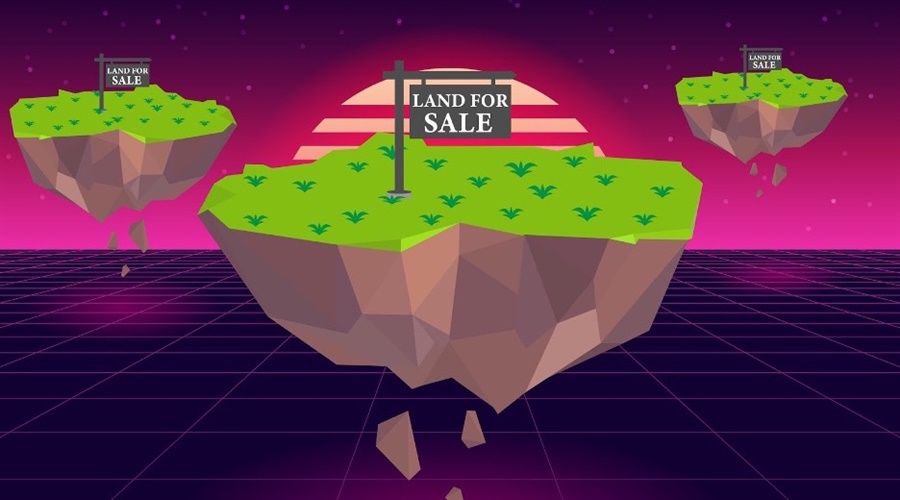
Many people refer to these virtual worlds as Metaverses, but they are just plain wrong!
There is just one Metaverse.
Op-ed
metaverse
There is so much talk about the Metaverse but generally very little understanding about what it is, how it works, and most importantly, how it may impact our industry. Here’s my take on it…..
How Many Metaverses Are There?
Well, that depends on what you read on The Internet, and, as Douglas Adams said in The Hitchhikers Guide to The Galaxy, much of it is highly apocryphal or, at least, highly inaccurate. According to Gartner, who really does know its stuff, there is only one Metaverse, and that is a collection of virtual worlds. Many people refer to these virtual worlds as Metaverses, but they are just plain wrong! So, now we know that, just like The Universe, there is just one Metaverse (please don’t mention The Multiverse as it makes my head hurt), and so what we are really looking at here are the individual virtual worlds that make up the Metaverse.
What Does Metaverse Mean?
The word 'Metaverse' is a combination of the Greek word 'meta' and the English word 'verse'. Together, the literal meaning of this is 'Beyond the Universe', which is quite a grand title! What are these Virtual Worlds, and are they new? Virtual Worlds have actually been around for decades, but there was no standardization in any way of how they operated.
The first one was probably 'Second Life', which was huge at the time. It was launched in 2003 and was entirely different to anything that had ever existed before. It was fully multi-player and attracted huge numbers of participants. It incorporated many facets of real life and even had its own currency, the Linden Dollar. Second Life still exists, and, with the emergence of the Metaverse, is being re-born.
Second Life was just too early, and no standards for virtual worlds existed at the time, making it uber-nerdy. The real interest in the Metaverse started when Facebook re-named themselves 'Meta', and many people thought that they were The Metaverse, rather than just part of the Metaverse. I am sure that this was by design rather than just by luck. It is rather ironic that the leading virtual worlds in today’s Metaverse do not even feature Facebook/Meta.
That does depend on how strict you are with being a Metaverse virtual world, as you could consider Roblox and Minecraft as part of the Metaverse, but I consider those just to be multiplayer games, so not truly Metaversal (is that even a word?) The top 3, as I write today in March 2022 are Decentraland, The Sandbox and Somnium Space. To be truly Metaversal (I am getting to like this word!) there are certain things a virtual world needs to have, and these now seem to be universal.
What makes it all tick? As virtual worlds are for actual people to 'live' in, there needs to be a currency so that they can trade with each other. There needs to be a standard way of identifying what you own, can sell and how you can sell it, and there needs to be a way to store all of this information about the virtual world, what each person owns, and how much money they have at any one time.
The most effective way to achieve this is with an advanced blockchain, like Ethereum or Cardano. Simple blockchains, like Bitcoin, can only store one thing; bitcoins! Advanced blockchains can actually store anything. You simply define a "token' and then that can be traded. A token can be anything from money to a hat, or a piece of virtual space in the virtual world.
So, What Is This 'NFT' Thing Everyone Is Getting All Excited About?
They are all completely unique. So now you are saying, I understand what is and isn’t fungible, and what that means, but how on earth does that apply to a virtual world and how does a non-fungible token help matters? Inside a virtual world, The way to learn about a virtual world in The Metaverse is to go and have a look, as they are generally free to wander around. If you take Decentraland, for example, you can go to https://decentraland.org/ and get stuck in. You will notice that all virtual worlds are divided up into areas, like plots of land. In Decentraland the plots of land are called … land! People own land (or rent it) and build virtual games, shops, or in fact, anything you can render on a screen.
The currency of Decentraland is called 'MANA'. Just like Bitcoin, you can buy and sell MANA on regular crypto exchanges like Binance or Coinbase. You send the MANA to the wallet that Decentraland knows about and, voila, you can buy and sell stuff, and plots of land. Decentraland has its own marketplace to buy and sell things as well as land, and all of these are stored in an NFT (which you are already an expert in!).
So, What Else Can You Store in an NFT and Trade in a Virtual World?
It can actually be anything but is typically art, music, or something that your avatar in the virtual world may wear or carry (like a hat or sword). It sounds a bit funny, but the NFT is not the thing you have bought, but a reference to it, as an NFT cannot actually store much information.
Where Next?
The virtual worlds in today’s Metaverse are just the beginning, and are very basic, with few users. Do not be put off, as this is just the start of a very exciting adventure! There are already casinos and art shops in the Metaverse. There’s no reason why you can’t have a virtual broker there too. This would be a great way to reach a whole new audience.
There is so much talk about the Metaverse but generally very little understanding about what it is, how it works, and most importantly, how it may impact our industry. Here’s my take on it…..
How Many Metaverses Are There?
Well, that depends on what you read on The Internet, and, as Douglas Adams said in The Hitchhikers Guide to The Galaxy, much of it is highly apocryphal or, at least, highly inaccurate. According to Gartner, who really does know its stuff, there is only one Metaverse, and that is a collection of virtual worlds. Many people refer to these virtual worlds as Metaverses, but they are just plain wrong! So, now we know that, just like The Universe, there is just one Metaverse (please don’t mention The Multiverse as it makes my head hurt), and so what we are really looking at here are the individual virtual worlds that make up the Metaverse.
What Does Metaverse Mean?
The word 'Metaverse' is a combination of the Greek word 'meta' and the English word 'verse'. Together, the literal meaning of this is 'Beyond the Universe', which is quite a grand title! What are these Virtual Worlds, and are they new? Virtual Worlds have actually been around for decades, but there was no standardization in any way of how they operated.
The first one was probably 'Second Life', which was huge at the time. It was launched in 2003 and was entirely different to anything that had ever existed before. It was fully multi-player and attracted huge numbers of participants. It incorporated many facets of real life and even had its own currency, the Linden Dollar. Second Life still exists, and, with the emergence of the Metaverse, is being re-born.
Second Life was just too early, and no standards for virtual worlds existed at the time, making it uber-nerdy. The real interest in the Metaverse started when Facebook re-named themselves 'Meta', and many people thought that they were The Metaverse, rather than just part of the Metaverse. I am sure that this was by design rather than just by luck. It is rather ironic that the leading virtual worlds in today’s Metaverse do not even feature Facebook/Meta.
That does depend on how strict you are with being a Metaverse virtual world, as you could consider Roblox and Minecraft as part of the Metaverse, but I consider those just to be multiplayer games, so not truly Metaversal (is that even a word?) The top 3, as I write today in March 2022 are Decentraland, The Sandbox and Somnium Space. To be truly Metaversal (I am getting to like this word!) there are certain things a virtual world needs to have, and these now seem to be universal.
What makes it all tick? As virtual worlds are for actual people to 'live' in, there needs to be a currency so that they can trade with each other. There needs to be a standard way of identifying what you own, can sell and how you can sell it, and there needs to be a way to store all of this information about the virtual world, what each person owns, and how much money they have at any one time.
The most effective way to achieve this is with an advanced blockchain, like Ethereum or Cardano. Simple blockchains, like Bitcoin, can only store one thing; bitcoins! Advanced blockchains can actually store anything. You simply define a "token' and then that can be traded. A token can be anything from money to a hat, or a piece of virtual space in the virtual world.
So, What Is This 'NFT' Thing Everyone Is Getting All Excited About?
They are all completely unique. So now you are saying, I understand what is and isn’t fungible, and what that means, but how on earth does that apply to a virtual world and how does a non-fungible token help matters? Inside a virtual world, The way to learn about a virtual world in The Metaverse is to go and have a look, as they are generally free to wander around. If you take Decentraland, for example, you can go to https://decentraland.org/ and get stuck in. You will notice that all virtual worlds are divided up into areas, like plots of land. In Decentraland the plots of land are called … land! People own land (or rent it) and build virtual games, shops, or in fact, anything you can render on a screen.
The currency of Decentraland is called 'MANA'. Just like Bitcoin, you can buy and sell MANA on regular crypto exchanges like Binance or Coinbase. You send the MANA to the wallet that Decentraland knows about and, voila, you can buy and sell stuff, and plots of land. Decentraland has its own marketplace to buy and sell things as well as land, and all of these are stored in an NFT (which you are already an expert in!).
So, What Else Can You Store in an NFT and Trade in a Virtual World?
It can actually be anything but is typically art, music, or something that your avatar in the virtual world may wear or carry (like a hat or sword). It sounds a bit funny, but the NFT is not the thing you have bought, but a reference to it, as an NFT cannot actually store much information.
Where Next?
The virtual worlds in today’s Metaverse are just the beginning, and are very basic, with few users. Do not be put off, as this is just the start of a very exciting adventure! There are already casinos and art shops in the Metaverse. There’s no reason why you can’t have a virtual broker there too. This would be a great way to reach a whole new audience.
Over the last thirteen years, Gold-i has become renowned as a global market leader in trading technology.
Gold-i's most recent venture, Crypto Switch™ 2.0, is an advanced platform which utilises Gold-i’s flagship aggregation, liquidity management and distribution technology stack to provide a proven institutional solution for consuming and distributing Crypto liquidity.
Gold-i has won a host of business and trade awards in recognition of its innovative products, commercial success and future potential, including a prestigious Queen’s Award for Enterprise 2014.
Crypto Media Traffic Drops 33% While Stablecoins, Transfers, DEX Trading Increase
Featured Videos
FP Markets Winner Spotlight 🏆 | Global Broker of the Year 2025 #Trading #Broker #Innovation #Shorts
FP Markets Winner Spotlight 🏆 | Global Broker of the Year 2025 #Trading #Broker #Innovation #Shorts
FP Markets Winner Spotlight 🏆 | Global Broker of the Year 2025 #Trading #Broker #Innovation #Shorts
FP Markets Winner Spotlight 🏆 | Global Broker of the Year 2025 #Trading #Broker #Innovation #Shorts
FP Markets takes the spotlight as Global Broker of the Year 2025 at the Finance Magnates Awards.
Martin Stoilov, Head of Client Experience, shares that trust, innovation, and people played a key role in the company’s success, supported by a strong foundation of integrity and client-centricity.
Following this milestone, FP Markets continues to focus on growth, technology investment, and its core values of transparency and excellence.
👉 Be part of FM Awards 2026: https://awards.financemagnates.com/#nominate
FP Markets takes the spotlight as Global Broker of the Year 2025 at the Finance Magnates Awards.
Martin Stoilov, Head of Client Experience, shares that trust, innovation, and people played a key role in the company’s success, supported by a strong foundation of integrity and client-centricity.
Following this milestone, FP Markets continues to focus on growth, technology investment, and its core values of transparency and excellence.
👉 Be part of FM Awards 2026: https://awards.financemagnates.com/#nominate
FP Markets takes the spotlight as Global Broker of the Year 2025 at the Finance Magnates Awards.
Martin Stoilov, Head of Client Experience, shares that trust, innovation, and people played a key role in the company’s success, supported by a strong foundation of integrity and client-centricity.
Following this milestone, FP Markets continues to focus on growth, technology investment, and its core values of transparency and excellence.
👉 Be part of FM Awards 2026: https://awards.financemagnates.com/#nominate
FP Markets takes the spotlight as Global Broker of the Year 2025 at the Finance Magnates Awards.
Martin Stoilov, Head of Client Experience, shares that trust, innovation, and people played a key role in the company’s success, supported by a strong foundation of integrity and client-centricity.
Following this milestone, FP Markets continues to focus on growth, technology investment, and its core values of transparency and excellence.
👉 Be part of FM Awards 2026: https://awards.financemagnates.com/#nominate
In this video, we review @HolaPrimeMarketsOfficial, a multi-asset forex and CFDs broker offering different account types, trading platforms, and flexible trading conditions.
We cover the broker’s overall offering, including account options, trading environment, platforms like MT4 and MT5, and additional services such as managed accounts and fast withdrawals.
Watch the full video to see if Hola Prime Markets fits your trading needs.
📣 Stay up to date with the latest in finance and trading. Follow Finance Magnates for industry news, insights, and global event coverage.
Connect with us:
🔗 LinkedIn: /financemagnates
👍 Facebook: /financemagnates
📸 Instagram: https://www.instagram.com/financemagnates
🐦 X: https://x.com/financemagnates
🎥 TikTok: https://www.tiktok.com/tag/financemagnates
▶️ YouTube: /@financemagnates_official
#HolaPrime #ForexBroker #CFDTrading #FinanceMagnates #Trading #Forex #BrokerReview
In this video, we review @HolaPrimeMarketsOfficial, a multi-asset forex and CFDs broker offering different account types, trading platforms, and flexible trading conditions.
We cover the broker’s overall offering, including account options, trading environment, platforms like MT4 and MT5, and additional services such as managed accounts and fast withdrawals.
Watch the full video to see if Hola Prime Markets fits your trading needs.
📣 Stay up to date with the latest in finance and trading. Follow Finance Magnates for industry news, insights, and global event coverage.
Connect with us:
🔗 LinkedIn: /financemagnates
👍 Facebook: /financemagnates
📸 Instagram: https://www.instagram.com/financemagnates
🐦 X: https://x.com/financemagnates
🎥 TikTok: https://www.tiktok.com/tag/financemagnates
▶️ YouTube: /@financemagnates_official
#HolaPrime #ForexBroker #CFDTrading #FinanceMagnates #Trading #Forex #BrokerReview
In this video, we review @HolaPrimeMarketsOfficial, a multi-asset forex and CFDs broker offering different account types, trading platforms, and flexible trading conditions.
We cover the broker’s overall offering, including account options, trading environment, platforms like MT4 and MT5, and additional services such as managed accounts and fast withdrawals.
Watch the full video to see if Hola Prime Markets fits your trading needs.
📣 Stay up to date with the latest in finance and trading. Follow Finance Magnates for industry news, insights, and global event coverage.
Connect with us:
🔗 LinkedIn: /financemagnates
👍 Facebook: /financemagnates
📸 Instagram: https://www.instagram.com/financemagnates
🐦 X: https://x.com/financemagnates
🎥 TikTok: https://www.tiktok.com/tag/financemagnates
▶️ YouTube: /@financemagnates_official
#HolaPrime #ForexBroker #CFDTrading #FinanceMagnates #Trading #Forex #BrokerReview
In this video, we review @HolaPrimeMarketsOfficial, a multi-asset forex and CFDs broker offering different account types, trading platforms, and flexible trading conditions.
We cover the broker’s overall offering, including account options, trading environment, platforms like MT4 and MT5, and additional services such as managed accounts and fast withdrawals.
Watch the full video to see if Hola Prime Markets fits your trading needs.
📣 Stay up to date with the latest in finance and trading. Follow Finance Magnates for industry news, insights, and global event coverage.
Connect with us:
🔗 LinkedIn: /financemagnates
👍 Facebook: /financemagnates
📸 Instagram: https://www.instagram.com/financemagnates
🐦 X: https://x.com/financemagnates
🎥 TikTok: https://www.tiktok.com/tag/financemagnates
▶️ YouTube: /@financemagnates_official
#HolaPrime #ForexBroker #CFDTrading #FinanceMagnates #Trading #Forex #BrokerReview
In this video, we review @HolaPrimeMarketsOfficial, a multi-asset forex and CFDs broker offering different account types, trading platforms, and flexible trading conditions.
We cover the broker’s overall offering, including account options, trading environment, platforms like MT4 and MT5, and additional services such as managed accounts and fast withdrawals.
Watch the full video to see if Hola Prime Markets fits your trading needs.
📣 Stay up to date with the latest in finance and trading. Follow Finance Magnates for industry news, insights, and global event coverage.
Connect with us:
🔗 LinkedIn: /financemagnates
👍 Facebook: /financemagnates
📸 Instagram: https://www.instagram.com/financemagnates
🐦 X: https://x.com/financemagnates
🎥 TikTok: https://www.tiktok.com/tag/financemagnates
▶️ YouTube: /@financemagnates_official
#HolaPrime #ForexBroker #CFDTrading #FinanceMagnates #Trading #Forex #BrokerReview
In this video, we review @HolaPrimeMarketsOfficial, a multi-asset forex and CFDs broker offering different account types, trading platforms, and flexible trading conditions.
We cover the broker’s overall offering, including account options, trading environment, platforms like MT4 and MT5, and additional services such as managed accounts and fast withdrawals.
Watch the full video to see if Hola Prime Markets fits your trading needs.
📣 Stay up to date with the latest in finance and trading. Follow Finance Magnates for industry news, insights, and global event coverage.
Connect with us:
🔗 LinkedIn: /financemagnates
👍 Facebook: /financemagnates
📸 Instagram: https://www.instagram.com/financemagnates
🐦 X: https://x.com/financemagnates
🎥 TikTok: https://www.tiktok.com/tag/financemagnates
▶️ YouTube: /@financemagnates_official
#HolaPrime #ForexBroker #CFDTrading #FinanceMagnates #Trading #Forex #BrokerReview
Hola Prime Review: What You Need to Know | Full Breakdown by Finance Magnates
Hola Prime Review: What You Need to Know | Full Breakdown by Finance Magnates
Hola Prime Review: What You Need to Know | Full Breakdown by Finance Magnates
Hola Prime Review: What You Need to Know | Full Breakdown by Finance Magnates
Hola Prime Review: What You Need to Know | Full Breakdown by Finance Magnates
Hola Prime Review: What You Need to Know | Full Breakdown by Finance Magnates
In this video, we review @HolaPrime_Global, a proprietary trading firm offering evaluation programs and performance-based payouts in simulated market environments.
We cover how the challenge model works, including account types, profit splits (up to 95%), trading rules, and what it takes to reach a funded account. You’ll also learn about available platforms like MT4, MT5, cTrader, and more, along with insights into payouts, support, and trading conditions.
Watch the full video to see if Hola Prime fits your trading style.
📣 Stay up to date with the latest in finance and trading. Follow Finance Magnates for industry news, insights, and global event coverage.
Connect with us:
🔗 LinkedIn: /financemagnates
👍 Facebook: /financemagnates
📸 Instagram: https://www.instagram.com/financemagnates
🐦 X: https://x.com/financemagnates
🎥 TikTok: https://www.tiktok.com/tag/financemagnates
▶️ YouTube: /@financemagnates_official
#HolaPrime #PropFirm #Trading #FinanceMagnates #Forex #FuturesTrading #TradingReview #PropFirmReview
In this video, we review @HolaPrime_Global, a proprietary trading firm offering evaluation programs and performance-based payouts in simulated market environments.
We cover how the challenge model works, including account types, profit splits (up to 95%), trading rules, and what it takes to reach a funded account. You’ll also learn about available platforms like MT4, MT5, cTrader, and more, along with insights into payouts, support, and trading conditions.
Watch the full video to see if Hola Prime fits your trading style.
📣 Stay up to date with the latest in finance and trading. Follow Finance Magnates for industry news, insights, and global event coverage.
Connect with us:
🔗 LinkedIn: /financemagnates
👍 Facebook: /financemagnates
📸 Instagram: https://www.instagram.com/financemagnates
🐦 X: https://x.com/financemagnates
🎥 TikTok: https://www.tiktok.com/tag/financemagnates
▶️ YouTube: /@financemagnates_official
#HolaPrime #PropFirm #Trading #FinanceMagnates #Forex #FuturesTrading #TradingReview #PropFirmReview
In this video, we review @HolaPrime_Global, a proprietary trading firm offering evaluation programs and performance-based payouts in simulated market environments.
We cover how the challenge model works, including account types, profit splits (up to 95%), trading rules, and what it takes to reach a funded account. You’ll also learn about available platforms like MT4, MT5, cTrader, and more, along with insights into payouts, support, and trading conditions.
Watch the full video to see if Hola Prime fits your trading style.
📣 Stay up to date with the latest in finance and trading. Follow Finance Magnates for industry news, insights, and global event coverage.
Connect with us:
🔗 LinkedIn: /financemagnates
👍 Facebook: /financemagnates
📸 Instagram: https://www.instagram.com/financemagnates
🐦 X: https://x.com/financemagnates
🎥 TikTok: https://www.tiktok.com/tag/financemagnates
▶️ YouTube: /@financemagnates_official
#HolaPrime #PropFirm #Trading #FinanceMagnates #Forex #FuturesTrading #TradingReview #PropFirmReview
In this video, we review @HolaPrime_Global, a proprietary trading firm offering evaluation programs and performance-based payouts in simulated market environments.
We cover how the challenge model works, including account types, profit splits (up to 95%), trading rules, and what it takes to reach a funded account. You’ll also learn about available platforms like MT4, MT5, cTrader, and more, along with insights into payouts, support, and trading conditions.
Watch the full video to see if Hola Prime fits your trading style.
📣 Stay up to date with the latest in finance and trading. Follow Finance Magnates for industry news, insights, and global event coverage.
Connect with us:
🔗 LinkedIn: /financemagnates
👍 Facebook: /financemagnates
📸 Instagram: https://www.instagram.com/financemagnates
🐦 X: https://x.com/financemagnates
🎥 TikTok: https://www.tiktok.com/tag/financemagnates
▶️ YouTube: /@financemagnates_official
#HolaPrime #PropFirm #Trading #FinanceMagnates #Forex #FuturesTrading #TradingReview #PropFirmReview
In this video, we review @HolaPrime_Global, a proprietary trading firm offering evaluation programs and performance-based payouts in simulated market environments.
We cover how the challenge model works, including account types, profit splits (up to 95%), trading rules, and what it takes to reach a funded account. You’ll also learn about available platforms like MT4, MT5, cTrader, and more, along with insights into payouts, support, and trading conditions.
Watch the full video to see if Hola Prime fits your trading style.
📣 Stay up to date with the latest in finance and trading. Follow Finance Magnates for industry news, insights, and global event coverage.
Connect with us:
🔗 LinkedIn: /financemagnates
👍 Facebook: /financemagnates
📸 Instagram: https://www.instagram.com/financemagnates
🐦 X: https://x.com/financemagnates
🎥 TikTok: https://www.tiktok.com/tag/financemagnates
▶️ YouTube: /@financemagnates_official
#HolaPrime #PropFirm #Trading #FinanceMagnates #Forex #FuturesTrading #TradingReview #PropFirmReview
In this video, we review @HolaPrime_Global, a proprietary trading firm offering evaluation programs and performance-based payouts in simulated market environments.
We cover how the challenge model works, including account types, profit splits (up to 95%), trading rules, and what it takes to reach a funded account. You’ll also learn about available platforms like MT4, MT5, cTrader, and more, along with insights into payouts, support, and trading conditions.
Watch the full video to see if Hola Prime fits your trading style.
📣 Stay up to date with the latest in finance and trading. Follow Finance Magnates for industry news, insights, and global event coverage.
Connect with us:
🔗 LinkedIn: /financemagnates
👍 Facebook: /financemagnates
📸 Instagram: https://www.instagram.com/financemagnates
🐦 X: https://x.com/financemagnates
🎥 TikTok: https://www.tiktok.com/tag/financemagnates
▶️ YouTube: /@financemagnates_official
#HolaPrime #PropFirm #Trading #FinanceMagnates #Forex #FuturesTrading #TradingReview #PropFirmReview
Axi Winner Spotlight 🏆 | Global Most Innovative Broker 2025 #Innovation #Trading #Fintech #Broker
Axi Winner Spotlight 🏆 | Global Most Innovative Broker 2025 #Innovation #Trading #Fintech #Broker
Axi Winner Spotlight 🏆 | Global Most Innovative Broker 2025 #Innovation #Trading #Fintech #Broker
Axi Winner Spotlight 🏆 | Global Most Innovative Broker 2025 #Innovation #Trading #Fintech #Broker
Axi Winner Spotlight 🏆 | Global Most Innovative Broker 2025 #Innovation #Trading #Fintech #Broker
Axi Winner Spotlight 🏆 | Global Most Innovative Broker 2025 #Innovation #Trading #Fintech #Broker
Axi takes the spotlight at the Finance Magnates Awards, winning Global Most Innovative Broker 2025.
Olivia Xenofontos and Ivanna Openko share how the team will feel: proud, motivated, and ready to keep delivering.
They also describe the night as well-organized, focused, and enjoyable for all.
👉 Be part of FM Awards 2026.
Axi takes the spotlight at the Finance Magnates Awards, winning Global Most Innovative Broker 2025.
Olivia Xenofontos and Ivanna Openko share how the team will feel: proud, motivated, and ready to keep delivering.
They also describe the night as well-organized, focused, and enjoyable for all.
👉 Be part of FM Awards 2026.
Axi takes the spotlight at the Finance Magnates Awards, winning Global Most Innovative Broker 2025.
Olivia Xenofontos and Ivanna Openko share how the team will feel: proud, motivated, and ready to keep delivering.
They also describe the night as well-organized, focused, and enjoyable for all.
👉 Be part of FM Awards 2026.
Axi takes the spotlight at the Finance Magnates Awards, winning Global Most Innovative Broker 2025.
Olivia Xenofontos and Ivanna Openko share how the team will feel: proud, motivated, and ready to keep delivering.
They also describe the night as well-organized, focused, and enjoyable for all.
👉 Be part of FM Awards 2026.
Axi takes the spotlight at the Finance Magnates Awards, winning Global Most Innovative Broker 2025.
Olivia Xenofontos and Ivanna Openko share how the team will feel: proud, motivated, and ready to keep delivering.
They also describe the night as well-organized, focused, and enjoyable for all.
👉 Be part of FM Awards 2026.
Axi takes the spotlight at the Finance Magnates Awards, winning Global Most Innovative Broker 2025.
Olivia Xenofontos and Ivanna Openko share how the team will feel: proud, motivated, and ready to keep delivering.
They also describe the night as well-organized, focused, and enjoyable for all.
👉 Be part of FM Awards 2026.
Recognition that matters.
Built on transparency.
Driven by the industry.
The Finance Magnates Awards 2026.
Nominations are now open.
🔗 https://awards.financemagnates.com/?utm_source=SM&utm_medium=social&utm_campaign=recognition-matters
Recognition that matters.
Built on transparency.
Driven by the industry.
The Finance Magnates Awards 2026.
Nominations are now open.
🔗 https://awards.financemagnates.com/?utm_source=SM&utm_medium=social&utm_campaign=recognition-matters
Recognition that matters.
Built on transparency.
Driven by the industry.
The Finance Magnates Awards 2026.
Nominations are now open.
🔗 https://awards.financemagnates.com/?utm_source=SM&utm_medium=social&utm_campaign=recognition-matters
Recognition that matters.
Built on transparency.
Driven by the industry.
The Finance Magnates Awards 2026.
Nominations are now open.
🔗 https://awards.financemagnates.com/?utm_source=SM&utm_medium=social&utm_campaign=recognition-matters
Recognition that matters.
Built on transparency.
Driven by the industry.
The Finance Magnates Awards 2026.
Nominations are now open.
🔗 https://awards.financemagnates.com/?utm_source=SM&utm_medium=social&utm_campaign=recognition-matters
Recognition that matters.
Built on transparency.
Driven by the industry.
The Finance Magnates Awards 2026.
Nominations are now open.
🔗 https://awards.financemagnates.com/?utm_source=SM&utm_medium=social&utm_campaign=recognition-matters