Financial and Business News

Polymarket Curbs Insider Bets: No Stolen Info, No Illegal Tips, No Outcome Influencers

Monday, 23/03/2026 | 14:52 GMT by Jared Kirui
  • The prediction market has updated its market integrity rules on both its DeFi platform and CFTC-regulated U.S. exchange.
  • Major banks are starting to pull prediction markets into their existing insider‑trading rulebook.
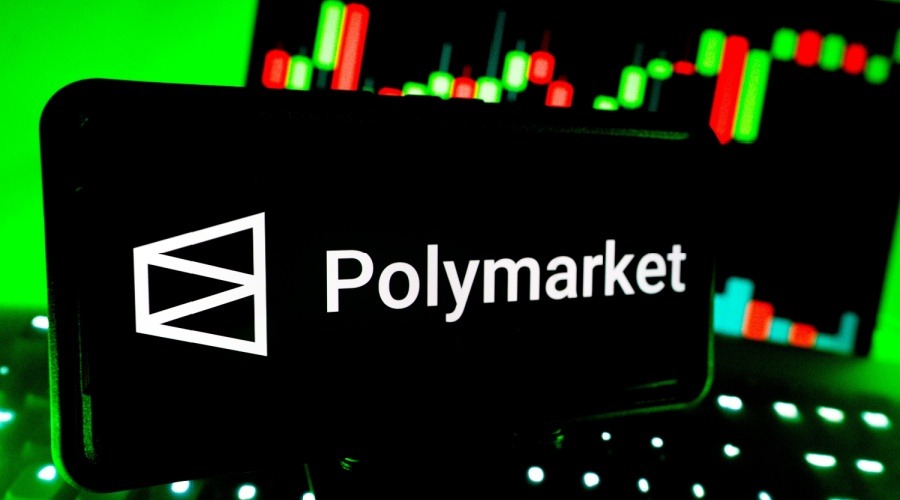
Polymarket (Shutterstock)

Polymarket has introduced new market integrity rules across its decentralized finance (DeFi) platform and its CFTC-regulated U.S. exchange, outlining how it enforces trading standards and handles suspicious activity.

Singapore Summit: Meet the largest APAC brokers you know (and those you still don't!)

Clear Definitions on Insider Trading and Manipulation

The revised rules define three main types of prohibited insider trading: trading on stolen confidential information, trading on illegal tips, and trading by anyone with influence over an event outcome. Both platforms also ban various forms of manipulation, including spoofing, wash trading, self-dealing, front-running, and fictitious transactions.

The latest update comes when Wall Street compliance desks are waking up to the fact that event markets can be used to trade on material non‑public information just as easily as equities or options.

JPMorgan and other large banks recently started looking at how to extend their insider‑trading and information‑barrier policies to platforms like Kalshi and Polymarket. This moved prediction markets from a regulatory grey zone into the core of their conduct‑risk frameworks.

Read more: CFTC Flags Insider Risks in Prediction Markets as Kalshi Sanctions Two Traders

Polymarket said the latest updates, detailed in the DeFi platform’s Terms of Use and the Polymarket U.S. Rulebook, reinforce measures against insider trading and market manipulation while promoting user protection and transparency. It launched dedicated Market Integrity pages to explain how these rules apply in practice and to guide users on reporting suspicious activity.

Additionally, it noted that it maintains a multi-tiered surveillance structure on both platforms. On its DeFi platform, all transactions occur on the Polygon blockchain , providing on-chain transparency.

Multi-Layered Surveillance Framework

The company is now working with technology partners to identify potential irregularities, with enforcement actions ranging from wallet bans to referrals to law enforcement.

On its U.S. exchange, oversight includes external trade surveillance experts, an internal real-time control desk, and a Regulatory Services Agreement with the National Futures Association (NFA) to investigate and sanction rule violations.

US regulators warned about insider risks in prediction markets after two recent KalshiEX cases showed traders abusing privileged information.

One involved an editor betting on contracts tied to a YouTube channel where he worked. In response, the CFTC’s Enforcement Division issued an advisory reminding traders and exchanges that insider dealing and fraud in these markets fall squarely under federal oversight.


Polymarket has introduced new market integrity rules across its decentralized finance (DeFi) platform and its CFTC-regulated U.S. exchange, outlining how it enforces trading standards and handles suspicious activity.

Singapore Summit: Meet the largest APAC brokers you know (and those you still don't!)

Clear Definitions on Insider Trading and Manipulation

The revised rules define three main types of prohibited insider trading: trading on stolen confidential information, trading on illegal tips, and trading by anyone with influence over an event outcome. Both platforms also ban various forms of manipulation, including spoofing, wash trading, self-dealing, front-running, and fictitious transactions.

The latest update comes when Wall Street compliance desks are waking up to the fact that event markets can be used to trade on material non‑public information just as easily as equities or options.

JPMorgan and other large banks recently started looking at how to extend their insider‑trading and information‑barrier policies to platforms like Kalshi and Polymarket. This moved prediction markets from a regulatory grey zone into the core of their conduct‑risk frameworks.

Read more: CFTC Flags Insider Risks in Prediction Markets as Kalshi Sanctions Two Traders

Polymarket said the latest updates, detailed in the DeFi platform’s Terms of Use and the Polymarket U.S. Rulebook, reinforce measures against insider trading and market manipulation while promoting user protection and transparency. It launched dedicated Market Integrity pages to explain how these rules apply in practice and to guide users on reporting suspicious activity.

Additionally, it noted that it maintains a multi-tiered surveillance structure on both platforms. On its DeFi platform, all transactions occur on the Polygon blockchain , providing on-chain transparency.

Multi-Layered Surveillance Framework

The company is now working with technology partners to identify potential irregularities, with enforcement actions ranging from wallet bans to referrals to law enforcement.

On its U.S. exchange, oversight includes external trade surveillance experts, an internal real-time control desk, and a Regulatory Services Agreement with the National Futures Association (NFA) to investigate and sanction rule violations.

US regulators warned about insider risks in prediction markets after two recent KalshiEX cases showed traders abusing privileged information.

One involved an editor betting on contracts tied to a YouTube channel where he worked. In response, the CFTC’s Enforcement Division issued an advisory reminding traders and exchanges that insider dealing and fraud in these markets fall squarely under federal oversight.
About the Author: Jared Kirui
Jared Kirui
  • 2699 Articles
  • 53 Followers
Jared Kirui is an Editor at Finance Magnates with more than five years of experience in financial journalism. He covers online trading, fintech, payments, and crypto industries with a focus on companies, regulation and compliance, executive moves, trading technology, and market analysis. His work has been featured in other media outlets, including Benzinga, ZyCrypto, The Distributed, and The Daily Hodl. Education: Bachelor of Commerce degree (Finance option), University of Nairobi

More from the Author

CryptoCurrency