As WSB buckles down on its anti-establishmentarian stock pumps, hedge funds are quaking in their boots.
FM
The r/WallStreetBets (WSB) saga that shook the world last week is far from over. In fact, it seems as though this may only be the beginning.
After a group of determined traders set out to send GameStop Inc (NYSE:GME) stock prices to the moon, squeezing Wall Street hedge funds in the process, it seems that the group of rogue traders is continually realizing the full extent of its potential power.
Melvin Capital Lost More Than 50% of Its AUM in January Alone
Indeed, since the GameStop pump began, spin-off groups of traders have used Reddit to organize their powers around a number of other assets: last week, the group pumped DogeCoin, and then XRP; Finance Magnates previously reported double- and triple-digit percentage increases in both assets, respectively. (Both assets have seen significant drops since their peaks.)
However, while these crypto pumps are certainly intended to earn money for some WSB traders, these latter targets do not carry the same anti-establishmentarian sentiment that WSB’s investment in GameStop and other 'meme stocks': to squeeze hedge funds so hard that they would fold, and, to that end, WSB has already done significant damage.
As the WSB Pump Continues, Hedge Funds Are White-Knuckling Their GME Holdings
Indeed, CNBC reported on Sunday that hedge fund, Melvin Capital lost more than 50 percent in January because of the WSB squeeze.
The fund was in such bad shape that Citadel and Point72, two other hedge funds, injected $3 billion into Melvin as an emergency effort, bringing the fund’s total AUM back to roughly $8 billion, still significantly down from the $12.5 billion it held before the squeeze began. Both Citadel and Point72 also sustained losses in January, though they were not nearly as serious as Melvin.
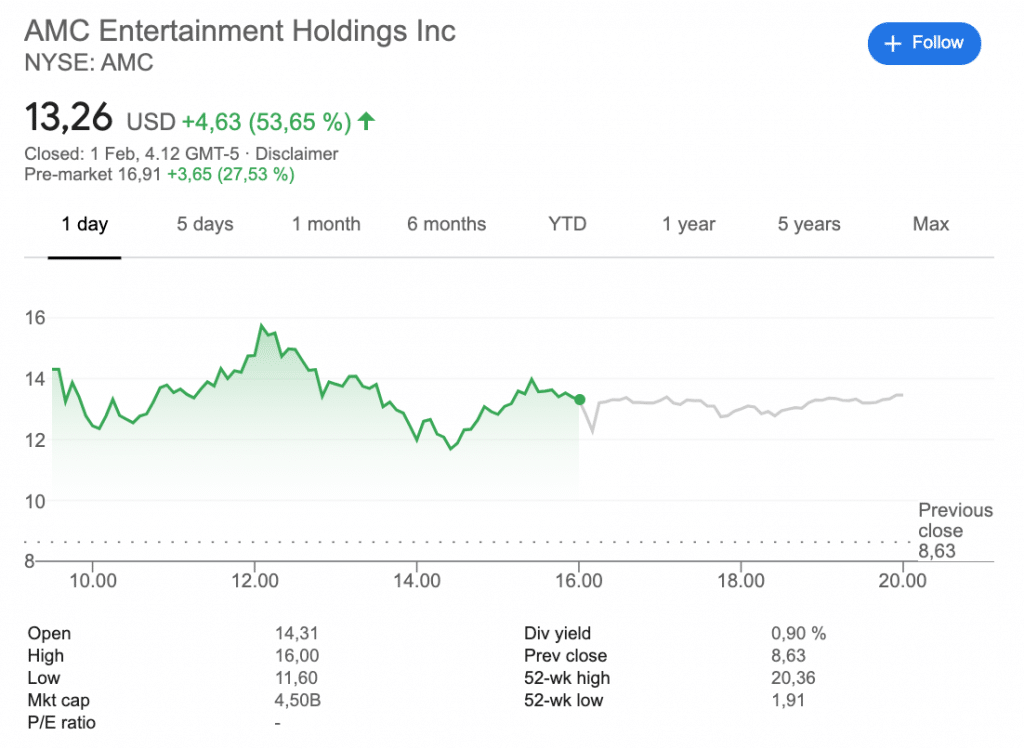
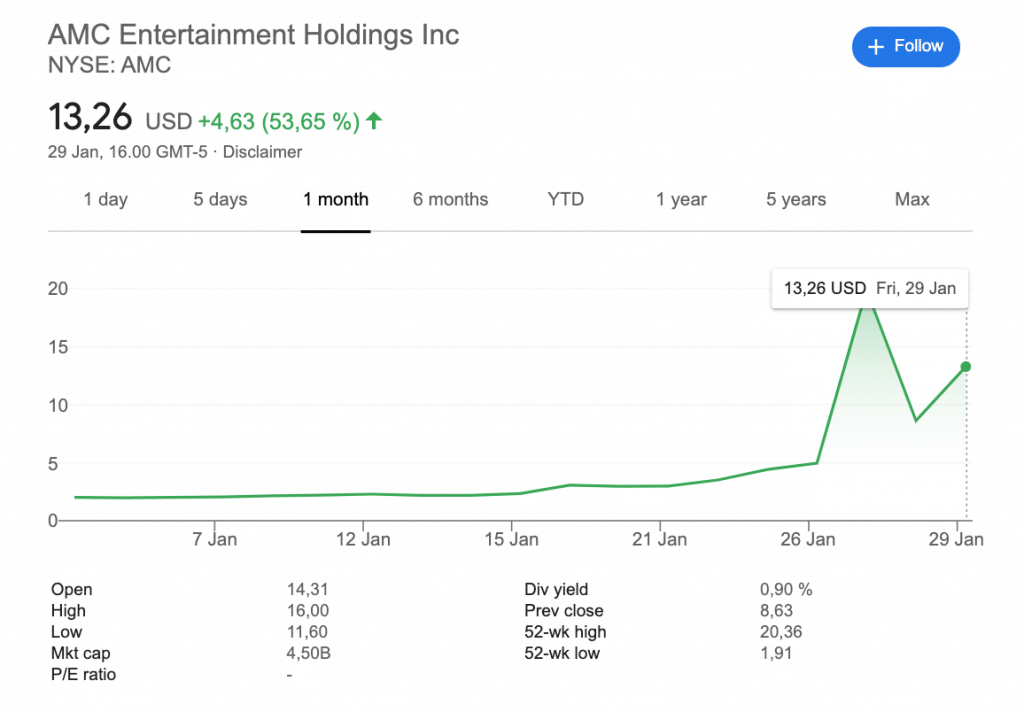
But, WSB investors are not done making their point: traders are still pumping money into GameStop, AMC (NYSE:AMC), and other companies that hedge funds bet against.
According to CNBC, a number of other hedge funds still have holdings in GME: “short-selling hedge funds have suffered a mark-to-market loss of $19.75 billion year to date in the brick-and-mortar video game retailer, GameStop,” CNBC reported, adding that the funds are either “holding onto their bearish positions” or “being replaced by new hedge funds willing to bet against the stock.”
At press time, GME was trading at $325; AMC was sitting comfortably at $13.26. Just one month ago, both stocks were trading for $17.25 and $2.06, respectively.
"Dumb Money" Ain’t So Stupid after All
So. What happens next?
Thomas Yeung, certified Financial Advisor and InvestorPlace Market Analyst wrote on Saturday that WSB’s retail reckoning is far from over: “as Wall Street picks up the remnants of Melvin Capital and the GME fallout, two things have become clear. 1) ‘Dumb money’ isn’t so dumb after all, and 2) ‘smart money’ is getting taken to the woodshed.”
('Dumb money' meaning retail investors and 'smart money' meaning the hedge funds that the 'dumb money' is currently KO’ing.)
Indeed, 'smart money' may have a lower IQ than we thought. Yeung pointed out that in fact, “Melvin Capital...lost 30% of its net worth in the first three weeks of January. But, it took another six days (after the stock had gained another 250%) for the hedge fund to finally relinquish its mammoth position.”

Thomas Yeung, certified Financial Advisor and InvestorPlace Market Analyst.
While other hedge funds are still holding death grips on their positions on NYSE:GME, the events of last week have left many 'big money' market managers shaking in their boots. Specifically, Yeung pointed out that short-sellers are proceeding with greater degrees of caution than ever before.
Many of them are taking steps toward preventing similar events in the future: for example, “Citron Research’s Andrew Left has already vowed never again to publish short-seller reports.”
The Us Government Is Considering Its Next Move
In the meantime, lawmakers in the United States and abroad are carefully considering what this all means for the regulatory world.
Last week, Representative Alexandra Ocasio-Cortez (D-NY) and Senator Ted Cruz (R-TX) made an odd couple when both of them called for action against Robinhood, the popular commission-free stock brokerage that pulled the plug on GME after the WSB pump went into full effect.
The r/WallStreetBets (WSB) saga that shook the world last week is far from over. In fact, it seems as though this may only be the beginning.
After a group of determined traders set out to send GameStop Inc (NYSE:GME) stock prices to the moon, squeezing Wall Street hedge funds in the process, it seems that the group of rogue traders is continually realizing the full extent of its potential power.
Melvin Capital Lost More Than 50% of Its AUM in January Alone
Indeed, since the GameStop pump began, spin-off groups of traders have used Reddit to organize their powers around a number of other assets: last week, the group pumped DogeCoin, and then XRP; Finance Magnates previously reported double- and triple-digit percentage increases in both assets, respectively. (Both assets have seen significant drops since their peaks.)
However, while these crypto pumps are certainly intended to earn money for some WSB traders, these latter targets do not carry the same anti-establishmentarian sentiment that WSB’s investment in GameStop and other 'meme stocks': to squeeze hedge funds so hard that they would fold, and, to that end, WSB has already done significant damage.
As the WSB Pump Continues, Hedge Funds Are White-Knuckling Their GME Holdings
Indeed, CNBC reported on Sunday that hedge fund, Melvin Capital lost more than 50 percent in January because of the WSB squeeze.
The fund was in such bad shape that Citadel and Point72, two other hedge funds, injected $3 billion into Melvin as an emergency effort, bringing the fund’s total AUM back to roughly $8 billion, still significantly down from the $12.5 billion it held before the squeeze began. Both Citadel and Point72 also sustained losses in January, though they were not nearly as serious as Melvin.
But, WSB investors are not done making their point: traders are still pumping money into GameStop, AMC (NYSE:AMC), and other companies that hedge funds bet against.
According to CNBC, a number of other hedge funds still have holdings in GME: “short-selling hedge funds have suffered a mark-to-market loss of $19.75 billion year to date in the brick-and-mortar video game retailer, GameStop,” CNBC reported, adding that the funds are either “holding onto their bearish positions” or “being replaced by new hedge funds willing to bet against the stock.”
At press time, GME was trading at $325; AMC was sitting comfortably at $13.26. Just one month ago, both stocks were trading for $17.25 and $2.06, respectively.
"Dumb Money" Ain’t So Stupid after All
So. What happens next?
Thomas Yeung, certified Financial Advisor and InvestorPlace Market Analyst wrote on Saturday that WSB’s retail reckoning is far from over: “as Wall Street picks up the remnants of Melvin Capital and the GME fallout, two things have become clear. 1) ‘Dumb money’ isn’t so dumb after all, and 2) ‘smart money’ is getting taken to the woodshed.”
('Dumb money' meaning retail investors and 'smart money' meaning the hedge funds that the 'dumb money' is currently KO’ing.)
Indeed, 'smart money' may have a lower IQ than we thought. Yeung pointed out that in fact, “Melvin Capital...lost 30% of its net worth in the first three weeks of January. But, it took another six days (after the stock had gained another 250%) for the hedge fund to finally relinquish its mammoth position.”
Thomas Yeung, certified Financial Advisor and InvestorPlace Market Analyst.
While other hedge funds are still holding death grips on their positions on NYSE:GME, the events of last week have left many 'big money' market managers shaking in their boots. Specifically, Yeung pointed out that short-sellers are proceeding with greater degrees of caution than ever before.
Many of them are taking steps toward preventing similar events in the future: for example, “Citron Research’s Andrew Left has already vowed never again to publish short-seller reports.”
The Us Government Is Considering Its Next Move
In the meantime, lawmakers in the United States and abroad are carefully considering what this all means for the regulatory world.
Last week, Representative Alexandra Ocasio-Cortez (D-NY) and Senator Ted Cruz (R-TX) made an odd couple when both of them called for action against Robinhood, the popular commission-free stock brokerage that pulled the plug on GME after the WSB pump went into full effect.
Rachel is a self-taught crypto geek and a passionate writer. She believes in the power that the written word has to educate, connect and empower individuals to make positive and powerful financial choices. She is the Podcast Host and a Cryptocurrency Editor at Finance Magnates.
The Winklevoss Twins Just Launched Gemini Predictions in the US
Featured Videos
Executive Interview | Charlotte Bullock | Chief Product Officer, Bank of London | FMLS:25
In this interview, we sat down with Charlotte Bullock, Head of Product at The Bank of London, previously at SAP and now shaping product at one of the sector’s most ambitious new banking players.
Charlotte reflects on the Summit so far and talks about the culture inside fintech banks today. We look at the pressures that come with scaling, and how firms can hold onto the nimble approach that made them stand out early on.
We also cover the state of payments ahead of her appearance on the payments roundtable: the blockages financial firms face, the areas that still need fixing, and what a realistic solution looks like in 2026.
In this interview, we sat down with Charlotte Bullock, Head of Product at The Bank of London, previously at SAP and now shaping product at one of the sector’s most ambitious new banking players.
Charlotte reflects on the Summit so far and talks about the culture inside fintech banks today. We look at the pressures that come with scaling, and how firms can hold onto the nimble approach that made them stand out early on.
We also cover the state of payments ahead of her appearance on the payments roundtable: the blockages financial firms face, the areas that still need fixing, and what a realistic solution looks like in 2026.
In this interview, we sat down with Charlotte Bullock, Head of Product at The Bank of London, previously at SAP and now shaping product at one of the sector’s most ambitious new banking players.
Charlotte reflects on the Summit so far and talks about the culture inside fintech banks today. We look at the pressures that come with scaling, and how firms can hold onto the nimble approach that made them stand out early on.
We also cover the state of payments ahead of her appearance on the payments roundtable: the blockages financial firms face, the areas that still need fixing, and what a realistic solution looks like in 2026.
In this interview, we sat down with Charlotte Bullock, Head of Product at The Bank of London, previously at SAP and now shaping product at one of the sector’s most ambitious new banking players.
Charlotte reflects on the Summit so far and talks about the culture inside fintech banks today. We look at the pressures that come with scaling, and how firms can hold onto the nimble approach that made them stand out early on.
We also cover the state of payments ahead of her appearance on the payments roundtable: the blockages financial firms face, the areas that still need fixing, and what a realistic solution looks like in 2026.
In this conversation, we sit down with Drew Niv, CSO at ATFX Connect and one of the most influential figures in modern FX.
We speak about market structure, the institutional view on liquidity, and the sharp rise of prop trading, a sector Drew has been commenting on in recent months. Drew explains why he once dismissed prop trading, why his view changed, and what he now thinks the model means for brokers, clients and risk managers.
We explore subscription-fee dependency, the high reneging rate, and the long-term challenge: how brokers can build a more stable and honest version of the model. Drew also talks about the traffic advantage standalone prop firms have built and why brokers may still win in the long run if they take the right approach.
In this conversation, we sit down with Drew Niv, CSO at ATFX Connect and one of the most influential figures in modern FX.
We speak about market structure, the institutional view on liquidity, and the sharp rise of prop trading, a sector Drew has been commenting on in recent months. Drew explains why he once dismissed prop trading, why his view changed, and what he now thinks the model means for brokers, clients and risk managers.
We explore subscription-fee dependency, the high reneging rate, and the long-term challenge: how brokers can build a more stable and honest version of the model. Drew also talks about the traffic advantage standalone prop firms have built and why brokers may still win in the long run if they take the right approach.
In this conversation, we sit down with Drew Niv, CSO at ATFX Connect and one of the most influential figures in modern FX.
We speak about market structure, the institutional view on liquidity, and the sharp rise of prop trading, a sector Drew has been commenting on in recent months. Drew explains why he once dismissed prop trading, why his view changed, and what he now thinks the model means for brokers, clients and risk managers.
We explore subscription-fee dependency, the high reneging rate, and the long-term challenge: how brokers can build a more stable and honest version of the model. Drew also talks about the traffic advantage standalone prop firms have built and why brokers may still win in the long run if they take the right approach.
In this conversation, we sit down with Drew Niv, CSO at ATFX Connect and one of the most influential figures in modern FX.
We speak about market structure, the institutional view on liquidity, and the sharp rise of prop trading, a sector Drew has been commenting on in recent months. Drew explains why he once dismissed prop trading, why his view changed, and what he now thinks the model means for brokers, clients and risk managers.
We explore subscription-fee dependency, the high reneging rate, and the long-term challenge: how brokers can build a more stable and honest version of the model. Drew also talks about the traffic advantage standalone prop firms have built and why brokers may still win in the long run if they take the right approach.
In this conversation, we sit down with Drew Niv, CSO at ATFX Connect and one of the most influential figures in modern FX.
We speak about market structure, the institutional view on liquidity, and the sharp rise of prop trading, a sector Drew has been commenting on in recent months. Drew explains why he once dismissed prop trading, why his view changed, and what he now thinks the model means for brokers, clients and risk managers.
We explore subscription-fee dependency, the high reneging rate, and the long-term challenge: how brokers can build a more stable and honest version of the model. Drew also talks about the traffic advantage standalone prop firms have built and why brokers may still win in the long run if they take the right approach.
In this conversation, we sit down with Drew Niv, CSO at ATFX Connect and one of the most influential figures in modern FX.
We speak about market structure, the institutional view on liquidity, and the sharp rise of prop trading, a sector Drew has been commenting on in recent months. Drew explains why he once dismissed prop trading, why his view changed, and what he now thinks the model means for brokers, clients and risk managers.
We explore subscription-fee dependency, the high reneging rate, and the long-term challenge: how brokers can build a more stable and honest version of the model. Drew also talks about the traffic advantage standalone prop firms have built and why brokers may still win in the long run if they take the right approach.
Executive Interview | Remonda Z. Kirketerp Møller| CEO & Founder Muinmos | FMLS:25
In this interview, Remonda Z. Kirketerp Møller, founder of Muinmos, breaks down the state of AI in regtech and what responsible adoption really looks like for brokers. We talk about rising fragmentation, the pressures around compliance accuracy, and why most firms are still in the early stages of AI maturity.
Ramanda also shares insights on regulator sandboxes, shifting expectations around accountability, and the current reality of MiCA licensing and passporting in Europe.
A concise look at where compliance, onboarding, and AI-driven processes are heading next.
In this interview, Remonda Z. Kirketerp Møller, founder of Muinmos, breaks down the state of AI in regtech and what responsible adoption really looks like for brokers. We talk about rising fragmentation, the pressures around compliance accuracy, and why most firms are still in the early stages of AI maturity.
Ramanda also shares insights on regulator sandboxes, shifting expectations around accountability, and the current reality of MiCA licensing and passporting in Europe.
A concise look at where compliance, onboarding, and AI-driven processes are heading next.
In this interview, Remonda Z. Kirketerp Møller, founder of Muinmos, breaks down the state of AI in regtech and what responsible adoption really looks like for brokers. We talk about rising fragmentation, the pressures around compliance accuracy, and why most firms are still in the early stages of AI maturity.
Ramanda also shares insights on regulator sandboxes, shifting expectations around accountability, and the current reality of MiCA licensing and passporting in Europe.
A concise look at where compliance, onboarding, and AI-driven processes are heading next.
In this interview, Remonda Z. Kirketerp Møller, founder of Muinmos, breaks down the state of AI in regtech and what responsible adoption really looks like for brokers. We talk about rising fragmentation, the pressures around compliance accuracy, and why most firms are still in the early stages of AI maturity.
Ramanda also shares insights on regulator sandboxes, shifting expectations around accountability, and the current reality of MiCA licensing and passporting in Europe.
A concise look at where compliance, onboarding, and AI-driven processes are heading next.
In this interview, Remonda Z. Kirketerp Møller, founder of Muinmos, breaks down the state of AI in regtech and what responsible adoption really looks like for brokers. We talk about rising fragmentation, the pressures around compliance accuracy, and why most firms are still in the early stages of AI maturity.
Ramanda also shares insights on regulator sandboxes, shifting expectations around accountability, and the current reality of MiCA licensing and passporting in Europe.
A concise look at where compliance, onboarding, and AI-driven processes are heading next.
In this interview, Remonda Z. Kirketerp Møller, founder of Muinmos, breaks down the state of AI in regtech and what responsible adoption really looks like for brokers. We talk about rising fragmentation, the pressures around compliance accuracy, and why most firms are still in the early stages of AI maturity.
Ramanda also shares insights on regulator sandboxes, shifting expectations around accountability, and the current reality of MiCA licensing and passporting in Europe.
A concise look at where compliance, onboarding, and AI-driven processes are heading next.
In this conversation, we speak with Aydin Bonabi, CEO and co-founder of Surveill, a firm focused on fraud detection and AI-driven compliance tools for financial institutions.
We start with Aydin’s view of the Summit and the challenges brokers face as fraud tactics grow more complex. He explains how firms can stay ahead through real-time signals, data patterns, and early-stage detection.
We also talk about AI training and why compliance teams often struggle to keep models accurate, fair, and aligned with regulatory expectations. Aydin breaks down what “good” AI training looks like inside a financial environment, including the importance of clean data, domain expertise, and human oversight.
He closes with a clear message: fraud is scaling, and so must the tools that stop it.
In this conversation, we speak with Aydin Bonabi, CEO and co-founder of Surveill, a firm focused on fraud detection and AI-driven compliance tools for financial institutions.
We start with Aydin’s view of the Summit and the challenges brokers face as fraud tactics grow more complex. He explains how firms can stay ahead through real-time signals, data patterns, and early-stage detection.
We also talk about AI training and why compliance teams often struggle to keep models accurate, fair, and aligned with regulatory expectations. Aydin breaks down what “good” AI training looks like inside a financial environment, including the importance of clean data, domain expertise, and human oversight.
He closes with a clear message: fraud is scaling, and so must the tools that stop it.
In this conversation, we speak with Aydin Bonabi, CEO and co-founder of Surveill, a firm focused on fraud detection and AI-driven compliance tools for financial institutions.
We start with Aydin’s view of the Summit and the challenges brokers face as fraud tactics grow more complex. He explains how firms can stay ahead through real-time signals, data patterns, and early-stage detection.
We also talk about AI training and why compliance teams often struggle to keep models accurate, fair, and aligned with regulatory expectations. Aydin breaks down what “good” AI training looks like inside a financial environment, including the importance of clean data, domain expertise, and human oversight.
He closes with a clear message: fraud is scaling, and so must the tools that stop it.
In this conversation, we speak with Aydin Bonabi, CEO and co-founder of Surveill, a firm focused on fraud detection and AI-driven compliance tools for financial institutions.
We start with Aydin’s view of the Summit and the challenges brokers face as fraud tactics grow more complex. He explains how firms can stay ahead through real-time signals, data patterns, and early-stage detection.
We also talk about AI training and why compliance teams often struggle to keep models accurate, fair, and aligned with regulatory expectations. Aydin breaks down what “good” AI training looks like inside a financial environment, including the importance of clean data, domain expertise, and human oversight.
He closes with a clear message: fraud is scaling, and so must the tools that stop it.
In this conversation, we speak with Aydin Bonabi, CEO and co-founder of Surveill, a firm focused on fraud detection and AI-driven compliance tools for financial institutions.
We start with Aydin’s view of the Summit and the challenges brokers face as fraud tactics grow more complex. He explains how firms can stay ahead through real-time signals, data patterns, and early-stage detection.
We also talk about AI training and why compliance teams often struggle to keep models accurate, fair, and aligned with regulatory expectations. Aydin breaks down what “good” AI training looks like inside a financial environment, including the importance of clean data, domain expertise, and human oversight.
He closes with a clear message: fraud is scaling, and so must the tools that stop it.
In this conversation, we speak with Aydin Bonabi, CEO and co-founder of Surveill, a firm focused on fraud detection and AI-driven compliance tools for financial institutions.
We start with Aydin’s view of the Summit and the challenges brokers face as fraud tactics grow more complex. He explains how firms can stay ahead through real-time signals, data patterns, and early-stage detection.
We also talk about AI training and why compliance teams often struggle to keep models accurate, fair, and aligned with regulatory expectations. Aydin breaks down what “good” AI training looks like inside a financial environment, including the importance of clean data, domain expertise, and human oversight.
He closes with a clear message: fraud is scaling, and so must the tools that stop it.
Exness expands its presence in Africa: Inside our interview with Paul Margarites in Cape Town
Finance Magnates met with Paul Margarites, Exness regional commercial director for Sub-Saharan Africa, during a visit to the firm’s office opening in Cape Town. In this talk, led by Andrea Badiola Mateos, Co-CEO at Finance Magnates, Paul shares views on the South African trading space, local user behavior, mobile trends, regulation, team growth, and how Exness plans to grow in more markets across the region. @Exness
Read the article at: https://www.financemagnates.com/thought-leadership/exness-expands-its-presence-in-africa-inside-our-interview-with-paul-margarites/
#exness #financemagnates #exnesstrading #CFDtrading #tradeonline #africanews #capetown
Finance Magnates met with Paul Margarites, Exness regional commercial director for Sub-Saharan Africa, during a visit to the firm’s office opening in Cape Town. In this talk, led by Andrea Badiola Mateos, Co-CEO at Finance Magnates, Paul shares views on the South African trading space, local user behavior, mobile trends, regulation, team growth, and how Exness plans to grow in more markets across the region. @Exness
Read the article at: https://www.financemagnates.com/thought-leadership/exness-expands-its-presence-in-africa-inside-our-interview-with-paul-margarites/
#exness #financemagnates #exnesstrading #CFDtrading #tradeonline #africanews #capetown
Finance Magnates met with Paul Margarites, Exness regional commercial director for Sub-Saharan Africa, during a visit to the firm’s office opening in Cape Town. In this talk, led by Andrea Badiola Mateos, Co-CEO at Finance Magnates, Paul shares views on the South African trading space, local user behavior, mobile trends, regulation, team growth, and how Exness plans to grow in more markets across the region. @Exness
Read the article at: https://www.financemagnates.com/thought-leadership/exness-expands-its-presence-in-africa-inside-our-interview-with-paul-margarites/
#exness #financemagnates #exnesstrading #CFDtrading #tradeonline #africanews #capetown
Finance Magnates met with Paul Margarites, Exness regional commercial director for Sub-Saharan Africa, during a visit to the firm’s office opening in Cape Town. In this talk, led by Andrea Badiola Mateos, Co-CEO at Finance Magnates, Paul shares views on the South African trading space, local user behavior, mobile trends, regulation, team growth, and how Exness plans to grow in more markets across the region. @Exness
Read the article at: https://www.financemagnates.com/thought-leadership/exness-expands-its-presence-in-africa-inside-our-interview-with-paul-margarites/
#exness #financemagnates #exnesstrading #CFDtrading #tradeonline #africanews #capetown
Finance Magnates met with Paul Margarites, Exness regional commercial director for Sub-Saharan Africa, during a visit to the firm’s office opening in Cape Town. In this talk, led by Andrea Badiola Mateos, Co-CEO at Finance Magnates, Paul shares views on the South African trading space, local user behavior, mobile trends, regulation, team growth, and how Exness plans to grow in more markets across the region. @Exness
Read the article at: https://www.financemagnates.com/thought-leadership/exness-expands-its-presence-in-africa-inside-our-interview-with-paul-margarites/
#exness #financemagnates #exnesstrading #CFDtrading #tradeonline #africanews #capetown
Finance Magnates met with Paul Margarites, Exness regional commercial director for Sub-Saharan Africa, during a visit to the firm’s office opening in Cape Town. In this talk, led by Andrea Badiola Mateos, Co-CEO at Finance Magnates, Paul shares views on the South African trading space, local user behavior, mobile trends, regulation, team growth, and how Exness plans to grow in more markets across the region. @Exness
Read the article at: https://www.financemagnates.com/thought-leadership/exness-expands-its-presence-in-africa-inside-our-interview-with-paul-margarites/
#exness #financemagnates #exnesstrading #CFDtrading #tradeonline #africanews #capetown