Perhaps most significantly, however, was the sheer magnitude of the big “crypto boom” that was continuing to gain momentum. Cryptocurrency exchanges and exchange apps like Coinbase suddenly found themselves with way more new users than their systems were capable of handling; everyone wanted in on the crypto scene.
And then, they came - the scammers. Hundreds - thousands - of every shape and size, color and stripe. The cryptic nature of cryptocurrency (pun intended) left the door wide open for swindlers to make outlandish claims about the kinds of returns that their products offered unsuspecting investors.
A lot of these schemes are sophisticated - many of them happen without our knowledge. Some hackers have created bits of software that unsuspectingly mine cryptocurrency using your CPU while you’re browsing the web, minding your own business; others have even created schemes that rob other people attempting to steal crypto. Fake or otherwise illegitimate ICOs run wild throughout the space.
However, some of the most effective scams are far more traditional than that. Indeed, authorities around the globe have increasingly cracked down on one of the oldest tricks in the book: crypto boiler room scams. While this kind of scam has been largely eliminated from other parts of the investing world, the largely unregulated nature of cryptocurrency has left this particular door wide open.
What is a ‘Boiler Room Scam'?
The term ‘boiler room scam’ describes a scam that uses cold calling and high-pressure sales techniques to sell investments.
More often than not, these fly-by-night operations are based in low-cost office spaces (ie ‘boiler rooms’), tightly packed with rows of telemarketers, who are incentivized by commissions and instructed to sell by any means necessary. Before the days of cryptocurrency, these telemarketers would sell unknown micro-cap stocks and other low-value assets; sometimes, the assets they sell don’t exist at all.
The key here is that the sales tactics that these telemarketers use involve misleading (or outright false) information to hype up their products, and that their sales tactics are often coercive. Their target ‘customers’ are vulnerable people who may not be aware of what’s happening - elderly or very young people, or people with disabilities.
Too Good to Be True
The Times of Israel published a piece detailing exactly the kinds of things that cryptocurrency boiler-room scammers will say in order to hook investors, promises of high returns and buzzword-packed sales pitches a-plenty:
“What we offer you is to start with a discovery account that ensures an exceptional rate of 6% over 30 days whatever your investment. Our customers usually invest 5,000 euros initially.”
”...The market of virtual currencies has a capitalization of nearly 2 trillion dollars (2,000 billion) in just 12 years. We can no longer speak of a bubble or a passing fad. Do you agree?”
Of course, crypto ‘boiler room’ scams may not involve as much direct contact as traditional boiler room scams do. As effective as talking on the phone can be for these scammers, it’s often enough to send emails or even just continually post promises of high returns somewhere online.
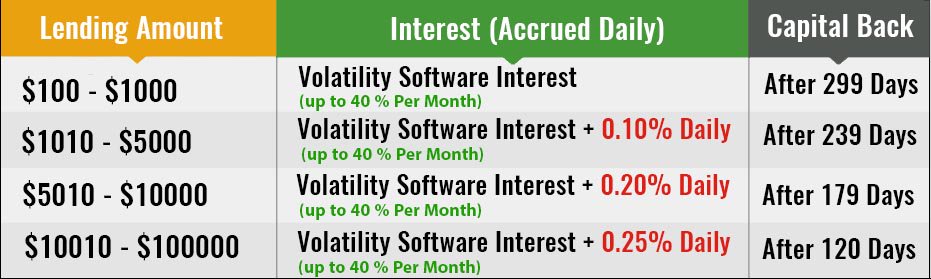
BitConnect, now widely known as a fraudulent company, promised outlandish returns to users of its lending program.
Scammers Add Industry “Accoutrements” to Appear Legitimate
It almost goes without saying that the perpetrators of these scams are not qualified to work into the financial industry. They are not professional brokers or analysts; they are either criminally-minded individuals with ill intentions or desperate people who see no other option for their own survival.
Scams attempting to appear more “legitimate” will often have elaborate websites and claim to have offices set up in different countries. The reality is, however, that these scams will merely have mailing addresses set up in different places across the globe.
Once you’ve been hooked into a boiler room scam, it’s difficult to get out. The same “brokers” who were so eager to speak with you before you handed over your cash may not even answer your calls anymore, or may otherwise be perpetually tied up in meetings or be “out of the office.”
Unfortunately, there aren’t often repercussions for the individuals behind these schemes. The cheaply-rented spaces where they’re based are easily vacated; the temporary phone lines that were used to make calls are easily cut; the swindlers vanish without a trace, and investors are left “holding the bag.”
Because the cryptocurrency industry is still so new and enigmatic, there are plenty of fraudsters who see the crypto boom with dollar-signs in their eyes. While the general public has developed quite a bit of healthy skepticism surrounding cryptocurrencies (and the number of successful scams may have wanted), there are still plenty of scammers who seek to take advantage of people who may not know any better.
Policing is Increasing - But is it Enough?
Still, the SEC, CFTC, and other organizations have intensified their efforts to crack down on boiler room schemes within the space.
Most recently, US District Judge Jack B. Weinstein ruled in favor of the CFTC in a case brought against Patrick K. McDonnell, a man who operated a company called “CabbageTech," on September 11, 2018.
The CFTC charged McDonnell with operating “a deceptive and fraudulent virtual currency scheme . . . for purported virtual currency trading advice” and “for virtual currency purchases and trading.” McDonnell collected funds from unsuspecting customers and used them for his own purposes.
Court documents said that McDonnell was found guilty of running a “‘boiler room’ scheme”, although his “company” was pawning off “expert advice” rather than assets themselves.
— Know_Tomorrow (#FreeRoss #NoMoreBanksterWars) (@JoelAigner) March 3, 2018
“[McDonnell] defraud[ed] members of the public by conning them into believing they were paying for, and receiving, bona fide advice on investing in virtual currencies – that is to say: expert virtual currency trading advice from him and an imaginary team of advisors – and that he was making purchases and sales of virtual currencies using their assets on their behalf and for their benefit.”
McDonnell represented himself throughout the course of the trial, despite the court’s insistence that he needed a lawyer. Eventually, the court banned McDonnell from ever dealing in virtual currencies again, and ordered him to pay $290,429.90 in restitution and $871,287.87 in civil penalties.
The CFTC Maintains its Right to Protect Investors from Fraud, Even if Crypto’s Legal Status Isn’t Always Clear
Following the ruling, McDonnell attempted to appeal his case--he filed a motion for reconsideration based on Commodity Futures Trading Commission v. Monex Credit Co., a case that took place earlier this year. The National Law review wrote that this case “more narrowly defined the CFTC’s regulatory authority,” and resulted in a dismissal of the original complaint brought against Monex.
However, the motion was denied by the court, “reaffirm[ing] its view that Title 7 U.S.C. § 9(1) gives the CFTC standing to exercise its enforcement power over the fraudulent schemes alleged in the complaint.”
Court documents also said that although the CFTC does indeed have the right to regulate virtual currency as a commodity (although cryptocurrency’s legal status is still somewhat ambiguous), it is the Commission’s legal responsibility and right to protect citizens from fraud and manipulation that takes precedence in cases similar to this one.
“[The] CFTC’s broad statutory authority, Title 7 U.S.C. § 9(1), and regulatory authority, Title 17 C.F.R. § 180.1, extends to fraud or manipulation in the virtual currency derivatives market and its underlying spot market,” court documents said.
Protecting Yourself
Chances are that someone at some point in your life has tried to convince you to buy something that you didn’t really want or need and that they used aggressive tactics to try and do so.
Whether it was someone spraying perfume on you at the mall as you attempted to flee, an adorable girl scout touting sugary snacks, or a telemarketer offering investments that will bring you fantastic returns, each of them was trying to convince you of the same thing: buy this, and your life will be better.
Perhaps most significantly, however, was the sheer magnitude of the big “crypto boom” that was continuing to gain momentum. Cryptocurrency exchanges and exchange apps like Coinbase suddenly found themselves with way more new users than their systems were capable of handling; everyone wanted in on the crypto scene.
And then, they came - the scammers. Hundreds - thousands - of every shape and size, color and stripe. The cryptic nature of cryptocurrency (pun intended) left the door wide open for swindlers to make outlandish claims about the kinds of returns that their products offered unsuspecting investors.
A lot of these schemes are sophisticated - many of them happen without our knowledge. Some hackers have created bits of software that unsuspectingly mine cryptocurrency using your CPU while you’re browsing the web, minding your own business; others have even created schemes that rob other people attempting to steal crypto. Fake or otherwise illegitimate ICOs run wild throughout the space.
However, some of the most effective scams are far more traditional than that. Indeed, authorities around the globe have increasingly cracked down on one of the oldest tricks in the book: crypto boiler room scams. While this kind of scam has been largely eliminated from other parts of the investing world, the largely unregulated nature of cryptocurrency has left this particular door wide open.
What is a ‘Boiler Room Scam'?
The term ‘boiler room scam’ describes a scam that uses cold calling and high-pressure sales techniques to sell investments.
More often than not, these fly-by-night operations are based in low-cost office spaces (ie ‘boiler rooms’), tightly packed with rows of telemarketers, who are incentivized by commissions and instructed to sell by any means necessary. Before the days of cryptocurrency, these telemarketers would sell unknown micro-cap stocks and other low-value assets; sometimes, the assets they sell don’t exist at all.
The key here is that the sales tactics that these telemarketers use involve misleading (or outright false) information to hype up their products, and that their sales tactics are often coercive. Their target ‘customers’ are vulnerable people who may not be aware of what’s happening - elderly or very young people, or people with disabilities.
Too Good to Be True
The Times of Israel published a piece detailing exactly the kinds of things that cryptocurrency boiler-room scammers will say in order to hook investors, promises of high returns and buzzword-packed sales pitches a-plenty:
“What we offer you is to start with a discovery account that ensures an exceptional rate of 6% over 30 days whatever your investment. Our customers usually invest 5,000 euros initially.”
”...The market of virtual currencies has a capitalization of nearly 2 trillion dollars (2,000 billion) in just 12 years. We can no longer speak of a bubble or a passing fad. Do you agree?”
Of course, crypto ‘boiler room’ scams may not involve as much direct contact as traditional boiler room scams do. As effective as talking on the phone can be for these scammers, it’s often enough to send emails or even just continually post promises of high returns somewhere online.
BitConnect, now widely known as a fraudulent company, promised outlandish returns to users of its lending program.
Scammers Add Industry “Accoutrements” to Appear Legitimate
It almost goes without saying that the perpetrators of these scams are not qualified to work into the financial industry. They are not professional brokers or analysts; they are either criminally-minded individuals with ill intentions or desperate people who see no other option for their own survival.
Scams attempting to appear more “legitimate” will often have elaborate websites and claim to have offices set up in different countries. The reality is, however, that these scams will merely have mailing addresses set up in different places across the globe.
Once you’ve been hooked into a boiler room scam, it’s difficult to get out. The same “brokers” who were so eager to speak with you before you handed over your cash may not even answer your calls anymore, or may otherwise be perpetually tied up in meetings or be “out of the office.”
Unfortunately, there aren’t often repercussions for the individuals behind these schemes. The cheaply-rented spaces where they’re based are easily vacated; the temporary phone lines that were used to make calls are easily cut; the swindlers vanish without a trace, and investors are left “holding the bag.”
Because the cryptocurrency industry is still so new and enigmatic, there are plenty of fraudsters who see the crypto boom with dollar-signs in their eyes. While the general public has developed quite a bit of healthy skepticism surrounding cryptocurrencies (and the number of successful scams may have wanted), there are still plenty of scammers who seek to take advantage of people who may not know any better.
Policing is Increasing - But is it Enough?
Still, the SEC, CFTC, and other organizations have intensified their efforts to crack down on boiler room schemes within the space.
Most recently, US District Judge Jack B. Weinstein ruled in favor of the CFTC in a case brought against Patrick K. McDonnell, a man who operated a company called “CabbageTech," on September 11, 2018.
The CFTC charged McDonnell with operating “a deceptive and fraudulent virtual currency scheme . . . for purported virtual currency trading advice” and “for virtual currency purchases and trading.” McDonnell collected funds from unsuspecting customers and used them for his own purposes.
Court documents said that McDonnell was found guilty of running a “‘boiler room’ scheme”, although his “company” was pawning off “expert advice” rather than assets themselves.
— Know_Tomorrow (#FreeRoss #NoMoreBanksterWars) (@JoelAigner) March 3, 2018
“[McDonnell] defraud[ed] members of the public by conning them into believing they were paying for, and receiving, bona fide advice on investing in virtual currencies – that is to say: expert virtual currency trading advice from him and an imaginary team of advisors – and that he was making purchases and sales of virtual currencies using their assets on their behalf and for their benefit.”
McDonnell represented himself throughout the course of the trial, despite the court’s insistence that he needed a lawyer. Eventually, the court banned McDonnell from ever dealing in virtual currencies again, and ordered him to pay $290,429.90 in restitution and $871,287.87 in civil penalties.
The CFTC Maintains its Right to Protect Investors from Fraud, Even if Crypto’s Legal Status Isn’t Always Clear
Following the ruling, McDonnell attempted to appeal his case--he filed a motion for reconsideration based on Commodity Futures Trading Commission v. Monex Credit Co., a case that took place earlier this year. The National Law review wrote that this case “more narrowly defined the CFTC’s regulatory authority,” and resulted in a dismissal of the original complaint brought against Monex.
However, the motion was denied by the court, “reaffirm[ing] its view that Title 7 U.S.C. § 9(1) gives the CFTC standing to exercise its enforcement power over the fraudulent schemes alleged in the complaint.”
Court documents also said that although the CFTC does indeed have the right to regulate virtual currency as a commodity (although cryptocurrency’s legal status is still somewhat ambiguous), it is the Commission’s legal responsibility and right to protect citizens from fraud and manipulation that takes precedence in cases similar to this one.
“[The] CFTC’s broad statutory authority, Title 7 U.S.C. § 9(1), and regulatory authority, Title 17 C.F.R. § 180.1, extends to fraud or manipulation in the virtual currency derivatives market and its underlying spot market,” court documents said.
Protecting Yourself
Chances are that someone at some point in your life has tried to convince you to buy something that you didn’t really want or need and that they used aggressive tactics to try and do so.
Whether it was someone spraying perfume on you at the mall as you attempted to flee, an adorable girl scout touting sugary snacks, or a telemarketer offering investments that will bring you fantastic returns, each of them was trying to convince you of the same thing: buy this, and your life will be better.
Rachel is a self-taught crypto geek and a passionate writer. She believes in the power that the written word has to educate, connect and empower individuals to make positive and powerful financial choices. She is the Podcast Host and a Cryptocurrency Editor at Finance Magnates.
Crypto Built More Rails, but the Next Battle Is Over How Much Work a Dollar Can Do
Featured Videos
FP Markets Winner Spotlight 🏆 | Global Broker of the Year 2025 #Trading #Broker #Innovation #Shorts
FP Markets Winner Spotlight 🏆 | Global Broker of the Year 2025 #Trading #Broker #Innovation #Shorts
FP Markets Winner Spotlight 🏆 | Global Broker of the Year 2025 #Trading #Broker #Innovation #Shorts
FP Markets Winner Spotlight 🏆 | Global Broker of the Year 2025 #Trading #Broker #Innovation #Shorts
FP Markets takes the spotlight as Global Broker of the Year 2025 at the Finance Magnates Awards.
Martin Stoilov, Head of Client Experience, shares that trust, innovation, and people played a key role in the company’s success, supported by a strong foundation of integrity and client-centricity.
Following this milestone, FP Markets continues to focus on growth, technology investment, and its core values of transparency and excellence.
👉 Be part of FM Awards 2026: https://awards.financemagnates.com/#nominate
FP Markets takes the spotlight as Global Broker of the Year 2025 at the Finance Magnates Awards.
Martin Stoilov, Head of Client Experience, shares that trust, innovation, and people played a key role in the company’s success, supported by a strong foundation of integrity and client-centricity.
Following this milestone, FP Markets continues to focus on growth, technology investment, and its core values of transparency and excellence.
👉 Be part of FM Awards 2026: https://awards.financemagnates.com/#nominate
FP Markets takes the spotlight as Global Broker of the Year 2025 at the Finance Magnates Awards.
Martin Stoilov, Head of Client Experience, shares that trust, innovation, and people played a key role in the company’s success, supported by a strong foundation of integrity and client-centricity.
Following this milestone, FP Markets continues to focus on growth, technology investment, and its core values of transparency and excellence.
👉 Be part of FM Awards 2026: https://awards.financemagnates.com/#nominate
FP Markets takes the spotlight as Global Broker of the Year 2025 at the Finance Magnates Awards.
Martin Stoilov, Head of Client Experience, shares that trust, innovation, and people played a key role in the company’s success, supported by a strong foundation of integrity and client-centricity.
Following this milestone, FP Markets continues to focus on growth, technology investment, and its core values of transparency and excellence.
👉 Be part of FM Awards 2026: https://awards.financemagnates.com/#nominate
In this video, we review @HolaPrimeMarketsOfficial, a multi-asset forex and CFDs broker offering different account types, trading platforms, and flexible trading conditions.
We cover the broker’s overall offering, including account options, trading environment, platforms like MT4 and MT5, and additional services such as managed accounts and fast withdrawals.
Watch the full video to see if Hola Prime Markets fits your trading needs.
📣 Stay up to date with the latest in finance and trading. Follow Finance Magnates for industry news, insights, and global event coverage.
Connect with us:
🔗 LinkedIn: /financemagnates
👍 Facebook: /financemagnates
📸 Instagram: https://www.instagram.com/financemagnates
🐦 X: https://x.com/financemagnates
🎥 TikTok: https://www.tiktok.com/tag/financemagnates
▶️ YouTube: /@financemagnates_official
#HolaPrime #ForexBroker #CFDTrading #FinanceMagnates #Trading #Forex #BrokerReview
In this video, we review @HolaPrimeMarketsOfficial, a multi-asset forex and CFDs broker offering different account types, trading platforms, and flexible trading conditions.
We cover the broker’s overall offering, including account options, trading environment, platforms like MT4 and MT5, and additional services such as managed accounts and fast withdrawals.
Watch the full video to see if Hola Prime Markets fits your trading needs.
📣 Stay up to date with the latest in finance and trading. Follow Finance Magnates for industry news, insights, and global event coverage.
Connect with us:
🔗 LinkedIn: /financemagnates
👍 Facebook: /financemagnates
📸 Instagram: https://www.instagram.com/financemagnates
🐦 X: https://x.com/financemagnates
🎥 TikTok: https://www.tiktok.com/tag/financemagnates
▶️ YouTube: /@financemagnates_official
#HolaPrime #ForexBroker #CFDTrading #FinanceMagnates #Trading #Forex #BrokerReview
In this video, we review @HolaPrimeMarketsOfficial, a multi-asset forex and CFDs broker offering different account types, trading platforms, and flexible trading conditions.
We cover the broker’s overall offering, including account options, trading environment, platforms like MT4 and MT5, and additional services such as managed accounts and fast withdrawals.
Watch the full video to see if Hola Prime Markets fits your trading needs.
📣 Stay up to date with the latest in finance and trading. Follow Finance Magnates for industry news, insights, and global event coverage.
Connect with us:
🔗 LinkedIn: /financemagnates
👍 Facebook: /financemagnates
📸 Instagram: https://www.instagram.com/financemagnates
🐦 X: https://x.com/financemagnates
🎥 TikTok: https://www.tiktok.com/tag/financemagnates
▶️ YouTube: /@financemagnates_official
#HolaPrime #ForexBroker #CFDTrading #FinanceMagnates #Trading #Forex #BrokerReview
In this video, we review @HolaPrimeMarketsOfficial, a multi-asset forex and CFDs broker offering different account types, trading platforms, and flexible trading conditions.
We cover the broker’s overall offering, including account options, trading environment, platforms like MT4 and MT5, and additional services such as managed accounts and fast withdrawals.
Watch the full video to see if Hola Prime Markets fits your trading needs.
📣 Stay up to date with the latest in finance and trading. Follow Finance Magnates for industry news, insights, and global event coverage.
Connect with us:
🔗 LinkedIn: /financemagnates
👍 Facebook: /financemagnates
📸 Instagram: https://www.instagram.com/financemagnates
🐦 X: https://x.com/financemagnates
🎥 TikTok: https://www.tiktok.com/tag/financemagnates
▶️ YouTube: /@financemagnates_official
#HolaPrime #ForexBroker #CFDTrading #FinanceMagnates #Trading #Forex #BrokerReview
In this video, we review @HolaPrimeMarketsOfficial, a multi-asset forex and CFDs broker offering different account types, trading platforms, and flexible trading conditions.
We cover the broker’s overall offering, including account options, trading environment, platforms like MT4 and MT5, and additional services such as managed accounts and fast withdrawals.
Watch the full video to see if Hola Prime Markets fits your trading needs.
📣 Stay up to date with the latest in finance and trading. Follow Finance Magnates for industry news, insights, and global event coverage.
Connect with us:
🔗 LinkedIn: /financemagnates
👍 Facebook: /financemagnates
📸 Instagram: https://www.instagram.com/financemagnates
🐦 X: https://x.com/financemagnates
🎥 TikTok: https://www.tiktok.com/tag/financemagnates
▶️ YouTube: /@financemagnates_official
#HolaPrime #ForexBroker #CFDTrading #FinanceMagnates #Trading #Forex #BrokerReview
In this video, we review @HolaPrimeMarketsOfficial, a multi-asset forex and CFDs broker offering different account types, trading platforms, and flexible trading conditions.
We cover the broker’s overall offering, including account options, trading environment, platforms like MT4 and MT5, and additional services such as managed accounts and fast withdrawals.
Watch the full video to see if Hola Prime Markets fits your trading needs.
📣 Stay up to date with the latest in finance and trading. Follow Finance Magnates for industry news, insights, and global event coverage.
Connect with us:
🔗 LinkedIn: /financemagnates
👍 Facebook: /financemagnates
📸 Instagram: https://www.instagram.com/financemagnates
🐦 X: https://x.com/financemagnates
🎥 TikTok: https://www.tiktok.com/tag/financemagnates
▶️ YouTube: /@financemagnates_official
#HolaPrime #ForexBroker #CFDTrading #FinanceMagnates #Trading #Forex #BrokerReview
Hola Prime Review: What You Need to Know | Full Breakdown by Finance Magnates
Hola Prime Review: What You Need to Know | Full Breakdown by Finance Magnates
Hola Prime Review: What You Need to Know | Full Breakdown by Finance Magnates
Hola Prime Review: What You Need to Know | Full Breakdown by Finance Magnates
Hola Prime Review: What You Need to Know | Full Breakdown by Finance Magnates
Hola Prime Review: What You Need to Know | Full Breakdown by Finance Magnates
In this video, we review @HolaPrime_Global, a proprietary trading firm offering evaluation programs and performance-based payouts in simulated market environments.
We cover how the challenge model works, including account types, profit splits (up to 95%), trading rules, and what it takes to reach a funded account. You’ll also learn about available platforms like MT4, MT5, cTrader, and more, along with insights into payouts, support, and trading conditions.
Watch the full video to see if Hola Prime fits your trading style.
📣 Stay up to date with the latest in finance and trading. Follow Finance Magnates for industry news, insights, and global event coverage.
Connect with us:
🔗 LinkedIn: /financemagnates
👍 Facebook: /financemagnates
📸 Instagram: https://www.instagram.com/financemagnates
🐦 X: https://x.com/financemagnates
🎥 TikTok: https://www.tiktok.com/tag/financemagnates
▶️ YouTube: /@financemagnates_official
#HolaPrime #PropFirm #Trading #FinanceMagnates #Forex #FuturesTrading #TradingReview #PropFirmReview
In this video, we review @HolaPrime_Global, a proprietary trading firm offering evaluation programs and performance-based payouts in simulated market environments.
We cover how the challenge model works, including account types, profit splits (up to 95%), trading rules, and what it takes to reach a funded account. You’ll also learn about available platforms like MT4, MT5, cTrader, and more, along with insights into payouts, support, and trading conditions.
Watch the full video to see if Hola Prime fits your trading style.
📣 Stay up to date with the latest in finance and trading. Follow Finance Magnates for industry news, insights, and global event coverage.
Connect with us:
🔗 LinkedIn: /financemagnates
👍 Facebook: /financemagnates
📸 Instagram: https://www.instagram.com/financemagnates
🐦 X: https://x.com/financemagnates
🎥 TikTok: https://www.tiktok.com/tag/financemagnates
▶️ YouTube: /@financemagnates_official
#HolaPrime #PropFirm #Trading #FinanceMagnates #Forex #FuturesTrading #TradingReview #PropFirmReview
In this video, we review @HolaPrime_Global, a proprietary trading firm offering evaluation programs and performance-based payouts in simulated market environments.
We cover how the challenge model works, including account types, profit splits (up to 95%), trading rules, and what it takes to reach a funded account. You’ll also learn about available platforms like MT4, MT5, cTrader, and more, along with insights into payouts, support, and trading conditions.
Watch the full video to see if Hola Prime fits your trading style.
📣 Stay up to date with the latest in finance and trading. Follow Finance Magnates for industry news, insights, and global event coverage.
Connect with us:
🔗 LinkedIn: /financemagnates
👍 Facebook: /financemagnates
📸 Instagram: https://www.instagram.com/financemagnates
🐦 X: https://x.com/financemagnates
🎥 TikTok: https://www.tiktok.com/tag/financemagnates
▶️ YouTube: /@financemagnates_official
#HolaPrime #PropFirm #Trading #FinanceMagnates #Forex #FuturesTrading #TradingReview #PropFirmReview
In this video, we review @HolaPrime_Global, a proprietary trading firm offering evaluation programs and performance-based payouts in simulated market environments.
We cover how the challenge model works, including account types, profit splits (up to 95%), trading rules, and what it takes to reach a funded account. You’ll also learn about available platforms like MT4, MT5, cTrader, and more, along with insights into payouts, support, and trading conditions.
Watch the full video to see if Hola Prime fits your trading style.
📣 Stay up to date with the latest in finance and trading. Follow Finance Magnates for industry news, insights, and global event coverage.
Connect with us:
🔗 LinkedIn: /financemagnates
👍 Facebook: /financemagnates
📸 Instagram: https://www.instagram.com/financemagnates
🐦 X: https://x.com/financemagnates
🎥 TikTok: https://www.tiktok.com/tag/financemagnates
▶️ YouTube: /@financemagnates_official
#HolaPrime #PropFirm #Trading #FinanceMagnates #Forex #FuturesTrading #TradingReview #PropFirmReview
In this video, we review @HolaPrime_Global, a proprietary trading firm offering evaluation programs and performance-based payouts in simulated market environments.
We cover how the challenge model works, including account types, profit splits (up to 95%), trading rules, and what it takes to reach a funded account. You’ll also learn about available platforms like MT4, MT5, cTrader, and more, along with insights into payouts, support, and trading conditions.
Watch the full video to see if Hola Prime fits your trading style.
📣 Stay up to date with the latest in finance and trading. Follow Finance Magnates for industry news, insights, and global event coverage.
Connect with us:
🔗 LinkedIn: /financemagnates
👍 Facebook: /financemagnates
📸 Instagram: https://www.instagram.com/financemagnates
🐦 X: https://x.com/financemagnates
🎥 TikTok: https://www.tiktok.com/tag/financemagnates
▶️ YouTube: /@financemagnates_official
#HolaPrime #PropFirm #Trading #FinanceMagnates #Forex #FuturesTrading #TradingReview #PropFirmReview
In this video, we review @HolaPrime_Global, a proprietary trading firm offering evaluation programs and performance-based payouts in simulated market environments.
We cover how the challenge model works, including account types, profit splits (up to 95%), trading rules, and what it takes to reach a funded account. You’ll also learn about available platforms like MT4, MT5, cTrader, and more, along with insights into payouts, support, and trading conditions.
Watch the full video to see if Hola Prime fits your trading style.
📣 Stay up to date with the latest in finance and trading. Follow Finance Magnates for industry news, insights, and global event coverage.
Connect with us:
🔗 LinkedIn: /financemagnates
👍 Facebook: /financemagnates
📸 Instagram: https://www.instagram.com/financemagnates
🐦 X: https://x.com/financemagnates
🎥 TikTok: https://www.tiktok.com/tag/financemagnates
▶️ YouTube: /@financemagnates_official
#HolaPrime #PropFirm #Trading #FinanceMagnates #Forex #FuturesTrading #TradingReview #PropFirmReview
Axi Winner Spotlight 🏆 | Global Most Innovative Broker 2025 #Innovation #Trading #Fintech #Broker
Axi Winner Spotlight 🏆 | Global Most Innovative Broker 2025 #Innovation #Trading #Fintech #Broker
Axi Winner Spotlight 🏆 | Global Most Innovative Broker 2025 #Innovation #Trading #Fintech #Broker
Axi Winner Spotlight 🏆 | Global Most Innovative Broker 2025 #Innovation #Trading #Fintech #Broker
Axi Winner Spotlight 🏆 | Global Most Innovative Broker 2025 #Innovation #Trading #Fintech #Broker
Axi Winner Spotlight 🏆 | Global Most Innovative Broker 2025 #Innovation #Trading #Fintech #Broker
Axi takes the spotlight at the Finance Magnates Awards, winning Global Most Innovative Broker 2025.
Olivia Xenofontos and Ivanna Openko share how the team will feel: proud, motivated, and ready to keep delivering.
They also describe the night as well-organized, focused, and enjoyable for all.
👉 Be part of FM Awards 2026.
Axi takes the spotlight at the Finance Magnates Awards, winning Global Most Innovative Broker 2025.
Olivia Xenofontos and Ivanna Openko share how the team will feel: proud, motivated, and ready to keep delivering.
They also describe the night as well-organized, focused, and enjoyable for all.
👉 Be part of FM Awards 2026.
Axi takes the spotlight at the Finance Magnates Awards, winning Global Most Innovative Broker 2025.
Olivia Xenofontos and Ivanna Openko share how the team will feel: proud, motivated, and ready to keep delivering.
They also describe the night as well-organized, focused, and enjoyable for all.
👉 Be part of FM Awards 2026.
Axi takes the spotlight at the Finance Magnates Awards, winning Global Most Innovative Broker 2025.
Olivia Xenofontos and Ivanna Openko share how the team will feel: proud, motivated, and ready to keep delivering.
They also describe the night as well-organized, focused, and enjoyable for all.
👉 Be part of FM Awards 2026.
Axi takes the spotlight at the Finance Magnates Awards, winning Global Most Innovative Broker 2025.
Olivia Xenofontos and Ivanna Openko share how the team will feel: proud, motivated, and ready to keep delivering.
They also describe the night as well-organized, focused, and enjoyable for all.
👉 Be part of FM Awards 2026.
Axi takes the spotlight at the Finance Magnates Awards, winning Global Most Innovative Broker 2025.
Olivia Xenofontos and Ivanna Openko share how the team will feel: proud, motivated, and ready to keep delivering.
They also describe the night as well-organized, focused, and enjoyable for all.
👉 Be part of FM Awards 2026.
Recognition that matters.
Built on transparency.
Driven by the industry.
The Finance Magnates Awards 2026.
Nominations are now open.
🔗 https://awards.financemagnates.com/?utm_source=SM&utm_medium=social&utm_campaign=recognition-matters
Recognition that matters.
Built on transparency.
Driven by the industry.
The Finance Magnates Awards 2026.
Nominations are now open.
🔗 https://awards.financemagnates.com/?utm_source=SM&utm_medium=social&utm_campaign=recognition-matters
Recognition that matters.
Built on transparency.
Driven by the industry.
The Finance Magnates Awards 2026.
Nominations are now open.
🔗 https://awards.financemagnates.com/?utm_source=SM&utm_medium=social&utm_campaign=recognition-matters
Recognition that matters.
Built on transparency.
Driven by the industry.
The Finance Magnates Awards 2026.
Nominations are now open.
🔗 https://awards.financemagnates.com/?utm_source=SM&utm_medium=social&utm_campaign=recognition-matters
Recognition that matters.
Built on transparency.
Driven by the industry.
The Finance Magnates Awards 2026.
Nominations are now open.
🔗 https://awards.financemagnates.com/?utm_source=SM&utm_medium=social&utm_campaign=recognition-matters
Recognition that matters.
Built on transparency.
Driven by the industry.
The Finance Magnates Awards 2026.
Nominations are now open.
🔗 https://awards.financemagnates.com/?utm_source=SM&utm_medium=social&utm_campaign=recognition-matters