The SEC released guidance on token sales at the beginning of April. Has the ICO landscape changed as a result?
SEC
In the United States, many questions remain around the legal aspects of the cryptocurrency industry. While the country may not have the slowest legislative system in the world, it certainly doesn't have the fastest or most agile--therefore, when any US government body even hints at some aspect of crypto regulation, the whole world stands at attention.
In order to determine whether or not a token is a security, a number of factors are taken into account, including an expectation of profit, the creation or support of a market for a token, and whether or not a single group of entities is responsible for certain tasks within a token’s network.
The guidance also contained elements of the Howie test, including whether or not there is a correlation between a token’s purchase price and a market price and what the token’s use cases might be.
wow! big day for US regulatory guidance.
the SEC publishes digital asset guidance and interpretation of the Howey Test, and the SEC division of corporate finance responds to a no-action letter on a proposed @turnkeyjet token sale.
no action letter ??https://t.co/cpCzOI7ReP
— Meltem Demirors (@Melt_Dem) April 3, 2019
The guidance also provided criteria for tokens that have been sold in the past and whose status as a security may need to be reevaluated. These included whether “distributed ledger network and digital asset are fully developed and operational,” whether a token’s “prospects for appreciation” are limited, and whether a token operates as a store of value if it is billed as a security.
What’s New?
Certainly, the SEC releasing these guidelines is significant--in theory, at least, ICO issuers should have a degree of legal clarity that they previously did not.
That TKJ wouldn’t use funds from its token sale to develop any part of its platform;
That the tokens would immediately be usable to purchase air charter services (their intended functionality);
That TKJ tokens would be kept in on-platform wallets;
That the token’s marketing would emphasize their functionality rather than their potential increase in value;
That TKJ will always sell its tokens at a price of US$1 per token, and that each of its tokens will always be worth exactly $1;
And that if TKJ offered to buy back token, it would do so “at a discount to the face value of the Tokens (one USD per Token) that the holder seeks to resell to TKJ.”
But exactly what did the new guidelines--and their affirmation in the TKJ letter--really add to the legal space around cryptocurrencies?
The New Framework Tell Us Much of Anything That We Didn’t Already Know
For many, the answer is “not much.”
Indeed, it seems that the guidance and the letter were more or less reiterations of what is already known. “This is an elaboration or what securities lawyers already knew, not that some new ground was broken here, neither making thing stricter nor more lenient,” wrote Jeff Bandman, Co-Founder and Board Member of the Global Digital Finance Initiative, in an email to Finance Magnates.
6/
My thoughts:
I was initially excited about this no-action letter, but now I'm realizing its just the SEC saying 'well we aren't going to enforce action since you sold USD- pegged loyalty points for your small air carrier company to your members'
TY SHERLOCK
— Katherine Wu (@katherineykwu) April 3, 2019
Therefore, neither the guidelines nor the letter changes much for those who have been following securities laws to the letter. “I don’t think the framework proposes any limitations that seriously affect the way that allegedly compliant ICOs are already running,” ICO Attorney Braden Perry told Finance Magnates.
Indeed, the TKJ letter “is very narrow in the analysis that the TKJ offering was not a security.”
“Specifically, it restricts the TKJ tokens to TKJ wallets, only, and not wallets outside of the TKJ platform. This little room for the exchange of TKJ tokens and other ICOs. This shows a path for compliant use but many other environments and uses exist that are not addressed in this letter.”
Braden Perry, Partner at Kennyhertz Perry, LLC.
In other words, the SEC’s guidance and the letter didn’t do much to help projects who are pioneering new legal territory in the ICO space. “ The SEC took a rather limited example which hardly resembles a typical ICO or IEO other than the fact that the example happens to involve tokens,” explained Samuel Katz, Partner at Nellis & Katz LLP, to Finance Magnates.
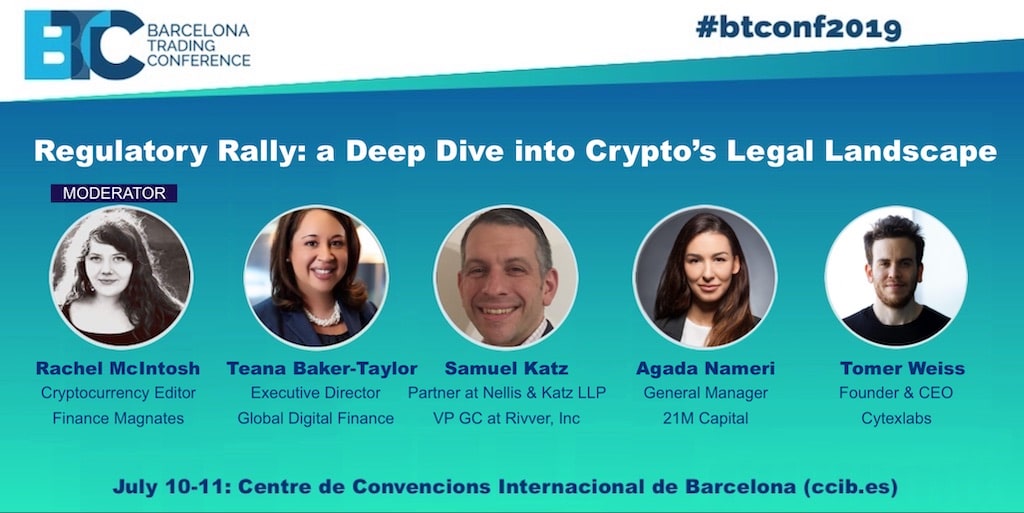
Samuel Katz is a featured panelist at the upcoming Finance Magnates Barcelona Trading Conference (BTC). To get your tickets to the conference, click here.
Questions Yet Unanswered
So, just as before, “ICOs and IEOs in the US need to follow existing US securities laws,” he said. As such, “an offering to the public would require a registration statement or reliance on a smaller offering exemption, such as Regulation A+ or Regulation CF.”
However, the SEC did leave some important questions unanswered in the guidelines. “Even with that, there are numerous compliance questions with respect to tokens that aren’t meant to represent economic value in an entity, which is what is typically considered a security and what the securities laws were aimed at.”
“A particularly interesting example of this is the recent filing by Paragon Coin of a Form 10 as mandated by their settlement with the SEC. In this case, a standard disclosure model was followed even though the tokens represent the rights to certain services provided by the company,” he added.
Additionally, the SEC did not explain the importance of the guidelines it provided relative to one another: “from conversations I’ve had, I think a number of people in the market are unhappy that the SEC did not tell us how to weigh the factors (or any particular combination of factors),” Jeff Bandman explained. On the other hand, “the law does not really lend itself easily to that.”
Jeff Bandman.
“You can’t make everyone happy,” he added. “It is a thankless task."
More Guidance on Custody, Definition of "Active Participant" Still Needed
The SEC has also remained silent on the issue of which custody practices should be for broker-dealers who hold cryptocurrencies.
The primary issue around custody is the fact that while broker-dealers can easily verify that cryptocurrencies within a specific wallet belong to them, it is much more difficult to prove that the wallet cannot be accessed by someone else.
The framework also used the term “Active Participant,” but did not clearly define what it really means. “The ’Active Participant’ language is relatively troublesome and leaves a lot of questions,” Braden Perry said.
Why does this matter? Samuel Katz explained that the term “Active Participant” is most relevant “there is a separate question regarding when a platform is considered ‘decentralized,’” in which case “the related token would no longer be a security.” It is in this context that the AP becomes important, as the AP is a factor in whether the ‘reasonable expectation of profits from the efforts of others’ prong of the ‘Howey’ test is met.”
Perry added that “[the term is] important because of the analysis of the Howey Test, and the economic reality of the transaction and what character the instrument is given in commerce by the terms of the offer, the plan of distribution, and the economic inducements held out to the prospect in relation to the expectation of profit.”
“This will likely be the subject of further guidance,” he said.
"The last thing any industry wants is regulation by enforcement."
And most legal experts will agree that this framework and the no-action letter are likely just the beginning of the guidance that the SEC and other regulating bodies will provide.
“I’m not sure additional regulations are needed, but more guidance is,” Braden Perry said, adding that no-action letters are a “great way to guide companies through novel technology.”
“The last thing any industry wants is regulation by enforcement, in which agencies decide that some practices should have been illegal, and instead of declaring it illegal from now on through rulemaking, go back and prosecute the people who were doing it before,” he said. “But that regulatory framework will likely lag the innovation, and frustrate those willing to adopt new technology.”
Samuel Katz added that future guidance from the SEC would likely focus on investor protections: “we are more likely to one day see the SEC create a new or modified framework for sales of tokens in ICOs that would incorporate the disclosure and investor protection regimes under US law and regulation.”
Samuel Katz.
In the United States, many questions remain around the legal aspects of the cryptocurrency industry. While the country may not have the slowest legislative system in the world, it certainly doesn't have the fastest or most agile--therefore, when any US government body even hints at some aspect of crypto regulation, the whole world stands at attention.
In order to determine whether or not a token is a security, a number of factors are taken into account, including an expectation of profit, the creation or support of a market for a token, and whether or not a single group of entities is responsible for certain tasks within a token’s network.
The guidance also contained elements of the Howie test, including whether or not there is a correlation between a token’s purchase price and a market price and what the token’s use cases might be.
wow! big day for US regulatory guidance.
the SEC publishes digital asset guidance and interpretation of the Howey Test, and the SEC division of corporate finance responds to a no-action letter on a proposed @turnkeyjet token sale.
no action letter ??https://t.co/cpCzOI7ReP
— Meltem Demirors (@Melt_Dem) April 3, 2019
The guidance also provided criteria for tokens that have been sold in the past and whose status as a security may need to be reevaluated. These included whether “distributed ledger network and digital asset are fully developed and operational,” whether a token’s “prospects for appreciation” are limited, and whether a token operates as a store of value if it is billed as a security.
What’s New?
Certainly, the SEC releasing these guidelines is significant--in theory, at least, ICO issuers should have a degree of legal clarity that they previously did not.
That TKJ wouldn’t use funds from its token sale to develop any part of its platform;
That the tokens would immediately be usable to purchase air charter services (their intended functionality);
That TKJ tokens would be kept in on-platform wallets;
That the token’s marketing would emphasize their functionality rather than their potential increase in value;
That TKJ will always sell its tokens at a price of US$1 per token, and that each of its tokens will always be worth exactly $1;
And that if TKJ offered to buy back token, it would do so “at a discount to the face value of the Tokens (one USD per Token) that the holder seeks to resell to TKJ.”
But exactly what did the new guidelines--and their affirmation in the TKJ letter--really add to the legal space around cryptocurrencies?
The New Framework Tell Us Much of Anything That We Didn’t Already Know
For many, the answer is “not much.”
Indeed, it seems that the guidance and the letter were more or less reiterations of what is already known. “This is an elaboration or what securities lawyers already knew, not that some new ground was broken here, neither making thing stricter nor more lenient,” wrote Jeff Bandman, Co-Founder and Board Member of the Global Digital Finance Initiative, in an email to Finance Magnates.
6/
My thoughts:
I was initially excited about this no-action letter, but now I'm realizing its just the SEC saying 'well we aren't going to enforce action since you sold USD- pegged loyalty points for your small air carrier company to your members'
TY SHERLOCK
— Katherine Wu (@katherineykwu) April 3, 2019
Therefore, neither the guidelines nor the letter changes much for those who have been following securities laws to the letter. “I don’t think the framework proposes any limitations that seriously affect the way that allegedly compliant ICOs are already running,” ICO Attorney Braden Perry told Finance Magnates.
Indeed, the TKJ letter “is very narrow in the analysis that the TKJ offering was not a security.”
“Specifically, it restricts the TKJ tokens to TKJ wallets, only, and not wallets outside of the TKJ platform. This little room for the exchange of TKJ tokens and other ICOs. This shows a path for compliant use but many other environments and uses exist that are not addressed in this letter.”
Braden Perry, Partner at Kennyhertz Perry, LLC.
In other words, the SEC’s guidance and the letter didn’t do much to help projects who are pioneering new legal territory in the ICO space. “ The SEC took a rather limited example which hardly resembles a typical ICO or IEO other than the fact that the example happens to involve tokens,” explained Samuel Katz, Partner at Nellis & Katz LLP, to Finance Magnates.
Samuel Katz is a featured panelist at the upcoming Finance Magnates Barcelona Trading Conference (BTC). To get your tickets to the conference, click here.
Questions Yet Unanswered
So, just as before, “ICOs and IEOs in the US need to follow existing US securities laws,” he said. As such, “an offering to the public would require a registration statement or reliance on a smaller offering exemption, such as Regulation A+ or Regulation CF.”
However, the SEC did leave some important questions unanswered in the guidelines. “Even with that, there are numerous compliance questions with respect to tokens that aren’t meant to represent economic value in an entity, which is what is typically considered a security and what the securities laws were aimed at.”
“A particularly interesting example of this is the recent filing by Paragon Coin of a Form 10 as mandated by their settlement with the SEC. In this case, a standard disclosure model was followed even though the tokens represent the rights to certain services provided by the company,” he added.
Additionally, the SEC did not explain the importance of the guidelines it provided relative to one another: “from conversations I’ve had, I think a number of people in the market are unhappy that the SEC did not tell us how to weigh the factors (or any particular combination of factors),” Jeff Bandman explained. On the other hand, “the law does not really lend itself easily to that.”
Jeff Bandman.
“You can’t make everyone happy,” he added. “It is a thankless task."
More Guidance on Custody, Definition of "Active Participant" Still Needed
The SEC has also remained silent on the issue of which custody practices should be for broker-dealers who hold cryptocurrencies.
The primary issue around custody is the fact that while broker-dealers can easily verify that cryptocurrencies within a specific wallet belong to them, it is much more difficult to prove that the wallet cannot be accessed by someone else.
The framework also used the term “Active Participant,” but did not clearly define what it really means. “The ’Active Participant’ language is relatively troublesome and leaves a lot of questions,” Braden Perry said.
Why does this matter? Samuel Katz explained that the term “Active Participant” is most relevant “there is a separate question regarding when a platform is considered ‘decentralized,’” in which case “the related token would no longer be a security.” It is in this context that the AP becomes important, as the AP is a factor in whether the ‘reasonable expectation of profits from the efforts of others’ prong of the ‘Howey’ test is met.”
Perry added that “[the term is] important because of the analysis of the Howey Test, and the economic reality of the transaction and what character the instrument is given in commerce by the terms of the offer, the plan of distribution, and the economic inducements held out to the prospect in relation to the expectation of profit.”
“This will likely be the subject of further guidance,” he said.
"The last thing any industry wants is regulation by enforcement."
And most legal experts will agree that this framework and the no-action letter are likely just the beginning of the guidance that the SEC and other regulating bodies will provide.
“I’m not sure additional regulations are needed, but more guidance is,” Braden Perry said, adding that no-action letters are a “great way to guide companies through novel technology.”
“The last thing any industry wants is regulation by enforcement, in which agencies decide that some practices should have been illegal, and instead of declaring it illegal from now on through rulemaking, go back and prosecute the people who were doing it before,” he said. “But that regulatory framework will likely lag the innovation, and frustrate those willing to adopt new technology.”
Samuel Katz added that future guidance from the SEC would likely focus on investor protections: “we are more likely to one day see the SEC create a new or modified framework for sales of tokens in ICOs that would incorporate the disclosure and investor protection regimes under US law and regulation.”
Rachel is a self-taught crypto geek and a passionate writer. She believes in the power that the written word has to educate, connect and empower individuals to make positive and powerful financial choices. She is the Podcast Host and a Cryptocurrency Editor at Finance Magnates.
Moomoo Adds Crossover’s Crypto Execution Network for US Retail Traders
Featured Videos
AvaTrade to Acquire Most of FXCM; NAGA Raises $8M
AvaTrade to Acquire Most of FXCM; NAGA Raises $8M
AvaTrade to Acquire Most of FXCM; NAGA Raises $8M
AvaTrade to Acquire Most of FXCM; NAGA Raises $8M
Today’s financial news recap covers AvaTrade agrees to acquire most of FXCM, NAGA secures eight million dollars in new financing, and Wise seeks a tax settlement in the UK.
Finance Magnates Daily Recap brings you the latest news from forex and CFD brokers, fintech, payments, cryptocurrency, digital assets, trading platforms, financial regulation and global markets.
Get the key company news, executive moves, deals, regulatory updates and market developments of the day, in just a few minutes. New episodes published every weekday.
Read more: https://www.financemagnates.com
#FinanceMagnates #ForexNews #FintechNews
Today’s financial news recap covers AvaTrade agrees to acquire most of FXCM, NAGA secures eight million dollars in new financing, and Wise seeks a tax settlement in the UK.
Finance Magnates Daily Recap brings you the latest news from forex and CFD brokers, fintech, payments, cryptocurrency, digital assets, trading platforms, financial regulation and global markets.
Get the key company news, executive moves, deals, regulatory updates and market developments of the day, in just a few minutes. New episodes published every weekday.
Read more: https://www.financemagnates.com
#FinanceMagnates #ForexNews #FintechNews
Today’s financial news recap covers AvaTrade agrees to acquire most of FXCM, NAGA secures eight million dollars in new financing, and Wise seeks a tax settlement in the UK.
Finance Magnates Daily Recap brings you the latest news from forex and CFD brokers, fintech, payments, cryptocurrency, digital assets, trading platforms, financial regulation and global markets.
Get the key company news, executive moves, deals, regulatory updates and market developments of the day, in just a few minutes. New episodes published every weekday.
Read more: https://www.financemagnates.com
#FinanceMagnates #ForexNews #FintechNews
Today’s financial news recap covers AvaTrade agrees to acquire most of FXCM, NAGA secures eight million dollars in new financing, and Wise seeks a tax settlement in the UK.
Finance Magnates Daily Recap brings you the latest news from forex and CFD brokers, fintech, payments, cryptocurrency, digital assets, trading platforms, financial regulation and global markets.
Get the key company news, executive moves, deals, regulatory updates and market developments of the day, in just a few minutes. New episodes published every weekday.
Read more: https://www.financemagnates.com
#FinanceMagnates #ForexNews #FintechNews
XTB Adds Overnight US Stock Trading; Nasdaq Ventures Invests in One Trading
XTB Adds Overnight US Stock Trading; Nasdaq Ventures Invests in One Trading
XTB Adds Overnight US Stock Trading; Nasdaq Ventures Invests in One Trading
XTB Adds Overnight US Stock Trading; Nasdaq Ventures Invests in One Trading
XTB Adds Overnight US Stock Trading; Nasdaq Ventures Invests in One Trading
XTB Adds Overnight US Stock Trading; Nasdaq Ventures Invests in One Trading
Today’s financial news recap covers XTB expands overnight US stock trading, Fortrade reports higher revenue, Nasdaq backs One Trading, and Vest Labs raises 13 million dollars.
Finance Magnates Daily Recap brings you the latest news from forex and CFD brokers, fintech, payments, cryptocurrency, digital assets, trading platforms, financial regulation and global markets.
Get the key company news, executive moves, deals, regulatory updates and market developments of the day, in just a few minutes. New episodes published every weekday.
Read more: https://www.financemagnates.com
#FinanceMagnates #ForexNews #FintechNews
Today’s financial news recap covers XTB expands overnight US stock trading, Fortrade reports higher revenue, Nasdaq backs One Trading, and Vest Labs raises 13 million dollars.
Finance Magnates Daily Recap brings you the latest news from forex and CFD brokers, fintech, payments, cryptocurrency, digital assets, trading platforms, financial regulation and global markets.
Get the key company news, executive moves, deals, regulatory updates and market developments of the day, in just a few minutes. New episodes published every weekday.
Read more: https://www.financemagnates.com
#FinanceMagnates #ForexNews #FintechNews
Today’s financial news recap covers XTB expands overnight US stock trading, Fortrade reports higher revenue, Nasdaq backs One Trading, and Vest Labs raises 13 million dollars.
Finance Magnates Daily Recap brings you the latest news from forex and CFD brokers, fintech, payments, cryptocurrency, digital assets, trading platforms, financial regulation and global markets.
Get the key company news, executive moves, deals, regulatory updates and market developments of the day, in just a few minutes. New episodes published every weekday.
Read more: https://www.financemagnates.com
#FinanceMagnates #ForexNews #FintechNews
Today’s financial news recap covers XTB expands overnight US stock trading, Fortrade reports higher revenue, Nasdaq backs One Trading, and Vest Labs raises 13 million dollars.
Finance Magnates Daily Recap brings you the latest news from forex and CFD brokers, fintech, payments, cryptocurrency, digital assets, trading platforms, financial regulation and global markets.
Get the key company news, executive moves, deals, regulatory updates and market developments of the day, in just a few minutes. New episodes published every weekday.
Read more: https://www.financemagnates.com
#FinanceMagnates #ForexNews #FintechNews
Today’s financial news recap covers XTB expands overnight US stock trading, Fortrade reports higher revenue, Nasdaq backs One Trading, and Vest Labs raises 13 million dollars.
Finance Magnates Daily Recap brings you the latest news from forex and CFD brokers, fintech, payments, cryptocurrency, digital assets, trading platforms, financial regulation and global markets.
Get the key company news, executive moves, deals, regulatory updates and market developments of the day, in just a few minutes. New episodes published every weekday.
Read more: https://www.financemagnates.com
#FinanceMagnates #ForexNews #FintechNews
Today’s financial news recap covers XTB expands overnight US stock trading, Fortrade reports higher revenue, Nasdaq backs One Trading, and Vest Labs raises 13 million dollars.
Finance Magnates Daily Recap brings you the latest news from forex and CFD brokers, fintech, payments, cryptocurrency, digital assets, trading platforms, financial regulation and global markets.
Get the key company news, executive moves, deals, regulatory updates and market developments of the day, in just a few minutes. New episodes published every weekday.
Read more: https://www.financemagnates.com
#FinanceMagnates #ForexNews #FintechNews
CMC Founder Downplays Volatility Hit; Devexperts Names CEO
CMC Founder Downplays Volatility Hit; Devexperts Names CEO
CMC Founder Downplays Volatility Hit; Devexperts Names CEO
CMC Founder Downplays Volatility Hit; Devexperts Names CEO
CMC Founder Downplays Volatility Hit; Devexperts Names CEO
CMC Founder Downplays Volatility Hit; Devexperts Names CEO
Today’s financial news recap covers low volatility pressures brokers, Devexperts names a new CEO, Saxo cuts onboarding time, and OKX reaches a 25 billion dollar valuation.
Finance Magnates Daily Recap brings you the latest news from forex and CFD brokers, fintech, payments, cryptocurrency, digital assets, trading platforms, financial regulation and global markets.
Get the key company news, executive moves, deals, regulatory updates and market developments of the day, in just a few minutes. New episodes published every weekday.
Read more: https://www.financemagnates.com
#FinanceMagnates #ForexNews #FintechNews
Today’s financial news recap covers low volatility pressures brokers, Devexperts names a new CEO, Saxo cuts onboarding time, and OKX reaches a 25 billion dollar valuation.
Finance Magnates Daily Recap brings you the latest news from forex and CFD brokers, fintech, payments, cryptocurrency, digital assets, trading platforms, financial regulation and global markets.
Get the key company news, executive moves, deals, regulatory updates and market developments of the day, in just a few minutes. New episodes published every weekday.
Read more: https://www.financemagnates.com
#FinanceMagnates #ForexNews #FintechNews
Today’s financial news recap covers low volatility pressures brokers, Devexperts names a new CEO, Saxo cuts onboarding time, and OKX reaches a 25 billion dollar valuation.
Finance Magnates Daily Recap brings you the latest news from forex and CFD brokers, fintech, payments, cryptocurrency, digital assets, trading platforms, financial regulation and global markets.
Get the key company news, executive moves, deals, regulatory updates and market developments of the day, in just a few minutes. New episodes published every weekday.
Read more: https://www.financemagnates.com
#FinanceMagnates #ForexNews #FintechNews
Today’s financial news recap covers low volatility pressures brokers, Devexperts names a new CEO, Saxo cuts onboarding time, and OKX reaches a 25 billion dollar valuation.
Finance Magnates Daily Recap brings you the latest news from forex and CFD brokers, fintech, payments, cryptocurrency, digital assets, trading platforms, financial regulation and global markets.
Get the key company news, executive moves, deals, regulatory updates and market developments of the day, in just a few minutes. New episodes published every weekday.
Read more: https://www.financemagnates.com
#FinanceMagnates #ForexNews #FintechNews
Today’s financial news recap covers low volatility pressures brokers, Devexperts names a new CEO, Saxo cuts onboarding time, and OKX reaches a 25 billion dollar valuation.
Finance Magnates Daily Recap brings you the latest news from forex and CFD brokers, fintech, payments, cryptocurrency, digital assets, trading platforms, financial regulation and global markets.
Get the key company news, executive moves, deals, regulatory updates and market developments of the day, in just a few minutes. New episodes published every weekday.
Read more: https://www.financemagnates.com
#FinanceMagnates #ForexNews #FintechNews
Today’s financial news recap covers low volatility pressures brokers, Devexperts names a new CEO, Saxo cuts onboarding time, and OKX reaches a 25 billion dollar valuation.
Finance Magnates Daily Recap brings you the latest news from forex and CFD brokers, fintech, payments, cryptocurrency, digital assets, trading platforms, financial regulation and global markets.
Get the key company news, executive moves, deals, regulatory updates and market developments of the day, in just a few minutes. New episodes published every weekday.
Read more: https://www.financemagnates.com
#FinanceMagnates #ForexNews #FintechNews
Today’s financial news recap covers Trade Nation buys FXCM's UK client book, Trading 212 reports higher revenue, the CFTC's move to allow perpetual index futures.
Finance Magnates Daily Recap brings you the latest news from forex and CFD brokers, fintech, payments, cryptocurrency, digital assets, trading platforms, financial regulation and global markets.
Get the key company news, executive moves, deals, regulatory updates and market developments of the day, in just a few minutes. New episodes published every weekday.
Read more: https://www.financemagnates.com
#FinanceMagnates #ForexNews #FintechNews
Today’s financial news recap covers Trade Nation buys FXCM's UK client book, Trading 212 reports higher revenue, the CFTC's move to allow perpetual index futures.
Finance Magnates Daily Recap brings you the latest news from forex and CFD brokers, fintech, payments, cryptocurrency, digital assets, trading platforms, financial regulation and global markets.
Get the key company news, executive moves, deals, regulatory updates and market developments of the day, in just a few minutes. New episodes published every weekday.
Read more: https://www.financemagnates.com
#FinanceMagnates #ForexNews #FintechNews
Today’s financial news recap covers Trade Nation buys FXCM's UK client book, Trading 212 reports higher revenue, the CFTC's move to allow perpetual index futures.
Finance Magnates Daily Recap brings you the latest news from forex and CFD brokers, fintech, payments, cryptocurrency, digital assets, trading platforms, financial regulation and global markets.
Get the key company news, executive moves, deals, regulatory updates and market developments of the day, in just a few minutes. New episodes published every weekday.
Read more: https://www.financemagnates.com
#FinanceMagnates #ForexNews #FintechNews
Today’s financial news recap covers Trade Nation buys FXCM's UK client book, Trading 212 reports higher revenue, the CFTC's move to allow perpetual index futures.
Finance Magnates Daily Recap brings you the latest news from forex and CFD brokers, fintech, payments, cryptocurrency, digital assets, trading platforms, financial regulation and global markets.
Get the key company news, executive moves, deals, regulatory updates and market developments of the day, in just a few minutes. New episodes published every weekday.
Read more: https://www.financemagnates.com
#FinanceMagnates #ForexNews #FintechNews
Today’s financial news recap covers Trade Nation buys FXCM's UK client book, Trading 212 reports higher revenue, the CFTC's move to allow perpetual index futures.
Finance Magnates Daily Recap brings you the latest news from forex and CFD brokers, fintech, payments, cryptocurrency, digital assets, trading platforms, financial regulation and global markets.
Get the key company news, executive moves, deals, regulatory updates and market developments of the day, in just a few minutes. New episodes published every weekday.
Read more: https://www.financemagnates.com
#FinanceMagnates #ForexNews #FintechNews
Today’s financial news recap covers Trade Nation buys FXCM's UK client book, Trading 212 reports higher revenue, the CFTC's move to allow perpetual index futures.
Finance Magnates Daily Recap brings you the latest news from forex and CFD brokers, fintech, payments, cryptocurrency, digital assets, trading platforms, financial regulation and global markets.
Get the key company news, executive moves, deals, regulatory updates and market developments of the day, in just a few minutes. New episodes published every weekday.
Read more: https://www.financemagnates.com
#FinanceMagnates #ForexNews #FintechNews
Your career isn’t a linear path.
Your career isn’t a linear path.
Your career isn’t a linear path.
Your career isn’t a linear path.
Your career isn’t a linear path.
Your career isn’t a linear path.
Roles change. Career goals change. Sometimes you want a completely new challenge.
But the skills and knowledge you build along the way can stay with you and give you something to build on.
For Jeff Patterson, that continued growth is key to long-term career development.
You bring the skills. FM Academy helps you build the knowledge.
#FMAcademy #FinanceMagnates #FinanceCareers #ProfessionalDevelopment #Fintech
Roles change. Career goals change. Sometimes you want a completely new challenge.
But the skills and knowledge you build along the way can stay with you and give you something to build on.
For Jeff Patterson, that continued growth is key to long-term career development.
You bring the skills. FM Academy helps you build the knowledge.
#FMAcademy #FinanceMagnates #FinanceCareers #ProfessionalDevelopment #Fintech
Roles change. Career goals change. Sometimes you want a completely new challenge.
But the skills and knowledge you build along the way can stay with you and give you something to build on.
For Jeff Patterson, that continued growth is key to long-term career development.
You bring the skills. FM Academy helps you build the knowledge.
#FMAcademy #FinanceMagnates #FinanceCareers #ProfessionalDevelopment #Fintech
Roles change. Career goals change. Sometimes you want a completely new challenge.
But the skills and knowledge you build along the way can stay with you and give you something to build on.
For Jeff Patterson, that continued growth is key to long-term career development.
You bring the skills. FM Academy helps you build the knowledge.
#FMAcademy #FinanceMagnates #FinanceCareers #ProfessionalDevelopment #Fintech
Roles change. Career goals change. Sometimes you want a completely new challenge.
But the skills and knowledge you build along the way can stay with you and give you something to build on.
For Jeff Patterson, that continued growth is key to long-term career development.
You bring the skills. FM Academy helps you build the knowledge.
#FMAcademy #FinanceMagnates #FinanceCareers #ProfessionalDevelopment #Fintech
Roles change. Career goals change. Sometimes you want a completely new challenge.
But the skills and knowledge you build along the way can stay with you and give you something to build on.
For Jeff Patterson, that continued growth is key to long-term career development.
You bring the skills. FM Academy helps you build the knowledge.
#FMAcademy #FinanceMagnates #FinanceCareers #ProfessionalDevelopment #Fintech