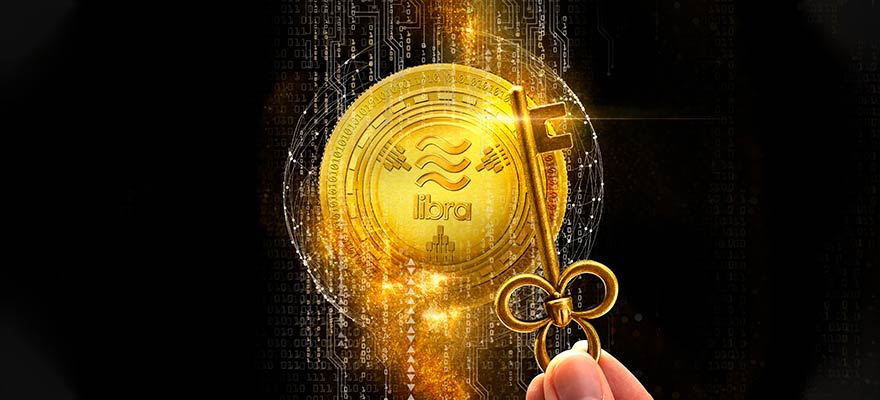
Facebook has published a new version of the Libra whitepaper with some key changes. Is it enough to appease regulators?
FM
When Facebook unveiled its Libra project last June, the whole world shook.
Indeed, a project that the company seemed to expect would move along without any major problems caused a legislative earthquake--governments the world over fired back at Facebook, holding conferences, hearings, and creating new legislation aimed at halting the project in its tracks.
Now, it seems like these governments might have gotten their wish--or something close to it.
Late last week, the social media giant revealed “Libra 2.0”, a new version of the project with an updated whitepaper--and quite a few compromises--to boot.
Indeed, it seems as though the newest version of the Libra project is a sort of ‘diet’ version of the original--one that has been tamed to please regulators around the globe.
Indeed, the cover letter on the front of the newest white paper explains that “we appreciate the discussions with policymakers around the world who have helped us understand key concerns so that we can integrate actionable improvements into the Libra payment system’s design and into a phased rollout plan,” and briefly addresses several “key changes” that have been made specifically to address regulators’ concerns.
However, some analysts believe that despite the efforts toward building a more compliant and regulator-friendly platform, Facebook isn’t likely to have any more luck with regulators than in the past.
Why is this?
What do the changes look like?
According to the cover letter that accompanied the newest version of the whitepaper, Facebook says that it will be “enhancing the safety of the Libra payment system with a robust compliance framework” and “building strong protections into the design of the Libra Reserve.”
However, perhaps the most significant departure that Libra 2.0 takes from the first version of the project is the movement away from a ‘single token’ model.
Now, however, Libra laid out plans to launch a series of digital coins. These include a number of stablecoins, each of them tied on a one-to-one basis to different kinds of fiat currencies. (In other words, a USD Libra token, a EUR Libra token, et cetera.) There are also plans to build another coin based on a ‘digital composite’ of a number of these tokens--this token could be used to facilitate cross-border transactions and in countries that do not have a Libra stablecoin tied to their fiat currency.
In doing this, Libra appears to have taken a leaf out of Binance’s book: following not long after the launch of Libra, Binance unveiled Venus, its own large-scale digital currency project.
At the time, Binance co-founder He Yi seemed to hint that Binance would be working to avoid some of the regulatory mis-steps that Facebook had made with the launch of Libra: “if we want to launch Venus in a country, we’ll make sure it complies with the regulations,” she said.
”It's unclear how regulatory agencies will respond.”
Ankit Bhatia, co-founder and chief executive of Sapien, an Ethereum-based social network, that indeed, the new Libra has been “amended to strip away the ‘single currency’ notion that stirred up so much controversy.”
“Libra's move to include several stablecoins, each backed by a different fiat currency, means that the value of the multicurrency Libra (LBR) will be tied to value controlled by governments and central banks,” he said.
But this new multi-stablecoin model could still be less-than-satisfactory for regulators around the globe. Bhatia told Finance Magnates that “yes, the stablecoins bring an air of accountability to monetary and fiscal policy, but there are still many questions left unanswered.”
Ankit Bhatia, co-founder and CEO of Sapien
As such, “it's unclear how regulatory agencies will respond,” Bhatia said.
After all, much of the hubbub that the original Libra created was with regards to a possible threat that a singular, composite coin would pose to the currencies of countries like the United States--for example, Hiromi Yamaoka, a past executive at the Bank of Japan (BOJ), argued in August that “if Libra becomes more widely used than the sovereign currency of a particular country, the effect of monetary policy may be severely undermined.”
Could Libra be a “Trojan Horse” for the USD?
However, the United States could, for example, also view USD-tied Libra token as a possibility to further its own economic influence around the globe.
This could particularly relevant for the US because of the fact that the Chinese government is moving toward launching a digital currency of its own--in an article for The Telegraph, technology journalist James Titcomb wrote that “Facebook has made the Chinese threat the key lobbying argument for Libra.”
After all, “the West would much rather people in Addis Ababa or Sao Paulo transact in Libra dollars than digital renminbi,” Titcomb explained.
“By tying its cryptocurrency to the US financial system, Facebook might position itself as a Trojan horse for dollar hegemony. If it is successful and wins political points in Washington, it could even ease the looming regulatory threat to its core business.”
A move away from decentralization
However, although there’s a chance that the United States may see Libra opportunistically--and that Libra might manage to secure some kind of regulatory approval--a number of analysts agree that some of the project’s other changes make it much more dangerous to its users.
Why is this? Specifically, in addition to the movement away from a single-currency model, the newest version of Libra also moves away from another of its key tenets: decentralization.
Indeed, the project will no longer operate as a ‘permissionless’ system. Originally, the plans for the Libra network described a permissionless system: a distributed ledger network wherein (although the nodes were all hand-picked) no single entity had control over the network.
According to the new white paper, however, the new version of Libra will “[forego] the future transition to a permissionless system while maintaining its key economic properties.” This move toward a permissioned model, which would ostensibly give Facebook and/or the Libra Association more control over the Libra network, is intended to make regulators feel more at ease.
Indeed, “Libra is ditching its goal of building a permissionless infrastructure, so access to build on and use Libra will be much more limited, much less decentralized,” Ankit Bhatia told Finance Magnates, (though Libra’s new whitepaper does say that “we hope to allow others to leverage our efforts to build innovative but also safe and compliant financial applications that can serve everyone.”)
Still, Bhatia explained that “this is being billed as a move to appease regulators and prevent crimes like money laundering, but it will likely create a regressive hierarchy where the best-resourced have the most access.”
“This degree of centralization will likely turn off the larger crypto community,” Bhatia added.
Libra’s move toward centralization could be dangerous for users and a step backward for the crypto industry
Similarly, Lex Sokolin, head of Global Fintech at blockchain software firm ConsenSys, wrote in a recent column for CoinDesk that Libra’s move away from decentralization actually makes the project much more of a threat to the individuals that may come to rely on the system--and to the future of the blockchain and crypto industry as it currently stands.
“The Libra rails will be fully permissioned,” he explained.“There is no decentralization and self-sovereignty in this proposal.”
On a practical level, Sokolin explained that this means that “features of public chains, like transparent audit and smart contracts language, are replicated and made available to licensed participants.
In other words, a permissioned, centralized Libra means less transparency for users--and, thereby, more opportunities for things like nonconsensual surveillance and greater security risks.
And as far as the industry is concerned, “if the crypto ecosystem thinks it will have exclusive rights to distribute small business loans or provide universal basic income in a post-COVID world, it is for a rude awakening on Libra’s launch.”
In other words, while non-crypto fintech companies have recently been making important strides in terms of moving into the “mainstream”, this may have a negative effect on the progress of companies that deal in decentralized assets.
For example, “PayPal, Square and Intuit barely eked through to approval” when they were recently approved to facilitate the distribution of SBA loans; “Facebook will crowbar the wedge further in its favor. Binance and Coinbase will need to wait in line.”
”Paypal, but it’s Facebook.”
David Gerard, digital currency historian and author of Attack of the 50-Foot Blockchain, also pointed out Libra’s pivot from a decentralized platform with a mission to “bank the unbanked’ that looked like something, well--a lot more familiar.
“The original vision for Libra was one with wild crypto dreams of private money, free of regulation,” Gerard explained. “This was never going to fly. Facebook is a real, touchable company. You can abuse people’s private information — but governments take the money very seriously.”
What are your thoughts on Libra 2.0? Let us know in the comments below.
Finance Magnates reached out to the Libra Association for commentary on this piece, but did not receive a response before press time. Comments will be added as they are received.
When Facebook unveiled its Libra project last June, the whole world shook.
Indeed, a project that the company seemed to expect would move along without any major problems caused a legislative earthquake--governments the world over fired back at Facebook, holding conferences, hearings, and creating new legislation aimed at halting the project in its tracks.
Now, it seems like these governments might have gotten their wish--or something close to it.
Late last week, the social media giant revealed “Libra 2.0”, a new version of the project with an updated whitepaper--and quite a few compromises--to boot.
Indeed, it seems as though the newest version of the Libra project is a sort of ‘diet’ version of the original--one that has been tamed to please regulators around the globe.
Indeed, the cover letter on the front of the newest white paper explains that “we appreciate the discussions with policymakers around the world who have helped us understand key concerns so that we can integrate actionable improvements into the Libra payment system’s design and into a phased rollout plan,” and briefly addresses several “key changes” that have been made specifically to address regulators’ concerns.
However, some analysts believe that despite the efforts toward building a more compliant and regulator-friendly platform, Facebook isn’t likely to have any more luck with regulators than in the past.
Why is this?
What do the changes look like?
According to the cover letter that accompanied the newest version of the whitepaper, Facebook says that it will be “enhancing the safety of the Libra payment system with a robust compliance framework” and “building strong protections into the design of the Libra Reserve.”
However, perhaps the most significant departure that Libra 2.0 takes from the first version of the project is the movement away from a ‘single token’ model.
Now, however, Libra laid out plans to launch a series of digital coins. These include a number of stablecoins, each of them tied on a one-to-one basis to different kinds of fiat currencies. (In other words, a USD Libra token, a EUR Libra token, et cetera.) There are also plans to build another coin based on a ‘digital composite’ of a number of these tokens--this token could be used to facilitate cross-border transactions and in countries that do not have a Libra stablecoin tied to their fiat currency.
In doing this, Libra appears to have taken a leaf out of Binance’s book: following not long after the launch of Libra, Binance unveiled Venus, its own large-scale digital currency project.
At the time, Binance co-founder He Yi seemed to hint that Binance would be working to avoid some of the regulatory mis-steps that Facebook had made with the launch of Libra: “if we want to launch Venus in a country, we’ll make sure it complies with the regulations,” she said.
”It's unclear how regulatory agencies will respond.”
Ankit Bhatia, co-founder and chief executive of Sapien, an Ethereum-based social network, that indeed, the new Libra has been “amended to strip away the ‘single currency’ notion that stirred up so much controversy.”
“Libra's move to include several stablecoins, each backed by a different fiat currency, means that the value of the multicurrency Libra (LBR) will be tied to value controlled by governments and central banks,” he said.
But this new multi-stablecoin model could still be less-than-satisfactory for regulators around the globe. Bhatia told Finance Magnates that “yes, the stablecoins bring an air of accountability to monetary and fiscal policy, but there are still many questions left unanswered.”
Ankit Bhatia, co-founder and CEO of Sapien
As such, “it's unclear how regulatory agencies will respond,” Bhatia said.
After all, much of the hubbub that the original Libra created was with regards to a possible threat that a singular, composite coin would pose to the currencies of countries like the United States--for example, Hiromi Yamaoka, a past executive at the Bank of Japan (BOJ), argued in August that “if Libra becomes more widely used than the sovereign currency of a particular country, the effect of monetary policy may be severely undermined.”
Could Libra be a “Trojan Horse” for the USD?
However, the United States could, for example, also view USD-tied Libra token as a possibility to further its own economic influence around the globe.
This could particularly relevant for the US because of the fact that the Chinese government is moving toward launching a digital currency of its own--in an article for The Telegraph, technology journalist James Titcomb wrote that “Facebook has made the Chinese threat the key lobbying argument for Libra.”
After all, “the West would much rather people in Addis Ababa or Sao Paulo transact in Libra dollars than digital renminbi,” Titcomb explained.
“By tying its cryptocurrency to the US financial system, Facebook might position itself as a Trojan horse for dollar hegemony. If it is successful and wins political points in Washington, it could even ease the looming regulatory threat to its core business.”
A move away from decentralization
However, although there’s a chance that the United States may see Libra opportunistically--and that Libra might manage to secure some kind of regulatory approval--a number of analysts agree that some of the project’s other changes make it much more dangerous to its users.
Why is this? Specifically, in addition to the movement away from a single-currency model, the newest version of Libra also moves away from another of its key tenets: decentralization.
Indeed, the project will no longer operate as a ‘permissionless’ system. Originally, the plans for the Libra network described a permissionless system: a distributed ledger network wherein (although the nodes were all hand-picked) no single entity had control over the network.
According to the new white paper, however, the new version of Libra will “[forego] the future transition to a permissionless system while maintaining its key economic properties.” This move toward a permissioned model, which would ostensibly give Facebook and/or the Libra Association more control over the Libra network, is intended to make regulators feel more at ease.
Indeed, “Libra is ditching its goal of building a permissionless infrastructure, so access to build on and use Libra will be much more limited, much less decentralized,” Ankit Bhatia told Finance Magnates, (though Libra’s new whitepaper does say that “we hope to allow others to leverage our efforts to build innovative but also safe and compliant financial applications that can serve everyone.”)
Still, Bhatia explained that “this is being billed as a move to appease regulators and prevent crimes like money laundering, but it will likely create a regressive hierarchy where the best-resourced have the most access.”
“This degree of centralization will likely turn off the larger crypto community,” Bhatia added.
Libra’s move toward centralization could be dangerous for users and a step backward for the crypto industry
Similarly, Lex Sokolin, head of Global Fintech at blockchain software firm ConsenSys, wrote in a recent column for CoinDesk that Libra’s move away from decentralization actually makes the project much more of a threat to the individuals that may come to rely on the system--and to the future of the blockchain and crypto industry as it currently stands.
“The Libra rails will be fully permissioned,” he explained.“There is no decentralization and self-sovereignty in this proposal.”
On a practical level, Sokolin explained that this means that “features of public chains, like transparent audit and smart contracts language, are replicated and made available to licensed participants.
In other words, a permissioned, centralized Libra means less transparency for users--and, thereby, more opportunities for things like nonconsensual surveillance and greater security risks.
And as far as the industry is concerned, “if the crypto ecosystem thinks it will have exclusive rights to distribute small business loans or provide universal basic income in a post-COVID world, it is for a rude awakening on Libra’s launch.”
In other words, while non-crypto fintech companies have recently been making important strides in terms of moving into the “mainstream”, this may have a negative effect on the progress of companies that deal in decentralized assets.
For example, “PayPal, Square and Intuit barely eked through to approval” when they were recently approved to facilitate the distribution of SBA loans; “Facebook will crowbar the wedge further in its favor. Binance and Coinbase will need to wait in line.”
”Paypal, but it’s Facebook.”
David Gerard, digital currency historian and author of Attack of the 50-Foot Blockchain, also pointed out Libra’s pivot from a decentralized platform with a mission to “bank the unbanked’ that looked like something, well--a lot more familiar.
“The original vision for Libra was one with wild crypto dreams of private money, free of regulation,” Gerard explained. “This was never going to fly. Facebook is a real, touchable company. You can abuse people’s private information — but governments take the money very seriously.”
What are your thoughts on Libra 2.0? Let us know in the comments below.
Finance Magnates reached out to the Libra Association for commentary on this piece, but did not receive a response before press time. Comments will be added as they are received.
Rachel is a self-taught crypto geek and a passionate writer. She believes in the power that the written word has to educate, connect and empower individuals to make positive and powerful financial choices. She is the Podcast Host and a Cryptocurrency Editor at Finance Magnates.
Crypto Built More Rails, but the Next Battle Is Over How Much Work a Dollar Can Do
Featured Videos
FP Markets Winner Spotlight 🏆 | Global Broker of the Year 2025 #Trading #Broker #Innovation #Shorts
FP Markets Winner Spotlight 🏆 | Global Broker of the Year 2025 #Trading #Broker #Innovation #Shorts
FP Markets Winner Spotlight 🏆 | Global Broker of the Year 2025 #Trading #Broker #Innovation #Shorts
FP Markets Winner Spotlight 🏆 | Global Broker of the Year 2025 #Trading #Broker #Innovation #Shorts
FP Markets takes the spotlight as Global Broker of the Year 2025 at the Finance Magnates Awards.
Martin Stoilov, Head of Client Experience, shares that trust, innovation, and people played a key role in the company’s success, supported by a strong foundation of integrity and client-centricity.
Following this milestone, FP Markets continues to focus on growth, technology investment, and its core values of transparency and excellence.
👉 Be part of FM Awards 2026: https://awards.financemagnates.com/#nominate
FP Markets takes the spotlight as Global Broker of the Year 2025 at the Finance Magnates Awards.
Martin Stoilov, Head of Client Experience, shares that trust, innovation, and people played a key role in the company’s success, supported by a strong foundation of integrity and client-centricity.
Following this milestone, FP Markets continues to focus on growth, technology investment, and its core values of transparency and excellence.
👉 Be part of FM Awards 2026: https://awards.financemagnates.com/#nominate
FP Markets takes the spotlight as Global Broker of the Year 2025 at the Finance Magnates Awards.
Martin Stoilov, Head of Client Experience, shares that trust, innovation, and people played a key role in the company’s success, supported by a strong foundation of integrity and client-centricity.
Following this milestone, FP Markets continues to focus on growth, technology investment, and its core values of transparency and excellence.
👉 Be part of FM Awards 2026: https://awards.financemagnates.com/#nominate
FP Markets takes the spotlight as Global Broker of the Year 2025 at the Finance Magnates Awards.
Martin Stoilov, Head of Client Experience, shares that trust, innovation, and people played a key role in the company’s success, supported by a strong foundation of integrity and client-centricity.
Following this milestone, FP Markets continues to focus on growth, technology investment, and its core values of transparency and excellence.
👉 Be part of FM Awards 2026: https://awards.financemagnates.com/#nominate
In this video, we review @HolaPrimeMarketsOfficial, a multi-asset forex and CFDs broker offering different account types, trading platforms, and flexible trading conditions.
We cover the broker’s overall offering, including account options, trading environment, platforms like MT4 and MT5, and additional services such as managed accounts and fast withdrawals.
Watch the full video to see if Hola Prime Markets fits your trading needs.
📣 Stay up to date with the latest in finance and trading. Follow Finance Magnates for industry news, insights, and global event coverage.
Connect with us:
🔗 LinkedIn: /financemagnates
👍 Facebook: /financemagnates
📸 Instagram: https://www.instagram.com/financemagnates
🐦 X: https://x.com/financemagnates
🎥 TikTok: https://www.tiktok.com/tag/financemagnates
▶️ YouTube: /@financemagnates_official
#HolaPrime #ForexBroker #CFDTrading #FinanceMagnates #Trading #Forex #BrokerReview
In this video, we review @HolaPrimeMarketsOfficial, a multi-asset forex and CFDs broker offering different account types, trading platforms, and flexible trading conditions.
We cover the broker’s overall offering, including account options, trading environment, platforms like MT4 and MT5, and additional services such as managed accounts and fast withdrawals.
Watch the full video to see if Hola Prime Markets fits your trading needs.
📣 Stay up to date with the latest in finance and trading. Follow Finance Magnates for industry news, insights, and global event coverage.
Connect with us:
🔗 LinkedIn: /financemagnates
👍 Facebook: /financemagnates
📸 Instagram: https://www.instagram.com/financemagnates
🐦 X: https://x.com/financemagnates
🎥 TikTok: https://www.tiktok.com/tag/financemagnates
▶️ YouTube: /@financemagnates_official
#HolaPrime #ForexBroker #CFDTrading #FinanceMagnates #Trading #Forex #BrokerReview
In this video, we review @HolaPrimeMarketsOfficial, a multi-asset forex and CFDs broker offering different account types, trading platforms, and flexible trading conditions.
We cover the broker’s overall offering, including account options, trading environment, platforms like MT4 and MT5, and additional services such as managed accounts and fast withdrawals.
Watch the full video to see if Hola Prime Markets fits your trading needs.
📣 Stay up to date with the latest in finance and trading. Follow Finance Magnates for industry news, insights, and global event coverage.
Connect with us:
🔗 LinkedIn: /financemagnates
👍 Facebook: /financemagnates
📸 Instagram: https://www.instagram.com/financemagnates
🐦 X: https://x.com/financemagnates
🎥 TikTok: https://www.tiktok.com/tag/financemagnates
▶️ YouTube: /@financemagnates_official
#HolaPrime #ForexBroker #CFDTrading #FinanceMagnates #Trading #Forex #BrokerReview
In this video, we review @HolaPrimeMarketsOfficial, a multi-asset forex and CFDs broker offering different account types, trading platforms, and flexible trading conditions.
We cover the broker’s overall offering, including account options, trading environment, platforms like MT4 and MT5, and additional services such as managed accounts and fast withdrawals.
Watch the full video to see if Hola Prime Markets fits your trading needs.
📣 Stay up to date with the latest in finance and trading. Follow Finance Magnates for industry news, insights, and global event coverage.
Connect with us:
🔗 LinkedIn: /financemagnates
👍 Facebook: /financemagnates
📸 Instagram: https://www.instagram.com/financemagnates
🐦 X: https://x.com/financemagnates
🎥 TikTok: https://www.tiktok.com/tag/financemagnates
▶️ YouTube: /@financemagnates_official
#HolaPrime #ForexBroker #CFDTrading #FinanceMagnates #Trading #Forex #BrokerReview
In this video, we review @HolaPrimeMarketsOfficial, a multi-asset forex and CFDs broker offering different account types, trading platforms, and flexible trading conditions.
We cover the broker’s overall offering, including account options, trading environment, platforms like MT4 and MT5, and additional services such as managed accounts and fast withdrawals.
Watch the full video to see if Hola Prime Markets fits your trading needs.
📣 Stay up to date with the latest in finance and trading. Follow Finance Magnates for industry news, insights, and global event coverage.
Connect with us:
🔗 LinkedIn: /financemagnates
👍 Facebook: /financemagnates
📸 Instagram: https://www.instagram.com/financemagnates
🐦 X: https://x.com/financemagnates
🎥 TikTok: https://www.tiktok.com/tag/financemagnates
▶️ YouTube: /@financemagnates_official
#HolaPrime #ForexBroker #CFDTrading #FinanceMagnates #Trading #Forex #BrokerReview
In this video, we review @HolaPrimeMarketsOfficial, a multi-asset forex and CFDs broker offering different account types, trading platforms, and flexible trading conditions.
We cover the broker’s overall offering, including account options, trading environment, platforms like MT4 and MT5, and additional services such as managed accounts and fast withdrawals.
Watch the full video to see if Hola Prime Markets fits your trading needs.
📣 Stay up to date with the latest in finance and trading. Follow Finance Magnates for industry news, insights, and global event coverage.
Connect with us:
🔗 LinkedIn: /financemagnates
👍 Facebook: /financemagnates
📸 Instagram: https://www.instagram.com/financemagnates
🐦 X: https://x.com/financemagnates
🎥 TikTok: https://www.tiktok.com/tag/financemagnates
▶️ YouTube: /@financemagnates_official
#HolaPrime #ForexBroker #CFDTrading #FinanceMagnates #Trading #Forex #BrokerReview
Hola Prime Review: What You Need to Know | Full Breakdown by Finance Magnates
Hola Prime Review: What You Need to Know | Full Breakdown by Finance Magnates
Hola Prime Review: What You Need to Know | Full Breakdown by Finance Magnates
Hola Prime Review: What You Need to Know | Full Breakdown by Finance Magnates
Hola Prime Review: What You Need to Know | Full Breakdown by Finance Magnates
Hola Prime Review: What You Need to Know | Full Breakdown by Finance Magnates
In this video, we review @HolaPrime_Global, a proprietary trading firm offering evaluation programs and performance-based payouts in simulated market environments.
We cover how the challenge model works, including account types, profit splits (up to 95%), trading rules, and what it takes to reach a funded account. You’ll also learn about available platforms like MT4, MT5, cTrader, and more, along with insights into payouts, support, and trading conditions.
Watch the full video to see if Hola Prime fits your trading style.
📣 Stay up to date with the latest in finance and trading. Follow Finance Magnates for industry news, insights, and global event coverage.
Connect with us:
🔗 LinkedIn: /financemagnates
👍 Facebook: /financemagnates
📸 Instagram: https://www.instagram.com/financemagnates
🐦 X: https://x.com/financemagnates
🎥 TikTok: https://www.tiktok.com/tag/financemagnates
▶️ YouTube: /@financemagnates_official
#HolaPrime #PropFirm #Trading #FinanceMagnates #Forex #FuturesTrading #TradingReview #PropFirmReview
In this video, we review @HolaPrime_Global, a proprietary trading firm offering evaluation programs and performance-based payouts in simulated market environments.
We cover how the challenge model works, including account types, profit splits (up to 95%), trading rules, and what it takes to reach a funded account. You’ll also learn about available platforms like MT4, MT5, cTrader, and more, along with insights into payouts, support, and trading conditions.
Watch the full video to see if Hola Prime fits your trading style.
📣 Stay up to date with the latest in finance and trading. Follow Finance Magnates for industry news, insights, and global event coverage.
Connect with us:
🔗 LinkedIn: /financemagnates
👍 Facebook: /financemagnates
📸 Instagram: https://www.instagram.com/financemagnates
🐦 X: https://x.com/financemagnates
🎥 TikTok: https://www.tiktok.com/tag/financemagnates
▶️ YouTube: /@financemagnates_official
#HolaPrime #PropFirm #Trading #FinanceMagnates #Forex #FuturesTrading #TradingReview #PropFirmReview
In this video, we review @HolaPrime_Global, a proprietary trading firm offering evaluation programs and performance-based payouts in simulated market environments.
We cover how the challenge model works, including account types, profit splits (up to 95%), trading rules, and what it takes to reach a funded account. You’ll also learn about available platforms like MT4, MT5, cTrader, and more, along with insights into payouts, support, and trading conditions.
Watch the full video to see if Hola Prime fits your trading style.
📣 Stay up to date with the latest in finance and trading. Follow Finance Magnates for industry news, insights, and global event coverage.
Connect with us:
🔗 LinkedIn: /financemagnates
👍 Facebook: /financemagnates
📸 Instagram: https://www.instagram.com/financemagnates
🐦 X: https://x.com/financemagnates
🎥 TikTok: https://www.tiktok.com/tag/financemagnates
▶️ YouTube: /@financemagnates_official
#HolaPrime #PropFirm #Trading #FinanceMagnates #Forex #FuturesTrading #TradingReview #PropFirmReview
In this video, we review @HolaPrime_Global, a proprietary trading firm offering evaluation programs and performance-based payouts in simulated market environments.
We cover how the challenge model works, including account types, profit splits (up to 95%), trading rules, and what it takes to reach a funded account. You’ll also learn about available platforms like MT4, MT5, cTrader, and more, along with insights into payouts, support, and trading conditions.
Watch the full video to see if Hola Prime fits your trading style.
📣 Stay up to date with the latest in finance and trading. Follow Finance Magnates for industry news, insights, and global event coverage.
Connect with us:
🔗 LinkedIn: /financemagnates
👍 Facebook: /financemagnates
📸 Instagram: https://www.instagram.com/financemagnates
🐦 X: https://x.com/financemagnates
🎥 TikTok: https://www.tiktok.com/tag/financemagnates
▶️ YouTube: /@financemagnates_official
#HolaPrime #PropFirm #Trading #FinanceMagnates #Forex #FuturesTrading #TradingReview #PropFirmReview
In this video, we review @HolaPrime_Global, a proprietary trading firm offering evaluation programs and performance-based payouts in simulated market environments.
We cover how the challenge model works, including account types, profit splits (up to 95%), trading rules, and what it takes to reach a funded account. You’ll also learn about available platforms like MT4, MT5, cTrader, and more, along with insights into payouts, support, and trading conditions.
Watch the full video to see if Hola Prime fits your trading style.
📣 Stay up to date with the latest in finance and trading. Follow Finance Magnates for industry news, insights, and global event coverage.
Connect with us:
🔗 LinkedIn: /financemagnates
👍 Facebook: /financemagnates
📸 Instagram: https://www.instagram.com/financemagnates
🐦 X: https://x.com/financemagnates
🎥 TikTok: https://www.tiktok.com/tag/financemagnates
▶️ YouTube: /@financemagnates_official
#HolaPrime #PropFirm #Trading #FinanceMagnates #Forex #FuturesTrading #TradingReview #PropFirmReview
In this video, we review @HolaPrime_Global, a proprietary trading firm offering evaluation programs and performance-based payouts in simulated market environments.
We cover how the challenge model works, including account types, profit splits (up to 95%), trading rules, and what it takes to reach a funded account. You’ll also learn about available platforms like MT4, MT5, cTrader, and more, along with insights into payouts, support, and trading conditions.
Watch the full video to see if Hola Prime fits your trading style.
📣 Stay up to date with the latest in finance and trading. Follow Finance Magnates for industry news, insights, and global event coverage.
Connect with us:
🔗 LinkedIn: /financemagnates
👍 Facebook: /financemagnates
📸 Instagram: https://www.instagram.com/financemagnates
🐦 X: https://x.com/financemagnates
🎥 TikTok: https://www.tiktok.com/tag/financemagnates
▶️ YouTube: /@financemagnates_official
#HolaPrime #PropFirm #Trading #FinanceMagnates #Forex #FuturesTrading #TradingReview #PropFirmReview
Axi Winner Spotlight 🏆 | Global Most Innovative Broker 2025 #Innovation #Trading #Fintech #Broker
Axi Winner Spotlight 🏆 | Global Most Innovative Broker 2025 #Innovation #Trading #Fintech #Broker
Axi Winner Spotlight 🏆 | Global Most Innovative Broker 2025 #Innovation #Trading #Fintech #Broker
Axi Winner Spotlight 🏆 | Global Most Innovative Broker 2025 #Innovation #Trading #Fintech #Broker
Axi Winner Spotlight 🏆 | Global Most Innovative Broker 2025 #Innovation #Trading #Fintech #Broker
Axi Winner Spotlight 🏆 | Global Most Innovative Broker 2025 #Innovation #Trading #Fintech #Broker
Axi takes the spotlight at the Finance Magnates Awards, winning Global Most Innovative Broker 2025.
Olivia Xenofontos and Ivanna Openko share how the team will feel: proud, motivated, and ready to keep delivering.
They also describe the night as well-organized, focused, and enjoyable for all.
👉 Be part of FM Awards 2026.
Axi takes the spotlight at the Finance Magnates Awards, winning Global Most Innovative Broker 2025.
Olivia Xenofontos and Ivanna Openko share how the team will feel: proud, motivated, and ready to keep delivering.
They also describe the night as well-organized, focused, and enjoyable for all.
👉 Be part of FM Awards 2026.
Axi takes the spotlight at the Finance Magnates Awards, winning Global Most Innovative Broker 2025.
Olivia Xenofontos and Ivanna Openko share how the team will feel: proud, motivated, and ready to keep delivering.
They also describe the night as well-organized, focused, and enjoyable for all.
👉 Be part of FM Awards 2026.
Axi takes the spotlight at the Finance Magnates Awards, winning Global Most Innovative Broker 2025.
Olivia Xenofontos and Ivanna Openko share how the team will feel: proud, motivated, and ready to keep delivering.
They also describe the night as well-organized, focused, and enjoyable for all.
👉 Be part of FM Awards 2026.
Axi takes the spotlight at the Finance Magnates Awards, winning Global Most Innovative Broker 2025.
Olivia Xenofontos and Ivanna Openko share how the team will feel: proud, motivated, and ready to keep delivering.
They also describe the night as well-organized, focused, and enjoyable for all.
👉 Be part of FM Awards 2026.
Axi takes the spotlight at the Finance Magnates Awards, winning Global Most Innovative Broker 2025.
Olivia Xenofontos and Ivanna Openko share how the team will feel: proud, motivated, and ready to keep delivering.
They also describe the night as well-organized, focused, and enjoyable for all.
👉 Be part of FM Awards 2026.
Recognition that matters.
Built on transparency.
Driven by the industry.
The Finance Magnates Awards 2026.
Nominations are now open.
🔗 https://awards.financemagnates.com/?utm_source=SM&utm_medium=social&utm_campaign=recognition-matters
Recognition that matters.
Built on transparency.
Driven by the industry.
The Finance Magnates Awards 2026.
Nominations are now open.
🔗 https://awards.financemagnates.com/?utm_source=SM&utm_medium=social&utm_campaign=recognition-matters
Recognition that matters.
Built on transparency.
Driven by the industry.
The Finance Magnates Awards 2026.
Nominations are now open.
🔗 https://awards.financemagnates.com/?utm_source=SM&utm_medium=social&utm_campaign=recognition-matters
Recognition that matters.
Built on transparency.
Driven by the industry.
The Finance Magnates Awards 2026.
Nominations are now open.
🔗 https://awards.financemagnates.com/?utm_source=SM&utm_medium=social&utm_campaign=recognition-matters
Recognition that matters.
Built on transparency.
Driven by the industry.
The Finance Magnates Awards 2026.
Nominations are now open.
🔗 https://awards.financemagnates.com/?utm_source=SM&utm_medium=social&utm_campaign=recognition-matters
Recognition that matters.
Built on transparency.
Driven by the industry.
The Finance Magnates Awards 2026.
Nominations are now open.
🔗 https://awards.financemagnates.com/?utm_source=SM&utm_medium=social&utm_campaign=recognition-matters