Indeed, the cryptocurrency industry is perhaps one of the best examples of a truly “global” industry - a product of the 21st century. Companies have their pick of jurisdictions in which to establish their headquarters; their platforms are accessed by users all around the globe, and the currency that they facilitate the movement of does not belong to any specific country.
Therefore, regulators are facing challenges that were inconceivable even 20 or 30 years ago. The infrastructure to create the global regulatory fabric that may eventually be required to support the crypto industry and its users doesn’t really exist yet.
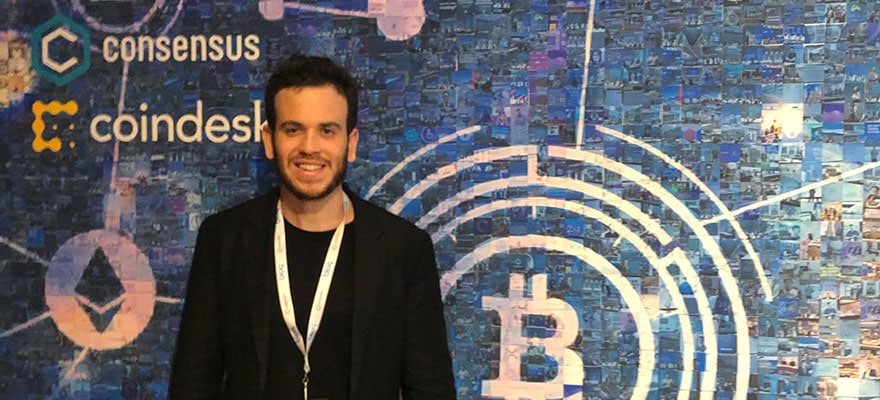
Until it does, companies and regulators alike are working with the best of what they do have access to. Recently, Finance Magnates spoke with Tomer Weiss, founder of Jango Labs, and co-founder and CEO of Cytex. Jango is a company that develops web and mobile applications with integration into the Bitcoin protocol, while Cytex specializes in providing compliance officers with AML screening and monitoring technology.
We asked Weiss about how regulations can improve in the cryptosphere from his perspective as a provider of compliant technological solutions.
Bitcoin Should Be Regulated as a Foreign Currency
“For me, regulation is about [establishing] Bitcoin as a currency,” Tomer said. “ A lot of people talk about security tokens and AML regulation, but I think the most innovative things and most disruption [will] come from the decision that Bitcoin is a currency for tax purposes.
“Then, it will be much easier to accomplish the vision of Satoshi Nakamoto and the mission that started this ecosystem,” he explained. “A decentralized payment protocol.”
“As long as there is not a regulation that says that (for tax purposes) Bitcoin is a currency, then it will not be so easy to use Bitcoin as a means of payment.
Weiss explained that more specifically, Bitcoin should be regulated as a foreign currency rather than as property. “The regulation of foreign currencies [should apply to] Bitcoin.”Right now, Bitcoin is regulated as an asset, like real estate.”
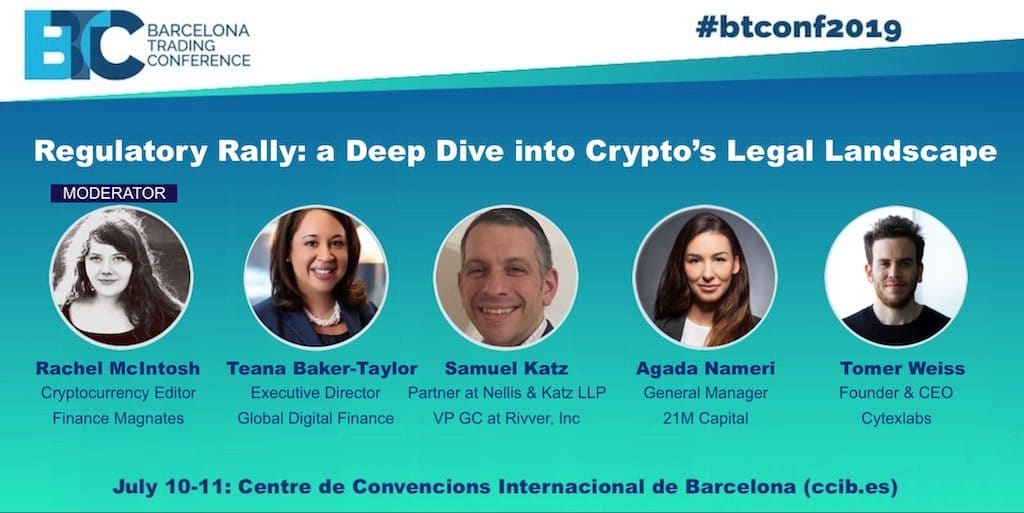
Tomer Weiss will appear as a panelist at Finance Magnates' Barcelona Trading Conference this July 10th &11th. Click this image to learn more.
“But basically, the regulator says that most projects need to work with current regulations that apply to all securities,” Weiss went on, reaffirming that the most efficient and useful regulatory change would be for lawmakers and law enforcement agencies to stop thinking of Bitcoin as property and to start thinking of it as a foreign currency.
Piece by PIece
How could a regulatory change like this be possible? Weiss said that it’s likely that big regulatory changes will happen jurisdiction by jurisdiction, although his home country of Israel will “not be the first to say that foreign currency regulation applies to Bitcoin.”
However, if a larger world power was to adopt this kind of a regulatory stance, “definitely, Israel will consider it positively.”
Indeed, Israel’s regulatory behavior could be indicative of the way that many relatively smaller countries operate in a regulatory sense. “Usually, we wait for much bigger countries to decide, and then we go in line with their decisions.”
In any case, “I think there needs to be a change, and I think the regulators in the states need to have a little bit more trust,” Weiss said. “I think there should be a lot more education about the advantages of Bitcoin as a currency. If people will understand the advantages, and if there will be a way to rethink what a foreign currency [really is], it can promote [Bitcoin usage.]”
While Regulators Lag Behind, Companies Develop Their Own Operational Standards
But how close could the crypto industry be to being handed a new set of regulations? The answer is unclear. One thing that is clear, however, is that in the case of the crypto industry, it’s the industry insiders themselves who are pushing the regulatory effort forward--perhaps even more than regulators themselves.
Weiss said that he has seen a number of self-regulatory efforts within the crypto industry that are doing a particularly good job of establishing standards on their own.
In general, “exchanges have built themselves their own AML programs and their own operations to detect suspicious activity. [They practice] self-regulation to [assess] risks over which clients to work with.”
Weiss said that in particular, the companies that he has worked with have demonstrated a great effort to stay compliant, even when the laws aren’t completely clear. “From what I’ve seen in the ecosystem in Israel, companies build themselves serious AML-risk operations, and they take benchmarks from other regulations, even though there is a lot of [regulatory uncertainty.]”
Weiss has also seen a number of companies that have taken the SEC’s attitude toward differentiating utility tokens from security tokens very seriously.
“They will release the token only when there is an actual protocol, and there is a utility for this token. They understand the SEC’s attitude toward tokens that people buy [speculatively], so they only release these tokens when there is an actual product that this token can fuel or drive.”
Globalization Presents New Challenges--and New Opportunities
Weiss also spoke about the global nature of the cryptocurrency industry and how this globalization affects the ways that companies are regulated.
Because there are no comprehensive, world-wide cryptocurrency regulations, new companies find themselves at a crossroads when it comes to choosing which jurisdiction they will establish themselves in.
Some companies seek jurisdictions with loose, sometimes non-existent regulations; this certainly allows the most freedom in terms of how a company can operate. However, there are a few big drawbacks--namely, companies who establish themselves in these “wild-west” jurisdictions often have trouble when they interact with customers who live in jurisdictions with more comprehensive laws.
At the same time, companies who establish themselves in countries with heftier regulations can find themselves overburdened by their legal obligations. In the worst cases, legal requirements can get in the way of innovation, and--in an innovative sense--companies are left in the dust.
However, Weiss says that in order for a company to best prepare itself for the future, it’s better to know the enemy. “I prefer certainty, so I always say that it’s better to establish a crypto company in a country where there are [well-established] crypto regulations,” Weiss explained.
He also pointed out that it’s important to establish any company in a jurisdiction whose regulations are accepted but other jurisdictions.
Otherwise, things can quickly go awry--Weiss pointed to the fact that the US and other countries have taken issue with jurisdictions whose regulations they don’t agree with.
“If there is a country that has clear regulatory certainty--[in everything] from exchanges to the issuance of cryptocurrency tokens, and so on--I think it’s better. You need to know exactly what the regulations are--you don’t want bad surprises that will force a project to move a year from now to another jurisdiction.”
Indeed, the cryptocurrency industry is perhaps one of the best examples of a truly “global” industry - a product of the 21st century. Companies have their pick of jurisdictions in which to establish their headquarters; their platforms are accessed by users all around the globe, and the currency that they facilitate the movement of does not belong to any specific country.
Therefore, regulators are facing challenges that were inconceivable even 20 or 30 years ago. The infrastructure to create the global regulatory fabric that may eventually be required to support the crypto industry and its users doesn’t really exist yet.
Until it does, companies and regulators alike are working with the best of what they do have access to. Recently, Finance Magnates spoke with Tomer Weiss, founder of Jango Labs, and co-founder and CEO of Cytex. Jango is a company that develops web and mobile applications with integration into the Bitcoin protocol, while Cytex specializes in providing compliance officers with AML screening and monitoring technology.
We asked Weiss about how regulations can improve in the cryptosphere from his perspective as a provider of compliant technological solutions.
Bitcoin Should Be Regulated as a Foreign Currency
“For me, regulation is about [establishing] Bitcoin as a currency,” Tomer said. “ A lot of people talk about security tokens and AML regulation, but I think the most innovative things and most disruption [will] come from the decision that Bitcoin is a currency for tax purposes.
“Then, it will be much easier to accomplish the vision of Satoshi Nakamoto and the mission that started this ecosystem,” he explained. “A decentralized payment protocol.”
“As long as there is not a regulation that says that (for tax purposes) Bitcoin is a currency, then it will not be so easy to use Bitcoin as a means of payment.
Weiss explained that more specifically, Bitcoin should be regulated as a foreign currency rather than as property. “The regulation of foreign currencies [should apply to] Bitcoin.”Right now, Bitcoin is regulated as an asset, like real estate.”
Tomer Weiss will appear as a panelist at Finance Magnates' Barcelona Trading Conference this July 10th &11th. Click this image to learn more.
“But basically, the regulator says that most projects need to work with current regulations that apply to all securities,” Weiss went on, reaffirming that the most efficient and useful regulatory change would be for lawmakers and law enforcement agencies to stop thinking of Bitcoin as property and to start thinking of it as a foreign currency.
Piece by PIece
How could a regulatory change like this be possible? Weiss said that it’s likely that big regulatory changes will happen jurisdiction by jurisdiction, although his home country of Israel will “not be the first to say that foreign currency regulation applies to Bitcoin.”
However, if a larger world power was to adopt this kind of a regulatory stance, “definitely, Israel will consider it positively.”
Indeed, Israel’s regulatory behavior could be indicative of the way that many relatively smaller countries operate in a regulatory sense. “Usually, we wait for much bigger countries to decide, and then we go in line with their decisions.”
In any case, “I think there needs to be a change, and I think the regulators in the states need to have a little bit more trust,” Weiss said. “I think there should be a lot more education about the advantages of Bitcoin as a currency. If people will understand the advantages, and if there will be a way to rethink what a foreign currency [really is], it can promote [Bitcoin usage.]”
While Regulators Lag Behind, Companies Develop Their Own Operational Standards
But how close could the crypto industry be to being handed a new set of regulations? The answer is unclear. One thing that is clear, however, is that in the case of the crypto industry, it’s the industry insiders themselves who are pushing the regulatory effort forward--perhaps even more than regulators themselves.
Weiss said that he has seen a number of self-regulatory efforts within the crypto industry that are doing a particularly good job of establishing standards on their own.
In general, “exchanges have built themselves their own AML programs and their own operations to detect suspicious activity. [They practice] self-regulation to [assess] risks over which clients to work with.”
Weiss said that in particular, the companies that he has worked with have demonstrated a great effort to stay compliant, even when the laws aren’t completely clear. “From what I’ve seen in the ecosystem in Israel, companies build themselves serious AML-risk operations, and they take benchmarks from other regulations, even though there is a lot of [regulatory uncertainty.]”
Weiss has also seen a number of companies that have taken the SEC’s attitude toward differentiating utility tokens from security tokens very seriously.
“They will release the token only when there is an actual protocol, and there is a utility for this token. They understand the SEC’s attitude toward tokens that people buy [speculatively], so they only release these tokens when there is an actual product that this token can fuel or drive.”
Globalization Presents New Challenges--and New Opportunities
Weiss also spoke about the global nature of the cryptocurrency industry and how this globalization affects the ways that companies are regulated.
Because there are no comprehensive, world-wide cryptocurrency regulations, new companies find themselves at a crossroads when it comes to choosing which jurisdiction they will establish themselves in.
Some companies seek jurisdictions with loose, sometimes non-existent regulations; this certainly allows the most freedom in terms of how a company can operate. However, there are a few big drawbacks--namely, companies who establish themselves in these “wild-west” jurisdictions often have trouble when they interact with customers who live in jurisdictions with more comprehensive laws.
At the same time, companies who establish themselves in countries with heftier regulations can find themselves overburdened by their legal obligations. In the worst cases, legal requirements can get in the way of innovation, and--in an innovative sense--companies are left in the dust.
However, Weiss says that in order for a company to best prepare itself for the future, it’s better to know the enemy. “I prefer certainty, so I always say that it’s better to establish a crypto company in a country where there are [well-established] crypto regulations,” Weiss explained.
He also pointed out that it’s important to establish any company in a jurisdiction whose regulations are accepted but other jurisdictions.
Otherwise, things can quickly go awry--Weiss pointed to the fact that the US and other countries have taken issue with jurisdictions whose regulations they don’t agree with.
“If there is a country that has clear regulatory certainty--[in everything] from exchanges to the issuance of cryptocurrency tokens, and so on--I think it’s better. You need to know exactly what the regulations are--you don’t want bad surprises that will force a project to move a year from now to another jurisdiction.”
Rachel is a self-taught crypto geek and a passionate writer. She believes in the power that the written word has to educate, connect and empower individuals to make positive and powerful financial choices. She is the Podcast Host and a Cryptocurrency Editor at Finance Magnates.
Kraken Steps Up Speed Race with New Equinix Colocation Service for Crypto Traders
Featured Videos
FP Markets Winner Spotlight 🏆 | Global Broker of the Year 2025 #Trading #Broker #Innovation #Shorts
FP Markets Winner Spotlight 🏆 | Global Broker of the Year 2025 #Trading #Broker #Innovation #Shorts
FP Markets Winner Spotlight 🏆 | Global Broker of the Year 2025 #Trading #Broker #Innovation #Shorts
FP Markets Winner Spotlight 🏆 | Global Broker of the Year 2025 #Trading #Broker #Innovation #Shorts
FP Markets takes the spotlight as Global Broker of the Year 2025 at the Finance Magnates Awards.
Martin Stoilov, Head of Client Experience, shares that trust, innovation, and people played a key role in the company’s success, supported by a strong foundation of integrity and client-centricity.
Following this milestone, FP Markets continues to focus on growth, technology investment, and its core values of transparency and excellence.
👉 Be part of FM Awards 2026: https://awards.financemagnates.com/#nominate
FP Markets takes the spotlight as Global Broker of the Year 2025 at the Finance Magnates Awards.
Martin Stoilov, Head of Client Experience, shares that trust, innovation, and people played a key role in the company’s success, supported by a strong foundation of integrity and client-centricity.
Following this milestone, FP Markets continues to focus on growth, technology investment, and its core values of transparency and excellence.
👉 Be part of FM Awards 2026: https://awards.financemagnates.com/#nominate
FP Markets takes the spotlight as Global Broker of the Year 2025 at the Finance Magnates Awards.
Martin Stoilov, Head of Client Experience, shares that trust, innovation, and people played a key role in the company’s success, supported by a strong foundation of integrity and client-centricity.
Following this milestone, FP Markets continues to focus on growth, technology investment, and its core values of transparency and excellence.
👉 Be part of FM Awards 2026: https://awards.financemagnates.com/#nominate
FP Markets takes the spotlight as Global Broker of the Year 2025 at the Finance Magnates Awards.
Martin Stoilov, Head of Client Experience, shares that trust, innovation, and people played a key role in the company’s success, supported by a strong foundation of integrity and client-centricity.
Following this milestone, FP Markets continues to focus on growth, technology investment, and its core values of transparency and excellence.
👉 Be part of FM Awards 2026: https://awards.financemagnates.com/#nominate
In this video, we review @HolaPrimeMarketsOfficial, a multi-asset forex and CFDs broker offering different account types, trading platforms, and flexible trading conditions.
We cover the broker’s overall offering, including account options, trading environment, platforms like MT4 and MT5, and additional services such as managed accounts and fast withdrawals.
Watch the full video to see if Hola Prime Markets fits your trading needs.
📣 Stay up to date with the latest in finance and trading. Follow Finance Magnates for industry news, insights, and global event coverage.
Connect with us:
🔗 LinkedIn: /financemagnates
👍 Facebook: /financemagnates
📸 Instagram: https://www.instagram.com/financemagnates
🐦 X: https://x.com/financemagnates
🎥 TikTok: https://www.tiktok.com/tag/financemagnates
▶️ YouTube: /@financemagnates_official
#HolaPrime #ForexBroker #CFDTrading #FinanceMagnates #Trading #Forex #BrokerReview
In this video, we review @HolaPrimeMarketsOfficial, a multi-asset forex and CFDs broker offering different account types, trading platforms, and flexible trading conditions.
We cover the broker’s overall offering, including account options, trading environment, platforms like MT4 and MT5, and additional services such as managed accounts and fast withdrawals.
Watch the full video to see if Hola Prime Markets fits your trading needs.
📣 Stay up to date with the latest in finance and trading. Follow Finance Magnates for industry news, insights, and global event coverage.
Connect with us:
🔗 LinkedIn: /financemagnates
👍 Facebook: /financemagnates
📸 Instagram: https://www.instagram.com/financemagnates
🐦 X: https://x.com/financemagnates
🎥 TikTok: https://www.tiktok.com/tag/financemagnates
▶️ YouTube: /@financemagnates_official
#HolaPrime #ForexBroker #CFDTrading #FinanceMagnates #Trading #Forex #BrokerReview
In this video, we review @HolaPrimeMarketsOfficial, a multi-asset forex and CFDs broker offering different account types, trading platforms, and flexible trading conditions.
We cover the broker’s overall offering, including account options, trading environment, platforms like MT4 and MT5, and additional services such as managed accounts and fast withdrawals.
Watch the full video to see if Hola Prime Markets fits your trading needs.
📣 Stay up to date with the latest in finance and trading. Follow Finance Magnates for industry news, insights, and global event coverage.
Connect with us:
🔗 LinkedIn: /financemagnates
👍 Facebook: /financemagnates
📸 Instagram: https://www.instagram.com/financemagnates
🐦 X: https://x.com/financemagnates
🎥 TikTok: https://www.tiktok.com/tag/financemagnates
▶️ YouTube: /@financemagnates_official
#HolaPrime #ForexBroker #CFDTrading #FinanceMagnates #Trading #Forex #BrokerReview
In this video, we review @HolaPrimeMarketsOfficial, a multi-asset forex and CFDs broker offering different account types, trading platforms, and flexible trading conditions.
We cover the broker’s overall offering, including account options, trading environment, platforms like MT4 and MT5, and additional services such as managed accounts and fast withdrawals.
Watch the full video to see if Hola Prime Markets fits your trading needs.
📣 Stay up to date with the latest in finance and trading. Follow Finance Magnates for industry news, insights, and global event coverage.
Connect with us:
🔗 LinkedIn: /financemagnates
👍 Facebook: /financemagnates
📸 Instagram: https://www.instagram.com/financemagnates
🐦 X: https://x.com/financemagnates
🎥 TikTok: https://www.tiktok.com/tag/financemagnates
▶️ YouTube: /@financemagnates_official
#HolaPrime #ForexBroker #CFDTrading #FinanceMagnates #Trading #Forex #BrokerReview
In this video, we review @HolaPrimeMarketsOfficial, a multi-asset forex and CFDs broker offering different account types, trading platforms, and flexible trading conditions.
We cover the broker’s overall offering, including account options, trading environment, platforms like MT4 and MT5, and additional services such as managed accounts and fast withdrawals.
Watch the full video to see if Hola Prime Markets fits your trading needs.
📣 Stay up to date with the latest in finance and trading. Follow Finance Magnates for industry news, insights, and global event coverage.
Connect with us:
🔗 LinkedIn: /financemagnates
👍 Facebook: /financemagnates
📸 Instagram: https://www.instagram.com/financemagnates
🐦 X: https://x.com/financemagnates
🎥 TikTok: https://www.tiktok.com/tag/financemagnates
▶️ YouTube: /@financemagnates_official
#HolaPrime #ForexBroker #CFDTrading #FinanceMagnates #Trading #Forex #BrokerReview
In this video, we review @HolaPrimeMarketsOfficial, a multi-asset forex and CFDs broker offering different account types, trading platforms, and flexible trading conditions.
We cover the broker’s overall offering, including account options, trading environment, platforms like MT4 and MT5, and additional services such as managed accounts and fast withdrawals.
Watch the full video to see if Hola Prime Markets fits your trading needs.
📣 Stay up to date with the latest in finance and trading. Follow Finance Magnates for industry news, insights, and global event coverage.
Connect with us:
🔗 LinkedIn: /financemagnates
👍 Facebook: /financemagnates
📸 Instagram: https://www.instagram.com/financemagnates
🐦 X: https://x.com/financemagnates
🎥 TikTok: https://www.tiktok.com/tag/financemagnates
▶️ YouTube: /@financemagnates_official
#HolaPrime #ForexBroker #CFDTrading #FinanceMagnates #Trading #Forex #BrokerReview
Hola Prime Review: What You Need to Know | Full Breakdown by Finance Magnates
Hola Prime Review: What You Need to Know | Full Breakdown by Finance Magnates
Hola Prime Review: What You Need to Know | Full Breakdown by Finance Magnates
Hola Prime Review: What You Need to Know | Full Breakdown by Finance Magnates
Hola Prime Review: What You Need to Know | Full Breakdown by Finance Magnates
Hola Prime Review: What You Need to Know | Full Breakdown by Finance Magnates
In this video, we review @HolaPrime_Global, a proprietary trading firm offering evaluation programs and performance-based payouts in simulated market environments.
We cover how the challenge model works, including account types, profit splits (up to 95%), trading rules, and what it takes to reach a funded account. You’ll also learn about available platforms like MT4, MT5, cTrader, and more, along with insights into payouts, support, and trading conditions.
Watch the full video to see if Hola Prime fits your trading style.
📣 Stay up to date with the latest in finance and trading. Follow Finance Magnates for industry news, insights, and global event coverage.
Connect with us:
🔗 LinkedIn: /financemagnates
👍 Facebook: /financemagnates
📸 Instagram: https://www.instagram.com/financemagnates
🐦 X: https://x.com/financemagnates
🎥 TikTok: https://www.tiktok.com/tag/financemagnates
▶️ YouTube: /@financemagnates_official
#HolaPrime #PropFirm #Trading #FinanceMagnates #Forex #FuturesTrading #TradingReview #PropFirmReview
In this video, we review @HolaPrime_Global, a proprietary trading firm offering evaluation programs and performance-based payouts in simulated market environments.
We cover how the challenge model works, including account types, profit splits (up to 95%), trading rules, and what it takes to reach a funded account. You’ll also learn about available platforms like MT4, MT5, cTrader, and more, along with insights into payouts, support, and trading conditions.
Watch the full video to see if Hola Prime fits your trading style.
📣 Stay up to date with the latest in finance and trading. Follow Finance Magnates for industry news, insights, and global event coverage.
Connect with us:
🔗 LinkedIn: /financemagnates
👍 Facebook: /financemagnates
📸 Instagram: https://www.instagram.com/financemagnates
🐦 X: https://x.com/financemagnates
🎥 TikTok: https://www.tiktok.com/tag/financemagnates
▶️ YouTube: /@financemagnates_official
#HolaPrime #PropFirm #Trading #FinanceMagnates #Forex #FuturesTrading #TradingReview #PropFirmReview
In this video, we review @HolaPrime_Global, a proprietary trading firm offering evaluation programs and performance-based payouts in simulated market environments.
We cover how the challenge model works, including account types, profit splits (up to 95%), trading rules, and what it takes to reach a funded account. You’ll also learn about available platforms like MT4, MT5, cTrader, and more, along with insights into payouts, support, and trading conditions.
Watch the full video to see if Hola Prime fits your trading style.
📣 Stay up to date with the latest in finance and trading. Follow Finance Magnates for industry news, insights, and global event coverage.
Connect with us:
🔗 LinkedIn: /financemagnates
👍 Facebook: /financemagnates
📸 Instagram: https://www.instagram.com/financemagnates
🐦 X: https://x.com/financemagnates
🎥 TikTok: https://www.tiktok.com/tag/financemagnates
▶️ YouTube: /@financemagnates_official
#HolaPrime #PropFirm #Trading #FinanceMagnates #Forex #FuturesTrading #TradingReview #PropFirmReview
In this video, we review @HolaPrime_Global, a proprietary trading firm offering evaluation programs and performance-based payouts in simulated market environments.
We cover how the challenge model works, including account types, profit splits (up to 95%), trading rules, and what it takes to reach a funded account. You’ll also learn about available platforms like MT4, MT5, cTrader, and more, along with insights into payouts, support, and trading conditions.
Watch the full video to see if Hola Prime fits your trading style.
📣 Stay up to date with the latest in finance and trading. Follow Finance Magnates for industry news, insights, and global event coverage.
Connect with us:
🔗 LinkedIn: /financemagnates
👍 Facebook: /financemagnates
📸 Instagram: https://www.instagram.com/financemagnates
🐦 X: https://x.com/financemagnates
🎥 TikTok: https://www.tiktok.com/tag/financemagnates
▶️ YouTube: /@financemagnates_official
#HolaPrime #PropFirm #Trading #FinanceMagnates #Forex #FuturesTrading #TradingReview #PropFirmReview
In this video, we review @HolaPrime_Global, a proprietary trading firm offering evaluation programs and performance-based payouts in simulated market environments.
We cover how the challenge model works, including account types, profit splits (up to 95%), trading rules, and what it takes to reach a funded account. You’ll also learn about available platforms like MT4, MT5, cTrader, and more, along with insights into payouts, support, and trading conditions.
Watch the full video to see if Hola Prime fits your trading style.
📣 Stay up to date with the latest in finance and trading. Follow Finance Magnates for industry news, insights, and global event coverage.
Connect with us:
🔗 LinkedIn: /financemagnates
👍 Facebook: /financemagnates
📸 Instagram: https://www.instagram.com/financemagnates
🐦 X: https://x.com/financemagnates
🎥 TikTok: https://www.tiktok.com/tag/financemagnates
▶️ YouTube: /@financemagnates_official
#HolaPrime #PropFirm #Trading #FinanceMagnates #Forex #FuturesTrading #TradingReview #PropFirmReview
In this video, we review @HolaPrime_Global, a proprietary trading firm offering evaluation programs and performance-based payouts in simulated market environments.
We cover how the challenge model works, including account types, profit splits (up to 95%), trading rules, and what it takes to reach a funded account. You’ll also learn about available platforms like MT4, MT5, cTrader, and more, along with insights into payouts, support, and trading conditions.
Watch the full video to see if Hola Prime fits your trading style.
📣 Stay up to date with the latest in finance and trading. Follow Finance Magnates for industry news, insights, and global event coverage.
Connect with us:
🔗 LinkedIn: /financemagnates
👍 Facebook: /financemagnates
📸 Instagram: https://www.instagram.com/financemagnates
🐦 X: https://x.com/financemagnates
🎥 TikTok: https://www.tiktok.com/tag/financemagnates
▶️ YouTube: /@financemagnates_official
#HolaPrime #PropFirm #Trading #FinanceMagnates #Forex #FuturesTrading #TradingReview #PropFirmReview
Axi Winner Spotlight 🏆 | Global Most Innovative Broker 2025 #Innovation #Trading #Fintech #Broker
Axi Winner Spotlight 🏆 | Global Most Innovative Broker 2025 #Innovation #Trading #Fintech #Broker
Axi Winner Spotlight 🏆 | Global Most Innovative Broker 2025 #Innovation #Trading #Fintech #Broker
Axi Winner Spotlight 🏆 | Global Most Innovative Broker 2025 #Innovation #Trading #Fintech #Broker
Axi Winner Spotlight 🏆 | Global Most Innovative Broker 2025 #Innovation #Trading #Fintech #Broker
Axi Winner Spotlight 🏆 | Global Most Innovative Broker 2025 #Innovation #Trading #Fintech #Broker
Axi takes the spotlight at the Finance Magnates Awards, winning Global Most Innovative Broker 2025.
Olivia Xenofontos and Ivanna Openko share how the team will feel: proud, motivated, and ready to keep delivering.
They also describe the night as well-organized, focused, and enjoyable for all.
👉 Be part of FM Awards 2026.
Axi takes the spotlight at the Finance Magnates Awards, winning Global Most Innovative Broker 2025.
Olivia Xenofontos and Ivanna Openko share how the team will feel: proud, motivated, and ready to keep delivering.
They also describe the night as well-organized, focused, and enjoyable for all.
👉 Be part of FM Awards 2026.
Axi takes the spotlight at the Finance Magnates Awards, winning Global Most Innovative Broker 2025.
Olivia Xenofontos and Ivanna Openko share how the team will feel: proud, motivated, and ready to keep delivering.
They also describe the night as well-organized, focused, and enjoyable for all.
👉 Be part of FM Awards 2026.
Axi takes the spotlight at the Finance Magnates Awards, winning Global Most Innovative Broker 2025.
Olivia Xenofontos and Ivanna Openko share how the team will feel: proud, motivated, and ready to keep delivering.
They also describe the night as well-organized, focused, and enjoyable for all.
👉 Be part of FM Awards 2026.
Axi takes the spotlight at the Finance Magnates Awards, winning Global Most Innovative Broker 2025.
Olivia Xenofontos and Ivanna Openko share how the team will feel: proud, motivated, and ready to keep delivering.
They also describe the night as well-organized, focused, and enjoyable for all.
👉 Be part of FM Awards 2026.
Axi takes the spotlight at the Finance Magnates Awards, winning Global Most Innovative Broker 2025.
Olivia Xenofontos and Ivanna Openko share how the team will feel: proud, motivated, and ready to keep delivering.
They also describe the night as well-organized, focused, and enjoyable for all.
👉 Be part of FM Awards 2026.
Recognition that matters.
Built on transparency.
Driven by the industry.
The Finance Magnates Awards 2026.
Nominations are now open.
🔗 https://awards.financemagnates.com/?utm_source=SM&utm_medium=social&utm_campaign=recognition-matters
Recognition that matters.
Built on transparency.
Driven by the industry.
The Finance Magnates Awards 2026.
Nominations are now open.
🔗 https://awards.financemagnates.com/?utm_source=SM&utm_medium=social&utm_campaign=recognition-matters
Recognition that matters.
Built on transparency.
Driven by the industry.
The Finance Magnates Awards 2026.
Nominations are now open.
🔗 https://awards.financemagnates.com/?utm_source=SM&utm_medium=social&utm_campaign=recognition-matters
Recognition that matters.
Built on transparency.
Driven by the industry.
The Finance Magnates Awards 2026.
Nominations are now open.
🔗 https://awards.financemagnates.com/?utm_source=SM&utm_medium=social&utm_campaign=recognition-matters
Recognition that matters.
Built on transparency.
Driven by the industry.
The Finance Magnates Awards 2026.
Nominations are now open.
🔗 https://awards.financemagnates.com/?utm_source=SM&utm_medium=social&utm_campaign=recognition-matters
Recognition that matters.
Built on transparency.
Driven by the industry.
The Finance Magnates Awards 2026.
Nominations are now open.
🔗 https://awards.financemagnates.com/?utm_source=SM&utm_medium=social&utm_campaign=recognition-matters