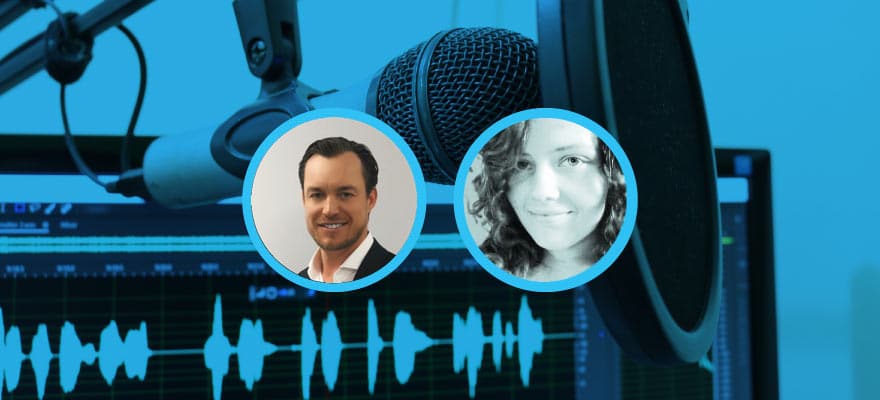
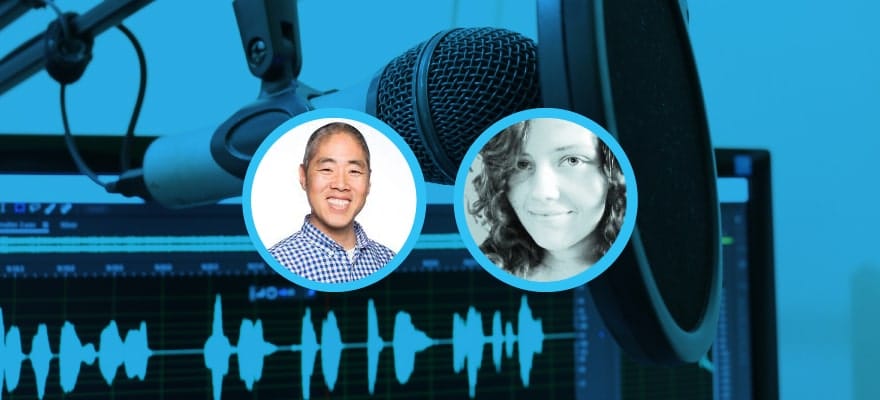
Chad Pankewitz speaks about Coinage's mobile-only exchange platform.
Bitcoin, the very first cryptocurrency, was created with the intention of taking financial power out of the clutches of major financial institutions and putting it into the hands of the individual. In many ways, this has been successful--all over the world, people who live in countries with failing economic systems are using Bitcoin and other cryptocurrencies as a way to store and protect the value of their money. Anyone with a compatible device can participate in the crypto markets.
While the cryptocurrency markets do not have a high financial barrier of entry, there is still a huge barrier in terms of technical skill. Buying, selling, and using cryptocurrencies to make purchases is still a shockingly complicated process, one that there is often little support for.
Recently, Finance Magnates spoke to Chad Pankewitz, CEO of Coinage, about many of the problems with the cryptocurrency industry today, as well as the inspiration for his company.
“I see Coinage as a cryptofinance company,” Chad explained. There are a variety of products and services that the company is developing, but “the base is a cryptocurrency exchange. It’s a mobile-only exchange,” he said.
The Coinage logo.
Why mobile-only? “We want that easy-to-use experience. We will have an API for professional investors, and maybe some market information. But for the retail investors, we just want a very simple experience that allows people to do their trading on the go, anywhere they are.”
“It allows us more reach as well,” he added. “You’re not going to a million customers by [requiring] them to have a $5,000 Macbook Pro that requires them to have a thick client to [use] a decentralized exchange.”
Additionally, Coinage is slated to have its own stablecoin, and is “going to do away with Bitcoin and Ethereum pairings,” he said.
Chad said that in addition to providing a more user-friendly experience, the stablecoin will “allow the exchange to be more stable,” and allow Coinage to “bring more products to the market.”
“We’re gonna be the leader in altcoin margin trader and short-selling,” he declared, boldly. “Right now, there’s an opportunity for that in some of the majors, but there’s no altcoin offering for that. That’s gonna bring a whole raft for traders...especially professional traders.”
”I Was Amazed that the Markets Hadn’t Matured Since the Early Days”
Chad said that in 2017, he was working with a group of people to diversify some Bitcoin holdings. “Of course, at this time there was 1500 cryptocurrencies or projects. We realized there was still an opportunity in the market. We created an index fund, and bought the top 50 coins, and worked out processes around doing that.”
“We found that it was incredibly difficult to [invest in cryptocurrency.] From a range of different wallets to watching out for bugs--and you can imagine across all these 50, you have to watch everyone and figure everyone out. Could be command line stuff you have to do; certain coins are only available on certain exchanges, which may be less than reputable. You’re worried about your money disappearing. Some of those exchanges were lacking on customer service--you’d go for 30, 60, 90 days without [hearing an answer].”
Essentially, “all the things that were happening in the early days [of cryptocurrency] were still happening in 2017,” he said. “I was amazed that the market hadn't matured since the early days.”
Financial Institutions “Shouldn’t be Giving Away Lambos
“We see some exchanges working with issuers to provide these big splash promotions - ’come in and buy this coin for one month, and you’re gonna win a Lamborghini and you’re gonna win $100,000.’”
“We don’t feel it’s right. We’re a financial institution,” he said. “We shouldn’t be giving away Lambos. It just seems wrong--it doesn’t align all the parties.”
“It’s not good for the issuer,” he said. “People are gonna come in for one month, they’re gonna buy buy buy, demand’s gonna go up, and all of a sudden, one person wins the car, and demand is gonna drop off, the price is gonna go off the cliff, and all these people are holding to the bag. All the rest of the customers are sitting there saying, ‘I just lost 90 percent of my money.’”
While it’s easy to become distracted by price when entering the crypto market, it’s the underlying technology that underpins any core value proposition. Read why The Bubble Doesn't Matter - The Technology Does in the latest #CryptoInsights article > https://t.co/nNdIvPGZLkpic.twitter.com/HexaZ67SvQ
“It doesn’t bode well for the exchange’s reputation [either],” he added.
Chad said that therefore, “we’re gonna evaluate tokens we list in the same sort of model that we would look at a venture capital investment. We’ll look at the team, we’ll look at the utility of the project...the traction in the community, the funding.”
Bitcoin, the very first cryptocurrency, was created with the intention of taking financial power out of the clutches of major financial institutions and putting it into the hands of the individual. In many ways, this has been successful--all over the world, people who live in countries with failing economic systems are using Bitcoin and other cryptocurrencies as a way to store and protect the value of their money. Anyone with a compatible device can participate in the crypto markets.
While the cryptocurrency markets do not have a high financial barrier of entry, there is still a huge barrier in terms of technical skill. Buying, selling, and using cryptocurrencies to make purchases is still a shockingly complicated process, one that there is often little support for.
Recently, Finance Magnates spoke to Chad Pankewitz, CEO of Coinage, about many of the problems with the cryptocurrency industry today, as well as the inspiration for his company.
“I see Coinage as a cryptofinance company,” Chad explained. There are a variety of products and services that the company is developing, but “the base is a cryptocurrency exchange. It’s a mobile-only exchange,” he said.
The Coinage logo.
Why mobile-only? “We want that easy-to-use experience. We will have an API for professional investors, and maybe some market information. But for the retail investors, we just want a very simple experience that allows people to do their trading on the go, anywhere they are.”
“It allows us more reach as well,” he added. “You’re not going to a million customers by [requiring] them to have a $5,000 Macbook Pro that requires them to have a thick client to [use] a decentralized exchange.”
Additionally, Coinage is slated to have its own stablecoin, and is “going to do away with Bitcoin and Ethereum pairings,” he said.
Chad said that in addition to providing a more user-friendly experience, the stablecoin will “allow the exchange to be more stable,” and allow Coinage to “bring more products to the market.”
“We’re gonna be the leader in altcoin margin trader and short-selling,” he declared, boldly. “Right now, there’s an opportunity for that in some of the majors, but there’s no altcoin offering for that. That’s gonna bring a whole raft for traders...especially professional traders.”
”I Was Amazed that the Markets Hadn’t Matured Since the Early Days”
Chad said that in 2017, he was working with a group of people to diversify some Bitcoin holdings. “Of course, at this time there was 1500 cryptocurrencies or projects. We realized there was still an opportunity in the market. We created an index fund, and bought the top 50 coins, and worked out processes around doing that.”
“We found that it was incredibly difficult to [invest in cryptocurrency.] From a range of different wallets to watching out for bugs--and you can imagine across all these 50, you have to watch everyone and figure everyone out. Could be command line stuff you have to do; certain coins are only available on certain exchanges, which may be less than reputable. You’re worried about your money disappearing. Some of those exchanges were lacking on customer service--you’d go for 30, 60, 90 days without [hearing an answer].”
Essentially, “all the things that were happening in the early days [of cryptocurrency] were still happening in 2017,” he said. “I was amazed that the market hadn't matured since the early days.”
Financial Institutions “Shouldn’t be Giving Away Lambos
“We see some exchanges working with issuers to provide these big splash promotions - ’come in and buy this coin for one month, and you’re gonna win a Lamborghini and you’re gonna win $100,000.’”
“We don’t feel it’s right. We’re a financial institution,” he said. “We shouldn’t be giving away Lambos. It just seems wrong--it doesn’t align all the parties.”
“It’s not good for the issuer,” he said. “People are gonna come in for one month, they’re gonna buy buy buy, demand’s gonna go up, and all of a sudden, one person wins the car, and demand is gonna drop off, the price is gonna go off the cliff, and all these people are holding to the bag. All the rest of the customers are sitting there saying, ‘I just lost 90 percent of my money.’”
While it’s easy to become distracted by price when entering the crypto market, it’s the underlying technology that underpins any core value proposition. Read why The Bubble Doesn't Matter - The Technology Does in the latest #CryptoInsights article > https://t.co/nNdIvPGZLkpic.twitter.com/HexaZ67SvQ
“It doesn’t bode well for the exchange’s reputation [either],” he added.
Chad said that therefore, “we’re gonna evaluate tokens we list in the same sort of model that we would look at a venture capital investment. We’ll look at the team, we’ll look at the utility of the project...the traction in the community, the funding.”
Rachel is a self-taught crypto geek and a passionate writer. She believes in the power that the written word has to educate, connect and empower individuals to make positive and powerful financial choices. She is the Podcast Host and a Cryptocurrency Editor at Finance Magnates.
Crypto Built More Rails, but the Next Battle Is Over How Much Work a Dollar Can Do
Featured Videos
FP Markets Winner Spotlight 🏆 | Global Broker of the Year 2025 #Trading #Broker #Innovation #Shorts
FP Markets Winner Spotlight 🏆 | Global Broker of the Year 2025 #Trading #Broker #Innovation #Shorts
FP Markets Winner Spotlight 🏆 | Global Broker of the Year 2025 #Trading #Broker #Innovation #Shorts
FP Markets Winner Spotlight 🏆 | Global Broker of the Year 2025 #Trading #Broker #Innovation #Shorts
FP Markets takes the spotlight as Global Broker of the Year 2025 at the Finance Magnates Awards.
Martin Stoilov, Head of Client Experience, shares that trust, innovation, and people played a key role in the company’s success, supported by a strong foundation of integrity and client-centricity.
Following this milestone, FP Markets continues to focus on growth, technology investment, and its core values of transparency and excellence.
👉 Be part of FM Awards 2026: https://awards.financemagnates.com/#nominate
FP Markets takes the spotlight as Global Broker of the Year 2025 at the Finance Magnates Awards.
Martin Stoilov, Head of Client Experience, shares that trust, innovation, and people played a key role in the company’s success, supported by a strong foundation of integrity and client-centricity.
Following this milestone, FP Markets continues to focus on growth, technology investment, and its core values of transparency and excellence.
👉 Be part of FM Awards 2026: https://awards.financemagnates.com/#nominate
FP Markets takes the spotlight as Global Broker of the Year 2025 at the Finance Magnates Awards.
Martin Stoilov, Head of Client Experience, shares that trust, innovation, and people played a key role in the company’s success, supported by a strong foundation of integrity and client-centricity.
Following this milestone, FP Markets continues to focus on growth, technology investment, and its core values of transparency and excellence.
👉 Be part of FM Awards 2026: https://awards.financemagnates.com/#nominate
FP Markets takes the spotlight as Global Broker of the Year 2025 at the Finance Magnates Awards.
Martin Stoilov, Head of Client Experience, shares that trust, innovation, and people played a key role in the company’s success, supported by a strong foundation of integrity and client-centricity.
Following this milestone, FP Markets continues to focus on growth, technology investment, and its core values of transparency and excellence.
👉 Be part of FM Awards 2026: https://awards.financemagnates.com/#nominate
In this video, we review @HolaPrimeMarketsOfficial, a multi-asset forex and CFDs broker offering different account types, trading platforms, and flexible trading conditions.
We cover the broker’s overall offering, including account options, trading environment, platforms like MT4 and MT5, and additional services such as managed accounts and fast withdrawals.
Watch the full video to see if Hola Prime Markets fits your trading needs.
📣 Stay up to date with the latest in finance and trading. Follow Finance Magnates for industry news, insights, and global event coverage.
Connect with us:
🔗 LinkedIn: /financemagnates
👍 Facebook: /financemagnates
📸 Instagram: https://www.instagram.com/financemagnates
🐦 X: https://x.com/financemagnates
🎥 TikTok: https://www.tiktok.com/tag/financemagnates
▶️ YouTube: /@financemagnates_official
#HolaPrime #ForexBroker #CFDTrading #FinanceMagnates #Trading #Forex #BrokerReview
In this video, we review @HolaPrimeMarketsOfficial, a multi-asset forex and CFDs broker offering different account types, trading platforms, and flexible trading conditions.
We cover the broker’s overall offering, including account options, trading environment, platforms like MT4 and MT5, and additional services such as managed accounts and fast withdrawals.
Watch the full video to see if Hola Prime Markets fits your trading needs.
📣 Stay up to date with the latest in finance and trading. Follow Finance Magnates for industry news, insights, and global event coverage.
Connect with us:
🔗 LinkedIn: /financemagnates
👍 Facebook: /financemagnates
📸 Instagram: https://www.instagram.com/financemagnates
🐦 X: https://x.com/financemagnates
🎥 TikTok: https://www.tiktok.com/tag/financemagnates
▶️ YouTube: /@financemagnates_official
#HolaPrime #ForexBroker #CFDTrading #FinanceMagnates #Trading #Forex #BrokerReview
In this video, we review @HolaPrimeMarketsOfficial, a multi-asset forex and CFDs broker offering different account types, trading platforms, and flexible trading conditions.
We cover the broker’s overall offering, including account options, trading environment, platforms like MT4 and MT5, and additional services such as managed accounts and fast withdrawals.
Watch the full video to see if Hola Prime Markets fits your trading needs.
📣 Stay up to date with the latest in finance and trading. Follow Finance Magnates for industry news, insights, and global event coverage.
Connect with us:
🔗 LinkedIn: /financemagnates
👍 Facebook: /financemagnates
📸 Instagram: https://www.instagram.com/financemagnates
🐦 X: https://x.com/financemagnates
🎥 TikTok: https://www.tiktok.com/tag/financemagnates
▶️ YouTube: /@financemagnates_official
#HolaPrime #ForexBroker #CFDTrading #FinanceMagnates #Trading #Forex #BrokerReview
In this video, we review @HolaPrimeMarketsOfficial, a multi-asset forex and CFDs broker offering different account types, trading platforms, and flexible trading conditions.
We cover the broker’s overall offering, including account options, trading environment, platforms like MT4 and MT5, and additional services such as managed accounts and fast withdrawals.
Watch the full video to see if Hola Prime Markets fits your trading needs.
📣 Stay up to date with the latest in finance and trading. Follow Finance Magnates for industry news, insights, and global event coverage.
Connect with us:
🔗 LinkedIn: /financemagnates
👍 Facebook: /financemagnates
📸 Instagram: https://www.instagram.com/financemagnates
🐦 X: https://x.com/financemagnates
🎥 TikTok: https://www.tiktok.com/tag/financemagnates
▶️ YouTube: /@financemagnates_official
#HolaPrime #ForexBroker #CFDTrading #FinanceMagnates #Trading #Forex #BrokerReview
In this video, we review @HolaPrimeMarketsOfficial, a multi-asset forex and CFDs broker offering different account types, trading platforms, and flexible trading conditions.
We cover the broker’s overall offering, including account options, trading environment, platforms like MT4 and MT5, and additional services such as managed accounts and fast withdrawals.
Watch the full video to see if Hola Prime Markets fits your trading needs.
📣 Stay up to date with the latest in finance and trading. Follow Finance Magnates for industry news, insights, and global event coverage.
Connect with us:
🔗 LinkedIn: /financemagnates
👍 Facebook: /financemagnates
📸 Instagram: https://www.instagram.com/financemagnates
🐦 X: https://x.com/financemagnates
🎥 TikTok: https://www.tiktok.com/tag/financemagnates
▶️ YouTube: /@financemagnates_official
#HolaPrime #ForexBroker #CFDTrading #FinanceMagnates #Trading #Forex #BrokerReview
In this video, we review @HolaPrimeMarketsOfficial, a multi-asset forex and CFDs broker offering different account types, trading platforms, and flexible trading conditions.
We cover the broker’s overall offering, including account options, trading environment, platforms like MT4 and MT5, and additional services such as managed accounts and fast withdrawals.
Watch the full video to see if Hola Prime Markets fits your trading needs.
📣 Stay up to date with the latest in finance and trading. Follow Finance Magnates for industry news, insights, and global event coverage.
Connect with us:
🔗 LinkedIn: /financemagnates
👍 Facebook: /financemagnates
📸 Instagram: https://www.instagram.com/financemagnates
🐦 X: https://x.com/financemagnates
🎥 TikTok: https://www.tiktok.com/tag/financemagnates
▶️ YouTube: /@financemagnates_official
#HolaPrime #ForexBroker #CFDTrading #FinanceMagnates #Trading #Forex #BrokerReview
Hola Prime Review: What You Need to Know | Full Breakdown by Finance Magnates
Hola Prime Review: What You Need to Know | Full Breakdown by Finance Magnates
Hola Prime Review: What You Need to Know | Full Breakdown by Finance Magnates
Hola Prime Review: What You Need to Know | Full Breakdown by Finance Magnates
Hola Prime Review: What You Need to Know | Full Breakdown by Finance Magnates
Hola Prime Review: What You Need to Know | Full Breakdown by Finance Magnates
In this video, we review @HolaPrime_Global, a proprietary trading firm offering evaluation programs and performance-based payouts in simulated market environments.
We cover how the challenge model works, including account types, profit splits (up to 95%), trading rules, and what it takes to reach a funded account. You’ll also learn about available platforms like MT4, MT5, cTrader, and more, along with insights into payouts, support, and trading conditions.
Watch the full video to see if Hola Prime fits your trading style.
📣 Stay up to date with the latest in finance and trading. Follow Finance Magnates for industry news, insights, and global event coverage.
Connect with us:
🔗 LinkedIn: /financemagnates
👍 Facebook: /financemagnates
📸 Instagram: https://www.instagram.com/financemagnates
🐦 X: https://x.com/financemagnates
🎥 TikTok: https://www.tiktok.com/tag/financemagnates
▶️ YouTube: /@financemagnates_official
#HolaPrime #PropFirm #Trading #FinanceMagnates #Forex #FuturesTrading #TradingReview #PropFirmReview
In this video, we review @HolaPrime_Global, a proprietary trading firm offering evaluation programs and performance-based payouts in simulated market environments.
We cover how the challenge model works, including account types, profit splits (up to 95%), trading rules, and what it takes to reach a funded account. You’ll also learn about available platforms like MT4, MT5, cTrader, and more, along with insights into payouts, support, and trading conditions.
Watch the full video to see if Hola Prime fits your trading style.
📣 Stay up to date with the latest in finance and trading. Follow Finance Magnates for industry news, insights, and global event coverage.
Connect with us:
🔗 LinkedIn: /financemagnates
👍 Facebook: /financemagnates
📸 Instagram: https://www.instagram.com/financemagnates
🐦 X: https://x.com/financemagnates
🎥 TikTok: https://www.tiktok.com/tag/financemagnates
▶️ YouTube: /@financemagnates_official
#HolaPrime #PropFirm #Trading #FinanceMagnates #Forex #FuturesTrading #TradingReview #PropFirmReview
In this video, we review @HolaPrime_Global, a proprietary trading firm offering evaluation programs and performance-based payouts in simulated market environments.
We cover how the challenge model works, including account types, profit splits (up to 95%), trading rules, and what it takes to reach a funded account. You’ll also learn about available platforms like MT4, MT5, cTrader, and more, along with insights into payouts, support, and trading conditions.
Watch the full video to see if Hola Prime fits your trading style.
📣 Stay up to date with the latest in finance and trading. Follow Finance Magnates for industry news, insights, and global event coverage.
Connect with us:
🔗 LinkedIn: /financemagnates
👍 Facebook: /financemagnates
📸 Instagram: https://www.instagram.com/financemagnates
🐦 X: https://x.com/financemagnates
🎥 TikTok: https://www.tiktok.com/tag/financemagnates
▶️ YouTube: /@financemagnates_official
#HolaPrime #PropFirm #Trading #FinanceMagnates #Forex #FuturesTrading #TradingReview #PropFirmReview
In this video, we review @HolaPrime_Global, a proprietary trading firm offering evaluation programs and performance-based payouts in simulated market environments.
We cover how the challenge model works, including account types, profit splits (up to 95%), trading rules, and what it takes to reach a funded account. You’ll also learn about available platforms like MT4, MT5, cTrader, and more, along with insights into payouts, support, and trading conditions.
Watch the full video to see if Hola Prime fits your trading style.
📣 Stay up to date with the latest in finance and trading. Follow Finance Magnates for industry news, insights, and global event coverage.
Connect with us:
🔗 LinkedIn: /financemagnates
👍 Facebook: /financemagnates
📸 Instagram: https://www.instagram.com/financemagnates
🐦 X: https://x.com/financemagnates
🎥 TikTok: https://www.tiktok.com/tag/financemagnates
▶️ YouTube: /@financemagnates_official
#HolaPrime #PropFirm #Trading #FinanceMagnates #Forex #FuturesTrading #TradingReview #PropFirmReview
In this video, we review @HolaPrime_Global, a proprietary trading firm offering evaluation programs and performance-based payouts in simulated market environments.
We cover how the challenge model works, including account types, profit splits (up to 95%), trading rules, and what it takes to reach a funded account. You’ll also learn about available platforms like MT4, MT5, cTrader, and more, along with insights into payouts, support, and trading conditions.
Watch the full video to see if Hola Prime fits your trading style.
📣 Stay up to date with the latest in finance and trading. Follow Finance Magnates for industry news, insights, and global event coverage.
Connect with us:
🔗 LinkedIn: /financemagnates
👍 Facebook: /financemagnates
📸 Instagram: https://www.instagram.com/financemagnates
🐦 X: https://x.com/financemagnates
🎥 TikTok: https://www.tiktok.com/tag/financemagnates
▶️ YouTube: /@financemagnates_official
#HolaPrime #PropFirm #Trading #FinanceMagnates #Forex #FuturesTrading #TradingReview #PropFirmReview
In this video, we review @HolaPrime_Global, a proprietary trading firm offering evaluation programs and performance-based payouts in simulated market environments.
We cover how the challenge model works, including account types, profit splits (up to 95%), trading rules, and what it takes to reach a funded account. You’ll also learn about available platforms like MT4, MT5, cTrader, and more, along with insights into payouts, support, and trading conditions.
Watch the full video to see if Hola Prime fits your trading style.
📣 Stay up to date with the latest in finance and trading. Follow Finance Magnates for industry news, insights, and global event coverage.
Connect with us:
🔗 LinkedIn: /financemagnates
👍 Facebook: /financemagnates
📸 Instagram: https://www.instagram.com/financemagnates
🐦 X: https://x.com/financemagnates
🎥 TikTok: https://www.tiktok.com/tag/financemagnates
▶️ YouTube: /@financemagnates_official
#HolaPrime #PropFirm #Trading #FinanceMagnates #Forex #FuturesTrading #TradingReview #PropFirmReview
Axi Winner Spotlight 🏆 | Global Most Innovative Broker 2025 #Innovation #Trading #Fintech #Broker
Axi Winner Spotlight 🏆 | Global Most Innovative Broker 2025 #Innovation #Trading #Fintech #Broker
Axi Winner Spotlight 🏆 | Global Most Innovative Broker 2025 #Innovation #Trading #Fintech #Broker
Axi Winner Spotlight 🏆 | Global Most Innovative Broker 2025 #Innovation #Trading #Fintech #Broker
Axi Winner Spotlight 🏆 | Global Most Innovative Broker 2025 #Innovation #Trading #Fintech #Broker
Axi Winner Spotlight 🏆 | Global Most Innovative Broker 2025 #Innovation #Trading #Fintech #Broker
Axi takes the spotlight at the Finance Magnates Awards, winning Global Most Innovative Broker 2025.
Olivia Xenofontos and Ivanna Openko share how the team will feel: proud, motivated, and ready to keep delivering.
They also describe the night as well-organized, focused, and enjoyable for all.
👉 Be part of FM Awards 2026.
Axi takes the spotlight at the Finance Magnates Awards, winning Global Most Innovative Broker 2025.
Olivia Xenofontos and Ivanna Openko share how the team will feel: proud, motivated, and ready to keep delivering.
They also describe the night as well-organized, focused, and enjoyable for all.
👉 Be part of FM Awards 2026.
Axi takes the spotlight at the Finance Magnates Awards, winning Global Most Innovative Broker 2025.
Olivia Xenofontos and Ivanna Openko share how the team will feel: proud, motivated, and ready to keep delivering.
They also describe the night as well-organized, focused, and enjoyable for all.
👉 Be part of FM Awards 2026.
Axi takes the spotlight at the Finance Magnates Awards, winning Global Most Innovative Broker 2025.
Olivia Xenofontos and Ivanna Openko share how the team will feel: proud, motivated, and ready to keep delivering.
They also describe the night as well-organized, focused, and enjoyable for all.
👉 Be part of FM Awards 2026.
Axi takes the spotlight at the Finance Magnates Awards, winning Global Most Innovative Broker 2025.
Olivia Xenofontos and Ivanna Openko share how the team will feel: proud, motivated, and ready to keep delivering.
They also describe the night as well-organized, focused, and enjoyable for all.
👉 Be part of FM Awards 2026.
Axi takes the spotlight at the Finance Magnates Awards, winning Global Most Innovative Broker 2025.
Olivia Xenofontos and Ivanna Openko share how the team will feel: proud, motivated, and ready to keep delivering.
They also describe the night as well-organized, focused, and enjoyable for all.
👉 Be part of FM Awards 2026.
Recognition that matters.
Built on transparency.
Driven by the industry.
The Finance Magnates Awards 2026.
Nominations are now open.
🔗 https://awards.financemagnates.com/?utm_source=SM&utm_medium=social&utm_campaign=recognition-matters
Recognition that matters.
Built on transparency.
Driven by the industry.
The Finance Magnates Awards 2026.
Nominations are now open.
🔗 https://awards.financemagnates.com/?utm_source=SM&utm_medium=social&utm_campaign=recognition-matters
Recognition that matters.
Built on transparency.
Driven by the industry.
The Finance Magnates Awards 2026.
Nominations are now open.
🔗 https://awards.financemagnates.com/?utm_source=SM&utm_medium=social&utm_campaign=recognition-matters
Recognition that matters.
Built on transparency.
Driven by the industry.
The Finance Magnates Awards 2026.
Nominations are now open.
🔗 https://awards.financemagnates.com/?utm_source=SM&utm_medium=social&utm_campaign=recognition-matters
Recognition that matters.
Built on transparency.
Driven by the industry.
The Finance Magnates Awards 2026.
Nominations are now open.
🔗 https://awards.financemagnates.com/?utm_source=SM&utm_medium=social&utm_campaign=recognition-matters
Recognition that matters.
Built on transparency.
Driven by the industry.
The Finance Magnates Awards 2026.
Nominations are now open.
🔗 https://awards.financemagnates.com/?utm_source=SM&utm_medium=social&utm_campaign=recognition-matters