Belarus Just Blocked Major Crypto Exchanges - What Should Brokers Prepare For?

Thursday, 11/12/2025 | 12:58 GMT by Tanya Chepkova
  • Belarus’s sudden blackout of major crypto exchanges disrupts payment routes and forces brokers to reassess how they onboard and service Belarusian clients.
  • With top exchanges now inaccessible to Belarusian users, regulated brokers face shrinking crypto funding channels and rising AML exposure.
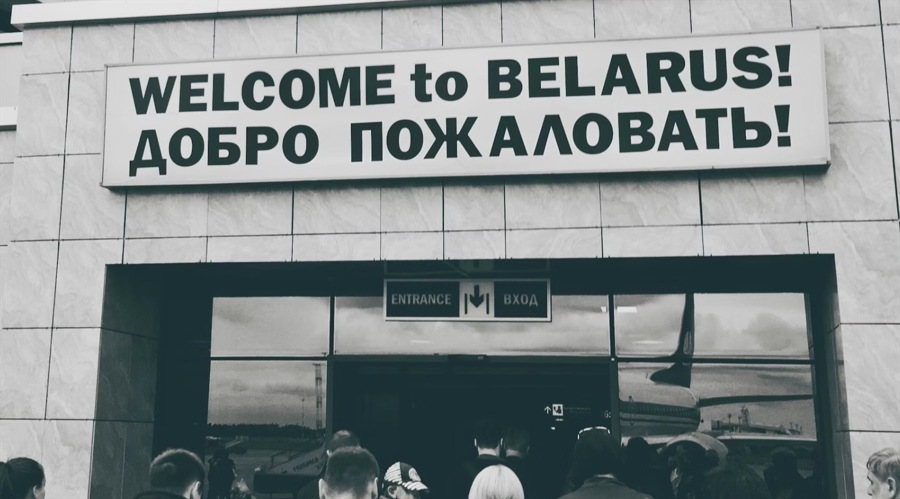
Welcome to Belarus. Source: Unsplash

Belarus has begun blocking access to several of the world’s largest cryptocurrency exchanges, including Bybit, OKX, BingX, and Bitget, according to data from BelGIE, the country’s central internet-filtering authority.

The measure, carried out “based on a decision of the Ministry of Information,” disconnects Belarusian users from platforms that have historically served both retail traders and cross-border payment flows.

Finance Magnates reached out to the affected exchanges for comment; no replies were received by the time of publication.

What Happened in Belarus

Belarusian users with domestic IP addresses report that platform websites no longer resolve. Clients of Beltelecom, the state telecom operator, see the standard regulatory notice: “Access to the information resource is restricted based on the decision of the authorised body of the Republic of Belarus.”
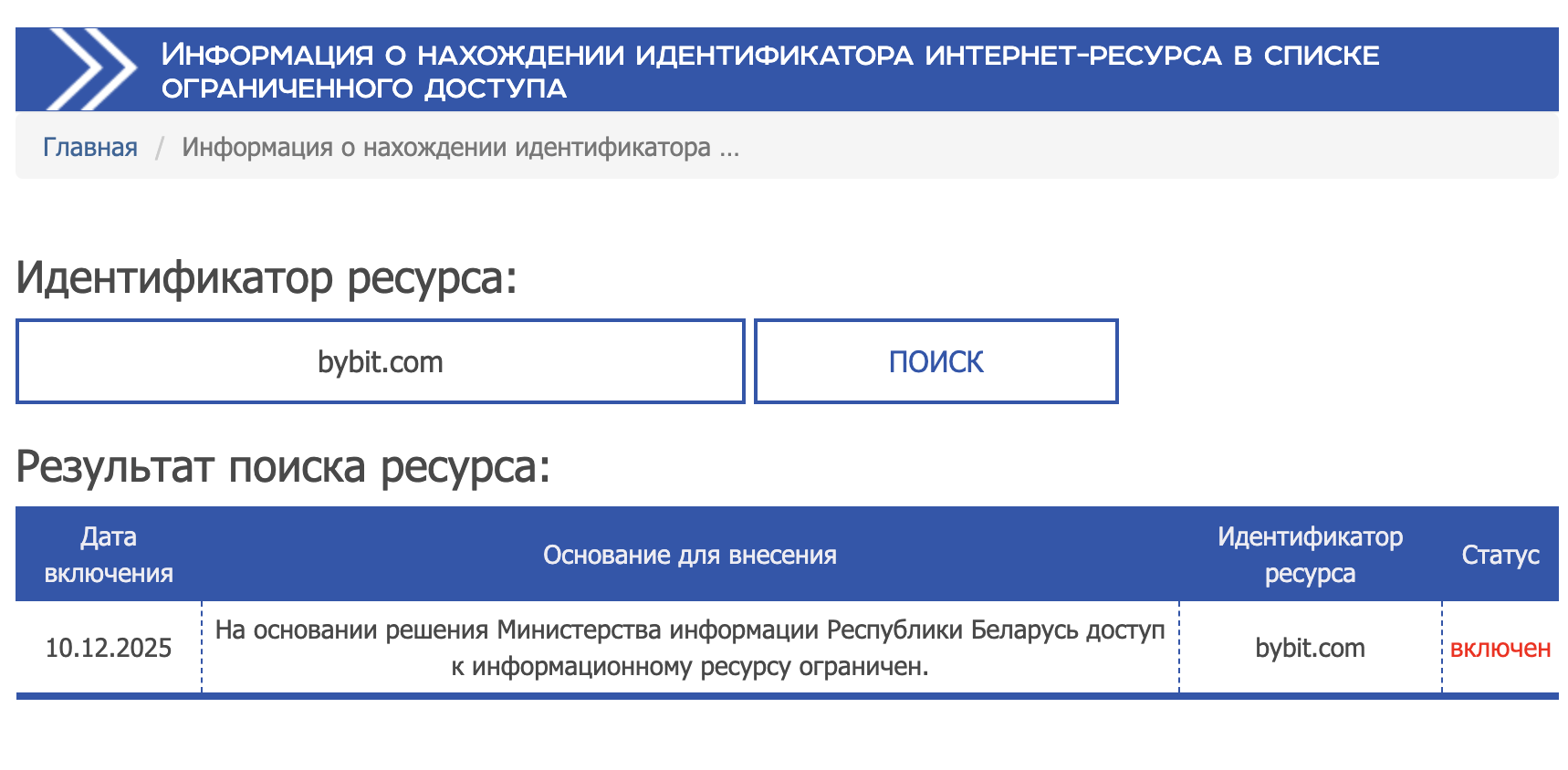
Screenshot from BelGIE’s registry showing Bybit listed as a restricted site as of December 10, 2025.

A few comments from a Bybit community channel illustrate the suddenness of the measure, including questions about the nature of the block and calls for official clarification.

Belarus was among the first states to legalise mining and digital asset exchanges, yet its approach has shifted toward tighter control. Presidential Decree No. 367, adopted last year, seeks to curb the illicit use of cryptocurrencies and restricts citizens' ability to perform certain operations on foreign trading platforms—particularly those involving the direct deposit or withdrawal of fiat or electronic money.

Earlier clarifications from the Investigative Committee confirmed that crypto-to-crypto operations on existing accounts were not prohibited, while fiat flows were subject to restrictions.

The current blocking measures go further by limiting access altogether, effectively preventing users from reaching the platforms irrespective of the type of transaction.

What's the Industry Impact

For international forex and CFD brokers, the blocking is a strong signal that working with Belarusian residents through crypto-based products or payment rails is becoming even more sensitive from both a sanctions and regulatory perspective.

Many brokers that previously relied on large exchanges as informal crypto gateways for client deposits and withdrawals will face interruptions to these channels, together with heightened operational risk when attempting to reroute flows through third-party exchangers or P2P mechanisms.

At the same time, the EU’s prohibition on offering crypto-wallet services to Belarusian residents already forces European and MiCA-regulated firms to exclude Belarusian clients from any crypto-related functionality.

Combined with domestic access blocks, this further discourages regulated brokers from serving the market and increases the likelihood that Belarusian traffic will migrate toward offshore or lightly supervised platforms.

This shift raises concerns about fraud exposure, chargebacks, and the overall risk profile associated with “BY” client flows, prompting compliant brokers to rely solely on fiat channels via third-country banks and to implement more intensive source-of-funds verification.

The sudden blocking of major exchanges represents a notable escalation in Belarus’s crypto policy. While the restrictions disrupt retail access, they also reshape the operating environment for brokers, payment firms, and compliance teams handling Belarus-linked flows.

If these measures persist, regulated firms will need to revise their onboarding frameworks, funding routes, and risk assessments to align with both domestic Belarusian requirements and international sanctions regimes.

Belarus has begun blocking access to several of the world’s largest cryptocurrency exchanges, including Bybit, OKX, BingX, and Bitget, according to data from BelGIE, the country’s central internet-filtering authority.

The measure, carried out “based on a decision of the Ministry of Information,” disconnects Belarusian users from platforms that have historically served both retail traders and cross-border payment flows.

Finance Magnates reached out to the affected exchanges for comment; no replies were received by the time of publication.

What Happened in Belarus

Belarusian users with domestic IP addresses report that platform websites no longer resolve. Clients of Beltelecom, the state telecom operator, see the standard regulatory notice: “Access to the information resource is restricted based on the decision of the authorised body of the Republic of Belarus.”

Screenshot from BelGIE’s registry showing Bybit listed as a restricted site as of December 10, 2025.

A few comments from a Bybit community channel illustrate the suddenness of the measure, including questions about the nature of the block and calls for official clarification.

Belarus was among the first states to legalise mining and digital asset exchanges, yet its approach has shifted toward tighter control. Presidential Decree No. 367, adopted last year, seeks to curb the illicit use of cryptocurrencies and restricts citizens' ability to perform certain operations on foreign trading platforms—particularly those involving the direct deposit or withdrawal of fiat or electronic money.

Earlier clarifications from the Investigative Committee confirmed that crypto-to-crypto operations on existing accounts were not prohibited, while fiat flows were subject to restrictions.

The current blocking measures go further by limiting access altogether, effectively preventing users from reaching the platforms irrespective of the type of transaction.

What's the Industry Impact

For international forex and CFD brokers, the blocking is a strong signal that working with Belarusian residents through crypto-based products or payment rails is becoming even more sensitive from both a sanctions and regulatory perspective.

Many brokers that previously relied on large exchanges as informal crypto gateways for client deposits and withdrawals will face interruptions to these channels, together with heightened operational risk when attempting to reroute flows through third-party exchangers or P2P mechanisms.

At the same time, the EU’s prohibition on offering crypto-wallet services to Belarusian residents already forces European and MiCA-regulated firms to exclude Belarusian clients from any crypto-related functionality.

Combined with domestic access blocks, this further discourages regulated brokers from serving the market and increases the likelihood that Belarusian traffic will migrate toward offshore or lightly supervised platforms.

This shift raises concerns about fraud exposure, chargebacks, and the overall risk profile associated with “BY” client flows, prompting compliant brokers to rely solely on fiat channels via third-country banks and to implement more intensive source-of-funds verification.

The sudden blocking of major exchanges represents a notable escalation in Belarus’s crypto policy. While the restrictions disrupt retail access, they also reshape the operating environment for brokers, payment firms, and compliance teams handling Belarus-linked flows.

If these measures persist, regulated firms will need to revise their onboarding frameworks, funding routes, and risk assessments to align with both domestic Belarusian requirements and international sanctions regimes.

About the Author: Tanya Chepkova
Tanya Chepkova
  • 29 Articles
About the Author: Tanya Chepkova
  • 29 Articles

More from the Author

CryptoCurrency

!"#$%&'()*+,-./0123456789:;<=>?@ABCDEFGHIJKLMNOPQRSTUVWXYZ[\]^_`abcdefghijklmnopqrstuvwxyz{|} !"#$%&'()*+,-./0123456789:;<=>?@ABCDEFGHIJKLMNOPQRSTUVWXYZ[\]^_`abcdefghijklmnopqrstuvwxyz{|}