FTX inked hundreds of millions worth of sports sponsorship deals.
The Golden State Warriors and a number of celebrities are named in class-action lawsuits against FTX.
Analysis
Sam Bankman-Fried established a massive shady business empire with crypto exchange FTX, Alameda Research and more than 130 affiliates. Now with the collapse, FTX is facing four civil lawsuits apart from the probes and investigations launched by the government regulators in the US and the Bahamas.
The collapse of FTX has also become a nightmare for its partners. Several of its ambassadors and sports partners are now facing legal action for their endorsement of the cryptocurrency exchange. The Golden State Warriors, the reigning National Basketball Association champions who inked a deal with FTX last December, has been named in two lawsuits against FTX.
Steph Curry, the most famous player of the Golden State Warriors, has also been named in one of them.
The first class-action lawsuit against FTX was filed in mid-November by Florida-based Edwin Garrison, only a few days after the alleged wrongdoings of Sam Bankman-Fried and FTX surfaced. Filed in a US court, the lawsuit named the former CEO of FTX, Bankman-Fried, the Golden State Warriors' most popular player Steph Curry, a football star, Tom Brady, supermodel Gisele Bundchen, comedian Larry David, and several other celebrity endorsers.
A separate lawsuit with a much narrower scope was filed later by the Canadian citizen and Hong Kong resident, Elliott Lam, naming Bankman-Fried, the CEO of Alameda Research, Caroline Ellison and again the Golden State Warriors. Lam, who himself lost $750,000 through his FTX account, represents other victims of the FTX collapse as it was another class-action lawsuit.
Both these lawsuits came after the Golden State Warriors suspended all its FTX-related promotions. Other sports partners also scraped their deal with FTX following the collapse.
FTX also bought the naming rights of the Miami Heat's home arena last year for the next 19 years in a $135 million contract. That deal was also suspended immediately.
Another similar class-action lawsuit filed by Sunil Kavuri also blamed Bankman-Fried and the celebrities or public figures who promoted FTX but did not name any. The other class-action lawsuit, which was filed on November 23 by plaintiff Stephen Pierce only named FTX and Bankman-Fried, along with his inner circle, as defendants.
However, what are the legalities behind these lawsuits? Is the Golden States Warriors, or any other celebrity endorsers, even liable for FTX customers' losses?
Legality Behind the Lawsuits
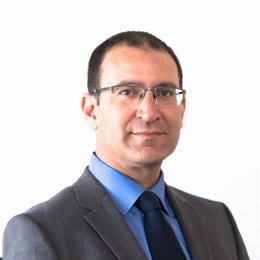
"While it is not difficult to guess why Bankman-Fried is a defendant in [the] cases, the same cannot be said for the Warriors," Dr Zvi Gabbay, the Head of Capital Markets and Financial Regulation at Barnea Jaffa Lande, explained to Finance Magnates.
Dr. Zvi Gabbay, Head of Capital Markets and Financial Regulation at Barnea Jaffa Lande
"The two complaints name the Warriors as defendants, but in my opinion, fail to lay the necessary foundation for holding them accountable. Indeed, the Golden State Warriors were among the many A-list celebrities and athletes who endorsed FTX and promoted it in various ways. However, in order to successfully pin legal responsibility on the Warriors, the plaintiffs need to provide at least initial indications that the Warriors were aware or should have been aware of any wrongdoing. I didn't see even a hint of such indications in both complaints."
Sports endorsements are widespread, and crypto exchanges (also now collapsed FTX) have signed high-profile celebrities, athletes and clubs. These endorsers get paid for promoting FTX, just like any other platform.
However, the scope of promotions varies. While clubs and endorsers only display the sponsors' logo, many endorsers go the extra mile to promote specific services. In the case of the Golden State Warriors and FTX, the NBA champion promoted the now-bankrupt crypto exchange as a "viable and safe way to invest in crypto."
The first class-action lawsuit by Garrison alleges that FTX offered illegal securities with its interest-bearing accounts and argued that the "misrepresentations and omissions" of celebrity endorsements prompted him to buy the illegal instruments. He further argued that though the celebrities revealed their partnerships with the exchange, they did not disclose "the nature, scope, and amount of compensation they personally received in exchange for the promotion of the Deceptive FTX Platform," which violates the US' anti-touting provisions in securities laws.
Check out the recent London Summit session about the growing scrutiny of the marketing tactics of digital assets.
The class action lawsuit filed by Lam alleges that the Warriors "reasonably should have known that all these claims… were untrue or misleading."
"When analyzing statements for their legal ramifications, it is crucial to view them in the actual context in which they were made," Dr Gabbay added.
"If I am not mistaken, this statement was made by the Warriors in an advertisement. The public is well accustomed to statements made in commercials and advertisements and takes them with a grain of salt. The statement regarding FTX's 'viability' and 'safety' was part of the endorsement and marketing agreement, and in my opinion, is exactly the same as car commercials promising you that the car being promoted is safe, strong, and can easily take you to the edge of a cliff overlooking the ocean, or a fast-food chain commercial promising fresh food, clean surroundings and memorable family moments. We all know that cars are not always safe and strong and fast-food chains don't always serve fresh produce in a clean environment."
These endorsement deals are known to be paid, and thus there are no direct ramifications for the endorsers. Otherwise, even the actors of any advertisement could be taken to court for faulty products.
"If the statement about FTX's 'viability' and 'safety' was made by an official Warriors representative or one of the team's star players, as part of a press conference – this may very well give rise to liability. The context of this type of statement is perceived as far more credible and reliable, and imposes on the speaker at least a basic burden of verifying the facts or disclaiming responsibility due to the lack of knowledge," said Dr Gabbay.
Actions against Celebrities
Financial market regulators have taken action against crypto endorsers before and even fined them for promoting fraudulent projects. Earlier, the US Securities and Exchange Commission (SEC) fined famous boxer Floyd Mayweather and rapper DJ Khalid for endorsing the $25 million fraudulent initial coin offering (ICO) of Centra Tech. Last October, Kim Kardashian settled with the US regulator, paying $1.26 million for promoting EthereumMax.
In all of these cases, the SEC went after the celebrities for failing to disclose their financial gains from the endorsements. None were blamed for the projects being fraudulent.
"Federal securities regulations obligate anyone promoting a specific security or specific issuer to disclose his or her interests in the security and disclose any financial interests in the promotion activity," Dr Gabbay explained.
"The Golden State Warriors did not promote a specific security or a specific issuer; they promoted a financial service provider. In the same way that other NBA franchises endorsed and promoted banks, insurance companies, and credit providers, the Warriors promoted FTX. It should be noted that had the Warriors endorsed and promoted specific securities issued by FTX – they would have had to disclose their financial interest in it."
US Laws
The class action lawsuit filed by Lam is seeking damages under California consumer laws for customers outside the United States with FTX yield-bearing accounts. Though he can directly blame Bankman-Fried, his allegations against the Warriors can be strongly questioned.
Legal experts confirmed to Finance Magnates that consumer protection laws and regulations apply in endorsement and advertising deals in the US. The principle behind the rules is endorsements cannot lie in promotions, meaning they "can't motivate people to purchase goods or services based on misrepresentations."
However, there is no indication that the Golden State Warriors made any false representations. Also, the lawsuits could not establish the basketball team knew about the wrongdoings of FTX. Further, the Warriors did not hide their monetary interests in the deal. And, such endorsement deals are standard in the sports economy.
The United States' free speech laws also protect paid endorsers.
"The United States Supreme Court recognized 'commercial speech' as protected under the First Amendment. As a result, you are allowed to say whatever you want when you advertise, as long as you comply with consumer protection laws and any other relevant regulations and statutes that may apply, depending on the subject matter," Dr Gabbay said.
The Crypto Deals Won't Be the Same
The legal arguments favor the Golden State Warriors and other athletes and celebrities in the two class action lawsuits. However, sports sponsorship deals might change entirely with the collapse of FTX.
FTX, valued at $34 billion before the collapse, was one of the deep-pocket spenders in the sports field. Its endorsements might not face legal ramifications, but they cannot avoid reputational damages.
"I think that the FTX failure is an important focal point in the development of the crypto industry," Dr Gabby added.
"FTX enjoyed a very positive reputation, and its collapse destroyed the little trust that still remained among the crypto-investing community. No reputable business or sports franchise will want to endorse service providers and issuers in this industry until trust is restored. This will take time, and will undoubtedly require regulatory supervision. Until that happens, businesses that don't have to associate themselves with crypto – won't do so."
Sam Bankman-Fried established a massive shady business empire with crypto exchange FTX, Alameda Research and more than 130 affiliates. Now with the collapse, FTX is facing four civil lawsuits apart from the probes and investigations launched by the government regulators in the US and the Bahamas.
The collapse of FTX has also become a nightmare for its partners. Several of its ambassadors and sports partners are now facing legal action for their endorsement of the cryptocurrency exchange. The Golden State Warriors, the reigning National Basketball Association champions who inked a deal with FTX last December, has been named in two lawsuits against FTX.
Steph Curry, the most famous player of the Golden State Warriors, has also been named in one of them.
The first class-action lawsuit against FTX was filed in mid-November by Florida-based Edwin Garrison, only a few days after the alleged wrongdoings of Sam Bankman-Fried and FTX surfaced. Filed in a US court, the lawsuit named the former CEO of FTX, Bankman-Fried, the Golden State Warriors' most popular player Steph Curry, a football star, Tom Brady, supermodel Gisele Bundchen, comedian Larry David, and several other celebrity endorsers.
A separate lawsuit with a much narrower scope was filed later by the Canadian citizen and Hong Kong resident, Elliott Lam, naming Bankman-Fried, the CEO of Alameda Research, Caroline Ellison and again the Golden State Warriors. Lam, who himself lost $750,000 through his FTX account, represents other victims of the FTX collapse as it was another class-action lawsuit.
Both these lawsuits came after the Golden State Warriors suspended all its FTX-related promotions. Other sports partners also scraped their deal with FTX following the collapse.
FTX also bought the naming rights of the Miami Heat's home arena last year for the next 19 years in a $135 million contract. That deal was also suspended immediately.
Another similar class-action lawsuit filed by Sunil Kavuri also blamed Bankman-Fried and the celebrities or public figures who promoted FTX but did not name any. The other class-action lawsuit, which was filed on November 23 by plaintiff Stephen Pierce only named FTX and Bankman-Fried, along with his inner circle, as defendants.
However, what are the legalities behind these lawsuits? Is the Golden States Warriors, or any other celebrity endorsers, even liable for FTX customers' losses?
Legality Behind the Lawsuits
"While it is not difficult to guess why Bankman-Fried is a defendant in [the] cases, the same cannot be said for the Warriors," Dr Zvi Gabbay, the Head of Capital Markets and Financial Regulation at Barnea Jaffa Lande, explained to Finance Magnates.
Dr. Zvi Gabbay, Head of Capital Markets and Financial Regulation at Barnea Jaffa Lande
"The two complaints name the Warriors as defendants, but in my opinion, fail to lay the necessary foundation for holding them accountable. Indeed, the Golden State Warriors were among the many A-list celebrities and athletes who endorsed FTX and promoted it in various ways. However, in order to successfully pin legal responsibility on the Warriors, the plaintiffs need to provide at least initial indications that the Warriors were aware or should have been aware of any wrongdoing. I didn't see even a hint of such indications in both complaints."
Sports endorsements are widespread, and crypto exchanges (also now collapsed FTX) have signed high-profile celebrities, athletes and clubs. These endorsers get paid for promoting FTX, just like any other platform.
However, the scope of promotions varies. While clubs and endorsers only display the sponsors' logo, many endorsers go the extra mile to promote specific services. In the case of the Golden State Warriors and FTX, the NBA champion promoted the now-bankrupt crypto exchange as a "viable and safe way to invest in crypto."
The first class-action lawsuit by Garrison alleges that FTX offered illegal securities with its interest-bearing accounts and argued that the "misrepresentations and omissions" of celebrity endorsements prompted him to buy the illegal instruments. He further argued that though the celebrities revealed their partnerships with the exchange, they did not disclose "the nature, scope, and amount of compensation they personally received in exchange for the promotion of the Deceptive FTX Platform," which violates the US' anti-touting provisions in securities laws.
Check out the recent London Summit session about the growing scrutiny of the marketing tactics of digital assets.
The class action lawsuit filed by Lam alleges that the Warriors "reasonably should have known that all these claims… were untrue or misleading."
"When analyzing statements for their legal ramifications, it is crucial to view them in the actual context in which they were made," Dr Gabbay added.
"If I am not mistaken, this statement was made by the Warriors in an advertisement. The public is well accustomed to statements made in commercials and advertisements and takes them with a grain of salt. The statement regarding FTX's 'viability' and 'safety' was part of the endorsement and marketing agreement, and in my opinion, is exactly the same as car commercials promising you that the car being promoted is safe, strong, and can easily take you to the edge of a cliff overlooking the ocean, or a fast-food chain commercial promising fresh food, clean surroundings and memorable family moments. We all know that cars are not always safe and strong and fast-food chains don't always serve fresh produce in a clean environment."
These endorsement deals are known to be paid, and thus there are no direct ramifications for the endorsers. Otherwise, even the actors of any advertisement could be taken to court for faulty products.
"If the statement about FTX's 'viability' and 'safety' was made by an official Warriors representative or one of the team's star players, as part of a press conference – this may very well give rise to liability. The context of this type of statement is perceived as far more credible and reliable, and imposes on the speaker at least a basic burden of verifying the facts or disclaiming responsibility due to the lack of knowledge," said Dr Gabbay.
Actions against Celebrities
Financial market regulators have taken action against crypto endorsers before and even fined them for promoting fraudulent projects. Earlier, the US Securities and Exchange Commission (SEC) fined famous boxer Floyd Mayweather and rapper DJ Khalid for endorsing the $25 million fraudulent initial coin offering (ICO) of Centra Tech. Last October, Kim Kardashian settled with the US regulator, paying $1.26 million for promoting EthereumMax.
In all of these cases, the SEC went after the celebrities for failing to disclose their financial gains from the endorsements. None were blamed for the projects being fraudulent.
"Federal securities regulations obligate anyone promoting a specific security or specific issuer to disclose his or her interests in the security and disclose any financial interests in the promotion activity," Dr Gabbay explained.
"The Golden State Warriors did not promote a specific security or a specific issuer; they promoted a financial service provider. In the same way that other NBA franchises endorsed and promoted banks, insurance companies, and credit providers, the Warriors promoted FTX. It should be noted that had the Warriors endorsed and promoted specific securities issued by FTX – they would have had to disclose their financial interest in it."
US Laws
The class action lawsuit filed by Lam is seeking damages under California consumer laws for customers outside the United States with FTX yield-bearing accounts. Though he can directly blame Bankman-Fried, his allegations against the Warriors can be strongly questioned.
Legal experts confirmed to Finance Magnates that consumer protection laws and regulations apply in endorsement and advertising deals in the US. The principle behind the rules is endorsements cannot lie in promotions, meaning they "can't motivate people to purchase goods or services based on misrepresentations."
However, there is no indication that the Golden State Warriors made any false representations. Also, the lawsuits could not establish the basketball team knew about the wrongdoings of FTX. Further, the Warriors did not hide their monetary interests in the deal. And, such endorsement deals are standard in the sports economy.
The United States' free speech laws also protect paid endorsers.
"The United States Supreme Court recognized 'commercial speech' as protected under the First Amendment. As a result, you are allowed to say whatever you want when you advertise, as long as you comply with consumer protection laws and any other relevant regulations and statutes that may apply, depending on the subject matter," Dr Gabbay said.
The Crypto Deals Won't Be the Same
The legal arguments favor the Golden State Warriors and other athletes and celebrities in the two class action lawsuits. However, sports sponsorship deals might change entirely with the collapse of FTX.
FTX, valued at $34 billion before the collapse, was one of the deep-pocket spenders in the sports field. Its endorsements might not face legal ramifications, but they cannot avoid reputational damages.
"I think that the FTX failure is an important focal point in the development of the crypto industry," Dr Gabby added.
"FTX enjoyed a very positive reputation, and its collapse destroyed the little trust that still remained among the crypto-investing community. No reputable business or sports franchise will want to endorse service providers and issuers in this industry until trust is restored. This will take time, and will undoubtedly require regulatory supervision. Until that happens, businesses that don't have to associate themselves with crypto – won't do so."
Arnab Shome is an electronics engineer-turned-financial editor. He holds a Bachelor of Technology from the National Institute of Technology, Agartala. He entered the retail trading industry about a decade ago, covering the cryptocurrency market for Finance Magnates, and later expanded his coverage to include forex and CFDs as well.
His work at Finance Magnates includes C-level interviews, data-driven analysis, opinion pieces, and scoops of industry exclusives. He also contributes to Finance Magnates’ quarterly industry report.
Area of coverage:
1. CFD broker-related news
2. Industry-related Regulatory updates and developments
3. New retail trading trends
4. Prop trading industry updates
5. Executive interviews
Education:
Bachelor of Technology - National Institute of Technology, Agartala (India)
Kraken Steps Up Speed Race with New Equinix Colocation Service for Crypto Traders
FP Markets Winner Spotlight 🏆 | Global Broker of the Year 2025 #Trading #Broker #Innovation #Shorts
FP Markets Winner Spotlight 🏆 | Global Broker of the Year 2025 #Trading #Broker #Innovation #Shorts
FP Markets takes the spotlight as Global Broker of the Year 2025 at the Finance Magnates Awards.
Martin Stoilov, Head of Client Experience, shares that trust, innovation, and people played a key role in the company’s success, supported by a strong foundation of integrity and client-centricity.
Following this milestone, FP Markets continues to focus on growth, technology investment, and its core values of transparency and excellence.
👉 Be part of FM Awards 2026: https://awards.financemagnates.com/#nominate
FP Markets takes the spotlight as Global Broker of the Year 2025 at the Finance Magnates Awards.
Martin Stoilov, Head of Client Experience, shares that trust, innovation, and people played a key role in the company’s success, supported by a strong foundation of integrity and client-centricity.
Following this milestone, FP Markets continues to focus on growth, technology investment, and its core values of transparency and excellence.
👉 Be part of FM Awards 2026: https://awards.financemagnates.com/#nominate
In this video, we review @HolaPrimeMarketsOfficial, a multi-asset forex and CFDs broker offering different account types, trading platforms, and flexible trading conditions.
We cover the broker’s overall offering, including account options, trading environment, platforms like MT4 and MT5, and additional services such as managed accounts and fast withdrawals.
Watch the full video to see if Hola Prime Markets fits your trading needs.
📣 Stay up to date with the latest in finance and trading. Follow Finance Magnates for industry news, insights, and global event coverage.
Connect with us:
🔗 LinkedIn: /financemagnates
👍 Facebook: /financemagnates
📸 Instagram: https://www.instagram.com/financemagnates
🐦 X: https://x.com/financemagnates
🎥 TikTok: https://www.tiktok.com/tag/financemagnates
▶️ YouTube: /@financemagnates_official
#HolaPrime #ForexBroker #CFDTrading #FinanceMagnates #Trading #Forex #BrokerReview
In this video, we review @HolaPrimeMarketsOfficial, a multi-asset forex and CFDs broker offering different account types, trading platforms, and flexible trading conditions.
We cover the broker’s overall offering, including account options, trading environment, platforms like MT4 and MT5, and additional services such as managed accounts and fast withdrawals.
Watch the full video to see if Hola Prime Markets fits your trading needs.
📣 Stay up to date with the latest in finance and trading. Follow Finance Magnates for industry news, insights, and global event coverage.
Connect with us:
🔗 LinkedIn: /financemagnates
👍 Facebook: /financemagnates
📸 Instagram: https://www.instagram.com/financemagnates
🐦 X: https://x.com/financemagnates
🎥 TikTok: https://www.tiktok.com/tag/financemagnates
▶️ YouTube: /@financemagnates_official
#HolaPrime #ForexBroker #CFDTrading #FinanceMagnates #Trading #Forex #BrokerReview
Hola Prime Review: What You Need to Know | Full Breakdown by Finance Magnates
Hola Prime Review: What You Need to Know | Full Breakdown by Finance Magnates
In this video, we review @HolaPrime_Global, a proprietary trading firm offering evaluation programs and performance-based payouts in simulated market environments.
We cover how the challenge model works, including account types, profit splits (up to 95%), trading rules, and what it takes to reach a funded account. You’ll also learn about available platforms like MT4, MT5, cTrader, and more, along with insights into payouts, support, and trading conditions.
Watch the full video to see if Hola Prime fits your trading style.
📣 Stay up to date with the latest in finance and trading. Follow Finance Magnates for industry news, insights, and global event coverage.
Connect with us:
🔗 LinkedIn: /financemagnates
👍 Facebook: /financemagnates
📸 Instagram: https://www.instagram.com/financemagnates
🐦 X: https://x.com/financemagnates
🎥 TikTok: https://www.tiktok.com/tag/financemagnates
▶️ YouTube: /@financemagnates_official
#HolaPrime #PropFirm #Trading #FinanceMagnates #Forex #FuturesTrading #TradingReview #PropFirmReview
In this video, we review @HolaPrime_Global, a proprietary trading firm offering evaluation programs and performance-based payouts in simulated market environments.
We cover how the challenge model works, including account types, profit splits (up to 95%), trading rules, and what it takes to reach a funded account. You’ll also learn about available platforms like MT4, MT5, cTrader, and more, along with insights into payouts, support, and trading conditions.
Watch the full video to see if Hola Prime fits your trading style.
📣 Stay up to date with the latest in finance and trading. Follow Finance Magnates for industry news, insights, and global event coverage.
Connect with us:
🔗 LinkedIn: /financemagnates
👍 Facebook: /financemagnates
📸 Instagram: https://www.instagram.com/financemagnates
🐦 X: https://x.com/financemagnates
🎥 TikTok: https://www.tiktok.com/tag/financemagnates
▶️ YouTube: /@financemagnates_official
#HolaPrime #PropFirm #Trading #FinanceMagnates #Forex #FuturesTrading #TradingReview #PropFirmReview
Axi Winner Spotlight 🏆 | Global Most Innovative Broker 2025 #Innovation #Trading #Fintech #Broker
Axi Winner Spotlight 🏆 | Global Most Innovative Broker 2025 #Innovation #Trading #Fintech #Broker
Axi takes the spotlight at the Finance Magnates Awards, winning Global Most Innovative Broker 2025.
Olivia Xenofontos and Ivanna Openko share how the team will feel: proud, motivated, and ready to keep delivering.
They also describe the night as well-organized, focused, and enjoyable for all.
👉 Be part of FM Awards 2026.
Axi takes the spotlight at the Finance Magnates Awards, winning Global Most Innovative Broker 2025.
Olivia Xenofontos and Ivanna Openko share how the team will feel: proud, motivated, and ready to keep delivering.
They also describe the night as well-organized, focused, and enjoyable for all.
👉 Be part of FM Awards 2026.
Recognition that matters.
Built on transparency.
Driven by the industry.
The Finance Magnates Awards 2026.
Nominations are now open.
🔗 https://awards.financemagnates.com/?utm_source=SM&utm_medium=social&utm_campaign=recognition-matters
Recognition that matters.
Built on transparency.
Driven by the industry.
The Finance Magnates Awards 2026.
Nominations are now open.
🔗 https://awards.financemagnates.com/?utm_source=SM&utm_medium=social&utm_campaign=recognition-matters