The FMLS:23 panelists of “Bridging TradFi and Crypto” expressed concern over US regulations and praised frameworks in Europe and Asia.
They delved into DeFi's impact on traditional finance and regulators.
FMLS 23: Bridging TradFi and Crypto, YouTube
At the Finance Magnates London Summit 2023, industry
leaders convened for a pivotal discussion on “Bridging TradFi and Crypto: Work
in Process”, shedding light on the complexities and opportunities inherent in
integrating these two distinct spheres. Moderated by Chen Arad, the COO at Solidus
Labs, the panel delved deep into the challenges, regulatory concerns, and
transformative potential of cryptocurrencies within traditional financial
frameworks.
The panel, comprising Cassandra Cox, the Director of
Institutional Sales at LMAX Digital; Gareth Hughes, the Head of Exchange at Zodia
Markets; and John Salmon, the Partner and Head of Digital Assets and Blockchain
Practice at Hogan Lovells International, provided nuanced insights drawing from
their extensive experience in both traditional and crypto financial spheres.
Navigating
the Convergence: Crypto Assets and Traditional Finance
Cox emphasized the similarities between crypto-assets and
traditional asset classes, stressing the importance of providing clients with
alpha-generating opportunities while navigating complexities in onboarding and
custody solutions.
Cox remarked: "Crypto, akin to traditional asset
classes, offers a return structure, providing alpha sources and trading
opportunities to clients. The initial conversation mirrors that of other asset
classes. While certain aspects of crypto may complicate onboarding and the
initial journey, the industry has diligently developed tools that can be
swiftly deployed."
Hughes highlighted the critical decisions surrounding
custody solutions and market
access, underscoring the importance of reputable service providers and
understanding the nuances of crypto trading venues.
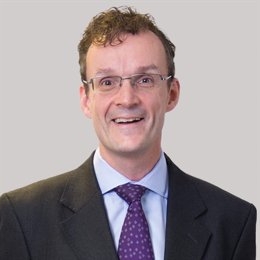
John Salmon, Partner and Head of Digital Assets and Blockchain Practice at Hogan Lovells
"The way individuals perceive the crypto industry is
inevitably influenced by their background, not just geographically, but from a
market perspective. Those with a forex background often
liken it to a currency
pair, while those with equities experience see it differently.” Hughes commented.
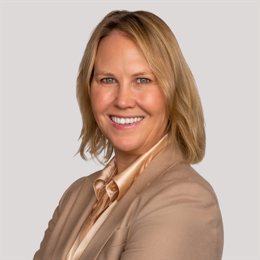
Cassandra Cox, Director of Institutional Sales at LMAX Digital
“Crypto
isn't entirely distinct; there are many similarities with the FX and equities
worlds, such as listed futures. Typically, people start by considering where to
custody their crypto, a question you should address personally, whether you
prefer owning your own wallets or hosting your infrastructure."
Salmon echoed their sentiments, emphasizing the dynamic
regulatory environment as a primary challenge for institutions considering
entry into the crypto space.
Salmon stated: "The constantly shifting regulatory
landscape and the variations across different jurisdictions pose challenges. At
large institutions, there's an appetite for digital assets broadly, although
there's also apprehension. They're concerned about compliance, regulations, and
legal implications."
The discussion then explored the realm of decentralized finance (DeFi)
and its implications for traditional financial institutions and regulators. Hughes
expressed the difficulty in navigating the DeFi space due to regulatory
concerns, emphasizing the importance of understanding and adhering to KYC/AML
regulations.
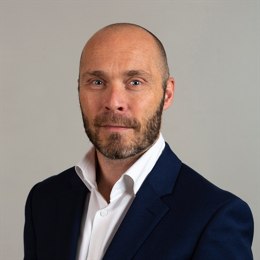
Gareth Hughes, Head of Exchange at Zodia Markets
Cox highlighted the potential of DeFi as part of the
technology solution for bringing tokenized assets into trading environments,
while Salmon underscored the challenges in defining DeFi accurately and the
importance of regulatory clarity.
Stablecoins
emerged as a pivotal growth area, particularly in facilitating cross-border
transfers of value. While acknowledging stablecoins' potential to revolutionize
global financial operations, panelists also highlighted credibility challenges
facing the cryptocurrency industry, citing instances of scandals involving
major players, like FTX
and Binance.
Regulatory clarity was deemed essential to enhance investor confidence and
mitigate risks associated with illicit activities and market manipulation.
Institutional
Adoption and Regulatory Clarity in Cryptocurrencies
The discussion underscored the critical role of
policymakers and regulators in establishing a conducive environment for
cryptocurrency development. Concerns were raised regarding the US's regulatory
approach, with skepticism expressed about the Chairman's (Gary Gensler) purported
anti-crypto sentiments and the fragmented regulatory landscape.
In contrast, European and Asian jurisdictions were praised
for clearer regulatory frameworks and proactive approaches to fostering
innovation while ensuring consumer protection.
Notably, the
approval process for spot Bitcoin exchange-traded funds (ETFs) in the US, was discussed, with panelists predicting increased institutional adoption of
cryptocurrencies in the coming year. They stressed the need for responsible
governance and compliance as the industry matures and gains wider acceptance.
While regulatory challenges persist, there is optimism for
progress and mainstream acceptance of cryptocurrencies. The panelists
emphasized the importance of clear regulatory guidance, collaborative efforts
between industry stakeholders and regulators, and the ongoing dialogue to navigate
the evolving landscape effectively.
Participate in Our Fraud Survey: Your Opinion Matters!
We
invite you to participate in our joint survey conducted by FXStreet and Finance
Magnates Group, which explores prevalent online financial fraud types,
platforms used for fraudulent activities, effectiveness of countermeasures, and
challenges faced by companies in tackling such fraud. Your valuable insights
will help inform future strategies and resource allocation in combating
financial fraud.
At the Finance Magnates London Summit 2023, industry
leaders convened for a pivotal discussion on “Bridging TradFi and Crypto: Work
in Process”, shedding light on the complexities and opportunities inherent in
integrating these two distinct spheres. Moderated by Chen Arad, the COO at Solidus
Labs, the panel delved deep into the challenges, regulatory concerns, and
transformative potential of cryptocurrencies within traditional financial
frameworks.
The panel, comprising Cassandra Cox, the Director of
Institutional Sales at LMAX Digital; Gareth Hughes, the Head of Exchange at Zodia
Markets; and John Salmon, the Partner and Head of Digital Assets and Blockchain
Practice at Hogan Lovells International, provided nuanced insights drawing from
their extensive experience in both traditional and crypto financial spheres.
Navigating
the Convergence: Crypto Assets and Traditional Finance
Cox emphasized the similarities between crypto-assets and
traditional asset classes, stressing the importance of providing clients with
alpha-generating opportunities while navigating complexities in onboarding and
custody solutions.
Cox remarked: "Crypto, akin to traditional asset
classes, offers a return structure, providing alpha sources and trading
opportunities to clients. The initial conversation mirrors that of other asset
classes. While certain aspects of crypto may complicate onboarding and the
initial journey, the industry has diligently developed tools that can be
swiftly deployed."
Hughes highlighted the critical decisions surrounding
custody solutions and market
access, underscoring the importance of reputable service providers and
understanding the nuances of crypto trading venues.
John Salmon, Partner and Head of Digital Assets and Blockchain Practice at Hogan Lovells
"The way individuals perceive the crypto industry is
inevitably influenced by their background, not just geographically, but from a
market perspective. Those with a forex background often
liken it to a currency
pair, while those with equities experience see it differently.” Hughes commented.
Cassandra Cox, Director of Institutional Sales at LMAX Digital
“Crypto
isn't entirely distinct; there are many similarities with the FX and equities
worlds, such as listed futures. Typically, people start by considering where to
custody their crypto, a question you should address personally, whether you
prefer owning your own wallets or hosting your infrastructure."
Salmon echoed their sentiments, emphasizing the dynamic
regulatory environment as a primary challenge for institutions considering
entry into the crypto space.
Salmon stated: "The constantly shifting regulatory
landscape and the variations across different jurisdictions pose challenges. At
large institutions, there's an appetite for digital assets broadly, although
there's also apprehension. They're concerned about compliance, regulations, and
legal implications."
The discussion then explored the realm of decentralized finance (DeFi)
and its implications for traditional financial institutions and regulators. Hughes
expressed the difficulty in navigating the DeFi space due to regulatory
concerns, emphasizing the importance of understanding and adhering to KYC/AML
regulations.
Gareth Hughes, Head of Exchange at Zodia Markets
Cox highlighted the potential of DeFi as part of the
technology solution for bringing tokenized assets into trading environments,
while Salmon underscored the challenges in defining DeFi accurately and the
importance of regulatory clarity.
Stablecoins
emerged as a pivotal growth area, particularly in facilitating cross-border
transfers of value. While acknowledging stablecoins' potential to revolutionize
global financial operations, panelists also highlighted credibility challenges
facing the cryptocurrency industry, citing instances of scandals involving
major players, like FTX
and Binance.
Regulatory clarity was deemed essential to enhance investor confidence and
mitigate risks associated with illicit activities and market manipulation.
Institutional
Adoption and Regulatory Clarity in Cryptocurrencies
The discussion underscored the critical role of
policymakers and regulators in establishing a conducive environment for
cryptocurrency development. Concerns were raised regarding the US's regulatory
approach, with skepticism expressed about the Chairman's (Gary Gensler) purported
anti-crypto sentiments and the fragmented regulatory landscape.
In contrast, European and Asian jurisdictions were praised
for clearer regulatory frameworks and proactive approaches to fostering
innovation while ensuring consumer protection.
Notably, the
approval process for spot Bitcoin exchange-traded funds (ETFs) in the US, was discussed, with panelists predicting increased institutional adoption of
cryptocurrencies in the coming year. They stressed the need for responsible
governance and compliance as the industry matures and gains wider acceptance.
While regulatory challenges persist, there is optimism for
progress and mainstream acceptance of cryptocurrencies. The panelists
emphasized the importance of clear regulatory guidance, collaborative efforts
between industry stakeholders and regulators, and the ongoing dialogue to navigate
the evolving landscape effectively.
Participate in Our Fraud Survey: Your Opinion Matters!
We
invite you to participate in our joint survey conducted by FXStreet and Finance
Magnates Group, which explores prevalent online financial fraud types,
platforms used for fraudulent activities, effectiveness of countermeasures, and
challenges faced by companies in tackling such fraud. Your valuable insights
will help inform future strategies and resource allocation in combating
financial fraud.
In this conversation, we sit down with Drew Niv, CSO at ATFX Connect and one of the most influential figures in modern FX.
We speak about market structure, the institutional view on liquidity, and the sharp rise of prop trading, a sector Drew has been commenting on in recent months. Drew explains why he once dismissed prop trading, why his view changed, and what he now thinks the model means for brokers, clients and risk managers.
We explore subscription-fee dependency, the high reneging rate, and the long-term challenge: how brokers can build a more stable and honest version of the model. Drew also talks about the traffic advantage standalone prop firms have built and why brokers may still win in the long run if they take the right approach.
In this conversation, we sit down with Drew Niv, CSO at ATFX Connect and one of the most influential figures in modern FX.
We speak about market structure, the institutional view on liquidity, and the sharp rise of prop trading, a sector Drew has been commenting on in recent months. Drew explains why he once dismissed prop trading, why his view changed, and what he now thinks the model means for brokers, clients and risk managers.
We explore subscription-fee dependency, the high reneging rate, and the long-term challenge: how brokers can build a more stable and honest version of the model. Drew also talks about the traffic advantage standalone prop firms have built and why brokers may still win in the long run if they take the right approach.
In this conversation, we sit down with Drew Niv, CSO at ATFX Connect and one of the most influential figures in modern FX.
We speak about market structure, the institutional view on liquidity, and the sharp rise of prop trading, a sector Drew has been commenting on in recent months. Drew explains why he once dismissed prop trading, why his view changed, and what he now thinks the model means for brokers, clients and risk managers.
We explore subscription-fee dependency, the high reneging rate, and the long-term challenge: how brokers can build a more stable and honest version of the model. Drew also talks about the traffic advantage standalone prop firms have built and why brokers may still win in the long run if they take the right approach.
In this conversation, we sit down with Drew Niv, CSO at ATFX Connect and one of the most influential figures in modern FX.
We speak about market structure, the institutional view on liquidity, and the sharp rise of prop trading, a sector Drew has been commenting on in recent months. Drew explains why he once dismissed prop trading, why his view changed, and what he now thinks the model means for brokers, clients and risk managers.
We explore subscription-fee dependency, the high reneging rate, and the long-term challenge: how brokers can build a more stable and honest version of the model. Drew also talks about the traffic advantage standalone prop firms have built and why brokers may still win in the long run if they take the right approach.
Executive Interview | Remonda Z. Kirketerp Møller| CEO & Founder Muinmos | FMLS:25
In this interview, Remonda Z. Kirketerp Møller, founder of Muinmos, breaks down the state of AI in regtech and what responsible adoption really looks like for brokers. We talk about rising fragmentation, the pressures around compliance accuracy, and why most firms are still in the early stages of AI maturity.
Ramanda also shares insights on regulator sandboxes, shifting expectations around accountability, and the current reality of MiCA licensing and passporting in Europe.
A concise look at where compliance, onboarding, and AI-driven processes are heading next.
In this interview, Remonda Z. Kirketerp Møller, founder of Muinmos, breaks down the state of AI in regtech and what responsible adoption really looks like for brokers. We talk about rising fragmentation, the pressures around compliance accuracy, and why most firms are still in the early stages of AI maturity.
Ramanda also shares insights on regulator sandboxes, shifting expectations around accountability, and the current reality of MiCA licensing and passporting in Europe.
A concise look at where compliance, onboarding, and AI-driven processes are heading next.
In this interview, Remonda Z. Kirketerp Møller, founder of Muinmos, breaks down the state of AI in regtech and what responsible adoption really looks like for brokers. We talk about rising fragmentation, the pressures around compliance accuracy, and why most firms are still in the early stages of AI maturity.
Ramanda also shares insights on regulator sandboxes, shifting expectations around accountability, and the current reality of MiCA licensing and passporting in Europe.
A concise look at where compliance, onboarding, and AI-driven processes are heading next.
In this interview, Remonda Z. Kirketerp Møller, founder of Muinmos, breaks down the state of AI in regtech and what responsible adoption really looks like for brokers. We talk about rising fragmentation, the pressures around compliance accuracy, and why most firms are still in the early stages of AI maturity.
Ramanda also shares insights on regulator sandboxes, shifting expectations around accountability, and the current reality of MiCA licensing and passporting in Europe.
A concise look at where compliance, onboarding, and AI-driven processes are heading next.
In this interview, Remonda Z. Kirketerp Møller, founder of Muinmos, breaks down the state of AI in regtech and what responsible adoption really looks like for brokers. We talk about rising fragmentation, the pressures around compliance accuracy, and why most firms are still in the early stages of AI maturity.
Ramanda also shares insights on regulator sandboxes, shifting expectations around accountability, and the current reality of MiCA licensing and passporting in Europe.
A concise look at where compliance, onboarding, and AI-driven processes are heading next.
In this interview, Remonda Z. Kirketerp Møller, founder of Muinmos, breaks down the state of AI in regtech and what responsible adoption really looks like for brokers. We talk about rising fragmentation, the pressures around compliance accuracy, and why most firms are still in the early stages of AI maturity.
Ramanda also shares insights on regulator sandboxes, shifting expectations around accountability, and the current reality of MiCA licensing and passporting in Europe.
A concise look at where compliance, onboarding, and AI-driven processes are heading next.
In this conversation, we speak with Aydin Bonabi, CEO and co-founder of Surveill, a firm focused on fraud detection and AI-driven compliance tools for financial institutions.
We start with Aydin’s view of the Summit and the challenges brokers face as fraud tactics grow more complex. He explains how firms can stay ahead through real-time signals, data patterns, and early-stage detection.
We also talk about AI training and why compliance teams often struggle to keep models accurate, fair, and aligned with regulatory expectations. Aydin breaks down what “good” AI training looks like inside a financial environment, including the importance of clean data, domain expertise, and human oversight.
He closes with a clear message: fraud is scaling, and so must the tools that stop it.
In this conversation, we speak with Aydin Bonabi, CEO and co-founder of Surveill, a firm focused on fraud detection and AI-driven compliance tools for financial institutions.
We start with Aydin’s view of the Summit and the challenges brokers face as fraud tactics grow more complex. He explains how firms can stay ahead through real-time signals, data patterns, and early-stage detection.
We also talk about AI training and why compliance teams often struggle to keep models accurate, fair, and aligned with regulatory expectations. Aydin breaks down what “good” AI training looks like inside a financial environment, including the importance of clean data, domain expertise, and human oversight.
He closes with a clear message: fraud is scaling, and so must the tools that stop it.
In this conversation, we speak with Aydin Bonabi, CEO and co-founder of Surveill, a firm focused on fraud detection and AI-driven compliance tools for financial institutions.
We start with Aydin’s view of the Summit and the challenges brokers face as fraud tactics grow more complex. He explains how firms can stay ahead through real-time signals, data patterns, and early-stage detection.
We also talk about AI training and why compliance teams often struggle to keep models accurate, fair, and aligned with regulatory expectations. Aydin breaks down what “good” AI training looks like inside a financial environment, including the importance of clean data, domain expertise, and human oversight.
He closes with a clear message: fraud is scaling, and so must the tools that stop it.
In this conversation, we speak with Aydin Bonabi, CEO and co-founder of Surveill, a firm focused on fraud detection and AI-driven compliance tools for financial institutions.
We start with Aydin’s view of the Summit and the challenges brokers face as fraud tactics grow more complex. He explains how firms can stay ahead through real-time signals, data patterns, and early-stage detection.
We also talk about AI training and why compliance teams often struggle to keep models accurate, fair, and aligned with regulatory expectations. Aydin breaks down what “good” AI training looks like inside a financial environment, including the importance of clean data, domain expertise, and human oversight.
He closes with a clear message: fraud is scaling, and so must the tools that stop it.
In this conversation, we speak with Aydin Bonabi, CEO and co-founder of Surveill, a firm focused on fraud detection and AI-driven compliance tools for financial institutions.
We start with Aydin’s view of the Summit and the challenges brokers face as fraud tactics grow more complex. He explains how firms can stay ahead through real-time signals, data patterns, and early-stage detection.
We also talk about AI training and why compliance teams often struggle to keep models accurate, fair, and aligned with regulatory expectations. Aydin breaks down what “good” AI training looks like inside a financial environment, including the importance of clean data, domain expertise, and human oversight.
He closes with a clear message: fraud is scaling, and so must the tools that stop it.
In this conversation, we speak with Aydin Bonabi, CEO and co-founder of Surveill, a firm focused on fraud detection and AI-driven compliance tools for financial institutions.
We start with Aydin’s view of the Summit and the challenges brokers face as fraud tactics grow more complex. He explains how firms can stay ahead through real-time signals, data patterns, and early-stage detection.
We also talk about AI training and why compliance teams often struggle to keep models accurate, fair, and aligned with regulatory expectations. Aydin breaks down what “good” AI training looks like inside a financial environment, including the importance of clean data, domain expertise, and human oversight.
He closes with a clear message: fraud is scaling, and so must the tools that stop it.
Exness expands its presence in Africa: Inside our interview with Paul Margarites in Cape Town
Finance Magnates met with Paul Margarites, Exness regional commercial director for Sub-Saharan Africa, during a visit to the firm’s office opening in Cape Town. In this talk, led by Andrea Badiola Mateos, Co-CEO at Finance Magnates, Paul shares views on the South African trading space, local user behavior, mobile trends, regulation, team growth, and how Exness plans to grow in more markets across the region. @Exness
Read the article at: https://www.financemagnates.com/thought-leadership/exness-expands-its-presence-in-africa-inside-our-interview-with-paul-margarites/
#exness #financemagnates #exnesstrading #CFDtrading #tradeonline #africanews #capetown
Finance Magnates met with Paul Margarites, Exness regional commercial director for Sub-Saharan Africa, during a visit to the firm’s office opening in Cape Town. In this talk, led by Andrea Badiola Mateos, Co-CEO at Finance Magnates, Paul shares views on the South African trading space, local user behavior, mobile trends, regulation, team growth, and how Exness plans to grow in more markets across the region. @Exness
Read the article at: https://www.financemagnates.com/thought-leadership/exness-expands-its-presence-in-africa-inside-our-interview-with-paul-margarites/
#exness #financemagnates #exnesstrading #CFDtrading #tradeonline #africanews #capetown
Finance Magnates met with Paul Margarites, Exness regional commercial director for Sub-Saharan Africa, during a visit to the firm’s office opening in Cape Town. In this talk, led by Andrea Badiola Mateos, Co-CEO at Finance Magnates, Paul shares views on the South African trading space, local user behavior, mobile trends, regulation, team growth, and how Exness plans to grow in more markets across the region. @Exness
Read the article at: https://www.financemagnates.com/thought-leadership/exness-expands-its-presence-in-africa-inside-our-interview-with-paul-margarites/
#exness #financemagnates #exnesstrading #CFDtrading #tradeonline #africanews #capetown
Finance Magnates met with Paul Margarites, Exness regional commercial director for Sub-Saharan Africa, during a visit to the firm’s office opening in Cape Town. In this talk, led by Andrea Badiola Mateos, Co-CEO at Finance Magnates, Paul shares views on the South African trading space, local user behavior, mobile trends, regulation, team growth, and how Exness plans to grow in more markets across the region. @Exness
Read the article at: https://www.financemagnates.com/thought-leadership/exness-expands-its-presence-in-africa-inside-our-interview-with-paul-margarites/
#exness #financemagnates #exnesstrading #CFDtrading #tradeonline #africanews #capetown
Finance Magnates met with Paul Margarites, Exness regional commercial director for Sub-Saharan Africa, during a visit to the firm’s office opening in Cape Town. In this talk, led by Andrea Badiola Mateos, Co-CEO at Finance Magnates, Paul shares views on the South African trading space, local user behavior, mobile trends, regulation, team growth, and how Exness plans to grow in more markets across the region. @Exness
Read the article at: https://www.financemagnates.com/thought-leadership/exness-expands-its-presence-in-africa-inside-our-interview-with-paul-margarites/
#exness #financemagnates #exnesstrading #CFDtrading #tradeonline #africanews #capetown
Finance Magnates met with Paul Margarites, Exness regional commercial director for Sub-Saharan Africa, during a visit to the firm’s office opening in Cape Town. In this talk, led by Andrea Badiola Mateos, Co-CEO at Finance Magnates, Paul shares views on the South African trading space, local user behavior, mobile trends, regulation, team growth, and how Exness plans to grow in more markets across the region. @Exness
Read the article at: https://www.financemagnates.com/thought-leadership/exness-expands-its-presence-in-africa-inside-our-interview-with-paul-margarites/
#exness #financemagnates #exnesstrading #CFDtrading #tradeonline #africanews #capetown
Executive Interview | Jas Shah | FMLS:25
Interview with Jas Shah
Builder | Adviser | Fintech Writer | Product Strategist
In this episode, Jonathan Fine sat down with Jas Shah, one of the most thoughtful voices in global fintech. Known for his work across advisory, product, stablecoins, and his widely read writing, Jas brings a rare combination of industry insight and plain-spoken clarity.
We talk about his first impression of the Summit, the projects that keep him busy today, and how they connect to the stablecoin panel he joined. Jas shares his view on the link between fintech, wealthtech and retail brokers, especially as firms like Revolut, eToro and Trading212 blur long-standing lines in the market.
We also explore what stablecoin adoption might look like for retail investment platforms, including a few product and UX angles that are not obvious at first glance.
To close, Jas explains how he thinks about writing, and how he approaches “shipping” pieces that spark debate across the industry.
Interview with Jas Shah
Builder | Adviser | Fintech Writer | Product Strategist
In this episode, Jonathan Fine sat down with Jas Shah, one of the most thoughtful voices in global fintech. Known for his work across advisory, product, stablecoins, and his widely read writing, Jas brings a rare combination of industry insight and plain-spoken clarity.
We talk about his first impression of the Summit, the projects that keep him busy today, and how they connect to the stablecoin panel he joined. Jas shares his view on the link between fintech, wealthtech and retail brokers, especially as firms like Revolut, eToro and Trading212 blur long-standing lines in the market.
We also explore what stablecoin adoption might look like for retail investment platforms, including a few product and UX angles that are not obvious at first glance.
To close, Jas explains how he thinks about writing, and how he approaches “shipping” pieces that spark debate across the industry.
Interview with Jas Shah
Builder | Adviser | Fintech Writer | Product Strategist
In this episode, Jonathan Fine sat down with Jas Shah, one of the most thoughtful voices in global fintech. Known for his work across advisory, product, stablecoins, and his widely read writing, Jas brings a rare combination of industry insight and plain-spoken clarity.
We talk about his first impression of the Summit, the projects that keep him busy today, and how they connect to the stablecoin panel he joined. Jas shares his view on the link between fintech, wealthtech and retail brokers, especially as firms like Revolut, eToro and Trading212 blur long-standing lines in the market.
We also explore what stablecoin adoption might look like for retail investment platforms, including a few product and UX angles that are not obvious at first glance.
To close, Jas explains how he thinks about writing, and how he approaches “shipping” pieces that spark debate across the industry.
Interview with Jas Shah
Builder | Adviser | Fintech Writer | Product Strategist
In this episode, Jonathan Fine sat down with Jas Shah, one of the most thoughtful voices in global fintech. Known for his work across advisory, product, stablecoins, and his widely read writing, Jas brings a rare combination of industry insight and plain-spoken clarity.
We talk about his first impression of the Summit, the projects that keep him busy today, and how they connect to the stablecoin panel he joined. Jas shares his view on the link between fintech, wealthtech and retail brokers, especially as firms like Revolut, eToro and Trading212 blur long-standing lines in the market.
We also explore what stablecoin adoption might look like for retail investment platforms, including a few product and UX angles that are not obvious at first glance.
To close, Jas explains how he thinks about writing, and how he approaches “shipping” pieces that spark debate across the industry.
Interview with Jas Shah
Builder | Adviser | Fintech Writer | Product Strategist
In this episode, Jonathan Fine sat down with Jas Shah, one of the most thoughtful voices in global fintech. Known for his work across advisory, product, stablecoins, and his widely read writing, Jas brings a rare combination of industry insight and plain-spoken clarity.
We talk about his first impression of the Summit, the projects that keep him busy today, and how they connect to the stablecoin panel he joined. Jas shares his view on the link between fintech, wealthtech and retail brokers, especially as firms like Revolut, eToro and Trading212 blur long-standing lines in the market.
We also explore what stablecoin adoption might look like for retail investment platforms, including a few product and UX angles that are not obvious at first glance.
To close, Jas explains how he thinks about writing, and how he approaches “shipping” pieces that spark debate across the industry.
Interview with Jas Shah
Builder | Adviser | Fintech Writer | Product Strategist
In this episode, Jonathan Fine sat down with Jas Shah, one of the most thoughtful voices in global fintech. Known for his work across advisory, product, stablecoins, and his widely read writing, Jas brings a rare combination of industry insight and plain-spoken clarity.
We talk about his first impression of the Summit, the projects that keep him busy today, and how they connect to the stablecoin panel he joined. Jas shares his view on the link between fintech, wealthtech and retail brokers, especially as firms like Revolut, eToro and Trading212 blur long-standing lines in the market.
We also explore what stablecoin adoption might look like for retail investment platforms, including a few product and UX angles that are not obvious at first glance.
To close, Jas explains how he thinks about writing, and how he approaches “shipping” pieces that spark debate across the industry.