Recently, five BTC mining companies released their quarterly results.
All reported significant net losses, with only Hut 8 achieving a modest profit.
The third
quarter of 2024 unveiled a tale of strategic divergence between two of Wall
Street’s Bitcoin Miners, as Hut 8 Corp. (NASDAQ: HUT) and Bitfarms Ltd (NASDAQ:
BITF) navigated through challenging market conditions with notably different
approaches and outcomes.
This fits
well into the broader picture of an industry that, despite rising revenues,
could not achieve profitability in the past quarter.
Two Bitcoin Miners from
Wall Street Chart Divergent Paths in Q3 2024
While both
companies demonstrated resilience in a post-halving environment, their
financial results and strategic initiatives painted contrasting pictures of how
to succeed in the evolving digital asset mining landscape.
Their
energy costs showed rising efficiency, dropping 33% year-over-year to $28.83
per MWh, while maintaining a competitive mining cost of $31,482 per Bitcoin.

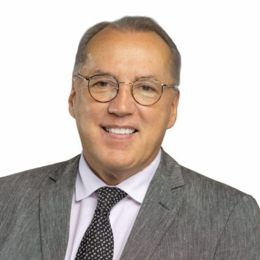
Asher Genoot, CEO of Hut 8, Source: LinkedIn
“As of
October 31, 2024, our development pipeline exceeds 5 gigawatts, with more than
1.5 gigawatts under exclusivity,” commented Asher Genoot, CEO of Hut 8. “Three
projects from this pipeline are particularly promising for large-scale AI data
center projects. Collectively, they represent over 430 megawatts of capacity,
with power delivery expected to be available before the end of 2025.”
In
contrast, Bitfarms generated slightly higher revenue at $45 million but
recorded a substantial net loss of $37 million. The company's aggressive
expansion strategy and fleet upgrade program, while promising for future
growth, resulted in higher operational costs with their total cost of
production per Bitcoin rising to $52,400 in Q3 from $47,300 in the previous
quarter.
“As
previously communicated, 2024 has been a transformative year for Bitfarms,”
stated Bitfarms’ CEO Ben Gagnon. “Year-to-date, we’ve refreshed nearly our
entire fleet of miners, significantly improving our mining economics, acquired
one new site and entered agreements to acquire two additional new sites in the
U.S.,
Both
companies maintain robust balance sheets, though with different approaches to
treasury management. Hut 8's holdings of 9,106 Bitcoin valued at $576.5
million, combined with $72.9 million in cash, represent a significant war
chest. Bitfarms maintains a more conservative position with 1,147 Bitcoin ($73
million) and an equivalent amount in cash, reflecting a different risk
management strategy.
Top Wall Street Bitcoin
Miners Cannot Stay Profitable
It seems
that so far, only Hut 8 has managed to reach modest profitability, while the
remaining companies are in the red. MARA, the largest public Bitcoin miner by
market capitalization, recorded a significant net loss of $124.8 million in Q3
2024, despite generating $131.6 million in revenue. The company’s operational
expenses rose by $40 million over the quarter, overshadowing its 34.5%
year-over-year revenue growth.
HIVE showed
a pre-tax net loss of $7.3 million, an improvement from the $22.9 million loss
reported in the prior year. The company generated $22.6 million in revenue,
with a substantial portion driven by its diversified high-performance computing
services.
“As Bitcoin
reaches new all-time highs, HIVE is positioned to capitalize on the momentum
for green energy and digital assets worldwide,” commented Frank Holmes, HIVE’s
Executive Chairman. “With recent regulatory developments following the U.S.
election, the environment for digital assets and Bitcoin mining is more
favorable than ever.”
Despite
higher production reported by the largest publicly listed miners in Q3 and
October, overall mining revenues declined for the fourth consecutive month. The
gross profit from daily block rewards fell by 2%, hitting its lowest point in
recent records. Miners earned an average of $41,800 per exahash per second
(EH/s) from daily block rewards, marking a 1% drop compared to September.
The third
quarter of 2024 unveiled a tale of strategic divergence between two of Wall
Street’s Bitcoin Miners, as Hut 8 Corp. (NASDAQ: HUT) and Bitfarms Ltd (NASDAQ:
BITF) navigated through challenging market conditions with notably different
approaches and outcomes.
This fits
well into the broader picture of an industry that, despite rising revenues,
could not achieve profitability in the past quarter.
Two Bitcoin Miners from
Wall Street Chart Divergent Paths in Q3 2024
While both
companies demonstrated resilience in a post-halving environment, their
financial results and strategic initiatives painted contrasting pictures of how
to succeed in the evolving digital asset mining landscape.
Their
energy costs showed rising efficiency, dropping 33% year-over-year to $28.83
per MWh, while maintaining a competitive mining cost of $31,482 per Bitcoin.
Asher Genoot, CEO of Hut 8, Source: LinkedIn
“As of
October 31, 2024, our development pipeline exceeds 5 gigawatts, with more than
1.5 gigawatts under exclusivity,” commented Asher Genoot, CEO of Hut 8. “Three
projects from this pipeline are particularly promising for large-scale AI data
center projects. Collectively, they represent over 430 megawatts of capacity,
with power delivery expected to be available before the end of 2025.”
In
contrast, Bitfarms generated slightly higher revenue at $45 million but
recorded a substantial net loss of $37 million. The company's aggressive
expansion strategy and fleet upgrade program, while promising for future
growth, resulted in higher operational costs with their total cost of
production per Bitcoin rising to $52,400 in Q3 from $47,300 in the previous
quarter.
“As
previously communicated, 2024 has been a transformative year for Bitfarms,”
stated Bitfarms’ CEO Ben Gagnon. “Year-to-date, we’ve refreshed nearly our
entire fleet of miners, significantly improving our mining economics, acquired
one new site and entered agreements to acquire two additional new sites in the
U.S.,
Both
companies maintain robust balance sheets, though with different approaches to
treasury management. Hut 8's holdings of 9,106 Bitcoin valued at $576.5
million, combined with $72.9 million in cash, represent a significant war
chest. Bitfarms maintains a more conservative position with 1,147 Bitcoin ($73
million) and an equivalent amount in cash, reflecting a different risk
management strategy.
Top Wall Street Bitcoin
Miners Cannot Stay Profitable
It seems
that so far, only Hut 8 has managed to reach modest profitability, while the
remaining companies are in the red. MARA, the largest public Bitcoin miner by
market capitalization, recorded a significant net loss of $124.8 million in Q3
2024, despite generating $131.6 million in revenue. The company’s operational
expenses rose by $40 million over the quarter, overshadowing its 34.5%
year-over-year revenue growth.
HIVE showed
a pre-tax net loss of $7.3 million, an improvement from the $22.9 million loss
reported in the prior year. The company generated $22.6 million in revenue,
with a substantial portion driven by its diversified high-performance computing
services.
“As Bitcoin
reaches new all-time highs, HIVE is positioned to capitalize on the momentum
for green energy and digital assets worldwide,” commented Frank Holmes, HIVE’s
Executive Chairman. “With recent regulatory developments following the U.S.
election, the environment for digital assets and Bitcoin mining is more
favorable than ever.”
Despite
higher production reported by the largest publicly listed miners in Q3 and
October, overall mining revenues declined for the fourth consecutive month. The
gross profit from daily block rewards fell by 2%, hitting its lowest point in
recent records. Miners earned an average of $41,800 per exahash per second
(EH/s) from daily block rewards, marking a 1% drop compared to September.
Damian's adventure with financial markets began at the Cracow University of Economics, where he obtained his MA in finance and accounting. Starting from the retail trader perspective, he collaborated with brokerage houses and financial portals in Poland as an independent editor and content manager. His adventure with Finance Magnates began in 2016, where he is working as a business intelligence analyst.
From Chat to Stock: xStocks Puts Tokenized U.S. Equities Inside TON Wallet on Telegram
Featured Videos
Executive Interview | Charlotte Bullock | Chief Product Officer, Bank of London | FMLS:25
In this interview, we sat down with Charlotte Bullock, Head of Product at The Bank of London, previously at SAP and now shaping product at one of the sector’s most ambitious new banking players.
Charlotte reflects on the Summit so far and talks about the culture inside fintech banks today. We look at the pressures that come with scaling, and how firms can hold onto the nimble approach that made them stand out early on.
We also cover the state of payments ahead of her appearance on the payments roundtable: the blockages financial firms face, the areas that still need fixing, and what a realistic solution looks like in 2026.
In this interview, we sat down with Charlotte Bullock, Head of Product at The Bank of London, previously at SAP and now shaping product at one of the sector’s most ambitious new banking players.
Charlotte reflects on the Summit so far and talks about the culture inside fintech banks today. We look at the pressures that come with scaling, and how firms can hold onto the nimble approach that made them stand out early on.
We also cover the state of payments ahead of her appearance on the payments roundtable: the blockages financial firms face, the areas that still need fixing, and what a realistic solution looks like in 2026.
In this interview, we sat down with Charlotte Bullock, Head of Product at The Bank of London, previously at SAP and now shaping product at one of the sector’s most ambitious new banking players.
Charlotte reflects on the Summit so far and talks about the culture inside fintech banks today. We look at the pressures that come with scaling, and how firms can hold onto the nimble approach that made them stand out early on.
We also cover the state of payments ahead of her appearance on the payments roundtable: the blockages financial firms face, the areas that still need fixing, and what a realistic solution looks like in 2026.
In this interview, we sat down with Charlotte Bullock, Head of Product at The Bank of London, previously at SAP and now shaping product at one of the sector’s most ambitious new banking players.
Charlotte reflects on the Summit so far and talks about the culture inside fintech banks today. We look at the pressures that come with scaling, and how firms can hold onto the nimble approach that made them stand out early on.
We also cover the state of payments ahead of her appearance on the payments roundtable: the blockages financial firms face, the areas that still need fixing, and what a realistic solution looks like in 2026.
In this conversation, we sit down with Drew Niv, CSO at ATFX Connect and one of the most influential figures in modern FX.
We speak about market structure, the institutional view on liquidity, and the sharp rise of prop trading, a sector Drew has been commenting on in recent months. Drew explains why he once dismissed prop trading, why his view changed, and what he now thinks the model means for brokers, clients and risk managers.
We explore subscription-fee dependency, the high reneging rate, and the long-term challenge: how brokers can build a more stable and honest version of the model. Drew also talks about the traffic advantage standalone prop firms have built and why brokers may still win in the long run if they take the right approach.
In this conversation, we sit down with Drew Niv, CSO at ATFX Connect and one of the most influential figures in modern FX.
We speak about market structure, the institutional view on liquidity, and the sharp rise of prop trading, a sector Drew has been commenting on in recent months. Drew explains why he once dismissed prop trading, why his view changed, and what he now thinks the model means for brokers, clients and risk managers.
We explore subscription-fee dependency, the high reneging rate, and the long-term challenge: how brokers can build a more stable and honest version of the model. Drew also talks about the traffic advantage standalone prop firms have built and why brokers may still win in the long run if they take the right approach.
In this conversation, we sit down with Drew Niv, CSO at ATFX Connect and one of the most influential figures in modern FX.
We speak about market structure, the institutional view on liquidity, and the sharp rise of prop trading, a sector Drew has been commenting on in recent months. Drew explains why he once dismissed prop trading, why his view changed, and what he now thinks the model means for brokers, clients and risk managers.
We explore subscription-fee dependency, the high reneging rate, and the long-term challenge: how brokers can build a more stable and honest version of the model. Drew also talks about the traffic advantage standalone prop firms have built and why brokers may still win in the long run if they take the right approach.
In this conversation, we sit down with Drew Niv, CSO at ATFX Connect and one of the most influential figures in modern FX.
We speak about market structure, the institutional view on liquidity, and the sharp rise of prop trading, a sector Drew has been commenting on in recent months. Drew explains why he once dismissed prop trading, why his view changed, and what he now thinks the model means for brokers, clients and risk managers.
We explore subscription-fee dependency, the high reneging rate, and the long-term challenge: how brokers can build a more stable and honest version of the model. Drew also talks about the traffic advantage standalone prop firms have built and why brokers may still win in the long run if they take the right approach.
In this conversation, we sit down with Drew Niv, CSO at ATFX Connect and one of the most influential figures in modern FX.
We speak about market structure, the institutional view on liquidity, and the sharp rise of prop trading, a sector Drew has been commenting on in recent months. Drew explains why he once dismissed prop trading, why his view changed, and what he now thinks the model means for brokers, clients and risk managers.
We explore subscription-fee dependency, the high reneging rate, and the long-term challenge: how brokers can build a more stable and honest version of the model. Drew also talks about the traffic advantage standalone prop firms have built and why brokers may still win in the long run if they take the right approach.
In this conversation, we sit down with Drew Niv, CSO at ATFX Connect and one of the most influential figures in modern FX.
We speak about market structure, the institutional view on liquidity, and the sharp rise of prop trading, a sector Drew has been commenting on in recent months. Drew explains why he once dismissed prop trading, why his view changed, and what he now thinks the model means for brokers, clients and risk managers.
We explore subscription-fee dependency, the high reneging rate, and the long-term challenge: how brokers can build a more stable and honest version of the model. Drew also talks about the traffic advantage standalone prop firms have built and why brokers may still win in the long run if they take the right approach.
Executive Interview | Remonda Z. Kirketerp Møller| CEO & Founder Muinmos | FMLS:25
In this interview, Remonda Z. Kirketerp Møller, founder of Muinmos, breaks down the state of AI in regtech and what responsible adoption really looks like for brokers. We talk about rising fragmentation, the pressures around compliance accuracy, and why most firms are still in the early stages of AI maturity.
Ramanda also shares insights on regulator sandboxes, shifting expectations around accountability, and the current reality of MiCA licensing and passporting in Europe.
A concise look at where compliance, onboarding, and AI-driven processes are heading next.
In this interview, Remonda Z. Kirketerp Møller, founder of Muinmos, breaks down the state of AI in regtech and what responsible adoption really looks like for brokers. We talk about rising fragmentation, the pressures around compliance accuracy, and why most firms are still in the early stages of AI maturity.
Ramanda also shares insights on regulator sandboxes, shifting expectations around accountability, and the current reality of MiCA licensing and passporting in Europe.
A concise look at where compliance, onboarding, and AI-driven processes are heading next.
In this interview, Remonda Z. Kirketerp Møller, founder of Muinmos, breaks down the state of AI in regtech and what responsible adoption really looks like for brokers. We talk about rising fragmentation, the pressures around compliance accuracy, and why most firms are still in the early stages of AI maturity.
Ramanda also shares insights on regulator sandboxes, shifting expectations around accountability, and the current reality of MiCA licensing and passporting in Europe.
A concise look at where compliance, onboarding, and AI-driven processes are heading next.
In this interview, Remonda Z. Kirketerp Møller, founder of Muinmos, breaks down the state of AI in regtech and what responsible adoption really looks like for brokers. We talk about rising fragmentation, the pressures around compliance accuracy, and why most firms are still in the early stages of AI maturity.
Ramanda also shares insights on regulator sandboxes, shifting expectations around accountability, and the current reality of MiCA licensing and passporting in Europe.
A concise look at where compliance, onboarding, and AI-driven processes are heading next.
In this interview, Remonda Z. Kirketerp Møller, founder of Muinmos, breaks down the state of AI in regtech and what responsible adoption really looks like for brokers. We talk about rising fragmentation, the pressures around compliance accuracy, and why most firms are still in the early stages of AI maturity.
Ramanda also shares insights on regulator sandboxes, shifting expectations around accountability, and the current reality of MiCA licensing and passporting in Europe.
A concise look at where compliance, onboarding, and AI-driven processes are heading next.
In this interview, Remonda Z. Kirketerp Møller, founder of Muinmos, breaks down the state of AI in regtech and what responsible adoption really looks like for brokers. We talk about rising fragmentation, the pressures around compliance accuracy, and why most firms are still in the early stages of AI maturity.
Ramanda also shares insights on regulator sandboxes, shifting expectations around accountability, and the current reality of MiCA licensing and passporting in Europe.
A concise look at where compliance, onboarding, and AI-driven processes are heading next.
In this conversation, we speak with Aydin Bonabi, CEO and co-founder of Surveill, a firm focused on fraud detection and AI-driven compliance tools for financial institutions.
We start with Aydin’s view of the Summit and the challenges brokers face as fraud tactics grow more complex. He explains how firms can stay ahead through real-time signals, data patterns, and early-stage detection.
We also talk about AI training and why compliance teams often struggle to keep models accurate, fair, and aligned with regulatory expectations. Aydin breaks down what “good” AI training looks like inside a financial environment, including the importance of clean data, domain expertise, and human oversight.
He closes with a clear message: fraud is scaling, and so must the tools that stop it.
In this conversation, we speak with Aydin Bonabi, CEO and co-founder of Surveill, a firm focused on fraud detection and AI-driven compliance tools for financial institutions.
We start with Aydin’s view of the Summit and the challenges brokers face as fraud tactics grow more complex. He explains how firms can stay ahead through real-time signals, data patterns, and early-stage detection.
We also talk about AI training and why compliance teams often struggle to keep models accurate, fair, and aligned with regulatory expectations. Aydin breaks down what “good” AI training looks like inside a financial environment, including the importance of clean data, domain expertise, and human oversight.
He closes with a clear message: fraud is scaling, and so must the tools that stop it.
In this conversation, we speak with Aydin Bonabi, CEO and co-founder of Surveill, a firm focused on fraud detection and AI-driven compliance tools for financial institutions.
We start with Aydin’s view of the Summit and the challenges brokers face as fraud tactics grow more complex. He explains how firms can stay ahead through real-time signals, data patterns, and early-stage detection.
We also talk about AI training and why compliance teams often struggle to keep models accurate, fair, and aligned with regulatory expectations. Aydin breaks down what “good” AI training looks like inside a financial environment, including the importance of clean data, domain expertise, and human oversight.
He closes with a clear message: fraud is scaling, and so must the tools that stop it.
In this conversation, we speak with Aydin Bonabi, CEO and co-founder of Surveill, a firm focused on fraud detection and AI-driven compliance tools for financial institutions.
We start with Aydin’s view of the Summit and the challenges brokers face as fraud tactics grow more complex. He explains how firms can stay ahead through real-time signals, data patterns, and early-stage detection.
We also talk about AI training and why compliance teams often struggle to keep models accurate, fair, and aligned with regulatory expectations. Aydin breaks down what “good” AI training looks like inside a financial environment, including the importance of clean data, domain expertise, and human oversight.
He closes with a clear message: fraud is scaling, and so must the tools that stop it.
In this conversation, we speak with Aydin Bonabi, CEO and co-founder of Surveill, a firm focused on fraud detection and AI-driven compliance tools for financial institutions.
We start with Aydin’s view of the Summit and the challenges brokers face as fraud tactics grow more complex. He explains how firms can stay ahead through real-time signals, data patterns, and early-stage detection.
We also talk about AI training and why compliance teams often struggle to keep models accurate, fair, and aligned with regulatory expectations. Aydin breaks down what “good” AI training looks like inside a financial environment, including the importance of clean data, domain expertise, and human oversight.
He closes with a clear message: fraud is scaling, and so must the tools that stop it.
In this conversation, we speak with Aydin Bonabi, CEO and co-founder of Surveill, a firm focused on fraud detection and AI-driven compliance tools for financial institutions.
We start with Aydin’s view of the Summit and the challenges brokers face as fraud tactics grow more complex. He explains how firms can stay ahead through real-time signals, data patterns, and early-stage detection.
We also talk about AI training and why compliance teams often struggle to keep models accurate, fair, and aligned with regulatory expectations. Aydin breaks down what “good” AI training looks like inside a financial environment, including the importance of clean data, domain expertise, and human oversight.
He closes with a clear message: fraud is scaling, and so must the tools that stop it.
Exness expands its presence in Africa: Inside our interview with Paul Margarites in Cape Town
Finance Magnates met with Paul Margarites, Exness regional commercial director for Sub-Saharan Africa, during a visit to the firm’s office opening in Cape Town. In this talk, led by Andrea Badiola Mateos, Co-CEO at Finance Magnates, Paul shares views on the South African trading space, local user behavior, mobile trends, regulation, team growth, and how Exness plans to grow in more markets across the region. @Exness
Read the article at: https://www.financemagnates.com/thought-leadership/exness-expands-its-presence-in-africa-inside-our-interview-with-paul-margarites/
#exness #financemagnates #exnesstrading #CFDtrading #tradeonline #africanews #capetown
Finance Magnates met with Paul Margarites, Exness regional commercial director for Sub-Saharan Africa, during a visit to the firm’s office opening in Cape Town. In this talk, led by Andrea Badiola Mateos, Co-CEO at Finance Magnates, Paul shares views on the South African trading space, local user behavior, mobile trends, regulation, team growth, and how Exness plans to grow in more markets across the region. @Exness
Read the article at: https://www.financemagnates.com/thought-leadership/exness-expands-its-presence-in-africa-inside-our-interview-with-paul-margarites/
#exness #financemagnates #exnesstrading #CFDtrading #tradeonline #africanews #capetown
Finance Magnates met with Paul Margarites, Exness regional commercial director for Sub-Saharan Africa, during a visit to the firm’s office opening in Cape Town. In this talk, led by Andrea Badiola Mateos, Co-CEO at Finance Magnates, Paul shares views on the South African trading space, local user behavior, mobile trends, regulation, team growth, and how Exness plans to grow in more markets across the region. @Exness
Read the article at: https://www.financemagnates.com/thought-leadership/exness-expands-its-presence-in-africa-inside-our-interview-with-paul-margarites/
#exness #financemagnates #exnesstrading #CFDtrading #tradeonline #africanews #capetown
Finance Magnates met with Paul Margarites, Exness regional commercial director for Sub-Saharan Africa, during a visit to the firm’s office opening in Cape Town. In this talk, led by Andrea Badiola Mateos, Co-CEO at Finance Magnates, Paul shares views on the South African trading space, local user behavior, mobile trends, regulation, team growth, and how Exness plans to grow in more markets across the region. @Exness
Read the article at: https://www.financemagnates.com/thought-leadership/exness-expands-its-presence-in-africa-inside-our-interview-with-paul-margarites/
#exness #financemagnates #exnesstrading #CFDtrading #tradeonline #africanews #capetown
Finance Magnates met with Paul Margarites, Exness regional commercial director for Sub-Saharan Africa, during a visit to the firm’s office opening in Cape Town. In this talk, led by Andrea Badiola Mateos, Co-CEO at Finance Magnates, Paul shares views on the South African trading space, local user behavior, mobile trends, regulation, team growth, and how Exness plans to grow in more markets across the region. @Exness
Read the article at: https://www.financemagnates.com/thought-leadership/exness-expands-its-presence-in-africa-inside-our-interview-with-paul-margarites/
#exness #financemagnates #exnesstrading #CFDtrading #tradeonline #africanews #capetown
Finance Magnates met with Paul Margarites, Exness regional commercial director for Sub-Saharan Africa, during a visit to the firm’s office opening in Cape Town. In this talk, led by Andrea Badiola Mateos, Co-CEO at Finance Magnates, Paul shares views on the South African trading space, local user behavior, mobile trends, regulation, team growth, and how Exness plans to grow in more markets across the region. @Exness
Read the article at: https://www.financemagnates.com/thought-leadership/exness-expands-its-presence-in-africa-inside-our-interview-with-paul-margarites/
#exness #financemagnates #exnesstrading #CFDtrading #tradeonline #africanews #capetown