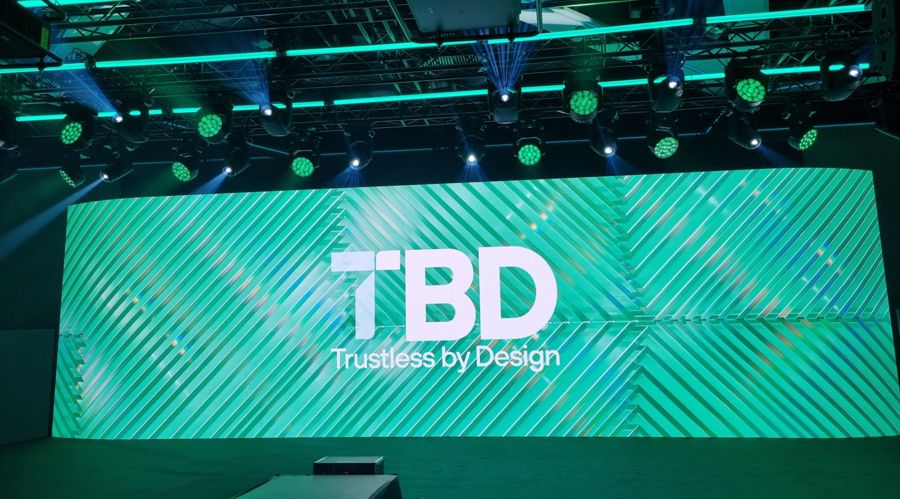
On October 21, Trezor unveiled its latest hardware wallet at a special conference in the Czech Republic's capital.
I had the chance to be one of the first to hold the new Trezor in my hands. Here’s what I found out.
Check out what the Trezor 7 presentation event looked like
Last week,
I attended the Trezor Safe 7 launch event in Prague, and what struck me most
was not only the product reveal, but also the city itself. Around 300 guests
from exchanges, wallet providers, influencers, and Web3 startups packed into
the venue on October 21. We were welcomed by a robotic laser show, followed by
CEO Matěj Žák taking the stage.
He
presented what the company calls their most significant hardware wallet in over
a decade. The Safe 7 comes with a 2.5-inch color touchscreen (62% larger than
the previous model), anodized aluminum body, and full wireless capabilities
including Bluetooth 5.1 and Qi2 magnetic charging. At $249, it's positioned as
a premium device, significantly more expensive than competitors like Ledger's
offerings.
A defining moment for the entire industry!
Trezor Safe 7 was built for you—with unprecedented security, transparency, and convenience. Every component, every line of code, every decision made with your freedom in mind.
You can
read more about the product itself here. Below, I would like to focus on five
things I learned from attending this event in the heart of the Old Continent.
1. Prague Really Is
Europe's Crypto Hub
Before
arriving, I knew Prague had a crypto scene. After spending time there, I
understand why people call it Europe's crypto capital. The numbers tell part of
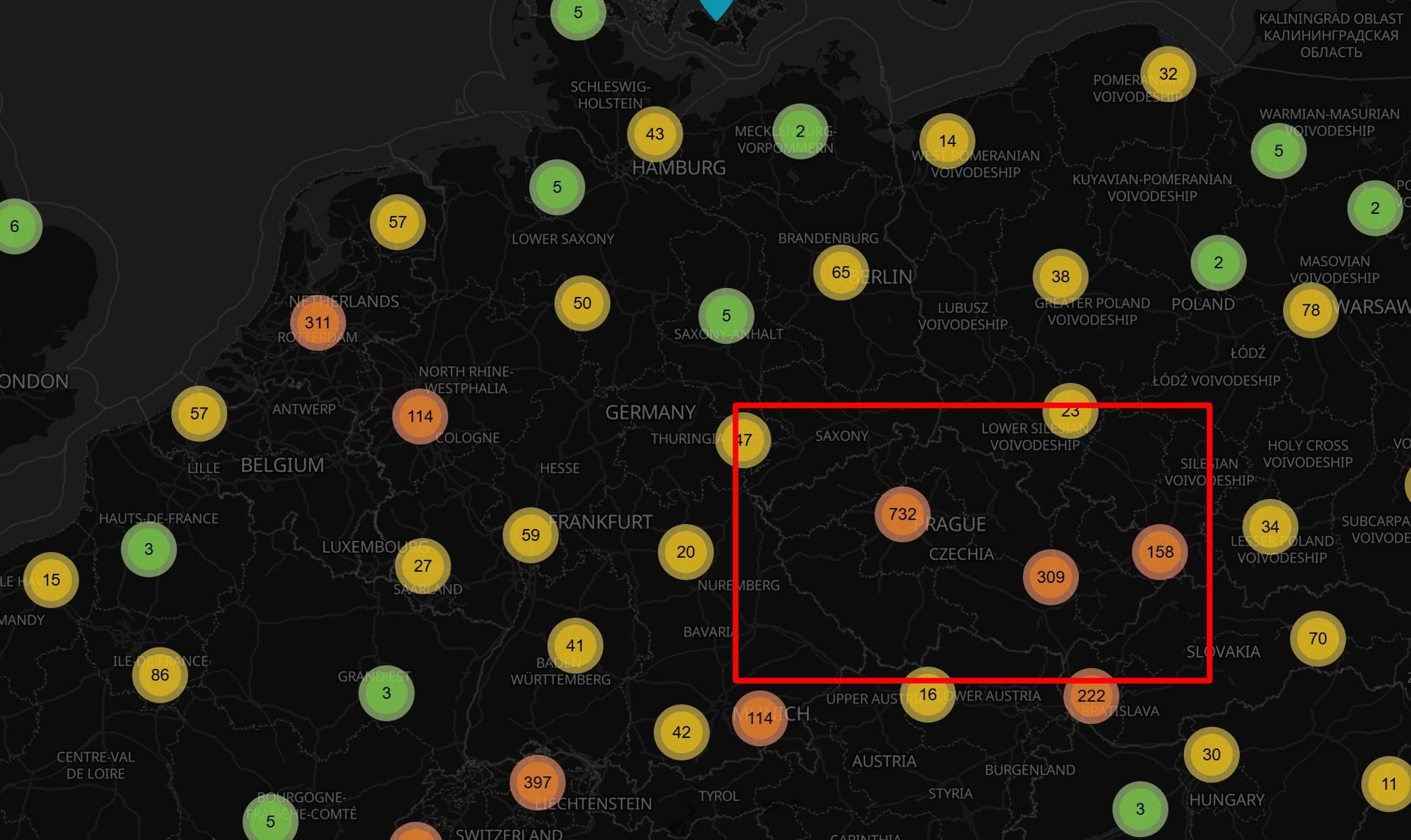
the story: over 95 Bitcoin ATMs across the Czech Republic, with most
concentrated in Prague. But the reality hits differently when you're walking
around and spotting crypto ATMs in shopping centers and seeing restaurants with
Bitcoin payment stickers. According to BTCMap.org, there are currently more
than 1,000 such places in the Czech Republic, with 700 located in Prague alone.
Source: BTCMap.org
BTC Prague
2025 pulled over 10,000 attendees earlier this year, bringing in names like
Michael Saylor and Adam Back. The city's historic tram line accepts crypto
payments through platforms like GoCrypto and Confirmo.
The Czech Republic treats virtual currencies
as commodities rather than legal tender, creating clarity that most European
markets still lack.
2. Czechs Still Remember
the Great Money Grab of 70 Years Ago
The fact
that Trezor was created by Czechs, and that so many crypto businesses operate
in this relatively small country, is not a coincidence. It's about historical
memory. The communist regime that controlled Czechoslovakia from 1948 conducted
currency reforms in 1953 that essentially confiscated citizens' savings
overnight. People who had stored money in banks or kept cash at home saw their
wealth wiped out by government decree.
The Czech
central bank governor's recent proposal to
invest national reserves in Bitcoin would have seemed absurd in most
Western countries, but in Prague it sparked serious debate.
3. Trezor Doesn’t Actually
Store Your Coins
It may not
be news to many of you, and although I consider myself a tech-savvy guy who has
been investing in crypto for nearly a decade, it turns out I knew almost
nothing about hardware wallets.
During the
presentation, Trezor spent considerable time explaining the TROPIC01 chip. At
first, I thought this would be typical tech specs that matter more to
developers than users. The TROPIC01 is the world's first auditable Secure
Element chip, meaning its design is open for anyone to inspect. Traditional
hardware wallets use closed-source chips where you trust the manufacturer
because you have no choice.
𝗡𝗼𝘁 𝗝𝘂𝘀𝘁 𝗮 𝗣𝗿𝗼𝗱𝘂𝗰𝘁 𝗟𝗮𝘂𝗻𝗰𝗵: 𝗔 𝗣𝗮𝗿𝗮𝗱𝗶𝗴𝗺 𝗦𝗵𝗶𝗳𝘁 🚀@Trezor Safe 7 is here. And at its core is TROPIC01, the first transparent, auditable secure chip integrated in mass-market consumer devices.
The chip
handles wallet creation, PIN verification, and device authenticity checks, but
unlike competitors, anyone can examine how it works through published
documentation and open-source code on GitHub.
Žák put it
simply: transparency matters more than proprietary secrets. For someone
covering crypto security for years, this addresses a real problem. We've seen
“secure” systems fail because nobody outside the company could spot
the flaws. Trezor just eliminated that excuse, though it remains to be seen how
many security researchers will actually audit the design.
4. Self-Custody Is Finally
Going Mainstream
The
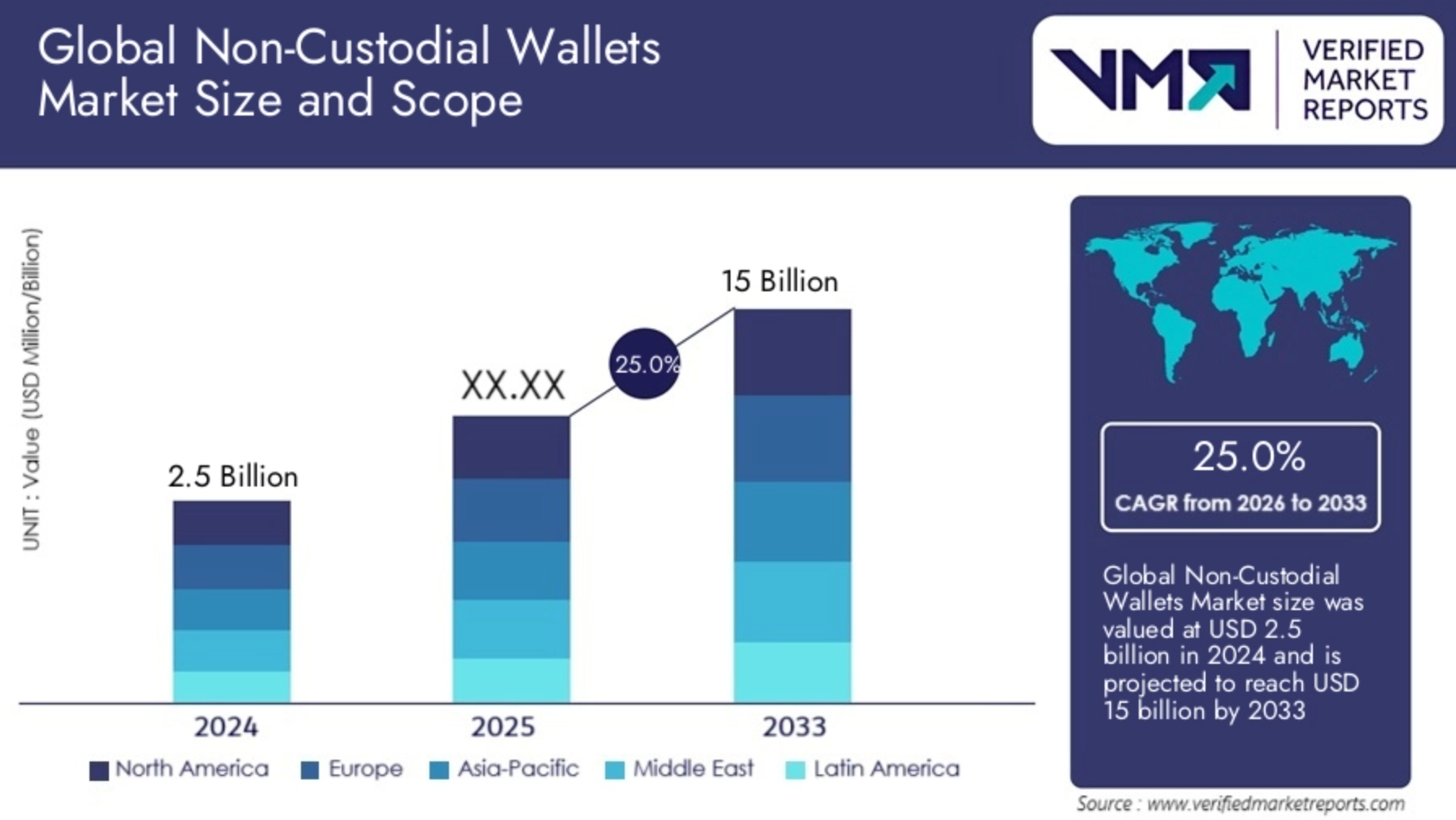
hardware wallet market data surprised me. Valued at $348.4 million in 2025,
projections show growth to $1.53 billion by 2032, a 23.5% compound annual
growth rate. More telling: 59% of crypto users now prefer non-custodial wallets
over custodial alternatives. That's a majority choosing self-custody
over convenience.
After the
conference, I realized that keeping all my crypto on a centralized exchange is
not the best idea.
DeFi
activity using non-custodial wallets grew over 50% in 2024, peer-to-peer
transactions jumped 30% year-over-year, and long-term holdings in these wallets
rose 25%. Hardware wallets still represent only a small portion of all
non-custodial wallets, though this is beginning to change.
Source: Verified Markets Report
5. Wireless Can Work
Without Breaking Security
Trezor's
first wireless hardware wallet raised eyebrows, including mine. Wireless
typically means security trade-offs. But after examining the specs and speaking
with the technical team, the implementation makes sense. The encrypted
Bluetooth 5.1 connection uses the Trezor Host Protocol, an open-source layer
that ensures encrypted, authenticated connections. The 2.5-inch touchscreen
makes transaction verification easier, while Qi2 magnetic wireless charging
solves the dead battery problem that plagued earlier models.
The device
supports thousands of coins through Trezor Suite, with integrations from Rabby,
Jupiter, Cake, and Nightly at launch, plus MetaMask, 1inch, and Exodus coming
by year-end. The anodized aluminum body has IP54 water and dust resistance,
while the LiFePO₄ battery delivers four times more charging cycles than
standard lithium batteries.
Whether
users will accept wireless connectivity in a hardware wallet remains to be seen,
but Trezor is betting transparency in their protocol design will overcome
traditional skepticism.
And
Prague is truly a beautiful city.
My quick visit to Prague’s Old Town Square.
Last week,
I attended the Trezor Safe 7 launch event in Prague, and what struck me most
was not only the product reveal, but also the city itself. Around 300 guests
from exchanges, wallet providers, influencers, and Web3 startups packed into
the venue on October 21. We were welcomed by a robotic laser show, followed by
CEO Matěj Žák taking the stage.
He
presented what the company calls their most significant hardware wallet in over
a decade. The Safe 7 comes with a 2.5-inch color touchscreen (62% larger than
the previous model), anodized aluminum body, and full wireless capabilities
including Bluetooth 5.1 and Qi2 magnetic charging. At $249, it's positioned as
a premium device, significantly more expensive than competitors like Ledger's
offerings.
A defining moment for the entire industry!
Trezor Safe 7 was built for you—with unprecedented security, transparency, and convenience. Every component, every line of code, every decision made with your freedom in mind.
You can
read more about the product itself here. Below, I would like to focus on five
things I learned from attending this event in the heart of the Old Continent.
1. Prague Really Is
Europe's Crypto Hub
Before
arriving, I knew Prague had a crypto scene. After spending time there, I
understand why people call it Europe's crypto capital. The numbers tell part of
the story: over 95 Bitcoin ATMs across the Czech Republic, with most
concentrated in Prague. But the reality hits differently when you're walking
around and spotting crypto ATMs in shopping centers and seeing restaurants with
Bitcoin payment stickers. According to BTCMap.org, there are currently more
than 1,000 such places in the Czech Republic, with 700 located in Prague alone.
Source: BTCMap.org
BTC Prague
2025 pulled over 10,000 attendees earlier this year, bringing in names like
Michael Saylor and Adam Back. The city's historic tram line accepts crypto
payments through platforms like GoCrypto and Confirmo.
The Czech Republic treats virtual currencies
as commodities rather than legal tender, creating clarity that most European
markets still lack.
2. Czechs Still Remember
the Great Money Grab of 70 Years Ago
The fact
that Trezor was created by Czechs, and that so many crypto businesses operate
in this relatively small country, is not a coincidence. It's about historical
memory. The communist regime that controlled Czechoslovakia from 1948 conducted
currency reforms in 1953 that essentially confiscated citizens' savings
overnight. People who had stored money in banks or kept cash at home saw their
wealth wiped out by government decree.
The Czech
central bank governor's recent proposal to
invest national reserves in Bitcoin would have seemed absurd in most
Western countries, but in Prague it sparked serious debate.
3. Trezor Doesn’t Actually
Store Your Coins
It may not
be news to many of you, and although I consider myself a tech-savvy guy who has
been investing in crypto for nearly a decade, it turns out I knew almost
nothing about hardware wallets.
During the
presentation, Trezor spent considerable time explaining the TROPIC01 chip. At
first, I thought this would be typical tech specs that matter more to
developers than users. The TROPIC01 is the world's first auditable Secure
Element chip, meaning its design is open for anyone to inspect. Traditional
hardware wallets use closed-source chips where you trust the manufacturer
because you have no choice.
𝗡𝗼𝘁 𝗝𝘂𝘀𝘁 𝗮 𝗣𝗿𝗼𝗱𝘂𝗰𝘁 𝗟𝗮𝘂𝗻𝗰𝗵: 𝗔 𝗣𝗮𝗿𝗮𝗱𝗶𝗴𝗺 𝗦𝗵𝗶𝗳𝘁 🚀@Trezor Safe 7 is here. And at its core is TROPIC01, the first transparent, auditable secure chip integrated in mass-market consumer devices.
The chip
handles wallet creation, PIN verification, and device authenticity checks, but
unlike competitors, anyone can examine how it works through published
documentation and open-source code on GitHub.
Žák put it
simply: transparency matters more than proprietary secrets. For someone
covering crypto security for years, this addresses a real problem. We've seen
“secure” systems fail because nobody outside the company could spot
the flaws. Trezor just eliminated that excuse, though it remains to be seen how
many security researchers will actually audit the design.
4. Self-Custody Is Finally
Going Mainstream
The
hardware wallet market data surprised me. Valued at $348.4 million in 2025,
projections show growth to $1.53 billion by 2032, a 23.5% compound annual
growth rate. More telling: 59% of crypto users now prefer non-custodial wallets
over custodial alternatives. That's a majority choosing self-custody
over convenience.
After the
conference, I realized that keeping all my crypto on a centralized exchange is
not the best idea.
DeFi
activity using non-custodial wallets grew over 50% in 2024, peer-to-peer
transactions jumped 30% year-over-year, and long-term holdings in these wallets
rose 25%. Hardware wallets still represent only a small portion of all
non-custodial wallets, though this is beginning to change.
Source: Verified Markets Report
5. Wireless Can Work
Without Breaking Security
Trezor's
first wireless hardware wallet raised eyebrows, including mine. Wireless
typically means security trade-offs. But after examining the specs and speaking
with the technical team, the implementation makes sense. The encrypted
Bluetooth 5.1 connection uses the Trezor Host Protocol, an open-source layer
that ensures encrypted, authenticated connections. The 2.5-inch touchscreen
makes transaction verification easier, while Qi2 magnetic wireless charging
solves the dead battery problem that plagued earlier models.
The device
supports thousands of coins through Trezor Suite, with integrations from Rabby,
Jupiter, Cake, and Nightly at launch, plus MetaMask, 1inch, and Exodus coming
by year-end. The anodized aluminum body has IP54 water and dust resistance,
while the LiFePO₄ battery delivers four times more charging cycles than
standard lithium batteries.
Whether
users will accept wireless connectivity in a hardware wallet remains to be seen,
but Trezor is betting transparency in their protocol design will overcome
traditional skepticism.
Damian Chmiel is a Senior Analyst & Editor at Finance Magnates with more than 15 years of experience in the CFD and online trading industry. Active as both a trader and journalist since 2010, he focuses on broker coverage, fintech innovation, and regulatory developments across Europe, the Middle East, and Asia.
His work includes interviews with C-level leaders at major brokerages and fintech platforms, as well as co-authoring Finance Magnates’ quarterly industry benchmarking reports. Damian’s reporting is data-driven, market-aware, and grounded in direct industry engagement. His analysis and commentary have also been cited by external media outlets, including Investing.com, Binance, The Asset, Stockhead, and Dispatch.
Education:
MA in Finance and Accounting, Cracow University of Economics
In this video, we review @HolaPrimeMarketsOfficial, a multi-asset forex and CFDs broker offering different account types, trading platforms, and flexible trading conditions.
We cover the broker’s overall offering, including account options, trading environment, platforms like MT4 and MT5, and additional services such as managed accounts and fast withdrawals.
Watch the full video to see if Hola Prime Markets fits your trading needs.
📣 Stay up to date with the latest in finance and trading. Follow Finance Magnates for industry news, insights, and global event coverage.
Connect with us:
🔗 LinkedIn: /financemagnates
👍 Facebook: /financemagnates
📸 Instagram: https://www.instagram.com/financemagnates
🐦 X: https://x.com/financemagnates
🎥 TikTok: https://www.tiktok.com/tag/financemagnates
▶️ YouTube: /@financemagnates_official
#HolaPrime #ForexBroker #CFDTrading #FinanceMagnates #Trading #Forex #BrokerReview
In this video, we review @HolaPrimeMarketsOfficial, a multi-asset forex and CFDs broker offering different account types, trading platforms, and flexible trading conditions.
We cover the broker’s overall offering, including account options, trading environment, platforms like MT4 and MT5, and additional services such as managed accounts and fast withdrawals.
Watch the full video to see if Hola Prime Markets fits your trading needs.
📣 Stay up to date with the latest in finance and trading. Follow Finance Magnates for industry news, insights, and global event coverage.
Connect with us:
🔗 LinkedIn: /financemagnates
👍 Facebook: /financemagnates
📸 Instagram: https://www.instagram.com/financemagnates
🐦 X: https://x.com/financemagnates
🎥 TikTok: https://www.tiktok.com/tag/financemagnates
▶️ YouTube: /@financemagnates_official
#HolaPrime #ForexBroker #CFDTrading #FinanceMagnates #Trading #Forex #BrokerReview
In this video, we review @HolaPrimeMarketsOfficial, a multi-asset forex and CFDs broker offering different account types, trading platforms, and flexible trading conditions.
We cover the broker’s overall offering, including account options, trading environment, platforms like MT4 and MT5, and additional services such as managed accounts and fast withdrawals.
Watch the full video to see if Hola Prime Markets fits your trading needs.
📣 Stay up to date with the latest in finance and trading. Follow Finance Magnates for industry news, insights, and global event coverage.
Connect with us:
🔗 LinkedIn: /financemagnates
👍 Facebook: /financemagnates
📸 Instagram: https://www.instagram.com/financemagnates
🐦 X: https://x.com/financemagnates
🎥 TikTok: https://www.tiktok.com/tag/financemagnates
▶️ YouTube: /@financemagnates_official
#HolaPrime #ForexBroker #CFDTrading #FinanceMagnates #Trading #Forex #BrokerReview
In this video, we review @HolaPrimeMarketsOfficial, a multi-asset forex and CFDs broker offering different account types, trading platforms, and flexible trading conditions.
We cover the broker’s overall offering, including account options, trading environment, platforms like MT4 and MT5, and additional services such as managed accounts and fast withdrawals.
Watch the full video to see if Hola Prime Markets fits your trading needs.
📣 Stay up to date with the latest in finance and trading. Follow Finance Magnates for industry news, insights, and global event coverage.
Connect with us:
🔗 LinkedIn: /financemagnates
👍 Facebook: /financemagnates
📸 Instagram: https://www.instagram.com/financemagnates
🐦 X: https://x.com/financemagnates
🎥 TikTok: https://www.tiktok.com/tag/financemagnates
▶️ YouTube: /@financemagnates_official
#HolaPrime #ForexBroker #CFDTrading #FinanceMagnates #Trading #Forex #BrokerReview
Hola Prime Review: What You Need to Know | Full Breakdown by Finance Magnates
Hola Prime Review: What You Need to Know | Full Breakdown by Finance Magnates
Hola Prime Review: What You Need to Know | Full Breakdown by Finance Magnates
Hola Prime Review: What You Need to Know | Full Breakdown by Finance Magnates
Hola Prime Review: What You Need to Know | Full Breakdown by Finance Magnates
Hola Prime Review: What You Need to Know | Full Breakdown by Finance Magnates
In this video, we review @HolaPrime_Global, a proprietary trading firm offering evaluation programs and performance-based payouts in simulated market environments.
We cover how the challenge model works, including account types, profit splits (up to 95%), trading rules, and what it takes to reach a funded account. You’ll also learn about available platforms like MT4, MT5, cTrader, and more, along with insights into payouts, support, and trading conditions.
Watch the full video to see if Hola Prime fits your trading style.
📣 Stay up to date with the latest in finance and trading. Follow Finance Magnates for industry news, insights, and global event coverage.
Connect with us:
🔗 LinkedIn: /financemagnates
👍 Facebook: /financemagnates
📸 Instagram: https://www.instagram.com/financemagnates
🐦 X: https://x.com/financemagnates
🎥 TikTok: https://www.tiktok.com/tag/financemagnates
▶️ YouTube: /@financemagnates_official
#HolaPrime #PropFirm #Trading #FinanceMagnates #Forex #FuturesTrading #TradingReview #PropFirmReview
In this video, we review @HolaPrime_Global, a proprietary trading firm offering evaluation programs and performance-based payouts in simulated market environments.
We cover how the challenge model works, including account types, profit splits (up to 95%), trading rules, and what it takes to reach a funded account. You’ll also learn about available platforms like MT4, MT5, cTrader, and more, along with insights into payouts, support, and trading conditions.
Watch the full video to see if Hola Prime fits your trading style.
📣 Stay up to date with the latest in finance and trading. Follow Finance Magnates for industry news, insights, and global event coverage.
Connect with us:
🔗 LinkedIn: /financemagnates
👍 Facebook: /financemagnates
📸 Instagram: https://www.instagram.com/financemagnates
🐦 X: https://x.com/financemagnates
🎥 TikTok: https://www.tiktok.com/tag/financemagnates
▶️ YouTube: /@financemagnates_official
#HolaPrime #PropFirm #Trading #FinanceMagnates #Forex #FuturesTrading #TradingReview #PropFirmReview
In this video, we review @HolaPrime_Global, a proprietary trading firm offering evaluation programs and performance-based payouts in simulated market environments.
We cover how the challenge model works, including account types, profit splits (up to 95%), trading rules, and what it takes to reach a funded account. You’ll also learn about available platforms like MT4, MT5, cTrader, and more, along with insights into payouts, support, and trading conditions.
Watch the full video to see if Hola Prime fits your trading style.
📣 Stay up to date with the latest in finance and trading. Follow Finance Magnates for industry news, insights, and global event coverage.
Connect with us:
🔗 LinkedIn: /financemagnates
👍 Facebook: /financemagnates
📸 Instagram: https://www.instagram.com/financemagnates
🐦 X: https://x.com/financemagnates
🎥 TikTok: https://www.tiktok.com/tag/financemagnates
▶️ YouTube: /@financemagnates_official
#HolaPrime #PropFirm #Trading #FinanceMagnates #Forex #FuturesTrading #TradingReview #PropFirmReview
In this video, we review @HolaPrime_Global, a proprietary trading firm offering evaluation programs and performance-based payouts in simulated market environments.
We cover how the challenge model works, including account types, profit splits (up to 95%), trading rules, and what it takes to reach a funded account. You’ll also learn about available platforms like MT4, MT5, cTrader, and more, along with insights into payouts, support, and trading conditions.
Watch the full video to see if Hola Prime fits your trading style.
📣 Stay up to date with the latest in finance and trading. Follow Finance Magnates for industry news, insights, and global event coverage.
Connect with us:
🔗 LinkedIn: /financemagnates
👍 Facebook: /financemagnates
📸 Instagram: https://www.instagram.com/financemagnates
🐦 X: https://x.com/financemagnates
🎥 TikTok: https://www.tiktok.com/tag/financemagnates
▶️ YouTube: /@financemagnates_official
#HolaPrime #PropFirm #Trading #FinanceMagnates #Forex #FuturesTrading #TradingReview #PropFirmReview
In this video, we review @HolaPrime_Global, a proprietary trading firm offering evaluation programs and performance-based payouts in simulated market environments.
We cover how the challenge model works, including account types, profit splits (up to 95%), trading rules, and what it takes to reach a funded account. You’ll also learn about available platforms like MT4, MT5, cTrader, and more, along with insights into payouts, support, and trading conditions.
Watch the full video to see if Hola Prime fits your trading style.
📣 Stay up to date with the latest in finance and trading. Follow Finance Magnates for industry news, insights, and global event coverage.
Connect with us:
🔗 LinkedIn: /financemagnates
👍 Facebook: /financemagnates
📸 Instagram: https://www.instagram.com/financemagnates
🐦 X: https://x.com/financemagnates
🎥 TikTok: https://www.tiktok.com/tag/financemagnates
▶️ YouTube: /@financemagnates_official
#HolaPrime #PropFirm #Trading #FinanceMagnates #Forex #FuturesTrading #TradingReview #PropFirmReview
In this video, we review @HolaPrime_Global, a proprietary trading firm offering evaluation programs and performance-based payouts in simulated market environments.
We cover how the challenge model works, including account types, profit splits (up to 95%), trading rules, and what it takes to reach a funded account. You’ll also learn about available platforms like MT4, MT5, cTrader, and more, along with insights into payouts, support, and trading conditions.
Watch the full video to see if Hola Prime fits your trading style.
📣 Stay up to date with the latest in finance and trading. Follow Finance Magnates for industry news, insights, and global event coverage.
Connect with us:
🔗 LinkedIn: /financemagnates
👍 Facebook: /financemagnates
📸 Instagram: https://www.instagram.com/financemagnates
🐦 X: https://x.com/financemagnates
🎥 TikTok: https://www.tiktok.com/tag/financemagnates
▶️ YouTube: /@financemagnates_official
#HolaPrime #PropFirm #Trading #FinanceMagnates #Forex #FuturesTrading #TradingReview #PropFirmReview
Axi Winner Spotlight 🏆 | Global Most Innovative Broker 2025 #Innovation #Trading #Fintech #Broker
Axi Winner Spotlight 🏆 | Global Most Innovative Broker 2025 #Innovation #Trading #Fintech #Broker
Axi Winner Spotlight 🏆 | Global Most Innovative Broker 2025 #Innovation #Trading #Fintech #Broker
Axi Winner Spotlight 🏆 | Global Most Innovative Broker 2025 #Innovation #Trading #Fintech #Broker
Axi Winner Spotlight 🏆 | Global Most Innovative Broker 2025 #Innovation #Trading #Fintech #Broker
Axi Winner Spotlight 🏆 | Global Most Innovative Broker 2025 #Innovation #Trading #Fintech #Broker
Axi takes the spotlight at the Finance Magnates Awards, winning Global Most Innovative Broker 2025.
Olivia Xenofontos and Ivanna Openko share how the team will feel: proud, motivated, and ready to keep delivering.
They also describe the night as well-organized, focused, and enjoyable for all.
👉 Be part of FM Awards 2026.
Axi takes the spotlight at the Finance Magnates Awards, winning Global Most Innovative Broker 2025.
Olivia Xenofontos and Ivanna Openko share how the team will feel: proud, motivated, and ready to keep delivering.
They also describe the night as well-organized, focused, and enjoyable for all.
👉 Be part of FM Awards 2026.
Axi takes the spotlight at the Finance Magnates Awards, winning Global Most Innovative Broker 2025.
Olivia Xenofontos and Ivanna Openko share how the team will feel: proud, motivated, and ready to keep delivering.
They also describe the night as well-organized, focused, and enjoyable for all.
👉 Be part of FM Awards 2026.
Axi takes the spotlight at the Finance Magnates Awards, winning Global Most Innovative Broker 2025.
Olivia Xenofontos and Ivanna Openko share how the team will feel: proud, motivated, and ready to keep delivering.
They also describe the night as well-organized, focused, and enjoyable for all.
👉 Be part of FM Awards 2026.
Axi takes the spotlight at the Finance Magnates Awards, winning Global Most Innovative Broker 2025.
Olivia Xenofontos and Ivanna Openko share how the team will feel: proud, motivated, and ready to keep delivering.
They also describe the night as well-organized, focused, and enjoyable for all.
👉 Be part of FM Awards 2026.
Axi takes the spotlight at the Finance Magnates Awards, winning Global Most Innovative Broker 2025.
Olivia Xenofontos and Ivanna Openko share how the team will feel: proud, motivated, and ready to keep delivering.
They also describe the night as well-organized, focused, and enjoyable for all.
👉 Be part of FM Awards 2026.
Recognition that matters.
Built on transparency.
Driven by the industry.
The Finance Magnates Awards 2026.
Nominations are now open.
🔗 https://awards.financemagnates.com/?utm_source=SM&utm_medium=social&utm_campaign=recognition-matters
Recognition that matters.
Built on transparency.
Driven by the industry.
The Finance Magnates Awards 2026.
Nominations are now open.
🔗 https://awards.financemagnates.com/?utm_source=SM&utm_medium=social&utm_campaign=recognition-matters
Recognition that matters.
Built on transparency.
Driven by the industry.
The Finance Magnates Awards 2026.
Nominations are now open.
🔗 https://awards.financemagnates.com/?utm_source=SM&utm_medium=social&utm_campaign=recognition-matters
Recognition that matters.
Built on transparency.
Driven by the industry.
The Finance Magnates Awards 2026.
Nominations are now open.
🔗 https://awards.financemagnates.com/?utm_source=SM&utm_medium=social&utm_campaign=recognition-matters
Recognition that matters.
Built on transparency.
Driven by the industry.
The Finance Magnates Awards 2026.
Nominations are now open.
🔗 https://awards.financemagnates.com/?utm_source=SM&utm_medium=social&utm_campaign=recognition-matters
Recognition that matters.
Built on transparency.
Driven by the industry.
The Finance Magnates Awards 2026.
Nominations are now open.
🔗 https://awards.financemagnates.com/?utm_source=SM&utm_medium=social&utm_campaign=recognition-matters
Tickmill Winner Spotlight | Broker of the Year 2025 (LATAM) 🏆 | Finance Magnates Awards #Trading
Tickmill Winner Spotlight | Broker of the Year 2025 (LATAM) 🏆 | Finance Magnates Awards #Trading
Tickmill Winner Spotlight | Broker of the Year 2025 (LATAM) 🏆 | Finance Magnates Awards #Trading
Tickmill Winner Spotlight | Broker of the Year 2025 (LATAM) 🏆 | Finance Magnates Awards #Trading
Tickmill Winner Spotlight | Broker of the Year 2025 (LATAM) 🏆 | Finance Magnates Awards #Trading
Tickmill Winner Spotlight | Broker of the Year 2025 (LATAM) 🏆 | Finance Magnates Awards #Trading
What helped Tickmill stand out this year?
In this Winner Spotlight, Johnny Khalil, Executive Director at Tickmill Europe, shares how listening closely to clients and delivering strong trading conditions made the difference.
A big thank you to the community whose support continues to drive progress every day.
👉 Think your brand has what it takes? Nominate for the 2026 Finance Magnates Awards: https://awards.financemagnates.com/#nominate
What helped Tickmill stand out this year?
In this Winner Spotlight, Johnny Khalil, Executive Director at Tickmill Europe, shares how listening closely to clients and delivering strong trading conditions made the difference.
A big thank you to the community whose support continues to drive progress every day.
👉 Think your brand has what it takes? Nominate for the 2026 Finance Magnates Awards: https://awards.financemagnates.com/#nominate
What helped Tickmill stand out this year?
In this Winner Spotlight, Johnny Khalil, Executive Director at Tickmill Europe, shares how listening closely to clients and delivering strong trading conditions made the difference.
A big thank you to the community whose support continues to drive progress every day.
👉 Think your brand has what it takes? Nominate for the 2026 Finance Magnates Awards: https://awards.financemagnates.com/#nominate
What helped Tickmill stand out this year?
In this Winner Spotlight, Johnny Khalil, Executive Director at Tickmill Europe, shares how listening closely to clients and delivering strong trading conditions made the difference.
A big thank you to the community whose support continues to drive progress every day.
👉 Think your brand has what it takes? Nominate for the 2026 Finance Magnates Awards: https://awards.financemagnates.com/#nominate
What helped Tickmill stand out this year?
In this Winner Spotlight, Johnny Khalil, Executive Director at Tickmill Europe, shares how listening closely to clients and delivering strong trading conditions made the difference.
A big thank you to the community whose support continues to drive progress every day.
👉 Think your brand has what it takes? Nominate for the 2026 Finance Magnates Awards: https://awards.financemagnates.com/#nominate
What helped Tickmill stand out this year?
In this Winner Spotlight, Johnny Khalil, Executive Director at Tickmill Europe, shares how listening closely to clients and delivering strong trading conditions made the difference.
A big thank you to the community whose support continues to drive progress every day.
👉 Think your brand has what it takes? Nominate for the 2026 Finance Magnates Awards: https://awards.financemagnates.com/#nominate