
How did Romney accumulate $250 Million in the Caymans?
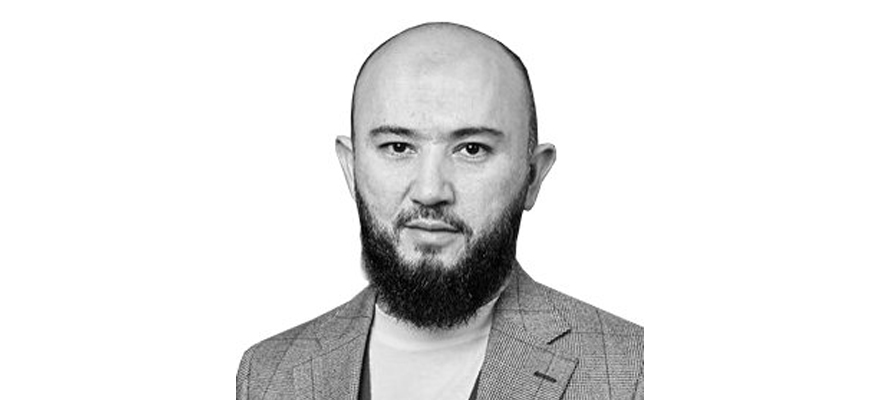
Giorgio Montersino
Jack Bass
This article is written by Jack A. Bass B.A., LL.B, one of North America’s foremost consultants, economists and stock market writers. He forecast the dramatic rise in the price of gold and the fall in natural gas prices. For more, visit his website or contact him directly by email.
Offshore tax planning is often misunderstood because it evokes images of tax evasion. True, more than a few unethical or criminal citizens set up accounts offshore with the intent of under-reporting, or misreporting earnings and income. Today there is better international cooperation and enforcement of tax law.
If you intend on engaging in offshore tax planning, you will need to be aware of the laws regulating what legal tax planning is and keep to the right side of the law. Establishing offshore accounts, corporations, trusts , banking and investments is both legal and profitable.
Why Would You Pay More?
Tax minimization is a legal strategy - so why volunteer to pay more taxes than required? You may already be acting to reduce the burden of taxes your household or your business will owe to federal, state and local governments each year. The same is available on the global scale.
Tax evasion is illegal. Evasion takes minimization a step further. It can involve omitting income from tax schedules in order to reduce your annual tax burden. This practice was once popular with offshore tax planning because some offshore havens did not consider evasion a crime. As a result, they would not provide information on income earned or stored in accounts outside of the United States. With an increase in global tax law and enforcement, there are fewer havens that will allow you to legally evade taxes.
Why Go Offshore?
The motivations for individuals and corporations to utilize offshore planning and offshore companies include the desire to: reduce tax, protect assets, manage risk, maintain privacy, avoid bureaucracy and reduce costs.
More specifically, the reasons for going offshore and utilizing offshore companies for tax planning and offshore business include: free remittance of profits and capital, access to tax treaties, security of property rights, banking privacy, reduced taxation and the search for political stability.
Offshore Banking
Potential clients must understand that opening an offshore bank account is not a simple matter and can be time consuming. Some offshore and international banks may take longer than one month to open an offshore bank account from receipt of a completed bank account opening package. The list of requirements includes a copy of your passport, driver's license and often a letter of introduction.
Consequently, potential clients are encouraged to ensure that they provide us with a complete picture of themselves and their intended business activity. Banks do their own due diligence before opening an account and will search data bases to assure themselves they are not dealing with known criminals or persons trying to escape a list of lawsuits.
Asset Protection
Professional such as physicians often seek offshore accounts to guard a lifetime of assets from lawsuits - including upset clients and ex-wives.
They were only allowed the remedy of a “charging order.” The net effect was that the banks were happy to settle for much less than owed, rather than wait it out for an indefinite period with General Partners that were friendly to their investor debtors, not to the banks. A good settlement leaves your assets in your hands.
Thus was created a a new field of law: Asset Protection. Since the Limited Partnership (LP) worked so well during the real estate crash, it became the base of the new planning. However, instead of many different investors as Limited Partners, the new Asset Protection planning only used the immediate family members. Thus the LP became known as the Family Limited Partnership (FLP).
Where in the World Does Carmen Send Her Assets?
Today, there are over two-dozen foreign jurisdictions that have enacted specific asset protection legislation, including: The Bahamas, Belize, Cook Islands, Bermuda, Nevis, Cayman Islands, Cyprus, Gibraltar and the Turks & Caicos Islands, to name just a few.
If you are serious about preserving your wealth, I cannot encourage you enough to take the time to educate yourself about the options available to you and how you can truly protect what you have worked so hard to create.
There are dozens of jurisdictions, such as Luxembourg, Hong Kong, Singapore and the British Virgin Islands that offer a great business environment with fully legal tax benefits. We have to match your goals to the right jurisdictions.
Now it is crunch time. It is time to get the bookkeeping caught up, look at all your revenue streams versus all of your deductions and estimate what your tax picture will look like.
Jack Bass
This article is written by Jack A. Bass B.A., LL.B, one of North America’s foremost consultants, economists and stock market writers. He forecast the dramatic rise in the price of gold and the fall in natural gas prices. For more, visit his website or contact him directly by email.
Offshore tax planning is often misunderstood because it evokes images of tax evasion. True, more than a few unethical or criminal citizens set up accounts offshore with the intent of under-reporting, or misreporting earnings and income. Today there is better international cooperation and enforcement of tax law.
If you intend on engaging in offshore tax planning, you will need to be aware of the laws regulating what legal tax planning is and keep to the right side of the law. Establishing offshore accounts, corporations, trusts , banking and investments is both legal and profitable.
Why Would You Pay More?
Tax minimization is a legal strategy - so why volunteer to pay more taxes than required? You may already be acting to reduce the burden of taxes your household or your business will owe to federal, state and local governments each year. The same is available on the global scale.
Tax evasion is illegal. Evasion takes minimization a step further. It can involve omitting income from tax schedules in order to reduce your annual tax burden. This practice was once popular with offshore tax planning because some offshore havens did not consider evasion a crime. As a result, they would not provide information on income earned or stored in accounts outside of the United States. With an increase in global tax law and enforcement, there are fewer havens that will allow you to legally evade taxes.
Why Go Offshore?
The motivations for individuals and corporations to utilize offshore planning and offshore companies include the desire to: reduce tax, protect assets, manage risk, maintain privacy, avoid bureaucracy and reduce costs.
More specifically, the reasons for going offshore and utilizing offshore companies for tax planning and offshore business include: free remittance of profits and capital, access to tax treaties, security of property rights, banking privacy, reduced taxation and the search for political stability.
Offshore Banking
Potential clients must understand that opening an offshore bank account is not a simple matter and can be time consuming. Some offshore and international banks may take longer than one month to open an offshore bank account from receipt of a completed bank account opening package. The list of requirements includes a copy of your passport, driver's license and often a letter of introduction.
Consequently, potential clients are encouraged to ensure that they provide us with a complete picture of themselves and their intended business activity. Banks do their own due diligence before opening an account and will search data bases to assure themselves they are not dealing with known criminals or persons trying to escape a list of lawsuits.
Asset Protection
Professional such as physicians often seek offshore accounts to guard a lifetime of assets from lawsuits - including upset clients and ex-wives.
They were only allowed the remedy of a “charging order.” The net effect was that the banks were happy to settle for much less than owed, rather than wait it out for an indefinite period with General Partners that were friendly to their investor debtors, not to the banks. A good settlement leaves your assets in your hands.
Thus was created a a new field of law: Asset Protection. Since the Limited Partnership (LP) worked so well during the real estate crash, it became the base of the new planning. However, instead of many different investors as Limited Partners, the new Asset Protection planning only used the immediate family members. Thus the LP became known as the Family Limited Partnership (FLP).
Where in the World Does Carmen Send Her Assets?
Today, there are over two-dozen foreign jurisdictions that have enacted specific asset protection legislation, including: The Bahamas, Belize, Cook Islands, Bermuda, Nevis, Cayman Islands, Cyprus, Gibraltar and the Turks & Caicos Islands, to name just a few.
If you are serious about preserving your wealth, I cannot encourage you enough to take the time to educate yourself about the options available to you and how you can truly protect what you have worked so hard to create.
There are dozens of jurisdictions, such as Luxembourg, Hong Kong, Singapore and the British Virgin Islands that offer a great business environment with fully legal tax benefits. We have to match your goals to the right jurisdictions.
Now it is crunch time. It is time to get the bookkeeping caught up, look at all your revenue streams versus all of your deductions and estimate what your tax picture will look like.
GCEX Secures MiCA Licence in Denmark as EU Crypto Regulation Takes Shape
Featured Videos
Executive Interview | Charlotte Bullock | Chief Product Officer, Bank of London | FMLS:25
In this interview, we sat down with Charlotte Bullock, Head of Product at The Bank of London, previously at SAP and now shaping product at one of the sector’s most ambitious new banking players.
Charlotte reflects on the Summit so far and talks about the culture inside fintech banks today. We look at the pressures that come with scaling, and how firms can hold onto the nimble approach that made them stand out early on.
We also cover the state of payments ahead of her appearance on the payments roundtable: the blockages financial firms face, the areas that still need fixing, and what a realistic solution looks like in 2026.
In this interview, we sat down with Charlotte Bullock, Head of Product at The Bank of London, previously at SAP and now shaping product at one of the sector’s most ambitious new banking players.
Charlotte reflects on the Summit so far and talks about the culture inside fintech banks today. We look at the pressures that come with scaling, and how firms can hold onto the nimble approach that made them stand out early on.
We also cover the state of payments ahead of her appearance on the payments roundtable: the blockages financial firms face, the areas that still need fixing, and what a realistic solution looks like in 2026.
In this interview, we sat down with Charlotte Bullock, Head of Product at The Bank of London, previously at SAP and now shaping product at one of the sector’s most ambitious new banking players.
Charlotte reflects on the Summit so far and talks about the culture inside fintech banks today. We look at the pressures that come with scaling, and how firms can hold onto the nimble approach that made them stand out early on.
We also cover the state of payments ahead of her appearance on the payments roundtable: the blockages financial firms face, the areas that still need fixing, and what a realistic solution looks like in 2026.
In this interview, we sat down with Charlotte Bullock, Head of Product at The Bank of London, previously at SAP and now shaping product at one of the sector’s most ambitious new banking players.
Charlotte reflects on the Summit so far and talks about the culture inside fintech banks today. We look at the pressures that come with scaling, and how firms can hold onto the nimble approach that made them stand out early on.
We also cover the state of payments ahead of her appearance on the payments roundtable: the blockages financial firms face, the areas that still need fixing, and what a realistic solution looks like in 2026.
In this conversation, we sit down with Drew Niv, CSO at ATFX Connect and one of the most influential figures in modern FX.
We speak about market structure, the institutional view on liquidity, and the sharp rise of prop trading, a sector Drew has been commenting on in recent months. Drew explains why he once dismissed prop trading, why his view changed, and what he now thinks the model means for brokers, clients and risk managers.
We explore subscription-fee dependency, the high reneging rate, and the long-term challenge: how brokers can build a more stable and honest version of the model. Drew also talks about the traffic advantage standalone prop firms have built and why brokers may still win in the long run if they take the right approach.
In this conversation, we sit down with Drew Niv, CSO at ATFX Connect and one of the most influential figures in modern FX.
We speak about market structure, the institutional view on liquidity, and the sharp rise of prop trading, a sector Drew has been commenting on in recent months. Drew explains why he once dismissed prop trading, why his view changed, and what he now thinks the model means for brokers, clients and risk managers.
We explore subscription-fee dependency, the high reneging rate, and the long-term challenge: how brokers can build a more stable and honest version of the model. Drew also talks about the traffic advantage standalone prop firms have built and why brokers may still win in the long run if they take the right approach.
In this conversation, we sit down with Drew Niv, CSO at ATFX Connect and one of the most influential figures in modern FX.
We speak about market structure, the institutional view on liquidity, and the sharp rise of prop trading, a sector Drew has been commenting on in recent months. Drew explains why he once dismissed prop trading, why his view changed, and what he now thinks the model means for brokers, clients and risk managers.
We explore subscription-fee dependency, the high reneging rate, and the long-term challenge: how brokers can build a more stable and honest version of the model. Drew also talks about the traffic advantage standalone prop firms have built and why brokers may still win in the long run if they take the right approach.
In this conversation, we sit down with Drew Niv, CSO at ATFX Connect and one of the most influential figures in modern FX.
We speak about market structure, the institutional view on liquidity, and the sharp rise of prop trading, a sector Drew has been commenting on in recent months. Drew explains why he once dismissed prop trading, why his view changed, and what he now thinks the model means for brokers, clients and risk managers.
We explore subscription-fee dependency, the high reneging rate, and the long-term challenge: how brokers can build a more stable and honest version of the model. Drew also talks about the traffic advantage standalone prop firms have built and why brokers may still win in the long run if they take the right approach.
In this conversation, we sit down with Drew Niv, CSO at ATFX Connect and one of the most influential figures in modern FX.
We speak about market structure, the institutional view on liquidity, and the sharp rise of prop trading, a sector Drew has been commenting on in recent months. Drew explains why he once dismissed prop trading, why his view changed, and what he now thinks the model means for brokers, clients and risk managers.
We explore subscription-fee dependency, the high reneging rate, and the long-term challenge: how brokers can build a more stable and honest version of the model. Drew also talks about the traffic advantage standalone prop firms have built and why brokers may still win in the long run if they take the right approach.
In this conversation, we sit down with Drew Niv, CSO at ATFX Connect and one of the most influential figures in modern FX.
We speak about market structure, the institutional view on liquidity, and the sharp rise of prop trading, a sector Drew has been commenting on in recent months. Drew explains why he once dismissed prop trading, why his view changed, and what he now thinks the model means for brokers, clients and risk managers.
We explore subscription-fee dependency, the high reneging rate, and the long-term challenge: how brokers can build a more stable and honest version of the model. Drew also talks about the traffic advantage standalone prop firms have built and why brokers may still win in the long run if they take the right approach.
Executive Interview | Remonda Z. Kirketerp Møller| CEO & Founder Muinmos | FMLS:25
In this interview, Remonda Z. Kirketerp Møller, founder of Muinmos, breaks down the state of AI in regtech and what responsible adoption really looks like for brokers. We talk about rising fragmentation, the pressures around compliance accuracy, and why most firms are still in the early stages of AI maturity.
Ramanda also shares insights on regulator sandboxes, shifting expectations around accountability, and the current reality of MiCA licensing and passporting in Europe.
A concise look at where compliance, onboarding, and AI-driven processes are heading next.
In this interview, Remonda Z. Kirketerp Møller, founder of Muinmos, breaks down the state of AI in regtech and what responsible adoption really looks like for brokers. We talk about rising fragmentation, the pressures around compliance accuracy, and why most firms are still in the early stages of AI maturity.
Ramanda also shares insights on regulator sandboxes, shifting expectations around accountability, and the current reality of MiCA licensing and passporting in Europe.
A concise look at where compliance, onboarding, and AI-driven processes are heading next.
In this interview, Remonda Z. Kirketerp Møller, founder of Muinmos, breaks down the state of AI in regtech and what responsible adoption really looks like for brokers. We talk about rising fragmentation, the pressures around compliance accuracy, and why most firms are still in the early stages of AI maturity.
Ramanda also shares insights on regulator sandboxes, shifting expectations around accountability, and the current reality of MiCA licensing and passporting in Europe.
A concise look at where compliance, onboarding, and AI-driven processes are heading next.
In this interview, Remonda Z. Kirketerp Møller, founder of Muinmos, breaks down the state of AI in regtech and what responsible adoption really looks like for brokers. We talk about rising fragmentation, the pressures around compliance accuracy, and why most firms are still in the early stages of AI maturity.
Ramanda also shares insights on regulator sandboxes, shifting expectations around accountability, and the current reality of MiCA licensing and passporting in Europe.
A concise look at where compliance, onboarding, and AI-driven processes are heading next.
In this interview, Remonda Z. Kirketerp Møller, founder of Muinmos, breaks down the state of AI in regtech and what responsible adoption really looks like for brokers. We talk about rising fragmentation, the pressures around compliance accuracy, and why most firms are still in the early stages of AI maturity.
Ramanda also shares insights on regulator sandboxes, shifting expectations around accountability, and the current reality of MiCA licensing and passporting in Europe.
A concise look at where compliance, onboarding, and AI-driven processes are heading next.
In this interview, Remonda Z. Kirketerp Møller, founder of Muinmos, breaks down the state of AI in regtech and what responsible adoption really looks like for brokers. We talk about rising fragmentation, the pressures around compliance accuracy, and why most firms are still in the early stages of AI maturity.
Ramanda also shares insights on regulator sandboxes, shifting expectations around accountability, and the current reality of MiCA licensing and passporting in Europe.
A concise look at where compliance, onboarding, and AI-driven processes are heading next.
In this conversation, we speak with Aydin Bonabi, CEO and co-founder of Surveill, a firm focused on fraud detection and AI-driven compliance tools for financial institutions.
We start with Aydin’s view of the Summit and the challenges brokers face as fraud tactics grow more complex. He explains how firms can stay ahead through real-time signals, data patterns, and early-stage detection.
We also talk about AI training and why compliance teams often struggle to keep models accurate, fair, and aligned with regulatory expectations. Aydin breaks down what “good” AI training looks like inside a financial environment, including the importance of clean data, domain expertise, and human oversight.
He closes with a clear message: fraud is scaling, and so must the tools that stop it.
In this conversation, we speak with Aydin Bonabi, CEO and co-founder of Surveill, a firm focused on fraud detection and AI-driven compliance tools for financial institutions.
We start with Aydin’s view of the Summit and the challenges brokers face as fraud tactics grow more complex. He explains how firms can stay ahead through real-time signals, data patterns, and early-stage detection.
We also talk about AI training and why compliance teams often struggle to keep models accurate, fair, and aligned with regulatory expectations. Aydin breaks down what “good” AI training looks like inside a financial environment, including the importance of clean data, domain expertise, and human oversight.
He closes with a clear message: fraud is scaling, and so must the tools that stop it.
In this conversation, we speak with Aydin Bonabi, CEO and co-founder of Surveill, a firm focused on fraud detection and AI-driven compliance tools for financial institutions.
We start with Aydin’s view of the Summit and the challenges brokers face as fraud tactics grow more complex. He explains how firms can stay ahead through real-time signals, data patterns, and early-stage detection.
We also talk about AI training and why compliance teams often struggle to keep models accurate, fair, and aligned with regulatory expectations. Aydin breaks down what “good” AI training looks like inside a financial environment, including the importance of clean data, domain expertise, and human oversight.
He closes with a clear message: fraud is scaling, and so must the tools that stop it.
In this conversation, we speak with Aydin Bonabi, CEO and co-founder of Surveill, a firm focused on fraud detection and AI-driven compliance tools for financial institutions.
We start with Aydin’s view of the Summit and the challenges brokers face as fraud tactics grow more complex. He explains how firms can stay ahead through real-time signals, data patterns, and early-stage detection.
We also talk about AI training and why compliance teams often struggle to keep models accurate, fair, and aligned with regulatory expectations. Aydin breaks down what “good” AI training looks like inside a financial environment, including the importance of clean data, domain expertise, and human oversight.
He closes with a clear message: fraud is scaling, and so must the tools that stop it.
In this conversation, we speak with Aydin Bonabi, CEO and co-founder of Surveill, a firm focused on fraud detection and AI-driven compliance tools for financial institutions.
We start with Aydin’s view of the Summit and the challenges brokers face as fraud tactics grow more complex. He explains how firms can stay ahead through real-time signals, data patterns, and early-stage detection.
We also talk about AI training and why compliance teams often struggle to keep models accurate, fair, and aligned with regulatory expectations. Aydin breaks down what “good” AI training looks like inside a financial environment, including the importance of clean data, domain expertise, and human oversight.
He closes with a clear message: fraud is scaling, and so must the tools that stop it.
In this conversation, we speak with Aydin Bonabi, CEO and co-founder of Surveill, a firm focused on fraud detection and AI-driven compliance tools for financial institutions.
We start with Aydin’s view of the Summit and the challenges brokers face as fraud tactics grow more complex. He explains how firms can stay ahead through real-time signals, data patterns, and early-stage detection.
We also talk about AI training and why compliance teams often struggle to keep models accurate, fair, and aligned with regulatory expectations. Aydin breaks down what “good” AI training looks like inside a financial environment, including the importance of clean data, domain expertise, and human oversight.
He closes with a clear message: fraud is scaling, and so must the tools that stop it.
Exness expands its presence in Africa: Inside our interview with Paul Margarites in Cape Town
Finance Magnates met with Paul Margarites, Exness regional commercial director for Sub-Saharan Africa, during a visit to the firm’s office opening in Cape Town. In this talk, led by Andrea Badiola Mateos, Co-CEO at Finance Magnates, Paul shares views on the South African trading space, local user behavior, mobile trends, regulation, team growth, and how Exness plans to grow in more markets across the region. @Exness
Read the article at: https://www.financemagnates.com/thought-leadership/exness-expands-its-presence-in-africa-inside-our-interview-with-paul-margarites/
#exness #financemagnates #exnesstrading #CFDtrading #tradeonline #africanews #capetown
Finance Magnates met with Paul Margarites, Exness regional commercial director for Sub-Saharan Africa, during a visit to the firm’s office opening in Cape Town. In this talk, led by Andrea Badiola Mateos, Co-CEO at Finance Magnates, Paul shares views on the South African trading space, local user behavior, mobile trends, regulation, team growth, and how Exness plans to grow in more markets across the region. @Exness
Read the article at: https://www.financemagnates.com/thought-leadership/exness-expands-its-presence-in-africa-inside-our-interview-with-paul-margarites/
#exness #financemagnates #exnesstrading #CFDtrading #tradeonline #africanews #capetown
Finance Magnates met with Paul Margarites, Exness regional commercial director for Sub-Saharan Africa, during a visit to the firm’s office opening in Cape Town. In this talk, led by Andrea Badiola Mateos, Co-CEO at Finance Magnates, Paul shares views on the South African trading space, local user behavior, mobile trends, regulation, team growth, and how Exness plans to grow in more markets across the region. @Exness
Read the article at: https://www.financemagnates.com/thought-leadership/exness-expands-its-presence-in-africa-inside-our-interview-with-paul-margarites/
#exness #financemagnates #exnesstrading #CFDtrading #tradeonline #africanews #capetown
Finance Magnates met with Paul Margarites, Exness regional commercial director for Sub-Saharan Africa, during a visit to the firm’s office opening in Cape Town. In this talk, led by Andrea Badiola Mateos, Co-CEO at Finance Magnates, Paul shares views on the South African trading space, local user behavior, mobile trends, regulation, team growth, and how Exness plans to grow in more markets across the region. @Exness
Read the article at: https://www.financemagnates.com/thought-leadership/exness-expands-its-presence-in-africa-inside-our-interview-with-paul-margarites/
#exness #financemagnates #exnesstrading #CFDtrading #tradeonline #africanews #capetown
Finance Magnates met with Paul Margarites, Exness regional commercial director for Sub-Saharan Africa, during a visit to the firm’s office opening in Cape Town. In this talk, led by Andrea Badiola Mateos, Co-CEO at Finance Magnates, Paul shares views on the South African trading space, local user behavior, mobile trends, regulation, team growth, and how Exness plans to grow in more markets across the region. @Exness
Read the article at: https://www.financemagnates.com/thought-leadership/exness-expands-its-presence-in-africa-inside-our-interview-with-paul-margarites/
#exness #financemagnates #exnesstrading #CFDtrading #tradeonline #africanews #capetown
Finance Magnates met with Paul Margarites, Exness regional commercial director for Sub-Saharan Africa, during a visit to the firm’s office opening in Cape Town. In this talk, led by Andrea Badiola Mateos, Co-CEO at Finance Magnates, Paul shares views on the South African trading space, local user behavior, mobile trends, regulation, team growth, and how Exness plans to grow in more markets across the region. @Exness
Read the article at: https://www.financemagnates.com/thought-leadership/exness-expands-its-presence-in-africa-inside-our-interview-with-paul-margarites/
#exness #financemagnates #exnesstrading #CFDtrading #tradeonline #africanews #capetown