The new UK 'Person of Significant Control' register is set to begin operating in April 2016 and is going to affect the FX industry.
Finance Magnates
Starting from April 2016, the Small Business, Enterprise and Employment Act 2015 will introduce a requirement for all UK companies (other than publicly traded companies) to maintain a register of the persons of significant control (PSC) over the company.
The PSC register will be available for public access and its content could frequently differ materially from the names listed on the company’s register of shareholders. The mandatory requirement to maintain a listing in the PSC register includes all UK private and public companies, except the publicly traded companies, which are already reporting under different regulations.
"Transparency of company ownership and control is important because companies can be used to facilitate the conduct of illicit activities." These words come from the UK's Minister of Employment Relations and Consumer Affairs and show that the UK legislator has now become much keener on stopping the lawful camouflage of the corporate shareholder in the country and the use of the nominee director and shareholder.
Finance Magnates spoke with Adv. Tal Itzhak Ron and Aviya Arika of financial and gaming law firm Tal Ron, Drihem & Co., about this latest development and about how it is still possible to continue working legitimately in this industry in spite of these legal changes.
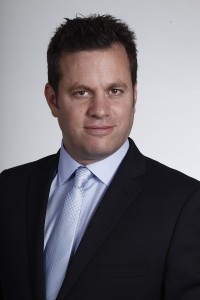
Advocate, Notary and Chairman of Tal Ron, Drihem & Co., Tal Itzhak Ron
F. M.: Give us an overview of how the new legislative framework is going to affect the foreign exchange and binary options industry…
T. R. & A. A.: “Business owners and entrepreneurs in the financial industry and its likes could light-heartedly set up a UK company and nominate their offshore company as its shareholder. That way, they were able to work with banks through the offshore company and with PSPs, who would not accept offshore companies as their merchants.
The UK Company would have signed a merchant agreement with the PSP, without exposing the flesh and bone beneficial owner at the top of the chain. However – starting April 2016, that is history - so much for the nostalgia- let us fish the past from it and turn it into worthwhile advice.
F. M.: What’s behind the PSC register and what should financial business owners be aware of?
T.R. & A. A.: The Small Business Enterprises and Employment Act 2015 requires, as of April 1st, 2016, all UK companies (except for LLPs, at least until secondary legislation comes along) to begin keeping a detailed public register of their beneficial owners or controlling persons, which will be known as a PSC (Person with Significant Control) Register.
We recommend your readers to see the UK government's announcement and relevant guidelines at https://www.gov.uk/government/uploads/system/uploads/attachment_data/file/395478/bis-14-1145-the-register-of-people-with-significant-control-psc-register-register-final-1.pdf. This means that every person who meets one of the PSC definitions in the law shall be obliged to expose their name, country of residence, nationality, when they became a PSC and the nature of their beneficial interest held in the company.
F. M.: Who is considered to be a PSC?
T. R. & A. A.: The law introduces five alternatives for being considered a PSC:
1. An individual holding, directly or indirectly more than 25% of the shares or the voting rights of UK Company.
2. An individual able to appoint or remove directly or indirectly a majority of the Board of Directors of UK Company.
3. An individual able to exercise and has the right to exercise “significant influence or control” over the company.
4. Trustees of a trust who meet any of the above conditions in their capacity as trustees in relation to a UK company or
5. Persons able to exercise or have the right to exercise significant influence or control over the activity of that trust.
F. M.: What’s your professional legal advice to those which the new law applies to?
T. R. & A. A.: If you comply with one of the requirements, then this is the time to start planning ahead, especially after lessons learned from recent events in Bulgaria in the PSP and banking industry. There were problems with banks such as TBI which were forced to shut down accounts of many offshore companies linked to the financial industry, and whose beneficial owners’ names were said to be at risk.
If you, as a beneficial owner of an offshore company holding a UK company, seek to remain incognito to the public, then you ought to dissolve your UK Company and turn to an alternative structure, which will allow you not to expose yourself. Alternatively, if you decide to stick to your UK Company, it is vital to comply with the law’s new requirements.
One of the alternatives is to incorporating a Limited Partnership (LP) in a European registry, where the partners are two offshore companies (and not flesh and bone directors). On a final personal note, this is just another proof of how crucial it is to keep track, with the help of skilled legal advisors, of legislation and regulatory changes in the locations where companies are incorporated and where business is done and work properly. Just like many other things in life, it's all about finding these things out on time and acting before any damage is done. Now is your time to act.
Starting from April 2016, the Small Business, Enterprise and Employment Act 2015 will introduce a requirement for all UK companies (other than publicly traded companies) to maintain a register of the persons of significant control (PSC) over the company.
The PSC register will be available for public access and its content could frequently differ materially from the names listed on the company’s register of shareholders. The mandatory requirement to maintain a listing in the PSC register includes all UK private and public companies, except the publicly traded companies, which are already reporting under different regulations.
"Transparency of company ownership and control is important because companies can be used to facilitate the conduct of illicit activities." These words come from the UK's Minister of Employment Relations and Consumer Affairs and show that the UK legislator has now become much keener on stopping the lawful camouflage of the corporate shareholder in the country and the use of the nominee director and shareholder.
Finance Magnates spoke with Adv. Tal Itzhak Ron and Aviya Arika of financial and gaming law firm Tal Ron, Drihem & Co., about this latest development and about how it is still possible to continue working legitimately in this industry in spite of these legal changes.
Advocate, Notary and Chairman of Tal Ron, Drihem & Co., Tal Itzhak Ron
F. M.: Give us an overview of how the new legislative framework is going to affect the foreign exchange and binary options industry…
T. R. & A. A.: “Business owners and entrepreneurs in the financial industry and its likes could light-heartedly set up a UK company and nominate their offshore company as its shareholder. That way, they were able to work with banks through the offshore company and with PSPs, who would not accept offshore companies as their merchants.
The UK Company would have signed a merchant agreement with the PSP, without exposing the flesh and bone beneficial owner at the top of the chain. However – starting April 2016, that is history - so much for the nostalgia- let us fish the past from it and turn it into worthwhile advice.
F. M.: What’s behind the PSC register and what should financial business owners be aware of?
T.R. & A. A.: The Small Business Enterprises and Employment Act 2015 requires, as of April 1st, 2016, all UK companies (except for LLPs, at least until secondary legislation comes along) to begin keeping a detailed public register of their beneficial owners or controlling persons, which will be known as a PSC (Person with Significant Control) Register.
We recommend your readers to see the UK government's announcement and relevant guidelines at https://www.gov.uk/government/uploads/system/uploads/attachment_data/file/395478/bis-14-1145-the-register-of-people-with-significant-control-psc-register-register-final-1.pdf. This means that every person who meets one of the PSC definitions in the law shall be obliged to expose their name, country of residence, nationality, when they became a PSC and the nature of their beneficial interest held in the company.
F. M.: Who is considered to be a PSC?
T. R. & A. A.: The law introduces five alternatives for being considered a PSC:
1. An individual holding, directly or indirectly more than 25% of the shares or the voting rights of UK Company.
2. An individual able to appoint or remove directly or indirectly a majority of the Board of Directors of UK Company.
3. An individual able to exercise and has the right to exercise “significant influence or control” over the company.
4. Trustees of a trust who meet any of the above conditions in their capacity as trustees in relation to a UK company or
5. Persons able to exercise or have the right to exercise significant influence or control over the activity of that trust.
F. M.: What’s your professional legal advice to those which the new law applies to?
T. R. & A. A.: If you comply with one of the requirements, then this is the time to start planning ahead, especially after lessons learned from recent events in Bulgaria in the PSP and banking industry. There were problems with banks such as TBI which were forced to shut down accounts of many offshore companies linked to the financial industry, and whose beneficial owners’ names were said to be at risk.
If you, as a beneficial owner of an offshore company holding a UK company, seek to remain incognito to the public, then you ought to dissolve your UK Company and turn to an alternative structure, which will allow you not to expose yourself. Alternatively, if you decide to stick to your UK Company, it is vital to comply with the law’s new requirements.
One of the alternatives is to incorporating a Limited Partnership (LP) in a European registry, where the partners are two offshore companies (and not flesh and bone directors). On a final personal note, this is just another proof of how crucial it is to keep track, with the help of skilled legal advisors, of legislation and regulatory changes in the locations where companies are incorporated and where business is done and work properly. Just like many other things in life, it's all about finding these things out on time and acting before any damage is done. Now is your time to act.
Recognition that matters.
Built on transparency.
Driven by the industry.
The Finance Magnates Awards 2026.
Nominations are now open.
🔗 https://awards.financemagnates.com/?utm_source=SM&utm_medium=social&utm_campaign=recognition-matters
Recognition that matters.
Built on transparency.
Driven by the industry.
The Finance Magnates Awards 2026.
Nominations are now open.
🔗 https://awards.financemagnates.com/?utm_source=SM&utm_medium=social&utm_campaign=recognition-matters
Recognition that matters.
Built on transparency.
Driven by the industry.
The Finance Magnates Awards 2026.
Nominations are now open.
🔗 https://awards.financemagnates.com/?utm_source=SM&utm_medium=social&utm_campaign=recognition-matters
Recognition that matters.
Built on transparency.
Driven by the industry.
The Finance Magnates Awards 2026.
Nominations are now open.
🔗 https://awards.financemagnates.com/?utm_source=SM&utm_medium=social&utm_campaign=recognition-matters
Tickmill Winner Spotlight | Broker of the Year 2025 (LATAM) 🏆 | Finance Magnates Awards #Trading
Tickmill Winner Spotlight | Broker of the Year 2025 (LATAM) 🏆 | Finance Magnates Awards #Trading
Tickmill Winner Spotlight | Broker of the Year 2025 (LATAM) 🏆 | Finance Magnates Awards #Trading
Tickmill Winner Spotlight | Broker of the Year 2025 (LATAM) 🏆 | Finance Magnates Awards #Trading
Tickmill Winner Spotlight | Broker of the Year 2025 (LATAM) 🏆 | Finance Magnates Awards #Trading
Tickmill Winner Spotlight | Broker of the Year 2025 (LATAM) 🏆 | Finance Magnates Awards #Trading
What helped Tickmill stand out this year?
In this Winner Spotlight, Johnny Khalil, Executive Director at Tickmill Europe, shares how listening closely to clients and delivering strong trading conditions made the difference.
A big thank you to the community whose support continues to drive progress every day.
👉 Think your brand has what it takes? Nominate for the 2026 Finance Magnates Awards: https://awards.financemagnates.com/#nominate
What helped Tickmill stand out this year?
In this Winner Spotlight, Johnny Khalil, Executive Director at Tickmill Europe, shares how listening closely to clients and delivering strong trading conditions made the difference.
A big thank you to the community whose support continues to drive progress every day.
👉 Think your brand has what it takes? Nominate for the 2026 Finance Magnates Awards: https://awards.financemagnates.com/#nominate
What helped Tickmill stand out this year?
In this Winner Spotlight, Johnny Khalil, Executive Director at Tickmill Europe, shares how listening closely to clients and delivering strong trading conditions made the difference.
A big thank you to the community whose support continues to drive progress every day.
👉 Think your brand has what it takes? Nominate for the 2026 Finance Magnates Awards: https://awards.financemagnates.com/#nominate
What helped Tickmill stand out this year?
In this Winner Spotlight, Johnny Khalil, Executive Director at Tickmill Europe, shares how listening closely to clients and delivering strong trading conditions made the difference.
A big thank you to the community whose support continues to drive progress every day.
👉 Think your brand has what it takes? Nominate for the 2026 Finance Magnates Awards: https://awards.financemagnates.com/#nominate
What helped Tickmill stand out this year?
In this Winner Spotlight, Johnny Khalil, Executive Director at Tickmill Europe, shares how listening closely to clients and delivering strong trading conditions made the difference.
A big thank you to the community whose support continues to drive progress every day.
👉 Think your brand has what it takes? Nominate for the 2026 Finance Magnates Awards: https://awards.financemagnates.com/#nominate
What helped Tickmill stand out this year?
In this Winner Spotlight, Johnny Khalil, Executive Director at Tickmill Europe, shares how listening closely to clients and delivering strong trading conditions made the difference.
A big thank you to the community whose support continues to drive progress every day.
👉 Think your brand has what it takes? Nominate for the 2026 Finance Magnates Awards: https://awards.financemagnates.com/#nominate
CMC Markets’ Artur Delijergijevs on Metals Demand, Volatility, & Stable Execution
CMC Markets’ Artur Delijergijevs on Metals Demand, Volatility, & Stable Execution
CMC Markets’ Artur Delijergijevs on Metals Demand, Volatility, & Stable Execution
CMC Markets’ Artur Delijergijevs on Metals Demand, Volatility, & Stable Execution
CMC Markets’ Artur Delijergijevs on Metals Demand, Volatility, & Stable Execution
CMC Markets’ Artur Delijergijevs on Metals Demand, Volatility, & Stable Execution
In this exclusive Executive Interview, Finance Magnates speaks with Artur Delijergijevs, Head of Systematic Market Making at CMC Markets, about the current state of metals demand and market volatility.
Delijergijevs offers a desk-level view on:
- Metals Demand: Why metals are seeing the strongest demand from both retail and institutional clients right now.
- The Safe-Haven Debate: Questioning whether gold still fits the classic safe-haven definition given large daily price movements.
- Volatile Market Prep: How a market-making desk prepares its systems and pricing for stressed market conditions and high-impact economic events.
- Hybrid Execution: Why the best execution model combines electronic speed with human relationship support, especially during volatility.
- AI in Workflow: Where CMC Markets is integrating machine learning for risk management and pricing, and the limitations of AI during stressed markets.
- Dubai's Role: The strategic importance of Dubai’s location for covering global trading sessions across Asia, Europe, and the US.
Watch to understand how CMC Markets maintains stable pricing and reliable execution quality in high-volatility environments.
#CMCmarkets #forex #metals #gold #trading #volatility #MarketMaking #iFXDubai #FinanceMagnates #Finance #Fintech #Execution #AlgorithmicTrading #RiskManagement
In this exclusive Executive Interview, Finance Magnates speaks with Artur Delijergijevs, Head of Systematic Market Making at CMC Markets, about the current state of metals demand and market volatility.
Delijergijevs offers a desk-level view on:
- Metals Demand: Why metals are seeing the strongest demand from both retail and institutional clients right now.
- The Safe-Haven Debate: Questioning whether gold still fits the classic safe-haven definition given large daily price movements.
- Volatile Market Prep: How a market-making desk prepares its systems and pricing for stressed market conditions and high-impact economic events.
- Hybrid Execution: Why the best execution model combines electronic speed with human relationship support, especially during volatility.
- AI in Workflow: Where CMC Markets is integrating machine learning for risk management and pricing, and the limitations of AI during stressed markets.
- Dubai's Role: The strategic importance of Dubai’s location for covering global trading sessions across Asia, Europe, and the US.
Watch to understand how CMC Markets maintains stable pricing and reliable execution quality in high-volatility environments.
#CMCmarkets #forex #metals #gold #trading #volatility #MarketMaking #iFXDubai #FinanceMagnates #Finance #Fintech #Execution #AlgorithmicTrading #RiskManagement
In this exclusive Executive Interview, Finance Magnates speaks with Artur Delijergijevs, Head of Systematic Market Making at CMC Markets, about the current state of metals demand and market volatility.
Delijergijevs offers a desk-level view on:
- Metals Demand: Why metals are seeing the strongest demand from both retail and institutional clients right now.
- The Safe-Haven Debate: Questioning whether gold still fits the classic safe-haven definition given large daily price movements.
- Volatile Market Prep: How a market-making desk prepares its systems and pricing for stressed market conditions and high-impact economic events.
- Hybrid Execution: Why the best execution model combines electronic speed with human relationship support, especially during volatility.
- AI in Workflow: Where CMC Markets is integrating machine learning for risk management and pricing, and the limitations of AI during stressed markets.
- Dubai's Role: The strategic importance of Dubai’s location for covering global trading sessions across Asia, Europe, and the US.
Watch to understand how CMC Markets maintains stable pricing and reliable execution quality in high-volatility environments.
#CMCmarkets #forex #metals #gold #trading #volatility #MarketMaking #iFXDubai #FinanceMagnates #Finance #Fintech #Execution #AlgorithmicTrading #RiskManagement
In this exclusive Executive Interview, Finance Magnates speaks with Artur Delijergijevs, Head of Systematic Market Making at CMC Markets, about the current state of metals demand and market volatility.
Delijergijevs offers a desk-level view on:
- Metals Demand: Why metals are seeing the strongest demand from both retail and institutional clients right now.
- The Safe-Haven Debate: Questioning whether gold still fits the classic safe-haven definition given large daily price movements.
- Volatile Market Prep: How a market-making desk prepares its systems and pricing for stressed market conditions and high-impact economic events.
- Hybrid Execution: Why the best execution model combines electronic speed with human relationship support, especially during volatility.
- AI in Workflow: Where CMC Markets is integrating machine learning for risk management and pricing, and the limitations of AI during stressed markets.
- Dubai's Role: The strategic importance of Dubai’s location for covering global trading sessions across Asia, Europe, and the US.
Watch to understand how CMC Markets maintains stable pricing and reliable execution quality in high-volatility environments.
#CMCmarkets #forex #metals #gold #trading #volatility #MarketMaking #iFXDubai #FinanceMagnates #Finance #Fintech #Execution #AlgorithmicTrading #RiskManagement
In this exclusive Executive Interview, Finance Magnates speaks with Artur Delijergijevs, Head of Systematic Market Making at CMC Markets, about the current state of metals demand and market volatility.
Delijergijevs offers a desk-level view on:
- Metals Demand: Why metals are seeing the strongest demand from both retail and institutional clients right now.
- The Safe-Haven Debate: Questioning whether gold still fits the classic safe-haven definition given large daily price movements.
- Volatile Market Prep: How a market-making desk prepares its systems and pricing for stressed market conditions and high-impact economic events.
- Hybrid Execution: Why the best execution model combines electronic speed with human relationship support, especially during volatility.
- AI in Workflow: Where CMC Markets is integrating machine learning for risk management and pricing, and the limitations of AI during stressed markets.
- Dubai's Role: The strategic importance of Dubai’s location for covering global trading sessions across Asia, Europe, and the US.
Watch to understand how CMC Markets maintains stable pricing and reliable execution quality in high-volatility environments.
#CMCmarkets #forex #metals #gold #trading #volatility #MarketMaking #iFXDubai #FinanceMagnates #Finance #Fintech #Execution #AlgorithmicTrading #RiskManagement
In this exclusive Executive Interview, Finance Magnates speaks with Artur Delijergijevs, Head of Systematic Market Making at CMC Markets, about the current state of metals demand and market volatility.
Delijergijevs offers a desk-level view on:
- Metals Demand: Why metals are seeing the strongest demand from both retail and institutional clients right now.
- The Safe-Haven Debate: Questioning whether gold still fits the classic safe-haven definition given large daily price movements.
- Volatile Market Prep: How a market-making desk prepares its systems and pricing for stressed market conditions and high-impact economic events.
- Hybrid Execution: Why the best execution model combines electronic speed with human relationship support, especially during volatility.
- AI in Workflow: Where CMC Markets is integrating machine learning for risk management and pricing, and the limitations of AI during stressed markets.
- Dubai's Role: The strategic importance of Dubai’s location for covering global trading sessions across Asia, Europe, and the US.
Watch to understand how CMC Markets maintains stable pricing and reliable execution quality in high-volatility environments.
#CMCmarkets #forex #metals #gold #trading #volatility #MarketMaking #iFXDubai #FinanceMagnates #Finance #Fintech #Execution #AlgorithmicTrading #RiskManagement
Finance Magnates Awards 2026 – Nominations Now Open
Finance Magnates Awards 2026 – Nominations Now Open
Finance Magnates Awards 2026 – Nominations Now Open
Finance Magnates Awards 2026 – Nominations Now Open
Finance Magnates Awards 2026 – Nominations Now Open
Finance Magnates Awards 2026 – Nominations Now Open
The Finance Magnates Awards 2026 nominations are now open. 🏆
From fintech innovators to leading brokers, this is where the finance industry celebrates its biggest achievements.
Winners will be announced at the Cyprus Gala Dinner on November 6, 2026.
Nominate your brand now.
https://awards.financemagnates.com/?utm_source=linkedin&utm_medium=video&utm_campaign=nominations-open
#FMAwards #FinanceMagnates #FintechAwards #Fintech #FinanceIndustry
The Finance Magnates Awards 2026 nominations are now open. 🏆
From fintech innovators to leading brokers, this is where the finance industry celebrates its biggest achievements.
Winners will be announced at the Cyprus Gala Dinner on November 6, 2026.
Nominate your brand now.
https://awards.financemagnates.com/?utm_source=linkedin&utm_medium=video&utm_campaign=nominations-open
#FMAwards #FinanceMagnates #FintechAwards #Fintech #FinanceIndustry
The Finance Magnates Awards 2026 nominations are now open. 🏆
From fintech innovators to leading brokers, this is where the finance industry celebrates its biggest achievements.
Winners will be announced at the Cyprus Gala Dinner on November 6, 2026.
Nominate your brand now.
https://awards.financemagnates.com/?utm_source=linkedin&utm_medium=video&utm_campaign=nominations-open
#FMAwards #FinanceMagnates #FintechAwards #Fintech #FinanceIndustry
The Finance Magnates Awards 2026 nominations are now open. 🏆
From fintech innovators to leading brokers, this is where the finance industry celebrates its biggest achievements.
Winners will be announced at the Cyprus Gala Dinner on November 6, 2026.
Nominate your brand now.
https://awards.financemagnates.com/?utm_source=linkedin&utm_medium=video&utm_campaign=nominations-open
#FMAwards #FinanceMagnates #FintechAwards #Fintech #FinanceIndustry
The Finance Magnates Awards 2026 nominations are now open. 🏆
From fintech innovators to leading brokers, this is where the finance industry celebrates its biggest achievements.
Winners will be announced at the Cyprus Gala Dinner on November 6, 2026.
Nominate your brand now.
https://awards.financemagnates.com/?utm_source=linkedin&utm_medium=video&utm_campaign=nominations-open
#FMAwards #FinanceMagnates #FintechAwards #Fintech #FinanceIndustry
The Finance Magnates Awards 2026 nominations are now open. 🏆
From fintech innovators to leading brokers, this is where the finance industry celebrates its biggest achievements.
Winners will be announced at the Cyprus Gala Dinner on November 6, 2026.
Nominate your brand now.
https://awards.financemagnates.com/?utm_source=linkedin&utm_medium=video&utm_campaign=nominations-open
#FMAwards #FinanceMagnates #FintechAwards #Fintech #FinanceIndustry
Finance Magnates Awards 2026 | Nominations Now Open 🏆#Fintech #FMAwards #TradingIndustry
Finance Magnates Awards 2026 | Nominations Now Open 🏆#Fintech #FMAwards #TradingIndustry
Finance Magnates Awards 2026 | Nominations Now Open 🏆#Fintech #FMAwards #TradingIndustry
Finance Magnates Awards 2026 | Nominations Now Open 🏆#Fintech #FMAwards #TradingIndustry
Finance Magnates Awards 2026 | Nominations Now Open 🏆#Fintech #FMAwards #TradingIndustry
Finance Magnates Awards 2026 | Nominations Now Open 🏆#Fintech #FMAwards #TradingIndustry
Lights on. Cameras ready. 🎬
Finance Magnates Awards 2026 nominations are now open. 🏆
#FMAwards #FinanceMagnates #FintechAwards #Fintech
Lights on. Cameras ready. 🎬
Finance Magnates Awards 2026 nominations are now open. 🏆
#FMAwards #FinanceMagnates #FintechAwards #Fintech
Lights on. Cameras ready. 🎬
Finance Magnates Awards 2026 nominations are now open. 🏆
#FMAwards #FinanceMagnates #FintechAwards #Fintech
Lights on. Cameras ready. 🎬
Finance Magnates Awards 2026 nominations are now open. 🏆
#FMAwards #FinanceMagnates #FintechAwards #Fintech
Lights on. Cameras ready. 🎬
Finance Magnates Awards 2026 nominations are now open. 🏆
#FMAwards #FinanceMagnates #FintechAwards #Fintech
Lights on. Cameras ready. 🎬
Finance Magnates Awards 2026 nominations are now open. 🏆
#FMAwards #FinanceMagnates #FintechAwards #Fintech