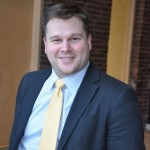
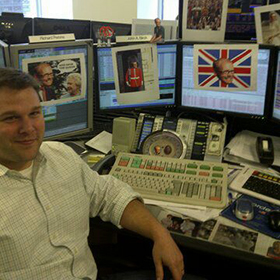
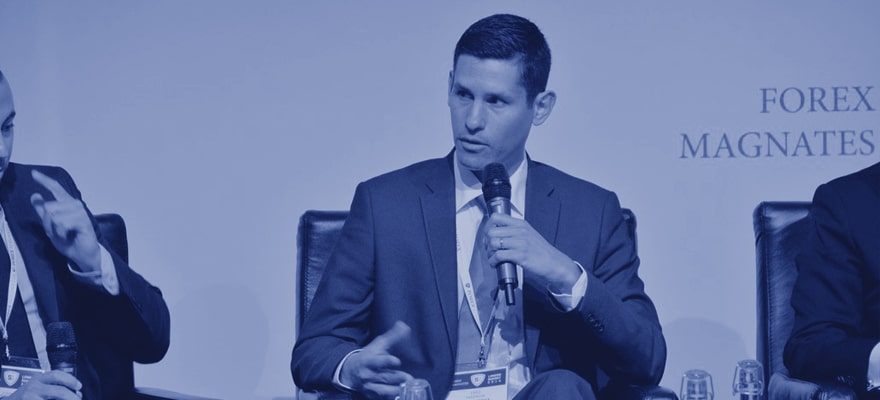
My day is spent connecting and maintaining relationships with interested parties in the Institutional or Wholesale clientele space. I gather information regarding their business models and needs and then structure an offering that is the best route for them to meet their needs in the Forex industry. I do spend a percentage of my time flying around the globe meeting clients or vendors face to face to ensure the relationship is on solid ground. Some of the cities I traveled to in the past 2 months are New York, Toronto, Chicago and now London. I do get to enjoy some perks of the industry, such as expos, nice dinners, golf tournaments and entertaining clients.
How is what you do important for the trading industry?
My role is split into 2 parts. One side is to find new clientele with whom to form mutually beneficial relationships to provide FX, CFDs and Metals liquidity. The second side is to understand the technology aspect of a potential client and offer them superior products to enhance their functionality. I also need to maintain open dialog with the present clients to continue improving our service to them. So, my role brings in new revenues while preserving the current base.
What do you love about your work?
The ever-changing currency market, which provides new opportunities each day is something I have always been interested in. Another aspect of my position is to assist clients in growing their business with superior industry products whether it is liquidity or our technology.
What is the quintessential experience of working in the trading industry?
The size and scope of the currency market and the fundamentals that dictate the direction. I have also come to welcome meeting people from around the world with different points of view from mine so I can learn to look at things differently.
How old were you when you had your first paying job?
I believe I was 13 when I took a job working in a restaurant. My first position in the FX industry was at 21. I was a Financial Analyst at Citibank, NYC, on the FX trading floor while working part time as Assistant Trader for the NY night desk.
Who do you admire?
Jim Rogers, I like and agree with most his ideas. Jim insisted in the early 2000’s that commodities across the board should increase in value. Soon enough we saw those trades paid off in a big way, so I have made an effort to give an ear when he makes a prediction. Jim Rodgers always says he is not good at timing the market, but eventually fundamentals will take over.
Please share an anecdote that is unique to our industry.
An old market phrase has always stuck in my head throughout my career. “The market can be irrational, longer than you can be liquid.” As we saw in the FX carry trade phase in 2006-08, the market had irrational exuberance and currency markets were greatly overvalued. The following market collapse was something I was waiting on for a long time, but, eventually, fundamentals took over.
What advice would you like to share here that has been important to you?
The most important thing I have learned in 16 years in the FX industry is to only work with highly regulated and capitalized firms that can weather the inevitable storms that also have excellent technology. If you try to find the cheaper option, you will pay for it in the long run.
Who are you and what do you do as VP of Institutional FX?
My day is spent connecting and maintaining relationships with interested parties in the Institutional or Wholesale clientele space. I gather information regarding their business models and needs and then structure an offering that is the best route for them to meet their needs in the Forex industry. I do spend a percentage of my time flying around the globe meeting clients or vendors face to face to ensure the relationship is on solid ground. Some of the cities I traveled to in the past 2 months are New York, Toronto, Chicago and now London. I do get to enjoy some perks of the industry, such as expos, nice dinners, golf tournaments and entertaining clients.
How is what you do important for the trading industry?
My role is split into 2 parts. One side is to find new clientele with whom to form mutually beneficial relationships to provide FX, CFDs and Metals liquidity. The second side is to understand the technology aspect of a potential client and offer them superior products to enhance their functionality. I also need to maintain open dialog with the present clients to continue improving our service to them. So, my role brings in new revenues while preserving the current base.
What do you love about your work?
The ever-changing currency market, which provides new opportunities each day is something I have always been interested in. Another aspect of my position is to assist clients in growing their business with superior industry products whether it is liquidity or our technology.
What is the quintessential experience of working in the trading industry?
The size and scope of the currency market and the fundamentals that dictate the direction. I have also come to welcome meeting people from around the world with different points of view from mine so I can learn to look at things differently.
How old were you when you had your first paying job?
I believe I was 13 when I took a job working in a restaurant. My first position in the FX industry was at 21. I was a Financial Analyst at Citibank, NYC, on the FX trading floor while working part time as Assistant Trader for the NY night desk.
Who do you admire?
Jim Rogers, I like and agree with most his ideas. Jim insisted in the early 2000’s that commodities across the board should increase in value. Soon enough we saw those trades paid off in a big way, so I have made an effort to give an ear when he makes a prediction. Jim Rodgers always says he is not good at timing the market, but eventually fundamentals will take over.
Please share an anecdote that is unique to our industry.
An old market phrase has always stuck in my head throughout my career. “The market can be irrational, longer than you can be liquid.” As we saw in the FX carry trade phase in 2006-08, the market had irrational exuberance and currency markets were greatly overvalued. The following market collapse was something I was waiting on for a long time, but, eventually, fundamentals took over.
What advice would you like to share here that has been important to you?
The most important thing I have learned in 16 years in the FX industry is to only work with highly regulated and capitalized firms that can weather the inevitable storms that also have excellent technology. If you try to find the cheaper option, you will pay for it in the long run.
My name is Leah Grantz and I am the UGC Editor at Finance Magnates - which basically means that I work with guest bloggers. If you want to become a guest blogger, contact me! UGC Editor & Community Manager
Trade Republic Wants to Give You Access to Private Equity. Here's Why That Worries Experts
Featured Videos
Paytiko CEO Razi Salih on Why Payment Orchestration is a MUST-HAVE for Brokers in 2026
Paytiko CEO Razi Salih on Why Payment Orchestration is a MUST-HAVE for Brokers in 2026
Paytiko CEO Razi Salih on Why Payment Orchestration is a MUST-HAVE for Brokers in 2026
Paytiko CEO Razi Salih on Why Payment Orchestration is a MUST-HAVE for Brokers in 2026
At iFX Expo Dubai, Finance Magnates spoke with Razi Salih, CEO at Paytiko, about the evolution of the payments ecosystem and why payment orchestration has shifted from an option to a necessity for brokers, prop firms, and exchanges.
Mr. Salih explains how global expansion, the need for deep localisation, and the sheer number of new payment methods, from instant banking to stablecoins, are driving this critical infrastructure shift.
#PaymentOrchestration #Fintech #Brokerage #TradingPayments #RaziSalih #Paytiko #iFXExpoDubai #Stablecoins #AIinFintech
At iFX Expo Dubai, Finance Magnates spoke with Razi Salih, CEO at Paytiko, about the evolution of the payments ecosystem and why payment orchestration has shifted from an option to a necessity for brokers, prop firms, and exchanges.
Mr. Salih explains how global expansion, the need for deep localisation, and the sheer number of new payment methods, from instant banking to stablecoins, are driving this critical infrastructure shift.
#PaymentOrchestration #Fintech #Brokerage #TradingPayments #RaziSalih #Paytiko #iFXExpoDubai #Stablecoins #AIinFintech
At iFX Expo Dubai, Finance Magnates spoke with Razi Salih, CEO at Paytiko, about the evolution of the payments ecosystem and why payment orchestration has shifted from an option to a necessity for brokers, prop firms, and exchanges.
Mr. Salih explains how global expansion, the need for deep localisation, and the sheer number of new payment methods, from instant banking to stablecoins, are driving this critical infrastructure shift.
#PaymentOrchestration #Fintech #Brokerage #TradingPayments #RaziSalih #Paytiko #iFXExpoDubai #Stablecoins #AIinFintech
At iFX Expo Dubai, Finance Magnates spoke with Razi Salih, CEO at Paytiko, about the evolution of the payments ecosystem and why payment orchestration has shifted from an option to a necessity for brokers, prop firms, and exchanges.
Mr. Salih explains how global expansion, the need for deep localisation, and the sheer number of new payment methods, from instant banking to stablecoins, are driving this critical infrastructure shift.
#PaymentOrchestration #Fintech #Brokerage #TradingPayments #RaziSalih #Paytiko #iFXExpoDubai #Stablecoins #AIinFintech
Altima CTO Sunil Jadhav: Solving Data Fragmentation & Lag for Brokers & Prop Firms
Altima CTO Sunil Jadhav: Solving Data Fragmentation & Lag for Brokers & Prop Firms
Altima CTO Sunil Jadhav: Solving Data Fragmentation & Lag for Brokers & Prop Firms
Altima CTO Sunil Jadhav: Solving Data Fragmentation & Lag for Brokers & Prop Firms
Altima CTO Sunil Jadhav: Solving Data Fragmentation & Lag for Brokers & Prop Firms
Altima CTO Sunil Jadhav: Solving Data Fragmentation & Lag for Brokers & Prop Firms
Altima CTO Sunil Jadhav sits down with Finance Magnates to discuss the core technology challenges facing CFD brokers and proprietary trading firms today.
Jadhav explains how the industry's reliance on batch processing and fragmented systems (where CRMs, risk tools, and trading platforms operate with separate 'sources of truth') leads to delayed data and inconsistent operational decisions. He argues that real-time event processing is essential for managing fast-moving trading activity and risk.
Learn how Altima's unified, event-driven architecture, connecting Altima CRM, Altima Prop, IB systems, and risk management through a single backbone, is designed to provide synchronous data and better operational coordination for modern brokerage and prop firm stacks.
Key Topics:
- Broker and Prop Firm Data Challenges
- The problem of delayed data processing (batch processing vs. real-time events)
- Fragmented systems and conflicting data sources
- Altima's unified, event-driven solution architecture
- The concept of a "risk-aware CRM"
- Built-in risk management in Altima Prop
#Altima #financemagnates #iFXDubai #FinTech #BrokerTech #PropFirm #CFDBroker #TradingTechnology #RealTimeData #RiskManagement #CRM #FinancialMarkets #EventDrivenArchitecture
Altima CTO Sunil Jadhav sits down with Finance Magnates to discuss the core technology challenges facing CFD brokers and proprietary trading firms today.
Jadhav explains how the industry's reliance on batch processing and fragmented systems (where CRMs, risk tools, and trading platforms operate with separate 'sources of truth') leads to delayed data and inconsistent operational decisions. He argues that real-time event processing is essential for managing fast-moving trading activity and risk.
Learn how Altima's unified, event-driven architecture, connecting Altima CRM, Altima Prop, IB systems, and risk management through a single backbone, is designed to provide synchronous data and better operational coordination for modern brokerage and prop firm stacks.
Key Topics:
- Broker and Prop Firm Data Challenges
- The problem of delayed data processing (batch processing vs. real-time events)
- Fragmented systems and conflicting data sources
- Altima's unified, event-driven solution architecture
- The concept of a "risk-aware CRM"
- Built-in risk management in Altima Prop
#Altima #financemagnates #iFXDubai #FinTech #BrokerTech #PropFirm #CFDBroker #TradingTechnology #RealTimeData #RiskManagement #CRM #FinancialMarkets #EventDrivenArchitecture
Altima CTO Sunil Jadhav sits down with Finance Magnates to discuss the core technology challenges facing CFD brokers and proprietary trading firms today.
Jadhav explains how the industry's reliance on batch processing and fragmented systems (where CRMs, risk tools, and trading platforms operate with separate 'sources of truth') leads to delayed data and inconsistent operational decisions. He argues that real-time event processing is essential for managing fast-moving trading activity and risk.
Learn how Altima's unified, event-driven architecture, connecting Altima CRM, Altima Prop, IB systems, and risk management through a single backbone, is designed to provide synchronous data and better operational coordination for modern brokerage and prop firm stacks.
Key Topics:
- Broker and Prop Firm Data Challenges
- The problem of delayed data processing (batch processing vs. real-time events)
- Fragmented systems and conflicting data sources
- Altima's unified, event-driven solution architecture
- The concept of a "risk-aware CRM"
- Built-in risk management in Altima Prop
#Altima #financemagnates #iFXDubai #FinTech #BrokerTech #PropFirm #CFDBroker #TradingTechnology #RealTimeData #RiskManagement #CRM #FinancialMarkets #EventDrivenArchitecture
Altima CTO Sunil Jadhav sits down with Finance Magnates to discuss the core technology challenges facing CFD brokers and proprietary trading firms today.
Jadhav explains how the industry's reliance on batch processing and fragmented systems (where CRMs, risk tools, and trading platforms operate with separate 'sources of truth') leads to delayed data and inconsistent operational decisions. He argues that real-time event processing is essential for managing fast-moving trading activity and risk.
Learn how Altima's unified, event-driven architecture, connecting Altima CRM, Altima Prop, IB systems, and risk management through a single backbone, is designed to provide synchronous data and better operational coordination for modern brokerage and prop firm stacks.
Key Topics:
- Broker and Prop Firm Data Challenges
- The problem of delayed data processing (batch processing vs. real-time events)
- Fragmented systems and conflicting data sources
- Altima's unified, event-driven solution architecture
- The concept of a "risk-aware CRM"
- Built-in risk management in Altima Prop
#Altima #financemagnates #iFXDubai #FinTech #BrokerTech #PropFirm #CFDBroker #TradingTechnology #RealTimeData #RiskManagement #CRM #FinancialMarkets #EventDrivenArchitecture
Altima CTO Sunil Jadhav sits down with Finance Magnates to discuss the core technology challenges facing CFD brokers and proprietary trading firms today.
Jadhav explains how the industry's reliance on batch processing and fragmented systems (where CRMs, risk tools, and trading platforms operate with separate 'sources of truth') leads to delayed data and inconsistent operational decisions. He argues that real-time event processing is essential for managing fast-moving trading activity and risk.
Learn how Altima's unified, event-driven architecture, connecting Altima CRM, Altima Prop, IB systems, and risk management through a single backbone, is designed to provide synchronous data and better operational coordination for modern brokerage and prop firm stacks.
Key Topics:
- Broker and Prop Firm Data Challenges
- The problem of delayed data processing (batch processing vs. real-time events)
- Fragmented systems and conflicting data sources
- Altima's unified, event-driven solution architecture
- The concept of a "risk-aware CRM"
- Built-in risk management in Altima Prop
#Altima #financemagnates #iFXDubai #FinTech #BrokerTech #PropFirm #CFDBroker #TradingTechnology #RealTimeData #RiskManagement #CRM #FinancialMarkets #EventDrivenArchitecture
Altima CTO Sunil Jadhav sits down with Finance Magnates to discuss the core technology challenges facing CFD brokers and proprietary trading firms today.
Jadhav explains how the industry's reliance on batch processing and fragmented systems (where CRMs, risk tools, and trading platforms operate with separate 'sources of truth') leads to delayed data and inconsistent operational decisions. He argues that real-time event processing is essential for managing fast-moving trading activity and risk.
Learn how Altima's unified, event-driven architecture, connecting Altima CRM, Altima Prop, IB systems, and risk management through a single backbone, is designed to provide synchronous data and better operational coordination for modern brokerage and prop firm stacks.
Key Topics:
- Broker and Prop Firm Data Challenges
- The problem of delayed data processing (batch processing vs. real-time events)
- Fragmented systems and conflicting data sources
- Altima's unified, event-driven solution architecture
- The concept of a "risk-aware CRM"
- Built-in risk management in Altima Prop
#Altima #financemagnates #iFXDubai #FinTech #BrokerTech #PropFirm #CFDBroker #TradingTechnology #RealTimeData #RiskManagement #CRM #FinancialMarkets #EventDrivenArchitecture
Why Brokers Choose Modular Platforms: Scale Trade on Fast Launch & 'Control Without Complexity'
Why Brokers Choose Modular Platforms: Scale Trade on Fast Launch & 'Control Without Complexity'
Why Brokers Choose Modular Platforms: Scale Trade on Fast Launch & 'Control Without Complexity'
Why Brokers Choose Modular Platforms: Scale Trade on Fast Launch & 'Control Without Complexity'
Why Brokers Choose Modular Platforms: Scale Trade on Fast Launch & 'Control Without Complexity'
Why Brokers Choose Modular Platforms: Scale Trade on Fast Launch & 'Control Without Complexity'
At iFX Dubai, Scale Trade CEO Arutyun Iskandaryan and Senior Sales Manager Daniel Kovalenko break down why brokerages are ditching the "build-it-yourself" approach for modular, self-hosted trading platforms like ST Trader. @scaletrade2101
Discover what the fastest route to market looks like for new and established brokers seeking control without complexity.
In this executive interview, you'll learn:
- Why the demand for multi-asset trading and tighter regulation is forcing brokers to adopt flexible, scalable platforms.
- How Scale Trade ensures fast launch (1-2 weeks) and seamless migration without operational downtime.
- The key regional differences driving platform requirements (Compliance in Europe, Mobile in Asia, Payments in the Middle East).
- Scale Trade's four major trends shaping broker technology, including the role of AI in risk management.
Scale Trade's ready-made, self-hosted ecosystem delivers everything a broker needs—from price feeds and risk management to flexible liquidity, allowing them to focus on business growth, not becoming a software company.
#financemagnates #ScaleTrade #BrokerTechnology #TradingPlatform #FinTech #ModularPlatform #STTrader #GoToMarket
At iFX Dubai, Scale Trade CEO Arutyun Iskandaryan and Senior Sales Manager Daniel Kovalenko break down why brokerages are ditching the "build-it-yourself" approach for modular, self-hosted trading platforms like ST Trader. @scaletrade2101
Discover what the fastest route to market looks like for new and established brokers seeking control without complexity.
In this executive interview, you'll learn:
- Why the demand for multi-asset trading and tighter regulation is forcing brokers to adopt flexible, scalable platforms.
- How Scale Trade ensures fast launch (1-2 weeks) and seamless migration without operational downtime.
- The key regional differences driving platform requirements (Compliance in Europe, Mobile in Asia, Payments in the Middle East).
- Scale Trade's four major trends shaping broker technology, including the role of AI in risk management.
Scale Trade's ready-made, self-hosted ecosystem delivers everything a broker needs—from price feeds and risk management to flexible liquidity, allowing them to focus on business growth, not becoming a software company.
#financemagnates #ScaleTrade #BrokerTechnology #TradingPlatform #FinTech #ModularPlatform #STTrader #GoToMarket
At iFX Dubai, Scale Trade CEO Arutyun Iskandaryan and Senior Sales Manager Daniel Kovalenko break down why brokerages are ditching the "build-it-yourself" approach for modular, self-hosted trading platforms like ST Trader. @scaletrade2101
Discover what the fastest route to market looks like for new and established brokers seeking control without complexity.
In this executive interview, you'll learn:
- Why the demand for multi-asset trading and tighter regulation is forcing brokers to adopt flexible, scalable platforms.
- How Scale Trade ensures fast launch (1-2 weeks) and seamless migration without operational downtime.
- The key regional differences driving platform requirements (Compliance in Europe, Mobile in Asia, Payments in the Middle East).
- Scale Trade's four major trends shaping broker technology, including the role of AI in risk management.
Scale Trade's ready-made, self-hosted ecosystem delivers everything a broker needs—from price feeds and risk management to flexible liquidity, allowing them to focus on business growth, not becoming a software company.
#financemagnates #ScaleTrade #BrokerTechnology #TradingPlatform #FinTech #ModularPlatform #STTrader #GoToMarket
At iFX Dubai, Scale Trade CEO Arutyun Iskandaryan and Senior Sales Manager Daniel Kovalenko break down why brokerages are ditching the "build-it-yourself" approach for modular, self-hosted trading platforms like ST Trader. @scaletrade2101
Discover what the fastest route to market looks like for new and established brokers seeking control without complexity.
In this executive interview, you'll learn:
- Why the demand for multi-asset trading and tighter regulation is forcing brokers to adopt flexible, scalable platforms.
- How Scale Trade ensures fast launch (1-2 weeks) and seamless migration without operational downtime.
- The key regional differences driving platform requirements (Compliance in Europe, Mobile in Asia, Payments in the Middle East).
- Scale Trade's four major trends shaping broker technology, including the role of AI in risk management.
Scale Trade's ready-made, self-hosted ecosystem delivers everything a broker needs—from price feeds and risk management to flexible liquidity, allowing them to focus on business growth, not becoming a software company.
#financemagnates #ScaleTrade #BrokerTechnology #TradingPlatform #FinTech #ModularPlatform #STTrader #GoToMarket
At iFX Dubai, Scale Trade CEO Arutyun Iskandaryan and Senior Sales Manager Daniel Kovalenko break down why brokerages are ditching the "build-it-yourself" approach for modular, self-hosted trading platforms like ST Trader. @scaletrade2101
Discover what the fastest route to market looks like for new and established brokers seeking control without complexity.
In this executive interview, you'll learn:
- Why the demand for multi-asset trading and tighter regulation is forcing brokers to adopt flexible, scalable platforms.
- How Scale Trade ensures fast launch (1-2 weeks) and seamless migration without operational downtime.
- The key regional differences driving platform requirements (Compliance in Europe, Mobile in Asia, Payments in the Middle East).
- Scale Trade's four major trends shaping broker technology, including the role of AI in risk management.
Scale Trade's ready-made, self-hosted ecosystem delivers everything a broker needs—from price feeds and risk management to flexible liquidity, allowing them to focus on business growth, not becoming a software company.
#financemagnates #ScaleTrade #BrokerTechnology #TradingPlatform #FinTech #ModularPlatform #STTrader #GoToMarket
At iFX Dubai, Scale Trade CEO Arutyun Iskandaryan and Senior Sales Manager Daniel Kovalenko break down why brokerages are ditching the "build-it-yourself" approach for modular, self-hosted trading platforms like ST Trader. @scaletrade2101
Discover what the fastest route to market looks like for new and established brokers seeking control without complexity.
In this executive interview, you'll learn:
- Why the demand for multi-asset trading and tighter regulation is forcing brokers to adopt flexible, scalable platforms.
- How Scale Trade ensures fast launch (1-2 weeks) and seamless migration without operational downtime.
- The key regional differences driving platform requirements (Compliance in Europe, Mobile in Asia, Payments in the Middle East).
- Scale Trade's four major trends shaping broker technology, including the role of AI in risk management.
Scale Trade's ready-made, self-hosted ecosystem delivers everything a broker needs—from price feeds and risk management to flexible liquidity, allowing them to focus on business growth, not becoming a software company.
#financemagnates #ScaleTrade #BrokerTechnology #TradingPlatform #FinTech #ModularPlatform #STTrader #GoToMarket
How Prop Firms Scale Without Breaking Tech Stacks | Axcera Executive Interview
How Prop Firms Scale Without Breaking Tech Stacks | Axcera Executive Interview
How Prop Firms Scale Without Breaking Tech Stacks | Axcera Executive Interview
How Prop Firms Scale Without Breaking Tech Stacks | Axcera Executive Interview
How Prop Firms Scale Without Breaking Tech Stacks | Axcera Executive Interview
How Prop Firms Scale Without Breaking Tech Stacks | Axcera Executive Interview
In this Finance Magnates executive interview, Dora Christofi, Head of Marketing at Finance Magnates, speaks with Herman Shaho, Co-Founder & CPO at Axcera, about what prop firms often get wrong when scaling, and how the right CRM infrastructure can support growth.
Shaho explains why many prop firms break once they grow beyond the early stage, after stacking too many disconnected tools. He also shares how Axcera approaches customisation, with technology that fits the firm’s needs rather than forcing the firm to fit a template.
“The firm doesn’t need to adapt to the software, our software adapts to the firm,” Shaho says.
The interview follows Axcera’s recognition at the Finance Magnates Awards 2025, where the company won Best Prop Trading Technology Provider.
#FinanceMagnates #axcera #PropTrading #ProprietaryTrading #PropFirms #Fintech #TradingTechnology #CRM #Brokerage #WhiteLabel #Automation #AIinFintech #RiskManagement #DubaiFintech #CyprusFintech
In this Finance Magnates executive interview, Dora Christofi, Head of Marketing at Finance Magnates, speaks with Herman Shaho, Co-Founder & CPO at Axcera, about what prop firms often get wrong when scaling, and how the right CRM infrastructure can support growth.
Shaho explains why many prop firms break once they grow beyond the early stage, after stacking too many disconnected tools. He also shares how Axcera approaches customisation, with technology that fits the firm’s needs rather than forcing the firm to fit a template.
“The firm doesn’t need to adapt to the software, our software adapts to the firm,” Shaho says.
The interview follows Axcera’s recognition at the Finance Magnates Awards 2025, where the company won Best Prop Trading Technology Provider.
#FinanceMagnates #axcera #PropTrading #ProprietaryTrading #PropFirms #Fintech #TradingTechnology #CRM #Brokerage #WhiteLabel #Automation #AIinFintech #RiskManagement #DubaiFintech #CyprusFintech
In this Finance Magnates executive interview, Dora Christofi, Head of Marketing at Finance Magnates, speaks with Herman Shaho, Co-Founder & CPO at Axcera, about what prop firms often get wrong when scaling, and how the right CRM infrastructure can support growth.
Shaho explains why many prop firms break once they grow beyond the early stage, after stacking too many disconnected tools. He also shares how Axcera approaches customisation, with technology that fits the firm’s needs rather than forcing the firm to fit a template.
“The firm doesn’t need to adapt to the software, our software adapts to the firm,” Shaho says.
The interview follows Axcera’s recognition at the Finance Magnates Awards 2025, where the company won Best Prop Trading Technology Provider.
#FinanceMagnates #axcera #PropTrading #ProprietaryTrading #PropFirms #Fintech #TradingTechnology #CRM #Brokerage #WhiteLabel #Automation #AIinFintech #RiskManagement #DubaiFintech #CyprusFintech
In this Finance Magnates executive interview, Dora Christofi, Head of Marketing at Finance Magnates, speaks with Herman Shaho, Co-Founder & CPO at Axcera, about what prop firms often get wrong when scaling, and how the right CRM infrastructure can support growth.
Shaho explains why many prop firms break once they grow beyond the early stage, after stacking too many disconnected tools. He also shares how Axcera approaches customisation, with technology that fits the firm’s needs rather than forcing the firm to fit a template.
“The firm doesn’t need to adapt to the software, our software adapts to the firm,” Shaho says.
The interview follows Axcera’s recognition at the Finance Magnates Awards 2025, where the company won Best Prop Trading Technology Provider.
#FinanceMagnates #axcera #PropTrading #ProprietaryTrading #PropFirms #Fintech #TradingTechnology #CRM #Brokerage #WhiteLabel #Automation #AIinFintech #RiskManagement #DubaiFintech #CyprusFintech
In this Finance Magnates executive interview, Dora Christofi, Head of Marketing at Finance Magnates, speaks with Herman Shaho, Co-Founder & CPO at Axcera, about what prop firms often get wrong when scaling, and how the right CRM infrastructure can support growth.
Shaho explains why many prop firms break once they grow beyond the early stage, after stacking too many disconnected tools. He also shares how Axcera approaches customisation, with technology that fits the firm’s needs rather than forcing the firm to fit a template.
“The firm doesn’t need to adapt to the software, our software adapts to the firm,” Shaho says.
The interview follows Axcera’s recognition at the Finance Magnates Awards 2025, where the company won Best Prop Trading Technology Provider.
#FinanceMagnates #axcera #PropTrading #ProprietaryTrading #PropFirms #Fintech #TradingTechnology #CRM #Brokerage #WhiteLabel #Automation #AIinFintech #RiskManagement #DubaiFintech #CyprusFintech
In this Finance Magnates executive interview, Dora Christofi, Head of Marketing at Finance Magnates, speaks with Herman Shaho, Co-Founder & CPO at Axcera, about what prop firms often get wrong when scaling, and how the right CRM infrastructure can support growth.
Shaho explains why many prop firms break once they grow beyond the early stage, after stacking too many disconnected tools. He also shares how Axcera approaches customisation, with technology that fits the firm’s needs rather than forcing the firm to fit a template.
“The firm doesn’t need to adapt to the software, our software adapts to the firm,” Shaho says.
The interview follows Axcera’s recognition at the Finance Magnates Awards 2025, where the company won Best Prop Trading Technology Provider.
#FinanceMagnates #axcera #PropTrading #ProprietaryTrading #PropFirms #Fintech #TradingTechnology #CRM #Brokerage #WhiteLabel #Automation #AIinFintech #RiskManagement #DubaiFintech #CyprusFintech
Sami Saleh from Hola Prime on Fast Payouts and Full Transparency @HolaPrime_Global
Sami Saleh from Hola Prime on Fast Payouts and Full Transparency @HolaPrime_Global
Sami Saleh from Hola Prime on Fast Payouts and Full Transparency @HolaPrime_Global
Sami Saleh from Hola Prime on Fast Payouts and Full Transparency @HolaPrime_Global
Sami Saleh from Hola Prime on Fast Payouts and Full Transparency @HolaPrime_Global
Sami Saleh from Hola Prime on Fast Payouts and Full Transparency @HolaPrime_Global
In this Finance Magnates interview, Sami Saleh, Director of Growth at Hola Prime, shares what sets the firm apart, with a strong focus on one-hour payouts. @HolaPrime_Global
Sami Saleh also explains Hola Prime’s recently introduced Payout Transparency Report, giving traders clear, date-wise visibility into payout processing timings.
Watch the full interview to learn how Hola Prime approaches payout speed, transparency, and trader experience.
#FinanceMagnates #HolaPrime #SamiSaleh #PropTrading #Trading #Traders #Payouts #FastPayouts #Transparency #Forex #CFDTrading #Fintech #OnlineTrading #TradingCommunity #Interview
In this Finance Magnates interview, Sami Saleh, Director of Growth at Hola Prime, shares what sets the firm apart, with a strong focus on one-hour payouts. @HolaPrime_Global
Sami Saleh also explains Hola Prime’s recently introduced Payout Transparency Report, giving traders clear, date-wise visibility into payout processing timings.
Watch the full interview to learn how Hola Prime approaches payout speed, transparency, and trader experience.
#FinanceMagnates #HolaPrime #SamiSaleh #PropTrading #Trading #Traders #Payouts #FastPayouts #Transparency #Forex #CFDTrading #Fintech #OnlineTrading #TradingCommunity #Interview
In this Finance Magnates interview, Sami Saleh, Director of Growth at Hola Prime, shares what sets the firm apart, with a strong focus on one-hour payouts. @HolaPrime_Global
Sami Saleh also explains Hola Prime’s recently introduced Payout Transparency Report, giving traders clear, date-wise visibility into payout processing timings.
Watch the full interview to learn how Hola Prime approaches payout speed, transparency, and trader experience.
#FinanceMagnates #HolaPrime #SamiSaleh #PropTrading #Trading #Traders #Payouts #FastPayouts #Transparency #Forex #CFDTrading #Fintech #OnlineTrading #TradingCommunity #Interview
In this Finance Magnates interview, Sami Saleh, Director of Growth at Hola Prime, shares what sets the firm apart, with a strong focus on one-hour payouts. @HolaPrime_Global
Sami Saleh also explains Hola Prime’s recently introduced Payout Transparency Report, giving traders clear, date-wise visibility into payout processing timings.
Watch the full interview to learn how Hola Prime approaches payout speed, transparency, and trader experience.
#FinanceMagnates #HolaPrime #SamiSaleh #PropTrading #Trading #Traders #Payouts #FastPayouts #Transparency #Forex #CFDTrading #Fintech #OnlineTrading #TradingCommunity #Interview
In this Finance Magnates interview, Sami Saleh, Director of Growth at Hola Prime, shares what sets the firm apart, with a strong focus on one-hour payouts. @HolaPrime_Global
Sami Saleh also explains Hola Prime’s recently introduced Payout Transparency Report, giving traders clear, date-wise visibility into payout processing timings.
Watch the full interview to learn how Hola Prime approaches payout speed, transparency, and trader experience.
#FinanceMagnates #HolaPrime #SamiSaleh #PropTrading #Trading #Traders #Payouts #FastPayouts #Transparency #Forex #CFDTrading #Fintech #OnlineTrading #TradingCommunity #Interview
In this Finance Magnates interview, Sami Saleh, Director of Growth at Hola Prime, shares what sets the firm apart, with a strong focus on one-hour payouts. @HolaPrime_Global
Sami Saleh also explains Hola Prime’s recently introduced Payout Transparency Report, giving traders clear, date-wise visibility into payout processing timings.
Watch the full interview to learn how Hola Prime approaches payout speed, transparency, and trader experience.
#FinanceMagnates #HolaPrime #SamiSaleh #PropTrading #Trading #Traders #Payouts #FastPayouts #Transparency #Forex #CFDTrading #Fintech #OnlineTrading #TradingCommunity #Interview