The exit of the UK from the European Union was triggered after the official Article 50 letter was sent by Theresa May to the President of the European Council, Donald Tusk. The months in the aftermath of the vote for Brexit have been tumultuous for the trading industry in the UK.
[gptAdvertisement]
Despite the threats that the country’s financial industry may come crashing down, this hasn’t happened for now. If anything, some companies are very optimistic about the future. The CEO of CMC Markets, Peter Cruddas, a vocal proponent of Brexit, was one of the backers of the Vote Leave campaign.
UK and EU Financial Regulation
Over the past couple of months, the Financial Conduct Authority (FCA), the UK’s financial watchdog, hasn’t given in to pressure for looser regulation on the financial industry. On the contrary - it has announced that it is considering major changes to the retail broking space, a move that has a number of industry executives worried about the future.
The regulatory outreach of MiFID II is still valid in the UK and the FCA has shown no signs that it intends to have anything else in place. EU regulations regarding the financial sector appear to be valid in the UK.
London’s Trading Infrastructure Dominance
Optimism in the trading industry reigns supreme for the time being. Politicians in the UK and in the EU can be reckless, but senior executives appear confident in a reasonable deal between the parties in the coming tough Brexit negotiations.
The modern infrastructure that has been created in a 30-mile radius around London, which is the biggest market for foreign exchange transactions by far, is one key component of the resilience of the industry. According to the Bank of International Settlements, around 37 percent of global FX transactions take place in London.
“But the likelihood of this occurring varies; some products tend to be more regionalized and rely more on the underlying local end-user generated business and some rely on latency optimization, so require proximity to the venue and are therefore are difficult to shift,” he elaborated.
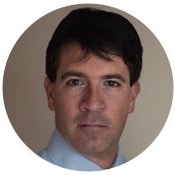
Curtis Pfeiffer
Curtis Pfeiffer, Chief Business Officer at Pragma, which is a provider of multi-asset algorithmic trading tools, adds to optimism: “Pragma is expanding its equities and FX business. Our investment in the data center at Equinix’s LD6 site offers Pragma360 clients access to state-of-the art technology and the largest ecosystem for foreign exchange trading globally. The banks we service need state-of-the-art trading capabilities for their traders and buy-side and corporate clients, making LD6 a natural fit.”
“Despite the uncertainty caused by Brexit, we are moving forward with this large capital expenditure because London, as the largest FX trading center in the world, hosts the largest datacenter ecosystem for low-latency FX trading applications and we do not see that changing any time soon,” he explains.
The CEO of ParFX added that fears about London losing its title have been exaggerated. According to Marcus, London has a lower cost of capital in comparison to other European countries which makes it a compelling place to do business.
"When trading becomes concentrated in a particular region and is supported by a comprehensive legal and regulatory environment it develops natural strengths that enable that particular market to function well. By leaving that pool of liquidity, a firm could disadvantage themselves and their clients,” Marcus concludes.
Easier to Relocate Talent than Infrastructure
After the UK leaves the EU, some financial institutions will relocate talent to other European cities, but the datacenter presence for their trading applications will remain in and around London. The latter is especially valid for FX and derivatives trading.
“As speed has become and will remain important to trading in electronic markets, institutions will be reluctant to leave the data center ecosystem in London. It has increased in size significantly of over the last 10 years as a result of a network effect – everyone wants their trading servers to be where everyone else’s are,” Pfeiffer explains.
With the substantial technology and bandwidth requirements that trading applications have, low-latency connectivity to trading venues and counterparties will remain key. Any significant challenge to London would take years to complete and will require significant capital expenditures.
The exit of the UK from the European Union was triggered after the official Article 50 letter was sent by Theresa May to the President of the European Council, Donald Tusk. The months in the aftermath of the vote for Brexit have been tumultuous for the trading industry in the UK.
[gptAdvertisement]
Despite the threats that the country’s financial industry may come crashing down, this hasn’t happened for now. If anything, some companies are very optimistic about the future. The CEO of CMC Markets, Peter Cruddas, a vocal proponent of Brexit, was one of the backers of the Vote Leave campaign.
UK and EU Financial Regulation
Over the past couple of months, the Financial Conduct Authority (FCA), the UK’s financial watchdog, hasn’t given in to pressure for looser regulation on the financial industry. On the contrary - it has announced that it is considering major changes to the retail broking space, a move that has a number of industry executives worried about the future.
The regulatory outreach of MiFID II is still valid in the UK and the FCA has shown no signs that it intends to have anything else in place. EU regulations regarding the financial sector appear to be valid in the UK.
London’s Trading Infrastructure Dominance
Optimism in the trading industry reigns supreme for the time being. Politicians in the UK and in the EU can be reckless, but senior executives appear confident in a reasonable deal between the parties in the coming tough Brexit negotiations.
The modern infrastructure that has been created in a 30-mile radius around London, which is the biggest market for foreign exchange transactions by far, is one key component of the resilience of the industry. According to the Bank of International Settlements, around 37 percent of global FX transactions take place in London.
“But the likelihood of this occurring varies; some products tend to be more regionalized and rely more on the underlying local end-user generated business and some rely on latency optimization, so require proximity to the venue and are therefore are difficult to shift,” he elaborated.
Curtis Pfeiffer
Curtis Pfeiffer, Chief Business Officer at Pragma, which is a provider of multi-asset algorithmic trading tools, adds to optimism: “Pragma is expanding its equities and FX business. Our investment in the data center at Equinix’s LD6 site offers Pragma360 clients access to state-of-the art technology and the largest ecosystem for foreign exchange trading globally. The banks we service need state-of-the-art trading capabilities for their traders and buy-side and corporate clients, making LD6 a natural fit.”
“Despite the uncertainty caused by Brexit, we are moving forward with this large capital expenditure because London, as the largest FX trading center in the world, hosts the largest datacenter ecosystem for low-latency FX trading applications and we do not see that changing any time soon,” he explains.
The CEO of ParFX added that fears about London losing its title have been exaggerated. According to Marcus, London has a lower cost of capital in comparison to other European countries which makes it a compelling place to do business.
"When trading becomes concentrated in a particular region and is supported by a comprehensive legal and regulatory environment it develops natural strengths that enable that particular market to function well. By leaving that pool of liquidity, a firm could disadvantage themselves and their clients,” Marcus concludes.
Easier to Relocate Talent than Infrastructure
After the UK leaves the EU, some financial institutions will relocate talent to other European cities, but the datacenter presence for their trading applications will remain in and around London. The latter is especially valid for FX and derivatives trading.
“As speed has become and will remain important to trading in electronic markets, institutions will be reluctant to leave the data center ecosystem in London. It has increased in size significantly of over the last 10 years as a result of a network effect – everyone wants their trading servers to be where everyone else’s are,” Pfeiffer explains.
With the substantial technology and bandwidth requirements that trading applications have, low-latency connectivity to trading venues and counterparties will remain key. Any significant challenge to London would take years to complete and will require significant capital expenditures.
iFOREX Adds Saudi and South Korean Equity CFDs as IPO Is Delayed
Featured Videos
Executive Interview | Charlotte Bullock | Chief Product Officer, Bank of London | FMLS:25
In this interview, we sat down with Charlotte Bullock, Head of Product at The Bank of London, previously at SAP and now shaping product at one of the sector’s most ambitious new banking players.
Charlotte reflects on the Summit so far and talks about the culture inside fintech banks today. We look at the pressures that come with scaling, and how firms can hold onto the nimble approach that made them stand out early on.
We also cover the state of payments ahead of her appearance on the payments roundtable: the blockages financial firms face, the areas that still need fixing, and what a realistic solution looks like in 2026.
In this interview, we sat down with Charlotte Bullock, Head of Product at The Bank of London, previously at SAP and now shaping product at one of the sector’s most ambitious new banking players.
Charlotte reflects on the Summit so far and talks about the culture inside fintech banks today. We look at the pressures that come with scaling, and how firms can hold onto the nimble approach that made them stand out early on.
We also cover the state of payments ahead of her appearance on the payments roundtable: the blockages financial firms face, the areas that still need fixing, and what a realistic solution looks like in 2026.
In this interview, we sat down with Charlotte Bullock, Head of Product at The Bank of London, previously at SAP and now shaping product at one of the sector’s most ambitious new banking players.
Charlotte reflects on the Summit so far and talks about the culture inside fintech banks today. We look at the pressures that come with scaling, and how firms can hold onto the nimble approach that made them stand out early on.
We also cover the state of payments ahead of her appearance on the payments roundtable: the blockages financial firms face, the areas that still need fixing, and what a realistic solution looks like in 2026.
In this interview, we sat down with Charlotte Bullock, Head of Product at The Bank of London, previously at SAP and now shaping product at one of the sector’s most ambitious new banking players.
Charlotte reflects on the Summit so far and talks about the culture inside fintech banks today. We look at the pressures that come with scaling, and how firms can hold onto the nimble approach that made them stand out early on.
We also cover the state of payments ahead of her appearance on the payments roundtable: the blockages financial firms face, the areas that still need fixing, and what a realistic solution looks like in 2026.
In this conversation, we sit down with Drew Niv, CSO at ATFX Connect and one of the most influential figures in modern FX.
We speak about market structure, the institutional view on liquidity, and the sharp rise of prop trading, a sector Drew has been commenting on in recent months. Drew explains why he once dismissed prop trading, why his view changed, and what he now thinks the model means for brokers, clients and risk managers.
We explore subscription-fee dependency, the high reneging rate, and the long-term challenge: how brokers can build a more stable and honest version of the model. Drew also talks about the traffic advantage standalone prop firms have built and why brokers may still win in the long run if they take the right approach.
In this conversation, we sit down with Drew Niv, CSO at ATFX Connect and one of the most influential figures in modern FX.
We speak about market structure, the institutional view on liquidity, and the sharp rise of prop trading, a sector Drew has been commenting on in recent months. Drew explains why he once dismissed prop trading, why his view changed, and what he now thinks the model means for brokers, clients and risk managers.
We explore subscription-fee dependency, the high reneging rate, and the long-term challenge: how brokers can build a more stable and honest version of the model. Drew also talks about the traffic advantage standalone prop firms have built and why brokers may still win in the long run if they take the right approach.
In this conversation, we sit down with Drew Niv, CSO at ATFX Connect and one of the most influential figures in modern FX.
We speak about market structure, the institutional view on liquidity, and the sharp rise of prop trading, a sector Drew has been commenting on in recent months. Drew explains why he once dismissed prop trading, why his view changed, and what he now thinks the model means for brokers, clients and risk managers.
We explore subscription-fee dependency, the high reneging rate, and the long-term challenge: how brokers can build a more stable and honest version of the model. Drew also talks about the traffic advantage standalone prop firms have built and why brokers may still win in the long run if they take the right approach.
In this conversation, we sit down with Drew Niv, CSO at ATFX Connect and one of the most influential figures in modern FX.
We speak about market structure, the institutional view on liquidity, and the sharp rise of prop trading, a sector Drew has been commenting on in recent months. Drew explains why he once dismissed prop trading, why his view changed, and what he now thinks the model means for brokers, clients and risk managers.
We explore subscription-fee dependency, the high reneging rate, and the long-term challenge: how brokers can build a more stable and honest version of the model. Drew also talks about the traffic advantage standalone prop firms have built and why brokers may still win in the long run if they take the right approach.
In this conversation, we sit down with Drew Niv, CSO at ATFX Connect and one of the most influential figures in modern FX.
We speak about market structure, the institutional view on liquidity, and the sharp rise of prop trading, a sector Drew has been commenting on in recent months. Drew explains why he once dismissed prop trading, why his view changed, and what he now thinks the model means for brokers, clients and risk managers.
We explore subscription-fee dependency, the high reneging rate, and the long-term challenge: how brokers can build a more stable and honest version of the model. Drew also talks about the traffic advantage standalone prop firms have built and why brokers may still win in the long run if they take the right approach.
In this conversation, we sit down with Drew Niv, CSO at ATFX Connect and one of the most influential figures in modern FX.
We speak about market structure, the institutional view on liquidity, and the sharp rise of prop trading, a sector Drew has been commenting on in recent months. Drew explains why he once dismissed prop trading, why his view changed, and what he now thinks the model means for brokers, clients and risk managers.
We explore subscription-fee dependency, the high reneging rate, and the long-term challenge: how brokers can build a more stable and honest version of the model. Drew also talks about the traffic advantage standalone prop firms have built and why brokers may still win in the long run if they take the right approach.
Executive Interview | Remonda Z. Kirketerp Møller| CEO & Founder Muinmos | FMLS:25
In this interview, Remonda Z. Kirketerp Møller, founder of Muinmos, breaks down the state of AI in regtech and what responsible adoption really looks like for brokers. We talk about rising fragmentation, the pressures around compliance accuracy, and why most firms are still in the early stages of AI maturity.
Ramanda also shares insights on regulator sandboxes, shifting expectations around accountability, and the current reality of MiCA licensing and passporting in Europe.
A concise look at where compliance, onboarding, and AI-driven processes are heading next.
In this interview, Remonda Z. Kirketerp Møller, founder of Muinmos, breaks down the state of AI in regtech and what responsible adoption really looks like for brokers. We talk about rising fragmentation, the pressures around compliance accuracy, and why most firms are still in the early stages of AI maturity.
Ramanda also shares insights on regulator sandboxes, shifting expectations around accountability, and the current reality of MiCA licensing and passporting in Europe.
A concise look at where compliance, onboarding, and AI-driven processes are heading next.
In this interview, Remonda Z. Kirketerp Møller, founder of Muinmos, breaks down the state of AI in regtech and what responsible adoption really looks like for brokers. We talk about rising fragmentation, the pressures around compliance accuracy, and why most firms are still in the early stages of AI maturity.
Ramanda also shares insights on regulator sandboxes, shifting expectations around accountability, and the current reality of MiCA licensing and passporting in Europe.
A concise look at where compliance, onboarding, and AI-driven processes are heading next.
In this interview, Remonda Z. Kirketerp Møller, founder of Muinmos, breaks down the state of AI in regtech and what responsible adoption really looks like for brokers. We talk about rising fragmentation, the pressures around compliance accuracy, and why most firms are still in the early stages of AI maturity.
Ramanda also shares insights on regulator sandboxes, shifting expectations around accountability, and the current reality of MiCA licensing and passporting in Europe.
A concise look at where compliance, onboarding, and AI-driven processes are heading next.
In this interview, Remonda Z. Kirketerp Møller, founder of Muinmos, breaks down the state of AI in regtech and what responsible adoption really looks like for brokers. We talk about rising fragmentation, the pressures around compliance accuracy, and why most firms are still in the early stages of AI maturity.
Ramanda also shares insights on regulator sandboxes, shifting expectations around accountability, and the current reality of MiCA licensing and passporting in Europe.
A concise look at where compliance, onboarding, and AI-driven processes are heading next.
In this interview, Remonda Z. Kirketerp Møller, founder of Muinmos, breaks down the state of AI in regtech and what responsible adoption really looks like for brokers. We talk about rising fragmentation, the pressures around compliance accuracy, and why most firms are still in the early stages of AI maturity.
Ramanda also shares insights on regulator sandboxes, shifting expectations around accountability, and the current reality of MiCA licensing and passporting in Europe.
A concise look at where compliance, onboarding, and AI-driven processes are heading next.
In this conversation, we speak with Aydin Bonabi, CEO and co-founder of Surveill, a firm focused on fraud detection and AI-driven compliance tools for financial institutions.
We start with Aydin’s view of the Summit and the challenges brokers face as fraud tactics grow more complex. He explains how firms can stay ahead through real-time signals, data patterns, and early-stage detection.
We also talk about AI training and why compliance teams often struggle to keep models accurate, fair, and aligned with regulatory expectations. Aydin breaks down what “good” AI training looks like inside a financial environment, including the importance of clean data, domain expertise, and human oversight.
He closes with a clear message: fraud is scaling, and so must the tools that stop it.
In this conversation, we speak with Aydin Bonabi, CEO and co-founder of Surveill, a firm focused on fraud detection and AI-driven compliance tools for financial institutions.
We start with Aydin’s view of the Summit and the challenges brokers face as fraud tactics grow more complex. He explains how firms can stay ahead through real-time signals, data patterns, and early-stage detection.
We also talk about AI training and why compliance teams often struggle to keep models accurate, fair, and aligned with regulatory expectations. Aydin breaks down what “good” AI training looks like inside a financial environment, including the importance of clean data, domain expertise, and human oversight.
He closes with a clear message: fraud is scaling, and so must the tools that stop it.
In this conversation, we speak with Aydin Bonabi, CEO and co-founder of Surveill, a firm focused on fraud detection and AI-driven compliance tools for financial institutions.
We start with Aydin’s view of the Summit and the challenges brokers face as fraud tactics grow more complex. He explains how firms can stay ahead through real-time signals, data patterns, and early-stage detection.
We also talk about AI training and why compliance teams often struggle to keep models accurate, fair, and aligned with regulatory expectations. Aydin breaks down what “good” AI training looks like inside a financial environment, including the importance of clean data, domain expertise, and human oversight.
He closes with a clear message: fraud is scaling, and so must the tools that stop it.
In this conversation, we speak with Aydin Bonabi, CEO and co-founder of Surveill, a firm focused on fraud detection and AI-driven compliance tools for financial institutions.
We start with Aydin’s view of the Summit and the challenges brokers face as fraud tactics grow more complex. He explains how firms can stay ahead through real-time signals, data patterns, and early-stage detection.
We also talk about AI training and why compliance teams often struggle to keep models accurate, fair, and aligned with regulatory expectations. Aydin breaks down what “good” AI training looks like inside a financial environment, including the importance of clean data, domain expertise, and human oversight.
He closes with a clear message: fraud is scaling, and so must the tools that stop it.
In this conversation, we speak with Aydin Bonabi, CEO and co-founder of Surveill, a firm focused on fraud detection and AI-driven compliance tools for financial institutions.
We start with Aydin’s view of the Summit and the challenges brokers face as fraud tactics grow more complex. He explains how firms can stay ahead through real-time signals, data patterns, and early-stage detection.
We also talk about AI training and why compliance teams often struggle to keep models accurate, fair, and aligned with regulatory expectations. Aydin breaks down what “good” AI training looks like inside a financial environment, including the importance of clean data, domain expertise, and human oversight.
He closes with a clear message: fraud is scaling, and so must the tools that stop it.
In this conversation, we speak with Aydin Bonabi, CEO and co-founder of Surveill, a firm focused on fraud detection and AI-driven compliance tools for financial institutions.
We start with Aydin’s view of the Summit and the challenges brokers face as fraud tactics grow more complex. He explains how firms can stay ahead through real-time signals, data patterns, and early-stage detection.
We also talk about AI training and why compliance teams often struggle to keep models accurate, fair, and aligned with regulatory expectations. Aydin breaks down what “good” AI training looks like inside a financial environment, including the importance of clean data, domain expertise, and human oversight.
He closes with a clear message: fraud is scaling, and so must the tools that stop it.
Exness expands its presence in Africa: Inside our interview with Paul Margarites in Cape Town
Finance Magnates met with Paul Margarites, Exness regional commercial director for Sub-Saharan Africa, during a visit to the firm’s office opening in Cape Town. In this talk, led by Andrea Badiola Mateos, Co-CEO at Finance Magnates, Paul shares views on the South African trading space, local user behavior, mobile trends, regulation, team growth, and how Exness plans to grow in more markets across the region. @Exness
Read the article at: https://www.financemagnates.com/thought-leadership/exness-expands-its-presence-in-africa-inside-our-interview-with-paul-margarites/
#exness #financemagnates #exnesstrading #CFDtrading #tradeonline #africanews #capetown
Finance Magnates met with Paul Margarites, Exness regional commercial director for Sub-Saharan Africa, during a visit to the firm’s office opening in Cape Town. In this talk, led by Andrea Badiola Mateos, Co-CEO at Finance Magnates, Paul shares views on the South African trading space, local user behavior, mobile trends, regulation, team growth, and how Exness plans to grow in more markets across the region. @Exness
Read the article at: https://www.financemagnates.com/thought-leadership/exness-expands-its-presence-in-africa-inside-our-interview-with-paul-margarites/
#exness #financemagnates #exnesstrading #CFDtrading #tradeonline #africanews #capetown
Finance Magnates met with Paul Margarites, Exness regional commercial director for Sub-Saharan Africa, during a visit to the firm’s office opening in Cape Town. In this talk, led by Andrea Badiola Mateos, Co-CEO at Finance Magnates, Paul shares views on the South African trading space, local user behavior, mobile trends, regulation, team growth, and how Exness plans to grow in more markets across the region. @Exness
Read the article at: https://www.financemagnates.com/thought-leadership/exness-expands-its-presence-in-africa-inside-our-interview-with-paul-margarites/
#exness #financemagnates #exnesstrading #CFDtrading #tradeonline #africanews #capetown
Finance Magnates met with Paul Margarites, Exness regional commercial director for Sub-Saharan Africa, during a visit to the firm’s office opening in Cape Town. In this talk, led by Andrea Badiola Mateos, Co-CEO at Finance Magnates, Paul shares views on the South African trading space, local user behavior, mobile trends, regulation, team growth, and how Exness plans to grow in more markets across the region. @Exness
Read the article at: https://www.financemagnates.com/thought-leadership/exness-expands-its-presence-in-africa-inside-our-interview-with-paul-margarites/
#exness #financemagnates #exnesstrading #CFDtrading #tradeonline #africanews #capetown
Finance Magnates met with Paul Margarites, Exness regional commercial director for Sub-Saharan Africa, during a visit to the firm’s office opening in Cape Town. In this talk, led by Andrea Badiola Mateos, Co-CEO at Finance Magnates, Paul shares views on the South African trading space, local user behavior, mobile trends, regulation, team growth, and how Exness plans to grow in more markets across the region. @Exness
Read the article at: https://www.financemagnates.com/thought-leadership/exness-expands-its-presence-in-africa-inside-our-interview-with-paul-margarites/
#exness #financemagnates #exnesstrading #CFDtrading #tradeonline #africanews #capetown
Finance Magnates met with Paul Margarites, Exness regional commercial director for Sub-Saharan Africa, during a visit to the firm’s office opening in Cape Town. In this talk, led by Andrea Badiola Mateos, Co-CEO at Finance Magnates, Paul shares views on the South African trading space, local user behavior, mobile trends, regulation, team growth, and how Exness plans to grow in more markets across the region. @Exness
Read the article at: https://www.financemagnates.com/thought-leadership/exness-expands-its-presence-in-africa-inside-our-interview-with-paul-margarites/
#exness #financemagnates #exnesstrading #CFDtrading #tradeonline #africanews #capetown