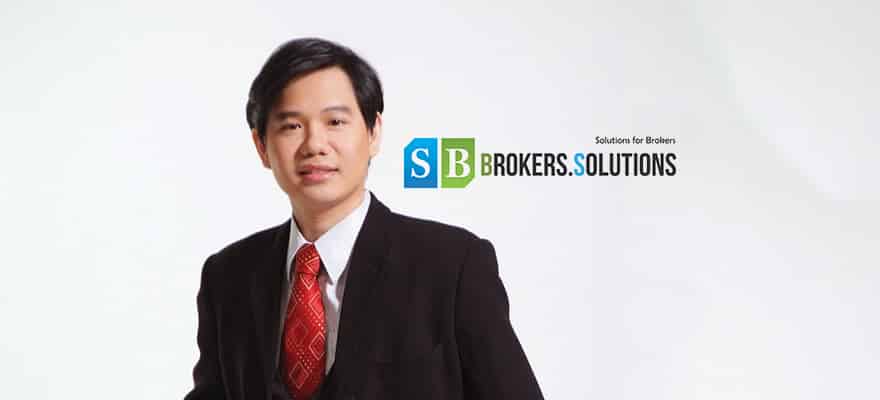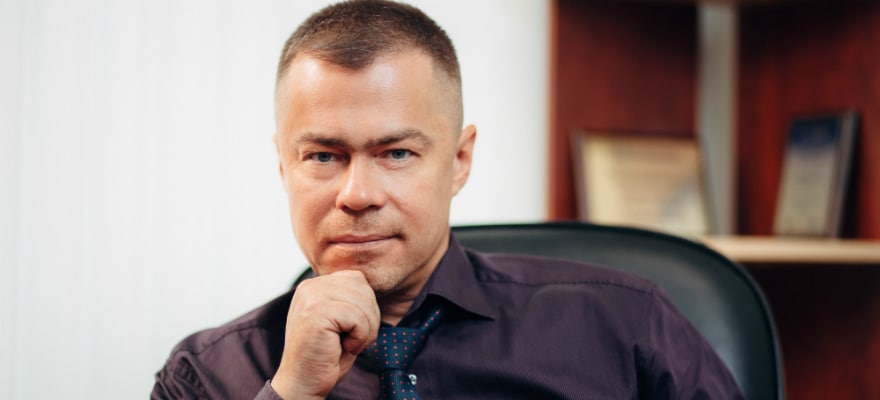
Stanislav Vaneev who established Grand Capital back in 2006 explains how harsh regulation can drive off investors and brokers.
Stanislav Vaneev, Owner and CEO of Grand Capital
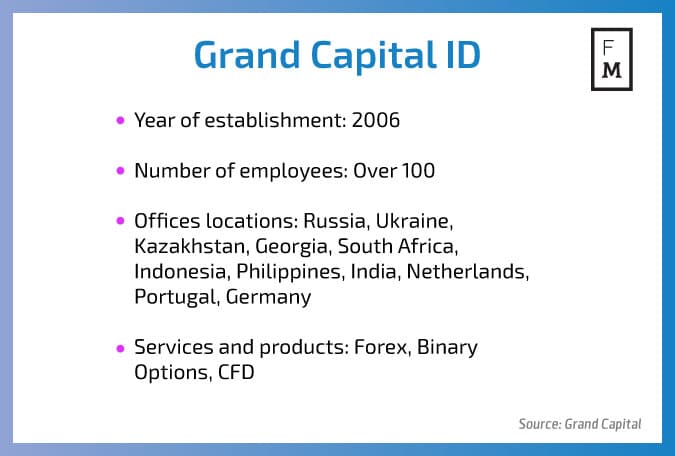
With a presence spanning three continents and eleven countries, and more than 100 employees, Grand Capital owner and CEO Stanislav Vaneev has a lot on his plate. Finance Magnates sat down with Mr Vaneev to hear about the challenges the broker is facing, its future plans, and to understand what he sees as the biggest trends the industry is going through.
Please tell about yourself and how you reached your current role.
I graduated from the University of Architecture and Civil Engineering at the time of perestroika, a Russian version of the Great Depression. My career in architecture didn’t promise decent income, so I decided to try myself in the field of entrepreneurship. I’ve opened and closed quite a few businesses, there was even time when I was organizing rave parties. However, I have always been interested in financial markets, stock trading in particular.
One day my interest led me to the Moscow exchange and since then my professional life has been associated with it. I have built up a team of like-minded professionals and opened the very first Grand Capital office in 2006. Now the company has over 40 offices all over the world.
I am convinced that one of the major success factors for any entrepreneur is the people who work alongside them. Our team consists of enthusiastic young professionals, who help me move the company forward. The success of the company and its rapid growth in the recent years would not have been possible without the great people that work and have worked in Grand Capital.
What are your goals for the company for the next few years?
Providing services for forex traders is not our only focus. We also invest in IT heavily. One of our most recent projects is UpTrader, a brokerage software development company. The fact that it took only one year for the company to gain popularity on the market shows how insightful we were to see the potential for such an offer. At the moment there is no other company on the market that develops literally everything that is needed to start a brokerage from scratch. The company takes on complicated projects, from a trader’s area to CRM and bonus programs, all tailored to the clients’ individual needs, as well as develops turnkey solutions.
Another interesting project is Grand Class, a remote education system, which addresses the need of thousands of schools and companies to have a reliable online education software. So far the project only exists on Russian market, but it will be available in a variety of languages in the nearest future.
The CySEC regulation we are soon to acquire will, undoubtedly, open new markets and give a new span to the development of the company
In 2017 some major changes will be implemented to a number of our existing services. The two priorities are our LAMM copy trading service and the release of our very first binary options mobile trading app.
Finally, the CySEC regulation we are soon to acquire will, undoubtedly, open new markets and give a new span to the development of the company.
What do you think sets you apart from the competition?
At Grand Capital any trader will find something up to their needs and standards: the range of services we offer is quite broad. At the moment our services include binary options in MetaTrader 4 and WebTerminal, over 250 futures and stock CFDs, classic forex, and investment portfolios.
The reason for that is that since 2006 we have worked in different regions, provided services for different kinds of clients and different exchanges. We are not always keen on following client’s mood and making changes based solely on that. However we always consider the overall trend, implement some of the suggested solutions and many of them stay.
Over the years we have developed a pool of instruments that are of high demand and we are planning to keep advancing it. When it comes to investment projects, we always follow our own path. For example, we turned away from PAMM service, as it discredited itself and carried certain risks to our reputation as well as potential danger to our clients.
We are not always keen on following client’s mood and making changes based solely on that
We’ve decided to take on LAMM service instead, which is also an investment service, but, at the same time, completely transparent: there is a rating of account managers, which displays the history of the account’s profitability. With such transparency, if you are not among best, everyone will see it and you are unlikely to attract many clients. It makes you really work on your trading skills before having other people entrust you their funds.
How do you view the current state of the industry?
The latest tendencies are aimed at over-regulating the industry. Countries forbid certain assets, regulators impose strict measures. Ideally it should cause therapeutic effect on the market. But there are downfalls here. The more flexible the industry is, the stronger is the impulse for its development, for creating innovations, for breakthroughs. I believe that financial education is what should concern the regulatory bodies in the first place. Educated investors are the best regulator.
Another possible turn of events is both brokers and clients moving to more 'comfortable' jurisdictions due to the tight regulations.
What new fields or opportunities do you see as growth potential in the market?
Concerning the markets, if the company aims to provide its services not on a particular market, but chooses several directions, it helps to mitigate the consequences of regional economic problems.
With a presence spanning three continents and eleven countries, and more than 100 employees, Grand Capital owner and CEO Stanislav Vaneev has a lot on his plate. Finance Magnates sat down with Mr Vaneev to hear about the challenges the broker is facing, its future plans, and to understand what he sees as the biggest trends the industry is going through.
Please tell about yourself and how you reached your current role.
I graduated from the University of Architecture and Civil Engineering at the time of perestroika, a Russian version of the Great Depression. My career in architecture didn’t promise decent income, so I decided to try myself in the field of entrepreneurship. I’ve opened and closed quite a few businesses, there was even time when I was organizing rave parties. However, I have always been interested in financial markets, stock trading in particular.
One day my interest led me to the Moscow exchange and since then my professional life has been associated with it. I have built up a team of like-minded professionals and opened the very first Grand Capital office in 2006. Now the company has over 40 offices all over the world.
I am convinced that one of the major success factors for any entrepreneur is the people who work alongside them. Our team consists of enthusiastic young professionals, who help me move the company forward. The success of the company and its rapid growth in the recent years would not have been possible without the great people that work and have worked in Grand Capital.
What are your goals for the company for the next few years?
Providing services for forex traders is not our only focus. We also invest in IT heavily. One of our most recent projects is UpTrader, a brokerage software development company. The fact that it took only one year for the company to gain popularity on the market shows how insightful we were to see the potential for such an offer. At the moment there is no other company on the market that develops literally everything that is needed to start a brokerage from scratch. The company takes on complicated projects, from a trader’s area to CRM and bonus programs, all tailored to the clients’ individual needs, as well as develops turnkey solutions.
Another interesting project is Grand Class, a remote education system, which addresses the need of thousands of schools and companies to have a reliable online education software. So far the project only exists on Russian market, but it will be available in a variety of languages in the nearest future.
The CySEC regulation we are soon to acquire will, undoubtedly, open new markets and give a new span to the development of the company
In 2017 some major changes will be implemented to a number of our existing services. The two priorities are our LAMM copy trading service and the release of our very first binary options mobile trading app.
Finally, the CySEC regulation we are soon to acquire will, undoubtedly, open new markets and give a new span to the development of the company.
What do you think sets you apart from the competition?
At Grand Capital any trader will find something up to their needs and standards: the range of services we offer is quite broad. At the moment our services include binary options in MetaTrader 4 and WebTerminal, over 250 futures and stock CFDs, classic forex, and investment portfolios.
The reason for that is that since 2006 we have worked in different regions, provided services for different kinds of clients and different exchanges. We are not always keen on following client’s mood and making changes based solely on that. However we always consider the overall trend, implement some of the suggested solutions and many of them stay.
Over the years we have developed a pool of instruments that are of high demand and we are planning to keep advancing it. When it comes to investment projects, we always follow our own path. For example, we turned away from PAMM service, as it discredited itself and carried certain risks to our reputation as well as potential danger to our clients.
We are not always keen on following client’s mood and making changes based solely on that
We’ve decided to take on LAMM service instead, which is also an investment service, but, at the same time, completely transparent: there is a rating of account managers, which displays the history of the account’s profitability. With such transparency, if you are not among best, everyone will see it and you are unlikely to attract many clients. It makes you really work on your trading skills before having other people entrust you their funds.
How do you view the current state of the industry?
The latest tendencies are aimed at over-regulating the industry. Countries forbid certain assets, regulators impose strict measures. Ideally it should cause therapeutic effect on the market. But there are downfalls here. The more flexible the industry is, the stronger is the impulse for its development, for creating innovations, for breakthroughs. I believe that financial education is what should concern the regulatory bodies in the first place. Educated investors are the best regulator.
Another possible turn of events is both brokers and clients moving to more 'comfortable' jurisdictions due to the tight regulations.
What new fields or opportunities do you see as growth potential in the market?
Concerning the markets, if the company aims to provide its services not on a particular market, but chooses several directions, it helps to mitigate the consequences of regional economic problems.
In this conversation, we sit down with Drew Niv, CSO at ATFX Connect and one of the most influential figures in modern FX.
We speak about market structure, the institutional view on liquidity, and the sharp rise of prop trading, a sector Drew has been commenting on in recent months. Drew explains why he once dismissed prop trading, why his view changed, and what he now thinks the model means for brokers, clients and risk managers.
We explore subscription-fee dependency, the high reneging rate, and the long-term challenge: how brokers can build a more stable and honest version of the model. Drew also talks about the traffic advantage standalone prop firms have built and why brokers may still win in the long run if they take the right approach.
In this conversation, we sit down with Drew Niv, CSO at ATFX Connect and one of the most influential figures in modern FX.
We speak about market structure, the institutional view on liquidity, and the sharp rise of prop trading, a sector Drew has been commenting on in recent months. Drew explains why he once dismissed prop trading, why his view changed, and what he now thinks the model means for brokers, clients and risk managers.
We explore subscription-fee dependency, the high reneging rate, and the long-term challenge: how brokers can build a more stable and honest version of the model. Drew also talks about the traffic advantage standalone prop firms have built and why brokers may still win in the long run if they take the right approach.
In this conversation, we sit down with Drew Niv, CSO at ATFX Connect and one of the most influential figures in modern FX.
We speak about market structure, the institutional view on liquidity, and the sharp rise of prop trading, a sector Drew has been commenting on in recent months. Drew explains why he once dismissed prop trading, why his view changed, and what he now thinks the model means for brokers, clients and risk managers.
We explore subscription-fee dependency, the high reneging rate, and the long-term challenge: how brokers can build a more stable and honest version of the model. Drew also talks about the traffic advantage standalone prop firms have built and why brokers may still win in the long run if they take the right approach.
In this conversation, we sit down with Drew Niv, CSO at ATFX Connect and one of the most influential figures in modern FX.
We speak about market structure, the institutional view on liquidity, and the sharp rise of prop trading, a sector Drew has been commenting on in recent months. Drew explains why he once dismissed prop trading, why his view changed, and what he now thinks the model means for brokers, clients and risk managers.
We explore subscription-fee dependency, the high reneging rate, and the long-term challenge: how brokers can build a more stable and honest version of the model. Drew also talks about the traffic advantage standalone prop firms have built and why brokers may still win in the long run if they take the right approach.
Executive Interview | Remonda Z. Kirketerp Møller| CEO & Founder Muinmos | FMLS:25
In this interview, Remonda Z. Kirketerp Møller, founder of Muinmos, breaks down the state of AI in regtech and what responsible adoption really looks like for brokers. We talk about rising fragmentation, the pressures around compliance accuracy, and why most firms are still in the early stages of AI maturity.
Ramanda also shares insights on regulator sandboxes, shifting expectations around accountability, and the current reality of MiCA licensing and passporting in Europe.
A concise look at where compliance, onboarding, and AI-driven processes are heading next.
In this interview, Remonda Z. Kirketerp Møller, founder of Muinmos, breaks down the state of AI in regtech and what responsible adoption really looks like for brokers. We talk about rising fragmentation, the pressures around compliance accuracy, and why most firms are still in the early stages of AI maturity.
Ramanda also shares insights on regulator sandboxes, shifting expectations around accountability, and the current reality of MiCA licensing and passporting in Europe.
A concise look at where compliance, onboarding, and AI-driven processes are heading next.
In this interview, Remonda Z. Kirketerp Møller, founder of Muinmos, breaks down the state of AI in regtech and what responsible adoption really looks like for brokers. We talk about rising fragmentation, the pressures around compliance accuracy, and why most firms are still in the early stages of AI maturity.
Ramanda also shares insights on regulator sandboxes, shifting expectations around accountability, and the current reality of MiCA licensing and passporting in Europe.
A concise look at where compliance, onboarding, and AI-driven processes are heading next.
In this interview, Remonda Z. Kirketerp Møller, founder of Muinmos, breaks down the state of AI in regtech and what responsible adoption really looks like for brokers. We talk about rising fragmentation, the pressures around compliance accuracy, and why most firms are still in the early stages of AI maturity.
Ramanda also shares insights on regulator sandboxes, shifting expectations around accountability, and the current reality of MiCA licensing and passporting in Europe.
A concise look at where compliance, onboarding, and AI-driven processes are heading next.
In this interview, Remonda Z. Kirketerp Møller, founder of Muinmos, breaks down the state of AI in regtech and what responsible adoption really looks like for brokers. We talk about rising fragmentation, the pressures around compliance accuracy, and why most firms are still in the early stages of AI maturity.
Ramanda also shares insights on regulator sandboxes, shifting expectations around accountability, and the current reality of MiCA licensing and passporting in Europe.
A concise look at where compliance, onboarding, and AI-driven processes are heading next.
In this interview, Remonda Z. Kirketerp Møller, founder of Muinmos, breaks down the state of AI in regtech and what responsible adoption really looks like for brokers. We talk about rising fragmentation, the pressures around compliance accuracy, and why most firms are still in the early stages of AI maturity.
Ramanda also shares insights on regulator sandboxes, shifting expectations around accountability, and the current reality of MiCA licensing and passporting in Europe.
A concise look at where compliance, onboarding, and AI-driven processes are heading next.
In this conversation, we speak with Aydin Bonabi, CEO and co-founder of Surveill, a firm focused on fraud detection and AI-driven compliance tools for financial institutions.
We start with Aydin’s view of the Summit and the challenges brokers face as fraud tactics grow more complex. He explains how firms can stay ahead through real-time signals, data patterns, and early-stage detection.
We also talk about AI training and why compliance teams often struggle to keep models accurate, fair, and aligned with regulatory expectations. Aydin breaks down what “good” AI training looks like inside a financial environment, including the importance of clean data, domain expertise, and human oversight.
He closes with a clear message: fraud is scaling, and so must the tools that stop it.
In this conversation, we speak with Aydin Bonabi, CEO and co-founder of Surveill, a firm focused on fraud detection and AI-driven compliance tools for financial institutions.
We start with Aydin’s view of the Summit and the challenges brokers face as fraud tactics grow more complex. He explains how firms can stay ahead through real-time signals, data patterns, and early-stage detection.
We also talk about AI training and why compliance teams often struggle to keep models accurate, fair, and aligned with regulatory expectations. Aydin breaks down what “good” AI training looks like inside a financial environment, including the importance of clean data, domain expertise, and human oversight.
He closes with a clear message: fraud is scaling, and so must the tools that stop it.
In this conversation, we speak with Aydin Bonabi, CEO and co-founder of Surveill, a firm focused on fraud detection and AI-driven compliance tools for financial institutions.
We start with Aydin’s view of the Summit and the challenges brokers face as fraud tactics grow more complex. He explains how firms can stay ahead through real-time signals, data patterns, and early-stage detection.
We also talk about AI training and why compliance teams often struggle to keep models accurate, fair, and aligned with regulatory expectations. Aydin breaks down what “good” AI training looks like inside a financial environment, including the importance of clean data, domain expertise, and human oversight.
He closes with a clear message: fraud is scaling, and so must the tools that stop it.
In this conversation, we speak with Aydin Bonabi, CEO and co-founder of Surveill, a firm focused on fraud detection and AI-driven compliance tools for financial institutions.
We start with Aydin’s view of the Summit and the challenges brokers face as fraud tactics grow more complex. He explains how firms can stay ahead through real-time signals, data patterns, and early-stage detection.
We also talk about AI training and why compliance teams often struggle to keep models accurate, fair, and aligned with regulatory expectations. Aydin breaks down what “good” AI training looks like inside a financial environment, including the importance of clean data, domain expertise, and human oversight.
He closes with a clear message: fraud is scaling, and so must the tools that stop it.
In this conversation, we speak with Aydin Bonabi, CEO and co-founder of Surveill, a firm focused on fraud detection and AI-driven compliance tools for financial institutions.
We start with Aydin’s view of the Summit and the challenges brokers face as fraud tactics grow more complex. He explains how firms can stay ahead through real-time signals, data patterns, and early-stage detection.
We also talk about AI training and why compliance teams often struggle to keep models accurate, fair, and aligned with regulatory expectations. Aydin breaks down what “good” AI training looks like inside a financial environment, including the importance of clean data, domain expertise, and human oversight.
He closes with a clear message: fraud is scaling, and so must the tools that stop it.
In this conversation, we speak with Aydin Bonabi, CEO and co-founder of Surveill, a firm focused on fraud detection and AI-driven compliance tools for financial institutions.
We start with Aydin’s view of the Summit and the challenges brokers face as fraud tactics grow more complex. He explains how firms can stay ahead through real-time signals, data patterns, and early-stage detection.
We also talk about AI training and why compliance teams often struggle to keep models accurate, fair, and aligned with regulatory expectations. Aydin breaks down what “good” AI training looks like inside a financial environment, including the importance of clean data, domain expertise, and human oversight.
He closes with a clear message: fraud is scaling, and so must the tools that stop it.
Exness expands its presence in Africa: Inside our interview with Paul Margarites in Cape Town
Finance Magnates met with Paul Margarites, Exness regional commercial director for Sub-Saharan Africa, during a visit to the firm’s office opening in Cape Town. In this talk, led by Andrea Badiola Mateos, Co-CEO at Finance Magnates, Paul shares views on the South African trading space, local user behavior, mobile trends, regulation, team growth, and how Exness plans to grow in more markets across the region. @Exness
Read the article at: https://www.financemagnates.com/thought-leadership/exness-expands-its-presence-in-africa-inside-our-interview-with-paul-margarites/
#exness #financemagnates #exnesstrading #CFDtrading #tradeonline #africanews #capetown
Finance Magnates met with Paul Margarites, Exness regional commercial director for Sub-Saharan Africa, during a visit to the firm’s office opening in Cape Town. In this talk, led by Andrea Badiola Mateos, Co-CEO at Finance Magnates, Paul shares views on the South African trading space, local user behavior, mobile trends, regulation, team growth, and how Exness plans to grow in more markets across the region. @Exness
Read the article at: https://www.financemagnates.com/thought-leadership/exness-expands-its-presence-in-africa-inside-our-interview-with-paul-margarites/
#exness #financemagnates #exnesstrading #CFDtrading #tradeonline #africanews #capetown
Finance Magnates met with Paul Margarites, Exness regional commercial director for Sub-Saharan Africa, during a visit to the firm’s office opening in Cape Town. In this talk, led by Andrea Badiola Mateos, Co-CEO at Finance Magnates, Paul shares views on the South African trading space, local user behavior, mobile trends, regulation, team growth, and how Exness plans to grow in more markets across the region. @Exness
Read the article at: https://www.financemagnates.com/thought-leadership/exness-expands-its-presence-in-africa-inside-our-interview-with-paul-margarites/
#exness #financemagnates #exnesstrading #CFDtrading #tradeonline #africanews #capetown
Finance Magnates met with Paul Margarites, Exness regional commercial director for Sub-Saharan Africa, during a visit to the firm’s office opening in Cape Town. In this talk, led by Andrea Badiola Mateos, Co-CEO at Finance Magnates, Paul shares views on the South African trading space, local user behavior, mobile trends, regulation, team growth, and how Exness plans to grow in more markets across the region. @Exness
Read the article at: https://www.financemagnates.com/thought-leadership/exness-expands-its-presence-in-africa-inside-our-interview-with-paul-margarites/
#exness #financemagnates #exnesstrading #CFDtrading #tradeonline #africanews #capetown
Finance Magnates met with Paul Margarites, Exness regional commercial director for Sub-Saharan Africa, during a visit to the firm’s office opening in Cape Town. In this talk, led by Andrea Badiola Mateos, Co-CEO at Finance Magnates, Paul shares views on the South African trading space, local user behavior, mobile trends, regulation, team growth, and how Exness plans to grow in more markets across the region. @Exness
Read the article at: https://www.financemagnates.com/thought-leadership/exness-expands-its-presence-in-africa-inside-our-interview-with-paul-margarites/
#exness #financemagnates #exnesstrading #CFDtrading #tradeonline #africanews #capetown
Finance Magnates met with Paul Margarites, Exness regional commercial director for Sub-Saharan Africa, during a visit to the firm’s office opening in Cape Town. In this talk, led by Andrea Badiola Mateos, Co-CEO at Finance Magnates, Paul shares views on the South African trading space, local user behavior, mobile trends, regulation, team growth, and how Exness plans to grow in more markets across the region. @Exness
Read the article at: https://www.financemagnates.com/thought-leadership/exness-expands-its-presence-in-africa-inside-our-interview-with-paul-margarites/
#exness #financemagnates #exnesstrading #CFDtrading #tradeonline #africanews #capetown
Executive Interview | Jas Shah | FMLS:25
Interview with Jas Shah
Builder | Adviser | Fintech Writer | Product Strategist
In this episode, Jonathan Fine sat down with Jas Shah, one of the most thoughtful voices in global fintech. Known for his work across advisory, product, stablecoins, and his widely read writing, Jas brings a rare combination of industry insight and plain-spoken clarity.
We talk about his first impression of the Summit, the projects that keep him busy today, and how they connect to the stablecoin panel he joined. Jas shares his view on the link between fintech, wealthtech and retail brokers, especially as firms like Revolut, eToro and Trading212 blur long-standing lines in the market.
We also explore what stablecoin adoption might look like for retail investment platforms, including a few product and UX angles that are not obvious at first glance.
To close, Jas explains how he thinks about writing, and how he approaches “shipping” pieces that spark debate across the industry.
Interview with Jas Shah
Builder | Adviser | Fintech Writer | Product Strategist
In this episode, Jonathan Fine sat down with Jas Shah, one of the most thoughtful voices in global fintech. Known for his work across advisory, product, stablecoins, and his widely read writing, Jas brings a rare combination of industry insight and plain-spoken clarity.
We talk about his first impression of the Summit, the projects that keep him busy today, and how they connect to the stablecoin panel he joined. Jas shares his view on the link between fintech, wealthtech and retail brokers, especially as firms like Revolut, eToro and Trading212 blur long-standing lines in the market.
We also explore what stablecoin adoption might look like for retail investment platforms, including a few product and UX angles that are not obvious at first glance.
To close, Jas explains how he thinks about writing, and how he approaches “shipping” pieces that spark debate across the industry.
Interview with Jas Shah
Builder | Adviser | Fintech Writer | Product Strategist
In this episode, Jonathan Fine sat down with Jas Shah, one of the most thoughtful voices in global fintech. Known for his work across advisory, product, stablecoins, and his widely read writing, Jas brings a rare combination of industry insight and plain-spoken clarity.
We talk about his first impression of the Summit, the projects that keep him busy today, and how they connect to the stablecoin panel he joined. Jas shares his view on the link between fintech, wealthtech and retail brokers, especially as firms like Revolut, eToro and Trading212 blur long-standing lines in the market.
We also explore what stablecoin adoption might look like for retail investment platforms, including a few product and UX angles that are not obvious at first glance.
To close, Jas explains how he thinks about writing, and how he approaches “shipping” pieces that spark debate across the industry.
Interview with Jas Shah
Builder | Adviser | Fintech Writer | Product Strategist
In this episode, Jonathan Fine sat down with Jas Shah, one of the most thoughtful voices in global fintech. Known for his work across advisory, product, stablecoins, and his widely read writing, Jas brings a rare combination of industry insight and plain-spoken clarity.
We talk about his first impression of the Summit, the projects that keep him busy today, and how they connect to the stablecoin panel he joined. Jas shares his view on the link between fintech, wealthtech and retail brokers, especially as firms like Revolut, eToro and Trading212 blur long-standing lines in the market.
We also explore what stablecoin adoption might look like for retail investment platforms, including a few product and UX angles that are not obvious at first glance.
To close, Jas explains how he thinks about writing, and how he approaches “shipping” pieces that spark debate across the industry.
Interview with Jas Shah
Builder | Adviser | Fintech Writer | Product Strategist
In this episode, Jonathan Fine sat down with Jas Shah, one of the most thoughtful voices in global fintech. Known for his work across advisory, product, stablecoins, and his widely read writing, Jas brings a rare combination of industry insight and plain-spoken clarity.
We talk about his first impression of the Summit, the projects that keep him busy today, and how they connect to the stablecoin panel he joined. Jas shares his view on the link between fintech, wealthtech and retail brokers, especially as firms like Revolut, eToro and Trading212 blur long-standing lines in the market.
We also explore what stablecoin adoption might look like for retail investment platforms, including a few product and UX angles that are not obvious at first glance.
To close, Jas explains how he thinks about writing, and how he approaches “shipping” pieces that spark debate across the industry.
Interview with Jas Shah
Builder | Adviser | Fintech Writer | Product Strategist
In this episode, Jonathan Fine sat down with Jas Shah, one of the most thoughtful voices in global fintech. Known for his work across advisory, product, stablecoins, and his widely read writing, Jas brings a rare combination of industry insight and plain-spoken clarity.
We talk about his first impression of the Summit, the projects that keep him busy today, and how they connect to the stablecoin panel he joined. Jas shares his view on the link between fintech, wealthtech and retail brokers, especially as firms like Revolut, eToro and Trading212 blur long-standing lines in the market.
We also explore what stablecoin adoption might look like for retail investment platforms, including a few product and UX angles that are not obvious at first glance.
To close, Jas explains how he thinks about writing, and how he approaches “shipping” pieces that spark debate across the industry.