The Office of National Statistics of Great Britain announced production data for June. It is expected to decline by 0.2%, with industrial production increasing by 0.1%.
Industrial and factory output fell in May after an unexpectedly large increase in April, although the decline was less than economists predicted. Factory production fell on a monthly basis after an impressive 0.5% growth from 2.4% in April.
For June, economists forecasted a drop again but this time by 0.2%. The pound dropped to the bottom of the month in relation to others major currencies after data released, which showed that manufacturing in the UK fell in June, more than expected.
During Asian trading, the British pound continued to weaken against the dollar after the BoE member of Monetary Committee, Ian McCafferty, said that it is quite possible that they would need new monetary easing if the situation in the British economy deteriorates.
Forex pair GBP / USD recorded on the bottom 1.2965 and subsequently consolidated at 1.2977. Official data showed that manufacturing in the UK fell in June by 0.3%, while the predicted decrease was a 0.2%, after falling 0.6 % the previous month. About the annual basis, it grew at a rate of 0.9% and predicted growth was a 1.3%, after an increase of 1.5% in May.
Reports also showed that industrial production rose 0.1% in June, after a drop of 0.6% in the previous month. On an annual basis, it grew at a rate of 1.6% after rising 1.4% in May. A separate report showed that retail sales in the UK rose in July by 1.1% after falling 0.5% in previous month. Analysts had expected a drop of 0.7 %. Trade balance fell from minus 11.5 billion pounds to minus 12.4 billion pounds. Economists expected minus 9.6 billion pounds.

Compared to the European currency, the pound fell. EUR / GBP climbed to 0.8542. German's trade balance fell in July to 21.7 billion euros from 22.1 billion in the previous month, while analysts had expected a growth of 22.4 billion euros. The British pound fell against the yen and the franc. GBP / JPY dropped to 132.80, and the GBP / CHF fell to 1,2760. Japanese M2 money supply fell in July to 3.3% from 3.5% in the previous month. It was in line with predictions of economists. The unemployment rate in Switzerland remained unchanged in July at 3.3 %. It was in line with analyst forecasts.
The downside momentum with targets 1.29200 and 1.2850 in extension.
Supports and resistances levels:
1.32200 resistance
1.31750 resistance
1.31050 resistance
1.29729 Last
1.29200 support
1.28500 support
1.27900 support
Pressure
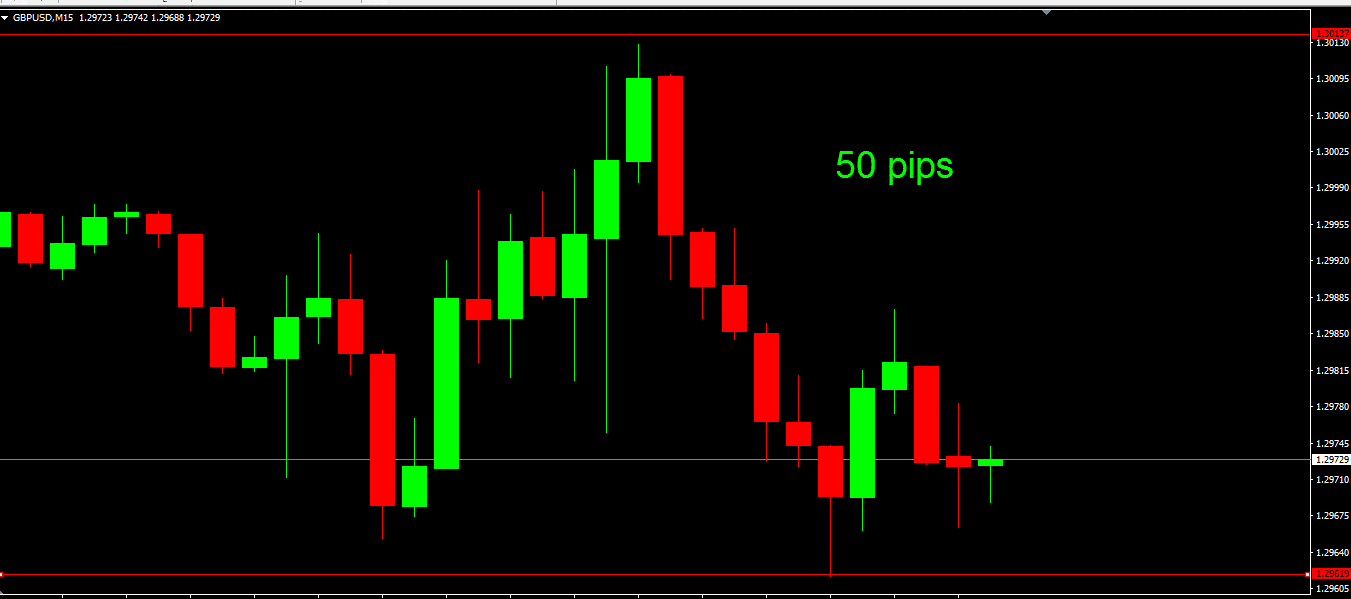
It can see reverse trend in the image below. The currency pair rose to 1.30150 and dropped to 1.29600. The price was trading between the first resistance level 1.31 and the first support level to 1.29600. It is expected that the price could break the first support level 1.29200. Level 1.29600 showed a double bottom and a temporary stabilization. This week the currency GBP/USD is under pressure. It can see long term declining trend line. So far it is trading at symbolic 1.30 area.
The price of gold maintained close to the minimum weekly. It was dropped as a result of the growing expectations of the excellent results of the labor market in the US.
Strengthening of the dollar had a negative impact on the demand for gold, hence its price. The price of crude oil has not moved much. It closed to the highest level in the last five days. Baker Hughes reports showed that the US once again increased the number of active oil wells. Several OPEC members are trying to revive the idea of setting upper limits production for further restriction. Today in the US, Petroleum Institute will release its inventories report.
US indices have fallen during a peaceful trading period, while investors focused on the business results of the company ahead of the end of the season disclosure of financial reports.
Prices of US stocks fell moderately during yesterday after a stronger growth over the last week. Six of the ten sectors of the S&P500 index closed the previous day in decline. Dow Jones was down 0.08%, the S&P 500 dropped 0.09% while the Nasdaq was lower by 0.15%.
Quarterly earnings of companies fell in the second quarter, the fourth consecutive quarter, despite better results were expected. Analysts predicted that earnings in the third quarter will of 0.2% lower than the same period last year. Asian stocks were mixed after the publication of the Chinese data.
Japan's Nikkei 225 index jumped 0.70%, the Hang Seng index in Hong Kong fell 0.25%, while Australia's ASX/200 rose by 0.26%. Official data showed that producer price inflation in China rose in July to minus 1.7% from a minus 2.6% in the previous month.
Analysts had predicted a growth of minus 2.0%. Consumer price inflation in China fell in July to 1.8% from 1.9% in the previous month which was in line with forecasts.
European stocks rose. Euro Stoxx 50 rose 0.10%, France's CAC 40 climbed 0.16%, German's DAX 30 was higher by 0.15%, while London's FTSE 100 gained 0.21%. European stocks closed in profit yesterday. US stocks closed in red while the Asian stocks indices were mixed. It shows that markets reacted differently.
Summary
The pound is under pressure. US stocks are mostly are under pressure this week. The gold price was down. The gold is in range trading level of $1220-1334 an ounce. The price of crude oil could break $43 per barrel.
The Office of National Statistics of Great Britain announced production data for June. It is expected to decline by 0.2%, with industrial production increasing by 0.1%.
Industrial and factory output fell in May after an unexpectedly large increase in April, although the decline was less than economists predicted. Factory production fell on a monthly basis after an impressive 0.5% growth from 2.4% in April.
For June, economists forecasted a drop again but this time by 0.2%. The pound dropped to the bottom of the month in relation to others major currencies after data released, which showed that manufacturing in the UK fell in June, more than expected.
During Asian trading, the British pound continued to weaken against the dollar after the BoE member of Monetary Committee, Ian McCafferty, said that it is quite possible that they would need new monetary easing if the situation in the British economy deteriorates.
Forex pair GBP / USD recorded on the bottom 1.2965 and subsequently consolidated at 1.2977. Official data showed that manufacturing in the UK fell in June by 0.3%, while the predicted decrease was a 0.2%, after falling 0.6 % the previous month. About the annual basis, it grew at a rate of 0.9% and predicted growth was a 1.3%, after an increase of 1.5% in May.
Reports also showed that industrial production rose 0.1% in June, after a drop of 0.6% in the previous month. On an annual basis, it grew at a rate of 1.6% after rising 1.4% in May. A separate report showed that retail sales in the UK rose in July by 1.1% after falling 0.5% in previous month. Analysts had expected a drop of 0.7 %. Trade balance fell from minus 11.5 billion pounds to minus 12.4 billion pounds. Economists expected minus 9.6 billion pounds.
Compared to the European currency, the pound fell. EUR / GBP climbed to 0.8542. German's trade balance fell in July to 21.7 billion euros from 22.1 billion in the previous month, while analysts had expected a growth of 22.4 billion euros. The British pound fell against the yen and the franc. GBP / JPY dropped to 132.80, and the GBP / CHF fell to 1,2760. Japanese M2 money supply fell in July to 3.3% from 3.5% in the previous month. It was in line with predictions of economists. The unemployment rate in Switzerland remained unchanged in July at 3.3 %. It was in line with analyst forecasts.
The downside momentum with targets 1.29200 and 1.2850 in extension.
Supports and resistances levels:
1.32200 resistance
1.31750 resistance
1.31050 resistance
1.29729 Last
1.29200 support
1.28500 support
1.27900 support
Pressure
It can see reverse trend in the image below. The currency pair rose to 1.30150 and dropped to 1.29600. The price was trading between the first resistance level 1.31 and the first support level to 1.29600. It is expected that the price could break the first support level 1.29200. Level 1.29600 showed a double bottom and a temporary stabilization. This week the currency GBP/USD is under pressure. It can see long term declining trend line. So far it is trading at symbolic 1.30 area.
The price of gold maintained close to the minimum weekly. It was dropped as a result of the growing expectations of the excellent results of the labor market in the US.
Strengthening of the dollar had a negative impact on the demand for gold, hence its price. The price of crude oil has not moved much. It closed to the highest level in the last five days. Baker Hughes reports showed that the US once again increased the number of active oil wells. Several OPEC members are trying to revive the idea of setting upper limits production for further restriction. Today in the US, Petroleum Institute will release its inventories report.
US indices have fallen during a peaceful trading period, while investors focused on the business results of the company ahead of the end of the season disclosure of financial reports.
Prices of US stocks fell moderately during yesterday after a stronger growth over the last week. Six of the ten sectors of the S&P500 index closed the previous day in decline. Dow Jones was down 0.08%, the S&P 500 dropped 0.09% while the Nasdaq was lower by 0.15%.
Quarterly earnings of companies fell in the second quarter, the fourth consecutive quarter, despite better results were expected. Analysts predicted that earnings in the third quarter will of 0.2% lower than the same period last year. Asian stocks were mixed after the publication of the Chinese data.
Japan's Nikkei 225 index jumped 0.70%, the Hang Seng index in Hong Kong fell 0.25%, while Australia's ASX/200 rose by 0.26%. Official data showed that producer price inflation in China rose in July to minus 1.7% from a minus 2.6% in the previous month.
Analysts had predicted a growth of minus 2.0%. Consumer price inflation in China fell in July to 1.8% from 1.9% in the previous month which was in line with forecasts.
European stocks rose. Euro Stoxx 50 rose 0.10%, France's CAC 40 climbed 0.16%, German's DAX 30 was higher by 0.15%, while London's FTSE 100 gained 0.21%. European stocks closed in profit yesterday. US stocks closed in red while the Asian stocks indices were mixed. It shows that markets reacted differently.
Summary
The pound is under pressure. US stocks are mostly are under pressure this week. The gold price was down. The gold is in range trading level of $1220-1334 an ounce. The price of crude oil could break $43 per barrel.
Retail Trading & Prop Firms in 2025: Five Defining Trends - And One Prediction for 2026
Featured Videos
Executive Interview | Charlotte Bullock | Chief Product Officer, Bank of London | FMLS:25
In this interview, we sat down with Charlotte Bullock, Head of Product at The Bank of London, previously at SAP and now shaping product at one of the sector’s most ambitious new banking players.
Charlotte reflects on the Summit so far and talks about the culture inside fintech banks today. We look at the pressures that come with scaling, and how firms can hold onto the nimble approach that made them stand out early on.
We also cover the state of payments ahead of her appearance on the payments roundtable: the blockages financial firms face, the areas that still need fixing, and what a realistic solution looks like in 2026.
In this interview, we sat down with Charlotte Bullock, Head of Product at The Bank of London, previously at SAP and now shaping product at one of the sector’s most ambitious new banking players.
Charlotte reflects on the Summit so far and talks about the culture inside fintech banks today. We look at the pressures that come with scaling, and how firms can hold onto the nimble approach that made them stand out early on.
We also cover the state of payments ahead of her appearance on the payments roundtable: the blockages financial firms face, the areas that still need fixing, and what a realistic solution looks like in 2026.
In this interview, we sat down with Charlotte Bullock, Head of Product at The Bank of London, previously at SAP and now shaping product at one of the sector’s most ambitious new banking players.
Charlotte reflects on the Summit so far and talks about the culture inside fintech banks today. We look at the pressures that come with scaling, and how firms can hold onto the nimble approach that made them stand out early on.
We also cover the state of payments ahead of her appearance on the payments roundtable: the blockages financial firms face, the areas that still need fixing, and what a realistic solution looks like in 2026.
In this interview, we sat down with Charlotte Bullock, Head of Product at The Bank of London, previously at SAP and now shaping product at one of the sector’s most ambitious new banking players.
Charlotte reflects on the Summit so far and talks about the culture inside fintech banks today. We look at the pressures that come with scaling, and how firms can hold onto the nimble approach that made them stand out early on.
We also cover the state of payments ahead of her appearance on the payments roundtable: the blockages financial firms face, the areas that still need fixing, and what a realistic solution looks like in 2026.
In this conversation, we sit down with Drew Niv, CSO at ATFX Connect and one of the most influential figures in modern FX.
We speak about market structure, the institutional view on liquidity, and the sharp rise of prop trading, a sector Drew has been commenting on in recent months. Drew explains why he once dismissed prop trading, why his view changed, and what he now thinks the model means for brokers, clients and risk managers.
We explore subscription-fee dependency, the high reneging rate, and the long-term challenge: how brokers can build a more stable and honest version of the model. Drew also talks about the traffic advantage standalone prop firms have built and why brokers may still win in the long run if they take the right approach.
In this conversation, we sit down with Drew Niv, CSO at ATFX Connect and one of the most influential figures in modern FX.
We speak about market structure, the institutional view on liquidity, and the sharp rise of prop trading, a sector Drew has been commenting on in recent months. Drew explains why he once dismissed prop trading, why his view changed, and what he now thinks the model means for brokers, clients and risk managers.
We explore subscription-fee dependency, the high reneging rate, and the long-term challenge: how brokers can build a more stable and honest version of the model. Drew also talks about the traffic advantage standalone prop firms have built and why brokers may still win in the long run if they take the right approach.
In this conversation, we sit down with Drew Niv, CSO at ATFX Connect and one of the most influential figures in modern FX.
We speak about market structure, the institutional view on liquidity, and the sharp rise of prop trading, a sector Drew has been commenting on in recent months. Drew explains why he once dismissed prop trading, why his view changed, and what he now thinks the model means for brokers, clients and risk managers.
We explore subscription-fee dependency, the high reneging rate, and the long-term challenge: how brokers can build a more stable and honest version of the model. Drew also talks about the traffic advantage standalone prop firms have built and why brokers may still win in the long run if they take the right approach.
In this conversation, we sit down with Drew Niv, CSO at ATFX Connect and one of the most influential figures in modern FX.
We speak about market structure, the institutional view on liquidity, and the sharp rise of prop trading, a sector Drew has been commenting on in recent months. Drew explains why he once dismissed prop trading, why his view changed, and what he now thinks the model means for brokers, clients and risk managers.
We explore subscription-fee dependency, the high reneging rate, and the long-term challenge: how brokers can build a more stable and honest version of the model. Drew also talks about the traffic advantage standalone prop firms have built and why brokers may still win in the long run if they take the right approach.
In this conversation, we sit down with Drew Niv, CSO at ATFX Connect and one of the most influential figures in modern FX.
We speak about market structure, the institutional view on liquidity, and the sharp rise of prop trading, a sector Drew has been commenting on in recent months. Drew explains why he once dismissed prop trading, why his view changed, and what he now thinks the model means for brokers, clients and risk managers.
We explore subscription-fee dependency, the high reneging rate, and the long-term challenge: how brokers can build a more stable and honest version of the model. Drew also talks about the traffic advantage standalone prop firms have built and why brokers may still win in the long run if they take the right approach.
In this conversation, we sit down with Drew Niv, CSO at ATFX Connect and one of the most influential figures in modern FX.
We speak about market structure, the institutional view on liquidity, and the sharp rise of prop trading, a sector Drew has been commenting on in recent months. Drew explains why he once dismissed prop trading, why his view changed, and what he now thinks the model means for brokers, clients and risk managers.
We explore subscription-fee dependency, the high reneging rate, and the long-term challenge: how brokers can build a more stable and honest version of the model. Drew also talks about the traffic advantage standalone prop firms have built and why brokers may still win in the long run if they take the right approach.
Executive Interview | Remonda Z. Kirketerp Møller| CEO & Founder Muinmos | FMLS:25
In this interview, Remonda Z. Kirketerp Møller, founder of Muinmos, breaks down the state of AI in regtech and what responsible adoption really looks like for brokers. We talk about rising fragmentation, the pressures around compliance accuracy, and why most firms are still in the early stages of AI maturity.
Ramanda also shares insights on regulator sandboxes, shifting expectations around accountability, and the current reality of MiCA licensing and passporting in Europe.
A concise look at where compliance, onboarding, and AI-driven processes are heading next.
In this interview, Remonda Z. Kirketerp Møller, founder of Muinmos, breaks down the state of AI in regtech and what responsible adoption really looks like for brokers. We talk about rising fragmentation, the pressures around compliance accuracy, and why most firms are still in the early stages of AI maturity.
Ramanda also shares insights on regulator sandboxes, shifting expectations around accountability, and the current reality of MiCA licensing and passporting in Europe.
A concise look at where compliance, onboarding, and AI-driven processes are heading next.
In this interview, Remonda Z. Kirketerp Møller, founder of Muinmos, breaks down the state of AI in regtech and what responsible adoption really looks like for brokers. We talk about rising fragmentation, the pressures around compliance accuracy, and why most firms are still in the early stages of AI maturity.
Ramanda also shares insights on regulator sandboxes, shifting expectations around accountability, and the current reality of MiCA licensing and passporting in Europe.
A concise look at where compliance, onboarding, and AI-driven processes are heading next.
In this interview, Remonda Z. Kirketerp Møller, founder of Muinmos, breaks down the state of AI in regtech and what responsible adoption really looks like for brokers. We talk about rising fragmentation, the pressures around compliance accuracy, and why most firms are still in the early stages of AI maturity.
Ramanda also shares insights on regulator sandboxes, shifting expectations around accountability, and the current reality of MiCA licensing and passporting in Europe.
A concise look at where compliance, onboarding, and AI-driven processes are heading next.
In this interview, Remonda Z. Kirketerp Møller, founder of Muinmos, breaks down the state of AI in regtech and what responsible adoption really looks like for brokers. We talk about rising fragmentation, the pressures around compliance accuracy, and why most firms are still in the early stages of AI maturity.
Ramanda also shares insights on regulator sandboxes, shifting expectations around accountability, and the current reality of MiCA licensing and passporting in Europe.
A concise look at where compliance, onboarding, and AI-driven processes are heading next.
In this interview, Remonda Z. Kirketerp Møller, founder of Muinmos, breaks down the state of AI in regtech and what responsible adoption really looks like for brokers. We talk about rising fragmentation, the pressures around compliance accuracy, and why most firms are still in the early stages of AI maturity.
Ramanda also shares insights on regulator sandboxes, shifting expectations around accountability, and the current reality of MiCA licensing and passporting in Europe.
A concise look at where compliance, onboarding, and AI-driven processes are heading next.
In this conversation, we speak with Aydin Bonabi, CEO and co-founder of Surveill, a firm focused on fraud detection and AI-driven compliance tools for financial institutions.
We start with Aydin’s view of the Summit and the challenges brokers face as fraud tactics grow more complex. He explains how firms can stay ahead through real-time signals, data patterns, and early-stage detection.
We also talk about AI training and why compliance teams often struggle to keep models accurate, fair, and aligned with regulatory expectations. Aydin breaks down what “good” AI training looks like inside a financial environment, including the importance of clean data, domain expertise, and human oversight.
He closes with a clear message: fraud is scaling, and so must the tools that stop it.
In this conversation, we speak with Aydin Bonabi, CEO and co-founder of Surveill, a firm focused on fraud detection and AI-driven compliance tools for financial institutions.
We start with Aydin’s view of the Summit and the challenges brokers face as fraud tactics grow more complex. He explains how firms can stay ahead through real-time signals, data patterns, and early-stage detection.
We also talk about AI training and why compliance teams often struggle to keep models accurate, fair, and aligned with regulatory expectations. Aydin breaks down what “good” AI training looks like inside a financial environment, including the importance of clean data, domain expertise, and human oversight.
He closes with a clear message: fraud is scaling, and so must the tools that stop it.
In this conversation, we speak with Aydin Bonabi, CEO and co-founder of Surveill, a firm focused on fraud detection and AI-driven compliance tools for financial institutions.
We start with Aydin’s view of the Summit and the challenges brokers face as fraud tactics grow more complex. He explains how firms can stay ahead through real-time signals, data patterns, and early-stage detection.
We also talk about AI training and why compliance teams often struggle to keep models accurate, fair, and aligned with regulatory expectations. Aydin breaks down what “good” AI training looks like inside a financial environment, including the importance of clean data, domain expertise, and human oversight.
He closes with a clear message: fraud is scaling, and so must the tools that stop it.
In this conversation, we speak with Aydin Bonabi, CEO and co-founder of Surveill, a firm focused on fraud detection and AI-driven compliance tools for financial institutions.
We start with Aydin’s view of the Summit and the challenges brokers face as fraud tactics grow more complex. He explains how firms can stay ahead through real-time signals, data patterns, and early-stage detection.
We also talk about AI training and why compliance teams often struggle to keep models accurate, fair, and aligned with regulatory expectations. Aydin breaks down what “good” AI training looks like inside a financial environment, including the importance of clean data, domain expertise, and human oversight.
He closes with a clear message: fraud is scaling, and so must the tools that stop it.
In this conversation, we speak with Aydin Bonabi, CEO and co-founder of Surveill, a firm focused on fraud detection and AI-driven compliance tools for financial institutions.
We start with Aydin’s view of the Summit and the challenges brokers face as fraud tactics grow more complex. He explains how firms can stay ahead through real-time signals, data patterns, and early-stage detection.
We also talk about AI training and why compliance teams often struggle to keep models accurate, fair, and aligned with regulatory expectations. Aydin breaks down what “good” AI training looks like inside a financial environment, including the importance of clean data, domain expertise, and human oversight.
He closes with a clear message: fraud is scaling, and so must the tools that stop it.
In this conversation, we speak with Aydin Bonabi, CEO and co-founder of Surveill, a firm focused on fraud detection and AI-driven compliance tools for financial institutions.
We start with Aydin’s view of the Summit and the challenges brokers face as fraud tactics grow more complex. He explains how firms can stay ahead through real-time signals, data patterns, and early-stage detection.
We also talk about AI training and why compliance teams often struggle to keep models accurate, fair, and aligned with regulatory expectations. Aydin breaks down what “good” AI training looks like inside a financial environment, including the importance of clean data, domain expertise, and human oversight.
He closes with a clear message: fraud is scaling, and so must the tools that stop it.
Exness expands its presence in Africa: Inside our interview with Paul Margarites in Cape Town
Finance Magnates met with Paul Margarites, Exness regional commercial director for Sub-Saharan Africa, during a visit to the firm’s office opening in Cape Town. In this talk, led by Andrea Badiola Mateos, Co-CEO at Finance Magnates, Paul shares views on the South African trading space, local user behavior, mobile trends, regulation, team growth, and how Exness plans to grow in more markets across the region. @Exness
Read the article at: https://www.financemagnates.com/thought-leadership/exness-expands-its-presence-in-africa-inside-our-interview-with-paul-margarites/
#exness #financemagnates #exnesstrading #CFDtrading #tradeonline #africanews #capetown
Finance Magnates met with Paul Margarites, Exness regional commercial director for Sub-Saharan Africa, during a visit to the firm’s office opening in Cape Town. In this talk, led by Andrea Badiola Mateos, Co-CEO at Finance Magnates, Paul shares views on the South African trading space, local user behavior, mobile trends, regulation, team growth, and how Exness plans to grow in more markets across the region. @Exness
Read the article at: https://www.financemagnates.com/thought-leadership/exness-expands-its-presence-in-africa-inside-our-interview-with-paul-margarites/
#exness #financemagnates #exnesstrading #CFDtrading #tradeonline #africanews #capetown
Finance Magnates met with Paul Margarites, Exness regional commercial director for Sub-Saharan Africa, during a visit to the firm’s office opening in Cape Town. In this talk, led by Andrea Badiola Mateos, Co-CEO at Finance Magnates, Paul shares views on the South African trading space, local user behavior, mobile trends, regulation, team growth, and how Exness plans to grow in more markets across the region. @Exness
Read the article at: https://www.financemagnates.com/thought-leadership/exness-expands-its-presence-in-africa-inside-our-interview-with-paul-margarites/
#exness #financemagnates #exnesstrading #CFDtrading #tradeonline #africanews #capetown
Finance Magnates met with Paul Margarites, Exness regional commercial director for Sub-Saharan Africa, during a visit to the firm’s office opening in Cape Town. In this talk, led by Andrea Badiola Mateos, Co-CEO at Finance Magnates, Paul shares views on the South African trading space, local user behavior, mobile trends, regulation, team growth, and how Exness plans to grow in more markets across the region. @Exness
Read the article at: https://www.financemagnates.com/thought-leadership/exness-expands-its-presence-in-africa-inside-our-interview-with-paul-margarites/
#exness #financemagnates #exnesstrading #CFDtrading #tradeonline #africanews #capetown
Finance Magnates met with Paul Margarites, Exness regional commercial director for Sub-Saharan Africa, during a visit to the firm’s office opening in Cape Town. In this talk, led by Andrea Badiola Mateos, Co-CEO at Finance Magnates, Paul shares views on the South African trading space, local user behavior, mobile trends, regulation, team growth, and how Exness plans to grow in more markets across the region. @Exness
Read the article at: https://www.financemagnates.com/thought-leadership/exness-expands-its-presence-in-africa-inside-our-interview-with-paul-margarites/
#exness #financemagnates #exnesstrading #CFDtrading #tradeonline #africanews #capetown
Finance Magnates met with Paul Margarites, Exness regional commercial director for Sub-Saharan Africa, during a visit to the firm’s office opening in Cape Town. In this talk, led by Andrea Badiola Mateos, Co-CEO at Finance Magnates, Paul shares views on the South African trading space, local user behavior, mobile trends, regulation, team growth, and how Exness plans to grow in more markets across the region. @Exness
Read the article at: https://www.financemagnates.com/thought-leadership/exness-expands-its-presence-in-africa-inside-our-interview-with-paul-margarites/
#exness #financemagnates #exnesstrading #CFDtrading #tradeonline #africanews #capetown