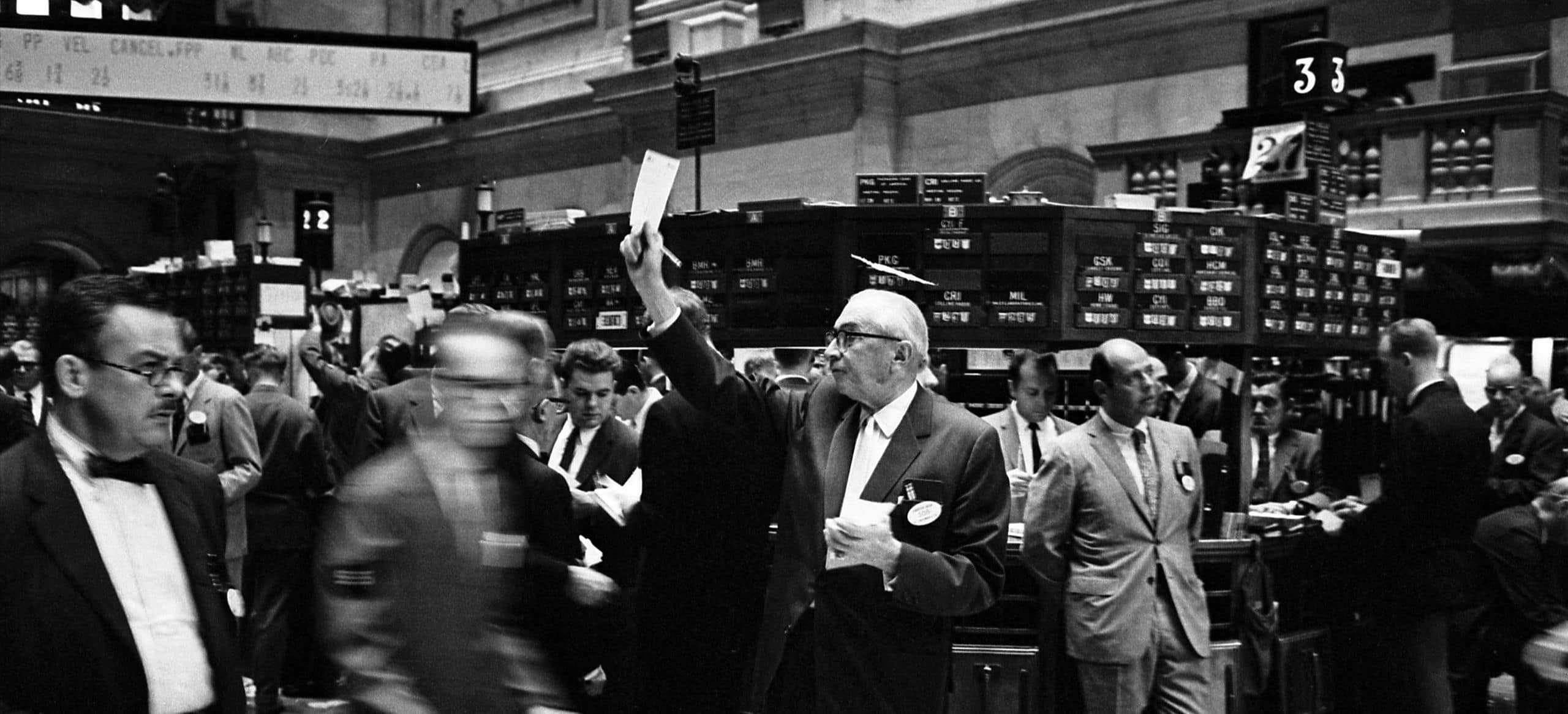
OANDA surveyed their top 200 traders to find out what advice they might have for new traders.
This article was written by Ed Eger, President and Chief Executive Officer, OANDA. Ed commands 30 years of proven experience in growing businesses through customer-focused, disruptive technologies to consumers in markets around the world. Ed is an expert in growing businesses where technology and finance converge through maximizing benefits for retail consumers in both developed and emerging markets. At OANDA, he is focused on driving new solutions to meet the continually changing needs of its international client base.
It’s that time when we start to leave one year behind us and make our plans for the next. We may decide that we’ll eat better, take more exercise or break a bad habit. In the spirit of the season, we asked our top traders about their FX trading New Year’s resolutions. You might find the answers quite surprising.
We wanted to know, ‘what makes a successful retail FX trader?’ If you ask someone with limited knowledge of the financial markets they’ll often conjure up phrases like ‘big lovers of risk’, ‘cowboys’ and ‘they go big or they go home.’
This focus on risk management reflects how the retail FX market has matured over time. Once considered exotic, retail FX has attracted waves of serious, disciplined traders who are deliberate and purposeful in the way they manage their money. This doesn’t imply that you have to make trading a full-time gig to do well. In fact, over half of survey respondents said they trade retail FX to supplement a primary source of income or as a hobby. To put it differently, good traders have no intention of ‘getting rich quick.’
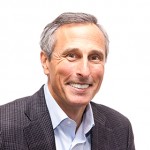
Ed Eger, President & CEO, OANDA
With this in mind, these elite traders have shared their top four risk management New Year’s Resolutions for 2016. And given that 46% of traders surveyed had no prior trading experience when they first started out in FX, these resolutions should be a good place to start for anyone thinking of trying out FX trading in the New Year.
Remain disciplined
Financial markets can feel like a roller coaster at times. According to top traders, the key to avoiding trade-induced nausea is to stay on track. This means having the discipline to stick with pre-determined trade sizes, entry points and exit points, even if the markets are taking your gut on a wild ride.
Successful traders report that their positive track records come not from big wins, but by sharpening and executing strategies in a consistent fashion. Their focus is on taking more profit from the market than what they give away over the long run, rather than concentrating on specific wins or losses from individual outcomes over the short term.
Putting a strategy in place that is balanced and in line with your preferred level of risk will help minimize the fear and stress that can often paralyze new traders. This means putting up the right amount of capital which allows you to make a worthwhile profit without risking too much on a loss. Stop losses can help in this regard – they reduce stress because you can gauge the potential loss of a trade.
With great power comes great responsibility; and successful FX traders know that this adage rings especially true with leverage.
Leverage can build profits, but with the wrong approach it can also destroy a trader’s work. Leverage should therefore be handled with care and deployed only in the situations that call for it. Just because you have the ability to unsheathe maximum leverage, doesn’t mean that you should every time. In fact, many top traders report that they seldom use the full amount at their disposal.
Above all, traders want to decrease the likelihood of a margin closeout, where losses hit a threshold that triggers the closeout of all positions. Along with minimizing account leverage to a level that best suits experience and risk appetite, limiting the number of open positions and using smaller position sizes is also key.
Focus on effective cash management, rather than the 'big win'
Being disciplined isn’t just about minimizing loss, it’s about sticking to your game plan when you’re winning. Many of the traders surveyed said that they focus just as much on taking returns off the table as they do with risk.
Having success over the long term is less about knowing when to call the top of the market, and more about profit taking as dictated by the strategy. A succession of upsides can tempt traders to leave money on the table for longer then their strategy prescribes, which may expose them to sudden downsides.
Good cash management also extends to trade sizes, with many successful traders starting relatively small and increasing trade sizes only as they grow their earnings.
Have a balanced, multi-faceted trading plan
Beyond stop losses, trade sizes and leverage, successful traders use an array of information to guide their strategies. While it’s known that advanced retail FX traders utilize charts religiously, many of the traders surveyed said that they also keep up-to-date on macro-economic events. Doing so is key because trading opportunities are largely driven by changes or perceived changes in macro-economic relationships. That’s why our elite traders run off a multi-faceted trading plan, built on multiple sources of information so the risk and opportunities are understood in equal measure and are as clear as possible.
What these resolutions show is that success can depend on how you trade just as much as – if not more than – what you trade. Discipline, focus and control are key. Stick to these resolutions next year and they’ll serve you well.
This article was written by Ed Eger, President and Chief Executive Officer, OANDA. Ed commands 30 years of proven experience in growing businesses through customer-focused, disruptive technologies to consumers in markets around the world. Ed is an expert in growing businesses where technology and finance converge through maximizing benefits for retail consumers in both developed and emerging markets. At OANDA, he is focused on driving new solutions to meet the continually changing needs of its international client base.
It’s that time when we start to leave one year behind us and make our plans for the next. We may decide that we’ll eat better, take more exercise or break a bad habit. In the spirit of the season, we asked our top traders about their FX trading New Year’s resolutions. You might find the answers quite surprising.
We wanted to know, ‘what makes a successful retail FX trader?’ If you ask someone with limited knowledge of the financial markets they’ll often conjure up phrases like ‘big lovers of risk’, ‘cowboys’ and ‘they go big or they go home.’
This focus on risk management reflects how the retail FX market has matured over time. Once considered exotic, retail FX has attracted waves of serious, disciplined traders who are deliberate and purposeful in the way they manage their money. This doesn’t imply that you have to make trading a full-time gig to do well. In fact, over half of survey respondents said they trade retail FX to supplement a primary source of income or as a hobby. To put it differently, good traders have no intention of ‘getting rich quick.’
Ed Eger, President & CEO, OANDA
With this in mind, these elite traders have shared their top four risk management New Year’s Resolutions for 2016. And given that 46% of traders surveyed had no prior trading experience when they first started out in FX, these resolutions should be a good place to start for anyone thinking of trying out FX trading in the New Year.
Remain disciplined
Financial markets can feel like a roller coaster at times. According to top traders, the key to avoiding trade-induced nausea is to stay on track. This means having the discipline to stick with pre-determined trade sizes, entry points and exit points, even if the markets are taking your gut on a wild ride.
Successful traders report that their positive track records come not from big wins, but by sharpening and executing strategies in a consistent fashion. Their focus is on taking more profit from the market than what they give away over the long run, rather than concentrating on specific wins or losses from individual outcomes over the short term.
Putting a strategy in place that is balanced and in line with your preferred level of risk will help minimize the fear and stress that can often paralyze new traders. This means putting up the right amount of capital which allows you to make a worthwhile profit without risking too much on a loss. Stop losses can help in this regard – they reduce stress because you can gauge the potential loss of a trade.
With great power comes great responsibility; and successful FX traders know that this adage rings especially true with leverage.
Leverage can build profits, but with the wrong approach it can also destroy a trader’s work. Leverage should therefore be handled with care and deployed only in the situations that call for it. Just because you have the ability to unsheathe maximum leverage, doesn’t mean that you should every time. In fact, many top traders report that they seldom use the full amount at their disposal.
Above all, traders want to decrease the likelihood of a margin closeout, where losses hit a threshold that triggers the closeout of all positions. Along with minimizing account leverage to a level that best suits experience and risk appetite, limiting the number of open positions and using smaller position sizes is also key.
Focus on effective cash management, rather than the 'big win'
Being disciplined isn’t just about minimizing loss, it’s about sticking to your game plan when you’re winning. Many of the traders surveyed said that they focus just as much on taking returns off the table as they do with risk.
Having success over the long term is less about knowing when to call the top of the market, and more about profit taking as dictated by the strategy. A succession of upsides can tempt traders to leave money on the table for longer then their strategy prescribes, which may expose them to sudden downsides.
Good cash management also extends to trade sizes, with many successful traders starting relatively small and increasing trade sizes only as they grow their earnings.
Have a balanced, multi-faceted trading plan
Beyond stop losses, trade sizes and leverage, successful traders use an array of information to guide their strategies. While it’s known that advanced retail FX traders utilize charts religiously, many of the traders surveyed said that they also keep up-to-date on macro-economic events. Doing so is key because trading opportunities are largely driven by changes or perceived changes in macro-economic relationships. That’s why our elite traders run off a multi-faceted trading plan, built on multiple sources of information so the risk and opportunities are understood in equal measure and are as clear as possible.
What these resolutions show is that success can depend on how you trade just as much as – if not more than – what you trade. Discipline, focus and control are key. Stick to these resolutions next year and they’ll serve you well.
iFOREX Adds Saudi and South Korean Equity CFDs as IPO Is Delayed
Featured Videos
Executive Interview | Charlotte Bullock | Chief Product Officer, Bank of London | FMLS:25
In this interview, we sat down with Charlotte Bullock, Head of Product at The Bank of London, previously at SAP and now shaping product at one of the sector’s most ambitious new banking players.
Charlotte reflects on the Summit so far and talks about the culture inside fintech banks today. We look at the pressures that come with scaling, and how firms can hold onto the nimble approach that made them stand out early on.
We also cover the state of payments ahead of her appearance on the payments roundtable: the blockages financial firms face, the areas that still need fixing, and what a realistic solution looks like in 2026.
In this interview, we sat down with Charlotte Bullock, Head of Product at The Bank of London, previously at SAP and now shaping product at one of the sector’s most ambitious new banking players.
Charlotte reflects on the Summit so far and talks about the culture inside fintech banks today. We look at the pressures that come with scaling, and how firms can hold onto the nimble approach that made them stand out early on.
We also cover the state of payments ahead of her appearance on the payments roundtable: the blockages financial firms face, the areas that still need fixing, and what a realistic solution looks like in 2026.
In this interview, we sat down with Charlotte Bullock, Head of Product at The Bank of London, previously at SAP and now shaping product at one of the sector’s most ambitious new banking players.
Charlotte reflects on the Summit so far and talks about the culture inside fintech banks today. We look at the pressures that come with scaling, and how firms can hold onto the nimble approach that made them stand out early on.
We also cover the state of payments ahead of her appearance on the payments roundtable: the blockages financial firms face, the areas that still need fixing, and what a realistic solution looks like in 2026.
In this interview, we sat down with Charlotte Bullock, Head of Product at The Bank of London, previously at SAP and now shaping product at one of the sector’s most ambitious new banking players.
Charlotte reflects on the Summit so far and talks about the culture inside fintech banks today. We look at the pressures that come with scaling, and how firms can hold onto the nimble approach that made them stand out early on.
We also cover the state of payments ahead of her appearance on the payments roundtable: the blockages financial firms face, the areas that still need fixing, and what a realistic solution looks like in 2026.
In this conversation, we sit down with Drew Niv, CSO at ATFX Connect and one of the most influential figures in modern FX.
We speak about market structure, the institutional view on liquidity, and the sharp rise of prop trading, a sector Drew has been commenting on in recent months. Drew explains why he once dismissed prop trading, why his view changed, and what he now thinks the model means for brokers, clients and risk managers.
We explore subscription-fee dependency, the high reneging rate, and the long-term challenge: how brokers can build a more stable and honest version of the model. Drew also talks about the traffic advantage standalone prop firms have built and why brokers may still win in the long run if they take the right approach.
In this conversation, we sit down with Drew Niv, CSO at ATFX Connect and one of the most influential figures in modern FX.
We speak about market structure, the institutional view on liquidity, and the sharp rise of prop trading, a sector Drew has been commenting on in recent months. Drew explains why he once dismissed prop trading, why his view changed, and what he now thinks the model means for brokers, clients and risk managers.
We explore subscription-fee dependency, the high reneging rate, and the long-term challenge: how brokers can build a more stable and honest version of the model. Drew also talks about the traffic advantage standalone prop firms have built and why brokers may still win in the long run if they take the right approach.
In this conversation, we sit down with Drew Niv, CSO at ATFX Connect and one of the most influential figures in modern FX.
We speak about market structure, the institutional view on liquidity, and the sharp rise of prop trading, a sector Drew has been commenting on in recent months. Drew explains why he once dismissed prop trading, why his view changed, and what he now thinks the model means for brokers, clients and risk managers.
We explore subscription-fee dependency, the high reneging rate, and the long-term challenge: how brokers can build a more stable and honest version of the model. Drew also talks about the traffic advantage standalone prop firms have built and why brokers may still win in the long run if they take the right approach.
In this conversation, we sit down with Drew Niv, CSO at ATFX Connect and one of the most influential figures in modern FX.
We speak about market structure, the institutional view on liquidity, and the sharp rise of prop trading, a sector Drew has been commenting on in recent months. Drew explains why he once dismissed prop trading, why his view changed, and what he now thinks the model means for brokers, clients and risk managers.
We explore subscription-fee dependency, the high reneging rate, and the long-term challenge: how brokers can build a more stable and honest version of the model. Drew also talks about the traffic advantage standalone prop firms have built and why brokers may still win in the long run if they take the right approach.
In this conversation, we sit down with Drew Niv, CSO at ATFX Connect and one of the most influential figures in modern FX.
We speak about market structure, the institutional view on liquidity, and the sharp rise of prop trading, a sector Drew has been commenting on in recent months. Drew explains why he once dismissed prop trading, why his view changed, and what he now thinks the model means for brokers, clients and risk managers.
We explore subscription-fee dependency, the high reneging rate, and the long-term challenge: how brokers can build a more stable and honest version of the model. Drew also talks about the traffic advantage standalone prop firms have built and why brokers may still win in the long run if they take the right approach.
In this conversation, we sit down with Drew Niv, CSO at ATFX Connect and one of the most influential figures in modern FX.
We speak about market structure, the institutional view on liquidity, and the sharp rise of prop trading, a sector Drew has been commenting on in recent months. Drew explains why he once dismissed prop trading, why his view changed, and what he now thinks the model means for brokers, clients and risk managers.
We explore subscription-fee dependency, the high reneging rate, and the long-term challenge: how brokers can build a more stable and honest version of the model. Drew also talks about the traffic advantage standalone prop firms have built and why brokers may still win in the long run if they take the right approach.
Executive Interview | Remonda Z. Kirketerp Møller| CEO & Founder Muinmos | FMLS:25
In this interview, Remonda Z. Kirketerp Møller, founder of Muinmos, breaks down the state of AI in regtech and what responsible adoption really looks like for brokers. We talk about rising fragmentation, the pressures around compliance accuracy, and why most firms are still in the early stages of AI maturity.
Ramanda also shares insights on regulator sandboxes, shifting expectations around accountability, and the current reality of MiCA licensing and passporting in Europe.
A concise look at where compliance, onboarding, and AI-driven processes are heading next.
In this interview, Remonda Z. Kirketerp Møller, founder of Muinmos, breaks down the state of AI in regtech and what responsible adoption really looks like for brokers. We talk about rising fragmentation, the pressures around compliance accuracy, and why most firms are still in the early stages of AI maturity.
Ramanda also shares insights on regulator sandboxes, shifting expectations around accountability, and the current reality of MiCA licensing and passporting in Europe.
A concise look at where compliance, onboarding, and AI-driven processes are heading next.
In this interview, Remonda Z. Kirketerp Møller, founder of Muinmos, breaks down the state of AI in regtech and what responsible adoption really looks like for brokers. We talk about rising fragmentation, the pressures around compliance accuracy, and why most firms are still in the early stages of AI maturity.
Ramanda also shares insights on regulator sandboxes, shifting expectations around accountability, and the current reality of MiCA licensing and passporting in Europe.
A concise look at where compliance, onboarding, and AI-driven processes are heading next.
In this interview, Remonda Z. Kirketerp Møller, founder of Muinmos, breaks down the state of AI in regtech and what responsible adoption really looks like for brokers. We talk about rising fragmentation, the pressures around compliance accuracy, and why most firms are still in the early stages of AI maturity.
Ramanda also shares insights on regulator sandboxes, shifting expectations around accountability, and the current reality of MiCA licensing and passporting in Europe.
A concise look at where compliance, onboarding, and AI-driven processes are heading next.
In this interview, Remonda Z. Kirketerp Møller, founder of Muinmos, breaks down the state of AI in regtech and what responsible adoption really looks like for brokers. We talk about rising fragmentation, the pressures around compliance accuracy, and why most firms are still in the early stages of AI maturity.
Ramanda also shares insights on regulator sandboxes, shifting expectations around accountability, and the current reality of MiCA licensing and passporting in Europe.
A concise look at where compliance, onboarding, and AI-driven processes are heading next.
In this interview, Remonda Z. Kirketerp Møller, founder of Muinmos, breaks down the state of AI in regtech and what responsible adoption really looks like for brokers. We talk about rising fragmentation, the pressures around compliance accuracy, and why most firms are still in the early stages of AI maturity.
Ramanda also shares insights on regulator sandboxes, shifting expectations around accountability, and the current reality of MiCA licensing and passporting in Europe.
A concise look at where compliance, onboarding, and AI-driven processes are heading next.
In this conversation, we speak with Aydin Bonabi, CEO and co-founder of Surveill, a firm focused on fraud detection and AI-driven compliance tools for financial institutions.
We start with Aydin’s view of the Summit and the challenges brokers face as fraud tactics grow more complex. He explains how firms can stay ahead through real-time signals, data patterns, and early-stage detection.
We also talk about AI training and why compliance teams often struggle to keep models accurate, fair, and aligned with regulatory expectations. Aydin breaks down what “good” AI training looks like inside a financial environment, including the importance of clean data, domain expertise, and human oversight.
He closes with a clear message: fraud is scaling, and so must the tools that stop it.
In this conversation, we speak with Aydin Bonabi, CEO and co-founder of Surveill, a firm focused on fraud detection and AI-driven compliance tools for financial institutions.
We start with Aydin’s view of the Summit and the challenges brokers face as fraud tactics grow more complex. He explains how firms can stay ahead through real-time signals, data patterns, and early-stage detection.
We also talk about AI training and why compliance teams often struggle to keep models accurate, fair, and aligned with regulatory expectations. Aydin breaks down what “good” AI training looks like inside a financial environment, including the importance of clean data, domain expertise, and human oversight.
He closes with a clear message: fraud is scaling, and so must the tools that stop it.
In this conversation, we speak with Aydin Bonabi, CEO and co-founder of Surveill, a firm focused on fraud detection and AI-driven compliance tools for financial institutions.
We start with Aydin’s view of the Summit and the challenges brokers face as fraud tactics grow more complex. He explains how firms can stay ahead through real-time signals, data patterns, and early-stage detection.
We also talk about AI training and why compliance teams often struggle to keep models accurate, fair, and aligned with regulatory expectations. Aydin breaks down what “good” AI training looks like inside a financial environment, including the importance of clean data, domain expertise, and human oversight.
He closes with a clear message: fraud is scaling, and so must the tools that stop it.
In this conversation, we speak with Aydin Bonabi, CEO and co-founder of Surveill, a firm focused on fraud detection and AI-driven compliance tools for financial institutions.
We start with Aydin’s view of the Summit and the challenges brokers face as fraud tactics grow more complex. He explains how firms can stay ahead through real-time signals, data patterns, and early-stage detection.
We also talk about AI training and why compliance teams often struggle to keep models accurate, fair, and aligned with regulatory expectations. Aydin breaks down what “good” AI training looks like inside a financial environment, including the importance of clean data, domain expertise, and human oversight.
He closes with a clear message: fraud is scaling, and so must the tools that stop it.
In this conversation, we speak with Aydin Bonabi, CEO and co-founder of Surveill, a firm focused on fraud detection and AI-driven compliance tools for financial institutions.
We start with Aydin’s view of the Summit and the challenges brokers face as fraud tactics grow more complex. He explains how firms can stay ahead through real-time signals, data patterns, and early-stage detection.
We also talk about AI training and why compliance teams often struggle to keep models accurate, fair, and aligned with regulatory expectations. Aydin breaks down what “good” AI training looks like inside a financial environment, including the importance of clean data, domain expertise, and human oversight.
He closes with a clear message: fraud is scaling, and so must the tools that stop it.
In this conversation, we speak with Aydin Bonabi, CEO and co-founder of Surveill, a firm focused on fraud detection and AI-driven compliance tools for financial institutions.
We start with Aydin’s view of the Summit and the challenges brokers face as fraud tactics grow more complex. He explains how firms can stay ahead through real-time signals, data patterns, and early-stage detection.
We also talk about AI training and why compliance teams often struggle to keep models accurate, fair, and aligned with regulatory expectations. Aydin breaks down what “good” AI training looks like inside a financial environment, including the importance of clean data, domain expertise, and human oversight.
He closes with a clear message: fraud is scaling, and so must the tools that stop it.
Exness expands its presence in Africa: Inside our interview with Paul Margarites in Cape Town
Finance Magnates met with Paul Margarites, Exness regional commercial director for Sub-Saharan Africa, during a visit to the firm’s office opening in Cape Town. In this talk, led by Andrea Badiola Mateos, Co-CEO at Finance Magnates, Paul shares views on the South African trading space, local user behavior, mobile trends, regulation, team growth, and how Exness plans to grow in more markets across the region. @Exness
Read the article at: https://www.financemagnates.com/thought-leadership/exness-expands-its-presence-in-africa-inside-our-interview-with-paul-margarites/
#exness #financemagnates #exnesstrading #CFDtrading #tradeonline #africanews #capetown
Finance Magnates met with Paul Margarites, Exness regional commercial director for Sub-Saharan Africa, during a visit to the firm’s office opening in Cape Town. In this talk, led by Andrea Badiola Mateos, Co-CEO at Finance Magnates, Paul shares views on the South African trading space, local user behavior, mobile trends, regulation, team growth, and how Exness plans to grow in more markets across the region. @Exness
Read the article at: https://www.financemagnates.com/thought-leadership/exness-expands-its-presence-in-africa-inside-our-interview-with-paul-margarites/
#exness #financemagnates #exnesstrading #CFDtrading #tradeonline #africanews #capetown
Finance Magnates met with Paul Margarites, Exness regional commercial director for Sub-Saharan Africa, during a visit to the firm’s office opening in Cape Town. In this talk, led by Andrea Badiola Mateos, Co-CEO at Finance Magnates, Paul shares views on the South African trading space, local user behavior, mobile trends, regulation, team growth, and how Exness plans to grow in more markets across the region. @Exness
Read the article at: https://www.financemagnates.com/thought-leadership/exness-expands-its-presence-in-africa-inside-our-interview-with-paul-margarites/
#exness #financemagnates #exnesstrading #CFDtrading #tradeonline #africanews #capetown
Finance Magnates met with Paul Margarites, Exness regional commercial director for Sub-Saharan Africa, during a visit to the firm’s office opening in Cape Town. In this talk, led by Andrea Badiola Mateos, Co-CEO at Finance Magnates, Paul shares views on the South African trading space, local user behavior, mobile trends, regulation, team growth, and how Exness plans to grow in more markets across the region. @Exness
Read the article at: https://www.financemagnates.com/thought-leadership/exness-expands-its-presence-in-africa-inside-our-interview-with-paul-margarites/
#exness #financemagnates #exnesstrading #CFDtrading #tradeonline #africanews #capetown
Finance Magnates met with Paul Margarites, Exness regional commercial director for Sub-Saharan Africa, during a visit to the firm’s office opening in Cape Town. In this talk, led by Andrea Badiola Mateos, Co-CEO at Finance Magnates, Paul shares views on the South African trading space, local user behavior, mobile trends, regulation, team growth, and how Exness plans to grow in more markets across the region. @Exness
Read the article at: https://www.financemagnates.com/thought-leadership/exness-expands-its-presence-in-africa-inside-our-interview-with-paul-margarites/
#exness #financemagnates #exnesstrading #CFDtrading #tradeonline #africanews #capetown
Finance Magnates met with Paul Margarites, Exness regional commercial director for Sub-Saharan Africa, during a visit to the firm’s office opening in Cape Town. In this talk, led by Andrea Badiola Mateos, Co-CEO at Finance Magnates, Paul shares views on the South African trading space, local user behavior, mobile trends, regulation, team growth, and how Exness plans to grow in more markets across the region. @Exness
Read the article at: https://www.financemagnates.com/thought-leadership/exness-expands-its-presence-in-africa-inside-our-interview-with-paul-margarites/
#exness #financemagnates #exnesstrading #CFDtrading #tradeonline #africanews #capetown