With Israel ushering in a new era of forex regulation, it brings up the questions of where the country sits within the overall global industry.
Finance Magnates
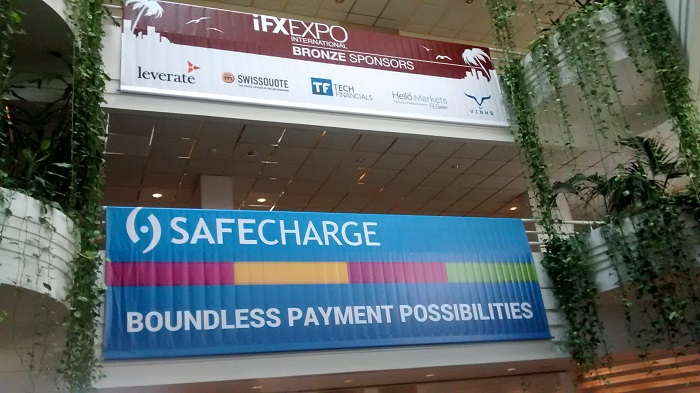
On the very day that Israel is set to usher in a new forex regulation, with many calling it a deathblow for the local industry, hundreds of professionals from its retail forex industry are making the trek to Cyprus for the annual IFX Expo that kicks off this evening. The conference goers temporary exodus from the country could be viewed as mimicking a larger trend of Israel’s importance as a major hub for the forex industry also waning.
Israel’s roots in the forex industry were sown in the late 1990’s and became very active between 2000 and 2005 as forex trading became more accessible as an online business. Many Israeli professionals entering the industry viewed the industry as a lucrative opportunity where they could leverage their existing digital experience. This included skills in SEO, online marketing, and using existing sales channels that were created for other online businesses such as gaming and eCommerce.
In terms of brokers, while a global giant the size of FXCM, Saxo Bank and Forex.com haven’t emerged from Israel, brokers with ownership or management originating from Israel comprise a large swath of the top 20 list firms when rated by monthly retail trading volumes. They are also among the most profitable, and include Tedi Sagi controlled Markets.com (recently acquired by Playtech), eToro, AvaTrade and Plus500.
Despite the couufxntry’s significant contribution to the retail forex industry, firms connected to Israel have experienced a rough period over the past twelve months. The question to be asked is, are the country’s glory days long and gone - or are the business models used in Israel simply evolving?
Some of the recent events which have affected Israeli originated firms:
Plus500 – the AIM star is fast losing its luster as questions concerning its compliance procedures and financial reporting have attracted sellers, leading to its stock dropping below 300p from above 700p earlier this month. Using a model focused on search engine marketing and automatically generated emails to engage clients, Plus500’s success was in contrast to the scores of brokers relying on strong arm sales tactics, which had made them the envy of many in the industry.
Markets.com – It’s hard to call a firm that is being acquired for what could ultimately become a deal valued over $500 million as falling on difficult times. However, after sources close to the company related that the ultimate goal was to go public like other Tedi Sagi companies Playtech, SafeCharge and CrossRider, whispers have emerged questioning why the broker didn’t get its turn to IPO. Among explanations being floated is a weak market for forex related IPOs following the January 15th ‘Black Thursday’ event, oversupply of brokers wanting to go public, as well as the need to explain to investors the many fine details of their regulated and unregulated business.
TechFinancials - In relation to oversupply, one of the results of the many brokers touring the UK on roadshows to go public was a lack of demand for the recent TechFinancials IPO. Raising £5 million instead of a planned £10 million, revealed a lack of demand among institutional investors for binary options providers, or at least proved the UK may not be the optimal place to take them public.
French/Israel forex - Among brokers created in Israel are a group that includes ownership with French and Israeli citizenship that market aggressively in France. This group is partially responsible for the growing list of brokers receiving warnings from France's financial regulators. Also, in recent weeks, an executive connected to one of the larger unregulated forex brokers marketing to France was arrested by Interpol upon attempting to enter the country.
Leverate – Consequential to January 15th, Leverate was sourced to have been caught with potential losses due to an account they held with Alpari. Like other firms, the day affected their available liquidity, with several broker clients with operations in different parts of the world stating to Finance Magnates that they were having difficulties hedging certain CFD products with Leverate in the aftermath of the Swiss franc move, but have since remedied the situation.
Local Workforces – While most forex brokers with employees in Israel don’t accept local customers for tax and other operational reasons, many of them do have large workforces based in the country. However, in the aftermath of Israel establishing forex regulations in the country, the government has created rules to tax profits generated by brokers when their main operations are in the country, but use offshore entities that officially manage the firm's trading profits. These rules are expected to cause some brokers to decrease their staff in Israel, with execution related jobs specifically being relocated to offshore offices.
A Waning Future?
Speaking with Israeli professionals about the future of forex in the country, feedback has been fairly mixed. In regards to regulation, the overwhelming opinion is that ‘no one knows’ what is going to happen as it opens up a whole new playing field. Many of the EU regulated brokers with larger workforces in Israel have already limited their compliance and trading related staff to comply with their licensing requirements. The change in Israel’s tax and regulatory stances could affect them only slightly, but unregulated brokers may find themselves needing to create more extensive offshore offices to handle dealing.
On the other hand, many industry sources in the country have expressed considerable optimism at the prospect. In their opinion, Israel continues to be one of the global hubs for online innovation, so while brokers may evolve with how trading and compliance is handled, other areas such as online marketing (AdTech) and platform design will continue to have a strong Israeli influence. Specifically, AdTech is one of the faster growing sectors in Israel, being fueled by venture capital investments with ‘big data’ media focused businesses garnering valuations in the hundreds of millions of dollars.
For the forex and binary industry, these firms bring to the table solutions for brokers to improve their retention and sales funnels, increase customer lifetime values and reduce overall acquisitions costs. They also represent what could be the future of Israel's forex industry. One in which Israel's influence in online and trading technology remains stronger than ever, but with a reduced and more efficient workforce participating in the industry,
On the very day that Israel is set to usher in a new forex regulation, with many calling it a deathblow for the local industry, hundreds of professionals from its retail forex industry are making the trek to Cyprus for the annual IFX Expo that kicks off this evening. The conference goers temporary exodus from the country could be viewed as mimicking a larger trend of Israel’s importance as a major hub for the forex industry also waning.
Israel’s roots in the forex industry were sown in the late 1990’s and became very active between 2000 and 2005 as forex trading became more accessible as an online business. Many Israeli professionals entering the industry viewed the industry as a lucrative opportunity where they could leverage their existing digital experience. This included skills in SEO, online marketing, and using existing sales channels that were created for other online businesses such as gaming and eCommerce.
In terms of brokers, while a global giant the size of FXCM, Saxo Bank and Forex.com haven’t emerged from Israel, brokers with ownership or management originating from Israel comprise a large swath of the top 20 list firms when rated by monthly retail trading volumes. They are also among the most profitable, and include Tedi Sagi controlled Markets.com (recently acquired by Playtech), eToro, AvaTrade and Plus500.
Despite the couufxntry’s significant contribution to the retail forex industry, firms connected to Israel have experienced a rough period over the past twelve months. The question to be asked is, are the country’s glory days long and gone - or are the business models used in Israel simply evolving?
Some of the recent events which have affected Israeli originated firms:
Plus500 – the AIM star is fast losing its luster as questions concerning its compliance procedures and financial reporting have attracted sellers, leading to its stock dropping below 300p from above 700p earlier this month. Using a model focused on search engine marketing and automatically generated emails to engage clients, Plus500’s success was in contrast to the scores of brokers relying on strong arm sales tactics, which had made them the envy of many in the industry.
Markets.com – It’s hard to call a firm that is being acquired for what could ultimately become a deal valued over $500 million as falling on difficult times. However, after sources close to the company related that the ultimate goal was to go public like other Tedi Sagi companies Playtech, SafeCharge and CrossRider, whispers have emerged questioning why the broker didn’t get its turn to IPO. Among explanations being floated is a weak market for forex related IPOs following the January 15th ‘Black Thursday’ event, oversupply of brokers wanting to go public, as well as the need to explain to investors the many fine details of their regulated and unregulated business.
TechFinancials - In relation to oversupply, one of the results of the many brokers touring the UK on roadshows to go public was a lack of demand for the recent TechFinancials IPO. Raising £5 million instead of a planned £10 million, revealed a lack of demand among institutional investors for binary options providers, or at least proved the UK may not be the optimal place to take them public.
French/Israel forex - Among brokers created in Israel are a group that includes ownership with French and Israeli citizenship that market aggressively in France. This group is partially responsible for the growing list of brokers receiving warnings from France's financial regulators. Also, in recent weeks, an executive connected to one of the larger unregulated forex brokers marketing to France was arrested by Interpol upon attempting to enter the country.
Leverate – Consequential to January 15th, Leverate was sourced to have been caught with potential losses due to an account they held with Alpari. Like other firms, the day affected their available liquidity, with several broker clients with operations in different parts of the world stating to Finance Magnates that they were having difficulties hedging certain CFD products with Leverate in the aftermath of the Swiss franc move, but have since remedied the situation.
Local Workforces – While most forex brokers with employees in Israel don’t accept local customers for tax and other operational reasons, many of them do have large workforces based in the country. However, in the aftermath of Israel establishing forex regulations in the country, the government has created rules to tax profits generated by brokers when their main operations are in the country, but use offshore entities that officially manage the firm's trading profits. These rules are expected to cause some brokers to decrease their staff in Israel, with execution related jobs specifically being relocated to offshore offices.
A Waning Future?
Speaking with Israeli professionals about the future of forex in the country, feedback has been fairly mixed. In regards to regulation, the overwhelming opinion is that ‘no one knows’ what is going to happen as it opens up a whole new playing field. Many of the EU regulated brokers with larger workforces in Israel have already limited their compliance and trading related staff to comply with their licensing requirements. The change in Israel’s tax and regulatory stances could affect them only slightly, but unregulated brokers may find themselves needing to create more extensive offshore offices to handle dealing.
On the other hand, many industry sources in the country have expressed considerable optimism at the prospect. In their opinion, Israel continues to be one of the global hubs for online innovation, so while brokers may evolve with how trading and compliance is handled, other areas such as online marketing (AdTech) and platform design will continue to have a strong Israeli influence. Specifically, AdTech is one of the faster growing sectors in Israel, being fueled by venture capital investments with ‘big data’ media focused businesses garnering valuations in the hundreds of millions of dollars.
For the forex and binary industry, these firms bring to the table solutions for brokers to improve their retention and sales funnels, increase customer lifetime values and reduce overall acquisitions costs. They also represent what could be the future of Israel's forex industry. One in which Israel's influence in online and trading technology remains stronger than ever, but with a reduced and more efficient workforce participating in the industry,
In this conversation, we sit down with Drew Niv, CSO at ATFX Connect and one of the most influential figures in modern FX.
We speak about market structure, the institutional view on liquidity, and the sharp rise of prop trading, a sector Drew has been commenting on in recent months. Drew explains why he once dismissed prop trading, why his view changed, and what he now thinks the model means for brokers, clients and risk managers.
We explore subscription-fee dependency, the high reneging rate, and the long-term challenge: how brokers can build a more stable and honest version of the model. Drew also talks about the traffic advantage standalone prop firms have built and why brokers may still win in the long run if they take the right approach.
In this conversation, we sit down with Drew Niv, CSO at ATFX Connect and one of the most influential figures in modern FX.
We speak about market structure, the institutional view on liquidity, and the sharp rise of prop trading, a sector Drew has been commenting on in recent months. Drew explains why he once dismissed prop trading, why his view changed, and what he now thinks the model means for brokers, clients and risk managers.
We explore subscription-fee dependency, the high reneging rate, and the long-term challenge: how brokers can build a more stable and honest version of the model. Drew also talks about the traffic advantage standalone prop firms have built and why brokers may still win in the long run if they take the right approach.
In this conversation, we sit down with Drew Niv, CSO at ATFX Connect and one of the most influential figures in modern FX.
We speak about market structure, the institutional view on liquidity, and the sharp rise of prop trading, a sector Drew has been commenting on in recent months. Drew explains why he once dismissed prop trading, why his view changed, and what he now thinks the model means for brokers, clients and risk managers.
We explore subscription-fee dependency, the high reneging rate, and the long-term challenge: how brokers can build a more stable and honest version of the model. Drew also talks about the traffic advantage standalone prop firms have built and why brokers may still win in the long run if they take the right approach.
In this conversation, we sit down with Drew Niv, CSO at ATFX Connect and one of the most influential figures in modern FX.
We speak about market structure, the institutional view on liquidity, and the sharp rise of prop trading, a sector Drew has been commenting on in recent months. Drew explains why he once dismissed prop trading, why his view changed, and what he now thinks the model means for brokers, clients and risk managers.
We explore subscription-fee dependency, the high reneging rate, and the long-term challenge: how brokers can build a more stable and honest version of the model. Drew also talks about the traffic advantage standalone prop firms have built and why brokers may still win in the long run if they take the right approach.
Executive Interview | Remonda Z. Kirketerp Møller| CEO & Founder Muinmos | FMLS:25
In this interview, Remonda Z. Kirketerp Møller, founder of Muinmos, breaks down the state of AI in regtech and what responsible adoption really looks like for brokers. We talk about rising fragmentation, the pressures around compliance accuracy, and why most firms are still in the early stages of AI maturity.
Ramanda also shares insights on regulator sandboxes, shifting expectations around accountability, and the current reality of MiCA licensing and passporting in Europe.
A concise look at where compliance, onboarding, and AI-driven processes are heading next.
In this interview, Remonda Z. Kirketerp Møller, founder of Muinmos, breaks down the state of AI in regtech and what responsible adoption really looks like for brokers. We talk about rising fragmentation, the pressures around compliance accuracy, and why most firms are still in the early stages of AI maturity.
Ramanda also shares insights on regulator sandboxes, shifting expectations around accountability, and the current reality of MiCA licensing and passporting in Europe.
A concise look at where compliance, onboarding, and AI-driven processes are heading next.
In this interview, Remonda Z. Kirketerp Møller, founder of Muinmos, breaks down the state of AI in regtech and what responsible adoption really looks like for brokers. We talk about rising fragmentation, the pressures around compliance accuracy, and why most firms are still in the early stages of AI maturity.
Ramanda also shares insights on regulator sandboxes, shifting expectations around accountability, and the current reality of MiCA licensing and passporting in Europe.
A concise look at where compliance, onboarding, and AI-driven processes are heading next.
In this interview, Remonda Z. Kirketerp Møller, founder of Muinmos, breaks down the state of AI in regtech and what responsible adoption really looks like for brokers. We talk about rising fragmentation, the pressures around compliance accuracy, and why most firms are still in the early stages of AI maturity.
Ramanda also shares insights on regulator sandboxes, shifting expectations around accountability, and the current reality of MiCA licensing and passporting in Europe.
A concise look at where compliance, onboarding, and AI-driven processes are heading next.
In this interview, Remonda Z. Kirketerp Møller, founder of Muinmos, breaks down the state of AI in regtech and what responsible adoption really looks like for brokers. We talk about rising fragmentation, the pressures around compliance accuracy, and why most firms are still in the early stages of AI maturity.
Ramanda also shares insights on regulator sandboxes, shifting expectations around accountability, and the current reality of MiCA licensing and passporting in Europe.
A concise look at where compliance, onboarding, and AI-driven processes are heading next.
In this interview, Remonda Z. Kirketerp Møller, founder of Muinmos, breaks down the state of AI in regtech and what responsible adoption really looks like for brokers. We talk about rising fragmentation, the pressures around compliance accuracy, and why most firms are still in the early stages of AI maturity.
Ramanda also shares insights on regulator sandboxes, shifting expectations around accountability, and the current reality of MiCA licensing and passporting in Europe.
A concise look at where compliance, onboarding, and AI-driven processes are heading next.
In this conversation, we speak with Aydin Bonabi, CEO and co-founder of Surveill, a firm focused on fraud detection and AI-driven compliance tools for financial institutions.
We start with Aydin’s view of the Summit and the challenges brokers face as fraud tactics grow more complex. He explains how firms can stay ahead through real-time signals, data patterns, and early-stage detection.
We also talk about AI training and why compliance teams often struggle to keep models accurate, fair, and aligned with regulatory expectations. Aydin breaks down what “good” AI training looks like inside a financial environment, including the importance of clean data, domain expertise, and human oversight.
He closes with a clear message: fraud is scaling, and so must the tools that stop it.
In this conversation, we speak with Aydin Bonabi, CEO and co-founder of Surveill, a firm focused on fraud detection and AI-driven compliance tools for financial institutions.
We start with Aydin’s view of the Summit and the challenges brokers face as fraud tactics grow more complex. He explains how firms can stay ahead through real-time signals, data patterns, and early-stage detection.
We also talk about AI training and why compliance teams often struggle to keep models accurate, fair, and aligned with regulatory expectations. Aydin breaks down what “good” AI training looks like inside a financial environment, including the importance of clean data, domain expertise, and human oversight.
He closes with a clear message: fraud is scaling, and so must the tools that stop it.
In this conversation, we speak with Aydin Bonabi, CEO and co-founder of Surveill, a firm focused on fraud detection and AI-driven compliance tools for financial institutions.
We start with Aydin’s view of the Summit and the challenges brokers face as fraud tactics grow more complex. He explains how firms can stay ahead through real-time signals, data patterns, and early-stage detection.
We also talk about AI training and why compliance teams often struggle to keep models accurate, fair, and aligned with regulatory expectations. Aydin breaks down what “good” AI training looks like inside a financial environment, including the importance of clean data, domain expertise, and human oversight.
He closes with a clear message: fraud is scaling, and so must the tools that stop it.
In this conversation, we speak with Aydin Bonabi, CEO and co-founder of Surveill, a firm focused on fraud detection and AI-driven compliance tools for financial institutions.
We start with Aydin’s view of the Summit and the challenges brokers face as fraud tactics grow more complex. He explains how firms can stay ahead through real-time signals, data patterns, and early-stage detection.
We also talk about AI training and why compliance teams often struggle to keep models accurate, fair, and aligned with regulatory expectations. Aydin breaks down what “good” AI training looks like inside a financial environment, including the importance of clean data, domain expertise, and human oversight.
He closes with a clear message: fraud is scaling, and so must the tools that stop it.
In this conversation, we speak with Aydin Bonabi, CEO and co-founder of Surveill, a firm focused on fraud detection and AI-driven compliance tools for financial institutions.
We start with Aydin’s view of the Summit and the challenges brokers face as fraud tactics grow more complex. He explains how firms can stay ahead through real-time signals, data patterns, and early-stage detection.
We also talk about AI training and why compliance teams often struggle to keep models accurate, fair, and aligned with regulatory expectations. Aydin breaks down what “good” AI training looks like inside a financial environment, including the importance of clean data, domain expertise, and human oversight.
He closes with a clear message: fraud is scaling, and so must the tools that stop it.
In this conversation, we speak with Aydin Bonabi, CEO and co-founder of Surveill, a firm focused on fraud detection and AI-driven compliance tools for financial institutions.
We start with Aydin’s view of the Summit and the challenges brokers face as fraud tactics grow more complex. He explains how firms can stay ahead through real-time signals, data patterns, and early-stage detection.
We also talk about AI training and why compliance teams often struggle to keep models accurate, fair, and aligned with regulatory expectations. Aydin breaks down what “good” AI training looks like inside a financial environment, including the importance of clean data, domain expertise, and human oversight.
He closes with a clear message: fraud is scaling, and so must the tools that stop it.
Exness expands its presence in Africa: Inside our interview with Paul Margarites in Cape Town
Finance Magnates met with Paul Margarites, Exness regional commercial director for Sub-Saharan Africa, during a visit to the firm’s office opening in Cape Town. In this talk, led by Andrea Badiola Mateos, Co-CEO at Finance Magnates, Paul shares views on the South African trading space, local user behavior, mobile trends, regulation, team growth, and how Exness plans to grow in more markets across the region. @Exness
Read the article at: https://www.financemagnates.com/thought-leadership/exness-expands-its-presence-in-africa-inside-our-interview-with-paul-margarites/
#exness #financemagnates #exnesstrading #CFDtrading #tradeonline #africanews #capetown
Finance Magnates met with Paul Margarites, Exness regional commercial director for Sub-Saharan Africa, during a visit to the firm’s office opening in Cape Town. In this talk, led by Andrea Badiola Mateos, Co-CEO at Finance Magnates, Paul shares views on the South African trading space, local user behavior, mobile trends, regulation, team growth, and how Exness plans to grow in more markets across the region. @Exness
Read the article at: https://www.financemagnates.com/thought-leadership/exness-expands-its-presence-in-africa-inside-our-interview-with-paul-margarites/
#exness #financemagnates #exnesstrading #CFDtrading #tradeonline #africanews #capetown
Finance Magnates met with Paul Margarites, Exness regional commercial director for Sub-Saharan Africa, during a visit to the firm’s office opening in Cape Town. In this talk, led by Andrea Badiola Mateos, Co-CEO at Finance Magnates, Paul shares views on the South African trading space, local user behavior, mobile trends, regulation, team growth, and how Exness plans to grow in more markets across the region. @Exness
Read the article at: https://www.financemagnates.com/thought-leadership/exness-expands-its-presence-in-africa-inside-our-interview-with-paul-margarites/
#exness #financemagnates #exnesstrading #CFDtrading #tradeonline #africanews #capetown
Finance Magnates met with Paul Margarites, Exness regional commercial director for Sub-Saharan Africa, during a visit to the firm’s office opening in Cape Town. In this talk, led by Andrea Badiola Mateos, Co-CEO at Finance Magnates, Paul shares views on the South African trading space, local user behavior, mobile trends, regulation, team growth, and how Exness plans to grow in more markets across the region. @Exness
Read the article at: https://www.financemagnates.com/thought-leadership/exness-expands-its-presence-in-africa-inside-our-interview-with-paul-margarites/
#exness #financemagnates #exnesstrading #CFDtrading #tradeonline #africanews #capetown
Finance Magnates met with Paul Margarites, Exness regional commercial director for Sub-Saharan Africa, during a visit to the firm’s office opening in Cape Town. In this talk, led by Andrea Badiola Mateos, Co-CEO at Finance Magnates, Paul shares views on the South African trading space, local user behavior, mobile trends, regulation, team growth, and how Exness plans to grow in more markets across the region. @Exness
Read the article at: https://www.financemagnates.com/thought-leadership/exness-expands-its-presence-in-africa-inside-our-interview-with-paul-margarites/
#exness #financemagnates #exnesstrading #CFDtrading #tradeonline #africanews #capetown
Finance Magnates met with Paul Margarites, Exness regional commercial director for Sub-Saharan Africa, during a visit to the firm’s office opening in Cape Town. In this talk, led by Andrea Badiola Mateos, Co-CEO at Finance Magnates, Paul shares views on the South African trading space, local user behavior, mobile trends, regulation, team growth, and how Exness plans to grow in more markets across the region. @Exness
Read the article at: https://www.financemagnates.com/thought-leadership/exness-expands-its-presence-in-africa-inside-our-interview-with-paul-margarites/
#exness #financemagnates #exnesstrading #CFDtrading #tradeonline #africanews #capetown
Executive Interview | Jas Shah | FMLS:25
Interview with Jas Shah
Builder | Adviser | Fintech Writer | Product Strategist
In this episode, Jonathan Fine sat down with Jas Shah, one of the most thoughtful voices in global fintech. Known for his work across advisory, product, stablecoins, and his widely read writing, Jas brings a rare combination of industry insight and plain-spoken clarity.
We talk about his first impression of the Summit, the projects that keep him busy today, and how they connect to the stablecoin panel he joined. Jas shares his view on the link between fintech, wealthtech and retail brokers, especially as firms like Revolut, eToro and Trading212 blur long-standing lines in the market.
We also explore what stablecoin adoption might look like for retail investment platforms, including a few product and UX angles that are not obvious at first glance.
To close, Jas explains how he thinks about writing, and how he approaches “shipping” pieces that spark debate across the industry.
Interview with Jas Shah
Builder | Adviser | Fintech Writer | Product Strategist
In this episode, Jonathan Fine sat down with Jas Shah, one of the most thoughtful voices in global fintech. Known for his work across advisory, product, stablecoins, and his widely read writing, Jas brings a rare combination of industry insight and plain-spoken clarity.
We talk about his first impression of the Summit, the projects that keep him busy today, and how they connect to the stablecoin panel he joined. Jas shares his view on the link between fintech, wealthtech and retail brokers, especially as firms like Revolut, eToro and Trading212 blur long-standing lines in the market.
We also explore what stablecoin adoption might look like for retail investment platforms, including a few product and UX angles that are not obvious at first glance.
To close, Jas explains how he thinks about writing, and how he approaches “shipping” pieces that spark debate across the industry.
Interview with Jas Shah
Builder | Adviser | Fintech Writer | Product Strategist
In this episode, Jonathan Fine sat down with Jas Shah, one of the most thoughtful voices in global fintech. Known for his work across advisory, product, stablecoins, and his widely read writing, Jas brings a rare combination of industry insight and plain-spoken clarity.
We talk about his first impression of the Summit, the projects that keep him busy today, and how they connect to the stablecoin panel he joined. Jas shares his view on the link between fintech, wealthtech and retail brokers, especially as firms like Revolut, eToro and Trading212 blur long-standing lines in the market.
We also explore what stablecoin adoption might look like for retail investment platforms, including a few product and UX angles that are not obvious at first glance.
To close, Jas explains how he thinks about writing, and how he approaches “shipping” pieces that spark debate across the industry.
Interview with Jas Shah
Builder | Adviser | Fintech Writer | Product Strategist
In this episode, Jonathan Fine sat down with Jas Shah, one of the most thoughtful voices in global fintech. Known for his work across advisory, product, stablecoins, and his widely read writing, Jas brings a rare combination of industry insight and plain-spoken clarity.
We talk about his first impression of the Summit, the projects that keep him busy today, and how they connect to the stablecoin panel he joined. Jas shares his view on the link between fintech, wealthtech and retail brokers, especially as firms like Revolut, eToro and Trading212 blur long-standing lines in the market.
We also explore what stablecoin adoption might look like for retail investment platforms, including a few product and UX angles that are not obvious at first glance.
To close, Jas explains how he thinks about writing, and how he approaches “shipping” pieces that spark debate across the industry.
Interview with Jas Shah
Builder | Adviser | Fintech Writer | Product Strategist
In this episode, Jonathan Fine sat down with Jas Shah, one of the most thoughtful voices in global fintech. Known for his work across advisory, product, stablecoins, and his widely read writing, Jas brings a rare combination of industry insight and plain-spoken clarity.
We talk about his first impression of the Summit, the projects that keep him busy today, and how they connect to the stablecoin panel he joined. Jas shares his view on the link between fintech, wealthtech and retail brokers, especially as firms like Revolut, eToro and Trading212 blur long-standing lines in the market.
We also explore what stablecoin adoption might look like for retail investment platforms, including a few product and UX angles that are not obvious at first glance.
To close, Jas explains how he thinks about writing, and how he approaches “shipping” pieces that spark debate across the industry.
Interview with Jas Shah
Builder | Adviser | Fintech Writer | Product Strategist
In this episode, Jonathan Fine sat down with Jas Shah, one of the most thoughtful voices in global fintech. Known for his work across advisory, product, stablecoins, and his widely read writing, Jas brings a rare combination of industry insight and plain-spoken clarity.
We talk about his first impression of the Summit, the projects that keep him busy today, and how they connect to the stablecoin panel he joined. Jas shares his view on the link between fintech, wealthtech and retail brokers, especially as firms like Revolut, eToro and Trading212 blur long-standing lines in the market.
We also explore what stablecoin adoption might look like for retail investment platforms, including a few product and UX angles that are not obvious at first glance.
To close, Jas explains how he thinks about writing, and how he approaches “shipping” pieces that spark debate across the industry.