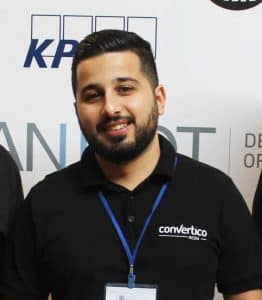
With the date fast approaching, Finance Magnates contacted industry expert Andreas Georgiou. Andreas is a Google Certified Partner and Founder and Director of Convertico Media, a Premier Google Partner Digital Marketing Agency specialising in the Forex industry. Here we are discussing the impending Adpocalypse, a term coined by Andreas and what it really means for forex brokers.
Are brokers prepared for the Google changes in June 2018?
I don’t think so! At Convertico Media we work with many leading brokers to manage their complete marketing solutions, so we are in touch with the general feeling. As with GDPR, many brokers are procrastinating and leaving this till the last minute.
Many also believe that the ban won’t really affect them or that they don’t need to make changes. We have been working with our clients to brief them on the changes and prepare them for what is about to happen.
Andreas Georgiou
How important are Google Ads for Forex Brokers?
Google Ads have always been key in successful digital marketing strategies used by brokers since they are highly targeted, measurable, and cost effective. In addition, Google Ads enable brokers to utilise the biggest search network in the world, the biggest display network with over two million websites and over 650,000 apps, the biggest video sharing platform (YouTube), the biggest free email service (Gmail) and of course Google Remarketing also known as retargeting to reach millions of online users.
So yes, they are very important for forex brokers whether they are small or established!
What are the main Google campaign types brokers use?
I would say the main campaign types used by brokers are the following: Google Search Campaigns which allow brokers to target an audience that performs search queries related to their brand or products. Search advertising is considered the most targeted form of advertising and is ideal for generating quality visits to their website.
Our experience shows that visitors from these campaigns tend to have a genuine interest in the product advertised and usually a higher CVR from visit to lead in comparison with other campaign types and channels. I am sure that people working as account managers will agree with me on this.
Google Display Campaigns which allow brokers to display ads against related content and audiences across thousands of sites. Display campaigns are ideal for educating the consumer, building trust for the brand and increasing brand recognition.
Google Re-Marketing Campaigns which allow brokers to show ads to people who've visited their website before and left without completing a specific goal like registering for example. Re-Marketing helps them reconnect with them by showing relevant ads as they browse the web, use mobile apps, or search on Google.
Reuters
Is this ban going to severely impact forex brokers?
Big players with regulations in the EU for example who used to run global Google Ads will not be able to utilise the Google network to reach users outside the EU. If they have a second or a third regulation in one of the countries where Google allows advertising, then of course they will be able to do so.
However, global targeting will be dead for them (at least in the traditional way) The small players with regulations not recognized by Google or no regulations at all will not be able to utilise the Google network at all.
So, let’s look at this more closely. The first things we need to understand is that this is not a total ban. It is simply a tightening on requirements and more regulation from Google. Google has issued a list of restricted countries in which brokers can advertise if they get certified. What this means is that any country not listed here will be completely restricted.
The countries available for brokers with certification are:
In answer to your question, whilst the list doesn’t seem that long it will curtail the activities of many brokers who may be advertising in regions for which they are not certified.
What about the certification, what should brokers be doing?
Brokers offering Contracts for Difference, rolling spot forex, and financial spread betting will be required to be certified by Google before they can advertise through AdWords. Certification is only available in certain countries. To obtain Google certification, brokers will need to be licensed by the relevant financial services authority in the country or countries they are targeting.
For example, ASIC if they are targeting Australia. They will need to ensure that their ads and landing pages comply with all AdWords policies so no misleading information or non-compliant images.
They will also need to comply with relevant legal requirements, including those related to complex speculative financial products. Right now, brokers should have their legal teams on this and be speaking with their marketing agency to adjust their plans accordingly.
Have brokers started applying for certification? Is it a big procedure?
Yes, they have. We started sending applications for certification since April on behalf of our clients. I wouldn’t say that it is a big procedure, it only takes a couple of days. That said, a lot of brokers don’t have a single point of contact within their organisation, for example a dedicated Google Ads specialist to handle this for them.
Are there alternatives for brokers who used to rely 100 percent on Google Ads?
Well, even though we are the biggest fan of Google Ads, we always encourage our clients to use a 360° marketing approach. I would say, there are several marketing tactics and campaign types that should be part of every brokers strategy depending on the business objective. We also provide our clients with SEO, content marketing, social media and PR all of which are vitally important for a great marketing approach.
Does SEO still work?
Of course. There is a lot of search volume for a big number of keywords. What many people ignore is that the success of a search engine optimization attempt also depends on the keyword selection. I would recommend that brokers with low organic traffic focus on medium to long tail keywords and try to forget the traditional popular keywords everybody wants!
Any final words of advice for forex brokers?
Planning and preparation are key to your success here. If you don’t understand the rules or how they apply to you then talk to our team. As with GDPR, MiFID, ESMA and all the other regulations of late, burying your head in the sand isn’t an option. Failure to comply can land you with huge fines, bans and warnings which is not what any of us want.
Andreas and the Convertico Media team will be attending the upcoming iFXEXPO on May 22-24 and welcome meetings to discuss marketing strategy. Brokers looking for ways to grow their business should visit converticomedia.comto learn more or arrange a coffee at the company’s Limassol headquarters.
With the date fast approaching, Finance Magnates contacted industry expert Andreas Georgiou. Andreas is a Google Certified Partner and Founder and Director of Convertico Media, a Premier Google Partner Digital Marketing Agency specialising in the Forex industry. Here we are discussing the impending Adpocalypse, a term coined by Andreas and what it really means for forex brokers.
Are brokers prepared for the Google changes in June 2018?
I don’t think so! At Convertico Media we work with many leading brokers to manage their complete marketing solutions, so we are in touch with the general feeling. As with GDPR, many brokers are procrastinating and leaving this till the last minute.
Many also believe that the ban won’t really affect them or that they don’t need to make changes. We have been working with our clients to brief them on the changes and prepare them for what is about to happen.
Andreas Georgiou
How important are Google Ads for Forex Brokers?
Google Ads have always been key in successful digital marketing strategies used by brokers since they are highly targeted, measurable, and cost effective. In addition, Google Ads enable brokers to utilise the biggest search network in the world, the biggest display network with over two million websites and over 650,000 apps, the biggest video sharing platform (YouTube), the biggest free email service (Gmail) and of course Google Remarketing also known as retargeting to reach millions of online users.
So yes, they are very important for forex brokers whether they are small or established!
What are the main Google campaign types brokers use?
I would say the main campaign types used by brokers are the following: Google Search Campaigns which allow brokers to target an audience that performs search queries related to their brand or products. Search advertising is considered the most targeted form of advertising and is ideal for generating quality visits to their website.
Our experience shows that visitors from these campaigns tend to have a genuine interest in the product advertised and usually a higher CVR from visit to lead in comparison with other campaign types and channels. I am sure that people working as account managers will agree with me on this.
Google Display Campaigns which allow brokers to display ads against related content and audiences across thousands of sites. Display campaigns are ideal for educating the consumer, building trust for the brand and increasing brand recognition.
Google Re-Marketing Campaigns which allow brokers to show ads to people who've visited their website before and left without completing a specific goal like registering for example. Re-Marketing helps them reconnect with them by showing relevant ads as they browse the web, use mobile apps, or search on Google.
Reuters
Is this ban going to severely impact forex brokers?
Big players with regulations in the EU for example who used to run global Google Ads will not be able to utilise the Google network to reach users outside the EU. If they have a second or a third regulation in one of the countries where Google allows advertising, then of course they will be able to do so.
However, global targeting will be dead for them (at least in the traditional way) The small players with regulations not recognized by Google or no regulations at all will not be able to utilise the Google network at all.
So, let’s look at this more closely. The first things we need to understand is that this is not a total ban. It is simply a tightening on requirements and more regulation from Google. Google has issued a list of restricted countries in which brokers can advertise if they get certified. What this means is that any country not listed here will be completely restricted.
The countries available for brokers with certification are:
In answer to your question, whilst the list doesn’t seem that long it will curtail the activities of many brokers who may be advertising in regions for which they are not certified.
What about the certification, what should brokers be doing?
Brokers offering Contracts for Difference, rolling spot forex, and financial spread betting will be required to be certified by Google before they can advertise through AdWords. Certification is only available in certain countries. To obtain Google certification, brokers will need to be licensed by the relevant financial services authority in the country or countries they are targeting.
For example, ASIC if they are targeting Australia. They will need to ensure that their ads and landing pages comply with all AdWords policies so no misleading information or non-compliant images.
They will also need to comply with relevant legal requirements, including those related to complex speculative financial products. Right now, brokers should have their legal teams on this and be speaking with their marketing agency to adjust their plans accordingly.
Have brokers started applying for certification? Is it a big procedure?
Yes, they have. We started sending applications for certification since April on behalf of our clients. I wouldn’t say that it is a big procedure, it only takes a couple of days. That said, a lot of brokers don’t have a single point of contact within their organisation, for example a dedicated Google Ads specialist to handle this for them.
Are there alternatives for brokers who used to rely 100 percent on Google Ads?
Well, even though we are the biggest fan of Google Ads, we always encourage our clients to use a 360° marketing approach. I would say, there are several marketing tactics and campaign types that should be part of every brokers strategy depending on the business objective. We also provide our clients with SEO, content marketing, social media and PR all of which are vitally important for a great marketing approach.
Does SEO still work?
Of course. There is a lot of search volume for a big number of keywords. What many people ignore is that the success of a search engine optimization attempt also depends on the keyword selection. I would recommend that brokers with low organic traffic focus on medium to long tail keywords and try to forget the traditional popular keywords everybody wants!
Any final words of advice for forex brokers?
Planning and preparation are key to your success here. If you don’t understand the rules or how they apply to you then talk to our team. As with GDPR, MiFID, ESMA and all the other regulations of late, burying your head in the sand isn’t an option. Failure to comply can land you with huge fines, bans and warnings which is not what any of us want.
Andreas and the Convertico Media team will be attending the upcoming iFXEXPO on May 22-24 and welcome meetings to discuss marketing strategy. Brokers looking for ways to grow their business should visit converticomedia.comto learn more or arrange a coffee at the company’s Limassol headquarters.
Hantec Financial Nominated for Most Trusted Broker at UF AWARDS APAC 2026
Featured Videos
AvaTrade to Acquire Most of FXCM; NAGA Raises $8M
AvaTrade to Acquire Most of FXCM; NAGA Raises $8M
AvaTrade to Acquire Most of FXCM; NAGA Raises $8M
AvaTrade to Acquire Most of FXCM; NAGA Raises $8M
Today’s financial news recap covers AvaTrade agrees to acquire most of FXCM, NAGA secures eight million dollars in new financing, and Wise seeks a tax settlement in the UK.
Finance Magnates Daily Recap brings you the latest news from forex and CFD brokers, fintech, payments, cryptocurrency, digital assets, trading platforms, financial regulation and global markets.
Get the key company news, executive moves, deals, regulatory updates and market developments of the day, in just a few minutes. New episodes published every weekday.
Read more: https://www.financemagnates.com
#FinanceMagnates #ForexNews #FintechNews
Today’s financial news recap covers AvaTrade agrees to acquire most of FXCM, NAGA secures eight million dollars in new financing, and Wise seeks a tax settlement in the UK.
Finance Magnates Daily Recap brings you the latest news from forex and CFD brokers, fintech, payments, cryptocurrency, digital assets, trading platforms, financial regulation and global markets.
Get the key company news, executive moves, deals, regulatory updates and market developments of the day, in just a few minutes. New episodes published every weekday.
Read more: https://www.financemagnates.com
#FinanceMagnates #ForexNews #FintechNews
Today’s financial news recap covers AvaTrade agrees to acquire most of FXCM, NAGA secures eight million dollars in new financing, and Wise seeks a tax settlement in the UK.
Finance Magnates Daily Recap brings you the latest news from forex and CFD brokers, fintech, payments, cryptocurrency, digital assets, trading platforms, financial regulation and global markets.
Get the key company news, executive moves, deals, regulatory updates and market developments of the day, in just a few minutes. New episodes published every weekday.
Read more: https://www.financemagnates.com
#FinanceMagnates #ForexNews #FintechNews
Today’s financial news recap covers AvaTrade agrees to acquire most of FXCM, NAGA secures eight million dollars in new financing, and Wise seeks a tax settlement in the UK.
Finance Magnates Daily Recap brings you the latest news from forex and CFD brokers, fintech, payments, cryptocurrency, digital assets, trading platforms, financial regulation and global markets.
Get the key company news, executive moves, deals, regulatory updates and market developments of the day, in just a few minutes. New episodes published every weekday.
Read more: https://www.financemagnates.com
#FinanceMagnates #ForexNews #FintechNews
XTB Adds Overnight US Stock Trading; Nasdaq Ventures Invests in One Trading
XTB Adds Overnight US Stock Trading; Nasdaq Ventures Invests in One Trading
XTB Adds Overnight US Stock Trading; Nasdaq Ventures Invests in One Trading
XTB Adds Overnight US Stock Trading; Nasdaq Ventures Invests in One Trading
XTB Adds Overnight US Stock Trading; Nasdaq Ventures Invests in One Trading
XTB Adds Overnight US Stock Trading; Nasdaq Ventures Invests in One Trading
Today’s financial news recap covers XTB expands overnight US stock trading, Fortrade reports higher revenue, Nasdaq backs One Trading, and Vest Labs raises 13 million dollars.
Finance Magnates Daily Recap brings you the latest news from forex and CFD brokers, fintech, payments, cryptocurrency, digital assets, trading platforms, financial regulation and global markets.
Get the key company news, executive moves, deals, regulatory updates and market developments of the day, in just a few minutes. New episodes published every weekday.
Read more: https://www.financemagnates.com
#FinanceMagnates #ForexNews #FintechNews
Today’s financial news recap covers XTB expands overnight US stock trading, Fortrade reports higher revenue, Nasdaq backs One Trading, and Vest Labs raises 13 million dollars.
Finance Magnates Daily Recap brings you the latest news from forex and CFD brokers, fintech, payments, cryptocurrency, digital assets, trading platforms, financial regulation and global markets.
Get the key company news, executive moves, deals, regulatory updates and market developments of the day, in just a few minutes. New episodes published every weekday.
Read more: https://www.financemagnates.com
#FinanceMagnates #ForexNews #FintechNews
Today’s financial news recap covers XTB expands overnight US stock trading, Fortrade reports higher revenue, Nasdaq backs One Trading, and Vest Labs raises 13 million dollars.
Finance Magnates Daily Recap brings you the latest news from forex and CFD brokers, fintech, payments, cryptocurrency, digital assets, trading platforms, financial regulation and global markets.
Get the key company news, executive moves, deals, regulatory updates and market developments of the day, in just a few minutes. New episodes published every weekday.
Read more: https://www.financemagnates.com
#FinanceMagnates #ForexNews #FintechNews
Today’s financial news recap covers XTB expands overnight US stock trading, Fortrade reports higher revenue, Nasdaq backs One Trading, and Vest Labs raises 13 million dollars.
Finance Magnates Daily Recap brings you the latest news from forex and CFD brokers, fintech, payments, cryptocurrency, digital assets, trading platforms, financial regulation and global markets.
Get the key company news, executive moves, deals, regulatory updates and market developments of the day, in just a few minutes. New episodes published every weekday.
Read more: https://www.financemagnates.com
#FinanceMagnates #ForexNews #FintechNews
Today’s financial news recap covers XTB expands overnight US stock trading, Fortrade reports higher revenue, Nasdaq backs One Trading, and Vest Labs raises 13 million dollars.
Finance Magnates Daily Recap brings you the latest news from forex and CFD brokers, fintech, payments, cryptocurrency, digital assets, trading platforms, financial regulation and global markets.
Get the key company news, executive moves, deals, regulatory updates and market developments of the day, in just a few minutes. New episodes published every weekday.
Read more: https://www.financemagnates.com
#FinanceMagnates #ForexNews #FintechNews
Today’s financial news recap covers XTB expands overnight US stock trading, Fortrade reports higher revenue, Nasdaq backs One Trading, and Vest Labs raises 13 million dollars.
Finance Magnates Daily Recap brings you the latest news from forex and CFD brokers, fintech, payments, cryptocurrency, digital assets, trading platforms, financial regulation and global markets.
Get the key company news, executive moves, deals, regulatory updates and market developments of the day, in just a few minutes. New episodes published every weekday.
Read more: https://www.financemagnates.com
#FinanceMagnates #ForexNews #FintechNews
CMC Founder Downplays Volatility Hit; Devexperts Names CEO
CMC Founder Downplays Volatility Hit; Devexperts Names CEO
CMC Founder Downplays Volatility Hit; Devexperts Names CEO
CMC Founder Downplays Volatility Hit; Devexperts Names CEO
CMC Founder Downplays Volatility Hit; Devexperts Names CEO
CMC Founder Downplays Volatility Hit; Devexperts Names CEO
Today’s financial news recap covers low volatility pressures brokers, Devexperts names a new CEO, Saxo cuts onboarding time, and OKX reaches a 25 billion dollar valuation.
Finance Magnates Daily Recap brings you the latest news from forex and CFD brokers, fintech, payments, cryptocurrency, digital assets, trading platforms, financial regulation and global markets.
Get the key company news, executive moves, deals, regulatory updates and market developments of the day, in just a few minutes. New episodes published every weekday.
Read more: https://www.financemagnates.com
#FinanceMagnates #ForexNews #FintechNews
Today’s financial news recap covers low volatility pressures brokers, Devexperts names a new CEO, Saxo cuts onboarding time, and OKX reaches a 25 billion dollar valuation.
Finance Magnates Daily Recap brings you the latest news from forex and CFD brokers, fintech, payments, cryptocurrency, digital assets, trading platforms, financial regulation and global markets.
Get the key company news, executive moves, deals, regulatory updates and market developments of the day, in just a few minutes. New episodes published every weekday.
Read more: https://www.financemagnates.com
#FinanceMagnates #ForexNews #FintechNews
Today’s financial news recap covers low volatility pressures brokers, Devexperts names a new CEO, Saxo cuts onboarding time, and OKX reaches a 25 billion dollar valuation.
Finance Magnates Daily Recap brings you the latest news from forex and CFD brokers, fintech, payments, cryptocurrency, digital assets, trading platforms, financial regulation and global markets.
Get the key company news, executive moves, deals, regulatory updates and market developments of the day, in just a few minutes. New episodes published every weekday.
Read more: https://www.financemagnates.com
#FinanceMagnates #ForexNews #FintechNews
Today’s financial news recap covers low volatility pressures brokers, Devexperts names a new CEO, Saxo cuts onboarding time, and OKX reaches a 25 billion dollar valuation.
Finance Magnates Daily Recap brings you the latest news from forex and CFD brokers, fintech, payments, cryptocurrency, digital assets, trading platforms, financial regulation and global markets.
Get the key company news, executive moves, deals, regulatory updates and market developments of the day, in just a few minutes. New episodes published every weekday.
Read more: https://www.financemagnates.com
#FinanceMagnates #ForexNews #FintechNews
Today’s financial news recap covers low volatility pressures brokers, Devexperts names a new CEO, Saxo cuts onboarding time, and OKX reaches a 25 billion dollar valuation.
Finance Magnates Daily Recap brings you the latest news from forex and CFD brokers, fintech, payments, cryptocurrency, digital assets, trading platforms, financial regulation and global markets.
Get the key company news, executive moves, deals, regulatory updates and market developments of the day, in just a few minutes. New episodes published every weekday.
Read more: https://www.financemagnates.com
#FinanceMagnates #ForexNews #FintechNews
Today’s financial news recap covers low volatility pressures brokers, Devexperts names a new CEO, Saxo cuts onboarding time, and OKX reaches a 25 billion dollar valuation.
Finance Magnates Daily Recap brings you the latest news from forex and CFD brokers, fintech, payments, cryptocurrency, digital assets, trading platforms, financial regulation and global markets.
Get the key company news, executive moves, deals, regulatory updates and market developments of the day, in just a few minutes. New episodes published every weekday.
Read more: https://www.financemagnates.com
#FinanceMagnates #ForexNews #FintechNews
Today’s financial news recap covers Trade Nation buys FXCM's UK client book, Trading 212 reports higher revenue, the CFTC's move to allow perpetual index futures.
Finance Magnates Daily Recap brings you the latest news from forex and CFD brokers, fintech, payments, cryptocurrency, digital assets, trading platforms, financial regulation and global markets.
Get the key company news, executive moves, deals, regulatory updates and market developments of the day, in just a few minutes. New episodes published every weekday.
Read more: https://www.financemagnates.com
#FinanceMagnates #ForexNews #FintechNews
Today’s financial news recap covers Trade Nation buys FXCM's UK client book, Trading 212 reports higher revenue, the CFTC's move to allow perpetual index futures.
Finance Magnates Daily Recap brings you the latest news from forex and CFD brokers, fintech, payments, cryptocurrency, digital assets, trading platforms, financial regulation and global markets.
Get the key company news, executive moves, deals, regulatory updates and market developments of the day, in just a few minutes. New episodes published every weekday.
Read more: https://www.financemagnates.com
#FinanceMagnates #ForexNews #FintechNews
Today’s financial news recap covers Trade Nation buys FXCM's UK client book, Trading 212 reports higher revenue, the CFTC's move to allow perpetual index futures.
Finance Magnates Daily Recap brings you the latest news from forex and CFD brokers, fintech, payments, cryptocurrency, digital assets, trading platforms, financial regulation and global markets.
Get the key company news, executive moves, deals, regulatory updates and market developments of the day, in just a few minutes. New episodes published every weekday.
Read more: https://www.financemagnates.com
#FinanceMagnates #ForexNews #FintechNews
Today’s financial news recap covers Trade Nation buys FXCM's UK client book, Trading 212 reports higher revenue, the CFTC's move to allow perpetual index futures.
Finance Magnates Daily Recap brings you the latest news from forex and CFD brokers, fintech, payments, cryptocurrency, digital assets, trading platforms, financial regulation and global markets.
Get the key company news, executive moves, deals, regulatory updates and market developments of the day, in just a few minutes. New episodes published every weekday.
Read more: https://www.financemagnates.com
#FinanceMagnates #ForexNews #FintechNews
Today’s financial news recap covers Trade Nation buys FXCM's UK client book, Trading 212 reports higher revenue, the CFTC's move to allow perpetual index futures.
Finance Magnates Daily Recap brings you the latest news from forex and CFD brokers, fintech, payments, cryptocurrency, digital assets, trading platforms, financial regulation and global markets.
Get the key company news, executive moves, deals, regulatory updates and market developments of the day, in just a few minutes. New episodes published every weekday.
Read more: https://www.financemagnates.com
#FinanceMagnates #ForexNews #FintechNews
Today’s financial news recap covers Trade Nation buys FXCM's UK client book, Trading 212 reports higher revenue, the CFTC's move to allow perpetual index futures.
Finance Magnates Daily Recap brings you the latest news from forex and CFD brokers, fintech, payments, cryptocurrency, digital assets, trading platforms, financial regulation and global markets.
Get the key company news, executive moves, deals, regulatory updates and market developments of the day, in just a few minutes. New episodes published every weekday.
Read more: https://www.financemagnates.com
#FinanceMagnates #ForexNews #FintechNews
Your career isn’t a linear path.
Your career isn’t a linear path.
Your career isn’t a linear path.
Your career isn’t a linear path.
Your career isn’t a linear path.
Your career isn’t a linear path.
Roles change. Career goals change. Sometimes you want a completely new challenge.
But the skills and knowledge you build along the way can stay with you and give you something to build on.
For Jeff Patterson, that continued growth is key to long-term career development.
You bring the skills. FM Academy helps you build the knowledge.
#FMAcademy #FinanceMagnates #FinanceCareers #ProfessionalDevelopment #Fintech
Roles change. Career goals change. Sometimes you want a completely new challenge.
But the skills and knowledge you build along the way can stay with you and give you something to build on.
For Jeff Patterson, that continued growth is key to long-term career development.
You bring the skills. FM Academy helps you build the knowledge.
#FMAcademy #FinanceMagnates #FinanceCareers #ProfessionalDevelopment #Fintech
Roles change. Career goals change. Sometimes you want a completely new challenge.
But the skills and knowledge you build along the way can stay with you and give you something to build on.
For Jeff Patterson, that continued growth is key to long-term career development.
You bring the skills. FM Academy helps you build the knowledge.
#FMAcademy #FinanceMagnates #FinanceCareers #ProfessionalDevelopment #Fintech
Roles change. Career goals change. Sometimes you want a completely new challenge.
But the skills and knowledge you build along the way can stay with you and give you something to build on.
For Jeff Patterson, that continued growth is key to long-term career development.
You bring the skills. FM Academy helps you build the knowledge.
#FMAcademy #FinanceMagnates #FinanceCareers #ProfessionalDevelopment #Fintech
Roles change. Career goals change. Sometimes you want a completely new challenge.
But the skills and knowledge you build along the way can stay with you and give you something to build on.
For Jeff Patterson, that continued growth is key to long-term career development.
You bring the skills. FM Academy helps you build the knowledge.
#FMAcademy #FinanceMagnates #FinanceCareers #ProfessionalDevelopment #Fintech
Roles change. Career goals change. Sometimes you want a completely new challenge.
But the skills and knowledge you build along the way can stay with you and give you something to build on.
For Jeff Patterson, that continued growth is key to long-term career development.
You bring the skills. FM Academy helps you build the knowledge.
#FMAcademy #FinanceMagnates #FinanceCareers #ProfessionalDevelopment #Fintech