What is the general idea behind founding Non-Zero and how did the company come to life?
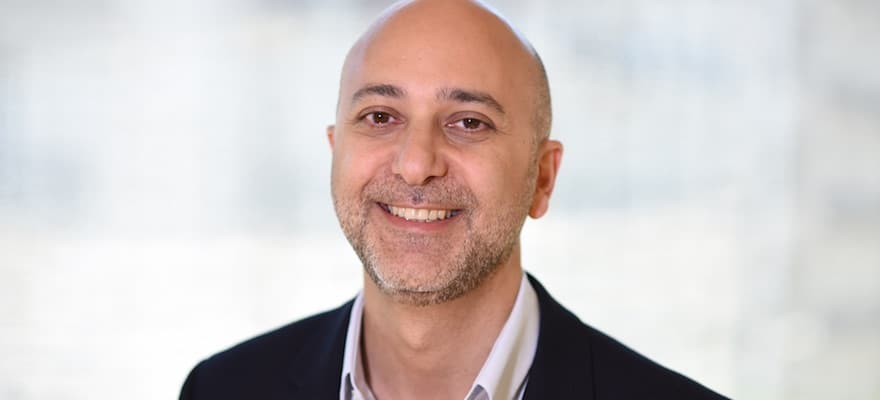
The company comes from a place with deep knowledge of the retail trading industry. The founders, Ziad Aboujeb and Karim Farra have been active in the brokerage space for close to 15 years and have seen it evolve.
The internet has had a massive impact on the ability of retail traders to access different capital markets and the mobile revolution has just accelerated these trends. For a while the industry grew very rapidly, sometimes faster than internet penetration. Recently it has plateaued, and growth figures stalled and are trailing behind the rate of growth of people adopting the internet as their key means of communication.
This is symptomatic that some dynamics in the industry need improvement. In order for it to regain attention from retail investors, brokers need to adopt some changes. Non-Zero was born out of the discussion of such prospective changes. Retail traders need to get closer to their brokers and the companies need to be able to retain their client relationships for longer periods of time.
We are at a point where technology enables brokers to see how their risk and revenue is distributed on a per client level. These advancements prompted us to explore the data and enable us to bridge the gap between brokers and clients and align their interests.
What is the role of blockchain technology for Non-Zero?
By using the blockchain protocol we are able to translate the data that we have into a platform that can be used in a two-way process used by brokers and clients. Our mission here at Non-Zero is to benefit both brokers and their clients. We hope to help brokers retain their clients for longer, expand their wallet share with the client and attract new customers from within and outside of the industry.
For the trader we combine the best of both worlds of using a dealing desk broker with the incentive alignment expected of STP brokers. The key reason for us to use blockchain is the provide a transparent and mutually beneficial relationship between clients and traders. We are enabling brokers that have booked gains from warehousing client trades to choose to use some of those funds as a tool to drive client loyalty.
This is as much related to the performance of the brokers as well as to the client. The customer benefits from the fact that the broker is doing well. If one wanted to use traditional technologies to redistribute the gains made by the broker the system would be too cumbersome. We have an easy, transparent and clean way for brokers to elect to share profits with qualifying clients.
On their part they can keep those, transfer their tokens to somebody else or exchange those on the open market for other tokens or fiat via exchanges. Eventually we think that the ecosystem has the potential to get adopted by financial institutions beyond the retail brokerage industry.
The open blockchain protocol enables us to transmit value digitally in a way that is warranted. This has not been available before the invention and adoption of blockchain technology. We are transmitting value at a fraction of the cost used in the traditional financial industry.
If a broker adopts Non-Zero, what is the key beneficial factor for its clients?
We are enabling the trader to have the best of both worlds - retail clients get the depth of volume and the speed of execution of a dealing desk broker, combined with the alignment of interests between financial intermediaries and their customers. Surveys among experienced traders show that they feel more aligned with the business model of straight through processing (STP) brokers.
We combine the best of both worlds for the trader. Brokers can show a new level of loyalty to their clients which should net a relationship, which is based on fairness and longevity.
How do you ensure that brokers which have adopted the platform don’t engage in competition between themselves?
The platform is a community platform. One of the key benefits of using blockchain technology, is that users of the ecosystem become its owners. It’s a platform for the industry to attract people from outside of the current client base and upgrade the quality of their book. At some level we think that our product might lead a transformation for the industry as a whole.
Brokers who choose not to participate could see their market share drop in contrast to brokers who adopt the platform and choose to share some of their warehousing gains with clients, who see their market share rise.
In general when you’re looking at an industry which has become overly competitive it is in need of market repair. You have a dynamic when not only do revenues and the efficiency of the marketing spend increases, but you also have an overall efficiency reprogramming of the whole space.
We see the transformation of the industry very much, which is ongoing, and we feel that by becoming Non-Zero adopting brokers, companies can differentiate. We want to give brokers a full toolset to innovate using the platform and this is a point which makes it difficult to predict what innovations are still around the corner.
We have seen some incredibly interesting ideas that companies have regarding the use of Non-Zero to refresh their offerings.
Can brokers use their own risk-management solutions when using the platform?
The Non-Zero platform is open to the community and it uses API interfaces to link to risk-management software. Centroid has a very advanced risk-management offering and integrates well if a company or software provider has a product that is sophisticated enough to calculate certain parameters with the required accuracy, then it can also integrate through API. Overall, we want to be as inclusive as possible with the platform.
What is the potential for the use of Non-Zero’s ecosystem outside of the foreign exchange and CFD brokerage industry?
We have a strong potential: to the extent that different financial sub-industries are willing to participate. Non-Zero opens the doors to everyone, but the first adopting cohort are brokers. As information, media and technology providers join together with other types of financial intermediaries and asset managers the value of the network should continue rising.
We will gradually open up the network to other financial industry participants in the future.
Disclaimer: The content of this article is sponsored and does not represent the opinions of Finance Magnates.
What is the general idea behind founding Non-Zero and how did the company come to life?
The company comes from a place with deep knowledge of the retail trading industry. The founders, Ziad Aboujeb and Karim Farra have been active in the brokerage space for close to 15 years and have seen it evolve.
The internet has had a massive impact on the ability of retail traders to access different capital markets and the mobile revolution has just accelerated these trends. For a while the industry grew very rapidly, sometimes faster than internet penetration. Recently it has plateaued, and growth figures stalled and are trailing behind the rate of growth of people adopting the internet as their key means of communication.
This is symptomatic that some dynamics in the industry need improvement. In order for it to regain attention from retail investors, brokers need to adopt some changes. Non-Zero was born out of the discussion of such prospective changes. Retail traders need to get closer to their brokers and the companies need to be able to retain their client relationships for longer periods of time.
We are at a point where technology enables brokers to see how their risk and revenue is distributed on a per client level. These advancements prompted us to explore the data and enable us to bridge the gap between brokers and clients and align their interests.
What is the role of blockchain technology for Non-Zero?
By using the blockchain protocol we are able to translate the data that we have into a platform that can be used in a two-way process used by brokers and clients. Our mission here at Non-Zero is to benefit both brokers and their clients. We hope to help brokers retain their clients for longer, expand their wallet share with the client and attract new customers from within and outside of the industry.
For the trader we combine the best of both worlds of using a dealing desk broker with the incentive alignment expected of STP brokers. The key reason for us to use blockchain is the provide a transparent and mutually beneficial relationship between clients and traders. We are enabling brokers that have booked gains from warehousing client trades to choose to use some of those funds as a tool to drive client loyalty.
This is as much related to the performance of the brokers as well as to the client. The customer benefits from the fact that the broker is doing well. If one wanted to use traditional technologies to redistribute the gains made by the broker the system would be too cumbersome. We have an easy, transparent and clean way for brokers to elect to share profits with qualifying clients.
On their part they can keep those, transfer their tokens to somebody else or exchange those on the open market for other tokens or fiat via exchanges. Eventually we think that the ecosystem has the potential to get adopted by financial institutions beyond the retail brokerage industry.
The open blockchain protocol enables us to transmit value digitally in a way that is warranted. This has not been available before the invention and adoption of blockchain technology. We are transmitting value at a fraction of the cost used in the traditional financial industry.
If a broker adopts Non-Zero, what is the key beneficial factor for its clients?
We are enabling the trader to have the best of both worlds - retail clients get the depth of volume and the speed of execution of a dealing desk broker, combined with the alignment of interests between financial intermediaries and their customers. Surveys among experienced traders show that they feel more aligned with the business model of straight through processing (STP) brokers.
We combine the best of both worlds for the trader. Brokers can show a new level of loyalty to their clients which should net a relationship, which is based on fairness and longevity.
How do you ensure that brokers which have adopted the platform don’t engage in competition between themselves?
The platform is a community platform. One of the key benefits of using blockchain technology, is that users of the ecosystem become its owners. It’s a platform for the industry to attract people from outside of the current client base and upgrade the quality of their book. At some level we think that our product might lead a transformation for the industry as a whole.
Brokers who choose not to participate could see their market share drop in contrast to brokers who adopt the platform and choose to share some of their warehousing gains with clients, who see their market share rise.
In general when you’re looking at an industry which has become overly competitive it is in need of market repair. You have a dynamic when not only do revenues and the efficiency of the marketing spend increases, but you also have an overall efficiency reprogramming of the whole space.
We see the transformation of the industry very much, which is ongoing, and we feel that by becoming Non-Zero adopting brokers, companies can differentiate. We want to give brokers a full toolset to innovate using the platform and this is a point which makes it difficult to predict what innovations are still around the corner.
We have seen some incredibly interesting ideas that companies have regarding the use of Non-Zero to refresh their offerings.
Can brokers use their own risk-management solutions when using the platform?
The Non-Zero platform is open to the community and it uses API interfaces to link to risk-management software. Centroid has a very advanced risk-management offering and integrates well if a company or software provider has a product that is sophisticated enough to calculate certain parameters with the required accuracy, then it can also integrate through API. Overall, we want to be as inclusive as possible with the platform.
What is the potential for the use of Non-Zero’s ecosystem outside of the foreign exchange and CFD brokerage industry?
We have a strong potential: to the extent that different financial sub-industries are willing to participate. Non-Zero opens the doors to everyone, but the first adopting cohort are brokers. As information, media and technology providers join together with other types of financial intermediaries and asset managers the value of the network should continue rising.
We will gradually open up the network to other financial industry participants in the future.
Disclaimer: The content of this article is sponsored and does not represent the opinions of Finance Magnates.
CyprusFintech.org Reaches Key Development Milestones
Featured Videos
FXCM UK Holds $110m in Client Money; IG CEO Questions Prediction Market Volumes
FXCM UK Holds $110m in Client Money; IG CEO Questions Prediction Market Volumes
FXCM UK Holds $110m in Client Money; IG CEO Questions Prediction Market Volumes
FXCM UK Holds $110m in Client Money; IG CEO Questions Prediction Market Volumes
Today’s financial news recap covers FXCM's UK arm holds $110 million in client money ahead of its sale to Trade Nation, Citadel Securities' UK profit falls 38 per cent, and Kraken secures its final Dubai crypto licence.
Finance Magnates Daily Recap brings you the latest news from forex and CFD brokers, fintech, payments, cryptocurrency, digital assets, trading platforms, financial regulation and global markets.
Get the key company news, executive moves, deals, regulatory updates and market developments of the day, in just a few minutes. New episodes published every weekday.
Read more: https://www.financemagnates.com
#FinanceMagnates #ForexNews #FintechNews
Today’s financial news recap covers FXCM's UK arm holds $110 million in client money ahead of its sale to Trade Nation, Citadel Securities' UK profit falls 38 per cent, and Kraken secures its final Dubai crypto licence.
Finance Magnates Daily Recap brings you the latest news from forex and CFD brokers, fintech, payments, cryptocurrency, digital assets, trading platforms, financial regulation and global markets.
Get the key company news, executive moves, deals, regulatory updates and market developments of the day, in just a few minutes. New episodes published every weekday.
Read more: https://www.financemagnates.com
#FinanceMagnates #ForexNews #FintechNews
Today’s financial news recap covers FXCM's UK arm holds $110 million in client money ahead of its sale to Trade Nation, Citadel Securities' UK profit falls 38 per cent, and Kraken secures its final Dubai crypto licence.
Finance Magnates Daily Recap brings you the latest news from forex and CFD brokers, fintech, payments, cryptocurrency, digital assets, trading platforms, financial regulation and global markets.
Get the key company news, executive moves, deals, regulatory updates and market developments of the day, in just a few minutes. New episodes published every weekday.
Read more: https://www.financemagnates.com
#FinanceMagnates #ForexNews #FintechNews
Today’s financial news recap covers FXCM's UK arm holds $110 million in client money ahead of its sale to Trade Nation, Citadel Securities' UK profit falls 38 per cent, and Kraken secures its final Dubai crypto licence.
Finance Magnates Daily Recap brings you the latest news from forex and CFD brokers, fintech, payments, cryptocurrency, digital assets, trading platforms, financial regulation and global markets.
Get the key company news, executive moves, deals, regulatory updates and market developments of the day, in just a few minutes. New episodes published every weekday.
Read more: https://www.financemagnates.com
#FinanceMagnates #ForexNews #FintechNews
Today’s financial news recap covers AvaTrade agrees to acquire most of FXCM, NAGA secures eight million dollars in new financing, and Wise seeks a tax settlement in the UK.
Finance Magnates Daily Recap brings you the latest news from forex and CFD brokers, fintech, payments, cryptocurrency, digital assets, trading platforms, financial regulation and global markets.
Get the key company news, executive moves, deals, regulatory updates and market developments of the day, in just a few minutes. New episodes published every weekday.
Read more: https://www.financemagnates.com
#FinanceMagnates #ForexNews #FintechNews
Today’s financial news recap covers AvaTrade agrees to acquire most of FXCM, NAGA secures eight million dollars in new financing, and Wise seeks a tax settlement in the UK.
Finance Magnates Daily Recap brings you the latest news from forex and CFD brokers, fintech, payments, cryptocurrency, digital assets, trading platforms, financial regulation and global markets.
Get the key company news, executive moves, deals, regulatory updates and market developments of the day, in just a few minutes. New episodes published every weekday.
Read more: https://www.financemagnates.com
#FinanceMagnates #ForexNews #FintechNews
Today’s financial news recap covers AvaTrade agrees to acquire most of FXCM, NAGA secures eight million dollars in new financing, and Wise seeks a tax settlement in the UK.
Finance Magnates Daily Recap brings you the latest news from forex and CFD brokers, fintech, payments, cryptocurrency, digital assets, trading platforms, financial regulation and global markets.
Get the key company news, executive moves, deals, regulatory updates and market developments of the day, in just a few minutes. New episodes published every weekday.
Read more: https://www.financemagnates.com
#FinanceMagnates #ForexNews #FintechNews
Today’s financial news recap covers AvaTrade agrees to acquire most of FXCM, NAGA secures eight million dollars in new financing, and Wise seeks a tax settlement in the UK.
Finance Magnates Daily Recap brings you the latest news from forex and CFD brokers, fintech, payments, cryptocurrency, digital assets, trading platforms, financial regulation and global markets.
Get the key company news, executive moves, deals, regulatory updates and market developments of the day, in just a few minutes. New episodes published every weekday.
Read more: https://www.financemagnates.com
#FinanceMagnates #ForexNews #FintechNews
Today’s financial news recap covers AvaTrade agrees to acquire most of FXCM, NAGA secures eight million dollars in new financing, and Wise seeks a tax settlement in the UK.
Finance Magnates Daily Recap brings you the latest news from forex and CFD brokers, fintech, payments, cryptocurrency, digital assets, trading platforms, financial regulation and global markets.
Get the key company news, executive moves, deals, regulatory updates and market developments of the day, in just a few minutes. New episodes published every weekday.
Read more: https://www.financemagnates.com
#FinanceMagnates #ForexNews #FintechNews
Today’s financial news recap covers AvaTrade agrees to acquire most of FXCM, NAGA secures eight million dollars in new financing, and Wise seeks a tax settlement in the UK.
Finance Magnates Daily Recap brings you the latest news from forex and CFD brokers, fintech, payments, cryptocurrency, digital assets, trading platforms, financial regulation and global markets.
Get the key company news, executive moves, deals, regulatory updates and market developments of the day, in just a few minutes. New episodes published every weekday.
Read more: https://www.financemagnates.com
#FinanceMagnates #ForexNews #FintechNews
XTB Adds Overnight US Stock Trading; Nasdaq Ventures Invests in One Trading
XTB Adds Overnight US Stock Trading; Nasdaq Ventures Invests in One Trading
XTB Adds Overnight US Stock Trading; Nasdaq Ventures Invests in One Trading
XTB Adds Overnight US Stock Trading; Nasdaq Ventures Invests in One Trading
XTB Adds Overnight US Stock Trading; Nasdaq Ventures Invests in One Trading
XTB Adds Overnight US Stock Trading; Nasdaq Ventures Invests in One Trading
Today’s financial news recap covers XTB expands overnight US stock trading, Fortrade reports higher revenue, Nasdaq backs One Trading, and Vest Labs raises 13 million dollars.
Finance Magnates Daily Recap brings you the latest news from forex and CFD brokers, fintech, payments, cryptocurrency, digital assets, trading platforms, financial regulation and global markets.
Get the key company news, executive moves, deals, regulatory updates and market developments of the day, in just a few minutes. New episodes published every weekday.
Read more: https://www.financemagnates.com
#FinanceMagnates #ForexNews #FintechNews
Today’s financial news recap covers XTB expands overnight US stock trading, Fortrade reports higher revenue, Nasdaq backs One Trading, and Vest Labs raises 13 million dollars.
Finance Magnates Daily Recap brings you the latest news from forex and CFD brokers, fintech, payments, cryptocurrency, digital assets, trading platforms, financial regulation and global markets.
Get the key company news, executive moves, deals, regulatory updates and market developments of the day, in just a few minutes. New episodes published every weekday.
Read more: https://www.financemagnates.com
#FinanceMagnates #ForexNews #FintechNews
Today’s financial news recap covers XTB expands overnight US stock trading, Fortrade reports higher revenue, Nasdaq backs One Trading, and Vest Labs raises 13 million dollars.
Finance Magnates Daily Recap brings you the latest news from forex and CFD brokers, fintech, payments, cryptocurrency, digital assets, trading platforms, financial regulation and global markets.
Get the key company news, executive moves, deals, regulatory updates and market developments of the day, in just a few minutes. New episodes published every weekday.
Read more: https://www.financemagnates.com
#FinanceMagnates #ForexNews #FintechNews
Today’s financial news recap covers XTB expands overnight US stock trading, Fortrade reports higher revenue, Nasdaq backs One Trading, and Vest Labs raises 13 million dollars.
Finance Magnates Daily Recap brings you the latest news from forex and CFD brokers, fintech, payments, cryptocurrency, digital assets, trading platforms, financial regulation and global markets.
Get the key company news, executive moves, deals, regulatory updates and market developments of the day, in just a few minutes. New episodes published every weekday.
Read more: https://www.financemagnates.com
#FinanceMagnates #ForexNews #FintechNews
Today’s financial news recap covers XTB expands overnight US stock trading, Fortrade reports higher revenue, Nasdaq backs One Trading, and Vest Labs raises 13 million dollars.
Finance Magnates Daily Recap brings you the latest news from forex and CFD brokers, fintech, payments, cryptocurrency, digital assets, trading platforms, financial regulation and global markets.
Get the key company news, executive moves, deals, regulatory updates and market developments of the day, in just a few minutes. New episodes published every weekday.
Read more: https://www.financemagnates.com
#FinanceMagnates #ForexNews #FintechNews
Today’s financial news recap covers XTB expands overnight US stock trading, Fortrade reports higher revenue, Nasdaq backs One Trading, and Vest Labs raises 13 million dollars.
Finance Magnates Daily Recap brings you the latest news from forex and CFD brokers, fintech, payments, cryptocurrency, digital assets, trading platforms, financial regulation and global markets.
Get the key company news, executive moves, deals, regulatory updates and market developments of the day, in just a few minutes. New episodes published every weekday.
Read more: https://www.financemagnates.com
#FinanceMagnates #ForexNews #FintechNews
CMC Founder Downplays Volatility Hit; Devexperts Names CEO
CMC Founder Downplays Volatility Hit; Devexperts Names CEO
CMC Founder Downplays Volatility Hit; Devexperts Names CEO
CMC Founder Downplays Volatility Hit; Devexperts Names CEO
CMC Founder Downplays Volatility Hit; Devexperts Names CEO
CMC Founder Downplays Volatility Hit; Devexperts Names CEO
Today’s financial news recap covers low volatility pressures brokers, Devexperts names a new CEO, Saxo cuts onboarding time, and OKX reaches a 25 billion dollar valuation.
Finance Magnates Daily Recap brings you the latest news from forex and CFD brokers, fintech, payments, cryptocurrency, digital assets, trading platforms, financial regulation and global markets.
Get the key company news, executive moves, deals, regulatory updates and market developments of the day, in just a few minutes. New episodes published every weekday.
Read more: https://www.financemagnates.com
#FinanceMagnates #ForexNews #FintechNews
Today’s financial news recap covers low volatility pressures brokers, Devexperts names a new CEO, Saxo cuts onboarding time, and OKX reaches a 25 billion dollar valuation.
Finance Magnates Daily Recap brings you the latest news from forex and CFD brokers, fintech, payments, cryptocurrency, digital assets, trading platforms, financial regulation and global markets.
Get the key company news, executive moves, deals, regulatory updates and market developments of the day, in just a few minutes. New episodes published every weekday.
Read more: https://www.financemagnates.com
#FinanceMagnates #ForexNews #FintechNews
Today’s financial news recap covers low volatility pressures brokers, Devexperts names a new CEO, Saxo cuts onboarding time, and OKX reaches a 25 billion dollar valuation.
Finance Magnates Daily Recap brings you the latest news from forex and CFD brokers, fintech, payments, cryptocurrency, digital assets, trading platforms, financial regulation and global markets.
Get the key company news, executive moves, deals, regulatory updates and market developments of the day, in just a few minutes. New episodes published every weekday.
Read more: https://www.financemagnates.com
#FinanceMagnates #ForexNews #FintechNews
Today’s financial news recap covers low volatility pressures brokers, Devexperts names a new CEO, Saxo cuts onboarding time, and OKX reaches a 25 billion dollar valuation.
Finance Magnates Daily Recap brings you the latest news from forex and CFD brokers, fintech, payments, cryptocurrency, digital assets, trading platforms, financial regulation and global markets.
Get the key company news, executive moves, deals, regulatory updates and market developments of the day, in just a few minutes. New episodes published every weekday.
Read more: https://www.financemagnates.com
#FinanceMagnates #ForexNews #FintechNews
Today’s financial news recap covers low volatility pressures brokers, Devexperts names a new CEO, Saxo cuts onboarding time, and OKX reaches a 25 billion dollar valuation.
Finance Magnates Daily Recap brings you the latest news from forex and CFD brokers, fintech, payments, cryptocurrency, digital assets, trading platforms, financial regulation and global markets.
Get the key company news, executive moves, deals, regulatory updates and market developments of the day, in just a few minutes. New episodes published every weekday.
Read more: https://www.financemagnates.com
#FinanceMagnates #ForexNews #FintechNews
Today’s financial news recap covers low volatility pressures brokers, Devexperts names a new CEO, Saxo cuts onboarding time, and OKX reaches a 25 billion dollar valuation.
Finance Magnates Daily Recap brings you the latest news from forex and CFD brokers, fintech, payments, cryptocurrency, digital assets, trading platforms, financial regulation and global markets.
Get the key company news, executive moves, deals, regulatory updates and market developments of the day, in just a few minutes. New episodes published every weekday.
Read more: https://www.financemagnates.com
#FinanceMagnates #ForexNews #FintechNews
Today’s financial news recap covers Trade Nation buys FXCM's UK client book, Trading 212 reports higher revenue, the CFTC's move to allow perpetual index futures.
Finance Magnates Daily Recap brings you the latest news from forex and CFD brokers, fintech, payments, cryptocurrency, digital assets, trading platforms, financial regulation and global markets.
Get the key company news, executive moves, deals, regulatory updates and market developments of the day, in just a few minutes. New episodes published every weekday.
Read more: https://www.financemagnates.com
#FinanceMagnates #ForexNews #FintechNews
Today’s financial news recap covers Trade Nation buys FXCM's UK client book, Trading 212 reports higher revenue, the CFTC's move to allow perpetual index futures.
Finance Magnates Daily Recap brings you the latest news from forex and CFD brokers, fintech, payments, cryptocurrency, digital assets, trading platforms, financial regulation and global markets.
Get the key company news, executive moves, deals, regulatory updates and market developments of the day, in just a few minutes. New episodes published every weekday.
Read more: https://www.financemagnates.com
#FinanceMagnates #ForexNews #FintechNews
Today’s financial news recap covers Trade Nation buys FXCM's UK client book, Trading 212 reports higher revenue, the CFTC's move to allow perpetual index futures.
Finance Magnates Daily Recap brings you the latest news from forex and CFD brokers, fintech, payments, cryptocurrency, digital assets, trading platforms, financial regulation and global markets.
Get the key company news, executive moves, deals, regulatory updates and market developments of the day, in just a few minutes. New episodes published every weekday.
Read more: https://www.financemagnates.com
#FinanceMagnates #ForexNews #FintechNews
Today’s financial news recap covers Trade Nation buys FXCM's UK client book, Trading 212 reports higher revenue, the CFTC's move to allow perpetual index futures.
Finance Magnates Daily Recap brings you the latest news from forex and CFD brokers, fintech, payments, cryptocurrency, digital assets, trading platforms, financial regulation and global markets.
Get the key company news, executive moves, deals, regulatory updates and market developments of the day, in just a few minutes. New episodes published every weekday.
Read more: https://www.financemagnates.com
#FinanceMagnates #ForexNews #FintechNews
Today’s financial news recap covers Trade Nation buys FXCM's UK client book, Trading 212 reports higher revenue, the CFTC's move to allow perpetual index futures.
Finance Magnates Daily Recap brings you the latest news from forex and CFD brokers, fintech, payments, cryptocurrency, digital assets, trading platforms, financial regulation and global markets.
Get the key company news, executive moves, deals, regulatory updates and market developments of the day, in just a few minutes. New episodes published every weekday.
Read more: https://www.financemagnates.com
#FinanceMagnates #ForexNews #FintechNews
Today’s financial news recap covers Trade Nation buys FXCM's UK client book, Trading 212 reports higher revenue, the CFTC's move to allow perpetual index futures.
Finance Magnates Daily Recap brings you the latest news from forex and CFD brokers, fintech, payments, cryptocurrency, digital assets, trading platforms, financial regulation and global markets.
Get the key company news, executive moves, deals, regulatory updates and market developments of the day, in just a few minutes. New episodes published every weekday.
Read more: https://www.financemagnates.com
#FinanceMagnates #ForexNews #FintechNews