However, this may not be the optimal way to dive into what can be an extremely risky business. Perhaps caution is a better policy to adopt, and fortunately there are several brokerage start-up options out there that won’t break the bank.
There is a general trend in business today to go lightweight. Companies realize that their customers are tired of purchasing expensive hardware, which is often outdated as soon as it’s installed.
Many service industries are looking to provide light, easily upgradeable, transparent solutions that they can then sell to their clients “as a service”, instead of as a product that they would need to purchase and install.
These technologies became known as SaaS, meaning Software as a Service. Should the need arise to deploy hardware components, then these are purchased under replacement service contracts from large, global hardware suppliers such as IBM or HP.
This trend is also present in the world of Forex trading platforms. The purchase of so-called white label (WL) solutions can be used to reduce the initial expense of setting up a brokerage. Such a move can also simplify the complex logistics that building such a business might involve.
This includes connecting to a brokers’ client base, configuring the payment systems, and general system connectivity. By choosing to take the white label route, a new brokerage can leverage itself off the experience of a company that has already set up such a service.
Haim Machluf, Sales and Business Development Manager at Leverate
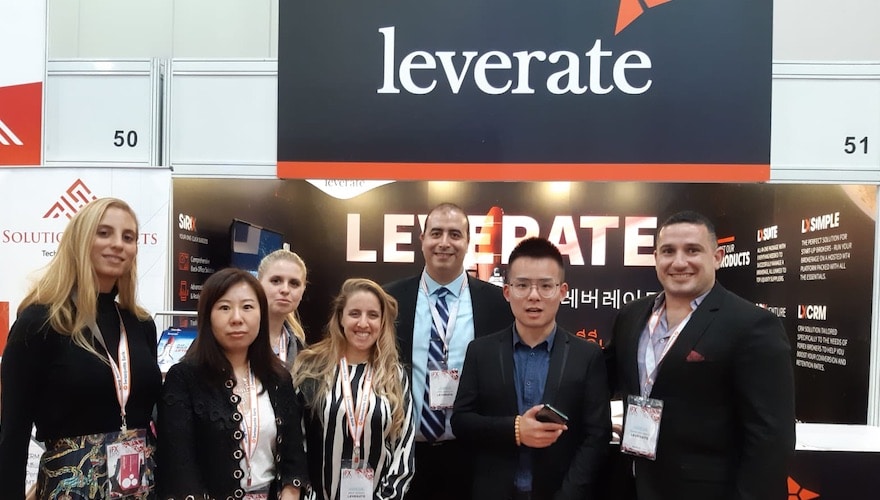
“By hiring the services of a company that already has all the systems in place, a new brokerage makes significant impact on savings in terms of time, frustration, and more importantly - ROI”, says Haim Machluf, Sales and Business Development Manager at Leverate.
“As a technology and service provider for brokerages, we get a lot of calls from people who wish to offer their clients the best trading platforms on the market, but at this point in their life, still don’t have the funds for a full ownership. Our white-label solutions for brokers address that issue, whether it is a MetaTrader platform hosted on our servers, or a complete solution that covers all aspects”.
The only costs that the new brokerage incurs in a white-label agreement, are a monthly rental fee charged by the established brokerage operator. Normally, the newcomer will also be charged a set-up fee, which also includes the cost of configuring the new company’s server equipment.
As with setting up any complex business operation, there are pros and cons. However, with a professionally constructed business plan, a strong drive, and vision, the new brokerage can be up and running within a few months. Costs are reduced, which enables the new brokerage to focus on business development.
By depending on a “parent” service, maintenance becomes less of a headache. If the system fails, then you call in the maintenance team. If they can’t fix the issue, then they don’t get paid. It’s a well-tried business model.
On the cons side there are still considerations of which a new brokerage should be aware. For example, the new company will start small, and as such will be unable to manage many deals or clients.
As the business grows then there will be a requirement to employ greater server services from the established brokerage company.
Ultimately, finances will dictate that the new company will have no option but to buy their own full system and take a quantum business leap.
Purchasing services from a larger company can also mean that you are one of a series of smaller brokerage companies all competing for attention from the larger enterprise. You will find yourself sharing resources that will become yours alone once you have decided to purchase your own platform.
In summary, going WL is certainly the preferred option for newcomers to the brokerage business. Many top brokerage companies started by using this model. Initial technological challenges can be overcome, and valuable resources can then be used in marketing and other promotional activities.
However, this may not be the optimal way to dive into what can be an extremely risky business. Perhaps caution is a better policy to adopt, and fortunately there are several brokerage start-up options out there that won’t break the bank.
There is a general trend in business today to go lightweight. Companies realize that their customers are tired of purchasing expensive hardware, which is often outdated as soon as it’s installed.
Many service industries are looking to provide light, easily upgradeable, transparent solutions that they can then sell to their clients “as a service”, instead of as a product that they would need to purchase and install.
These technologies became known as SaaS, meaning Software as a Service. Should the need arise to deploy hardware components, then these are purchased under replacement service contracts from large, global hardware suppliers such as IBM or HP.
This trend is also present in the world of Forex trading platforms. The purchase of so-called white label (WL) solutions can be used to reduce the initial expense of setting up a brokerage. Such a move can also simplify the complex logistics that building such a business might involve.
This includes connecting to a brokers’ client base, configuring the payment systems, and general system connectivity. By choosing to take the white label route, a new brokerage can leverage itself off the experience of a company that has already set up such a service.
Haim Machluf, Sales and Business Development Manager at Leverate
“By hiring the services of a company that already has all the systems in place, a new brokerage makes significant impact on savings in terms of time, frustration, and more importantly - ROI”, says Haim Machluf, Sales and Business Development Manager at Leverate.
“As a technology and service provider for brokerages, we get a lot of calls from people who wish to offer their clients the best trading platforms on the market, but at this point in their life, still don’t have the funds for a full ownership. Our white-label solutions for brokers address that issue, whether it is a MetaTrader platform hosted on our servers, or a complete solution that covers all aspects”.
The only costs that the new brokerage incurs in a white-label agreement, are a monthly rental fee charged by the established brokerage operator. Normally, the newcomer will also be charged a set-up fee, which also includes the cost of configuring the new company’s server equipment.
As with setting up any complex business operation, there are pros and cons. However, with a professionally constructed business plan, a strong drive, and vision, the new brokerage can be up and running within a few months. Costs are reduced, which enables the new brokerage to focus on business development.
By depending on a “parent” service, maintenance becomes less of a headache. If the system fails, then you call in the maintenance team. If they can’t fix the issue, then they don’t get paid. It’s a well-tried business model.
On the cons side there are still considerations of which a new brokerage should be aware. For example, the new company will start small, and as such will be unable to manage many deals or clients.
As the business grows then there will be a requirement to employ greater server services from the established brokerage company.
Ultimately, finances will dictate that the new company will have no option but to buy their own full system and take a quantum business leap.
Purchasing services from a larger company can also mean that you are one of a series of smaller brokerage companies all competing for attention from the larger enterprise. You will find yourself sharing resources that will become yours alone once you have decided to purchase your own platform.
In summary, going WL is certainly the preferred option for newcomers to the brokerage business. Many top brokerage companies started by using this model. Initial technological challenges can be overcome, and valuable resources can then be used in marketing and other promotional activities.
Today’s financial news recap covers IG Group expects lower Q3 revenue, MetaQuotes adds Benzinga news, Match-Trader launches an MCP, and brokers weigh build versus buy.
Finance Magnates Daily Recap brings you the latest news from forex and CFD brokers, fintech, payments, cryptocurrency, digital assets, trading platforms, financial regulation and global markets.
Get the key company news, executive moves, deals, regulatory updates and market developments of the day, in just a few minutes. New episodes published every weekday.
Read more: https://www.financemagnates.com
#FinanceMagnates #ForexNews #FintechNews
Today’s financial news recap covers IG Group expects lower Q3 revenue, MetaQuotes adds Benzinga news, Match-Trader launches an MCP, and brokers weigh build versus buy.
Finance Magnates Daily Recap brings you the latest news from forex and CFD brokers, fintech, payments, cryptocurrency, digital assets, trading platforms, financial regulation and global markets.
Get the key company news, executive moves, deals, regulatory updates and market developments of the day, in just a few minutes. New episodes published every weekday.
Read more: https://www.financemagnates.com
#FinanceMagnates #ForexNews #FintechNews
Today’s financial news recap covers IG Group expects lower Q3 revenue, MetaQuotes adds Benzinga news, Match-Trader launches an MCP, and brokers weigh build versus buy.
Finance Magnates Daily Recap brings you the latest news from forex and CFD brokers, fintech, payments, cryptocurrency, digital assets, trading platforms, financial regulation and global markets.
Get the key company news, executive moves, deals, regulatory updates and market developments of the day, in just a few minutes. New episodes published every weekday.
Read more: https://www.financemagnates.com
#FinanceMagnates #ForexNews #FintechNews
Today’s financial news recap covers IG Group expects lower Q3 revenue, MetaQuotes adds Benzinga news, Match-Trader launches an MCP, and brokers weigh build versus buy.
Finance Magnates Daily Recap brings you the latest news from forex and CFD brokers, fintech, payments, cryptocurrency, digital assets, trading platforms, financial regulation and global markets.
Get the key company news, executive moves, deals, regulatory updates and market developments of the day, in just a few minutes. New episodes published every weekday.
Read more: https://www.financemagnates.com
#FinanceMagnates #ForexNews #FintechNews
Binance Faces EU Scrutiny; CFI Adds Seven-Day Gold Trading
Binance Faces EU Scrutiny; CFI Adds Seven-Day Gold Trading
Binance Faces EU Scrutiny; CFI Adds Seven-Day Gold Trading
Binance Faces EU Scrutiny; CFI Adds Seven-Day Gold Trading
Binance Faces EU Scrutiny; CFI Adds Seven-Day Gold Trading
Binance Faces EU Scrutiny; CFI Adds Seven-Day Gold Trading
Today’s financial news recap covers EU regulators question Binance's use of reverse solicitation, CFI launches seven-day gold trading, the FCA opens a crypto authorisation window, and Polymarket adds trading safeguards.
Finance Magnates Daily Recap brings you the latest news from forex and CFD brokers, fintech, payments, cryptocurrency, digital assets, trading platforms, financial regulation and global markets.
Get the key company news, executive moves, deals, regulatory updates and market developments of the day, in just a few minutes. New episodes published every weekday.
Read more: https://www.financemagnates.com
#FinanceMagnates #ForexNews #FintechNews
Today’s financial news recap covers EU regulators question Binance's use of reverse solicitation, CFI launches seven-day gold trading, the FCA opens a crypto authorisation window, and Polymarket adds trading safeguards.
Finance Magnates Daily Recap brings you the latest news from forex and CFD brokers, fintech, payments, cryptocurrency, digital assets, trading platforms, financial regulation and global markets.
Get the key company news, executive moves, deals, regulatory updates and market developments of the day, in just a few minutes. New episodes published every weekday.
Read more: https://www.financemagnates.com
#FinanceMagnates #ForexNews #FintechNews
Today’s financial news recap covers EU regulators question Binance's use of reverse solicitation, CFI launches seven-day gold trading, the FCA opens a crypto authorisation window, and Polymarket adds trading safeguards.
Finance Magnates Daily Recap brings you the latest news from forex and CFD brokers, fintech, payments, cryptocurrency, digital assets, trading platforms, financial regulation and global markets.
Get the key company news, executive moves, deals, regulatory updates and market developments of the day, in just a few minutes. New episodes published every weekday.
Read more: https://www.financemagnates.com
#FinanceMagnates #ForexNews #FintechNews
Today’s financial news recap covers EU regulators question Binance's use of reverse solicitation, CFI launches seven-day gold trading, the FCA opens a crypto authorisation window, and Polymarket adds trading safeguards.
Finance Magnates Daily Recap brings you the latest news from forex and CFD brokers, fintech, payments, cryptocurrency, digital assets, trading platforms, financial regulation and global markets.
Get the key company news, executive moves, deals, regulatory updates and market developments of the day, in just a few minutes. New episodes published every weekday.
Read more: https://www.financemagnates.com
#FinanceMagnates #ForexNews #FintechNews
Today’s financial news recap covers EU regulators question Binance's use of reverse solicitation, CFI launches seven-day gold trading, the FCA opens a crypto authorisation window, and Polymarket adds trading safeguards.
Finance Magnates Daily Recap brings you the latest news from forex and CFD brokers, fintech, payments, cryptocurrency, digital assets, trading platforms, financial regulation and global markets.
Get the key company news, executive moves, deals, regulatory updates and market developments of the day, in just a few minutes. New episodes published every weekday.
Read more: https://www.financemagnates.com
#FinanceMagnates #ForexNews #FintechNews
Today’s financial news recap covers EU regulators question Binance's use of reverse solicitation, CFI launches seven-day gold trading, the FCA opens a crypto authorisation window, and Polymarket adds trading safeguards.
Finance Magnates Daily Recap brings you the latest news from forex and CFD brokers, fintech, payments, cryptocurrency, digital assets, trading platforms, financial regulation and global markets.
Get the key company news, executive moves, deals, regulatory updates and market developments of the day, in just a few minutes. New episodes published every weekday.
Read more: https://www.financemagnates.com
#FinanceMagnates #ForexNews #FintechNews
The5ers Connects Trading Accounts to AI; EC Markets Doubles UK Revenue
The5ers Connects Trading Accounts to AI; EC Markets Doubles UK Revenue
The5ers Connects Trading Accounts to AI; EC Markets Doubles UK Revenue
The5ers Connects Trading Accounts to AI; EC Markets Doubles UK Revenue
The5ers Connects Trading Accounts to AI; EC Markets Doubles UK Revenue
The5ers Connects Trading Accounts to AI; EC Markets Doubles UK Revenue
Today’s financial news recap covers The5ers connects trading accounts to ChatGPT and Claude, EC Markets doubles UK revenue, ThinkMarkets returns to profit, and Alpaca advances its Southeast Asia expansion.
Finance Magnates Daily Recap brings you the latest news from forex and CFD brokers, fintech, payments, cryptocurrency, digital assets, trading platforms, financial regulation and global markets.
Get the key company news, executive moves, deals, regulatory updates and market developments of the day, in just a few minutes. New episodes published every weekday.
Read more: https://www.financemagnates.com
#FinanceMagnates #ForexNews #FintechNews
Today’s financial news recap covers The5ers connects trading accounts to ChatGPT and Claude, EC Markets doubles UK revenue, ThinkMarkets returns to profit, and Alpaca advances its Southeast Asia expansion.
Finance Magnates Daily Recap brings you the latest news from forex and CFD brokers, fintech, payments, cryptocurrency, digital assets, trading platforms, financial regulation and global markets.
Get the key company news, executive moves, deals, regulatory updates and market developments of the day, in just a few minutes. New episodes published every weekday.
Read more: https://www.financemagnates.com
#FinanceMagnates #ForexNews #FintechNews
Today’s financial news recap covers The5ers connects trading accounts to ChatGPT and Claude, EC Markets doubles UK revenue, ThinkMarkets returns to profit, and Alpaca advances its Southeast Asia expansion.
Finance Magnates Daily Recap brings you the latest news from forex and CFD brokers, fintech, payments, cryptocurrency, digital assets, trading platforms, financial regulation and global markets.
Get the key company news, executive moves, deals, regulatory updates and market developments of the day, in just a few minutes. New episodes published every weekday.
Read more: https://www.financemagnates.com
#FinanceMagnates #ForexNews #FintechNews
Today’s financial news recap covers The5ers connects trading accounts to ChatGPT and Claude, EC Markets doubles UK revenue, ThinkMarkets returns to profit, and Alpaca advances its Southeast Asia expansion.
Finance Magnates Daily Recap brings you the latest news from forex and CFD brokers, fintech, payments, cryptocurrency, digital assets, trading platforms, financial regulation and global markets.
Get the key company news, executive moves, deals, regulatory updates and market developments of the day, in just a few minutes. New episodes published every weekday.
Read more: https://www.financemagnates.com
#FinanceMagnates #ForexNews #FintechNews
Today’s financial news recap covers The5ers connects trading accounts to ChatGPT and Claude, EC Markets doubles UK revenue, ThinkMarkets returns to profit, and Alpaca advances its Southeast Asia expansion.
Finance Magnates Daily Recap brings you the latest news from forex and CFD brokers, fintech, payments, cryptocurrency, digital assets, trading platforms, financial regulation and global markets.
Get the key company news, executive moves, deals, regulatory updates and market developments of the day, in just a few minutes. New episodes published every weekday.
Read more: https://www.financemagnates.com
#FinanceMagnates #ForexNews #FintechNews
Today’s financial news recap covers The5ers connects trading accounts to ChatGPT and Claude, EC Markets doubles UK revenue, ThinkMarkets returns to profit, and Alpaca advances its Southeast Asia expansion.
Finance Magnates Daily Recap brings you the latest news from forex and CFD brokers, fintech, payments, cryptocurrency, digital assets, trading platforms, financial regulation and global markets.
Get the key company news, executive moves, deals, regulatory updates and market developments of the day, in just a few minutes. New episodes published every weekday.
Read more: https://www.financemagnates.com
#FinanceMagnates #ForexNews #FintechNews
MyForexFunds Brand Rights Sold; FundedSeat Closes
MyForexFunds Brand Rights Sold; FundedSeat Closes
MyForexFunds Brand Rights Sold; FundedSeat Closes
MyForexFunds Brand Rights Sold; FundedSeat Closes
MyForexFunds Brand Rights Sold; FundedSeat Closes
MyForexFunds Brand Rights Sold; FundedSeat Closes
Today’s financial news recap covers MyForexFunds' brand assets are sold to a Dubai-based firm, FundedSeat closes, Valbury adds DXtrade, and Germany expands its fight against trading fraud.
Finance Magnates Daily Recap brings you the latest news from forex and CFD brokers, fintech, payments, cryptocurrency, digital assets, trading platforms, financial regulation and global markets.
Get the key company news, executive moves, deals, regulatory updates and market developments of the day, in just a few minutes. New episodes published every weekday.
Read more: https://www.financemagnates.com
#FinanceMagnates #ForexNews #FintechNews
Today’s financial news recap covers MyForexFunds' brand assets are sold to a Dubai-based firm, FundedSeat closes, Valbury adds DXtrade, and Germany expands its fight against trading fraud.
Finance Magnates Daily Recap brings you the latest news from forex and CFD brokers, fintech, payments, cryptocurrency, digital assets, trading platforms, financial regulation and global markets.
Get the key company news, executive moves, deals, regulatory updates and market developments of the day, in just a few minutes. New episodes published every weekday.
Read more: https://www.financemagnates.com
#FinanceMagnates #ForexNews #FintechNews
Today’s financial news recap covers MyForexFunds' brand assets are sold to a Dubai-based firm, FundedSeat closes, Valbury adds DXtrade, and Germany expands its fight against trading fraud.
Finance Magnates Daily Recap brings you the latest news from forex and CFD brokers, fintech, payments, cryptocurrency, digital assets, trading platforms, financial regulation and global markets.
Get the key company news, executive moves, deals, regulatory updates and market developments of the day, in just a few minutes. New episodes published every weekday.
Read more: https://www.financemagnates.com
#FinanceMagnates #ForexNews #FintechNews
Today’s financial news recap covers MyForexFunds' brand assets are sold to a Dubai-based firm, FundedSeat closes, Valbury adds DXtrade, and Germany expands its fight against trading fraud.
Finance Magnates Daily Recap brings you the latest news from forex and CFD brokers, fintech, payments, cryptocurrency, digital assets, trading platforms, financial regulation and global markets.
Get the key company news, executive moves, deals, regulatory updates and market developments of the day, in just a few minutes. New episodes published every weekday.
Read more: https://www.financemagnates.com
#FinanceMagnates #ForexNews #FintechNews
Today’s financial news recap covers MyForexFunds' brand assets are sold to a Dubai-based firm, FundedSeat closes, Valbury adds DXtrade, and Germany expands its fight against trading fraud.
Finance Magnates Daily Recap brings you the latest news from forex and CFD brokers, fintech, payments, cryptocurrency, digital assets, trading platforms, financial regulation and global markets.
Get the key company news, executive moves, deals, regulatory updates and market developments of the day, in just a few minutes. New episodes published every weekday.
Read more: https://www.financemagnates.com
#FinanceMagnates #ForexNews #FintechNews
Today’s financial news recap covers MyForexFunds' brand assets are sold to a Dubai-based firm, FundedSeat closes, Valbury adds DXtrade, and Germany expands its fight against trading fraud.
Finance Magnates Daily Recap brings you the latest news from forex and CFD brokers, fintech, payments, cryptocurrency, digital assets, trading platforms, financial regulation and global markets.
Get the key company news, executive moves, deals, regulatory updates and market developments of the day, in just a few minutes. New episodes published every weekday.
Read more: https://www.financemagnates.com
#FinanceMagnates #ForexNews #FintechNews
Learn from people who actually work in the industry.
Learn from people who actually work in the industry.
Learn from people who actually work in the industry.
Learn from people who actually work in the industry.
Learn from people who actually work in the industry.
Learn from people who actually work in the industry.
The value of learning from active professionals is the perspective they bring from dealing with real challenges every day.
That first-hand experience can turn concepts into practical, actionable insights.
Discover the people behind FM Academy’s courses and the industry experience they bring to professional education.
#FMAcademy #FinanceMagnates #Fintech #FinanceCareers #ProfessionalDevelopment
The value of learning from active professionals is the perspective they bring from dealing with real challenges every day.
That first-hand experience can turn concepts into practical, actionable insights.
Discover the people behind FM Academy’s courses and the industry experience they bring to professional education.
#FMAcademy #FinanceMagnates #Fintech #FinanceCareers #ProfessionalDevelopment
The value of learning from active professionals is the perspective they bring from dealing with real challenges every day.
That first-hand experience can turn concepts into practical, actionable insights.
Discover the people behind FM Academy’s courses and the industry experience they bring to professional education.
#FMAcademy #FinanceMagnates #Fintech #FinanceCareers #ProfessionalDevelopment
The value of learning from active professionals is the perspective they bring from dealing with real challenges every day.
That first-hand experience can turn concepts into practical, actionable insights.
Discover the people behind FM Academy’s courses and the industry experience they bring to professional education.
#FMAcademy #FinanceMagnates #Fintech #FinanceCareers #ProfessionalDevelopment
The value of learning from active professionals is the perspective they bring from dealing with real challenges every day.
That first-hand experience can turn concepts into practical, actionable insights.
Discover the people behind FM Academy’s courses and the industry experience they bring to professional education.
#FMAcademy #FinanceMagnates #Fintech #FinanceCareers #ProfessionalDevelopment
The value of learning from active professionals is the perspective they bring from dealing with real challenges every day.
That first-hand experience can turn concepts into practical, actionable insights.
Discover the people behind FM Academy’s courses and the industry experience they bring to professional education.
#FMAcademy #FinanceMagnates #Fintech #FinanceCareers #ProfessionalDevelopment