
Beyond the Transaction: Optimizing Your Payment Gateway for Global E-commerce Success

Friday, 24/04/2026 | 09:08 GMT by Payment Asia
Disclaimer
  • Strategic payment gateway & global APMs are essential for e-commerce growth.
Payment Asia

In today's hyper-connected digital economy, a robust and intelligent payment gateway is no longer a mere operational necessity; it's a strategic asset for global e-commerce success. Businesses that treat payment processing as a commodity risk falling behind, while those that embrace a fast, versatile, and customer-centric payment strategy unlock significant competitive advantages.

The critical question for modern merchants has evolved from "What are the transaction fees?" to "Is our payment strategy optimized for global reach, diverse customer preferences, and sustainable growth in a mobile-first world?”

The Global APM Landscape: Driving E-commerce Growth with Alternative Payment Methods

For any business aiming for international e-commerce expansion, a sole reliance on traditional credit cards is an outdated approach. The future of online payments is increasingly dominated by Alternative Payment Methods (APMs). These encompass a wide array of digital wallets, real-time bank transfers, and localized payment schemes that are rapidly becoming the preferred transaction methods for millions of consumers worldwide. Integrating these global APMs is crucial for reducing cart abandonment and boosting conversion rates in diverse markets.

The APM landscape is inherently diverse and deeply localized. What resonates with consumers in Brazil may not be the preferred method in Vietnam. Successful global payment strategies demand a nuanced understanding of regional payment preferences:

  • Southeast Asia's Digital Wallet Dominance: This region is a hotbed of mobile-first innovation. In the Philippines, e-wallets such as GCash and PayMaya are pivotal for digital transactions, from bill payments to QR code purchases. Malaysia and Singapore extensively utilize super-apps like GrabPay. Vietnam boasts a thriving e-wallet market led by MoMo and ZaloPay. Indonesia features a rich mix of digital wallets (GoPay, OVO, DANA), alongside prevalent bank transfers and cash-based convenience store payments. Thailand has widely adopted QR code payments and bank transfers as primary e-commerce payment methods.

  • Emerging Markets: Real-time Payments and Mobile Wallets: The trend towards localized APMs extends globally. Pakistan is experiencing a significant digital payment surge, with Raast facilitating real-time bank transfers and a growing adoption of mobile wallets. In Brazil, the instant payment system PIX has revolutionized commerce, establishing itself as the country's most popular payment method. Similarly, in South Africa, while traditional card payments remain strong, the rapid growth of digital wallets and instant bank transfers signifies a clear shift in consumer payment behavior.

This intricate global tapestry of APMs underscores the need for a strategic payment partner. It's not enough to simply list available alternative payment methods. A truly effective partner provides the intelligence to dynamically present the optimal payment mix to the right customer at the precise moment, thereby maximizing conversion and enhancing the overall customer experience.
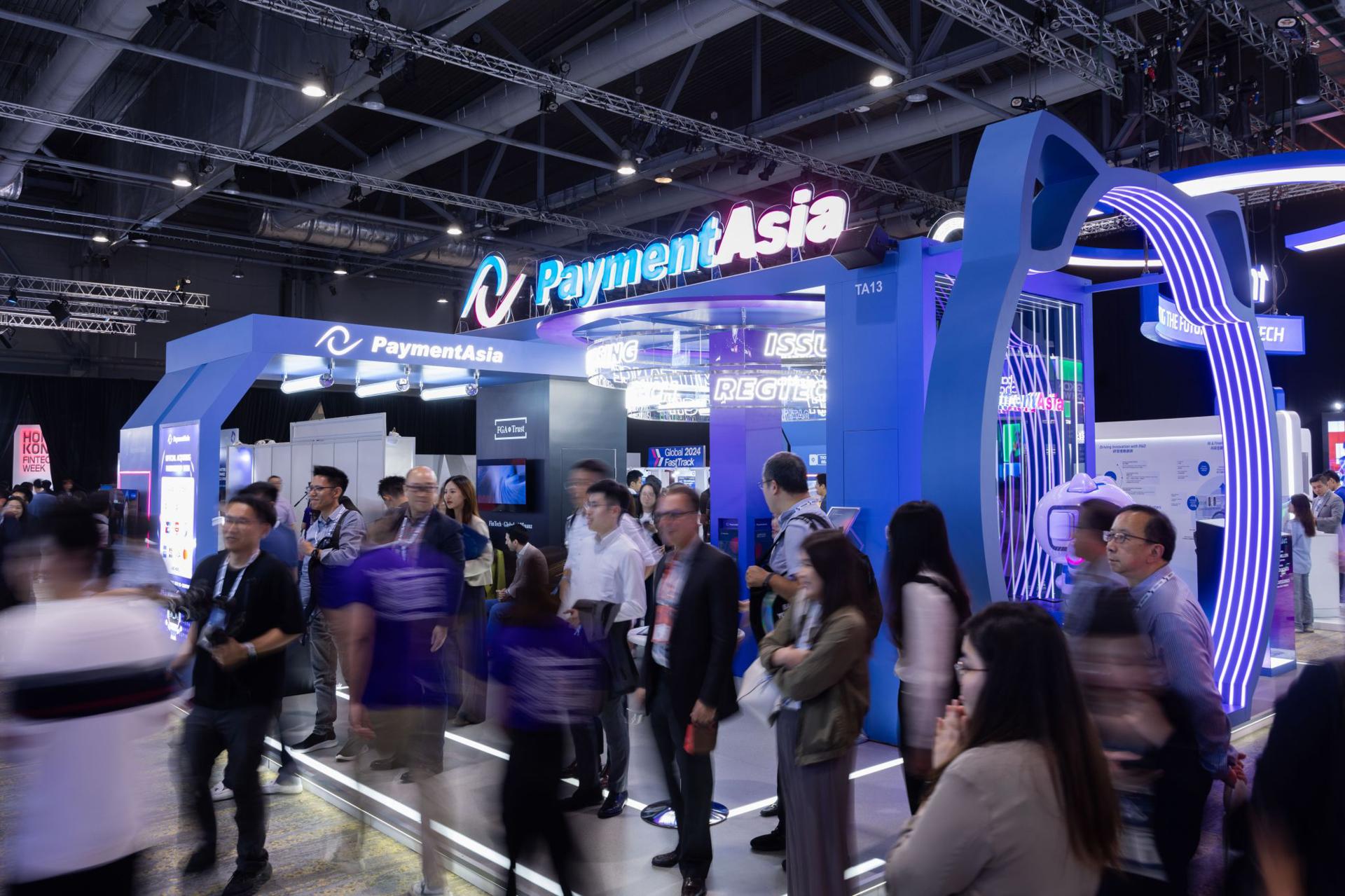
Payment Asia

Overcoming Fragmentation: The Cost of Disconnected Payment Solutions

Many businesses inadvertently create inefficient and costly payment infrastructures by piecing together disparate providers for different regions and payment types. This fragmented approach leads to substantial hidden costs:

  • Operational Inefficiencies: Finance teams face reconciliation challenges across multiple dashboards. IT departments struggle with numerous API integrations. Customer service representatives must navigate various platforms, leading to delays and increased operational overhead.

  • Limited Data Insights: Siloed payment data prevents a unified view of customer behavior, making it difficult to identify trends, pinpoint friction points, and make data-driven strategic decisions for e-commerce optimization.

  • Elevated Security Risks: Each additional payment provider introduces new vulnerabilities and potential attack surfaces. A disconnected system lacks the holistic intelligence required for real-time detection of sophisticated fraud patterns, impacting payment security.

Payment Asia: Your Partner for an Intelligent, Unified Payment Ecosystem

To thrive in the competitive global e-commerce landscape, businesses must adopt a holistic, ecosystem-based approach to payments. This necessitates a partner that offers more than just a payment gateway; it requires a platform built on speed, intelligence, and a profound understanding of the global payment landscape.

Payment Asia stands at the forefront of this evolution, delivering a unified, AI-powered payment ecosystem tailored for the complexities of modern global commerce. With extensive, localized APM coverage across key growth markets—including the Philippines, Malaysia, Vietnam, Indonesia, Thailand, Pakistan, Brazil, and South Africa—Payment Asia empowers businesses to seamlessly connect with customers using their preferred and trusted payment methods.

Beyond comprehensive coverage, Payment Asia provides the intelligence to optimize every transaction, the resilience to ensure maximum uptime and payment security, and unified data insights to fuel strategic growth. When evaluating your payment strategy, look beyond mere processing. Choose a partner like Payment Asia that can help you build a fast, versatile, and customer-centric payment ecosystem—your ultimate competitive advantage in the digital economy.

In today's hyper-connected digital economy, a robust and intelligent payment gateway is no longer a mere operational necessity; it's a strategic asset for global e-commerce success. Businesses that treat payment processing as a commodity risk falling behind, while those that embrace a fast, versatile, and customer-centric payment strategy unlock significant competitive advantages.

The critical question for modern merchants has evolved from "What are the transaction fees?" to "Is our payment strategy optimized for global reach, diverse customer preferences, and sustainable growth in a mobile-first world?”

The Global APM Landscape: Driving E-commerce Growth with Alternative Payment Methods

For any business aiming for international e-commerce expansion, a sole reliance on traditional credit cards is an outdated approach. The future of online payments is increasingly dominated by Alternative Payment Methods (APMs). These encompass a wide array of digital wallets, real-time bank transfers, and localized payment schemes that are rapidly becoming the preferred transaction methods for millions of consumers worldwide. Integrating these global APMs is crucial for reducing cart abandonment and boosting conversion rates in diverse markets.

The APM landscape is inherently diverse and deeply localized. What resonates with consumers in Brazil may not be the preferred method in Vietnam. Successful global payment strategies demand a nuanced understanding of regional payment preferences:

  • Southeast Asia's Digital Wallet Dominance: This region is a hotbed of mobile-first innovation. In the Philippines, e-wallets such as GCash and PayMaya are pivotal for digital transactions, from bill payments to QR code purchases. Malaysia and Singapore extensively utilize super-apps like GrabPay. Vietnam boasts a thriving e-wallet market led by MoMo and ZaloPay. Indonesia features a rich mix of digital wallets (GoPay, OVO, DANA), alongside prevalent bank transfers and cash-based convenience store payments. Thailand has widely adopted QR code payments and bank transfers as primary e-commerce payment methods.

  • Emerging Markets: Real-time Payments and Mobile Wallets: The trend towards localized APMs extends globally. Pakistan is experiencing a significant digital payment surge, with Raast facilitating real-time bank transfers and a growing adoption of mobile wallets. In Brazil, the instant payment system PIX has revolutionized commerce, establishing itself as the country's most popular payment method. Similarly, in South Africa, while traditional card payments remain strong, the rapid growth of digital wallets and instant bank transfers signifies a clear shift in consumer payment behavior.

This intricate global tapestry of APMs underscores the need for a strategic payment partner. It's not enough to simply list available alternative payment methods. A truly effective partner provides the intelligence to dynamically present the optimal payment mix to the right customer at the precise moment, thereby maximizing conversion and enhancing the overall customer experience.

Payment Asia

Overcoming Fragmentation: The Cost of Disconnected Payment Solutions

Many businesses inadvertently create inefficient and costly payment infrastructures by piecing together disparate providers for different regions and payment types. This fragmented approach leads to substantial hidden costs:

  • Operational Inefficiencies: Finance teams face reconciliation challenges across multiple dashboards. IT departments struggle with numerous API integrations. Customer service representatives must navigate various platforms, leading to delays and increased operational overhead.

  • Limited Data Insights: Siloed payment data prevents a unified view of customer behavior, making it difficult to identify trends, pinpoint friction points, and make data-driven strategic decisions for e-commerce optimization.

  • Elevated Security Risks: Each additional payment provider introduces new vulnerabilities and potential attack surfaces. A disconnected system lacks the holistic intelligence required for real-time detection of sophisticated fraud patterns, impacting payment security.

Payment Asia: Your Partner for an Intelligent, Unified Payment Ecosystem

To thrive in the competitive global e-commerce landscape, businesses must adopt a holistic, ecosystem-based approach to payments. This necessitates a partner that offers more than just a payment gateway; it requires a platform built on speed, intelligence, and a profound understanding of the global payment landscape.

Payment Asia stands at the forefront of this evolution, delivering a unified, AI-powered payment ecosystem tailored for the complexities of modern global commerce. With extensive, localized APM coverage across key growth markets—including the Philippines, Malaysia, Vietnam, Indonesia, Thailand, Pakistan, Brazil, and South Africa—Payment Asia empowers businesses to seamlessly connect with customers using their preferred and trusted payment methods.

Beyond comprehensive coverage, Payment Asia provides the intelligence to optimize every transaction, the resilience to ensure maximum uptime and payment security, and unified data insights to fuel strategic growth. When evaluating your payment strategy, look beyond mere processing. Choose a partner like Payment Asia that can help you build a fast, versatile, and customer-centric payment ecosystem—your ultimate competitive advantage in the digital economy.

Disclaimer

Thought Leadership

!"#$%&'()*+,-./0123456789:;<=>?@ABCDEFGHIJKLMNOPQRSTUVWXYZ[\]^_`abcdefghijklmnopqrstuvwxyz{|} !"#$%&'()*+,-./0123456789:;<=>?@ABCDEFGHIJKLMNOPQRSTUVWXYZ[\]^_`abcdefghijklmnopqrstuvwxyz{|}