Thomson Reuters may become the next operator of randomized execution on their forex trading platforms. Seen as a way to curb HFT order flow, randomized execution limits the advantages of low latency traders in the market.
The order flow also has the effect of leading to higher overall spreads to combat HFT. On multi-dealer platforms (MDP) like EBS or Reuters, the extant of wider spreads and low levels of market depth can drive away real liquidity takers to other venues. The result is that maintaining equilibrium between the needs of buy-side traders, real corporate/longer-term liquidity takers, and dealers, venues to decide who they favor. By implementing randomization, it would represent that Thomson Reuters is aiming to create favorable trading conditions for its natural liquidity taker clients, while placing limitations on buy-side traders.
HFT Panel
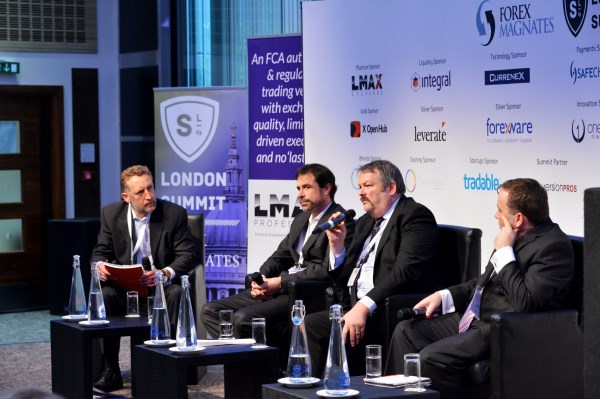
Among other topics, randomization was discussed during the HFT Panel at last month’s Forex Magnates London Summit. Moderated by AutomatedTrader CEO, John Howard, the panel included Graeme Burnett industry CTO, formerly at Morgan Stanley and Deutsche Bank, Jay Hibbin, Commercial Director of MarketPrizm, and Frederic Ponzo, Managing Partner at GreySpark Partners. Notes of the entire panel are below.
On this question, Jay Hibbin added that he viewed the short-term market as being in the direction of being split between venues that are anti, and those who are in favor of HFT flow. However, he added that over the longer-term the divide will break down.
However, in a question later about whether the FX market needs ‘best execution’ rules (borrows on terminology from equities where clients are filled at the best price regardless of venue), Ponzo stated that as an investor the answer is yes. Marking that overall the goal among traders is to be filled at the best prices regardless of venues.
https://www.youtube.com/watch?v=eIhyMxPhUkk
3:00 Key drivers of HFT in FX market?
Hibbin – increase of fragmented liquidity which leads itself to opportunities, contrasts to other asset classes where there has been fragmentation.
Ponzo – Key driver is always volatility, but unlike equities, there is always a lot of volumes.
5:00 Regulation as a driver? Are traders moving away from core markets to FX as a result?
Ponzo – Not so much currently since the main regulatory changes occurred before 2010.
Hibbin – Yes, brought financial transaction tax as example of reason traders would be interested in FX versus other asset classes.
7:00 Are HFT traders welcome in the FX market?
Burnet – No, seen as pariahs. There is a negative side as you have traders ‘gaming’ the system and platforms. But,
10:30 Speed restrictions and randomization – is this right?
Ponzo – It’s really the other way around, there is a ‘walled garden’ in place to protect LPs from being arbitraged. When EBS tried to allow more access to the buy-side, clients complained (since it was harder for them to get filled on large trades, more on that here) and they had to shut it down. On the other side, the majority of HFT firms are buy-side firms and they want access. Therefore, what you need is process where the buy-side has access to liquidity, but where the dealers aren’t worried about being arbitraged. Ponzo summed it up as saying the goal of trading limitations should be focused on creating a dual scenario of handling the relationships of both clients and interbank relationships, as well as interbanks and the buy-side.
Hibbin – Enough platforms in the market where we will see a situation where there is a split between platforms that are friendly to HFT and those that are not. Over longer-term, that split will probably break down.
Ponzo – “Arbitrage is a good thing, the only reason you see arbitrage is because your prices are wrong.” Therefore, arbitrage can remove dealers with inferior systems.
15:00 But what about other practices such as quote stuffing and price layering, is it only arbitrage that is a problem?
Burnett – Absolutely. But these are actions that can be tamed through technology and supervisory of the platforms.
Ponzo – In equities price layering is illegal. Therefore, in FX venues, it comes down to their responsibility to enforce these rules. Ponzo added that a lot of the blame against HFT in the public due to flash crashes is the fault of trading venues that haven’t properly enforced existing regulation.
19:00 Is FX protected from a flash crash?
Hibbin – FX is helped by being fragmented. In addition, unlike equities, there isn’t the existence of such a large percentage of algorithmic trading controlling prices.
23:00 Back to regulation – Anti-HFT is strongest in Europe, will this lead to the major liquidity pools of London moving towards the US or Asia?
Hibbin – No. Partly due to European regulators softening their stance against HFT recently, as well as ‘political will’ where governments will intervene if they begin to see activity move out of London.
Ponzo – Amount of FX turnover in London every day is more than the market caps of every stock exchange put together.
24:00 Is there a trend to see more of FX traded with a central counterparty clearer (CCP)?
Ponzo – Kind of the case already in the interdealer side because of the CLS Bank. Yes we are missing the CCP between the client to dealer side. But, this is partly due to FX being a ‘credit’ market as you get the rates based on who you are.
Burnett – From a technology side, would prefer to see it become more centralized as it is easier to handle. But on the trading side, the more venues the better since it leads to more oppurtunities.
Hibbin – Disagreed with Ponzo and believes the trend is towards more venues and fragmentation and unless we see regulator involvement it will stay this way.
27:00 Are FX markets manipulable?
Burnett – Yes, just not in ways that people realize. Equities manipulation is easier to detect as it is based on using insider information. But in FX it would take regulatory involvement to detect.
28:00 Are latency concerns part of costs that every firm and venue needs to take for granted?
Hibbin – Yes, but the FX market isn’t like equities and as low latency oriented.
Ponzo – Situations to consider in latency 1)Market maker needs to be fast enough not to be picked off 2)HFT needs to be faster than everyone else. Based on the type of business you want to grab, or protect, firms need to spend accordingly.
Burnett – Need to be on top of technology and analyzing low latency items such as using FPGA boards and microwave links.
Hibbin – Decision needs to be made on how much latency affects your business model.
Ponzo – Need to look end-to-end. Latency occurs not just in the transmission of data but also in the process of making decisions. If you can speed that up, is also important.
The order flow also has the effect of leading to higher overall spreads to combat HFT. On multi-dealer platforms (MDP) like EBS or Reuters, the extant of wider spreads and low levels of market depth can drive away real liquidity takers to other venues. The result is that maintaining equilibrium between the needs of buy-side traders, real corporate/longer-term liquidity takers, and dealers, venues to decide who they favor. By implementing randomization, it would represent that Thomson Reuters is aiming to create favorable trading conditions for its natural liquidity taker clients, while placing limitations on buy-side traders.
HFT Panel
Among other topics, randomization was discussed during the HFT Panel at last month’s Forex Magnates London Summit. Moderated by AutomatedTrader CEO, John Howard, the panel included Graeme Burnett industry CTO, formerly at Morgan Stanley and Deutsche Bank, Jay Hibbin, Commercial Director of MarketPrizm, and Frederic Ponzo, Managing Partner at GreySpark Partners. Notes of the entire panel are below.
On this question, Jay Hibbin added that he viewed the short-term market as being in the direction of being split between venues that are anti, and those who are in favor of HFT flow. However, he added that over the longer-term the divide will break down.
However, in a question later about whether the FX market needs ‘best execution’ rules (borrows on terminology from equities where clients are filled at the best price regardless of venue), Ponzo stated that as an investor the answer is yes. Marking that overall the goal among traders is to be filled at the best prices regardless of venues.
https://www.youtube.com/watch?v=eIhyMxPhUkk
3:00 Key drivers of HFT in FX market?
Hibbin – increase of fragmented liquidity which leads itself to opportunities, contrasts to other asset classes where there has been fragmentation.
Ponzo – Key driver is always volatility, but unlike equities, there is always a lot of volumes.
5:00 Regulation as a driver? Are traders moving away from core markets to FX as a result?
Ponzo – Not so much currently since the main regulatory changes occurred before 2010.
Hibbin – Yes, brought financial transaction tax as example of reason traders would be interested in FX versus other asset classes.
7:00 Are HFT traders welcome in the FX market?
Burnet – No, seen as pariahs. There is a negative side as you have traders ‘gaming’ the system and platforms. But,
10:30 Speed restrictions and randomization – is this right?
Ponzo – It’s really the other way around, there is a ‘walled garden’ in place to protect LPs from being arbitraged. When EBS tried to allow more access to the buy-side, clients complained (since it was harder for them to get filled on large trades, more on that here) and they had to shut it down. On the other side, the majority of HFT firms are buy-side firms and they want access. Therefore, what you need is process where the buy-side has access to liquidity, but where the dealers aren’t worried about being arbitraged. Ponzo summed it up as saying the goal of trading limitations should be focused on creating a dual scenario of handling the relationships of both clients and interbank relationships, as well as interbanks and the buy-side.
Hibbin – Enough platforms in the market where we will see a situation where there is a split between platforms that are friendly to HFT and those that are not. Over longer-term, that split will probably break down.
Ponzo – “Arbitrage is a good thing, the only reason you see arbitrage is because your prices are wrong.” Therefore, arbitrage can remove dealers with inferior systems.
15:00 But what about other practices such as quote stuffing and price layering, is it only arbitrage that is a problem?
Burnett – Absolutely. But these are actions that can be tamed through technology and supervisory of the platforms.
Ponzo – In equities price layering is illegal. Therefore, in FX venues, it comes down to their responsibility to enforce these rules. Ponzo added that a lot of the blame against HFT in the public due to flash crashes is the fault of trading venues that haven’t properly enforced existing regulation.
19:00 Is FX protected from a flash crash?
Hibbin – FX is helped by being fragmented. In addition, unlike equities, there isn’t the existence of such a large percentage of algorithmic trading controlling prices.
23:00 Back to regulation – Anti-HFT is strongest in Europe, will this lead to the major liquidity pools of London moving towards the US or Asia?
Hibbin – No. Partly due to European regulators softening their stance against HFT recently, as well as ‘political will’ where governments will intervene if they begin to see activity move out of London.
Ponzo – Amount of FX turnover in London every day is more than the market caps of every stock exchange put together.
24:00 Is there a trend to see more of FX traded with a central counterparty clearer (CCP)?
Ponzo – Kind of the case already in the interdealer side because of the CLS Bank. Yes we are missing the CCP between the client to dealer side. But, this is partly due to FX being a ‘credit’ market as you get the rates based on who you are.
Burnett – From a technology side, would prefer to see it become more centralized as it is easier to handle. But on the trading side, the more venues the better since it leads to more oppurtunities.
Hibbin – Disagreed with Ponzo and believes the trend is towards more venues and fragmentation and unless we see regulator involvement it will stay this way.
27:00 Are FX markets manipulable?
Burnett – Yes, just not in ways that people realize. Equities manipulation is easier to detect as it is based on using insider information. But in FX it would take regulatory involvement to detect.
28:00 Are latency concerns part of costs that every firm and venue needs to take for granted?
Hibbin – Yes, but the FX market isn’t like equities and as low latency oriented.
Ponzo – Situations to consider in latency 1)Market maker needs to be fast enough not to be picked off 2)HFT needs to be faster than everyone else. Based on the type of business you want to grab, or protect, firms need to spend accordingly.
Burnett – Need to be on top of technology and analyzing low latency items such as using FPGA boards and microwave links.
Hibbin – Decision needs to be made on how much latency affects your business model.
Ponzo – Need to look end-to-end. Latency occurs not just in the transmission of data but also in the process of making decisions. If you can speed that up, is also important.
Voice FX Share Could Fall From 34% to 10% as API Trading Gains Ground
Featured Videos
Tradition Retail FX Revenue Rises; Ripple Expands Prime
Tradition Retail FX Revenue Rises; Ripple Expands Prime
Tradition Retail FX Revenue Rises; Ripple Expands Prime
Tradition Retail FX Revenue Rises; Ripple Expands Prime
Today’s financial news recap covers Tradition's retail FX revenue rises, Ripple Prime launches Total Return Swaps, and Webull HK unveils Vega AI.
Finance Magnates Daily Recap brings you the latest news from forex and CFD brokers, fintech, payments, cryptocurrency, digital assets, trading platforms, financial regulation and global markets.
Get the key company news, executive moves, deals, regulatory updates and market developments of the day, in just a few minutes. New episodes published every weekday.
Read more: https://www.financemagnates.com
#FinanceMagnates #ForexNews #FintechNews
Today’s financial news recap covers Tradition's retail FX revenue rises, Ripple Prime launches Total Return Swaps, and Webull HK unveils Vega AI.
Finance Magnates Daily Recap brings you the latest news from forex and CFD brokers, fintech, payments, cryptocurrency, digital assets, trading platforms, financial regulation and global markets.
Get the key company news, executive moves, deals, regulatory updates and market developments of the day, in just a few minutes. New episodes published every weekday.
Read more: https://www.financemagnates.com
#FinanceMagnates #ForexNews #FintechNews
Today’s financial news recap covers Tradition's retail FX revenue rises, Ripple Prime launches Total Return Swaps, and Webull HK unveils Vega AI.
Finance Magnates Daily Recap brings you the latest news from forex and CFD brokers, fintech, payments, cryptocurrency, digital assets, trading platforms, financial regulation and global markets.
Get the key company news, executive moves, deals, regulatory updates and market developments of the day, in just a few minutes. New episodes published every weekday.
Read more: https://www.financemagnates.com
#FinanceMagnates #ForexNews #FintechNews
Today’s financial news recap covers Tradition's retail FX revenue rises, Ripple Prime launches Total Return Swaps, and Webull HK unveils Vega AI.
Finance Magnates Daily Recap brings you the latest news from forex and CFD brokers, fintech, payments, cryptocurrency, digital assets, trading platforms, financial regulation and global markets.
Get the key company news, executive moves, deals, regulatory updates and market developments of the day, in just a few minutes. New episodes published every weekday.
Read more: https://www.financemagnates.com
#FinanceMagnates #ForexNews #FintechNews
Today’s financial news recap covers Plus500 starts another $100 million share buyback, Tiger Brokers reports record quarterly revenue, and MEXC's CEO questions 500-times leverage.
Finance Magnates Daily Recap brings you the latest news from forex and CFD brokers, fintech, payments, cryptocurrency, digital assets, trading platforms, financial regulation and global markets.
Get the key company news, executive moves, deals, regulatory updates and market developments of the day, in just a few minutes. New episodes published every weekday.
Read more: https://www.financemagnates.com
#FinanceMagnates #ForexNews #FintechNews
Today’s financial news recap covers Plus500 starts another $100 million share buyback, Tiger Brokers reports record quarterly revenue, and MEXC's CEO questions 500-times leverage.
Finance Magnates Daily Recap brings you the latest news from forex and CFD brokers, fintech, payments, cryptocurrency, digital assets, trading platforms, financial regulation and global markets.
Get the key company news, executive moves, deals, regulatory updates and market developments of the day, in just a few minutes. New episodes published every weekday.
Read more: https://www.financemagnates.com
#FinanceMagnates #ForexNews #FintechNews
Today’s financial news recap covers Plus500 starts another $100 million share buyback, Tiger Brokers reports record quarterly revenue, and MEXC's CEO questions 500-times leverage.
Finance Magnates Daily Recap brings you the latest news from forex and CFD brokers, fintech, payments, cryptocurrency, digital assets, trading platforms, financial regulation and global markets.
Get the key company news, executive moves, deals, regulatory updates and market developments of the day, in just a few minutes. New episodes published every weekday.
Read more: https://www.financemagnates.com
#FinanceMagnates #ForexNews #FintechNews
Today’s financial news recap covers Plus500 starts another $100 million share buyback, Tiger Brokers reports record quarterly revenue, and MEXC's CEO questions 500-times leverage.
Finance Magnates Daily Recap brings you the latest news from forex and CFD brokers, fintech, payments, cryptocurrency, digital assets, trading platforms, financial regulation and global markets.
Get the key company news, executive moves, deals, regulatory updates and market developments of the day, in just a few minutes. New episodes published every weekday.
Read more: https://www.financemagnates.com
#FinanceMagnates #ForexNews #FintechNews
Today’s financial news recap covers Plus500 starts another $100 million share buyback, Tiger Brokers reports record quarterly revenue, and MEXC's CEO questions 500-times leverage.
Finance Magnates Daily Recap brings you the latest news from forex and CFD brokers, fintech, payments, cryptocurrency, digital assets, trading platforms, financial regulation and global markets.
Get the key company news, executive moves, deals, regulatory updates and market developments of the day, in just a few minutes. New episodes published every weekday.
Read more: https://www.financemagnates.com
#FinanceMagnates #ForexNews #FintechNews
Today’s financial news recap covers Plus500 starts another $100 million share buyback, Tiger Brokers reports record quarterly revenue, and MEXC's CEO questions 500-times leverage.
Finance Magnates Daily Recap brings you the latest news from forex and CFD brokers, fintech, payments, cryptocurrency, digital assets, trading platforms, financial regulation and global markets.
Get the key company news, executive moves, deals, regulatory updates and market developments of the day, in just a few minutes. New episodes published every weekday.
Read more: https://www.financemagnates.com
#FinanceMagnates #ForexNews #FintechNews
IG Targets Premier League; Funding Pips Faces Complaints
IG Targets Premier League; Funding Pips Faces Complaints
IG Targets Premier League; Funding Pips Faces Complaints
IG Targets Premier League; Funding Pips Faces Complaints
IG Targets Premier League; Funding Pips Faces Complaints
IG Targets Premier League; Funding Pips Faces Complaints
Today’s financial news recap covers IG buys Premier League airtime, Funding Pips pushes traders to a new account, and ASIC prepares to review CFD leverage rules.
Finance Magnates Daily Recap brings you the latest news from forex and CFD brokers, fintech, payments, cryptocurrency, digital assets, trading platforms, financial regulation and global markets.
Get the key company news, executive moves, deals, regulatory updates and market developments of the day, in just a few minutes. New episodes published every weekday.
Read more: https://www.financemagnates.com
#FinanceMagnates #ForexNews #FintechNews
Today’s financial news recap covers IG buys Premier League airtime, Funding Pips pushes traders to a new account, and ASIC prepares to review CFD leverage rules.
Finance Magnates Daily Recap brings you the latest news from forex and CFD brokers, fintech, payments, cryptocurrency, digital assets, trading platforms, financial regulation and global markets.
Get the key company news, executive moves, deals, regulatory updates and market developments of the day, in just a few minutes. New episodes published every weekday.
Read more: https://www.financemagnates.com
#FinanceMagnates #ForexNews #FintechNews
Today’s financial news recap covers IG buys Premier League airtime, Funding Pips pushes traders to a new account, and ASIC prepares to review CFD leverage rules.
Finance Magnates Daily Recap brings you the latest news from forex and CFD brokers, fintech, payments, cryptocurrency, digital assets, trading platforms, financial regulation and global markets.
Get the key company news, executive moves, deals, regulatory updates and market developments of the day, in just a few minutes. New episodes published every weekday.
Read more: https://www.financemagnates.com
#FinanceMagnates #ForexNews #FintechNews
Today’s financial news recap covers IG buys Premier League airtime, Funding Pips pushes traders to a new account, and ASIC prepares to review CFD leverage rules.
Finance Magnates Daily Recap brings you the latest news from forex and CFD brokers, fintech, payments, cryptocurrency, digital assets, trading platforms, financial regulation and global markets.
Get the key company news, executive moves, deals, regulatory updates and market developments of the day, in just a few minutes. New episodes published every weekday.
Read more: https://www.financemagnates.com
#FinanceMagnates #ForexNews #FintechNews
Today’s financial news recap covers IG buys Premier League airtime, Funding Pips pushes traders to a new account, and ASIC prepares to review CFD leverage rules.
Finance Magnates Daily Recap brings you the latest news from forex and CFD brokers, fintech, payments, cryptocurrency, digital assets, trading platforms, financial regulation and global markets.
Get the key company news, executive moves, deals, regulatory updates and market developments of the day, in just a few minutes. New episodes published every weekday.
Read more: https://www.financemagnates.com
#FinanceMagnates #ForexNews #FintechNews
Today’s financial news recap covers IG buys Premier League airtime, Funding Pips pushes traders to a new account, and ASIC prepares to review CFD leverage rules.
Finance Magnates Daily Recap brings you the latest news from forex and CFD brokers, fintech, payments, cryptocurrency, digital assets, trading platforms, financial regulation and global markets.
Get the key company news, executive moves, deals, regulatory updates and market developments of the day, in just a few minutes. New episodes published every weekday.
Read more: https://www.financemagnates.com
#FinanceMagnates #ForexNews #FintechNews
Today’s financial news recap covers Dukascopy reports a sharp profit decline, IG resolves client login problems, and Interactive Brokers expands its reach in South Korea.
Finance Magnates Daily Recap brings you the latest news from forex and CFD brokers, fintech, payments, cryptocurrency, digital assets, trading platforms, financial regulation and global markets.
Get the key company news, executive moves, deals, regulatory updates and market developments of the day, in just a few minutes. New episodes published every weekday.
Read more: https://www.financemagnates.com
#FinanceMagnates #ForexNews #FintechNews
Today’s financial news recap covers Dukascopy reports a sharp profit decline, IG resolves client login problems, and Interactive Brokers expands its reach in South Korea.
Finance Magnates Daily Recap brings you the latest news from forex and CFD brokers, fintech, payments, cryptocurrency, digital assets, trading platforms, financial regulation and global markets.
Get the key company news, executive moves, deals, regulatory updates and market developments of the day, in just a few minutes. New episodes published every weekday.
Read more: https://www.financemagnates.com
#FinanceMagnates #ForexNews #FintechNews
Today’s financial news recap covers Dukascopy reports a sharp profit decline, IG resolves client login problems, and Interactive Brokers expands its reach in South Korea.
Finance Magnates Daily Recap brings you the latest news from forex and CFD brokers, fintech, payments, cryptocurrency, digital assets, trading platforms, financial regulation and global markets.
Get the key company news, executive moves, deals, regulatory updates and market developments of the day, in just a few minutes. New episodes published every weekday.
Read more: https://www.financemagnates.com
#FinanceMagnates #ForexNews #FintechNews
Today’s financial news recap covers Dukascopy reports a sharp profit decline, IG resolves client login problems, and Interactive Brokers expands its reach in South Korea.
Finance Magnates Daily Recap brings you the latest news from forex and CFD brokers, fintech, payments, cryptocurrency, digital assets, trading platforms, financial regulation and global markets.
Get the key company news, executive moves, deals, regulatory updates and market developments of the day, in just a few minutes. New episodes published every weekday.
Read more: https://www.financemagnates.com
#FinanceMagnates #ForexNews #FintechNews
Today’s financial news recap covers Dukascopy reports a sharp profit decline, IG resolves client login problems, and Interactive Brokers expands its reach in South Korea.
Finance Magnates Daily Recap brings you the latest news from forex and CFD brokers, fintech, payments, cryptocurrency, digital assets, trading platforms, financial regulation and global markets.
Get the key company news, executive moves, deals, regulatory updates and market developments of the day, in just a few minutes. New episodes published every weekday.
Read more: https://www.financemagnates.com
#FinanceMagnates #ForexNews #FintechNews
Today’s financial news recap covers Dukascopy reports a sharp profit decline, IG resolves client login problems, and Interactive Brokers expands its reach in South Korea.
Finance Magnates Daily Recap brings you the latest news from forex and CFD brokers, fintech, payments, cryptocurrency, digital assets, trading platforms, financial regulation and global markets.
Get the key company news, executive moves, deals, regulatory updates and market developments of the day, in just a few minutes. New episodes published every weekday.
Read more: https://www.financemagnates.com
#FinanceMagnates #ForexNews #FintechNews
XTB Eyes Indonesia; AI Drives Up Algo Hosting Costs
XTB Eyes Indonesia; AI Drives Up Algo Hosting Costs
XTB Eyes Indonesia; AI Drives Up Algo Hosting Costs
XTB Eyes Indonesia; AI Drives Up Algo Hosting Costs
XTB Eyes Indonesia; AI Drives Up Algo Hosting Costs
XTB Eyes Indonesia; AI Drives Up Algo Hosting Costs
Today’s financial news recap covers XTB secures Indonesian CFD approval, AI-linked server costs rise, and Japan approves its first new crypto exchange in four years.
Finance Magnates Daily Recap brings you the latest news from forex and CFD brokers, fintech, payments, cryptocurrency, digital assets, trading platforms, financial regulation and global markets.
Get the key company news, executive moves, deals, regulatory updates and market developments of the day, in just a few minutes. New episodes published every weekday.
Read more: https://www.financemagnates.com
#FinanceMagnates #ForexNews #FintechNews
Today’s financial news recap covers XTB secures Indonesian CFD approval, AI-linked server costs rise, and Japan approves its first new crypto exchange in four years.
Finance Magnates Daily Recap brings you the latest news from forex and CFD brokers, fintech, payments, cryptocurrency, digital assets, trading platforms, financial regulation and global markets.
Get the key company news, executive moves, deals, regulatory updates and market developments of the day, in just a few minutes. New episodes published every weekday.
Read more: https://www.financemagnates.com
#FinanceMagnates #ForexNews #FintechNews
Today’s financial news recap covers XTB secures Indonesian CFD approval, AI-linked server costs rise, and Japan approves its first new crypto exchange in four years.
Finance Magnates Daily Recap brings you the latest news from forex and CFD brokers, fintech, payments, cryptocurrency, digital assets, trading platforms, financial regulation and global markets.
Get the key company news, executive moves, deals, regulatory updates and market developments of the day, in just a few minutes. New episodes published every weekday.
Read more: https://www.financemagnates.com
#FinanceMagnates #ForexNews #FintechNews
Today’s financial news recap covers XTB secures Indonesian CFD approval, AI-linked server costs rise, and Japan approves its first new crypto exchange in four years.
Finance Magnates Daily Recap brings you the latest news from forex and CFD brokers, fintech, payments, cryptocurrency, digital assets, trading platforms, financial regulation and global markets.
Get the key company news, executive moves, deals, regulatory updates and market developments of the day, in just a few minutes. New episodes published every weekday.
Read more: https://www.financemagnates.com
#FinanceMagnates #ForexNews #FintechNews
Today’s financial news recap covers XTB secures Indonesian CFD approval, AI-linked server costs rise, and Japan approves its first new crypto exchange in four years.
Finance Magnates Daily Recap brings you the latest news from forex and CFD brokers, fintech, payments, cryptocurrency, digital assets, trading platforms, financial regulation and global markets.
Get the key company news, executive moves, deals, regulatory updates and market developments of the day, in just a few minutes. New episodes published every weekday.
Read more: https://www.financemagnates.com
#FinanceMagnates #ForexNews #FintechNews
Today’s financial news recap covers XTB secures Indonesian CFD approval, AI-linked server costs rise, and Japan approves its first new crypto exchange in four years.
Finance Magnates Daily Recap brings you the latest news from forex and CFD brokers, fintech, payments, cryptocurrency, digital assets, trading platforms, financial regulation and global markets.
Get the key company news, executive moves, deals, regulatory updates and market developments of the day, in just a few minutes. New episodes published every weekday.
Read more: https://www.financemagnates.com
#FinanceMagnates #ForexNews #FintechNews