Financial and Business News

SEC and CFTC Approve DTCC–CME Cross-Margin Expansion for Institutional Liquidity Gains

Thursday, 16/04/2026 | 12:51 GMT by Tareq Sikder
  • Cross-margining expansion now includes end-user clients of dual-registered broker-dealers and FCMs.
  • Framework extends 2004 arrangement, previously limited to house accounts, now expanded to clients.
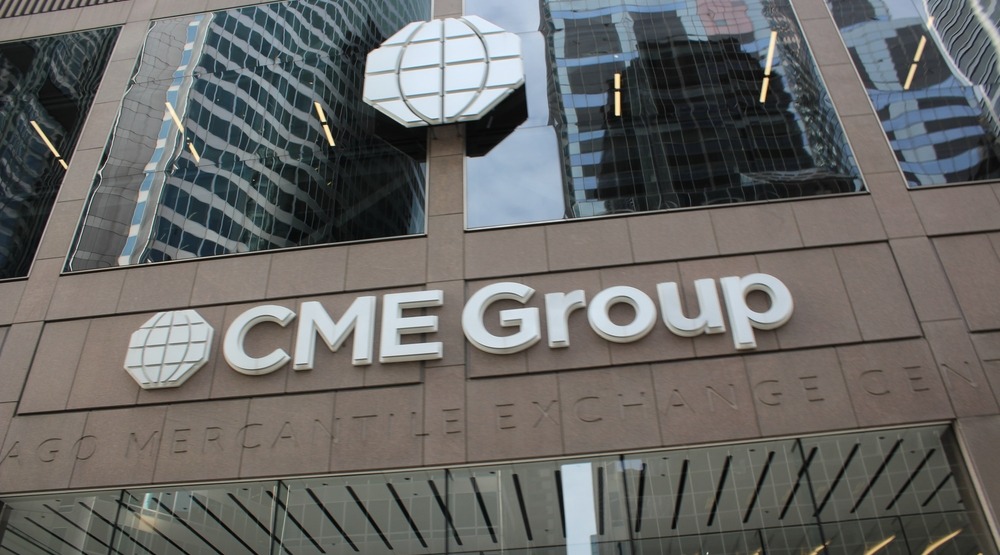
CME Group

The Depository Trust & Clearing Corporation and CME Group have received regulatory approvals from the U.S. Securities and Exchange Commission and the Commodity Futures Trading Commission for an expanded cross-margining arrangement. The model is designed to increase capital efficiency for market participants. It will take effect on April 30.

Singapore Summit: Meet the largest APAC brokers you know (and those you still don't!).

The approvals focus on institutional clearing infrastructure, with limited direct impact on retail-facing markets in the short term. Any effects are expected to be indirect, mainly through gradual changes in institutional liquidity conditions and capital efficiency, which may later influence broker funding costs over time.

Treasury Futures Linked Under New Framework

Terry Duffy, CME Group Chairman and CEO
Terry Duffy, CME Group Chairman and CEO, Source: Wikipedia

The approval marks a further step in the development of the cross-margining framework between the two clearing infrastructures.

The expansion extends cross-margining benefits beyond clearing members to end-user clients of dually registered broker/dealers and futures commission merchants.

These firms must be common members of DTCC’s Fixed Income Clearing Corporation and CME. The arrangement links positions in U.S.

Treasury securities cleared through FICC with interest rate futures cleared at CME. When positions carry offsetting risks, they can be netted for margin purposes across both clearing houses.

As the regulatory framework takes effect, CME Group Chairman and CEO Terry Duffy said: “With the SEC's central clearing mandates now taking effect, cross-margining is essential — not only for operational efficiency, but to help end users manage the real costs of compliance.”

End Users Added to Cross Margining

The change is expected to reduce margin requirements for eligible participants. It may free up capital and improve liquidity for trading activity in U.S. Treasuries and interest rate derivatives. The move builds on earlier arrangements that already allowed similar offsets at the clearing-member level.

The DTCC CME cross-margining framework has been in place since 2004 for proprietary house accounts of common clearing members and was further enhanced in 2024. The latest expansion brings end-user client accounts into the structure for the first time, widening the scope of eligible participants.

Under the arrangement, FICC will designate cross-margin accounts where eligible positions can offset CME interest rate futures, while CME Clearing allows intraday allocation of futures to enable continuous offset recognition across both systems.

The Depository Trust & Clearing Corporation and CME Group have received regulatory approvals from the U.S. Securities and Exchange Commission and the Commodity Futures Trading Commission for an expanded cross-margining arrangement. The model is designed to increase capital efficiency for market participants. It will take effect on April 30.

Singapore Summit: Meet the largest APAC brokers you know (and those you still don't!).

The approvals focus on institutional clearing infrastructure, with limited direct impact on retail-facing markets in the short term. Any effects are expected to be indirect, mainly through gradual changes in institutional liquidity conditions and capital efficiency, which may later influence broker funding costs over time.

Treasury Futures Linked Under New Framework

Terry Duffy, CME Group Chairman and CEO
Terry Duffy, CME Group Chairman and CEO, Source: Wikipedia

The approval marks a further step in the development of the cross-margining framework between the two clearing infrastructures.

The expansion extends cross-margining benefits beyond clearing members to end-user clients of dually registered broker/dealers and futures commission merchants.

These firms must be common members of DTCC’s Fixed Income Clearing Corporation and CME. The arrangement links positions in U.S.

Treasury securities cleared through FICC with interest rate futures cleared at CME. When positions carry offsetting risks, they can be netted for margin purposes across both clearing houses.

As the regulatory framework takes effect, CME Group Chairman and CEO Terry Duffy said: “With the SEC's central clearing mandates now taking effect, cross-margining is essential — not only for operational efficiency, but to help end users manage the real costs of compliance.”

End Users Added to Cross Margining

The change is expected to reduce margin requirements for eligible participants. It may free up capital and improve liquidity for trading activity in U.S. Treasuries and interest rate derivatives. The move builds on earlier arrangements that already allowed similar offsets at the clearing-member level.

The DTCC CME cross-margining framework has been in place since 2004 for proprietary house accounts of common clearing members and was further enhanced in 2024. The latest expansion brings end-user client accounts into the structure for the first time, widening the scope of eligible participants.

Under the arrangement, FICC will designate cross-margin accounts where eligible positions can offset CME interest rate futures, while CME Clearing allows intraday allocation of futures to enable continuous offset recognition across both systems.

About the Author: Tareq Sikder
Tareq Sikder
  • 2251 Articles
  • 41 Followers
Tareq is a financial writer with 15 years of experience covering global markets. His work spans technical analysis, forex broker reviews, and market sentiment, with a focus on topics relevant to retail traders. He joined Finance Magnates in 2023. At Finance Magnates, he serves as News Editor, covering retail forex and CFD brokers, cryptocurrency exchanges, fintech firms, and regulatory developments shaping the trading industry. He holds an Honours degree in Information Technology from Anfell College, London. Education: Honours degree Information Technology, Anfell College, London

More from the Author

Institutional FX