Financial and Business News

Bank of America Avoids $2 Billion Hit, Pays Four Times Less in Regulatory Clash from 2017

Tuesday, 15/04/2025 | 06:48 GMT by Damian Chmiel
  • Bank of America must pay the FDIC $540 million for underreporting its risk exposure and underpaying deposit insurance from 2013 to 2014.
  • The judge ruled the bank should have understood the post-financial crisis rules requiring consolidated reporting of counterparty risks.
bank of america Bofa

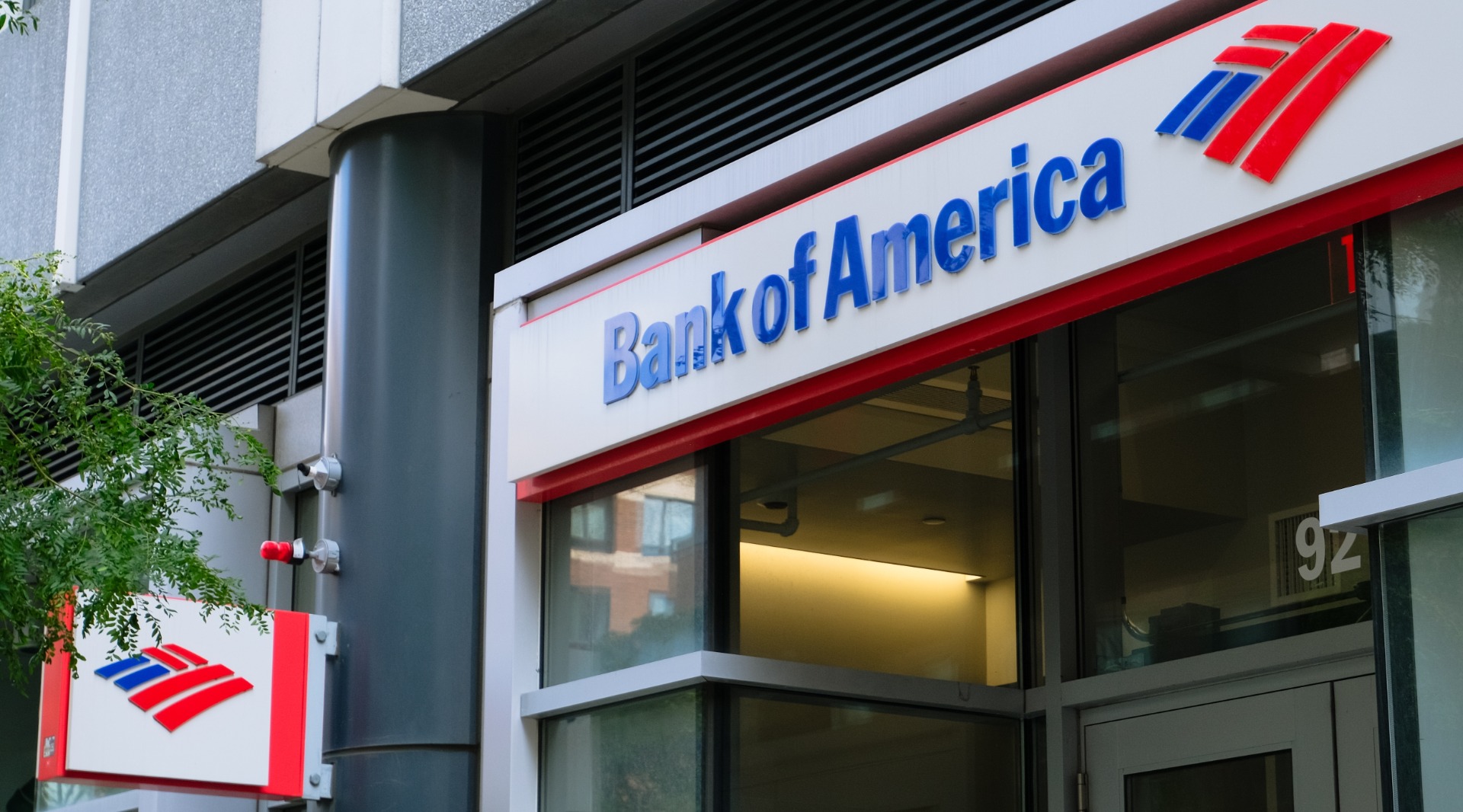
Bank of America must pay $540 million to the US Federal Deposit Insurance (FDIC) in a years-long legal battle over deposit insurance assessments, a federal judge ruled Monday, resolving a dispute that centered on how the bank calculated its risk exposure following post-financial crisis regulations.

Bank of America Ordered to Pay $540 Million in FDIC Assessment Dispute

US District Judge Loren AliKhan determined that Bank of America failed to properly report its counterparty exposure as required by FDIC rules implemented after the 2008 financial crisis, but ordered the bank to pay significantly less than the nearly $2 billion the agency had sought.

"After reading the text of the 2011 rule and acting in good faith," Bank of America "should have been able to identify with ascertainable certainty the standards it was expected to apply," Judge AliKhan wrote in her March 31 decision, which was made public this week.

The FDIC sued Bank of America in 2017, claiming the second-largest US bank had understated its counterparty exposure by reporting risks separately rather than combining them at the "consolidated entity level" as required. This reporting method, the agency argued, allowed the bank to avoid $1.12 billion in mandatory deposit insurance assessments.

You may also like: FDIC Tightens Grip on Fintech Firms, Proposes Record-Keeping Rules for Banks

2011 FDIC Rule

The judge rejected Bank of America's argument that the rule was unclear or that the FDIC had exceeded its authority. However, she ruled that some claims were time-barred, limiting recovery to assessments from the second quarter of 2013 through the fourth quarter of 2014, plus interest.

"We are pleased the judge has ruled and have reserves reflecting the decision," Bank of America spokesperson Bill Halldin said in a statement, quoted by Bloomberg.

The dispute stemmed from a 2011 FDIC rule that changed how banks report counterparty exposures when calculating their mandatory contributions to the deposit insurance fund. The measure required banks to combine exposures to affiliated entities under a parent company as one consolidated risk measure rather than treating them as separate exposures.

The FDIC argued this change was necessary because the concentration of multiple exposures could "significantly increase the institution's vulnerability to unexpected market events." The agency uses these exposure calculations to determine quarterly deposit insurance payments, with riskier institutions required to contribute more.

How BofA's Risk Reporting Tactics Backfired

According to court documents, Bank of America held approximately $1.2 trillion in US deposits as of September 2016, including $700 million that were FDIC-insured. The agency claimed the bank's underpayment represented a "material" amount for the government's $81 billion insurance fund, which provides coverage of up to $250,000 per depositor at insured banks.

Bank of America had maintained that the dispute involved a technical disagreement over a calculation that changed over time, and that the amount in question represented a small fraction of its annual deposit insurance payments. The bank denied it acted with intent to evade payments.

The FDIC claimed Bank of America was the only financial institution to deliberately disregard the rule, noting that another bank that had misinterpreted the regulation later self-corrected its reporting.

The case is FDIC v. Bank of America, 17-cv-36, U.S. District Court, District of Columbia.

Bank of America must pay $540 million to the US Federal Deposit Insurance (FDIC) in a years-long legal battle over deposit insurance assessments, a federal judge ruled Monday, resolving a dispute that centered on how the bank calculated its risk exposure following post-financial crisis regulations.

Bank of America Ordered to Pay $540 Million in FDIC Assessment Dispute

US District Judge Loren AliKhan determined that Bank of America failed to properly report its counterparty exposure as required by FDIC rules implemented after the 2008 financial crisis, but ordered the bank to pay significantly less than the nearly $2 billion the agency had sought.

"After reading the text of the 2011 rule and acting in good faith," Bank of America "should have been able to identify with ascertainable certainty the standards it was expected to apply," Judge AliKhan wrote in her March 31 decision, which was made public this week.

The FDIC sued Bank of America in 2017, claiming the second-largest US bank had understated its counterparty exposure by reporting risks separately rather than combining them at the "consolidated entity level" as required. This reporting method, the agency argued, allowed the bank to avoid $1.12 billion in mandatory deposit insurance assessments.

You may also like: FDIC Tightens Grip on Fintech Firms, Proposes Record-Keeping Rules for Banks

2011 FDIC Rule

The judge rejected Bank of America's argument that the rule was unclear or that the FDIC had exceeded its authority. However, she ruled that some claims were time-barred, limiting recovery to assessments from the second quarter of 2013 through the fourth quarter of 2014, plus interest.

"We are pleased the judge has ruled and have reserves reflecting the decision," Bank of America spokesperson Bill Halldin said in a statement, quoted by Bloomberg.

The dispute stemmed from a 2011 FDIC rule that changed how banks report counterparty exposures when calculating their mandatory contributions to the deposit insurance fund. The measure required banks to combine exposures to affiliated entities under a parent company as one consolidated risk measure rather than treating them as separate exposures.

The FDIC argued this change was necessary because the concentration of multiple exposures could "significantly increase the institution's vulnerability to unexpected market events." The agency uses these exposure calculations to determine quarterly deposit insurance payments, with riskier institutions required to contribute more.

How BofA's Risk Reporting Tactics Backfired

According to court documents, Bank of America held approximately $1.2 trillion in US deposits as of September 2016, including $700 million that were FDIC-insured. The agency claimed the bank's underpayment represented a "material" amount for the government's $81 billion insurance fund, which provides coverage of up to $250,000 per depositor at insured banks.

Bank of America had maintained that the dispute involved a technical disagreement over a calculation that changed over time, and that the amount in question represented a small fraction of its annual deposit insurance payments. The bank denied it acted with intent to evade payments.

The FDIC claimed Bank of America was the only financial institution to deliberately disregard the rule, noting that another bank that had misinterpreted the regulation later self-corrected its reporting.

The case is FDIC v. Bank of America, 17-cv-36, U.S. District Court, District of Columbia.

About the Author: Damian Chmiel
Damian Chmiel
  • 3375 Articles
  • 106 Followers
Damian Chmiel is a Senior Analyst & Editor at Finance Magnates with more than 15 years of experience in the CFD and online trading industry. Active as both a trader and journalist since 2010, he focuses on broker coverage, fintech innovation, and regulatory developments across Europe, the Middle East, and Asia. His work includes interviews with C-level leaders at major brokerages and fintech platforms, as well as co-authoring Finance Magnates’ quarterly industry benchmarking reports. Damian’s reporting is data-driven, market-aware, and grounded in direct industry engagement. His analysis and commentary have also been cited by external media outlets, including Investing.com, Binance, The Asset, Stockhead, and Dispatch. Education: MA in Finance and Accounting, Cracow University of Economics

More from the Author

Institutional FX