Shanghai Stock Exchange Outlines Key Developments for Chinese Market
Wednesday,04/03/2015|12:20GMTby
Adil Siddiqui
China's restricted financial-markets environment is gradually opening up to global standards. The Shanghai Stock Exchange has been a pioneer in self-regulation and outlines forward-thinking steps for the wider market.
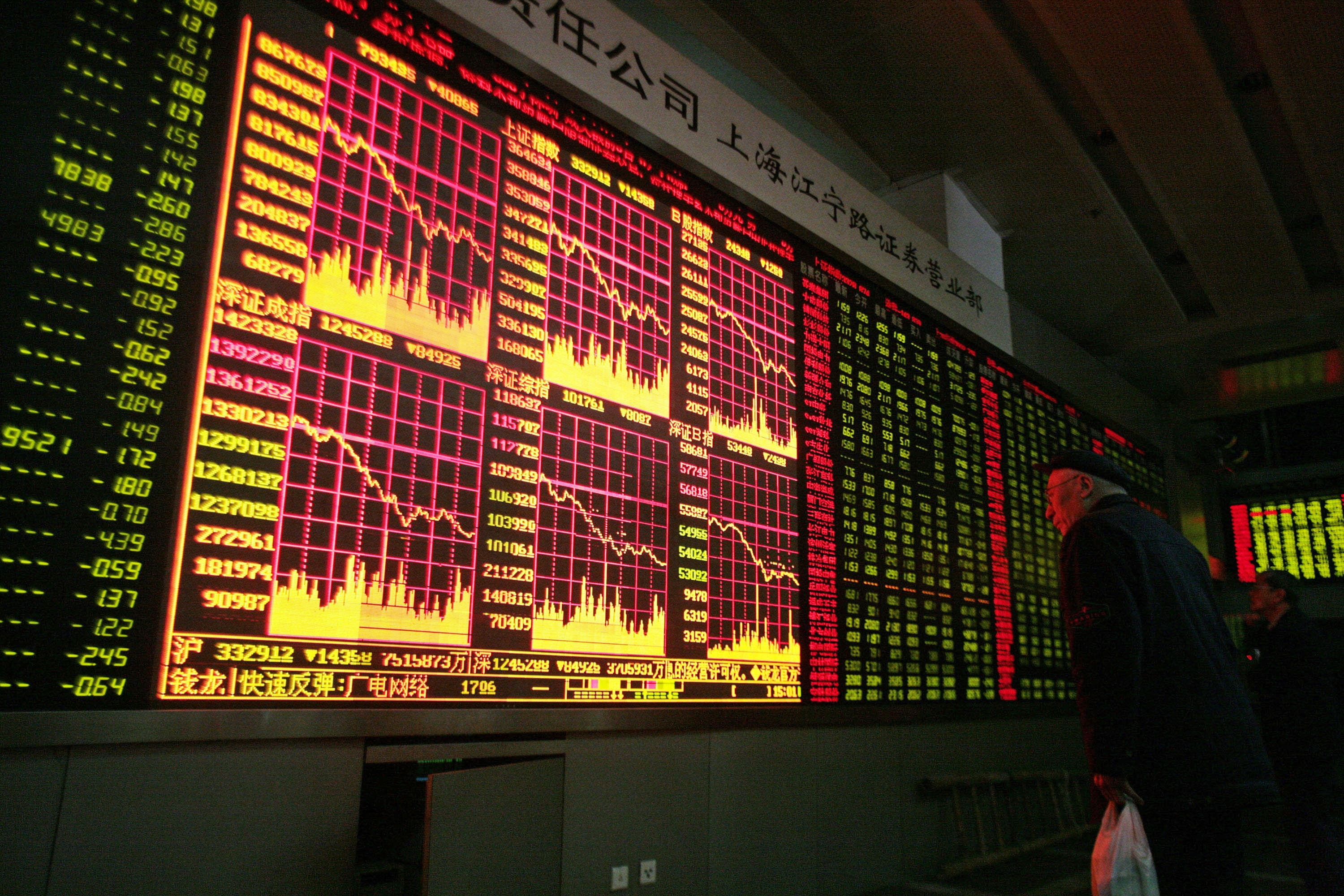
Shanghai Stock Exchange (Photo: Bloomberg)
The world's second-largest economy is ready to compete with established participants in the world of banking and finance. The country's leading equities trading venue, the Shanghai Stock Exchange (SSE), outlined key developments in relation to self-Regulation in a recently issued paper. The developments signify China's commitment to becoming a leader in financial industries.
The SSE has published a white paper on reforms that could take China's developing financial markets sector to new heights. After creating the first free-trade zone followed by the the Shanghai-Hong Kong connect, global interest has increased and the country now needs to ensure that it offers investors globally recognised standards.
SSE & Regulations
The exchange has been moving ahead with self-regulation, implementing a range of measures and practises that support the development of the exchange.
Seven key measures were outlined in the report, these include being: law-based, transparent, active, technological, balanced, coordinated and service-oriented. Now, the SSE's self-regulation is ready to enter a new stage in its development.
The SSE notification states that: "The report holds that as a major body of market self-regulation, the SSE plays an important role in ensuring fairness, standardization and stability of the market as it is on the frontline of market regulation with such advantages as being promptly and flexibly responsive to market changes."
Ongoing Reforms
China is no stranger to economic and financial reform. Since the 70s the country has taken a range of steps to create a more efficient and transparent investment environment. The latest developments follow those that emerged from the National Peoples’ Congress in 2014 and, more recently, from the release of the “Guiding Principles for the Healthy Development of Capital Markets” by the State Council.
Additionally, the SSE found that the implementation of self-regulation has yielded positive results that bolster the overall perception of China's stock and capital markets. The SSE reported that in 2014 a total of 271 abnormal transactions were investigated and handled, and over 100 cases of insider trading and market manipulation were reported, providing ample clues for inspection and law enforcement.
Positive Steps
The recent collaboration between mainland China and Hong Kong is expected to increase activity in Chinese equities from institutional investors. In addition to the opening up of the capital markets, the Shanghai–Hong Kong Stock Connect Scheme, which increases both inward and outward investment quotas and relaxes foreign shareholder limits in listed companies, could very soon help inject more Liquidity into the local China A-share market.
Institutional investors can invest in China under the QFII scheme which allows firms to access restricted financial products. Hong Kong has been assigned the highest quota of $44 billion.
Following the ground-breaking success of the Shanghai–Hong Kong Stock Connect Scheme, the special administrative region's leader is keen to extend its role with the Shenzhen Stock Exchange, with Hong Kong acting as a melting pot for incoming investors.
China is on track to becoming a powerhouse in the global financial markets as new reforms help it compete with established players. Furthermore, its stance on becoming a regional financial hub means the government is fully supportive of the country's ambitions.
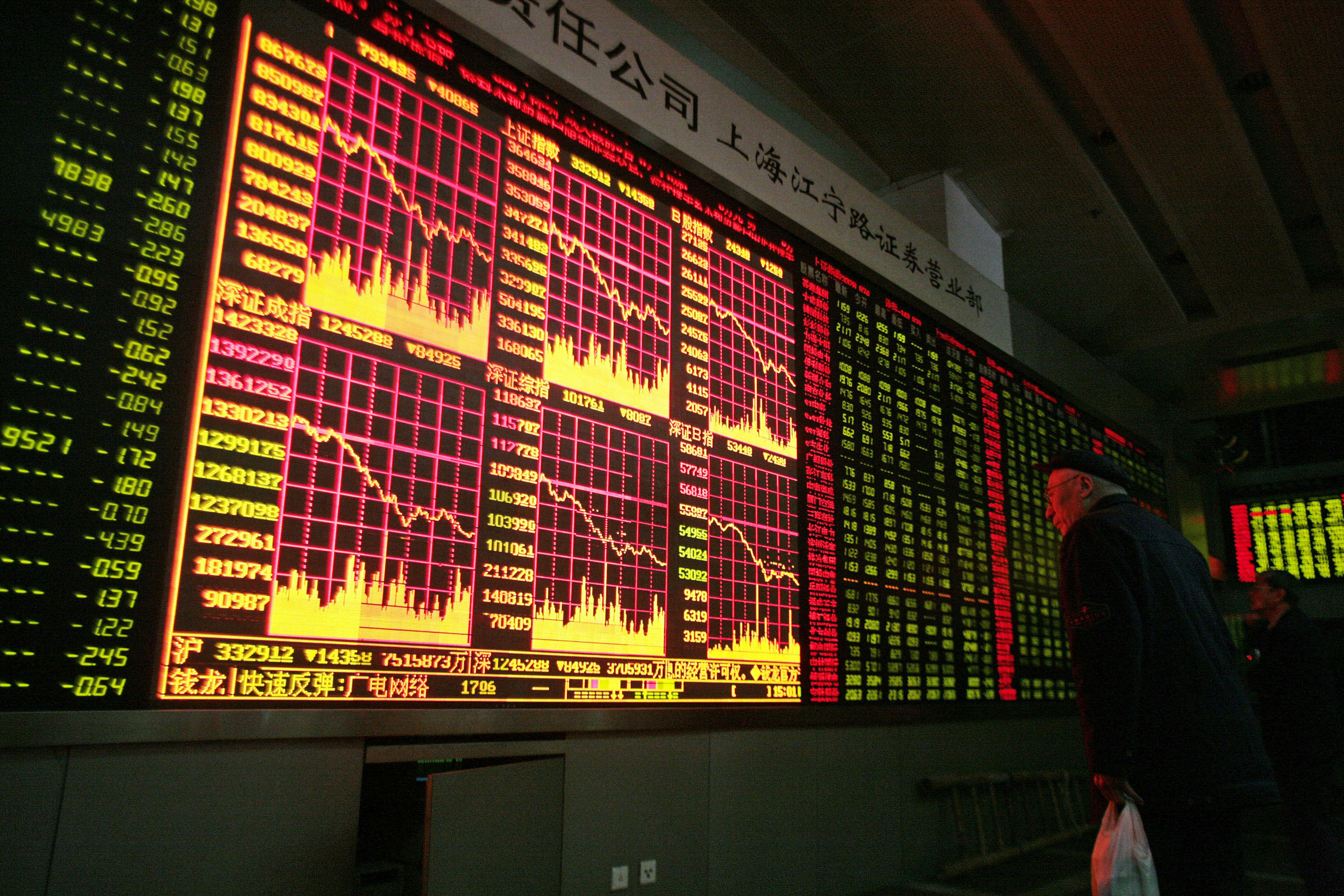
Shanghai Stock Exchange (Photo: Bloomberg)
The world's second-largest economy is ready to compete with established participants in the world of banking and finance. The country's leading equities trading venue, the Shanghai Stock Exchange (SSE), outlined key developments in relation to self-Regulation in a recently issued paper. The developments signify China's commitment to becoming a leader in financial industries.
The SSE has published a white paper on reforms that could take China's developing financial markets sector to new heights. After creating the first free-trade zone followed by the the Shanghai-Hong Kong connect, global interest has increased and the country now needs to ensure that it offers investors globally recognised standards.
SSE & Regulations
The exchange has been moving ahead with self-regulation, implementing a range of measures and practises that support the development of the exchange.
Seven key measures were outlined in the report, these include being: law-based, transparent, active, technological, balanced, coordinated and service-oriented. Now, the SSE's self-regulation is ready to enter a new stage in its development.
The SSE notification states that: "The report holds that as a major body of market self-regulation, the SSE plays an important role in ensuring fairness, standardization and stability of the market as it is on the frontline of market regulation with such advantages as being promptly and flexibly responsive to market changes."
Ongoing Reforms
China is no stranger to economic and financial reform. Since the 70s the country has taken a range of steps to create a more efficient and transparent investment environment. The latest developments follow those that emerged from the National Peoples’ Congress in 2014 and, more recently, from the release of the “Guiding Principles for the Healthy Development of Capital Markets” by the State Council.
Additionally, the SSE found that the implementation of self-regulation has yielded positive results that bolster the overall perception of China's stock and capital markets. The SSE reported that in 2014 a total of 271 abnormal transactions were investigated and handled, and over 100 cases of insider trading and market manipulation were reported, providing ample clues for inspection and law enforcement.
Positive Steps
The recent collaboration between mainland China and Hong Kong is expected to increase activity in Chinese equities from institutional investors. In addition to the opening up of the capital markets, the Shanghai–Hong Kong Stock Connect Scheme, which increases both inward and outward investment quotas and relaxes foreign shareholder limits in listed companies, could very soon help inject more Liquidity into the local China A-share market.
Institutional investors can invest in China under the QFII scheme which allows firms to access restricted financial products. Hong Kong has been assigned the highest quota of $44 billion.
Following the ground-breaking success of the Shanghai–Hong Kong Stock Connect Scheme, the special administrative region's leader is keen to extend its role with the Shenzhen Stock Exchange, with Hong Kong acting as a melting pot for incoming investors.
China is on track to becoming a powerhouse in the global financial markets as new reforms help it compete with established players. Furthermore, its stance on becoming a regional financial hub means the government is fully supportive of the country's ambitions.
Finance Magnates Launches FM Intelligence: Data and Compliance Portal
CMC Markets’ Artur Delijergijevs on Metals Demand, Volatility, & Stable Execution
CMC Markets’ Artur Delijergijevs on Metals Demand, Volatility, & Stable Execution
In this exclusive Executive Interview, Finance Magnates speaks with Artur Delijergijevs, Head of Systematic Market Making at CMC Markets, about the current state of metals demand and market volatility.
Delijergijevs offers a desk-level view on:
- Metals Demand: Why metals are seeing the strongest demand from both retail and institutional clients right now.
- The Safe-Haven Debate: Questioning whether gold still fits the classic safe-haven definition given large daily price movements.
- Volatile Market Prep: How a market-making desk prepares its systems and pricing for stressed market conditions and high-impact economic events.
- Hybrid Execution: Why the best execution model combines electronic speed with human relationship support, especially during volatility.
- AI in Workflow: Where CMC Markets is integrating machine learning for risk management and pricing, and the limitations of AI during stressed markets.
- Dubai's Role: The strategic importance of Dubai’s location for covering global trading sessions across Asia, Europe, and the US.
Watch to understand how CMC Markets maintains stable pricing and reliable execution quality in high-volatility environments.
#CMCmarkets #forex #metals #gold #trading #volatility #MarketMaking #iFXDubai #FinanceMagnates #Finance #Fintech #Execution #AlgorithmicTrading #RiskManagement
In this exclusive Executive Interview, Finance Magnates speaks with Artur Delijergijevs, Head of Systematic Market Making at CMC Markets, about the current state of metals demand and market volatility.
Delijergijevs offers a desk-level view on:
- Metals Demand: Why metals are seeing the strongest demand from both retail and institutional clients right now.
- The Safe-Haven Debate: Questioning whether gold still fits the classic safe-haven definition given large daily price movements.
- Volatile Market Prep: How a market-making desk prepares its systems and pricing for stressed market conditions and high-impact economic events.
- Hybrid Execution: Why the best execution model combines electronic speed with human relationship support, especially during volatility.
- AI in Workflow: Where CMC Markets is integrating machine learning for risk management and pricing, and the limitations of AI during stressed markets.
- Dubai's Role: The strategic importance of Dubai’s location for covering global trading sessions across Asia, Europe, and the US.
Watch to understand how CMC Markets maintains stable pricing and reliable execution quality in high-volatility environments.
#CMCmarkets #forex #metals #gold #trading #volatility #MarketMaking #iFXDubai #FinanceMagnates #Finance #Fintech #Execution #AlgorithmicTrading #RiskManagement
Finance Magnates Awards 2026 – Nominations Now Open
Finance Magnates Awards 2026 – Nominations Now Open
The Finance Magnates Awards 2026 nominations are now open. 🏆
From fintech innovators to leading brokers, this is where the finance industry celebrates its biggest achievements.
Winners will be announced at the Cyprus Gala Dinner on November 6, 2026.
Nominate your brand now.
https://awards.financemagnates.com/?utm_source=linkedin&utm_medium=video&utm_campaign=nominations-open
#FMAwards #FinanceMagnates #FintechAwards #Fintech #FinanceIndustry
The Finance Magnates Awards 2026 nominations are now open. 🏆
From fintech innovators to leading brokers, this is where the finance industry celebrates its biggest achievements.
Winners will be announced at the Cyprus Gala Dinner on November 6, 2026.
Nominate your brand now.
https://awards.financemagnates.com/?utm_source=linkedin&utm_medium=video&utm_campaign=nominations-open
#FMAwards #FinanceMagnates #FintechAwards #Fintech #FinanceIndustry
Finance Magnates Awards 2026 | Nominations Now Open 🏆#Fintech #FMAwards #TradingIndustry
Finance Magnates Awards 2026 | Nominations Now Open 🏆#Fintech #FMAwards #TradingIndustry
Lights on. Cameras ready. 🎬
Finance Magnates Awards 2026 nominations are now open. 🏆
#FMAwards #FinanceMagnates #FintechAwards #Fintech
Lights on. Cameras ready. 🎬
Finance Magnates Awards 2026 nominations are now open. 🏆
#FMAwards #FinanceMagnates #FintechAwards #Fintech
Exness sees trust as the key theme for growth in MENA Trading Growth for 2026
Exness sees trust as the key theme for growth in MENA Trading Growth for 2026
Mohammad Amer, Regional Commercial Director at Exness, sits down to discuss the booming MENA financial trading market. Find out why Dubai is key to the company's growth strategy, how a mobile-first generation is changing expectations, and why trust will be the defining theme for traders in 2026.
In this interview, you'll learn:
* Why Dubai and the MENA region are critical growth markets for fintech and online trading.
* How Exness is addressing the demands of mobile-first, younger traders through engineering, platform stability, and transparent conditions.
* The essential role local talent plays in providing a culturally relevant and compliant user experience.
* Mohammad Amer's outlook on the future of the online trading industry and why stronger controls and systems are necessary.
* Why "trust" isn't just a brand value, but has commercial value—and why he predicts 2026 will be the "Year of Trust."
Key Takeaways:
➡️ The MENA region is rapidly shaping global financial markets.
➡️ New traders expect stability, precise execution, and transparency.
➡️ Local expertise is key to regulatory compliance and user experience.
➡️ Future success belongs to firms capable of meeting rising standards across regulation and platform consistency.
Read the full article at: https://www.financemagnates.com/thought-leadership/exness-sees-trust-as-the-key-theme-for-growth-in-mena-trading-growth-for-2026/
#Exness #MENA #Trading #FinTech #Dubai #OnlineTrading #FinanceMagnates #MohammadAmer #Trust #MobileTrading
Mohammad Amer, Regional Commercial Director at Exness, sits down to discuss the booming MENA financial trading market. Find out why Dubai is key to the company's growth strategy, how a mobile-first generation is changing expectations, and why trust will be the defining theme for traders in 2026.
In this interview, you'll learn:
* Why Dubai and the MENA region are critical growth markets for fintech and online trading.
* How Exness is addressing the demands of mobile-first, younger traders through engineering, platform stability, and transparent conditions.
* The essential role local talent plays in providing a culturally relevant and compliant user experience.
* Mohammad Amer's outlook on the future of the online trading industry and why stronger controls and systems are necessary.
* Why "trust" isn't just a brand value, but has commercial value—and why he predicts 2026 will be the "Year of Trust."
Key Takeaways:
➡️ The MENA region is rapidly shaping global financial markets.
➡️ New traders expect stability, precise execution, and transparency.
➡️ Local expertise is key to regulatory compliance and user experience.
➡️ Future success belongs to firms capable of meeting rising standards across regulation and platform consistency.
Read the full article at: https://www.financemagnates.com/thought-leadership/exness-sees-trust-as-the-key-theme-for-growth-in-mena-trading-growth-for-2026/
#Exness #MENA #Trading #FinTech #Dubai #OnlineTrading #FinanceMagnates #MohammadAmer #Trust #MobileTrading
Paytiko CEO Razi Salih on Why Payment Orchestration is a MUST-HAVE for Brokers in 2026
Paytiko CEO Razi Salih on Why Payment Orchestration is a MUST-HAVE for Brokers in 2026
At iFX Expo Dubai, Finance Magnates spoke with Razi Salih, CEO at Paytiko, about the evolution of the payments ecosystem and why payment orchestration has shifted from an option to a necessity for brokers, prop firms, and exchanges.
Mr. Salih explains how global expansion, the need for deep localisation, and the sheer number of new payment methods, from instant banking to stablecoins, are driving this critical infrastructure shift.
#PaymentOrchestration #Fintech #Brokerage #TradingPayments #RaziSalih #Paytiko #iFXExpoDubai #Stablecoins #AIinFintech
At iFX Expo Dubai, Finance Magnates spoke with Razi Salih, CEO at Paytiko, about the evolution of the payments ecosystem and why payment orchestration has shifted from an option to a necessity for brokers, prop firms, and exchanges.
Mr. Salih explains how global expansion, the need for deep localisation, and the sheer number of new payment methods, from instant banking to stablecoins, are driving this critical infrastructure shift.
#PaymentOrchestration #Fintech #Brokerage #TradingPayments #RaziSalih #Paytiko #iFXExpoDubai #Stablecoins #AIinFintech