Among European banks, 60% are exploring or using DLT, while 22% are already implementing DLT applications.
In October 2027, ECB will reportedly transition to a T+1 settlement cycle, reducing the settlement period from two days to one.
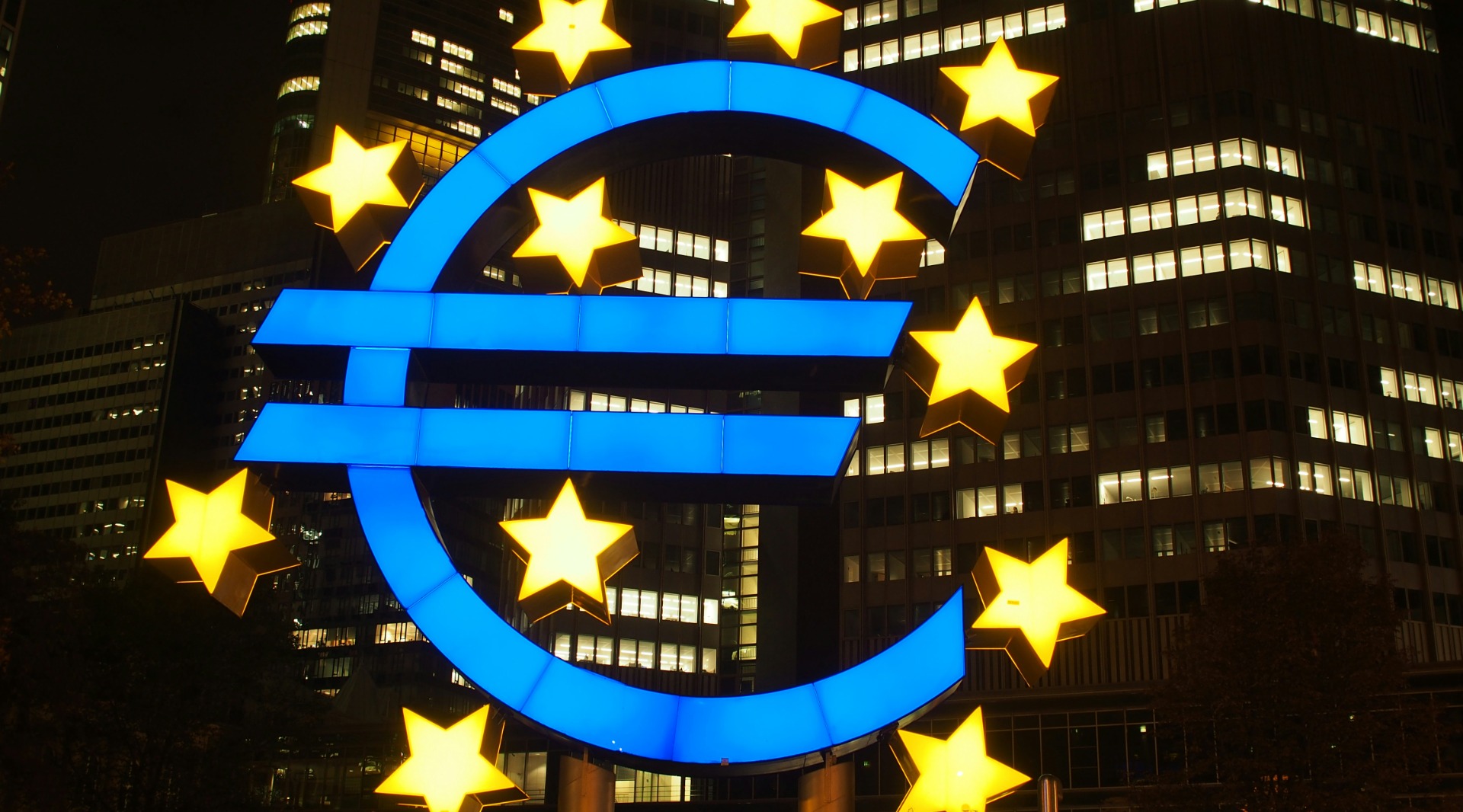
Image Source: Unsplash
The European Central Bank (ECB) is now advancing its digital
euro project, hoping to restore control over retail payments while enabling
innovation in both consumer and wholesale transactions.
In a speech by Piero Cipollone, a Member of the ECB's executive board, the initiative reflects mounting concerns that Europe’s reliance on non-EU payment platforms threatens its financial independence and its ability to shape the future of money.
The Decline of Cash and the Case for a Digital Euro
The ECB has acknowledged a
visible shift in consumer behaviour: while cash once served as the anchor of
everyday transactions, its role is rapidly fading. In 2023, only 24% of retail
payments in the euro area were made using cash.
Meanwhile, foreign digital payment services like
PayPal, Apple Pay, and Alipay dominate much of the digital landscape, with
almost two-thirds of euro area card transactions processed by non-European
providers.
Read more: Coinbase Refuses $20 Million Ransom After Hackers Breach Customer Data
The digital euro would act as a secure, universally
accepted currency in digital form. It would offer offline functionality,
privacy similar to cash, and legal tender status. Cipollone emphasized that
consumers want it, pointing to surveys showing growing interest across member
states.
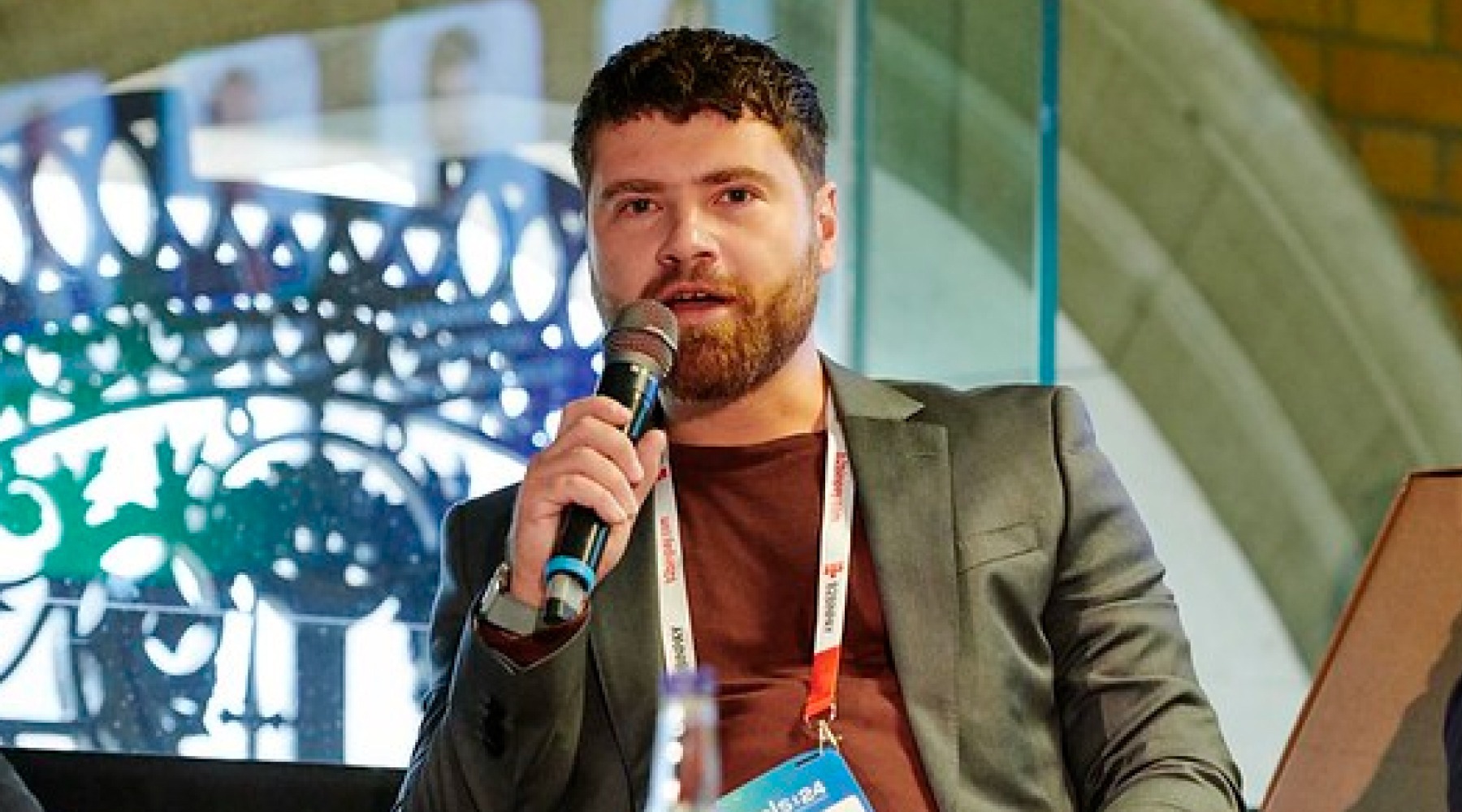
Piero Cipollone, Source: LinkedIn
The ECB sees the digital euro not just as a monetary
tool, but as a way to rebalance the relationship between European merchants,
banks, and foreign platforms. By introducing a digital euro, the ECB aims to support
European payment providers in scaling their offerings across borders.
Digitizing Wholesale Finance With DLT
While retail payments have received most of the public
attention, the ECB is also preparing for sweeping changes in wholesale finance.
Here, the focus is on integrating distributed ledger technology (DLT) and
tokenisation into financial markets.
The ECB’s existing systems—like TARGET2 and
T2S—already settle the vast majority of wholesale transactions. However, new
technologies offer opportunities to streamline trading, settlement, and custody
into a single, 24/7 infrastructure.
Tokenised assets and programmable money could enable
new business models and lower costs, especially for smaller market
participants.
Last year, the ECB conducted a trial with 60 market
participants to settle wholesale transactions using DLT. Over €1.6 billion was
processed during the six-month test—more than any similar initiative globally.
Cipollone stressed that building an efficient,
resilient, and innovative financial ecosystem requires cooperation from across
the market. The ECB has begun work on a single rulebook for the digital euro
and continues to engage stakeholders from banking, fintech, and merchant
communities.
The European Central Bank (ECB) is now advancing its digital
euro project, hoping to restore control over retail payments while enabling
innovation in both consumer and wholesale transactions.
In a speech by Piero Cipollone, a Member of the ECB's executive board, the initiative reflects mounting concerns that Europe’s reliance on non-EU payment platforms threatens its financial independence and its ability to shape the future of money.
The Decline of Cash and the Case for a Digital Euro
The ECB has acknowledged a
visible shift in consumer behaviour: while cash once served as the anchor of
everyday transactions, its role is rapidly fading. In 2023, only 24% of retail
payments in the euro area were made using cash.
Meanwhile, foreign digital payment services like
PayPal, Apple Pay, and Alipay dominate much of the digital landscape, with
almost two-thirds of euro area card transactions processed by non-European
providers.
Read more: Coinbase Refuses $20 Million Ransom After Hackers Breach Customer Data
The digital euro would act as a secure, universally
accepted currency in digital form. It would offer offline functionality,
privacy similar to cash, and legal tender status. Cipollone emphasized that
consumers want it, pointing to surveys showing growing interest across member
states.
Piero Cipollone, Source: LinkedIn
The ECB sees the digital euro not just as a monetary
tool, but as a way to rebalance the relationship between European merchants,
banks, and foreign platforms. By introducing a digital euro, the ECB aims to support
European payment providers in scaling their offerings across borders.
Digitizing Wholesale Finance With DLT
While retail payments have received most of the public
attention, the ECB is also preparing for sweeping changes in wholesale finance.
Here, the focus is on integrating distributed ledger technology (DLT) and
tokenisation into financial markets.
The ECB’s existing systems—like TARGET2 and
T2S—already settle the vast majority of wholesale transactions. However, new
technologies offer opportunities to streamline trading, settlement, and custody
into a single, 24/7 infrastructure.
Tokenised assets and programmable money could enable
new business models and lower costs, especially for smaller market
participants.
Last year, the ECB conducted a trial with 60 market
participants to settle wholesale transactions using DLT. Over €1.6 billion was
processed during the six-month test—more than any similar initiative globally.
Cipollone stressed that building an efficient,
resilient, and innovative financial ecosystem requires cooperation from across
the market. The ECB has begun work on a single rulebook for the digital euro
and continues to engage stakeholders from banking, fintech, and merchant
communities.
Jared Kirui is an Editor at Finance Magnates with more than five years of experience in financial journalism. He covers online trading, fintech, payments, and crypto industries with a focus on companies, regulation and compliance, executive moves, trading technology, and market analysis.
His work has been featured in other media outlets, including Benzinga, ZyCrypto, The Distributed, and The Daily Hodl.
Education:
Bachelor of Commerce degree (Finance option), University of Nairobi
FIS Adds Clearing for Prediction Market Contracts, Building on OTC Trading
CMC Markets’ Artur Delijergijevs on Metals Demand, Volatility, & Stable Execution
CMC Markets’ Artur Delijergijevs on Metals Demand, Volatility, & Stable Execution
In this exclusive Executive Interview, Finance Magnates speaks with Artur Delijergijevs, Head of Systematic Market Making at CMC Markets, about the current state of metals demand and market volatility.
Delijergijevs offers a desk-level view on:
- Metals Demand: Why metals are seeing the strongest demand from both retail and institutional clients right now.
- The Safe-Haven Debate: Questioning whether gold still fits the classic safe-haven definition given large daily price movements.
- Volatile Market Prep: How a market-making desk prepares its systems and pricing for stressed market conditions and high-impact economic events.
- Hybrid Execution: Why the best execution model combines electronic speed with human relationship support, especially during volatility.
- AI in Workflow: Where CMC Markets is integrating machine learning for risk management and pricing, and the limitations of AI during stressed markets.
- Dubai's Role: The strategic importance of Dubai’s location for covering global trading sessions across Asia, Europe, and the US.
Watch to understand how CMC Markets maintains stable pricing and reliable execution quality in high-volatility environments.
#CMCmarkets #forex #metals #gold #trading #volatility #MarketMaking #iFXDubai #FinanceMagnates #Finance #Fintech #Execution #AlgorithmicTrading #RiskManagement
In this exclusive Executive Interview, Finance Magnates speaks with Artur Delijergijevs, Head of Systematic Market Making at CMC Markets, about the current state of metals demand and market volatility.
Delijergijevs offers a desk-level view on:
- Metals Demand: Why metals are seeing the strongest demand from both retail and institutional clients right now.
- The Safe-Haven Debate: Questioning whether gold still fits the classic safe-haven definition given large daily price movements.
- Volatile Market Prep: How a market-making desk prepares its systems and pricing for stressed market conditions and high-impact economic events.
- Hybrid Execution: Why the best execution model combines electronic speed with human relationship support, especially during volatility.
- AI in Workflow: Where CMC Markets is integrating machine learning for risk management and pricing, and the limitations of AI during stressed markets.
- Dubai's Role: The strategic importance of Dubai’s location for covering global trading sessions across Asia, Europe, and the US.
Watch to understand how CMC Markets maintains stable pricing and reliable execution quality in high-volatility environments.
#CMCmarkets #forex #metals #gold #trading #volatility #MarketMaking #iFXDubai #FinanceMagnates #Finance #Fintech #Execution #AlgorithmicTrading #RiskManagement
Finance Magnates Awards 2026 – Nominations Now Open
Finance Magnates Awards 2026 – Nominations Now Open
The Finance Magnates Awards 2026 nominations are now open. 🏆
From fintech innovators to leading brokers, this is where the finance industry celebrates its biggest achievements.
Winners will be announced at the Cyprus Gala Dinner on November 6, 2026.
Nominate your brand now.
https://awards.financemagnates.com/?utm_source=linkedin&utm_medium=video&utm_campaign=nominations-open
#FMAwards #FinanceMagnates #FintechAwards #Fintech #FinanceIndustry
The Finance Magnates Awards 2026 nominations are now open. 🏆
From fintech innovators to leading brokers, this is where the finance industry celebrates its biggest achievements.
Winners will be announced at the Cyprus Gala Dinner on November 6, 2026.
Nominate your brand now.
https://awards.financemagnates.com/?utm_source=linkedin&utm_medium=video&utm_campaign=nominations-open
#FMAwards #FinanceMagnates #FintechAwards #Fintech #FinanceIndustry
Finance Magnates Awards 2026 | Nominations Now Open 🏆#Fintech #FMAwards #TradingIndustry
Finance Magnates Awards 2026 | Nominations Now Open 🏆#Fintech #FMAwards #TradingIndustry
Lights on. Cameras ready. 🎬
Finance Magnates Awards 2026 nominations are now open. 🏆
#FMAwards #FinanceMagnates #FintechAwards #Fintech
Lights on. Cameras ready. 🎬
Finance Magnates Awards 2026 nominations are now open. 🏆
#FMAwards #FinanceMagnates #FintechAwards #Fintech
Exness sees trust as the key theme for growth in MENA Trading Growth for 2026
Exness sees trust as the key theme for growth in MENA Trading Growth for 2026
Mohammad Amer, Regional Commercial Director at Exness, sits down to discuss the booming MENA financial trading market. Find out why Dubai is key to the company's growth strategy, how a mobile-first generation is changing expectations, and why trust will be the defining theme for traders in 2026.
In this interview, you'll learn:
* Why Dubai and the MENA region are critical growth markets for fintech and online trading.
* How Exness is addressing the demands of mobile-first, younger traders through engineering, platform stability, and transparent conditions.
* The essential role local talent plays in providing a culturally relevant and compliant user experience.
* Mohammad Amer's outlook on the future of the online trading industry and why stronger controls and systems are necessary.
* Why "trust" isn't just a brand value, but has commercial value—and why he predicts 2026 will be the "Year of Trust."
Key Takeaways:
➡️ The MENA region is rapidly shaping global financial markets.
➡️ New traders expect stability, precise execution, and transparency.
➡️ Local expertise is key to regulatory compliance and user experience.
➡️ Future success belongs to firms capable of meeting rising standards across regulation and platform consistency.
Read the full article at: https://www.financemagnates.com/thought-leadership/exness-sees-trust-as-the-key-theme-for-growth-in-mena-trading-growth-for-2026/
#Exness #MENA #Trading #FinTech #Dubai #OnlineTrading #FinanceMagnates #MohammadAmer #Trust #MobileTrading
Mohammad Amer, Regional Commercial Director at Exness, sits down to discuss the booming MENA financial trading market. Find out why Dubai is key to the company's growth strategy, how a mobile-first generation is changing expectations, and why trust will be the defining theme for traders in 2026.
In this interview, you'll learn:
* Why Dubai and the MENA region are critical growth markets for fintech and online trading.
* How Exness is addressing the demands of mobile-first, younger traders through engineering, platform stability, and transparent conditions.
* The essential role local talent plays in providing a culturally relevant and compliant user experience.
* Mohammad Amer's outlook on the future of the online trading industry and why stronger controls and systems are necessary.
* Why "trust" isn't just a brand value, but has commercial value—and why he predicts 2026 will be the "Year of Trust."
Key Takeaways:
➡️ The MENA region is rapidly shaping global financial markets.
➡️ New traders expect stability, precise execution, and transparency.
➡️ Local expertise is key to regulatory compliance and user experience.
➡️ Future success belongs to firms capable of meeting rising standards across regulation and platform consistency.
Read the full article at: https://www.financemagnates.com/thought-leadership/exness-sees-trust-as-the-key-theme-for-growth-in-mena-trading-growth-for-2026/
#Exness #MENA #Trading #FinTech #Dubai #OnlineTrading #FinanceMagnates #MohammadAmer #Trust #MobileTrading
Paytiko CEO Razi Salih on Why Payment Orchestration is a MUST-HAVE for Brokers in 2026
Paytiko CEO Razi Salih on Why Payment Orchestration is a MUST-HAVE for Brokers in 2026
At iFX Expo Dubai, Finance Magnates spoke with Razi Salih, CEO at Paytiko, about the evolution of the payments ecosystem and why payment orchestration has shifted from an option to a necessity for brokers, prop firms, and exchanges.
Mr. Salih explains how global expansion, the need for deep localisation, and the sheer number of new payment methods, from instant banking to stablecoins, are driving this critical infrastructure shift.
#PaymentOrchestration #Fintech #Brokerage #TradingPayments #RaziSalih #Paytiko #iFXExpoDubai #Stablecoins #AIinFintech
At iFX Expo Dubai, Finance Magnates spoke with Razi Salih, CEO at Paytiko, about the evolution of the payments ecosystem and why payment orchestration has shifted from an option to a necessity for brokers, prop firms, and exchanges.
Mr. Salih explains how global expansion, the need for deep localisation, and the sheer number of new payment methods, from instant banking to stablecoins, are driving this critical infrastructure shift.
#PaymentOrchestration #Fintech #Brokerage #TradingPayments #RaziSalih #Paytiko #iFXExpoDubai #Stablecoins #AIinFintech