Financial and Business News

Bank of England Joins Asia Peers in Experimenting With Tokenized FX Settlements

Thursday, 13/11/2025 | 15:58 GMT by Jared Kirui
  • BoE, the Monetary Authority of Singapore (MAS), and the Bank of Thailand are jointly exploring synchronized settlement mechanisms.
  • The goal is to enable real-time FX transactions where payments are completed fully and simultaneously across systems.
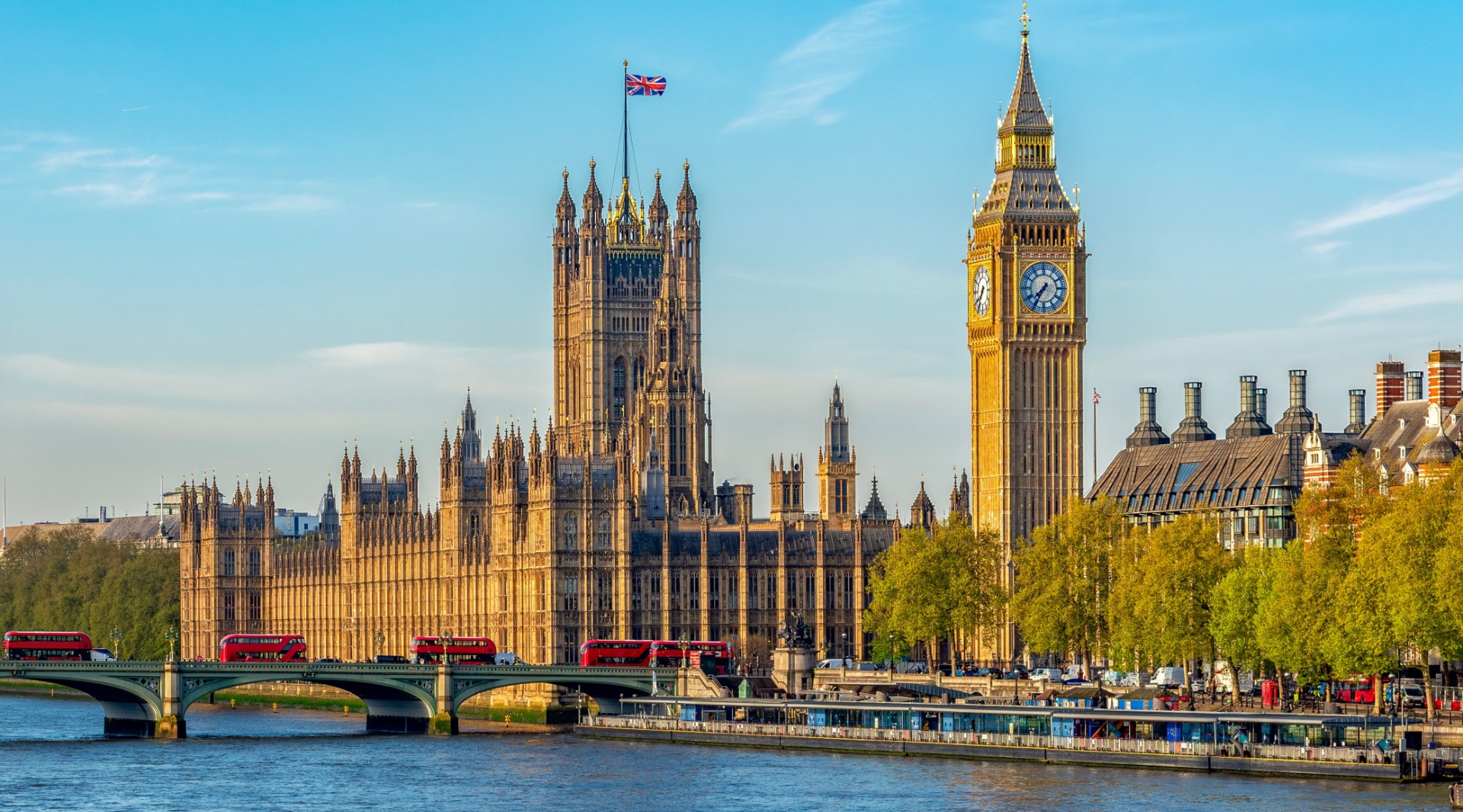
Big Ben and the House of Parliament in London

The Bank of England (BoE), the Monetary Authority of Singapore (MAS), and the Bank of Thailand are exploring how synchronized settlement mechanisms could streamline cross-border FX transactions, making them faster, more secure, and fully interoperable.

Join buy side heads of FX in London at fmls25

Experimenting With New FX Infrastructure

The initiative builds on insights from Project Meridian FX and will initially use simulated versions of the central banks’ Real Time Gross Settlement (RTGS) systems alongside Distributed Ledger Technology (DLT)-based environments.

The ultimate goal is to enable atomic, real-time FX transactions – payments that are completed fully and simultaneously across systems, reducing risk and delay, BoE said in an announcement.

“To realize the potential of tokenized financial systems, international cooperation is needed to foster the development of open and interoperable networks,” commented Kenneth Gay, Chief FinTech Officer at the Monetary Authority of Singapore.

Kenneth Gay, Source: LinkedIn

“We look forward to exploring how synchronized settlement can enhance interoperability across different jurisdictions and infrastructures through this collaboration,” he added.

By testing synchronized settlement, the central banks aim to enhance Payment versus Payment (PvP) FX settlements and explore Delivery versus Payment (DvP) use cases in cross-border environments. These mechanisms could allow currencies to be exchanged safely and instantly, even across different time zones, infrastructures, and regulatory frameworks.

International Collaboration for Tokenized Finance

The project also reflects a broader push to support tokenized financial systems and open, interoperable networks. If successful, this initiative could lay the groundwork for a new era of cross-border financial transactions. Real-time, synchronized FX settlements would reduce operational risk, speed up payments, and create a more efficient global financial ecosystem.

Related: Traditional Banks Process More Tokenized Assets in Hours Than Crypto Platforms in Months

The collaboration signals a clear trend: central banks are actively exploring digital and tokenized solutions to modernize traditional payment systems, ensuring they remain effective in an increasingly global and technologically complex marketplace.

The adoption of tokenization among traditional financial institutions is on the rise. Broadridge Financial Solutions recently reported that its blockchain-based repo platform handled an average daily volume of $385 billion in October, marking a 492% increase from $65 billion in the same month last year.

By comparison, crypto exchanges remain far behind in tokenized asset activity. While Bitget recently surpassed $1 billion in cumulative stock futures volume and Kraken reported $5 billion in total tokenized equity trades, Broadridge’s platform achieves similar levels of trading in just one to two days.

The Bank of England (BoE), the Monetary Authority of Singapore (MAS), and the Bank of Thailand are exploring how synchronized settlement mechanisms could streamline cross-border FX transactions, making them faster, more secure, and fully interoperable.

Join buy side heads of FX in London at fmls25

Experimenting With New FX Infrastructure

The initiative builds on insights from Project Meridian FX and will initially use simulated versions of the central banks’ Real Time Gross Settlement (RTGS) systems alongside Distributed Ledger Technology (DLT)-based environments.

The ultimate goal is to enable atomic, real-time FX transactions – payments that are completed fully and simultaneously across systems, reducing risk and delay, BoE said in an announcement.

“To realize the potential of tokenized financial systems, international cooperation is needed to foster the development of open and interoperable networks,” commented Kenneth Gay, Chief FinTech Officer at the Monetary Authority of Singapore.

Kenneth Gay, Source: LinkedIn

“We look forward to exploring how synchronized settlement can enhance interoperability across different jurisdictions and infrastructures through this collaboration,” he added.

By testing synchronized settlement, the central banks aim to enhance Payment versus Payment (PvP) FX settlements and explore Delivery versus Payment (DvP) use cases in cross-border environments. These mechanisms could allow currencies to be exchanged safely and instantly, even across different time zones, infrastructures, and regulatory frameworks.

International Collaboration for Tokenized Finance

The project also reflects a broader push to support tokenized financial systems and open, interoperable networks. If successful, this initiative could lay the groundwork for a new era of cross-border financial transactions. Real-time, synchronized FX settlements would reduce operational risk, speed up payments, and create a more efficient global financial ecosystem.

Related: Traditional Banks Process More Tokenized Assets in Hours Than Crypto Platforms in Months

The collaboration signals a clear trend: central banks are actively exploring digital and tokenized solutions to modernize traditional payment systems, ensuring they remain effective in an increasingly global and technologically complex marketplace.

The adoption of tokenization among traditional financial institutions is on the rise. Broadridge Financial Solutions recently reported that its blockchain-based repo platform handled an average daily volume of $385 billion in October, marking a 492% increase from $65 billion in the same month last year.

By comparison, crypto exchanges remain far behind in tokenized asset activity. While Bitget recently surpassed $1 billion in cumulative stock futures volume and Kraken reported $5 billion in total tokenized equity trades, Broadridge’s platform achieves similar levels of trading in just one to two days.

About the Author: Jared Kirui
Jared Kirui
  • 2449 Articles
  • 50 Followers
Jared is an experienced financial journalist passionate about all things forex and CFDs.

More from the Author

Institutional FX