The FSCA fined and debarred one individual for providing FX signal without a license.
It clarified that “publishing signals… to online trading… falls within the definition of financial services.”
A flag of South Africa
South Africa’s Financial Sector Conduct Authority (FSCA) imposed an administrative penalty of over 1 million rand (about US$57,000) on Kabelo Emanuel Mogale for providing forex trading signals without a financial services provider licence and also debarred him for ten years.
It is the first such administrative action in the country against a trading signal provider.
Signal Providers Need a Financial Services Licence
In an announcement today (Wednesday), the South African regulator clarified that “the practice of providing or publishing signals with reference to online trading in financial products falls within the definition of financial services in the FAIS Act, and as such, persons providing such signals require a financial services provider licence.”
It further highlighted that providing such trading signals without a licence is a criminal offence in the country.
The action against Mogale resulted from an investigation following complaints received by the FSCA that he might have been “providing unauthorised financial services through Forex Private Jet Injectors (Private Jet).” The regulator found that Mogale provided forex signals via Telegram to his clients and also recommended their “trades in forex currency pairs.”
“The Penalty Was Inevitable”
The nature of the action is unusual as none of the mature global markets require forex signal providers to be licensed.
However, Jimmy Moyaha, Founder and MD of Lebowa Capital, thinks that “the penalty was inevitable.”
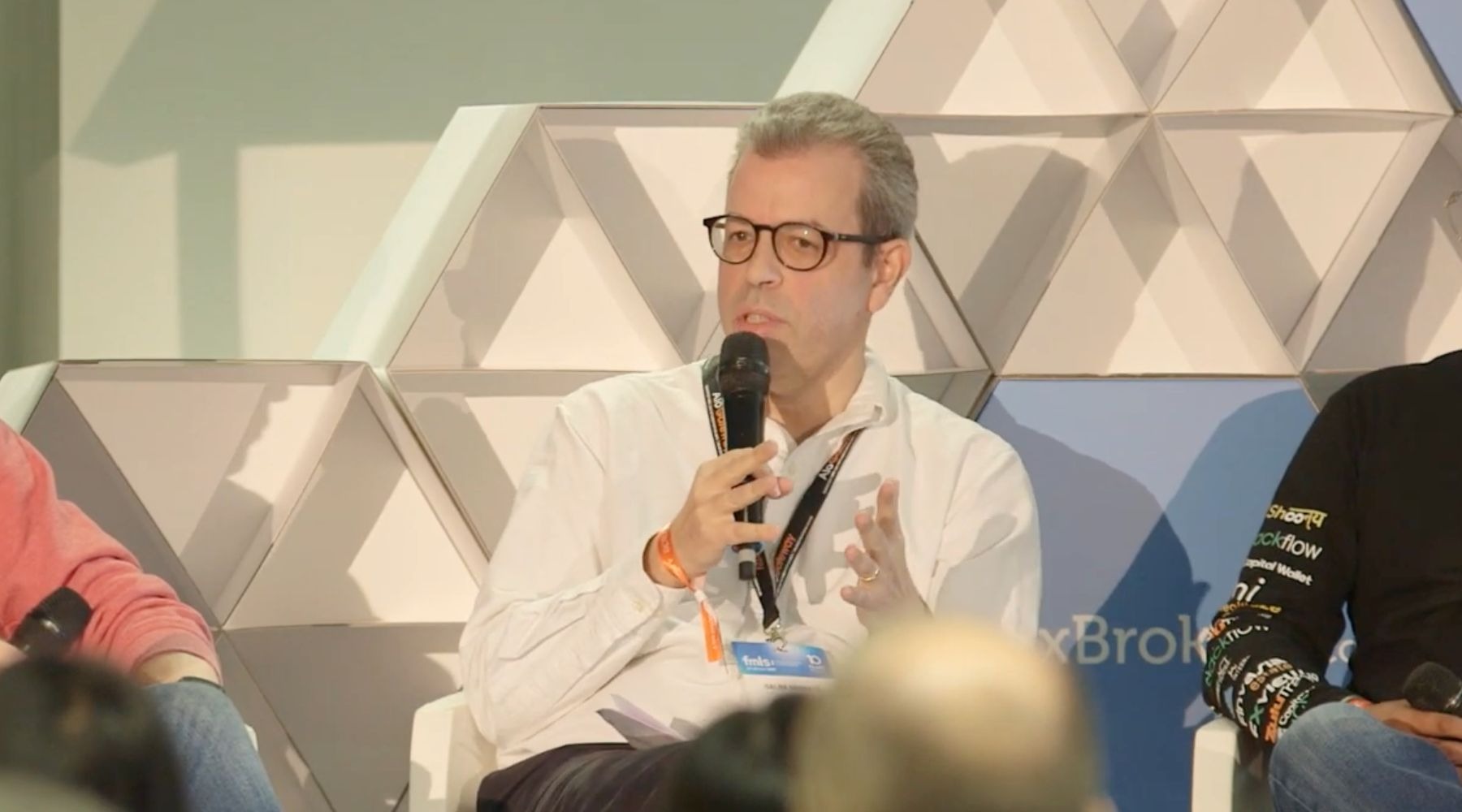
Jimmy Moyaha, Founder and MD of Lebowa Capital
“Signals are advisory in nature,” he added, “as they provide clear price levels and risk management parameters for those taking the signals. Advisory services have always been regulated services.”
Interestingly, the Australian financial market watchdog banned one financial influencer, or ‘finfluencer,’ from offering share purchase recommendations on private online forums, mandating him to obtain a licence. However, the Aussie agency did not define “signal providers” and if all such finfluencers would need a licence.
Signals providers in other jurisdictions also faced actions for unlawful actions, but not particularly for unlicensed activities of providing signals.
The South African regulator, on the other hand, also elaborated that providing trading signals has receded to the practice of recommending trades and prices in financial products to clients. Signal providers usually make money through subscription fees or a percentage of profits and even “benefit through commissions paid by brokers” when clients suffer losses.
“It is not unusual for signal providers to provide fictitious signals and display doubtful evidence of wealth to lure clients into participating,” the regulator highlighted, asking traders not to engage with any unlicensed signal providers.
“The FSCA has communicated, on numerous occasions in the past, that signal providers need to be appropriately licensed and regulated to offer those services,” Moyaha added. “This first fine demonstrates the potential consequences of not having the correct regulation in place as a service provider.”
South Africa’s Financial Sector Conduct Authority (FSCA) imposed an administrative penalty of over 1 million rand (about US$57,000) on Kabelo Emanuel Mogale for providing forex trading signals without a financial services provider licence and also debarred him for ten years.
It is the first such administrative action in the country against a trading signal provider.
Signal Providers Need a Financial Services Licence
In an announcement today (Wednesday), the South African regulator clarified that “the practice of providing or publishing signals with reference to online trading in financial products falls within the definition of financial services in the FAIS Act, and as such, persons providing such signals require a financial services provider licence.”
It further highlighted that providing such trading signals without a licence is a criminal offence in the country.
The action against Mogale resulted from an investigation following complaints received by the FSCA that he might have been “providing unauthorised financial services through Forex Private Jet Injectors (Private Jet).” The regulator found that Mogale provided forex signals via Telegram to his clients and also recommended their “trades in forex currency pairs.”
“The Penalty Was Inevitable”
The nature of the action is unusual as none of the mature global markets require forex signal providers to be licensed.
However, Jimmy Moyaha, Founder and MD of Lebowa Capital, thinks that “the penalty was inevitable.”
Jimmy Moyaha, Founder and MD of Lebowa Capital
“Signals are advisory in nature,” he added, “as they provide clear price levels and risk management parameters for those taking the signals. Advisory services have always been regulated services.”
Interestingly, the Australian financial market watchdog banned one financial influencer, or ‘finfluencer,’ from offering share purchase recommendations on private online forums, mandating him to obtain a licence. However, the Aussie agency did not define “signal providers” and if all such finfluencers would need a licence.
Signals providers in other jurisdictions also faced actions for unlawful actions, but not particularly for unlicensed activities of providing signals.
The South African regulator, on the other hand, also elaborated that providing trading signals has receded to the practice of recommending trades and prices in financial products to clients. Signal providers usually make money through subscription fees or a percentage of profits and even “benefit through commissions paid by brokers” when clients suffer losses.
“It is not unusual for signal providers to provide fictitious signals and display doubtful evidence of wealth to lure clients into participating,” the regulator highlighted, asking traders not to engage with any unlicensed signal providers.
“The FSCA has communicated, on numerous occasions in the past, that signal providers need to be appropriately licensed and regulated to offer those services,” Moyaha added. “This first fine demonstrates the potential consequences of not having the correct regulation in place as a service provider.”
Arnab Shome is an electronics engineer-turned-financial editor. He holds a Bachelor of Technology from the National Institute of Technology, Agartala. He entered the retail trading industry about a decade ago, covering the cryptocurrency market for Finance Magnates, and later expanded his coverage to include forex and CFDs as well.
His work at Finance Magnates includes C-level interviews, data-driven analysis, opinion pieces, and scoops of industry exclusives. He also contributes to Finance Magnates’ quarterly industry report.
Area of coverage:
1. CFD broker-related news
2. Industry-related Regulatory updates and developments
3. New retail trading trends
4. Prop trading industry updates
5. Executive interviews
Education:
Bachelor of Technology - National Institute of Technology, Agartala (India)
Webull Spent Big to Hit Record Revenue, and the Bill Is in the Fine Print
FP Markets Winner Spotlight 🏆 | Global Broker of the Year 2025 #Trading #Broker #Innovation #Shorts
FP Markets Winner Spotlight 🏆 | Global Broker of the Year 2025 #Trading #Broker #Innovation #Shorts
FP Markets takes the spotlight as Global Broker of the Year 2025 at the Finance Magnates Awards.
Martin Stoilov, Head of Client Experience, shares that trust, innovation, and people played a key role in the company’s success, supported by a strong foundation of integrity and client-centricity.
Following this milestone, FP Markets continues to focus on growth, technology investment, and its core values of transparency and excellence.
👉 Be part of FM Awards 2026: https://awards.financemagnates.com/#nominate
FP Markets takes the spotlight as Global Broker of the Year 2025 at the Finance Magnates Awards.
Martin Stoilov, Head of Client Experience, shares that trust, innovation, and people played a key role in the company’s success, supported by a strong foundation of integrity and client-centricity.
Following this milestone, FP Markets continues to focus on growth, technology investment, and its core values of transparency and excellence.
👉 Be part of FM Awards 2026: https://awards.financemagnates.com/#nominate
In this video, we review @HolaPrimeMarketsOfficial, a multi-asset forex and CFDs broker offering different account types, trading platforms, and flexible trading conditions.
We cover the broker’s overall offering, including account options, trading environment, platforms like MT4 and MT5, and additional services such as managed accounts and fast withdrawals.
Watch the full video to see if Hola Prime Markets fits your trading needs.
📣 Stay up to date with the latest in finance and trading. Follow Finance Magnates for industry news, insights, and global event coverage.
Connect with us:
🔗 LinkedIn: /financemagnates
👍 Facebook: /financemagnates
📸 Instagram: https://www.instagram.com/financemagnates
🐦 X: https://x.com/financemagnates
🎥 TikTok: https://www.tiktok.com/tag/financemagnates
▶️ YouTube: /@financemagnates_official
#HolaPrime #ForexBroker #CFDTrading #FinanceMagnates #Trading #Forex #BrokerReview
In this video, we review @HolaPrimeMarketsOfficial, a multi-asset forex and CFDs broker offering different account types, trading platforms, and flexible trading conditions.
We cover the broker’s overall offering, including account options, trading environment, platforms like MT4 and MT5, and additional services such as managed accounts and fast withdrawals.
Watch the full video to see if Hola Prime Markets fits your trading needs.
📣 Stay up to date with the latest in finance and trading. Follow Finance Magnates for industry news, insights, and global event coverage.
Connect with us:
🔗 LinkedIn: /financemagnates
👍 Facebook: /financemagnates
📸 Instagram: https://www.instagram.com/financemagnates
🐦 X: https://x.com/financemagnates
🎥 TikTok: https://www.tiktok.com/tag/financemagnates
▶️ YouTube: /@financemagnates_official
#HolaPrime #ForexBroker #CFDTrading #FinanceMagnates #Trading #Forex #BrokerReview
Hola Prime Review: What You Need to Know | Full Breakdown by Finance Magnates
Hola Prime Review: What You Need to Know | Full Breakdown by Finance Magnates
In this video, we review @HolaPrime_Global, a proprietary trading firm offering evaluation programs and performance-based payouts in simulated market environments.
We cover how the challenge model works, including account types, profit splits (up to 95%), trading rules, and what it takes to reach a funded account. You’ll also learn about available platforms like MT4, MT5, cTrader, and more, along with insights into payouts, support, and trading conditions.
Watch the full video to see if Hola Prime fits your trading style.
📣 Stay up to date with the latest in finance and trading. Follow Finance Magnates for industry news, insights, and global event coverage.
Connect with us:
🔗 LinkedIn: /financemagnates
👍 Facebook: /financemagnates
📸 Instagram: https://www.instagram.com/financemagnates
🐦 X: https://x.com/financemagnates
🎥 TikTok: https://www.tiktok.com/tag/financemagnates
▶️ YouTube: /@financemagnates_official
#HolaPrime #PropFirm #Trading #FinanceMagnates #Forex #FuturesTrading #TradingReview #PropFirmReview
In this video, we review @HolaPrime_Global, a proprietary trading firm offering evaluation programs and performance-based payouts in simulated market environments.
We cover how the challenge model works, including account types, profit splits (up to 95%), trading rules, and what it takes to reach a funded account. You’ll also learn about available platforms like MT4, MT5, cTrader, and more, along with insights into payouts, support, and trading conditions.
Watch the full video to see if Hola Prime fits your trading style.
📣 Stay up to date with the latest in finance and trading. Follow Finance Magnates for industry news, insights, and global event coverage.
Connect with us:
🔗 LinkedIn: /financemagnates
👍 Facebook: /financemagnates
📸 Instagram: https://www.instagram.com/financemagnates
🐦 X: https://x.com/financemagnates
🎥 TikTok: https://www.tiktok.com/tag/financemagnates
▶️ YouTube: /@financemagnates_official
#HolaPrime #PropFirm #Trading #FinanceMagnates #Forex #FuturesTrading #TradingReview #PropFirmReview
Axi Winner Spotlight 🏆 | Global Most Innovative Broker 2025 #Innovation #Trading #Fintech #Broker
Axi Winner Spotlight 🏆 | Global Most Innovative Broker 2025 #Innovation #Trading #Fintech #Broker
Axi takes the spotlight at the Finance Magnates Awards, winning Global Most Innovative Broker 2025.
Olivia Xenofontos and Ivanna Openko share how the team will feel: proud, motivated, and ready to keep delivering.
They also describe the night as well-organized, focused, and enjoyable for all.
👉 Be part of FM Awards 2026.
Axi takes the spotlight at the Finance Magnates Awards, winning Global Most Innovative Broker 2025.
Olivia Xenofontos and Ivanna Openko share how the team will feel: proud, motivated, and ready to keep delivering.
They also describe the night as well-organized, focused, and enjoyable for all.
👉 Be part of FM Awards 2026.
Recognition that matters.
Built on transparency.
Driven by the industry.
The Finance Magnates Awards 2026.
Nominations are now open.
🔗 https://awards.financemagnates.com/?utm_source=SM&utm_medium=social&utm_campaign=recognition-matters
Recognition that matters.
Built on transparency.
Driven by the industry.
The Finance Magnates Awards 2026.
Nominations are now open.
🔗 https://awards.financemagnates.com/?utm_source=SM&utm_medium=social&utm_campaign=recognition-matters