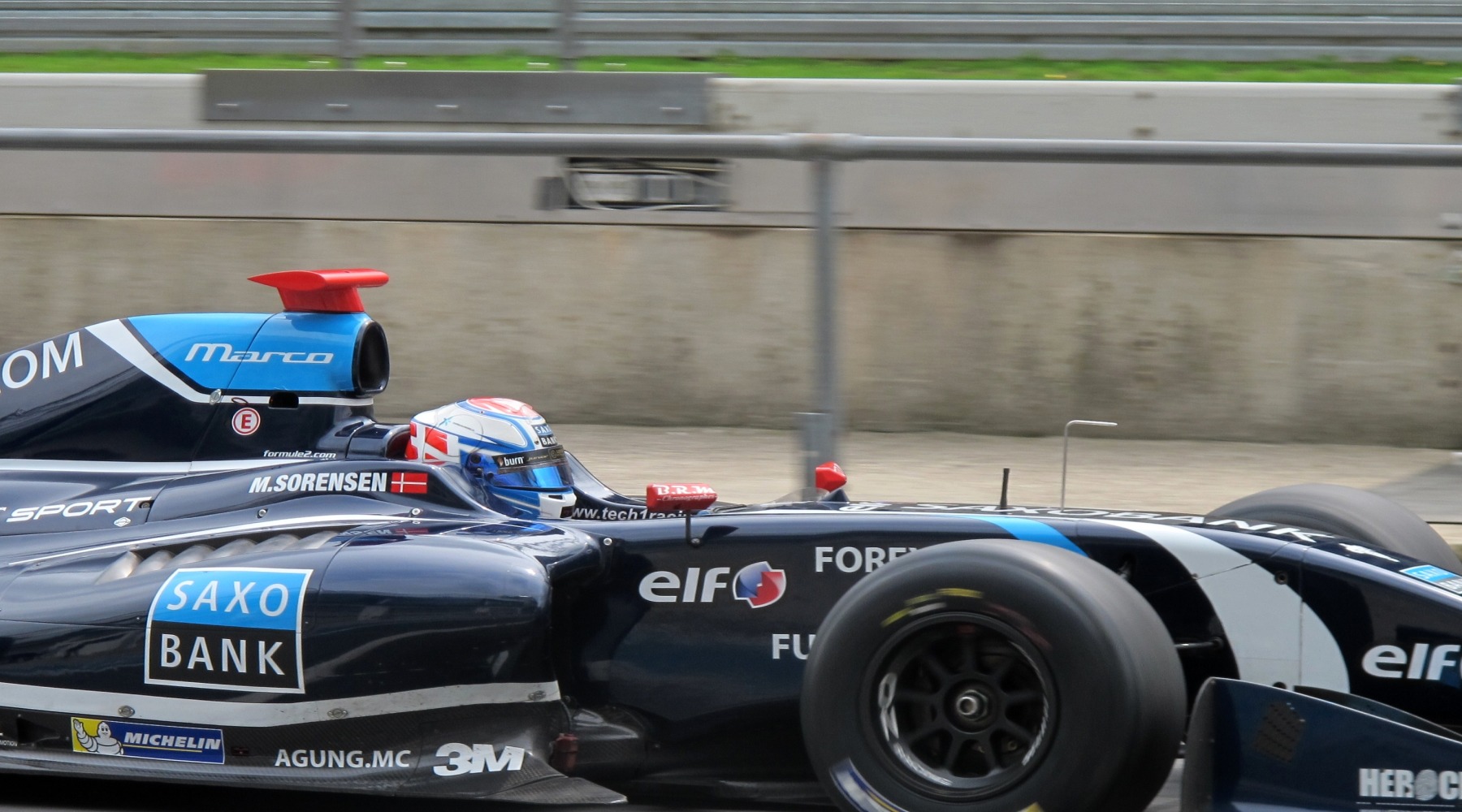
Hong Kong’s financial market regulator has reprimanded and fined the local unit of Saxo Bank HK$4 million (approximately US$514,000) for offering retail customers 32 crypto products meant only for professionals.
This comes a year after Saxo closed its office in Hong Kong and subsequently shut down operations in the jurisdiction.
Saxo’s Big Lapse in Hong Kong
Announced today (Tuesday), the Securities and Futures Commission (SFC) said that Saxo Capital Markets HK offered unauthorised virtual asset products on its online platform between 1 November 2018 and 25 November 2022.
According to the regulator, the local Saxo unit did not realise the deficiencies in its crypto product offering until its Danish parent notified it in November 2022.
“These products should only be offered to professional investors (PIs) according to two SFC circulars to intermediaries which were effective at the material time,” the regulator stated.
The regulatory investigation revealed that the broker executed 1,446 transactions involving 32 virtual asset products for six individual professional investors and 130 retail clients. It also stressed that “all of them were complex products, including 21 exchange-traded derivative products (exchange-traded derivative VA products).”
- Saxo Bank Adds Margin Accounts in Singapore After June Fractional Shares Launch
- Saxo Bank Japan Broadens European Stock Offering, Including UBS and Ferrari
- Why Retail Traders Trust the Wall Street More Than Their Own Stock Markets: Saxo Survey
No Customer Knowledge Assessment
Hong Kong’s SFC is alleging that the Saxo unit “did not assess whether the clients had knowledge of investing in virtual asset products, nor did it provide them with sufficient information and warning statements specific to virtual assets.”
Specifically, the regulator found that the broker failed to assess the knowledge of 87 Saxo Hong Kong clients, including 82 retail clients, who traded the 21 exchange-traded crypto derivatives.
The company allegedly did not have any specific procedures in place for conducting product due diligence on virtual assets during the period of breach.
“It relied on certain protocols established on a group-wide basis by its parent company to identify instruments with VA exposure,” the SFC added. “Due to deficiencies in the protocols, the 32 VA products were not identified as such.”
Saxo, which failed to go public despite inking a deal with a blank cheque firm in 2022, is reportedly attempting a sale. Investors, including Altor Equity Partners, Centerbridge Partners, and Interactive Brokers Group, have shown interest in the Danish broker.
Meanwhile, Saxo also consolidated operations in Asia Pacific, apart from the closure of its Hong Kong and Shanghai offices. It sold over 80 per cent stake of its Aussie unit last year to a South African tech provider.