Brokers compete on service quality, pricing transparency, and technology as Singapore CFD activity grows.
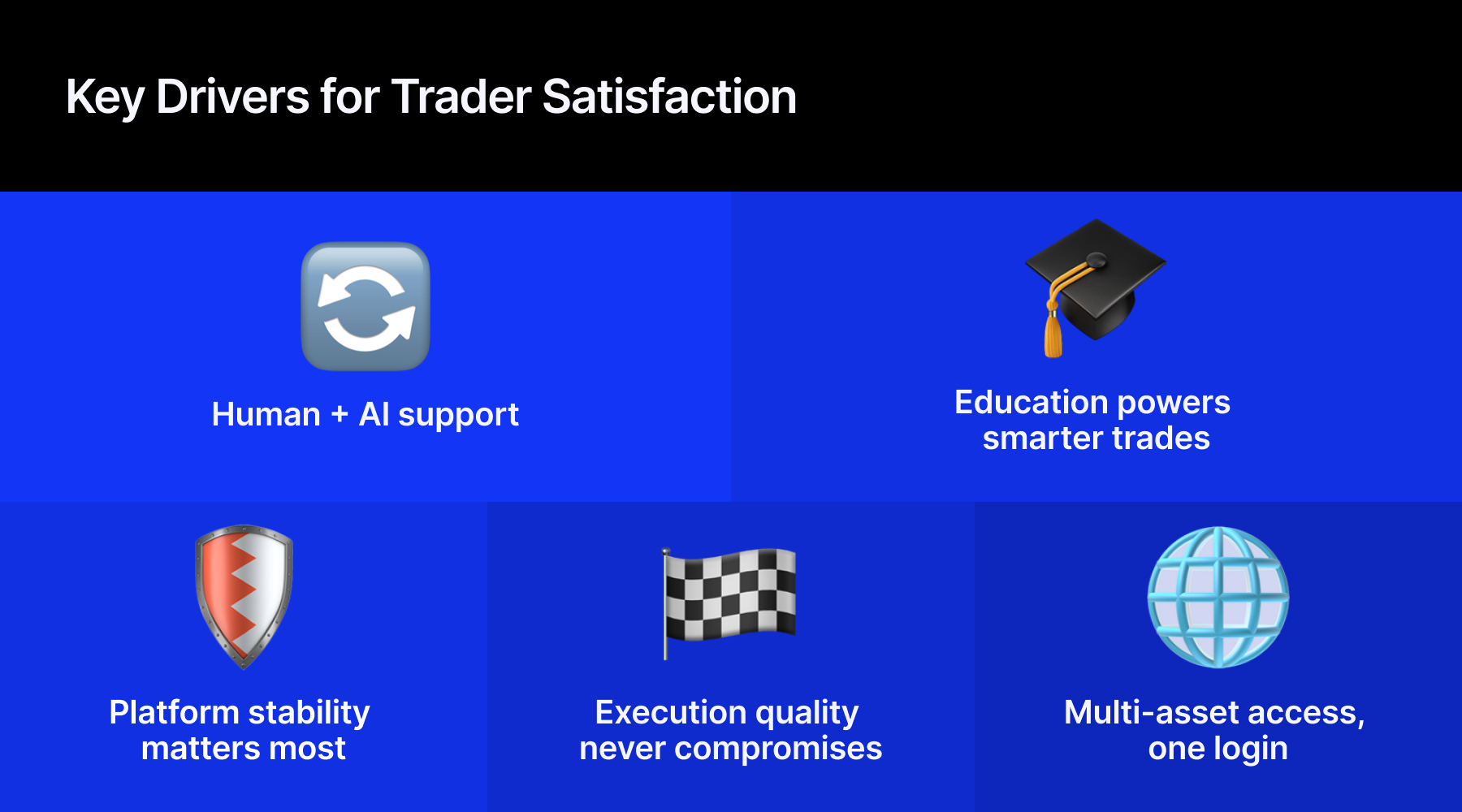
Traders in Singapore prioritise human accessibility, MAS regulation, platform stability, and execution quality.
As the CFD market in Singapore kicks back into growth,
providers need to ensure that their customer service management meets the
expectations of new and existing clients alike.
Brokers cannot afford to get it wrong with previously
inactive traders returning to the market. First impressions last and Lorenzo
Vignati, associate research director at Investment Trends refers to a shift
from expansion to engagement in the Singapore market, where brokers must now
focus on winning back traders who stopped participating.
Lorenzo Vignati, Associate Research Director, Investment Trends, Source: LinkedIn
Relationship management isn’t about sales; it’s about
responsiveness, transparency and consistency, offering clients access to
in-depth research, actionable insights and educational material to support the
trading journey, says Phil Waters, managing director for Asia Pacific and
emerging markets for OANDA.
“That also means very clear communication around risk and
pricing,” he adds. “When clients return to the market after being inactive, the
experience they have in those first few weeks really determines whether they
stay engaged.”
Lim Jian Yi, head of dealing, contract for difference at
Phillip Securities agrees that customer relationship management is highly
important to CFD traders
and notes that brokers can enhance client satisfaction through proactive
engagement - particularly during periods of heightened market volatility - as
well as by providing personalised service.
Phil Waters – Managing Director for Asia Pacific and Emerging Markets, OANDA
“CFD traders in Singapore place a high premium on trust,
reliability and service quality,” says Andreas Wigström, managing director of
LMAX Global. “Satisfaction is driven by consistent execution, platform
stability and proactive communication."
"Poor experiences or weak support -
rather than price alone - are often the deciding factors when traders choose to
switch providers.”
Human Support Still Matters in a Digital Trading
Environment
In an environment shaped by constantly evolving regulations
and risk considerations, traders in Singapore value human accessibility in a
digital platform age, suggests Ademola Olopade, group head of prime brokerage
and investment Solutions and CEO of Mauritius, CGS International Securities.
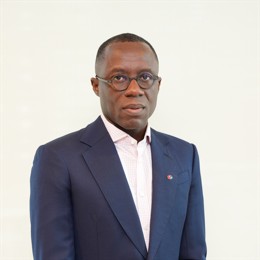
Ademola Olopade, CEO of Mauritius, CGS International Securities
“Margin communication, corporate actions and execution
transparency significantly influence long-term client retention,” he says.
“The
three most important factors in customer relationship management are execution
reliability of the broker, clear and consistent risk frameworks and proactive
communication during
volatile markets.”
Yaki Razmovich, managing director, eToro Singapore and Asia,
says his firm’s strategy includes providing both human and AI-driven
support through different channels (including help centre and live chat)
and an AI agent that helps customers explore the market, analyse their
portfolios, learn about investing and navigate the platform as well as a
loyalty programme.
Andreas Wigström, Managing Director, LMAX Global, Source: LinkedIn
“A quality service is an important factor in determining
whether traders stay active,” agrees Robson Lee, assistant honorary secretary
of the Securities Investors Association (Singapore).
“Brokers can ensure
customer satisfaction and boost retention rates by focusing on a combination of
reliable technology, competitive pricing, high-touch support and educational
resources.”
Demand Grows for Unified Multi-Asset Trading Platforms
The issue of platform stability arose in Investment Trends'
2025 Singapore Leverage Trading Report, which found that more than half of CFD
traders in Singapore want to manage all leveraged products through a single
platform.
Waters observes that managing FX, indices, commodities and
share CFDs across multiple accounts adds friction and that a unified,
multi-asset environment makes funding simpler, reporting cleaner and risk
management more transparent.
“That has been a big shift in recent years,” he says.
“Traders want institutional-style functionality but delivered through a single,
intuitive platform experience.”
Lim Jian Yi – Head of Dealing, Contract for Difference, Phillip Securities
There is a clear and growing preference for managing all
leveraged products through a single, multi-asset
platform. Traders value the efficiency this brings in terms of simpler
funding, lower overall costs and a consolidated view of risk across positions.
That is the view of Wigström, who says this shift is
accelerating consolidation in the market as platforms compete to offer broader,
more integrated solutions.
Olopade refers to CFD traders in Singapore increasingly
seeking streamlined collateral management and real-time exposure tracking,
noting that managing US equities, commodities and other CFD products within a
unified margin framework improves capital efficiency and holistic portfolio
visibility and describing integrated multi-asset capability as a strong
competitive differentiator.
Multi-asset trading is now a defining segment of Singapore’s
investor landscape, agrees Razmovich. “Many traders prefer to use a single
platform as it also means they just need to fund one account and grouping
uninvested funds can generate more interest.”
What Singapore CFD Traders Look for in a Broker
Yaki Razmovich – Managing Director, eToro Singapore and Asia
In terms of the factors CFD traders take into account when
choosing a trading platform, Waters reckons that trust is still the foundation
and that being regulated in Singapore matters.
“After that, it comes down to execution quality, pricing
transparency and platform capability,” he says. “Traders want competitive spreads,
reliable fills and tools that allow them to manage risk properly, including
features like guaranteed stop-loss orders.
Platform flexibility is also
important since some prefer TradingView’s interface, while others trade
algorithmically on MT4 or MT5.”
Waters adds that traders in Singapore are highly rational in
how they choose a broker, looking at longevity, stability and whether the
broker has been through multiple market cycles.
Robson Lee – Assistant Honorary Secretary, Securities Investors Association (Singapore)
The range of asset classes and functionalities such as
charting tools and AI-powered insights are important considerations, suggests
Razmovich, while new or less experienced retail investors can benefit from
platforms that provide educational resources and allow them to learn and engage
with a community as they develop their portfolio.
“Costs also matter, as spreads, commissions and other fees
can impact returns over time,” he says.
“Finally, security and compliance are vital. Choosing a
trusted platform that understands the nuances and regulatory standards of your
country should be a high priority.”
Singaporean traders typically balance cost against
reliability and institutional-grade infrastructure according to Olopade, while
Wigström says trust and regulatory credibility are the starting point, followed
closely by execution quality, transparency and total cost of trading.
For inexperienced traders, the focus would be on the ease of
use of the trading platform and availability of educational resources, agrees
Lee.
“Traders are likely to be more sensitive to the credibility
and legality of trading platforms, particularly when the Monetary Authority of
Singapore has been cracking down on unregulated platforms that offer high
leverage, trading bonuses or zero transparency to protect retail investors,” he
concludes.
As the CFD market in Singapore kicks back into growth,
providers need to ensure that their customer service management meets the
expectations of new and existing clients alike.
Brokers cannot afford to get it wrong with previously
inactive traders returning to the market. First impressions last and Lorenzo
Vignati, associate research director at Investment Trends refers to a shift
from expansion to engagement in the Singapore market, where brokers must now
focus on winning back traders who stopped participating.
Lorenzo Vignati, Associate Research Director, Investment Trends, Source: LinkedIn
Relationship management isn’t about sales; it’s about
responsiveness, transparency and consistency, offering clients access to
in-depth research, actionable insights and educational material to support the
trading journey, says Phil Waters, managing director for Asia Pacific and
emerging markets for OANDA.
“That also means very clear communication around risk and
pricing,” he adds. “When clients return to the market after being inactive, the
experience they have in those first few weeks really determines whether they
stay engaged.”
Lim Jian Yi, head of dealing, contract for difference at
Phillip Securities agrees that customer relationship management is highly
important to CFD traders
and notes that brokers can enhance client satisfaction through proactive
engagement - particularly during periods of heightened market volatility - as
well as by providing personalised service.
Phil Waters – Managing Director for Asia Pacific and Emerging Markets, OANDA
“CFD traders in Singapore place a high premium on trust,
reliability and service quality,” says Andreas Wigström, managing director of
LMAX Global. “Satisfaction is driven by consistent execution, platform
stability and proactive communication."
"Poor experiences or weak support -
rather than price alone - are often the deciding factors when traders choose to
switch providers.”
Human Support Still Matters in a Digital Trading
Environment
In an environment shaped by constantly evolving regulations
and risk considerations, traders in Singapore value human accessibility in a
digital platform age, suggests Ademola Olopade, group head of prime brokerage
and investment Solutions and CEO of Mauritius, CGS International Securities.
Ademola Olopade, CEO of Mauritius, CGS International Securities
“Margin communication, corporate actions and execution
transparency significantly influence long-term client retention,” he says.
“The
three most important factors in customer relationship management are execution
reliability of the broker, clear and consistent risk frameworks and proactive
communication during
volatile markets.”
Yaki Razmovich, managing director, eToro Singapore and Asia,
says his firm’s strategy includes providing both human and AI-driven
support through different channels (including help centre and live chat)
and an AI agent that helps customers explore the market, analyse their
portfolios, learn about investing and navigate the platform as well as a
loyalty programme.
Andreas Wigström, Managing Director, LMAX Global, Source: LinkedIn
“A quality service is an important factor in determining
whether traders stay active,” agrees Robson Lee, assistant honorary secretary
of the Securities Investors Association (Singapore).
“Brokers can ensure
customer satisfaction and boost retention rates by focusing on a combination of
reliable technology, competitive pricing, high-touch support and educational
resources.”
Demand Grows for Unified Multi-Asset Trading Platforms
The issue of platform stability arose in Investment Trends'
2025 Singapore Leverage Trading Report, which found that more than half of CFD
traders in Singapore want to manage all leveraged products through a single
platform.
Waters observes that managing FX, indices, commodities and
share CFDs across multiple accounts adds friction and that a unified,
multi-asset environment makes funding simpler, reporting cleaner and risk
management more transparent.
“That has been a big shift in recent years,” he says.
“Traders want institutional-style functionality but delivered through a single,
intuitive platform experience.”
Lim Jian Yi – Head of Dealing, Contract for Difference, Phillip Securities
There is a clear and growing preference for managing all
leveraged products through a single, multi-asset
platform. Traders value the efficiency this brings in terms of simpler
funding, lower overall costs and a consolidated view of risk across positions.
That is the view of Wigström, who says this shift is
accelerating consolidation in the market as platforms compete to offer broader,
more integrated solutions.
Olopade refers to CFD traders in Singapore increasingly
seeking streamlined collateral management and real-time exposure tracking,
noting that managing US equities, commodities and other CFD products within a
unified margin framework improves capital efficiency and holistic portfolio
visibility and describing integrated multi-asset capability as a strong
competitive differentiator.
Multi-asset trading is now a defining segment of Singapore’s
investor landscape, agrees Razmovich. “Many traders prefer to use a single
platform as it also means they just need to fund one account and grouping
uninvested funds can generate more interest.”
What Singapore CFD Traders Look for in a Broker
Yaki Razmovich – Managing Director, eToro Singapore and Asia
In terms of the factors CFD traders take into account when
choosing a trading platform, Waters reckons that trust is still the foundation
and that being regulated in Singapore matters.
“After that, it comes down to execution quality, pricing
transparency and platform capability,” he says. “Traders want competitive spreads,
reliable fills and tools that allow them to manage risk properly, including
features like guaranteed stop-loss orders.
Platform flexibility is also
important since some prefer TradingView’s interface, while others trade
algorithmically on MT4 or MT5.”
Waters adds that traders in Singapore are highly rational in
how they choose a broker, looking at longevity, stability and whether the
broker has been through multiple market cycles.
Robson Lee – Assistant Honorary Secretary, Securities Investors Association (Singapore)
The range of asset classes and functionalities such as
charting tools and AI-powered insights are important considerations, suggests
Razmovich, while new or less experienced retail investors can benefit from
platforms that provide educational resources and allow them to learn and engage
with a community as they develop their portfolio.
“Costs also matter, as spreads, commissions and other fees
can impact returns over time,” he says.
“Finally, security and compliance are vital. Choosing a
trusted platform that understands the nuances and regulatory standards of your
country should be a high priority.”
Singaporean traders typically balance cost against
reliability and institutional-grade infrastructure according to Olopade, while
Wigström says trust and regulatory credibility are the starting point, followed
closely by execution quality, transparency and total cost of trading.
For inexperienced traders, the focus would be on the ease of
use of the trading platform and availability of educational resources, agrees
Lee.
“Traders are likely to be more sensitive to the credibility
and legality of trading platforms, particularly when the Monetary Authority of
Singapore has been cracking down on unregulated platforms that offer high
leverage, trading bonuses or zero transparency to protect retail investors,” he
concludes.
Paul Golden is an experienced freelance financial journalist with a strong institutional background. Over the past two decades, he has written for globally recognised financial publications, covering topics such as market structure, regulation, trading behaviour, and economic policy.
The Broker Volumes and Client Numbers ChatGPT Cannot Reach Now Have Their Own Chatbot
Featured Videos
IG Seeks UK Gambling Licence; OANDA Japan Holds Withdrawals
IG Seeks UK Gambling Licence; OANDA Japan Holds Withdrawals
IG Seeks UK Gambling Licence; OANDA Japan Holds Withdrawals
IG Seeks UK Gambling Licence; OANDA Japan Holds Withdrawals
Today’s financial news recap covers IG's plans to enter prediction markets, OANDA Japan's withdrawal suspension after a server hack, a NAGA's falling earnings amid rising marketing costs
Finance Magnates Daily Recap brings you the latest news from forex and CFD brokers, fintech, payments, cryptocurrency, digital assets, trading platforms, financial regulation and global markets.
Get the key company news, executive moves, deals, regulatory updates and market developments of the day, in just a few minutes. New episodes published every weekday.
Read more: https://www.financemagnates.com
#FinanceMagnates #ForexNews #FintechNews
Today’s financial news recap covers IG's plans to enter prediction markets, OANDA Japan's withdrawal suspension after a server hack, a NAGA's falling earnings amid rising marketing costs
Finance Magnates Daily Recap brings you the latest news from forex and CFD brokers, fintech, payments, cryptocurrency, digital assets, trading platforms, financial regulation and global markets.
Get the key company news, executive moves, deals, regulatory updates and market developments of the day, in just a few minutes. New episodes published every weekday.
Read more: https://www.financemagnates.com
#FinanceMagnates #ForexNews #FintechNews
Today’s financial news recap covers IG's plans to enter prediction markets, OANDA Japan's withdrawal suspension after a server hack, a NAGA's falling earnings amid rising marketing costs
Finance Magnates Daily Recap brings you the latest news from forex and CFD brokers, fintech, payments, cryptocurrency, digital assets, trading platforms, financial regulation and global markets.
Get the key company news, executive moves, deals, regulatory updates and market developments of the day, in just a few minutes. New episodes published every weekday.
Read more: https://www.financemagnates.com
#FinanceMagnates #ForexNews #FintechNews
Today’s financial news recap covers IG's plans to enter prediction markets, OANDA Japan's withdrawal suspension after a server hack, a NAGA's falling earnings amid rising marketing costs
Finance Magnates Daily Recap brings you the latest news from forex and CFD brokers, fintech, payments, cryptocurrency, digital assets, trading platforms, financial regulation and global markets.
Get the key company news, executive moves, deals, regulatory updates and market developments of the day, in just a few minutes. New episodes published every weekday.
Read more: https://www.financemagnates.com
#FinanceMagnates #ForexNews #FintechNews
FMIQ: Get Verified Market Intelligence in Seconds | FM Intelligence
FMIQ: Get Verified Market Intelligence in Seconds | FM Intelligence
FMIQ: Get Verified Market Intelligence in Seconds | FM Intelligence
FMIQ: Get Verified Market Intelligence in Seconds | FM Intelligence
FMIQ: Get Verified Market Intelligence in Seconds | FM Intelligence
FMIQ: Get Verified Market Intelligence in Seconds | FM Intelligence
Meet FMIQ (FM Intelligence Quantitative), now available inside the FM Intelligence Portal.
Ask the market a question in plain language and get a sourced, verified answer in seconds. FMIQ gives you the figures, time periods, and sources you need to make informed decisions, without the need to work through dashboards, filters, or spreadsheet exports.
What makes FMIQ different?
✓ Ask questions in plain language, with no SQL or dashboard setup required.
✓ Get verified answers checked through an independent quality assurance step.
✓ Access sourced figures you can cite with confidence.
✓ Ask follow-up questions and build on the same conversation.
✓ Query seven datasets in one place, covering trading volumes, traffic, platforms, market movements, regulations, fines, and licences.
Built for professionals across the financial markets
- Editorial teams: Find reliable figures and support your reporting with clear sources.
- Commercial teams: Access the market data you need to prepare for client meetings and sales discussions.
- Research and analyst teams: Explore market trends and get answers to specific questions.
- Compliance teams: Access intelligence on regulations, fines, and licences.
Every query is run live, and answers go through an independent quality check. FMIQ is read-only, stays focused on your question, and does not alter the underlying data.
Built on Finance Magnates market intelligence, FMIQ helps professionals get the answers they need, when they need them.
Access FMIQ today: https://datalab.financemagnates.com/market?utm_source=youtube&utm_medium=video&utm_campaign=fmiq_phase1_mvp_launch
#FMIntelligence #FMIQ #MarketIntelligence #FinanceMagnates #FinancialMarkets #MarketResearch
Meet FMIQ (FM Intelligence Quantitative), now available inside the FM Intelligence Portal.
Ask the market a question in plain language and get a sourced, verified answer in seconds. FMIQ gives you the figures, time periods, and sources you need to make informed decisions, without the need to work through dashboards, filters, or spreadsheet exports.
What makes FMIQ different?
✓ Ask questions in plain language, with no SQL or dashboard setup required.
✓ Get verified answers checked through an independent quality assurance step.
✓ Access sourced figures you can cite with confidence.
✓ Ask follow-up questions and build on the same conversation.
✓ Query seven datasets in one place, covering trading volumes, traffic, platforms, market movements, regulations, fines, and licences.
Built for professionals across the financial markets
- Editorial teams: Find reliable figures and support your reporting with clear sources.
- Commercial teams: Access the market data you need to prepare for client meetings and sales discussions.
- Research and analyst teams: Explore market trends and get answers to specific questions.
- Compliance teams: Access intelligence on regulations, fines, and licences.
Every query is run live, and answers go through an independent quality check. FMIQ is read-only, stays focused on your question, and does not alter the underlying data.
Built on Finance Magnates market intelligence, FMIQ helps professionals get the answers they need, when they need them.
Access FMIQ today: https://datalab.financemagnates.com/market?utm_source=youtube&utm_medium=video&utm_campaign=fmiq_phase1_mvp_launch
#FMIntelligence #FMIQ #MarketIntelligence #FinanceMagnates #FinancialMarkets #MarketResearch
Meet FMIQ (FM Intelligence Quantitative), now available inside the FM Intelligence Portal.
Ask the market a question in plain language and get a sourced, verified answer in seconds. FMIQ gives you the figures, time periods, and sources you need to make informed decisions, without the need to work through dashboards, filters, or spreadsheet exports.
What makes FMIQ different?
✓ Ask questions in plain language, with no SQL or dashboard setup required.
✓ Get verified answers checked through an independent quality assurance step.
✓ Access sourced figures you can cite with confidence.
✓ Ask follow-up questions and build on the same conversation.
✓ Query seven datasets in one place, covering trading volumes, traffic, platforms, market movements, regulations, fines, and licences.
Built for professionals across the financial markets
- Editorial teams: Find reliable figures and support your reporting with clear sources.
- Commercial teams: Access the market data you need to prepare for client meetings and sales discussions.
- Research and analyst teams: Explore market trends and get answers to specific questions.
- Compliance teams: Access intelligence on regulations, fines, and licences.
Every query is run live, and answers go through an independent quality check. FMIQ is read-only, stays focused on your question, and does not alter the underlying data.
Built on Finance Magnates market intelligence, FMIQ helps professionals get the answers they need, when they need them.
Access FMIQ today: https://datalab.financemagnates.com/market?utm_source=youtube&utm_medium=video&utm_campaign=fmiq_phase1_mvp_launch
#FMIntelligence #FMIQ #MarketIntelligence #FinanceMagnates #FinancialMarkets #MarketResearch
Meet FMIQ (FM Intelligence Quantitative), now available inside the FM Intelligence Portal.
Ask the market a question in plain language and get a sourced, verified answer in seconds. FMIQ gives you the figures, time periods, and sources you need to make informed decisions, without the need to work through dashboards, filters, or spreadsheet exports.
What makes FMIQ different?
✓ Ask questions in plain language, with no SQL or dashboard setup required.
✓ Get verified answers checked through an independent quality assurance step.
✓ Access sourced figures you can cite with confidence.
✓ Ask follow-up questions and build on the same conversation.
✓ Query seven datasets in one place, covering trading volumes, traffic, platforms, market movements, regulations, fines, and licences.
Built for professionals across the financial markets
- Editorial teams: Find reliable figures and support your reporting with clear sources.
- Commercial teams: Access the market data you need to prepare for client meetings and sales discussions.
- Research and analyst teams: Explore market trends and get answers to specific questions.
- Compliance teams: Access intelligence on regulations, fines, and licences.
Every query is run live, and answers go through an independent quality check. FMIQ is read-only, stays focused on your question, and does not alter the underlying data.
Built on Finance Magnates market intelligence, FMIQ helps professionals get the answers they need, when they need them.
Access FMIQ today: https://datalab.financemagnates.com/market?utm_source=youtube&utm_medium=video&utm_campaign=fmiq_phase1_mvp_launch
#FMIntelligence #FMIQ #MarketIntelligence #FinanceMagnates #FinancialMarkets #MarketResearch
Meet FMIQ (FM Intelligence Quantitative), now available inside the FM Intelligence Portal.
Ask the market a question in plain language and get a sourced, verified answer in seconds. FMIQ gives you the figures, time periods, and sources you need to make informed decisions, without the need to work through dashboards, filters, or spreadsheet exports.
What makes FMIQ different?
✓ Ask questions in plain language, with no SQL or dashboard setup required.
✓ Get verified answers checked through an independent quality assurance step.
✓ Access sourced figures you can cite with confidence.
✓ Ask follow-up questions and build on the same conversation.
✓ Query seven datasets in one place, covering trading volumes, traffic, platforms, market movements, regulations, fines, and licences.
Built for professionals across the financial markets
- Editorial teams: Find reliable figures and support your reporting with clear sources.
- Commercial teams: Access the market data you need to prepare for client meetings and sales discussions.
- Research and analyst teams: Explore market trends and get answers to specific questions.
- Compliance teams: Access intelligence on regulations, fines, and licences.
Every query is run live, and answers go through an independent quality check. FMIQ is read-only, stays focused on your question, and does not alter the underlying data.
Built on Finance Magnates market intelligence, FMIQ helps professionals get the answers they need, when they need them.
Access FMIQ today: https://datalab.financemagnates.com/market?utm_source=youtube&utm_medium=video&utm_campaign=fmiq_phase1_mvp_launch
#FMIntelligence #FMIQ #MarketIntelligence #FinanceMagnates #FinancialMarkets #MarketResearch
Meet FMIQ (FM Intelligence Quantitative), now available inside the FM Intelligence Portal.
Ask the market a question in plain language and get a sourced, verified answer in seconds. FMIQ gives you the figures, time periods, and sources you need to make informed decisions, without the need to work through dashboards, filters, or spreadsheet exports.
What makes FMIQ different?
✓ Ask questions in plain language, with no SQL or dashboard setup required.
✓ Get verified answers checked through an independent quality assurance step.
✓ Access sourced figures you can cite with confidence.
✓ Ask follow-up questions and build on the same conversation.
✓ Query seven datasets in one place, covering trading volumes, traffic, platforms, market movements, regulations, fines, and licences.
Built for professionals across the financial markets
- Editorial teams: Find reliable figures and support your reporting with clear sources.
- Commercial teams: Access the market data you need to prepare for client meetings and sales discussions.
- Research and analyst teams: Explore market trends and get answers to specific questions.
- Compliance teams: Access intelligence on regulations, fines, and licences.
Every query is run live, and answers go through an independent quality check. FMIQ is read-only, stays focused on your question, and does not alter the underlying data.
Built on Finance Magnates market intelligence, FMIQ helps professionals get the answers they need, when they need them.
Access FMIQ today: https://datalab.financemagnates.com/market?utm_source=youtube&utm_medium=video&utm_campaign=fmiq_phase1_mvp_launch
#FMIntelligence #FMIQ #MarketIntelligence #FinanceMagnates #FinancialMarkets #MarketResearch
MyForexFunds Details No Conflict Model; UK Eyes iPhone Wallets
MyForexFunds Details No Conflict Model; UK Eyes iPhone Wallets
MyForexFunds Details No Conflict Model; UK Eyes iPhone Wallets
MyForexFunds Details No Conflict Model; UK Eyes iPhone Wallets
MyForexFunds Details No Conflict Model; UK Eyes iPhone Wallets
MyForexFunds Details No Conflict Model; UK Eyes iPhone Wallets
Today’s financial news recap covers MyForexFunds outlines its Evolution relaunch, UK brokers could get their own iPhone wallets, Goat Funded Trader reports $26 million in payouts, and Kalshi explains its pitch to brokers.
Finance Magnates Daily Recap brings you the latest news from forex and CFD brokers, fintech, payments, cryptocurrency, digital assets, trading platforms, financial regulation and global markets.
Get the key company news, executive moves, deals, regulatory updates and market developments of the day, in just a few minutes. New episodes published every weekday.
Read more: https://www.financemagnates.com
#FinanceMagnates #ForexNews #FintechNews
Today’s financial news recap covers MyForexFunds outlines its Evolution relaunch, UK brokers could get their own iPhone wallets, Goat Funded Trader reports $26 million in payouts, and Kalshi explains its pitch to brokers.
Finance Magnates Daily Recap brings you the latest news from forex and CFD brokers, fintech, payments, cryptocurrency, digital assets, trading platforms, financial regulation and global markets.
Get the key company news, executive moves, deals, regulatory updates and market developments of the day, in just a few minutes. New episodes published every weekday.
Read more: https://www.financemagnates.com
#FinanceMagnates #ForexNews #FintechNews
Today’s financial news recap covers MyForexFunds outlines its Evolution relaunch, UK brokers could get their own iPhone wallets, Goat Funded Trader reports $26 million in payouts, and Kalshi explains its pitch to brokers.
Finance Magnates Daily Recap brings you the latest news from forex and CFD brokers, fintech, payments, cryptocurrency, digital assets, trading platforms, financial regulation and global markets.
Get the key company news, executive moves, deals, regulatory updates and market developments of the day, in just a few minutes. New episodes published every weekday.
Read more: https://www.financemagnates.com
#FinanceMagnates #ForexNews #FintechNews
Today’s financial news recap covers MyForexFunds outlines its Evolution relaunch, UK brokers could get their own iPhone wallets, Goat Funded Trader reports $26 million in payouts, and Kalshi explains its pitch to brokers.
Finance Magnates Daily Recap brings you the latest news from forex and CFD brokers, fintech, payments, cryptocurrency, digital assets, trading platforms, financial regulation and global markets.
Get the key company news, executive moves, deals, regulatory updates and market developments of the day, in just a few minutes. New episodes published every weekday.
Read more: https://www.financemagnates.com
#FinanceMagnates #ForexNews #FintechNews
Today’s financial news recap covers MyForexFunds outlines its Evolution relaunch, UK brokers could get their own iPhone wallets, Goat Funded Trader reports $26 million in payouts, and Kalshi explains its pitch to brokers.
Finance Magnates Daily Recap brings you the latest news from forex and CFD brokers, fintech, payments, cryptocurrency, digital assets, trading platforms, financial regulation and global markets.
Get the key company news, executive moves, deals, regulatory updates and market developments of the day, in just a few minutes. New episodes published every weekday.
Read more: https://www.financemagnates.com
#FinanceMagnates #ForexNews #FintechNews
Today’s financial news recap covers MyForexFunds outlines its Evolution relaunch, UK brokers could get their own iPhone wallets, Goat Funded Trader reports $26 million in payouts, and Kalshi explains its pitch to brokers.
Finance Magnates Daily Recap brings you the latest news from forex and CFD brokers, fintech, payments, cryptocurrency, digital assets, trading platforms, financial regulation and global markets.
Get the key company news, executive moves, deals, regulatory updates and market developments of the day, in just a few minutes. New episodes published every weekday.
Read more: https://www.financemagnates.com
#FinanceMagnates #ForexNews #FintechNews
How Much Are CFD Industry Executives Making; Plus500 Buys Brazilian Broker
How Much Are CFD Industry Executives Making; Plus500 Buys Brazilian Broker
How Much Are CFD Industry Executives Making; Plus500 Buys Brazilian Broker
How Much Are CFD Industry Executives Making; Plus500 Buys Brazilian Broker
How Much Are CFD Industry Executives Making; Plus500 Buys Brazilian Broker
How Much Are CFD Industry Executives Making; Plus500 Buys Brazilian Broker
Today’s financial news recap covers FinTop Consulting shared its 2026 salary surveys for Dubai, London and Cyprus with Finance Magnates, Plus500 buys a Brazilian broker, and Google opens the door to CFD ads in Denmark and Chile.
Finance Magnates Daily Recap brings you the latest news from forex and CFD brokers, fintech, payments, cryptocurrency, digital assets, trading platforms, financial regulation and global markets.
Get the key company news, executive moves, deals, regulatory updates and market developments of the day, in just a few minutes. New episodes published every weekday.
Read more: https://www.financemagnates.com
#FinanceMagnates #ForexNews #FintechNews
Today’s financial news recap covers FinTop Consulting shared its 2026 salary surveys for Dubai, London and Cyprus with Finance Magnates, Plus500 buys a Brazilian broker, and Google opens the door to CFD ads in Denmark and Chile.
Finance Magnates Daily Recap brings you the latest news from forex and CFD brokers, fintech, payments, cryptocurrency, digital assets, trading platforms, financial regulation and global markets.
Get the key company news, executive moves, deals, regulatory updates and market developments of the day, in just a few minutes. New episodes published every weekday.
Read more: https://www.financemagnates.com
#FinanceMagnates #ForexNews #FintechNews
Today’s financial news recap covers FinTop Consulting shared its 2026 salary surveys for Dubai, London and Cyprus with Finance Magnates, Plus500 buys a Brazilian broker, and Google opens the door to CFD ads in Denmark and Chile.
Finance Magnates Daily Recap brings you the latest news from forex and CFD brokers, fintech, payments, cryptocurrency, digital assets, trading platforms, financial regulation and global markets.
Get the key company news, executive moves, deals, regulatory updates and market developments of the day, in just a few minutes. New episodes published every weekday.
Read more: https://www.financemagnates.com
#FinanceMagnates #ForexNews #FintechNews
Today’s financial news recap covers FinTop Consulting shared its 2026 salary surveys for Dubai, London and Cyprus with Finance Magnates, Plus500 buys a Brazilian broker, and Google opens the door to CFD ads in Denmark and Chile.
Finance Magnates Daily Recap brings you the latest news from forex and CFD brokers, fintech, payments, cryptocurrency, digital assets, trading platforms, financial regulation and global markets.
Get the key company news, executive moves, deals, regulatory updates and market developments of the day, in just a few minutes. New episodes published every weekday.
Read more: https://www.financemagnates.com
#FinanceMagnates #ForexNews #FintechNews
Today’s financial news recap covers FinTop Consulting shared its 2026 salary surveys for Dubai, London and Cyprus with Finance Magnates, Plus500 buys a Brazilian broker, and Google opens the door to CFD ads in Denmark and Chile.
Finance Magnates Daily Recap brings you the latest news from forex and CFD brokers, fintech, payments, cryptocurrency, digital assets, trading platforms, financial regulation and global markets.
Get the key company news, executive moves, deals, regulatory updates and market developments of the day, in just a few minutes. New episodes published every weekday.
Read more: https://www.financemagnates.com
#FinanceMagnates #ForexNews #FintechNews
Today’s financial news recap covers FinTop Consulting shared its 2026 salary surveys for Dubai, London and Cyprus with Finance Magnates, Plus500 buys a Brazilian broker, and Google opens the door to CFD ads in Denmark and Chile.
Finance Magnates Daily Recap brings you the latest news from forex and CFD brokers, fintech, payments, cryptocurrency, digital assets, trading platforms, financial regulation and global markets.
Get the key company news, executive moves, deals, regulatory updates and market developments of the day, in just a few minutes. New episodes published every weekday.
Read more: https://www.financemagnates.com
#FinanceMagnates #ForexNews #FintechNews
Capital.com UAE Clients Trade $1T in H1; Saxo Signs Nine Athletes
Capital.com UAE Clients Trade $1T in H1; Saxo Signs Nine Athletes
Capital.com UAE Clients Trade $1T in H1; Saxo Signs Nine Athletes
Capital.com UAE Clients Trade $1T in H1; Saxo Signs Nine Athletes
Capital.com UAE Clients Trade $1T in H1; Saxo Signs Nine Athletes
Capital.com UAE Clients Trade $1T in H1; Saxo Signs Nine Athletes
Today’s financial news recap covers Capital.com’s trading data, Saxo Bank’s athlete campaign, Revolut’s Gibraltar crypto licence, and eToro’s new desktop terminal.
Finance Magnates Daily Recap brings you the latest news from forex and CFD brokers, fintech, payments, cryptocurrency, digital assets, trading platforms, financial regulation and global markets.
Get the key company news, executive moves, deals, regulatory updates and market developments of the day, in just a few minutes. New episodes published every weekday.
Read more: https://www.financemagnates.com
#FinanceMagnates #ForexNews #FintechNews
Today’s financial news recap covers Capital.com’s trading data, Saxo Bank’s athlete campaign, Revolut’s Gibraltar crypto licence, and eToro’s new desktop terminal.
Finance Magnates Daily Recap brings you the latest news from forex and CFD brokers, fintech, payments, cryptocurrency, digital assets, trading platforms, financial regulation and global markets.
Get the key company news, executive moves, deals, regulatory updates and market developments of the day, in just a few minutes. New episodes published every weekday.
Read more: https://www.financemagnates.com
#FinanceMagnates #ForexNews #FintechNews
Today’s financial news recap covers Capital.com’s trading data, Saxo Bank’s athlete campaign, Revolut’s Gibraltar crypto licence, and eToro’s new desktop terminal.
Finance Magnates Daily Recap brings you the latest news from forex and CFD brokers, fintech, payments, cryptocurrency, digital assets, trading platforms, financial regulation and global markets.
Get the key company news, executive moves, deals, regulatory updates and market developments of the day, in just a few minutes. New episodes published every weekday.
Read more: https://www.financemagnates.com
#FinanceMagnates #ForexNews #FintechNews
Today’s financial news recap covers Capital.com’s trading data, Saxo Bank’s athlete campaign, Revolut’s Gibraltar crypto licence, and eToro’s new desktop terminal.
Finance Magnates Daily Recap brings you the latest news from forex and CFD brokers, fintech, payments, cryptocurrency, digital assets, trading platforms, financial regulation and global markets.
Get the key company news, executive moves, deals, regulatory updates and market developments of the day, in just a few minutes. New episodes published every weekday.
Read more: https://www.financemagnates.com
#FinanceMagnates #ForexNews #FintechNews
Today’s financial news recap covers Capital.com’s trading data, Saxo Bank’s athlete campaign, Revolut’s Gibraltar crypto licence, and eToro’s new desktop terminal.
Finance Magnates Daily Recap brings you the latest news from forex and CFD brokers, fintech, payments, cryptocurrency, digital assets, trading platforms, financial regulation and global markets.
Get the key company news, executive moves, deals, regulatory updates and market developments of the day, in just a few minutes. New episodes published every weekday.
Read more: https://www.financemagnates.com
#FinanceMagnates #ForexNews #FintechNews
Today’s financial news recap covers Capital.com’s trading data, Saxo Bank’s athlete campaign, Revolut’s Gibraltar crypto licence, and eToro’s new desktop terminal.
Finance Magnates Daily Recap brings you the latest news from forex and CFD brokers, fintech, payments, cryptocurrency, digital assets, trading platforms, financial regulation and global markets.
Get the key company news, executive moves, deals, regulatory updates and market developments of the day, in just a few minutes. New episodes published every weekday.
Read more: https://www.financemagnates.com
#FinanceMagnates #ForexNews #FintechNews