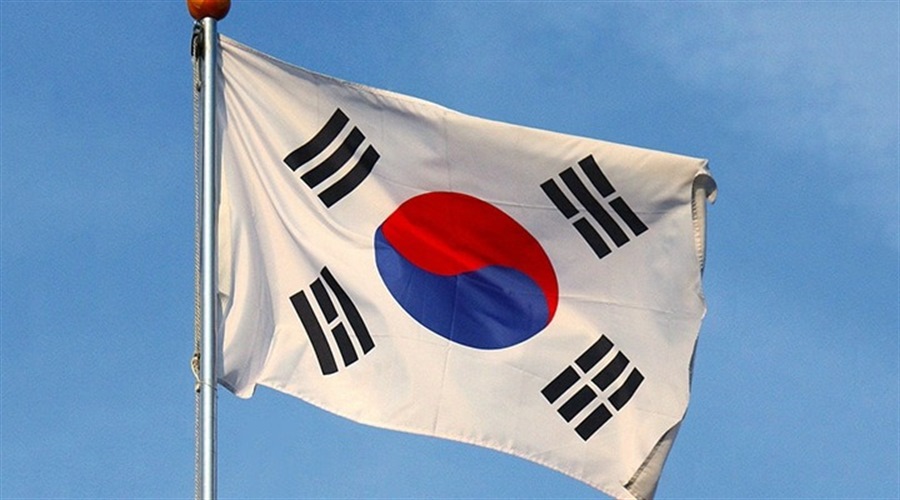
South Korea has opened its doors to offshore firms, granting
them access to its foreign exchange market. The Cabinet recently approved an
amended enforcement decree for the Foreign Exchange Transaction Act, enabling the path forward towards the change. Effective from October 4, the revised regulations will break
down barriers that previously restricted market participation to local
financial institutions and overseas entities with branches in the country.
Instead, the new policy welcomes registered foreign
institutions (RFIs), including global banks and esteemed brokerage houses.
Oversight of these entities' activities will fall under the purview of the Bank
of Korea, as stated by the finance ministry today (Monday).
Opening Doors to Global Firms
Under the revised regulations set to take effect on October
4, the forex
Forex
Foreign exchange or forex is the act of converting one nation’s currency into another nation’s currency (that possesses a different currency); for example, the converting of British Pounds into US Dollars, and vice versa. The exchange of currencies can be done over a physical counter, such as at a Bureau de Change, or over the internet via broker platforms, where currency speculation takes place, known as forex trading.The foreign exchange market, by its very nature, is the world’s largest tradi
Read this Term market will no longer be an exclusive domain for local financial
institutions or foreign entities with a physical presence within South Korea.
Instead, it will open its doors to RFIs. This
policy shift is expected to encourage participation from global banking giants
and reputable brokerage firms, stimulating greater liquidity
Liquidity
The term liquidity refers to the process, speed, and ease of which a given asset or security can be converted into cash. Notably, liquidity surmises a retention in market price, with the most liquid assets representing cash.The most liquid asset of all is cash itself.· In economics, liquidity is defined by how efficiently and quickly an asset can be converted into usable cash without materially affecting its market price. · Nothing is more liquid than cash, while other assets represent
Read this Term and diversity in
the market.
Beyond the policy shift, South Korea is gearing up for
a significant change in its forex market operations. Currently running for 6
1/2 hours from 9 am to 3:30 pm, the market is set to extend its trading
hours to a remarkable 17 hours, closing at 2 am the following day. This
expansion is expected to take place as early as the second half of 2024,
following a six-month pilot run, Yonhap reported.
During a seminar held in February in Seoul, the Ministry of
Economy and Finance, along with the Bank of Korea, unveiled
the plan to welcome offshore firms into South Korea's forex markets. These
measures aim to elevate the nation's status in the global financial arena.
Previously, only 54 certified local financial institutions, including banks and
securities firms, had access to the interbank forex market.
South Korea's CFDs Market Resurgence
Meanwhile, South Korea made a significant comeback
in the world of Contracts for Difference (CFDs) trading this month,
following a tumultuous period that saw a stock manipulation
scandal costing $77 million. Most domestic brokerage houses are reintroducing CFDs trading as they
recognize the potential to diversify their revenue streams. This decision comes
after a temporary suspension of CFDs trading in April due to concerns
surrounding stock manipulators exploiting market vulnerabilities.
In addition, the Bank of Korea has issued a compelling
call for the cryptocurrency market to be subject to regulatory standards
that parallel those governing traditional banks. In a recent report by Finance
Magnates, the central bank not only underlined the potential risks tied to
crypto trading but also warned that any financial turmoil arising from this
sector could exert substantial harm on the real economy.
South Korea has opened its doors to offshore firms, granting
them access to its foreign exchange market. The Cabinet recently approved an
amended enforcement decree for the Foreign Exchange Transaction Act, enabling the path forward towards the change. Effective from October 4, the revised regulations will break
down barriers that previously restricted market participation to local
financial institutions and overseas entities with branches in the country.
Instead, the new policy welcomes registered foreign
institutions (RFIs), including global banks and esteemed brokerage houses.
Oversight of these entities' activities will fall under the purview of the Bank
of Korea, as stated by the finance ministry today (Monday).
Opening Doors to Global Firms
Under the revised regulations set to take effect on October
4, the forex
Forex
Foreign exchange or forex is the act of converting one nation’s currency into another nation’s currency (that possesses a different currency); for example, the converting of British Pounds into US Dollars, and vice versa. The exchange of currencies can be done over a physical counter, such as at a Bureau de Change, or over the internet via broker platforms, where currency speculation takes place, known as forex trading.The foreign exchange market, by its very nature, is the world’s largest tradi
Read this Term market will no longer be an exclusive domain for local financial
institutions or foreign entities with a physical presence within South Korea.
Instead, it will open its doors to RFIs. This
policy shift is expected to encourage participation from global banking giants
and reputable brokerage firms, stimulating greater liquidity
Liquidity
The term liquidity refers to the process, speed, and ease of which a given asset or security can be converted into cash. Notably, liquidity surmises a retention in market price, with the most liquid assets representing cash.The most liquid asset of all is cash itself.· In economics, liquidity is defined by how efficiently and quickly an asset can be converted into usable cash without materially affecting its market price. · Nothing is more liquid than cash, while other assets represent
Read this Term and diversity in
the market.
Beyond the policy shift, South Korea is gearing up for
a significant change in its forex market operations. Currently running for 6
1/2 hours from 9 am to 3:30 pm, the market is set to extend its trading
hours to a remarkable 17 hours, closing at 2 am the following day. This
expansion is expected to take place as early as the second half of 2024,
following a six-month pilot run, Yonhap reported.
During a seminar held in February in Seoul, the Ministry of
Economy and Finance, along with the Bank of Korea, unveiled
the plan to welcome offshore firms into South Korea's forex markets. These
measures aim to elevate the nation's status in the global financial arena.
Previously, only 54 certified local financial institutions, including banks and
securities firms, had access to the interbank forex market.
South Korea's CFDs Market Resurgence
Meanwhile, South Korea made a significant comeback
in the world of Contracts for Difference (CFDs) trading this month,
following a tumultuous period that saw a stock manipulation
scandal costing $77 million. Most domestic brokerage houses are reintroducing CFDs trading as they
recognize the potential to diversify their revenue streams. This decision comes
after a temporary suspension of CFDs trading in April due to concerns
surrounding stock manipulators exploiting market vulnerabilities.
In addition, the Bank of Korea has issued a compelling
call for the cryptocurrency market to be subject to regulatory standards
that parallel those governing traditional banks. In a recent report by Finance
Magnates, the central bank not only underlined the potential risks tied to
crypto trading but also warned that any financial turmoil arising from this
sector could exert substantial harm on the real economy.