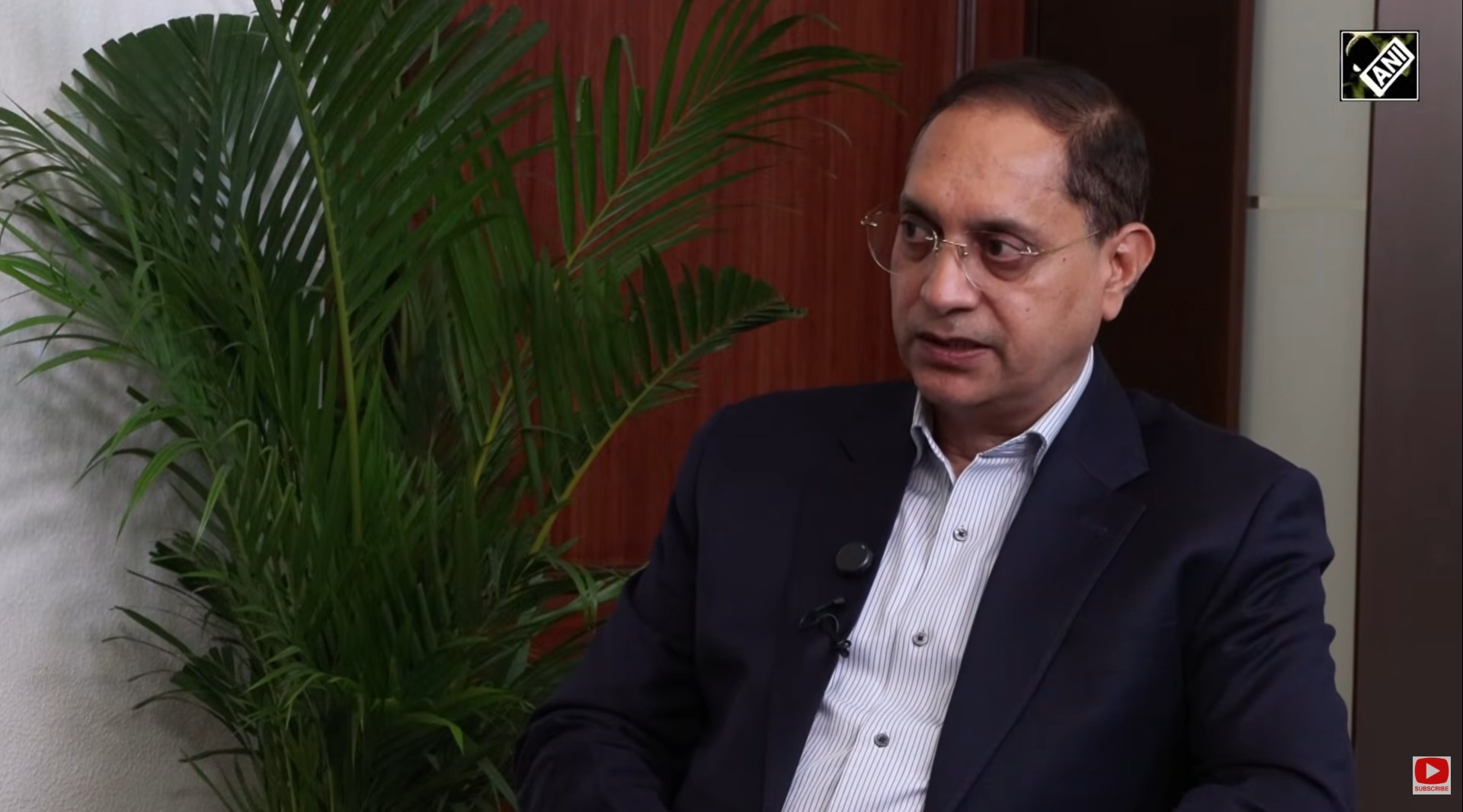
The Securities and Exchange Board of India (SEBI) has removed more than 120,000 misleading social media posts by finfluencers, according to Tuhin Kanta Pandey, SEBI’s Chairman.
Speaking to ANI News, Pandey noted that while the regulator respects the "fundamental right to freedom of expression" regarding financial literacy, it draws the line at solicitation. "Only when you transgress that line and actually mislead investors do we step in," Pandey said.
SEBI rules dictate that to offer investment advice, one must be registered with the regulator. Pandey also noted that the regulator has been using its own AI tool, Sudarshan, to pinpoint transgressions.
India's Derivatives Market Under Pressure
In February 2026, the Reserve Bank of India (RBI) confirmed it would not soften new lending rules for retail brokers and proprietary traders, ignoring industry lobbying to revisit restrictions before they take effect on April 1st.
"There is no change that we are contemplating," said Sanjay Malhotra, the RBI’s governor.

The new rules are stringent, requiring banks to back all credit to capital-market intermediaries with 100% eligible collateral – a stark departure from the previous regime of partial guarantees.
Furthermore, banks are now barred entirely from financing brokers’ proprietary trading, dismantling a structure that allowed prop desks to borrow at twice the value of their deposits.
- Finfluencers Telling You What to Trade? UAE Says Not Without a Licence
- RBI Shuts Door on Broker and Prop Relief: "There Is No Change We Are Contemplating"
- TikTok Traders: Gen Z Shifts to Social Media for Financial Guidance
The RBI’s move is the latest in a series of measures aimed at cooling India’s derivatives market. SEBI’s report for the 2025 financial year reveals that India's retail traders haemorrhaged an estimated $34 billion over four years, with 91% of individual futures and options traders recording losses.
Consequently, the mood among India’s technocrats is shifting to protectionism.
Speaking on February 26th, Ashishkumar Chauhan, the managing director of the National Stock Exchange, argued for "minimum qualifying criteria" for derivatives participants, explicitly to prevent people from "lower strata" of society from wasting capital on speculation.
Yet, despite raising barriers, SEBI has been reluctant to completely ban retail participants.
“If Something Sounds Too Good to Be True, Then It Probably Isn’t”
India is not alone in its unease; finfluencers are on the minds of regulators globally.
A 2024 study by Barclays found that 51% of the UK investors using social media for financial guidance could be exposing themselves to risk by failing to consistently verify the credibility of financial influencers and their content. The risk is more prominent among the Gen Z cohort.
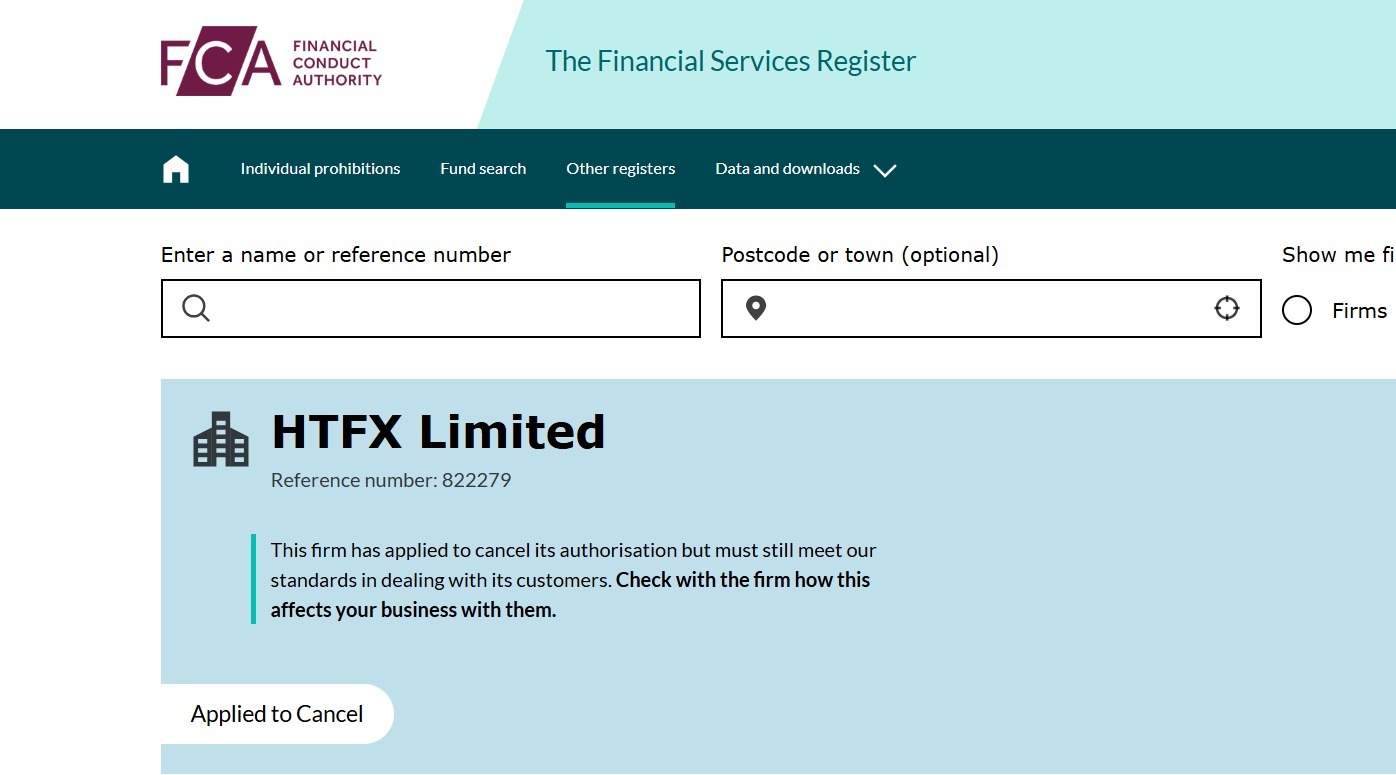
In 2025, the UK’s Financial Conduct Authority also highlighted the risks of online pundits promoting unregulated offshore firms, noting that at one such outfit, 90,000 investors lost £75 million.
The consequences are becoming penal: in February 2026, seven social media influencers were sentenced at the UK’s Southwark Crown Court for their role in the promotion of an unauthorised foreign exchange trading scheme.
At the same time, the Cyprus Securities and Exchange Commission Chairman George Theocharides had described last year the targeting of young investors by finfluencers as particularly concerning.
“We constantly remind investors that if something sounds too good to be true, then it probably isn't,” he said.