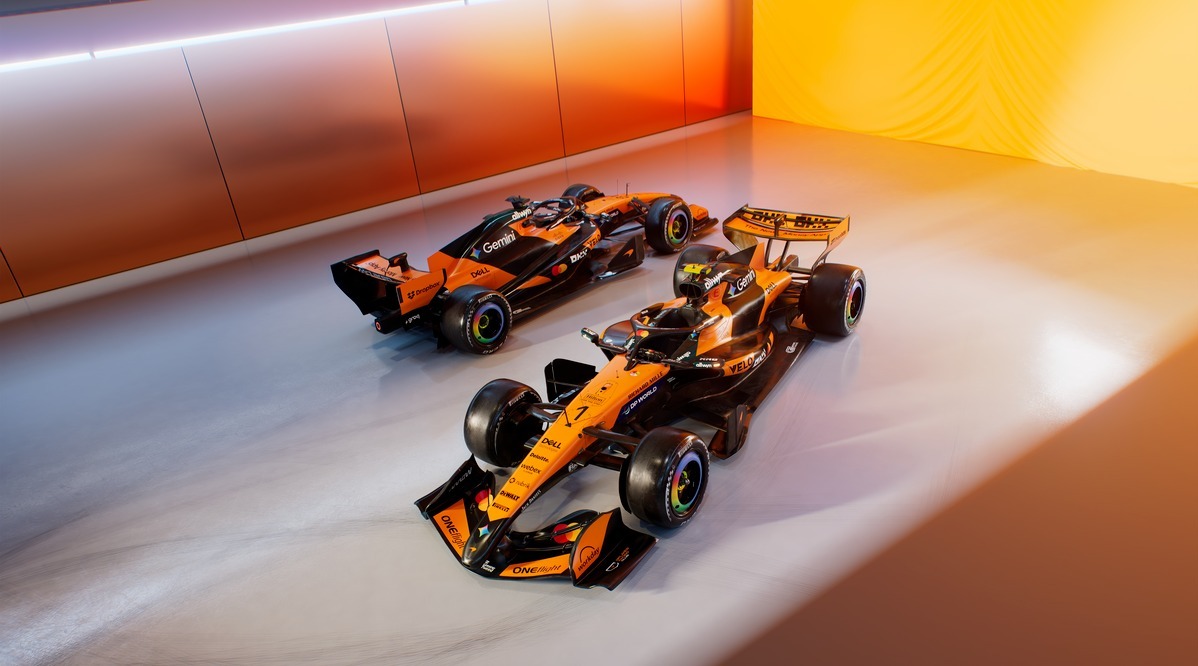
“This marks our largest sponsorship to date, not just in monetary value but in strategic impact as well,” says Peter Aust, COO at FxPro, referring to the latest renewal of its partnership with McLaren’s Formula One.
The UK-headquartered retail broker was a first mover in the racing sport by sponsoring Virgin Racing in 2009, followed by BMW Sauber in 2010 and in 2018, it inked its first deal with McLaren.
This marks the third extension of that relationship.
“The 2025 season was extraordinary for both organisations,” Aust explains. “FxPro had a record performance across every major business metric, while McLaren delivered a historic year by securing both the Drivers’ and Constructors’ Championships. After sharing this upward journey together since 2018, renewing the partnership following such a milestone felt like a natural progression rather than a difficult decision.”
The New Deal Brings Visibility to Prime Real Estate
The extended partnership is expected to further boost FxPro’s visibility.
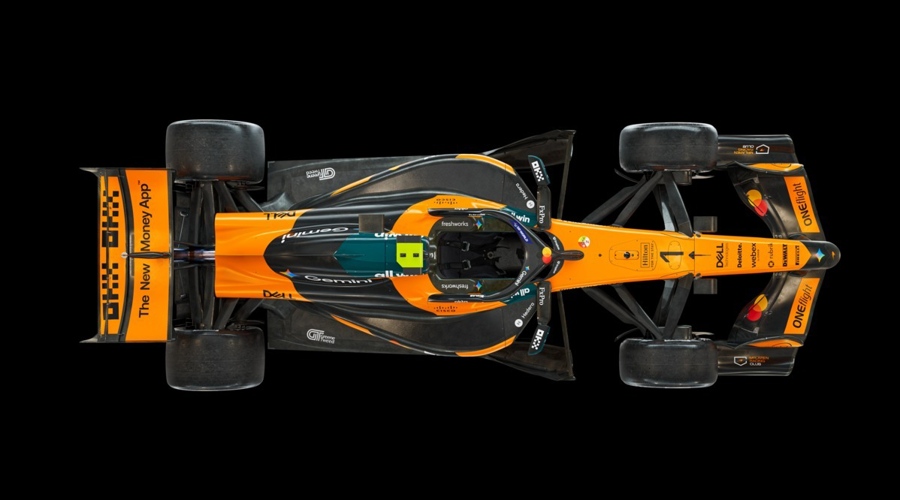
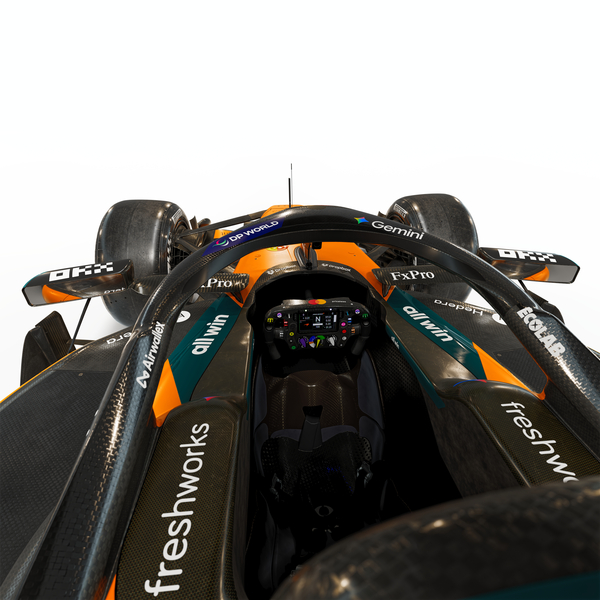
The broker’s branding already appeared on the inner sides of the cars near the wing mirrors – a spot frequently picked on by onboard cameras – and on team sleeves, keeping the logo in plain sight across pit-lan action, the pit wall and crew’s official kit.
The logo will now also feature on the backs of the drivers’ helmets. “Beyond race coverage, these are often showcased across promotional displays and media assets,further extending our reach,” he notes.
Aust doesn’t disclose the cost of the extended partnership, typical in Formula One, where teams and sponsors rarely publish financial terms. Still, Marios Chalis, Chief Marketing Officer at Libertex, which sponsors now-Audi’s F1 team (previously Kick Sauber), had previously indicated that even a lower-tier Formula One sponsorship costs about US$5 million.
“More broadly,” Aust tells Finance Magnates, “our total investment in sponsorships to date is close to one-third of a billion US dollars. We see partnerships of this calibre as a key part of our global growth.”
The Real Return Is F1’s Global Reach
Calculating the return on such sponsorship is, unsurprisingly, imprecise. There is no tidy funnel linking a TV viewer glimpsing the FxPro logo during a McLaren pit-lane shot to a newly opened trading account.
Instead, success is measured through reach, market penetration and brand equity.
- FxPro Enters Crypto: Searches for Senior Manager to “Establish” a Trading Desk
- FxPro Adds CFDs on Klarna Shares After Fintech’s $1.37 Billion US IPO
- F1 Sponsorship Trends, Executive Coaching, New Name in CFD Volumes Ranking
Formula One’s own numbers help justify that logic. In the first half of 2025, China accounted for 221 million fans, a year-on-year increase of 39%, a market Aust describes as “strategically important.”

The sport is also thriving across Latin America and the Middle East, key regions for retail brokers, with the season-ending Abu Dhabi Grand Prix in December 2025 averaging 1.5 million viewers on ESPN, peaking at 1.8 million – an event record.
According to Aust, FxPro’s strategy has evolved accordingly. The company once focused on Premier League sponsorships to target the UK, but today the EU accounts for less than 3% of its business, and no single market contributes a double-digit share.
“We went down the F1 route because we wanted to align with a company and a sport that would be as global as us,” he highlights.
Reaching Gen Z’s
Demographics also play a role, with Formula One increasingly resonating with younger audiences: in 2025, 43% of its 827 million global fans were aged 35 and under. The audience is also becoming more balanced, with women now accounting for nearly 42% of the fanbase.
McLaren – and its sponsors – has benefited handsomely from shifting demographics. A 2021 survey found the team to be the overall fan favourite among Gen Z audiences.
Much of that popularity rests on its youthful and charismatic driver line-up, especially Norris, who today commands 3.1 million followers on TikTok and maintains one of the sport’s most interactive personal websites, where his helmet, now bearing the FxPro logo, is prominently displayed.
“As the popularity of trading continues to expand globally, aligning with a sport and a team that is simultaneously growing younger and more diverse directly supports FxPro’s long-term growth ambitions,” he says.
“McLaren Offers Credibility That Few Teams Can Match”
FxPro’s earlier experiences in Formula One offered cautionary lessons: Virgin Racing was an untested entrant and BMW Sauber withdrew from the sport. So, the company’s criteria changed.
“We focused exclusively on historic teams with strong infrastructure and clear future trajectory,” Aust explains.
McLaren’s distinctive identity was equally important.
“Rooted in over 60 years of racing history across multiple disciplines, McLaren offers credibility that few teams can match. Watching its transformation under Zak Brown’s leadership into championship contenders and winners has made the partnership hugely rewarding,” he says.