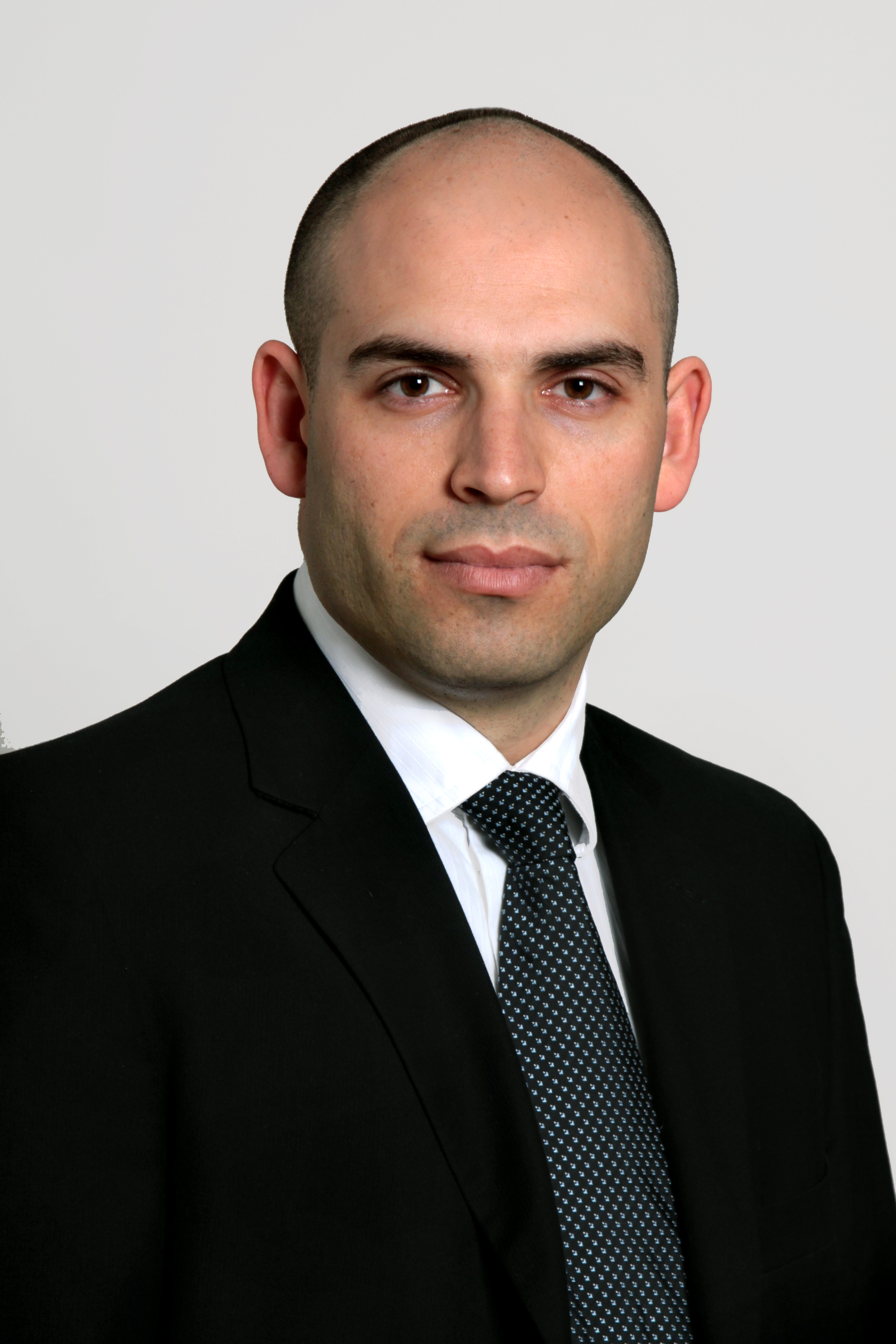
”We strongly support the process of regulating the market in Israel,” says Zohar, “and I’m saying this both in the name of FXCM and all the members of our Guild. However, the implemented regulation has to be attractive for clients, or they’ll choose to trade elsewhere.”
Since its initial entrance into Israel, the Forex industry has caused trading commissions of local banks to decrease tremendously, to a point where they have reached one tenth of their original value. In lieu of massive competition, banks were facing a need to improve service, upgrade trading systems and cut commissions. The competition benefitted the customer and led to a greater awareness of Forex products among the general population. However, being that the ISA’s rules governing securities trading excluded currency trading the rapidly growing Israel Forex industry was left without a governing body. The lack of any oversight quickly led to career scammers entering the market and many cases of fraud taking place within the local market. The Wild West trading environment eventually caught the eyes of the ISA which began to search for methods to regulate the market.
The regulatory process within Israel (or, in its official name, amendment 42 to the Israeli Securities Law), began in 2004 when the Securities Authority chairman appointed a special purpose committee to examine alternative trading arenas in Israel. The law, which was passed in 2010, was a general ruling that allowed the ISA to set clear rules concerning the issue, affecting any company which accepts Israelis, offers services (its own or others') to Israelis, and is not necessarily even registered within Israel.
Creating the regulatory framework was a complex process, which was passed between various departments in the ISA. The latest draft (3rd) was created six months ago and was approved in June 2012 by the Ministry of Finance. The proposed legislation now awaits internal discussion in the applicable committee before becoming law.
The major concern among Forex executives is the strictness and limitations of the proposed laws. The legislature creates requirements for Israeli based companies seeking a trading license from the ISA. However, it is being argued that the proposed law is more demanding than regulations at other OECD states such as UK, Europe or Australia, which comprise the majority of the activity in this sector. The requirements are also stricter than those for other financial institutions within Israel, such as investment houses, index trading firms, and others. For many, the new Forex regulation has strengthened the feeling of a hyper-regulation process taking over the entire securities trading industry within Israel. This group also cited the staggering decrease in Israeli investment houses, from 600 to less than 100 as an example of the effects of this excessive regulation.
The proposed regulation calls for Forex firms to provide an initial capital amount of 4 million NIS. This amount is considered high when compared to requirements of other Israeli financial sectors and foreign regulators. However, following the Man Financial collapse, there has been a movement among regulators to increase capital requirements. As such, the 4 million NIS requirement is on par with new legislation that was drawn up in Australia.
The Forex executives that are arguing against the proposals claim that the 4 million NIS amount is actually misleading. According to the required calculations, each company would have to de facto allocate no less than 7 million NIS even with zero activity. Also, a mid size and active company's requirements can reach up to 25 million NIS based on the calculations for additional capital.
The law would also require additional capital based on client trading volumes of $0.5M on every $1.0B per month traded. Protestors against the plan claim that this ratio is unparalleled worldwide and in other Israeli financial sectors. They add that what will happen is that for every $1.0M in client deposits, a firm will suffer both an increase in capital requirements and a decrease in operational liquidity – the effect is actually double than on paper – i.e, almost $100k on each $1.0M in total deposits.
“The ROI on operating a brokerage in Israel based on the proposed regulation is very low, if at all”, Zohar claims, “and it will be difficult to bring clients to trade with the low leverage and many restrictions. The bonuses and hard sell marketing will be off the table, so CPA will go higher and revenue will decrease ~50% due to the low leverage. If a company will choose to operate a DD model, the capital requirements will be even higher. Adding to that ~$350k a year of compliance operational expenses, high marketing costs and foreign brokers knocking on the door with attractive bonuses, it is hard to see an upside while being exposed to a variety of risks.”
The Finance Committee’s rational for the high capital requirements is that the exposure doesn't end with the overlying risk, but rather also with the actual capital restraints de facto.
In addition to the market restraints, liquidity and operational risk limitations, the regulation also oversees credit exposure. Proposed law would make a distinction between client leverage and client credit, allowing the former but not the latter. This policy, for instance, is contrary to the UK FSA’s rules.
Another key point of the proposed law would be to limit leverage to 25 times equity for Forex pairs and 5-15 times for other securities. These multiples are well below industry norms among OECD countries with Forex regulation who on average permit leverage of 200 times equity. Even in the US the NFA permits leverage of 25-50x. Israeli Forex executives argue that the limits on leverage would decrease trading volumes substantially, and combined with the previously mentioned capital requirements would create a situation where it's simply not profitable for a company to operate in Israel.
Currently, the proposed law is only aimed at Forex companies, while banks aren’t included in the legislation. This had led Forex executives to claim that the ISA is applying a double standard which penalizes Forex firms but allows banks to continue offering Forex trading without the capital requirements or any limits on leverage.
Another key complaint against the new laws is that the size of the Israeli market does not justify such high startup investments. Compared to other regions, a Eurozone trading license requires initial capital of 200-730k EUR, and allows the regulated firm to access to the entire European population of 502+ million high income citizens. A UK license from the FSA would require similar initial capital and provides the regulated firm with access to 60 million UK citizens and the entire European population. Such licenses also do not limit leverage, thus "keeping" investors inland without having the need to trade in other jurisdictions.
In comparison to other groups within the Israeli financial sector, capital requirements from an asset management firm are approximately 250k NIS. The requirements for index-trading firms are 20 million NIS, but it comprises a market of 700k clients and over 60B NIS under management. However, the tiny local Forex industry holds less than 5,000 clients, and the aggregated capital held by all of them does not exceed 100m NIS.
Another piece of legislation that Forex firms find frightening is a law passed in early 2012 that allows the ISA to serve steep fines to "offenders," even without trial. Therefore, even were a company to be willing to bear with the tough restrictions, it may face fines with no trial if need be.
Overall, everyone in the local Forex industry agrees that regulation is necessary in Israel. Israel has had its share of charlatans taking advantage of the lack of Forex oversight being included under the ISA’s mandate. From the client’s perspective, trading conditions need to be reasonable, as creating too strict limitations on their trading would cause them to stop trading Forex altogether, or they will simply open accounts at non-Israeli brokers. The latter would ultimately lead to less protection for Israelis as their funds would be under a foreign regulation which may not be willing to consider claims from account holders outside their jurisdiction.
Back to the meeting among Forex executives and the Finance Committee. The sit-down did lead the Finance Committee to recognize the overall risks of such strict regulation on the entire industry, and recommended that the Forex representatives and the ISA “sit together" and find a silver lining to solve the conflict. It remains to be seen whether the ISA and local Forex industry reach an agreement. If they don't, and the current proposals are passed, then we may ultimately see a much different Forex industry landscape in Israel very soon.
”We strongly support the process of regulating the market in Israel,” says Zohar, “and I’m saying this both in the name of FXCM and all the members of our Guild. However, the implemented regulation has to be attractive for clients, or they’ll choose to trade elsewhere.”
Since its initial entrance into Israel, the Forex industry has caused trading commissions of local banks to decrease tremendously, to a point where they have reached one tenth of their original value. In lieu of massive competition, banks were facing a need to improve service, upgrade trading systems and cut commissions. The competition benefitted the customer and led to a greater awareness of Forex products among the general population. However, being that the ISA’s rules governing securities trading excluded currency trading the rapidly growing Israel Forex industry was left without a governing body. The lack of any oversight quickly led to career scammers entering the market and many cases of fraud taking place within the local market. The Wild West trading environment eventually caught the eyes of the ISA which began to search for methods to regulate the market.
The regulatory process within Israel (or, in its official name, amendment 42 to the Israeli Securities Law), began in 2004 when the Securities Authority chairman appointed a special purpose committee to examine alternative trading arenas in Israel. The law, which was passed in 2010, was a general ruling that allowed the ISA to set clear rules concerning the issue, affecting any company which accepts Israelis, offers services (its own or others') to Israelis, and is not necessarily even registered within Israel.
Creating the regulatory framework was a complex process, which was passed between various departments in the ISA. The latest draft (3rd) was created six months ago and was approved in June 2012 by the Ministry of Finance. The proposed legislation now awaits internal discussion in the applicable committee before becoming law.
The major concern among Forex executives is the strictness and limitations of the proposed laws. The legislature creates requirements for Israeli based companies seeking a trading license from the ISA. However, it is being argued that the proposed law is more demanding than regulations at other OECD states such as UK, Europe or Australia, which comprise the majority of the activity in this sector. The requirements are also stricter than those for other financial institutions within Israel, such as investment houses, index trading firms, and others. For many, the new Forex regulation has strengthened the feeling of a hyper-regulation process taking over the entire securities trading industry within Israel. This group also cited the staggering decrease in Israeli investment houses, from 600 to less than 100 as an example of the effects of this excessive regulation.
The proposed regulation calls for Forex firms to provide an initial capital amount of 4 million NIS. This amount is considered high when compared to requirements of other Israeli financial sectors and foreign regulators. However, following the Man Financial collapse, there has been a movement among regulators to increase capital requirements. As such, the 4 million NIS requirement is on par with new legislation that was drawn up in Australia.
The Forex executives that are arguing against the proposals claim that the 4 million NIS amount is actually misleading. According to the required calculations, each company would have to de facto allocate no less than 7 million NIS even with zero activity. Also, a mid size and active company's requirements can reach up to 25 million NIS based on the calculations for additional capital.
The law would also require additional capital based on client trading volumes of $0.5M on every $1.0B per month traded. Protestors against the plan claim that this ratio is unparalleled worldwide and in other Israeli financial sectors. They add that what will happen is that for every $1.0M in client deposits, a firm will suffer both an increase in capital requirements and a decrease in operational liquidity – the effect is actually double than on paper – i.e, almost $100k on each $1.0M in total deposits.
“The ROI on operating a brokerage in Israel based on the proposed regulation is very low, if at all”, Zohar claims, “and it will be difficult to bring clients to trade with the low leverage and many restrictions. The bonuses and hard sell marketing will be off the table, so CPA will go higher and revenue will decrease ~50% due to the low leverage. If a company will choose to operate a DD model, the capital requirements will be even higher. Adding to that ~$350k a year of compliance operational expenses, high marketing costs and foreign brokers knocking on the door with attractive bonuses, it is hard to see an upside while being exposed to a variety of risks.”
The Finance Committee’s rational for the high capital requirements is that the exposure doesn't end with the overlying risk, but rather also with the actual capital restraints de facto.
In addition to the market restraints, liquidity and operational risk limitations, the regulation also oversees credit exposure. Proposed law would make a distinction between client leverage and client credit, allowing the former but not the latter. This policy, for instance, is contrary to the UK FSA’s rules.
Another key point of the proposed law would be to limit leverage to 25 times equity for Forex pairs and 5-15 times for other securities. These multiples are well below industry norms among OECD countries with Forex regulation who on average permit leverage of 200 times equity. Even in the US the NFA permits leverage of 25-50x. Israeli Forex executives argue that the limits on leverage would decrease trading volumes substantially, and combined with the previously mentioned capital requirements would create a situation where it's simply not profitable for a company to operate in Israel.
Currently, the proposed law is only aimed at Forex companies, while banks aren’t included in the legislation. This had led Forex executives to claim that the ISA is applying a double standard which penalizes Forex firms but allows banks to continue offering Forex trading without the capital requirements or any limits on leverage.
Another key complaint against the new laws is that the size of the Israeli market does not justify such high startup investments. Compared to other regions, a Eurozone trading license requires initial capital of 200-730k EUR, and allows the regulated firm to access to the entire European population of 502+ million high income citizens. A UK license from the FSA would require similar initial capital and provides the regulated firm with access to 60 million UK citizens and the entire European population. Such licenses also do not limit leverage, thus "keeping" investors inland without having the need to trade in other jurisdictions.
In comparison to other groups within the Israeli financial sector, capital requirements from an asset management firm are approximately 250k NIS. The requirements for index-trading firms are 20 million NIS, but it comprises a market of 700k clients and over 60B NIS under management. However, the tiny local Forex industry holds less than 5,000 clients, and the aggregated capital held by all of them does not exceed 100m NIS.
Another piece of legislation that Forex firms find frightening is a law passed in early 2012 that allows the ISA to serve steep fines to "offenders," even without trial. Therefore, even were a company to be willing to bear with the tough restrictions, it may face fines with no trial if need be.
Overall, everyone in the local Forex industry agrees that regulation is necessary in Israel. Israel has had its share of charlatans taking advantage of the lack of Forex oversight being included under the ISA’s mandate. From the client’s perspective, trading conditions need to be reasonable, as creating too strict limitations on their trading would cause them to stop trading Forex altogether, or they will simply open accounts at non-Israeli brokers. The latter would ultimately lead to less protection for Israelis as their funds would be under a foreign regulation which may not be willing to consider claims from account holders outside their jurisdiction.
Back to the meeting among Forex executives and the Finance Committee. The sit-down did lead the Finance Committee to recognize the overall risks of such strict regulation on the entire industry, and recommended that the Forex representatives and the ISA “sit together" and find a silver lining to solve the conflict. It remains to be seen whether the ISA and local Forex industry reach an agreement. If they don't, and the current proposals are passed, then we may ultimately see a much different Forex industry landscape in Israel very soon.
FTMO Says Monthly Rewards Near $15 Million in September
Featured Videos
AvaTrade to Acquire Most of FXCM; NAGA Raises $8M
AvaTrade to Acquire Most of FXCM; NAGA Raises $8M
AvaTrade to Acquire Most of FXCM; NAGA Raises $8M
AvaTrade to Acquire Most of FXCM; NAGA Raises $8M
Today’s financial news recap covers AvaTrade agrees to acquire most of FXCM, NAGA secures eight million dollars in new financing, and Wise seeks a tax settlement in the UK.
Finance Magnates Daily Recap brings you the latest news from forex and CFD brokers, fintech, payments, cryptocurrency, digital assets, trading platforms, financial regulation and global markets.
Get the key company news, executive moves, deals, regulatory updates and market developments of the day, in just a few minutes. New episodes published every weekday.
Read more: https://www.financemagnates.com
#FinanceMagnates #ForexNews #FintechNews
Today’s financial news recap covers AvaTrade agrees to acquire most of FXCM, NAGA secures eight million dollars in new financing, and Wise seeks a tax settlement in the UK.
Finance Magnates Daily Recap brings you the latest news from forex and CFD brokers, fintech, payments, cryptocurrency, digital assets, trading platforms, financial regulation and global markets.
Get the key company news, executive moves, deals, regulatory updates and market developments of the day, in just a few minutes. New episodes published every weekday.
Read more: https://www.financemagnates.com
#FinanceMagnates #ForexNews #FintechNews
Today’s financial news recap covers AvaTrade agrees to acquire most of FXCM, NAGA secures eight million dollars in new financing, and Wise seeks a tax settlement in the UK.
Finance Magnates Daily Recap brings you the latest news from forex and CFD brokers, fintech, payments, cryptocurrency, digital assets, trading platforms, financial regulation and global markets.
Get the key company news, executive moves, deals, regulatory updates and market developments of the day, in just a few minutes. New episodes published every weekday.
Read more: https://www.financemagnates.com
#FinanceMagnates #ForexNews #FintechNews
Today’s financial news recap covers AvaTrade agrees to acquire most of FXCM, NAGA secures eight million dollars in new financing, and Wise seeks a tax settlement in the UK.
Finance Magnates Daily Recap brings you the latest news from forex and CFD brokers, fintech, payments, cryptocurrency, digital assets, trading platforms, financial regulation and global markets.
Get the key company news, executive moves, deals, regulatory updates and market developments of the day, in just a few minutes. New episodes published every weekday.
Read more: https://www.financemagnates.com
#FinanceMagnates #ForexNews #FintechNews
XTB Adds Overnight US Stock Trading; Nasdaq Ventures Invests in One Trading
XTB Adds Overnight US Stock Trading; Nasdaq Ventures Invests in One Trading
XTB Adds Overnight US Stock Trading; Nasdaq Ventures Invests in One Trading
XTB Adds Overnight US Stock Trading; Nasdaq Ventures Invests in One Trading
XTB Adds Overnight US Stock Trading; Nasdaq Ventures Invests in One Trading
XTB Adds Overnight US Stock Trading; Nasdaq Ventures Invests in One Trading
Today’s financial news recap covers XTB expands overnight US stock trading, Fortrade reports higher revenue, Nasdaq backs One Trading, and Vest Labs raises 13 million dollars.
Finance Magnates Daily Recap brings you the latest news from forex and CFD brokers, fintech, payments, cryptocurrency, digital assets, trading platforms, financial regulation and global markets.
Get the key company news, executive moves, deals, regulatory updates and market developments of the day, in just a few minutes. New episodes published every weekday.
Read more: https://www.financemagnates.com
#FinanceMagnates #ForexNews #FintechNews
Today’s financial news recap covers XTB expands overnight US stock trading, Fortrade reports higher revenue, Nasdaq backs One Trading, and Vest Labs raises 13 million dollars.
Finance Magnates Daily Recap brings you the latest news from forex and CFD brokers, fintech, payments, cryptocurrency, digital assets, trading platforms, financial regulation and global markets.
Get the key company news, executive moves, deals, regulatory updates and market developments of the day, in just a few minutes. New episodes published every weekday.
Read more: https://www.financemagnates.com
#FinanceMagnates #ForexNews #FintechNews
Today’s financial news recap covers XTB expands overnight US stock trading, Fortrade reports higher revenue, Nasdaq backs One Trading, and Vest Labs raises 13 million dollars.
Finance Magnates Daily Recap brings you the latest news from forex and CFD brokers, fintech, payments, cryptocurrency, digital assets, trading platforms, financial regulation and global markets.
Get the key company news, executive moves, deals, regulatory updates and market developments of the day, in just a few minutes. New episodes published every weekday.
Read more: https://www.financemagnates.com
#FinanceMagnates #ForexNews #FintechNews
Today’s financial news recap covers XTB expands overnight US stock trading, Fortrade reports higher revenue, Nasdaq backs One Trading, and Vest Labs raises 13 million dollars.
Finance Magnates Daily Recap brings you the latest news from forex and CFD brokers, fintech, payments, cryptocurrency, digital assets, trading platforms, financial regulation and global markets.
Get the key company news, executive moves, deals, regulatory updates and market developments of the day, in just a few minutes. New episodes published every weekday.
Read more: https://www.financemagnates.com
#FinanceMagnates #ForexNews #FintechNews
Today’s financial news recap covers XTB expands overnight US stock trading, Fortrade reports higher revenue, Nasdaq backs One Trading, and Vest Labs raises 13 million dollars.
Finance Magnates Daily Recap brings you the latest news from forex and CFD brokers, fintech, payments, cryptocurrency, digital assets, trading platforms, financial regulation and global markets.
Get the key company news, executive moves, deals, regulatory updates and market developments of the day, in just a few minutes. New episodes published every weekday.
Read more: https://www.financemagnates.com
#FinanceMagnates #ForexNews #FintechNews
Today’s financial news recap covers XTB expands overnight US stock trading, Fortrade reports higher revenue, Nasdaq backs One Trading, and Vest Labs raises 13 million dollars.
Finance Magnates Daily Recap brings you the latest news from forex and CFD brokers, fintech, payments, cryptocurrency, digital assets, trading platforms, financial regulation and global markets.
Get the key company news, executive moves, deals, regulatory updates and market developments of the day, in just a few minutes. New episodes published every weekday.
Read more: https://www.financemagnates.com
#FinanceMagnates #ForexNews #FintechNews
CMC Founder Downplays Volatility Hit; Devexperts Names CEO
CMC Founder Downplays Volatility Hit; Devexperts Names CEO
CMC Founder Downplays Volatility Hit; Devexperts Names CEO
CMC Founder Downplays Volatility Hit; Devexperts Names CEO
CMC Founder Downplays Volatility Hit; Devexperts Names CEO
CMC Founder Downplays Volatility Hit; Devexperts Names CEO
Today’s financial news recap covers low volatility pressures brokers, Devexperts names a new CEO, Saxo cuts onboarding time, and OKX reaches a 25 billion dollar valuation.
Finance Magnates Daily Recap brings you the latest news from forex and CFD brokers, fintech, payments, cryptocurrency, digital assets, trading platforms, financial regulation and global markets.
Get the key company news, executive moves, deals, regulatory updates and market developments of the day, in just a few minutes. New episodes published every weekday.
Read more: https://www.financemagnates.com
#FinanceMagnates #ForexNews #FintechNews
Today’s financial news recap covers low volatility pressures brokers, Devexperts names a new CEO, Saxo cuts onboarding time, and OKX reaches a 25 billion dollar valuation.
Finance Magnates Daily Recap brings you the latest news from forex and CFD brokers, fintech, payments, cryptocurrency, digital assets, trading platforms, financial regulation and global markets.
Get the key company news, executive moves, deals, regulatory updates and market developments of the day, in just a few minutes. New episodes published every weekday.
Read more: https://www.financemagnates.com
#FinanceMagnates #ForexNews #FintechNews
Today’s financial news recap covers low volatility pressures brokers, Devexperts names a new CEO, Saxo cuts onboarding time, and OKX reaches a 25 billion dollar valuation.
Finance Magnates Daily Recap brings you the latest news from forex and CFD brokers, fintech, payments, cryptocurrency, digital assets, trading platforms, financial regulation and global markets.
Get the key company news, executive moves, deals, regulatory updates and market developments of the day, in just a few minutes. New episodes published every weekday.
Read more: https://www.financemagnates.com
#FinanceMagnates #ForexNews #FintechNews
Today’s financial news recap covers low volatility pressures brokers, Devexperts names a new CEO, Saxo cuts onboarding time, and OKX reaches a 25 billion dollar valuation.
Finance Magnates Daily Recap brings you the latest news from forex and CFD brokers, fintech, payments, cryptocurrency, digital assets, trading platforms, financial regulation and global markets.
Get the key company news, executive moves, deals, regulatory updates and market developments of the day, in just a few minutes. New episodes published every weekday.
Read more: https://www.financemagnates.com
#FinanceMagnates #ForexNews #FintechNews
Today’s financial news recap covers low volatility pressures brokers, Devexperts names a new CEO, Saxo cuts onboarding time, and OKX reaches a 25 billion dollar valuation.
Finance Magnates Daily Recap brings you the latest news from forex and CFD brokers, fintech, payments, cryptocurrency, digital assets, trading platforms, financial regulation and global markets.
Get the key company news, executive moves, deals, regulatory updates and market developments of the day, in just a few minutes. New episodes published every weekday.
Read more: https://www.financemagnates.com
#FinanceMagnates #ForexNews #FintechNews
Today’s financial news recap covers low volatility pressures brokers, Devexperts names a new CEO, Saxo cuts onboarding time, and OKX reaches a 25 billion dollar valuation.
Finance Magnates Daily Recap brings you the latest news from forex and CFD brokers, fintech, payments, cryptocurrency, digital assets, trading platforms, financial regulation and global markets.
Get the key company news, executive moves, deals, regulatory updates and market developments of the day, in just a few minutes. New episodes published every weekday.
Read more: https://www.financemagnates.com
#FinanceMagnates #ForexNews #FintechNews
Today’s financial news recap covers Trade Nation buys FXCM's UK client book, Trading 212 reports higher revenue, the CFTC's move to allow perpetual index futures.
Finance Magnates Daily Recap brings you the latest news from forex and CFD brokers, fintech, payments, cryptocurrency, digital assets, trading platforms, financial regulation and global markets.
Get the key company news, executive moves, deals, regulatory updates and market developments of the day, in just a few minutes. New episodes published every weekday.
Read more: https://www.financemagnates.com
#FinanceMagnates #ForexNews #FintechNews
Today’s financial news recap covers Trade Nation buys FXCM's UK client book, Trading 212 reports higher revenue, the CFTC's move to allow perpetual index futures.
Finance Magnates Daily Recap brings you the latest news from forex and CFD brokers, fintech, payments, cryptocurrency, digital assets, trading platforms, financial regulation and global markets.
Get the key company news, executive moves, deals, regulatory updates and market developments of the day, in just a few minutes. New episodes published every weekday.
Read more: https://www.financemagnates.com
#FinanceMagnates #ForexNews #FintechNews
Today’s financial news recap covers Trade Nation buys FXCM's UK client book, Trading 212 reports higher revenue, the CFTC's move to allow perpetual index futures.
Finance Magnates Daily Recap brings you the latest news from forex and CFD brokers, fintech, payments, cryptocurrency, digital assets, trading platforms, financial regulation and global markets.
Get the key company news, executive moves, deals, regulatory updates and market developments of the day, in just a few minutes. New episodes published every weekday.
Read more: https://www.financemagnates.com
#FinanceMagnates #ForexNews #FintechNews
Today’s financial news recap covers Trade Nation buys FXCM's UK client book, Trading 212 reports higher revenue, the CFTC's move to allow perpetual index futures.
Finance Magnates Daily Recap brings you the latest news from forex and CFD brokers, fintech, payments, cryptocurrency, digital assets, trading platforms, financial regulation and global markets.
Get the key company news, executive moves, deals, regulatory updates and market developments of the day, in just a few minutes. New episodes published every weekday.
Read more: https://www.financemagnates.com
#FinanceMagnates #ForexNews #FintechNews
Today’s financial news recap covers Trade Nation buys FXCM's UK client book, Trading 212 reports higher revenue, the CFTC's move to allow perpetual index futures.
Finance Magnates Daily Recap brings you the latest news from forex and CFD brokers, fintech, payments, cryptocurrency, digital assets, trading platforms, financial regulation and global markets.
Get the key company news, executive moves, deals, regulatory updates and market developments of the day, in just a few minutes. New episodes published every weekday.
Read more: https://www.financemagnates.com
#FinanceMagnates #ForexNews #FintechNews
Today’s financial news recap covers Trade Nation buys FXCM's UK client book, Trading 212 reports higher revenue, the CFTC's move to allow perpetual index futures.
Finance Magnates Daily Recap brings you the latest news from forex and CFD brokers, fintech, payments, cryptocurrency, digital assets, trading platforms, financial regulation and global markets.
Get the key company news, executive moves, deals, regulatory updates and market developments of the day, in just a few minutes. New episodes published every weekday.
Read more: https://www.financemagnates.com
#FinanceMagnates #ForexNews #FintechNews
Your career isn’t a linear path.
Your career isn’t a linear path.
Your career isn’t a linear path.
Your career isn’t a linear path.
Your career isn’t a linear path.
Your career isn’t a linear path.
Roles change. Career goals change. Sometimes you want a completely new challenge.
But the skills and knowledge you build along the way can stay with you and give you something to build on.
For Jeff Patterson, that continued growth is key to long-term career development.
You bring the skills. FM Academy helps you build the knowledge.
#FMAcademy #FinanceMagnates #FinanceCareers #ProfessionalDevelopment #Fintech
Roles change. Career goals change. Sometimes you want a completely new challenge.
But the skills and knowledge you build along the way can stay with you and give you something to build on.
For Jeff Patterson, that continued growth is key to long-term career development.
You bring the skills. FM Academy helps you build the knowledge.
#FMAcademy #FinanceMagnates #FinanceCareers #ProfessionalDevelopment #Fintech
Roles change. Career goals change. Sometimes you want a completely new challenge.
But the skills and knowledge you build along the way can stay with you and give you something to build on.
For Jeff Patterson, that continued growth is key to long-term career development.
You bring the skills. FM Academy helps you build the knowledge.
#FMAcademy #FinanceMagnates #FinanceCareers #ProfessionalDevelopment #Fintech
Roles change. Career goals change. Sometimes you want a completely new challenge.
But the skills and knowledge you build along the way can stay with you and give you something to build on.
For Jeff Patterson, that continued growth is key to long-term career development.
You bring the skills. FM Academy helps you build the knowledge.
#FMAcademy #FinanceMagnates #FinanceCareers #ProfessionalDevelopment #Fintech
Roles change. Career goals change. Sometimes you want a completely new challenge.
But the skills and knowledge you build along the way can stay with you and give you something to build on.
For Jeff Patterson, that continued growth is key to long-term career development.
You bring the skills. FM Academy helps you build the knowledge.
#FMAcademy #FinanceMagnates #FinanceCareers #ProfessionalDevelopment #Fintech
Roles change. Career goals change. Sometimes you want a completely new challenge.
But the skills and knowledge you build along the way can stay with you and give you something to build on.
For Jeff Patterson, that continued growth is key to long-term career development.
You bring the skills. FM Academy helps you build the knowledge.
#FMAcademy #FinanceMagnates #FinanceCareers #ProfessionalDevelopment #Fintech