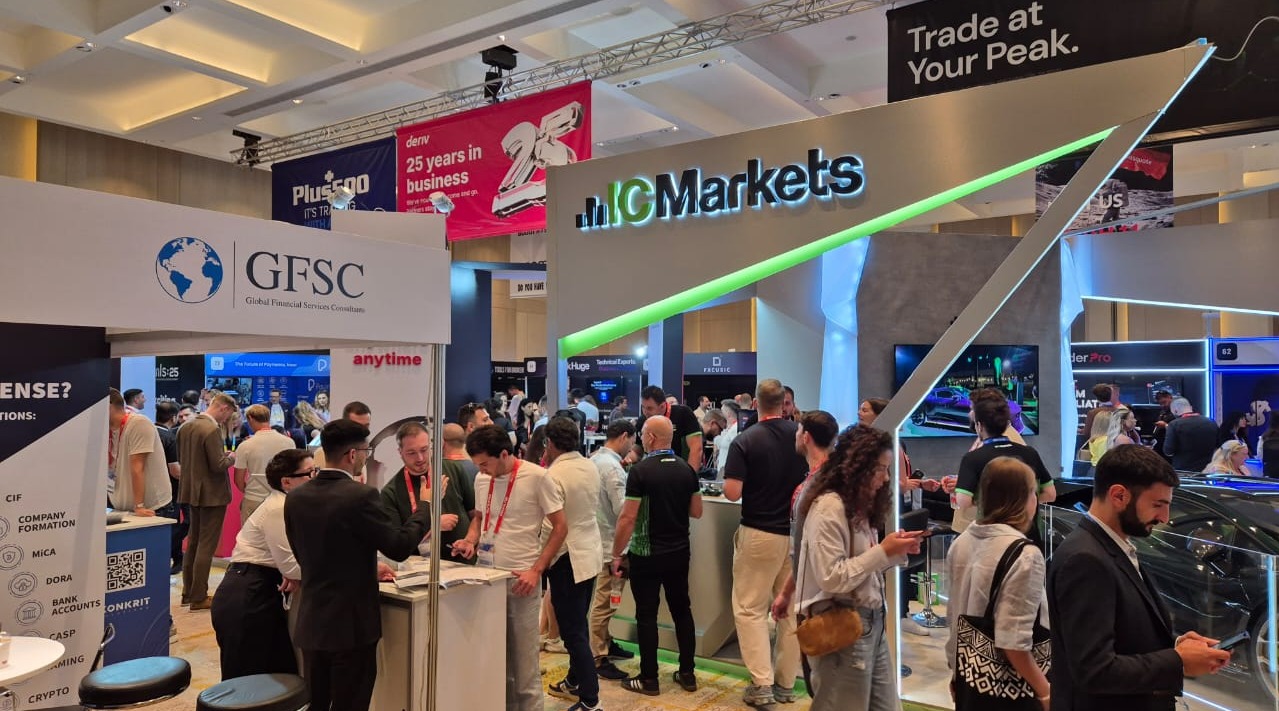
In a panel discussion during the expo, it emerged that payment service providers are accelerating the adoption of AI-powered onboarding systems due to rising fraud risks.
Besides that, the payments industry is facing increasing pressure to improve AML and KYC systems.
Payment service providers (PSPs) are accelerating the
adoption of AI-powered onboarding systems in response to increasing regulatory
pressure and rising fraud risks.
Speaking during a panel on payments and regulation,
Anthony Migui Njagi, Head of Strategic Alliance & Growth at Virtual Pay,
said machine learning could significantly improve onboarding processes.
“Automation, from the onboarding perspective, will
benefit very highly from machine learning—because then it’s able to project
things that may be missed from the beginning,” Njagi said.
AI Expected to Cut Fraud Losses by Billions
He added that integrating AI into compliance
frameworks provides more than just operational efficiency. “Another benefit is
that it allows us to sleep more because we are covered from a global
perspective,” he noted.
Njagi’s comments were part of a discussion titled “Can
Payments Keep Up with Regulation?” The panel also featured executives from Korapay, LetKnow Pay, and Visa Direct and addressed how the payments
industry can remain innovative while navigating increasingly complex regulatory
environments.
Anthony Njagi, Source: LinkedIn
The payments sector faces growing expectations to
strengthen AML and KYC systems amid rising cross-border transaction volumes. As
regulators increase oversight, firms that fail to comply face financial
penalties and reputational damage.
AI and automation are now seen as critical components
in reducing human error, speeding up due diligence, and enabling real-time
fraud detection. For PSPs aiming to maintain global reach while managing local
regulatory risks, automated onboarding is quickly becoming a strategic
necessity.
With compliance requirements tightening across
jurisdictions, payment firms are re-evaluating their infrastructure. The rapid
adoption of RegTech solutions suggests the industry is preparing for a future
where regulatory resilience depends on technology.
Recent Partnerships
Recently, Tickmill integrated Sumsub’s digital identity verification tools into its onboarding system, aiming to reduce account
activation times and improve the user experience for new traders. The move
comes as online brokers increasingly turn to automation to balance regulatory
compliance with seamless access to trading platforms.
The integration allows users in select regions to complete
verification and begin trading more quickly. Sumsub’s technology suite includes
facial biometric checks, proof of address verification, identity document
authentication, and AML screening.
“The Sumsub integration was a natural step in our effort to simplify and speed up our onboarding process,” said Mariam Dawas, Tickmill’s Group Head of Back Office.
Mariam Dawas, Tickmill’s Group Head of Back Office, Source: LinkedIn
In the prop trading space, Axcera, a technology provider for
proprietary trading firms, most recently collaborated with Solitics, a company
that offers customer engagement and marketing automation solutions.
The integration aimed to provide prop firms with a platform
that combines trading infrastructure with real-time communication and
personalization tools.
Payment service providers (PSPs) are accelerating the
adoption of AI-powered onboarding systems in response to increasing regulatory
pressure and rising fraud risks.
Speaking during a panel on payments and regulation,
Anthony Migui Njagi, Head of Strategic Alliance & Growth at Virtual Pay,
said machine learning could significantly improve onboarding processes.
“Automation, from the onboarding perspective, will
benefit very highly from machine learning—because then it’s able to project
things that may be missed from the beginning,” Njagi said.
AI Expected to Cut Fraud Losses by Billions
He added that integrating AI into compliance
frameworks provides more than just operational efficiency. “Another benefit is
that it allows us to sleep more because we are covered from a global
perspective,” he noted.
Njagi’s comments were part of a discussion titled “Can
Payments Keep Up with Regulation?” The panel also featured executives from Korapay, LetKnow Pay, and Visa Direct and addressed how the payments
industry can remain innovative while navigating increasingly complex regulatory
environments.
Anthony Njagi, Source: LinkedIn
The payments sector faces growing expectations to
strengthen AML and KYC systems amid rising cross-border transaction volumes. As
regulators increase oversight, firms that fail to comply face financial
penalties and reputational damage.
AI and automation are now seen as critical components
in reducing human error, speeding up due diligence, and enabling real-time
fraud detection. For PSPs aiming to maintain global reach while managing local
regulatory risks, automated onboarding is quickly becoming a strategic
necessity.
With compliance requirements tightening across
jurisdictions, payment firms are re-evaluating their infrastructure. The rapid
adoption of RegTech solutions suggests the industry is preparing for a future
where regulatory resilience depends on technology.
Recent Partnerships
Recently, Tickmill integrated Sumsub’s digital identity verification tools into its onboarding system, aiming to reduce account
activation times and improve the user experience for new traders. The move
comes as online brokers increasingly turn to automation to balance regulatory
compliance with seamless access to trading platforms.
The integration allows users in select regions to complete
verification and begin trading more quickly. Sumsub’s technology suite includes
facial biometric checks, proof of address verification, identity document
authentication, and AML screening.
“The Sumsub integration was a natural step in our effort to simplify and speed up our onboarding process,” said Mariam Dawas, Tickmill’s Group Head of Back Office.
Mariam Dawas, Tickmill’s Group Head of Back Office, Source: LinkedIn
In the prop trading space, Axcera, a technology provider for
proprietary trading firms, most recently collaborated with Solitics, a company
that offers customer engagement and marketing automation solutions.
The integration aimed to provide prop firms with a platform
that combines trading infrastructure with real-time communication and
personalization tools.
Jared Kirui is an Editor at Finance Magnates with more than five years of experience in financial journalism. He covers online trading, fintech, payments, and crypto industries with a focus on companies, regulation and compliance, executive moves, trading technology, and market analysis.
His work has been featured in other media outlets, including Benzinga, ZyCrypto, The Distributed, and The Daily Hodl.
Education:
Bachelor of Commerce degree (Finance option), University of Nairobi
Retail Traders Can Now Access Prediction Markets Through Binance Wallet
FP Markets Winner Spotlight 🏆 | Global Broker of the Year 2025 #Trading #Broker #Innovation #Shorts
FP Markets Winner Spotlight 🏆 | Global Broker of the Year 2025 #Trading #Broker #Innovation #Shorts
FP Markets takes the spotlight as Global Broker of the Year 2025 at the Finance Magnates Awards.
Martin Stoilov, Head of Client Experience, shares that trust, innovation, and people played a key role in the company’s success, supported by a strong foundation of integrity and client-centricity.
Following this milestone, FP Markets continues to focus on growth, technology investment, and its core values of transparency and excellence.
👉 Be part of FM Awards 2026: https://awards.financemagnates.com/#nominate
FP Markets takes the spotlight as Global Broker of the Year 2025 at the Finance Magnates Awards.
Martin Stoilov, Head of Client Experience, shares that trust, innovation, and people played a key role in the company’s success, supported by a strong foundation of integrity and client-centricity.
Following this milestone, FP Markets continues to focus on growth, technology investment, and its core values of transparency and excellence.
👉 Be part of FM Awards 2026: https://awards.financemagnates.com/#nominate
In this video, we review @HolaPrimeMarketsOfficial, a multi-asset forex and CFDs broker offering different account types, trading platforms, and flexible trading conditions.
We cover the broker’s overall offering, including account options, trading environment, platforms like MT4 and MT5, and additional services such as managed accounts and fast withdrawals.
Watch the full video to see if Hola Prime Markets fits your trading needs.
📣 Stay up to date with the latest in finance and trading. Follow Finance Magnates for industry news, insights, and global event coverage.
Connect with us:
🔗 LinkedIn: /financemagnates
👍 Facebook: /financemagnates
📸 Instagram: https://www.instagram.com/financemagnates
🐦 X: https://x.com/financemagnates
🎥 TikTok: https://www.tiktok.com/tag/financemagnates
▶️ YouTube: /@financemagnates_official
#HolaPrime #ForexBroker #CFDTrading #FinanceMagnates #Trading #Forex #BrokerReview
In this video, we review @HolaPrimeMarketsOfficial, a multi-asset forex and CFDs broker offering different account types, trading platforms, and flexible trading conditions.
We cover the broker’s overall offering, including account options, trading environment, platforms like MT4 and MT5, and additional services such as managed accounts and fast withdrawals.
Watch the full video to see if Hola Prime Markets fits your trading needs.
📣 Stay up to date with the latest in finance and trading. Follow Finance Magnates for industry news, insights, and global event coverage.
Connect with us:
🔗 LinkedIn: /financemagnates
👍 Facebook: /financemagnates
📸 Instagram: https://www.instagram.com/financemagnates
🐦 X: https://x.com/financemagnates
🎥 TikTok: https://www.tiktok.com/tag/financemagnates
▶️ YouTube: /@financemagnates_official
#HolaPrime #ForexBroker #CFDTrading #FinanceMagnates #Trading #Forex #BrokerReview
Hola Prime Review: What You Need to Know | Full Breakdown by Finance Magnates
Hola Prime Review: What You Need to Know | Full Breakdown by Finance Magnates
In this video, we review @HolaPrime_Global, a proprietary trading firm offering evaluation programs and performance-based payouts in simulated market environments.
We cover how the challenge model works, including account types, profit splits (up to 95%), trading rules, and what it takes to reach a funded account. You’ll also learn about available platforms like MT4, MT5, cTrader, and more, along with insights into payouts, support, and trading conditions.
Watch the full video to see if Hola Prime fits your trading style.
📣 Stay up to date with the latest in finance and trading. Follow Finance Magnates for industry news, insights, and global event coverage.
Connect with us:
🔗 LinkedIn: /financemagnates
👍 Facebook: /financemagnates
📸 Instagram: https://www.instagram.com/financemagnates
🐦 X: https://x.com/financemagnates
🎥 TikTok: https://www.tiktok.com/tag/financemagnates
▶️ YouTube: /@financemagnates_official
#HolaPrime #PropFirm #Trading #FinanceMagnates #Forex #FuturesTrading #TradingReview #PropFirmReview
In this video, we review @HolaPrime_Global, a proprietary trading firm offering evaluation programs and performance-based payouts in simulated market environments.
We cover how the challenge model works, including account types, profit splits (up to 95%), trading rules, and what it takes to reach a funded account. You’ll also learn about available platforms like MT4, MT5, cTrader, and more, along with insights into payouts, support, and trading conditions.
Watch the full video to see if Hola Prime fits your trading style.
📣 Stay up to date with the latest in finance and trading. Follow Finance Magnates for industry news, insights, and global event coverage.
Connect with us:
🔗 LinkedIn: /financemagnates
👍 Facebook: /financemagnates
📸 Instagram: https://www.instagram.com/financemagnates
🐦 X: https://x.com/financemagnates
🎥 TikTok: https://www.tiktok.com/tag/financemagnates
▶️ YouTube: /@financemagnates_official
#HolaPrime #PropFirm #Trading #FinanceMagnates #Forex #FuturesTrading #TradingReview #PropFirmReview
Axi Winner Spotlight 🏆 | Global Most Innovative Broker 2025 #Innovation #Trading #Fintech #Broker
Axi Winner Spotlight 🏆 | Global Most Innovative Broker 2025 #Innovation #Trading #Fintech #Broker
Axi takes the spotlight at the Finance Magnates Awards, winning Global Most Innovative Broker 2025.
Olivia Xenofontos and Ivanna Openko share how the team will feel: proud, motivated, and ready to keep delivering.
They also describe the night as well-organized, focused, and enjoyable for all.
👉 Be part of FM Awards 2026.
Axi takes the spotlight at the Finance Magnates Awards, winning Global Most Innovative Broker 2025.
Olivia Xenofontos and Ivanna Openko share how the team will feel: proud, motivated, and ready to keep delivering.
They also describe the night as well-organized, focused, and enjoyable for all.
👉 Be part of FM Awards 2026.
Recognition that matters.
Built on transparency.
Driven by the industry.
The Finance Magnates Awards 2026.
Nominations are now open.
🔗 https://awards.financemagnates.com/?utm_source=SM&utm_medium=social&utm_campaign=recognition-matters
Recognition that matters.
Built on transparency.
Driven by the industry.
The Finance Magnates Awards 2026.
Nominations are now open.
🔗 https://awards.financemagnates.com/?utm_source=SM&utm_medium=social&utm_campaign=recognition-matters