NFA Credit Card Ban to Dampen Operating Environment, New Payment Methods Required
Wednesday,03/12/2014|23:42GMTby
Adil Siddiqui
The NFA’s planned D-Day on credit card usage in the US for forex and futures trading is expected to shake-up the market, in anticipation of the rules brokers are sourcing new payment methods.
US financial regulator National Futures Association's (NFA) proposed changes to deposits in Forex and futures accounts through credit cards are causing friction among participants. The move could further reduce the already endangered marketplace for US retail derivatives after the Dodd-Frank Act saw the US market reduce in size. However, brokers are quickly on the look out for alternative payment methods that are legal and compliant in a bid to safeguard their clients.
The NFA reported that its proposed changes to credit card funding for high-risk derivative transactions in the forex and futures markets was granted by the CFTC. The new rules were given a starting day at the end of January 2015. The new rulings prohibit firms to accept funds for margin purposes from credit cards.
The authorities aim to prevent the use of borrowed funding for risky financial trading. The NFA’s statement read: “NFA's Board of Directors recently reviewed information regarding the use of credit cards (including channels such as Paypal) by FDM retail customers to fund their forex trading accounts, which indicates that retail forex customers overwhelmingly fund their trading accounts using a credit card.”
Holders of credit cards are given a guaranteed limit or credit level by the card issuer. The use of credit cards for Payments collects charges, and balances on credit cards are subject to interest fees.
The NFA further explained its concerns on the use of the payment method: “Credit cards, by their very nature, permit easy access to borrowed funds. Given the highly volatile nature of the forex and futures markets, the substantial risk of loss, and the possibility that a total loss may occur in a very short period of time, the Board has concluded that Members should be prohibited from permitting customers to use credit cards to fund forex or futures accounts.”
Alternative Methods
New payment methods such as Paypal, Skrill and ChinaPay are a by-product of new rules and systems that have come on the back of the recent e-commerce revolution. Internet or home shopping has given consumers a new way of carrying out traditional practises such as purchasing clothes or groceries. The same concept has migrated to the way traders deposit and withdraw funds into their brokerage accounts. Regulated payment methods having gained traction as they provide users with fast, seamless and straightforward funding techniques in real-time, an approach that is particularly useful for traders who face margin calls.
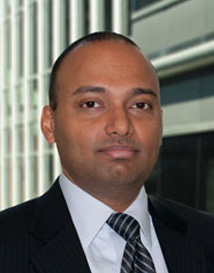
Mr. Vatsa Narasimha, Executive Vice President and Chief Strategy Officer, OANDA Corporation
A leading US-regulated broker dealer, OANDA, is embracing the recent changes with a touch of positivity. The firm commented to Forex Magnates explaining that it was exploring alternative payment methods for its clients. Vatsa Narasimha, Executive Vice President - CFO and Chief Strategy Officer at OANDA Corporation said to Forex Magnates: “We are working hard to find alternative funding methods in accordance with the CFTC and the NFA.”
Say No to Borrow
The NFA aims to remove the use of "credit to invest." However, the regulator has stated that debit card payments are allowed. Therefore, how can firms know if clients who are trading on their FX account have taken out a loan that is deposited in their bank account (linked to its debit card) or are in overdraft. Responses from the trading community have been mixed on the subject, however users on FX forums are opposed to the new rules, one commented (Salzone): “Seems like there's no stopping to the US regulation weirdness.
"This one is up there on ridiculousness scale (together with XAU 1:1 leverage and others). Personally I think it is quite rare for traders to trade on borrowed money, even then I do not think it is the problem (not something to get special treatment, from other areas where borrowing is allowed). This is more about a hidden agenda, rather than caring for retail traders. In general trading crowd is mostly freedom loving individuals, I doubt there will be any positive responses to such proposals (not that US regulators care about this).”
The concept of using borrowed funds to trade is ironic, firms in well-regulated jurisdictions such as the UK are obliged to assess the suitability of derivatives trading prior to sanctioning live accounts, students and unemployed people are discouraged from trading.
Patrick Lindsay, London-based compliance executive added: “The regulator has a justifiable stance, however in the modern era of technology there should be systems in place that support the use of fast and easy to use payment methods, instead of blocking payment channels, more compliant ones should be introduced.”
Additionally, trading on margin derivatives means trading with borrowed funds from ons broker. During the onboarding process of new traders, firms request personal details from clients, this includes their financial status including income and savings information.
Mr. Narasimha added: “As a US-regulated broker at OANDA we carefully evaluate the suitability of each prospective client that opens an account to trade forex as part of our application process. We do not accept clients unless they have sufficient risk capital to trade.”
US financial regulator National Futures Association's (NFA) proposed changes to deposits in Forex and futures accounts through credit cards are causing friction among participants. The move could further reduce the already endangered marketplace for US retail derivatives after the Dodd-Frank Act saw the US market reduce in size. However, brokers are quickly on the look out for alternative payment methods that are legal and compliant in a bid to safeguard their clients.
The NFA reported that its proposed changes to credit card funding for high-risk derivative transactions in the forex and futures markets was granted by the CFTC. The new rules were given a starting day at the end of January 2015. The new rulings prohibit firms to accept funds for margin purposes from credit cards.
The authorities aim to prevent the use of borrowed funding for risky financial trading. The NFA’s statement read: “NFA's Board of Directors recently reviewed information regarding the use of credit cards (including channels such as Paypal) by FDM retail customers to fund their forex trading accounts, which indicates that retail forex customers overwhelmingly fund their trading accounts using a credit card.”
Holders of credit cards are given a guaranteed limit or credit level by the card issuer. The use of credit cards for Payments collects charges, and balances on credit cards are subject to interest fees.
The NFA further explained its concerns on the use of the payment method: “Credit cards, by their very nature, permit easy access to borrowed funds. Given the highly volatile nature of the forex and futures markets, the substantial risk of loss, and the possibility that a total loss may occur in a very short period of time, the Board has concluded that Members should be prohibited from permitting customers to use credit cards to fund forex or futures accounts.”
Alternative Methods
New payment methods such as Paypal, Skrill and ChinaPay are a by-product of new rules and systems that have come on the back of the recent e-commerce revolution. Internet or home shopping has given consumers a new way of carrying out traditional practises such as purchasing clothes or groceries. The same concept has migrated to the way traders deposit and withdraw funds into their brokerage accounts. Regulated payment methods having gained traction as they provide users with fast, seamless and straightforward funding techniques in real-time, an approach that is particularly useful for traders who face margin calls.
Mr. Vatsa Narasimha, Executive Vice President and Chief Strategy Officer, OANDA Corporation
A leading US-regulated broker dealer, OANDA, is embracing the recent changes with a touch of positivity. The firm commented to Forex Magnates explaining that it was exploring alternative payment methods for its clients. Vatsa Narasimha, Executive Vice President - CFO and Chief Strategy Officer at OANDA Corporation said to Forex Magnates: “We are working hard to find alternative funding methods in accordance with the CFTC and the NFA.”
Say No to Borrow
The NFA aims to remove the use of "credit to invest." However, the regulator has stated that debit card payments are allowed. Therefore, how can firms know if clients who are trading on their FX account have taken out a loan that is deposited in their bank account (linked to its debit card) or are in overdraft. Responses from the trading community have been mixed on the subject, however users on FX forums are opposed to the new rules, one commented (Salzone): “Seems like there's no stopping to the US regulation weirdness.
"This one is up there on ridiculousness scale (together with XAU 1:1 leverage and others). Personally I think it is quite rare for traders to trade on borrowed money, even then I do not think it is the problem (not something to get special treatment, from other areas where borrowing is allowed). This is more about a hidden agenda, rather than caring for retail traders. In general trading crowd is mostly freedom loving individuals, I doubt there will be any positive responses to such proposals (not that US regulators care about this).”
The concept of using borrowed funds to trade is ironic, firms in well-regulated jurisdictions such as the UK are obliged to assess the suitability of derivatives trading prior to sanctioning live accounts, students and unemployed people are discouraged from trading.
Patrick Lindsay, London-based compliance executive added: “The regulator has a justifiable stance, however in the modern era of technology there should be systems in place that support the use of fast and easy to use payment methods, instead of blocking payment channels, more compliant ones should be introduced.”
Additionally, trading on margin derivatives means trading with borrowed funds from ons broker. During the onboarding process of new traders, firms request personal details from clients, this includes their financial status including income and savings information.
Mr. Narasimha added: “As a US-regulated broker at OANDA we carefully evaluate the suitability of each prospective client that opens an account to trade forex as part of our application process. We do not accept clients unless they have sufficient risk capital to trade.”
42% of Swiss Financial Firms Have No Digital Fraud Policy, FINMA Finds
FP Markets Winner Spotlight 🏆 | Global Broker of the Year 2025 #Trading #Broker #Innovation #Shorts
FP Markets Winner Spotlight 🏆 | Global Broker of the Year 2025 #Trading #Broker #Innovation #Shorts
FP Markets takes the spotlight as Global Broker of the Year 2025 at the Finance Magnates Awards.
Martin Stoilov, Head of Client Experience, shares that trust, innovation, and people played a key role in the company’s success, supported by a strong foundation of integrity and client-centricity.
Following this milestone, FP Markets continues to focus on growth, technology investment, and its core values of transparency and excellence.
👉 Be part of FM Awards 2026: https://awards.financemagnates.com/#nominate
FP Markets takes the spotlight as Global Broker of the Year 2025 at the Finance Magnates Awards.
Martin Stoilov, Head of Client Experience, shares that trust, innovation, and people played a key role in the company’s success, supported by a strong foundation of integrity and client-centricity.
Following this milestone, FP Markets continues to focus on growth, technology investment, and its core values of transparency and excellence.
👉 Be part of FM Awards 2026: https://awards.financemagnates.com/#nominate
In this video, we review @HolaPrimeMarketsOfficial, a multi-asset forex and CFDs broker offering different account types, trading platforms, and flexible trading conditions.
We cover the broker’s overall offering, including account options, trading environment, platforms like MT4 and MT5, and additional services such as managed accounts and fast withdrawals.
Watch the full video to see if Hola Prime Markets fits your trading needs.
📣 Stay up to date with the latest in finance and trading. Follow Finance Magnates for industry news, insights, and global event coverage.
Connect with us:
🔗 LinkedIn: /financemagnates
👍 Facebook: /financemagnates
📸 Instagram: https://www.instagram.com/financemagnates
🐦 X: https://x.com/financemagnates
🎥 TikTok: https://www.tiktok.com/tag/financemagnates
▶️ YouTube: /@financemagnates_official
#HolaPrime #ForexBroker #CFDTrading #FinanceMagnates #Trading #Forex #BrokerReview
In this video, we review @HolaPrimeMarketsOfficial, a multi-asset forex and CFDs broker offering different account types, trading platforms, and flexible trading conditions.
We cover the broker’s overall offering, including account options, trading environment, platforms like MT4 and MT5, and additional services such as managed accounts and fast withdrawals.
Watch the full video to see if Hola Prime Markets fits your trading needs.
📣 Stay up to date with the latest in finance and trading. Follow Finance Magnates for industry news, insights, and global event coverage.
Connect with us:
🔗 LinkedIn: /financemagnates
👍 Facebook: /financemagnates
📸 Instagram: https://www.instagram.com/financemagnates
🐦 X: https://x.com/financemagnates
🎥 TikTok: https://www.tiktok.com/tag/financemagnates
▶️ YouTube: /@financemagnates_official
#HolaPrime #ForexBroker #CFDTrading #FinanceMagnates #Trading #Forex #BrokerReview
Hola Prime Review: What You Need to Know | Full Breakdown by Finance Magnates
Hola Prime Review: What You Need to Know | Full Breakdown by Finance Magnates
In this video, we review @HolaPrime_Global, a proprietary trading firm offering evaluation programs and performance-based payouts in simulated market environments.
We cover how the challenge model works, including account types, profit splits (up to 95%), trading rules, and what it takes to reach a funded account. You’ll also learn about available platforms like MT4, MT5, cTrader, and more, along with insights into payouts, support, and trading conditions.
Watch the full video to see if Hola Prime fits your trading style.
📣 Stay up to date with the latest in finance and trading. Follow Finance Magnates for industry news, insights, and global event coverage.
Connect with us:
🔗 LinkedIn: /financemagnates
👍 Facebook: /financemagnates
📸 Instagram: https://www.instagram.com/financemagnates
🐦 X: https://x.com/financemagnates
🎥 TikTok: https://www.tiktok.com/tag/financemagnates
▶️ YouTube: /@financemagnates_official
#HolaPrime #PropFirm #Trading #FinanceMagnates #Forex #FuturesTrading #TradingReview #PropFirmReview
In this video, we review @HolaPrime_Global, a proprietary trading firm offering evaluation programs and performance-based payouts in simulated market environments.
We cover how the challenge model works, including account types, profit splits (up to 95%), trading rules, and what it takes to reach a funded account. You’ll also learn about available platforms like MT4, MT5, cTrader, and more, along with insights into payouts, support, and trading conditions.
Watch the full video to see if Hola Prime fits your trading style.
📣 Stay up to date with the latest in finance and trading. Follow Finance Magnates for industry news, insights, and global event coverage.
Connect with us:
🔗 LinkedIn: /financemagnates
👍 Facebook: /financemagnates
📸 Instagram: https://www.instagram.com/financemagnates
🐦 X: https://x.com/financemagnates
🎥 TikTok: https://www.tiktok.com/tag/financemagnates
▶️ YouTube: /@financemagnates_official
#HolaPrime #PropFirm #Trading #FinanceMagnates #Forex #FuturesTrading #TradingReview #PropFirmReview
Axi Winner Spotlight 🏆 | Global Most Innovative Broker 2025 #Innovation #Trading #Fintech #Broker
Axi Winner Spotlight 🏆 | Global Most Innovative Broker 2025 #Innovation #Trading #Fintech #Broker
Axi takes the spotlight at the Finance Magnates Awards, winning Global Most Innovative Broker 2025.
Olivia Xenofontos and Ivanna Openko share how the team will feel: proud, motivated, and ready to keep delivering.
They also describe the night as well-organized, focused, and enjoyable for all.
👉 Be part of FM Awards 2026.
Axi takes the spotlight at the Finance Magnates Awards, winning Global Most Innovative Broker 2025.
Olivia Xenofontos and Ivanna Openko share how the team will feel: proud, motivated, and ready to keep delivering.
They also describe the night as well-organized, focused, and enjoyable for all.
👉 Be part of FM Awards 2026.
Recognition that matters.
Built on transparency.
Driven by the industry.
The Finance Magnates Awards 2026.
Nominations are now open.
🔗 https://awards.financemagnates.com/?utm_source=SM&utm_medium=social&utm_campaign=recognition-matters
Recognition that matters.
Built on transparency.
Driven by the industry.
The Finance Magnates Awards 2026.
Nominations are now open.
🔗 https://awards.financemagnates.com/?utm_source=SM&utm_medium=social&utm_campaign=recognition-matters