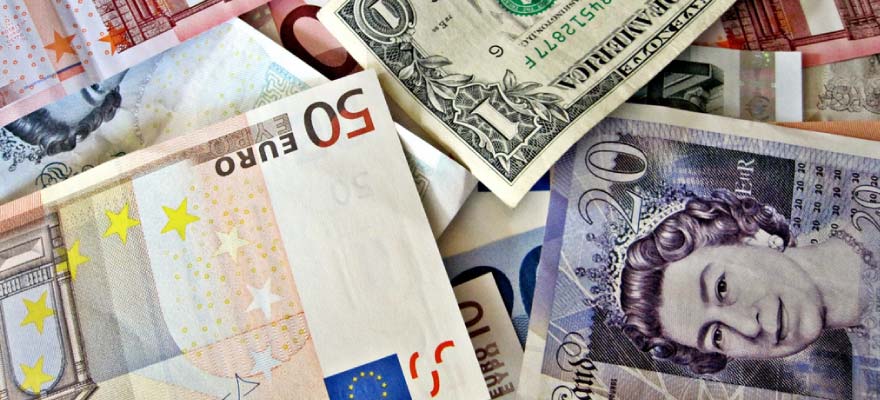
Strategically sitting in between Russia, Scandinavia, and Germany, Latvia has historically been a trading hub between the different points. As such, it is no surprise that the country boosts a healthy foreign exchange industry that caters to local and foreign traders. To learn more about the Latvian forex scene, Forex Magnates spoke with Martins Priede, Chairman of the Board at Renesource Capital.
Tell us a little bit about your company, as the Latvian market may not be completely known to western traders. When did you start the company? and what was idea behind it?
Martins Priede, Chairman of the Board at Renesource Capital
AS IBS “Renesource Capital” was established as a brokerage firm in 1998 and is incorporated in Latvia. The company is an investment services provider regulated by the Financial and Capital Market Commission ("FCMC") of Latvia, Authorisation # 06.06.04.114/118.1. All of Renesource Capital activities are governed and regulated by FCMC to ensure accountability and compliance with all aspects of legal regulation in European Union.
The company was established after the Russian financial collapse of 1998 which led to currency devaluation and disclaiming redeeming its liabilities against creditor’s pool versus issued government debt securities. The general idea and goal was to create and develop a strong capitalized and universal investment brokerage company.
Renesource Capital was issued a license for investment services and investment related services such as: Brokerage services; Custody services; Asset management; Advisory; and IPO’s.
Renesource Capital is one of the largest and oldest independent investment brokerage firms in Latvia and the Baltics. And one of the top 20 the oldest investment brokerage firms in Russia and CIS countries. The company is independent and privately held and is not consolidated into the banks or financial group/ holding balance sheet.
Who are your potential customers and what can you offer to them? You seem to have many products in your portfolio – starting with forex, through bonds, futures up to CO2 trading?
First of all, Renesource Capital is fully diversified in terms of client data base. We serve customers starting from large banks/ financial institutions, industrial companies and physical goods trading companies.
Renesource Capital is able to clear and or execute any financial instruments traded globally. Starting from margin foreign exchange trading, cash stocks, fixed income securities, futures and options on futures, over the counter market swaps on energy products and CO2 (carbon emissions) by ending this list with particular structured financial instruments based on trust and fiduciary operations.
Let’s talk a bit more about your forex offering. It looks like it is an ECN network as you work with Currenex. Why are you using this kind of solution?
What about Latvia itself? Your country has a population of over 2 million people. Can you describe to our readers how the forex market looks like now, and its history? How developed is the retail forex market, and how popular is the trading culture itself?
Mentally, people are not aggressive about trading on margin and using margin solutions. The recently passed crisis has shown that trading is all about leverage and risk management. Also, it is about the general economy in a country and not only the banking and financial industry itself. The hard landing in late 2008 has opened the eyes of many businesses which have survived.
FOREX trading is regulated in Latvia since middle of 2010. This was caused after many scams and fraud scandals across the region and EU/EEA. Regulation became more strict after the collapse of MF Global, regarding segregation of client assets.
Therefore, in the last three to four years our customers have become more cautious and educated on risk management. Risk appetite hasn’t vanished, but trading strategies have become less risky. Many of our customers started to use margin foreign exchange trading in association with other financial instruments (stocks, fixed income, commodities etc.) to diversify their investment portfolios; changing their attitude and managing their personal finances with more than one asset class.
It looks like the dominant players on the Latvian market are banks or ‘bank-driven’ brokers. Is this a characteristic for Latvia, or for the Baltic States in general?
I wouldn’t agree to the opinion that a dominant part of the FX business is from banks. Banks have always been major market participant in the foreign exchange market, but mostly this is customer flow.
Also, there are many hedge funds, asset managers, and arbitrage funds managing capital of eastern origin. Banks are very risk averse of taking riskier positions in the FX market. Regulatory requirements of capital adequacy on a bank’s trading portfolio puts pressure on trading. Therefore, most banks choose quality of their portfolio, and are not running after yield.
Who do you consider to be your biggest competitors on the market? Do you see your competitors mostly in the Baltic States /Russia region or also Western Europe?
No, we do not concentrate on running our business in any particular of the above mentioned territories. Our target audience is located in EU/EEA, in Latvia and in the Baltics. But many of our clients are located abroad. Customers from Russia, CIS, Ukraine prefer to open accounts with us because of our long and stable business, and the quality of investment services we provide; which includes tight spreads, a regulatory environment, reputation, and references on the company management.
Of the other Baltic States, Estonia is best known among forex traders, mostly due to Admiral Markets, a broker that is aggressively entering foreign markets. Also, there is also Armada Markets that is doing innovating things in the forex space. Do you have plans of entering the western markets or even Central Europe?
We have a lot of Estonian customers. Yes, I can tell you that Latvians are less exposed to taking risk than our northern neighbor. They are very educated and tolerant investors and traders.
We have a plan in the near future to open educational centers and representative offices in Russian and 3 CIS countries.
Until now, we have been presented on those markets via our introducing agents / brokers network and our partners – banks, brokerage companies that we have provided them white label partnership in trading FX markets and stocks through our trading platforms (Integral, Currenex, ReneTrader stockbroker).
What are plans of your company for the next few years and how do you see the evolution of the forex market in Latvia in the next 5 years?
Our strong confidence is that AS IBS Renesource Capital will apply for a banking license and become an associated member of the OMX NASDAQ and LSE.
I am very certain that the environment will become more regulated, with smaller less capitalized companies being forced to sell their businesses or merge with larger companies. We will see the pressure of presence of new taxation on financial instrument transactions coming into force on company balance sheets. Also, we will definitely see more hard bankruptcies among companies that are trading on their own books or managing too dangerously their risk management (taking an opposite side of clients trades). But these events will not only pertain to Latvia, these are global trends. Especially European market participants and European consumers of financial products will be subordinated to these new issues on the regulatory side. Europe will follow the US regulators paradigms.
Strategically sitting in between Russia, Scandinavia, and Germany, Latvia has historically been a trading hub between the different points. As such, it is no surprise that the country boosts a healthy foreign exchange industry that caters to local and foreign traders. To learn more about the Latvian forex scene, Forex Magnates spoke with Martins Priede, Chairman of the Board at Renesource Capital.
Tell us a little bit about your company, as the Latvian market may not be completely known to western traders. When did you start the company? and what was idea behind it?
Martins Priede, Chairman of the Board at Renesource Capital
AS IBS “Renesource Capital” was established as a brokerage firm in 1998 and is incorporated in Latvia. The company is an investment services provider regulated by the Financial and Capital Market Commission ("FCMC") of Latvia, Authorisation # 06.06.04.114/118.1. All of Renesource Capital activities are governed and regulated by FCMC to ensure accountability and compliance with all aspects of legal regulation in European Union.
The company was established after the Russian financial collapse of 1998 which led to currency devaluation and disclaiming redeeming its liabilities against creditor’s pool versus issued government debt securities. The general idea and goal was to create and develop a strong capitalized and universal investment brokerage company.
Renesource Capital was issued a license for investment services and investment related services such as: Brokerage services; Custody services; Asset management; Advisory; and IPO’s.
Renesource Capital is one of the largest and oldest independent investment brokerage firms in Latvia and the Baltics. And one of the top 20 the oldest investment brokerage firms in Russia and CIS countries. The company is independent and privately held and is not consolidated into the banks or financial group/ holding balance sheet.
Who are your potential customers and what can you offer to them? You seem to have many products in your portfolio – starting with forex, through bonds, futures up to CO2 trading?
First of all, Renesource Capital is fully diversified in terms of client data base. We serve customers starting from large banks/ financial institutions, industrial companies and physical goods trading companies.
Renesource Capital is able to clear and or execute any financial instruments traded globally. Starting from margin foreign exchange trading, cash stocks, fixed income securities, futures and options on futures, over the counter market swaps on energy products and CO2 (carbon emissions) by ending this list with particular structured financial instruments based on trust and fiduciary operations.
Let’s talk a bit more about your forex offering. It looks like it is an ECN network as you work with Currenex. Why are you using this kind of solution?
What about Latvia itself? Your country has a population of over 2 million people. Can you describe to our readers how the forex market looks like now, and its history? How developed is the retail forex market, and how popular is the trading culture itself?
Mentally, people are not aggressive about trading on margin and using margin solutions. The recently passed crisis has shown that trading is all about leverage and risk management. Also, it is about the general economy in a country and not only the banking and financial industry itself. The hard landing in late 2008 has opened the eyes of many businesses which have survived.
FOREX trading is regulated in Latvia since middle of 2010. This was caused after many scams and fraud scandals across the region and EU/EEA. Regulation became more strict after the collapse of MF Global, regarding segregation of client assets.
Therefore, in the last three to four years our customers have become more cautious and educated on risk management. Risk appetite hasn’t vanished, but trading strategies have become less risky. Many of our customers started to use margin foreign exchange trading in association with other financial instruments (stocks, fixed income, commodities etc.) to diversify their investment portfolios; changing their attitude and managing their personal finances with more than one asset class.
It looks like the dominant players on the Latvian market are banks or ‘bank-driven’ brokers. Is this a characteristic for Latvia, or for the Baltic States in general?
I wouldn’t agree to the opinion that a dominant part of the FX business is from banks. Banks have always been major market participant in the foreign exchange market, but mostly this is customer flow.
Also, there are many hedge funds, asset managers, and arbitrage funds managing capital of eastern origin. Banks are very risk averse of taking riskier positions in the FX market. Regulatory requirements of capital adequacy on a bank’s trading portfolio puts pressure on trading. Therefore, most banks choose quality of their portfolio, and are not running after yield.
Who do you consider to be your biggest competitors on the market? Do you see your competitors mostly in the Baltic States /Russia region or also Western Europe?
No, we do not concentrate on running our business in any particular of the above mentioned territories. Our target audience is located in EU/EEA, in Latvia and in the Baltics. But many of our clients are located abroad. Customers from Russia, CIS, Ukraine prefer to open accounts with us because of our long and stable business, and the quality of investment services we provide; which includes tight spreads, a regulatory environment, reputation, and references on the company management.
Of the other Baltic States, Estonia is best known among forex traders, mostly due to Admiral Markets, a broker that is aggressively entering foreign markets. Also, there is also Armada Markets that is doing innovating things in the forex space. Do you have plans of entering the western markets or even Central Europe?
We have a lot of Estonian customers. Yes, I can tell you that Latvians are less exposed to taking risk than our northern neighbor. They are very educated and tolerant investors and traders.
We have a plan in the near future to open educational centers and representative offices in Russian and 3 CIS countries.
Until now, we have been presented on those markets via our introducing agents / brokers network and our partners – banks, brokerage companies that we have provided them white label partnership in trading FX markets and stocks through our trading platforms (Integral, Currenex, ReneTrader stockbroker).
What are plans of your company for the next few years and how do you see the evolution of the forex market in Latvia in the next 5 years?
Our strong confidence is that AS IBS Renesource Capital will apply for a banking license and become an associated member of the OMX NASDAQ and LSE.
I am very certain that the environment will become more regulated, with smaller less capitalized companies being forced to sell their businesses or merge with larger companies. We will see the pressure of presence of new taxation on financial instrument transactions coming into force on company balance sheets. Also, we will definitely see more hard bankruptcies among companies that are trading on their own books or managing too dangerously their risk management (taking an opposite side of clients trades). But these events will not only pertain to Latvia, these are global trends. Especially European market participants and European consumers of financial products will be subordinated to these new issues on the regulatory side. Europe will follow the US regulators paradigms.
Exclusive: CXM Group Buys 50K CFD Traders-Heavy TD Markets
Featured Videos
CXM Group to Buy TD Markets; Interactive Brokers Raises Dividend
CXM Group to Buy TD Markets; Interactive Brokers Raises Dividend
CXM Group to Buy TD Markets; Interactive Brokers Raises Dividend
CXM Group to Buy TD Markets; Interactive Brokers Raises Dividend
Today’s financial news recap covers CXM Group agrees to acquire TD Markets, Interactive Brokers raises its dividend, Your Bourse and 4XPORTAL formalise a technology partnership, and IC completes its rebranding from IC Markets.
Finance Magnates Daily Recap brings you the latest news from forex and CFD brokers, fintech, payments, cryptocurrency, digital assets, trading platforms, financial regulation and global markets.
Get the key company news, executive moves, deals, regulatory updates and market developments of the day, in just a few minutes. New episodes published every weekday.
Read more: https://www.financemagnates.com
#FinanceMagnates #ForexNews #FintechNews
Today’s financial news recap covers CXM Group agrees to acquire TD Markets, Interactive Brokers raises its dividend, Your Bourse and 4XPORTAL formalise a technology partnership, and IC completes its rebranding from IC Markets.
Finance Magnates Daily Recap brings you the latest news from forex and CFD brokers, fintech, payments, cryptocurrency, digital assets, trading platforms, financial regulation and global markets.
Get the key company news, executive moves, deals, regulatory updates and market developments of the day, in just a few minutes. New episodes published every weekday.
Read more: https://www.financemagnates.com
#FinanceMagnates #ForexNews #FintechNews
Today’s financial news recap covers CXM Group agrees to acquire TD Markets, Interactive Brokers raises its dividend, Your Bourse and 4XPORTAL formalise a technology partnership, and IC completes its rebranding from IC Markets.
Finance Magnates Daily Recap brings you the latest news from forex and CFD brokers, fintech, payments, cryptocurrency, digital assets, trading platforms, financial regulation and global markets.
Get the key company news, executive moves, deals, regulatory updates and market developments of the day, in just a few minutes. New episodes published every weekday.
Read more: https://www.financemagnates.com
#FinanceMagnates #ForexNews #FintechNews
Today’s financial news recap covers CXM Group agrees to acquire TD Markets, Interactive Brokers raises its dividend, Your Bourse and 4XPORTAL formalise a technology partnership, and IC completes its rebranding from IC Markets.
Finance Magnates Daily Recap brings you the latest news from forex and CFD brokers, fintech, payments, cryptocurrency, digital assets, trading platforms, financial regulation and global markets.
Get the key company news, executive moves, deals, regulatory updates and market developments of the day, in just a few minutes. New episodes published every weekday.
Read more: https://www.financemagnates.com
#FinanceMagnates #ForexNews #FintechNews
Trade Nation Enters Poland; FCA Finds Gaps at Seven Brokers
Trade Nation Enters Poland; FCA Finds Gaps at Seven Brokers
Trade Nation Enters Poland; FCA Finds Gaps at Seven Brokers
Trade Nation Enters Poland; FCA Finds Gaps at Seven Brokers
Trade Nation Enters Poland; FCA Finds Gaps at Seven Brokers
Trade Nation Enters Poland; FCA Finds Gaps at Seven Brokers
Today’s financial news recap covers Trade Nation expands into Poland, the FCA finds surveillance gaps at seven UK retail brokers, perpetual futures on US stocks could launch within weeks, and Australia's crypto platforms face a new regulatory deadline.
Finance Magnates Daily Recap brings you the latest news from forex and CFD brokers, fintech, payments, cryptocurrency, digital assets, trading platforms, financial regulation and global markets.
Get the key company news, executive moves, deals, regulatory updates and market developments of the day, in just a few minutes. New episodes published every weekday.
Read more: https://www.financemagnates.com
#FinanceMagnates #ForexNews #FintechNews
Today’s financial news recap covers Trade Nation expands into Poland, the FCA finds surveillance gaps at seven UK retail brokers, perpetual futures on US stocks could launch within weeks, and Australia's crypto platforms face a new regulatory deadline.
Finance Magnates Daily Recap brings you the latest news from forex and CFD brokers, fintech, payments, cryptocurrency, digital assets, trading platforms, financial regulation and global markets.
Get the key company news, executive moves, deals, regulatory updates and market developments of the day, in just a few minutes. New episodes published every weekday.
Read more: https://www.financemagnates.com
#FinanceMagnates #ForexNews #FintechNews
Today’s financial news recap covers Trade Nation expands into Poland, the FCA finds surveillance gaps at seven UK retail brokers, perpetual futures on US stocks could launch within weeks, and Australia's crypto platforms face a new regulatory deadline.
Finance Magnates Daily Recap brings you the latest news from forex and CFD brokers, fintech, payments, cryptocurrency, digital assets, trading platforms, financial regulation and global markets.
Get the key company news, executive moves, deals, regulatory updates and market developments of the day, in just a few minutes. New episodes published every weekday.
Read more: https://www.financemagnates.com
#FinanceMagnates #ForexNews #FintechNews
Today’s financial news recap covers Trade Nation expands into Poland, the FCA finds surveillance gaps at seven UK retail brokers, perpetual futures on US stocks could launch within weeks, and Australia's crypto platforms face a new regulatory deadline.
Finance Magnates Daily Recap brings you the latest news from forex and CFD brokers, fintech, payments, cryptocurrency, digital assets, trading platforms, financial regulation and global markets.
Get the key company news, executive moves, deals, regulatory updates and market developments of the day, in just a few minutes. New episodes published every weekday.
Read more: https://www.financemagnates.com
#FinanceMagnates #ForexNews #FintechNews
Today’s financial news recap covers Trade Nation expands into Poland, the FCA finds surveillance gaps at seven UK retail brokers, perpetual futures on US stocks could launch within weeks, and Australia's crypto platforms face a new regulatory deadline.
Finance Magnates Daily Recap brings you the latest news from forex and CFD brokers, fintech, payments, cryptocurrency, digital assets, trading platforms, financial regulation and global markets.
Get the key company news, executive moves, deals, regulatory updates and market developments of the day, in just a few minutes. New episodes published every weekday.
Read more: https://www.financemagnates.com
#FinanceMagnates #ForexNews #FintechNews
Today’s financial news recap covers Trade Nation expands into Poland, the FCA finds surveillance gaps at seven UK retail brokers, perpetual futures on US stocks could launch within weeks, and Australia's crypto platforms face a new regulatory deadline.
Finance Magnates Daily Recap brings you the latest news from forex and CFD brokers, fintech, payments, cryptocurrency, digital assets, trading platforms, financial regulation and global markets.
Get the key company news, executive moves, deals, regulatory updates and market developments of the day, in just a few minutes. New episodes published every weekday.
Read more: https://www.financemagnates.com
#FinanceMagnates #ForexNews #FintechNews
FxPro Sells EU Clients to Capital.com; NAGA H1 Profit Revised
FxPro Sells EU Clients to Capital.com; NAGA H1 Profit Revised
FxPro Sells EU Clients to Capital.com; NAGA H1 Profit Revised
FxPro Sells EU Clients to Capital.com; NAGA H1 Profit Revised
FxPro Sells EU Clients to Capital.com; NAGA H1 Profit Revised
FxPro Sells EU Clients to Capital.com; NAGA H1 Profit Revised
Today’s financial news recap covers FxPro agrees to sell its European client book to Capital.com, NAGA raises its first-half profit estimate, Trade Republic prepares a fee-free pension account, and Interactive Brokers introduces Ether staking.
Finance Magnates Daily Recap brings you the latest news from forex and CFD brokers, fintech, payments, cryptocurrency, digital assets, trading platforms, financial regulation and global markets.
Get the key company news, executive moves, deals, regulatory updates and market developments of the day, in just a few minutes. New episodes published every weekday.
Read more: https://www.financemagnates.com
#FinanceMagnates #ForexNews #FintechNews
Today’s financial news recap covers FxPro agrees to sell its European client book to Capital.com, NAGA raises its first-half profit estimate, Trade Republic prepares a fee-free pension account, and Interactive Brokers introduces Ether staking.
Finance Magnates Daily Recap brings you the latest news from forex and CFD brokers, fintech, payments, cryptocurrency, digital assets, trading platforms, financial regulation and global markets.
Get the key company news, executive moves, deals, regulatory updates and market developments of the day, in just a few minutes. New episodes published every weekday.
Read more: https://www.financemagnates.com
#FinanceMagnates #ForexNews #FintechNews
Today’s financial news recap covers FxPro agrees to sell its European client book to Capital.com, NAGA raises its first-half profit estimate, Trade Republic prepares a fee-free pension account, and Interactive Brokers introduces Ether staking.
Finance Magnates Daily Recap brings you the latest news from forex and CFD brokers, fintech, payments, cryptocurrency, digital assets, trading platforms, financial regulation and global markets.
Get the key company news, executive moves, deals, regulatory updates and market developments of the day, in just a few minutes. New episodes published every weekday.
Read more: https://www.financemagnates.com
#FinanceMagnates #ForexNews #FintechNews
Today’s financial news recap covers FxPro agrees to sell its European client book to Capital.com, NAGA raises its first-half profit estimate, Trade Republic prepares a fee-free pension account, and Interactive Brokers introduces Ether staking.
Finance Magnates Daily Recap brings you the latest news from forex and CFD brokers, fintech, payments, cryptocurrency, digital assets, trading platforms, financial regulation and global markets.
Get the key company news, executive moves, deals, regulatory updates and market developments of the day, in just a few minutes. New episodes published every weekday.
Read more: https://www.financemagnates.com
#FinanceMagnates #ForexNews #FintechNews
Today’s financial news recap covers FxPro agrees to sell its European client book to Capital.com, NAGA raises its first-half profit estimate, Trade Republic prepares a fee-free pension account, and Interactive Brokers introduces Ether staking.
Finance Magnates Daily Recap brings you the latest news from forex and CFD brokers, fintech, payments, cryptocurrency, digital assets, trading platforms, financial regulation and global markets.
Get the key company news, executive moves, deals, regulatory updates and market developments of the day, in just a few minutes. New episodes published every weekday.
Read more: https://www.financemagnates.com
#FinanceMagnates #ForexNews #FintechNews
Today’s financial news recap covers FxPro agrees to sell its European client book to Capital.com, NAGA raises its first-half profit estimate, Trade Republic prepares a fee-free pension account, and Interactive Brokers introduces Ether staking.
Finance Magnates Daily Recap brings you the latest news from forex and CFD brokers, fintech, payments, cryptocurrency, digital assets, trading platforms, financial regulation and global markets.
Get the key company news, executive moves, deals, regulatory updates and market developments of the day, in just a few minutes. New episodes published every weekday.
Read more: https://www.financemagnates.com
#FinanceMagnates #ForexNews #FintechNews
Plus500 Plans US Super-App; Investec to Offer IG Platform
Plus500 Plans US Super-App; Investec to Offer IG Platform
Plus500 Plans US Super-App; Investec to Offer IG Platform
Plus500 Plans US Super-App; Investec to Offer IG Platform
Plus500 Plans US Super-App; Investec to Offer IG Platform
Plus500 Plans US Super-App; Investec to Offer IG Platform
Today’s financial news recap covers Plus500 plans a US trading super-app, Investec partners with IG, Trade Republic reports a sevenfold profit jump, and BingX adds thousands of US stocks.
Finance Magnates Daily Recap brings you the latest news from forex and CFD brokers, fintech, payments, cryptocurrency, digital assets, trading platforms, financial regulation and global markets.
Get the key company news, executive moves, deals, regulatory updates and market developments of the day, in just a few minutes. New episodes published every weekday.
Read more: https://www.financemagnates.com
#FinanceMagnates #ForexNews #FintechNews
Today’s financial news recap covers Plus500 plans a US trading super-app, Investec partners with IG, Trade Republic reports a sevenfold profit jump, and BingX adds thousands of US stocks.
Finance Magnates Daily Recap brings you the latest news from forex and CFD brokers, fintech, payments, cryptocurrency, digital assets, trading platforms, financial regulation and global markets.
Get the key company news, executive moves, deals, regulatory updates and market developments of the day, in just a few minutes. New episodes published every weekday.
Read more: https://www.financemagnates.com
#FinanceMagnates #ForexNews #FintechNews
Today’s financial news recap covers Plus500 plans a US trading super-app, Investec partners with IG, Trade Republic reports a sevenfold profit jump, and BingX adds thousands of US stocks.
Finance Magnates Daily Recap brings you the latest news from forex and CFD brokers, fintech, payments, cryptocurrency, digital assets, trading platforms, financial regulation and global markets.
Get the key company news, executive moves, deals, regulatory updates and market developments of the day, in just a few minutes. New episodes published every weekday.
Read more: https://www.financemagnates.com
#FinanceMagnates #ForexNews #FintechNews
Today’s financial news recap covers Plus500 plans a US trading super-app, Investec partners with IG, Trade Republic reports a sevenfold profit jump, and BingX adds thousands of US stocks.
Finance Magnates Daily Recap brings you the latest news from forex and CFD brokers, fintech, payments, cryptocurrency, digital assets, trading platforms, financial regulation and global markets.
Get the key company news, executive moves, deals, regulatory updates and market developments of the day, in just a few minutes. New episodes published every weekday.
Read more: https://www.financemagnates.com
#FinanceMagnates #ForexNews #FintechNews
Today’s financial news recap covers Plus500 plans a US trading super-app, Investec partners with IG, Trade Republic reports a sevenfold profit jump, and BingX adds thousands of US stocks.
Finance Magnates Daily Recap brings you the latest news from forex and CFD brokers, fintech, payments, cryptocurrency, digital assets, trading platforms, financial regulation and global markets.
Get the key company news, executive moves, deals, regulatory updates and market developments of the day, in just a few minutes. New episodes published every weekday.
Read more: https://www.financemagnates.com
#FinanceMagnates #ForexNews #FintechNews
Today’s financial news recap covers Plus500 plans a US trading super-app, Investec partners with IG, Trade Republic reports a sevenfold profit jump, and BingX adds thousands of US stocks.
Finance Magnates Daily Recap brings you the latest news from forex and CFD brokers, fintech, payments, cryptocurrency, digital assets, trading platforms, financial regulation and global markets.
Get the key company news, executive moves, deals, regulatory updates and market developments of the day, in just a few minutes. New episodes published every weekday.
Read more: https://www.financemagnates.com
#FinanceMagnates #ForexNews #FintechNews
FXCM UK Holds $110m in Client Money; IG CEO Questions Prediction Market Volumes
FXCM UK Holds $110m in Client Money; IG CEO Questions Prediction Market Volumes
FXCM UK Holds $110m in Client Money; IG CEO Questions Prediction Market Volumes
FXCM UK Holds $110m in Client Money; IG CEO Questions Prediction Market Volumes
FXCM UK Holds $110m in Client Money; IG CEO Questions Prediction Market Volumes
FXCM UK Holds $110m in Client Money; IG CEO Questions Prediction Market Volumes
Today’s financial news recap covers FXCM's UK arm holds $110 million in client money ahead of its sale to Trade Nation, Citadel Securities' UK profit falls 38 per cent, and Kraken secures its final Dubai crypto licence.
Finance Magnates Daily Recap brings you the latest news from forex and CFD brokers, fintech, payments, cryptocurrency, digital assets, trading platforms, financial regulation and global markets.
Get the key company news, executive moves, deals, regulatory updates and market developments of the day, in just a few minutes. New episodes published every weekday.
Read more: https://www.financemagnates.com
#FinanceMagnates #ForexNews #FintechNews
Today’s financial news recap covers FXCM's UK arm holds $110 million in client money ahead of its sale to Trade Nation, Citadel Securities' UK profit falls 38 per cent, and Kraken secures its final Dubai crypto licence.
Finance Magnates Daily Recap brings you the latest news from forex and CFD brokers, fintech, payments, cryptocurrency, digital assets, trading platforms, financial regulation and global markets.
Get the key company news, executive moves, deals, regulatory updates and market developments of the day, in just a few minutes. New episodes published every weekday.
Read more: https://www.financemagnates.com
#FinanceMagnates #ForexNews #FintechNews
Today’s financial news recap covers FXCM's UK arm holds $110 million in client money ahead of its sale to Trade Nation, Citadel Securities' UK profit falls 38 per cent, and Kraken secures its final Dubai crypto licence.
Finance Magnates Daily Recap brings you the latest news from forex and CFD brokers, fintech, payments, cryptocurrency, digital assets, trading platforms, financial regulation and global markets.
Get the key company news, executive moves, deals, regulatory updates and market developments of the day, in just a few minutes. New episodes published every weekday.
Read more: https://www.financemagnates.com
#FinanceMagnates #ForexNews #FintechNews
Today’s financial news recap covers FXCM's UK arm holds $110 million in client money ahead of its sale to Trade Nation, Citadel Securities' UK profit falls 38 per cent, and Kraken secures its final Dubai crypto licence.
Finance Magnates Daily Recap brings you the latest news from forex and CFD brokers, fintech, payments, cryptocurrency, digital assets, trading platforms, financial regulation and global markets.
Get the key company news, executive moves, deals, regulatory updates and market developments of the day, in just a few minutes. New episodes published every weekday.
Read more: https://www.financemagnates.com
#FinanceMagnates #ForexNews #FintechNews
Today’s financial news recap covers FXCM's UK arm holds $110 million in client money ahead of its sale to Trade Nation, Citadel Securities' UK profit falls 38 per cent, and Kraken secures its final Dubai crypto licence.
Finance Magnates Daily Recap brings you the latest news from forex and CFD brokers, fintech, payments, cryptocurrency, digital assets, trading platforms, financial regulation and global markets.
Get the key company news, executive moves, deals, regulatory updates and market developments of the day, in just a few minutes. New episodes published every weekday.
Read more: https://www.financemagnates.com
#FinanceMagnates #ForexNews #FintechNews
Today’s financial news recap covers FXCM's UK arm holds $110 million in client money ahead of its sale to Trade Nation, Citadel Securities' UK profit falls 38 per cent, and Kraken secures its final Dubai crypto licence.
Finance Magnates Daily Recap brings you the latest news from forex and CFD brokers, fintech, payments, cryptocurrency, digital assets, trading platforms, financial regulation and global markets.
Get the key company news, executive moves, deals, regulatory updates and market developments of the day, in just a few minutes. New episodes published every weekday.
Read more: https://www.financemagnates.com
#FinanceMagnates #ForexNews #FintechNews