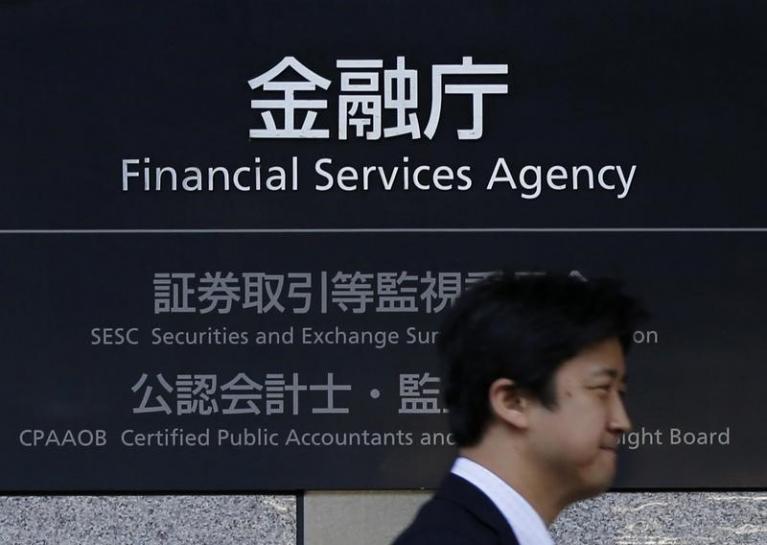
After FXCM came on the hook for over $220 million in client losses, the company sought assistance to stay afloat. To the relief of US regulators, it found a party that committed to rescuing the firm with a bailout loan. Had the provider of the loan, Leucadia National, known about the charges which the National Futures Association (NFA) brought against FXCM yesterday, it would probably have refused to provide the bailout.
Then again, the NFA and the CFTC might not have found out about any wrongdoing were it not for the SNB crisis. We are not likely to get a definitive answer to any of those questions, so let's proceed by looking at the options which Leucadia now has.
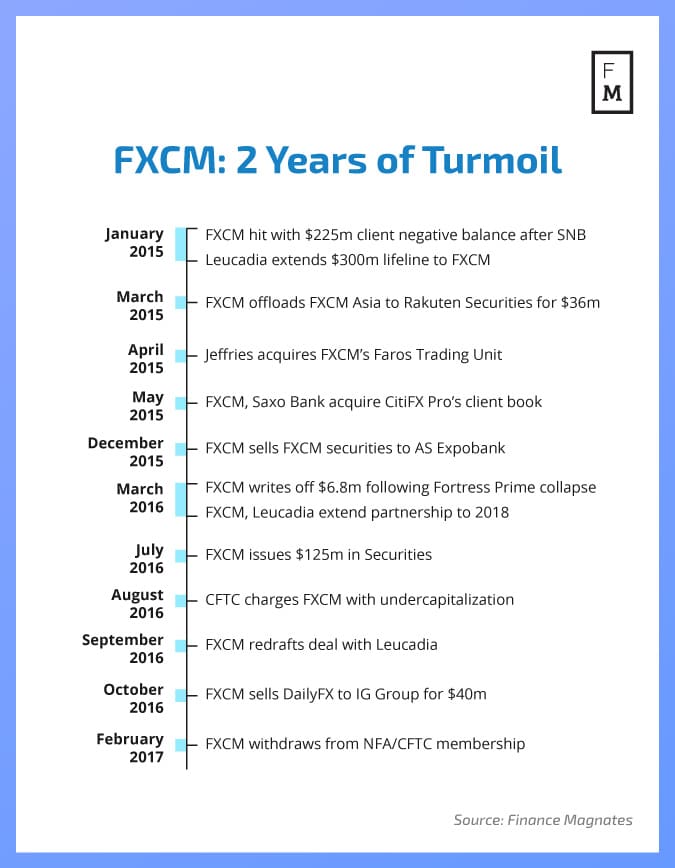
FXCM has neither admitted nor denied wrongdoing after its $7 million settlement with the CFTC. The company however has committed to repaying a portion of its Leucadia National balance with the freed up regulatory capital.
Leucadia National may be looking for a way to steer the company's decisions over the appointment of new executives company’s management. Under the circumstances, the most logical step for the firm is to direct its efforts towards unwinding the firm’s US business and attempting to contain the damage outside of the United States somehow in order to avoid a fire sale.
This is not likely to be an easy task, but Leucadia is already taking charge by quickly putting two of its executives on the board of Fastmatch, where FXCM's executives Drew Niv and William Ahdout were holding seats.
Can Other Regulators Follow Suit?
The implications of years of the deceptive marketing of FXCM’s “no-dealing desk” platform could ring alarm bells for regulators worldwide. The first regulatory jurisdiction in which the company is likely to come under scrutiny is the UK, where the Financial Conduct Authority is the chief regulator of FXCM.
FXCM CEO Drew Niv at Finance Magnates London Summit 2016
Back in 2011 the NFA fined the brokerage $2 million and ordered it to refund its clients. A settlement agreement with the FCA followed suit in 2014, when the company paid £4 million to the regulator and another $10 million to clients.
The European subsidiary of FXCM handles a substantial portion of the total number of the broker's clients. Should the FCA launch an investigation into the practices of the brokerage in the EU, this could trickle down quickly, leading to additional strain on the reputation of the company.
Are Reputation Risks Exaggerated?
FXCM has been at the forefront of the industry for a number of years and has managed to build its brand into being one of the most recognizable in the industry. Clients of the company have surely bumped into the myriad articles covering the scandalous exit of FXCM from the US market.
The million dollar question is, does that mean that clients will be directly affected by the news and being considering another brokerage? If history is any guide, the news should have a rather minimal impact on the current mood of FXCM’s clients.
Granted, some of them will desert the company, and unfortunately for Leucadia, these might be the most valuable clients of the firm. But the damage is not irreversible.
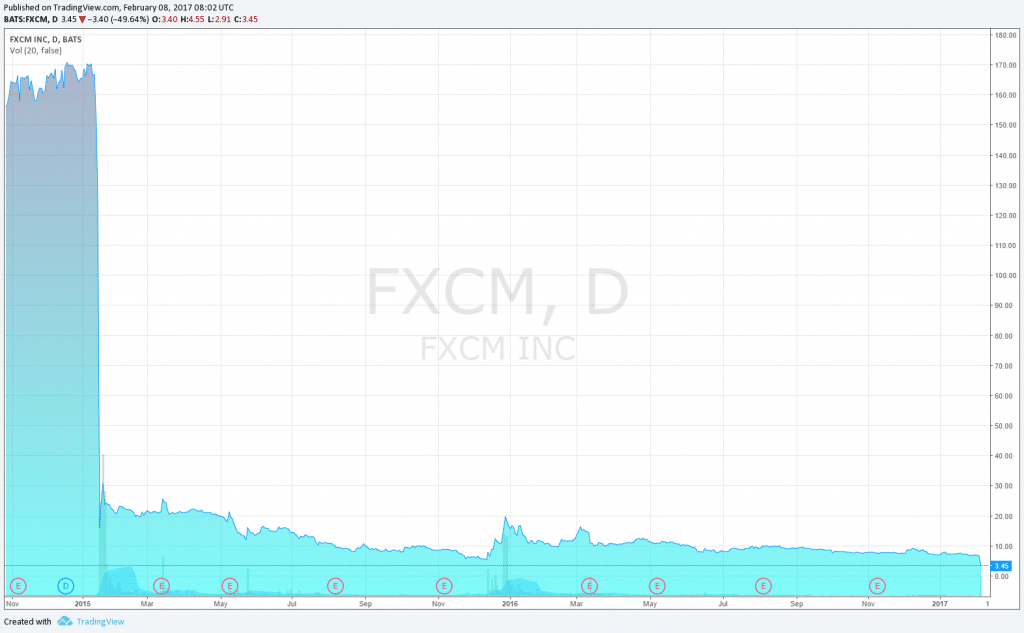
FXCM stock price chart
The provider of FXCM’s bailout loan has substantial financial resources of its own, or could look for a sale of the company, since it is likely to be controlling the decisions of the board in the near future. Leucadia currently controls 3 out of the 8 seats on FXCM's board, however the firm's influence in the decision making process can be substantial.
Leucadia National’s Dilemma
The most pressing question for Leucadia is to ascertain whether it should commit its own resources to rekindling the tarnished brand, or find a buyer for what’s left of FXCM. Immediate action should spark up confidence in the firm and result in relief for both employees and clients. In all likelihood, every hour that passes by makes this outcome less and less likely.
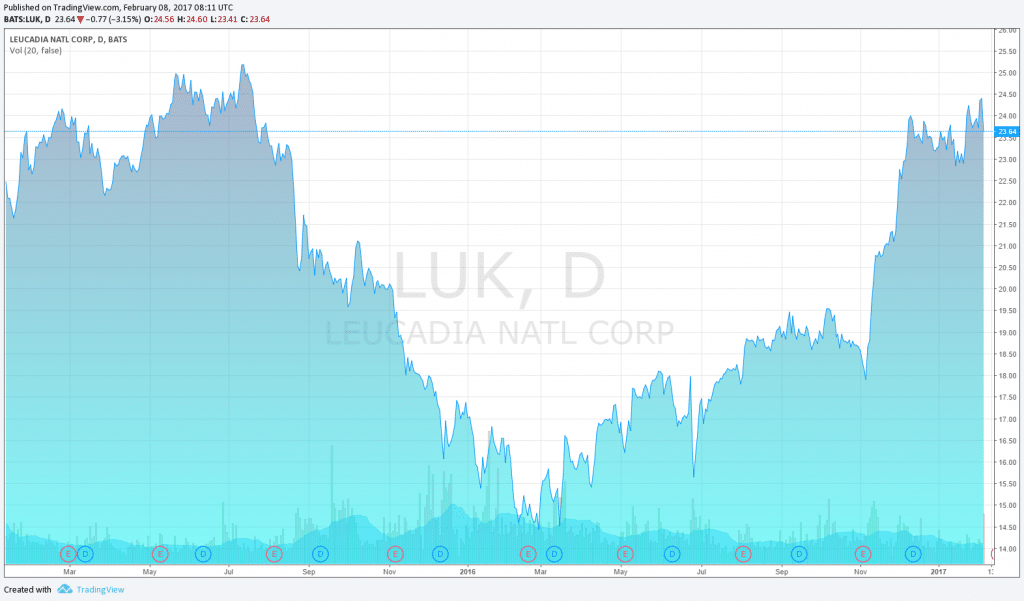
Leucadia stock price chart
The main assets of the firm are now its highly skilled talent, which the firm has already started parting ways with, and FXCM Pro, the firm’s institutional arm, which is also at most risk of losing clients.
Which path is the most likely for Leucadia National? Only the full numbers can show this and Leucadia is certainly in the process of re-evaluating its investment in FXCM.
After FXCM came on the hook for over $220 million in client losses, the company sought assistance to stay afloat. To the relief of US regulators, it found a party that committed to rescuing the firm with a bailout loan. Had the provider of the loan, Leucadia National, known about the charges which the National Futures Association (NFA) brought against FXCM yesterday, it would probably have refused to provide the bailout.
Then again, the NFA and the CFTC might not have found out about any wrongdoing were it not for the SNB crisis. We are not likely to get a definitive answer to any of those questions, so let's proceed by looking at the options which Leucadia now has.
FXCM has neither admitted nor denied wrongdoing after its $7 million settlement with the CFTC. The company however has committed to repaying a portion of its Leucadia National balance with the freed up regulatory capital.
Leucadia National may be looking for a way to steer the company's decisions over the appointment of new executives company’s management. Under the circumstances, the most logical step for the firm is to direct its efforts towards unwinding the firm’s US business and attempting to contain the damage outside of the United States somehow in order to avoid a fire sale.
This is not likely to be an easy task, but Leucadia is already taking charge by quickly putting two of its executives on the board of Fastmatch, where FXCM's executives Drew Niv and William Ahdout were holding seats.
Can Other Regulators Follow Suit?
The implications of years of the deceptive marketing of FXCM’s “no-dealing desk” platform could ring alarm bells for regulators worldwide. The first regulatory jurisdiction in which the company is likely to come under scrutiny is the UK, where the Financial Conduct Authority is the chief regulator of FXCM.
FXCM CEO Drew Niv at Finance Magnates London Summit 2016
Back in 2011 the NFA fined the brokerage $2 million and ordered it to refund its clients. A settlement agreement with the FCA followed suit in 2014, when the company paid £4 million to the regulator and another $10 million to clients.
The European subsidiary of FXCM handles a substantial portion of the total number of the broker's clients. Should the FCA launch an investigation into the practices of the brokerage in the EU, this could trickle down quickly, leading to additional strain on the reputation of the company.
Are Reputation Risks Exaggerated?
FXCM has been at the forefront of the industry for a number of years and has managed to build its brand into being one of the most recognizable in the industry. Clients of the company have surely bumped into the myriad articles covering the scandalous exit of FXCM from the US market.
The million dollar question is, does that mean that clients will be directly affected by the news and being considering another brokerage? If history is any guide, the news should have a rather minimal impact on the current mood of FXCM’s clients.
Granted, some of them will desert the company, and unfortunately for Leucadia, these might be the most valuable clients of the firm. But the damage is not irreversible.
FXCM stock price chart
The provider of FXCM’s bailout loan has substantial financial resources of its own, or could look for a sale of the company, since it is likely to be controlling the decisions of the board in the near future. Leucadia currently controls 3 out of the 8 seats on FXCM's board, however the firm's influence in the decision making process can be substantial.
Leucadia National’s Dilemma
The most pressing question for Leucadia is to ascertain whether it should commit its own resources to rekindling the tarnished brand, or find a buyer for what’s left of FXCM. Immediate action should spark up confidence in the firm and result in relief for both employees and clients. In all likelihood, every hour that passes by makes this outcome less and less likely.
Leucadia stock price chart
The main assets of the firm are now its highly skilled talent, which the firm has already started parting ways with, and FXCM Pro, the firm’s institutional arm, which is also at most risk of losing clients.
Which path is the most likely for Leucadia National? Only the full numbers can show this and Leucadia is certainly in the process of re-evaluating its investment in FXCM.
FXBO Adds IDWise KYC And AML Tools To Broker CRM Stack
Featured Videos
Precious Insights: APAC's Bullion Market amid Record Volatility
The precious metals rally has challenged how brokers and LPs think about hedging, pricing, and physical delivery. But with regional banks eyeing physical gold retail and bullion brokers across Southeast Asia harnessing new tech, volatility is not only in 'safe havens'.
This session gathers practitioners from across the bullion ecosystem to unpack what the rally means on the ground in APAC.
Attendees will walk away with:
Insight into the physical market dynamics driving retail demand across Southeast Asia, from central bank buying to store-of-value purchases
Understanding of Singapore's distinct role as APAC's bullion gateway, and competition near and far
Perspective on operational challenges unique to APAC: kilogram pricing, local delivery, and bridging CFD and physical bullion infrastructure
The precious metals rally has challenged how brokers and LPs think about hedging, pricing, and physical delivery. But with regional banks eyeing physical gold retail and bullion brokers across Southeast Asia harnessing new tech, volatility is not only in 'safe havens'.
This session gathers practitioners from across the bullion ecosystem to unpack what the rally means on the ground in APAC.
Attendees will walk away with:
Insight into the physical market dynamics driving retail demand across Southeast Asia, from central bank buying to store-of-value purchases
Understanding of Singapore's distinct role as APAC's bullion gateway, and competition near and far
Perspective on operational challenges unique to APAC: kilogram pricing, local delivery, and bridging CFD and physical bullion infrastructure
The precious metals rally has challenged how brokers and LPs think about hedging, pricing, and physical delivery. But with regional banks eyeing physical gold retail and bullion brokers across Southeast Asia harnessing new tech, volatility is not only in 'safe havens'.
This session gathers practitioners from across the bullion ecosystem to unpack what the rally means on the ground in APAC.
Attendees will walk away with:
Insight into the physical market dynamics driving retail demand across Southeast Asia, from central bank buying to store-of-value purchases
Understanding of Singapore's distinct role as APAC's bullion gateway, and competition near and far
Perspective on operational challenges unique to APAC: kilogram pricing, local delivery, and bridging CFD and physical bullion infrastructure
The precious metals rally has challenged how brokers and LPs think about hedging, pricing, and physical delivery. But with regional banks eyeing physical gold retail and bullion brokers across Southeast Asia harnessing new tech, volatility is not only in 'safe havens'.
This session gathers practitioners from across the bullion ecosystem to unpack what the rally means on the ground in APAC.
Attendees will walk away with:
Insight into the physical market dynamics driving retail demand across Southeast Asia, from central bank buying to store-of-value purchases
Understanding of Singapore's distinct role as APAC's bullion gateway, and competition near and far
Perspective on operational challenges unique to APAC: kilogram pricing, local delivery, and bridging CFD and physical bullion infrastructure
License to Fill: Market Liquidity amid Global Turmoil
Asian markets bear unique characteristics, from connectivity to asset preference. The Singapore Summit will connect global executives and local experts across the liquidity chain to discuss volatility fluctuations, diversification vs over-reliance on single assets, and the role of trust and liquidity relationships in an increasingly automated sphere.
Regional Focus: Thailand, Vietnam
Bangkok is consolidating as Southeast Asia's broker hub for CLMV access, while Vietnam's trading volumes have made it harder to ignore from any regional headquarters. Most brokers know both exist. Fewer have tested what operating there actually requires.
This session gathers practitioners with on-the-ground experience in both markets to examine what it takes to build and run operations in Thailand and Vietnam.
Attendees will walk away with:
A clear view of setup requirements in both markets: entity structures, timelines, and what first-time operators tend to get wrong
Understanding of the offshore broker model and how compliant operators work within domestic restrictions in each jurisdiction
Insight into talent acquisition, client onboarding, and distribution in markets where language, culture, and acquisition channels don't follow standard APAC assumptions
Perspective on adjacent Southeast Asian markets worth monitoring for the next regional move
Bangkok is consolidating as Southeast Asia's broker hub for CLMV access, while Vietnam's trading volumes have made it harder to ignore from any regional headquarters. Most brokers know both exist. Fewer have tested what operating there actually requires.
This session gathers practitioners with on-the-ground experience in both markets to examine what it takes to build and run operations in Thailand and Vietnam.
Attendees will walk away with:
A clear view of setup requirements in both markets: entity structures, timelines, and what first-time operators tend to get wrong
Understanding of the offshore broker model and how compliant operators work within domestic restrictions in each jurisdiction
Insight into talent acquisition, client onboarding, and distribution in markets where language, culture, and acquisition channels don't follow standard APAC assumptions
Perspective on adjacent Southeast Asian markets worth monitoring for the next regional move
Bangkok is consolidating as Southeast Asia's broker hub for CLMV access, while Vietnam's trading volumes have made it harder to ignore from any regional headquarters. Most brokers know both exist. Fewer have tested what operating there actually requires.
This session gathers practitioners with on-the-ground experience in both markets to examine what it takes to build and run operations in Thailand and Vietnam.
Attendees will walk away with:
A clear view of setup requirements in both markets: entity structures, timelines, and what first-time operators tend to get wrong
Understanding of the offshore broker model and how compliant operators work within domestic restrictions in each jurisdiction
Insight into talent acquisition, client onboarding, and distribution in markets where language, culture, and acquisition channels don't follow standard APAC assumptions
Perspective on adjacent Southeast Asian markets worth monitoring for the next regional move
Bangkok is consolidating as Southeast Asia's broker hub for CLMV access, while Vietnam's trading volumes have made it harder to ignore from any regional headquarters. Most brokers know both exist. Fewer have tested what operating there actually requires.
This session gathers practitioners with on-the-ground experience in both markets to examine what it takes to build and run operations in Thailand and Vietnam.
Attendees will walk away with:
A clear view of setup requirements in both markets: entity structures, timelines, and what first-time operators tend to get wrong
Understanding of the offshore broker model and how compliant operators work within domestic restrictions in each jurisdiction
Insight into talent acquisition, client onboarding, and distribution in markets where language, culture, and acquisition channels don't follow standard APAC assumptions
Perspective on adjacent Southeast Asian markets worth monitoring for the next regional move
Bangkok is consolidating as Southeast Asia's broker hub for CLMV access, while Vietnam's trading volumes have made it harder to ignore from any regional headquarters. Most brokers know both exist. Fewer have tested what operating there actually requires.
This session gathers practitioners with on-the-ground experience in both markets to examine what it takes to build and run operations in Thailand and Vietnam.
Attendees will walk away with:
A clear view of setup requirements in both markets: entity structures, timelines, and what first-time operators tend to get wrong
Understanding of the offshore broker model and how compliant operators work within domestic restrictions in each jurisdiction
Insight into talent acquisition, client onboarding, and distribution in markets where language, culture, and acquisition channels don't follow standard APAC assumptions
Perspective on adjacent Southeast Asian markets worth monitoring for the next regional move
Bangkok is consolidating as Southeast Asia's broker hub for CLMV access, while Vietnam's trading volumes have made it harder to ignore from any regional headquarters. Most brokers know both exist. Fewer have tested what operating there actually requires.
This session gathers practitioners with on-the-ground experience in both markets to examine what it takes to build and run operations in Thailand and Vietnam.
Attendees will walk away with:
A clear view of setup requirements in both markets: entity structures, timelines, and what first-time operators tend to get wrong
Understanding of the offshore broker model and how compliant operators work within domestic restrictions in each jurisdiction
Insight into talent acquisition, client onboarding, and distribution in markets where language, culture, and acquisition channels don't follow standard APAC assumptions
Perspective on adjacent Southeast Asian markets worth monitoring for the next regional move
Join The Club: What Premium Clients Want
High-net-worth traders account for an outsized portion of revenues for various retail brokers.
This session will gather heads of premium, acquisition, and product experts to reveal how they build their client base in Asia.
Attendees will walk away with:
Understanding of how brokers view premium clients (beyond deposit size).
Insight into which services, products, and benefits increase trust and LTV.
Examples of offerings that scale without inflating cost or operational burden.
Lessons from leading brokers on growing premium segments and what’s next.
High-net-worth traders account for an outsized portion of revenues for various retail brokers.
This session will gather heads of premium, acquisition, and product experts to reveal how they build their client base in Asia.
Attendees will walk away with:
Understanding of how brokers view premium clients (beyond deposit size).
Insight into which services, products, and benefits increase trust and LTV.
Examples of offerings that scale without inflating cost or operational burden.
Lessons from leading brokers on growing premium segments and what’s next.
High-net-worth traders account for an outsized portion of revenues for various retail brokers.
This session will gather heads of premium, acquisition, and product experts to reveal how they build their client base in Asia.
Attendees will walk away with:
Understanding of how brokers view premium clients (beyond deposit size).
Insight into which services, products, and benefits increase trust and LTV.
Examples of offerings that scale without inflating cost or operational burden.
Lessons from leading brokers on growing premium segments and what’s next.
High-net-worth traders account for an outsized portion of revenues for various retail brokers.
This session will gather heads of premium, acquisition, and product experts to reveal how they build their client base in Asia.
Attendees will walk away with:
Understanding of how brokers view premium clients (beyond deposit size).
Insight into which services, products, and benefits increase trust and LTV.
Examples of offerings that scale without inflating cost or operational burden.
Lessons from leading brokers on growing premium segments and what’s next.
High-net-worth traders account for an outsized portion of revenues for various retail brokers.
This session will gather heads of premium, acquisition, and product experts to reveal how they build their client base in Asia.
Attendees will walk away with:
Understanding of how brokers view premium clients (beyond deposit size).
Insight into which services, products, and benefits increase trust and LTV.
Examples of offerings that scale without inflating cost or operational burden.
Lessons from leading brokers on growing premium segments and what’s next.
High-net-worth traders account for an outsized portion of revenues for various retail brokers.
This session will gather heads of premium, acquisition, and product experts to reveal how they build their client base in Asia.
Attendees will walk away with:
Understanding of how brokers view premium clients (beyond deposit size).
Insight into which services, products, and benefits increase trust and LTV.
Examples of offerings that scale without inflating cost or operational burden.
Lessons from leading brokers on growing premium segments and what’s next.
Buying The Deep: Digital Asset Adoption in APAC and Beyond
The persisting price drops test the industry's commitment to crypto adoption. While on-chain innovation is making headway across market mechanics, from stablecoins to tokenization, investors remains cautious.
This session brings together market structure experts and institutional investors to explore how a prolonged bear market affects their long-term strategy, and where the opportunities lie ahead of the next cycle.
Attendees will walk away with:
First-hand account of the bear market's impact on various industry players
Understanding of what custody, connectivity, and settlement gaps still hamper growth in APAC
Insight into how client mandates and operational readiness are shaping who moves and who waits
Perspective on what institutional investors need to move toward actual digital asset capital deployment
The persisting price drops test the industry's commitment to crypto adoption. While on-chain innovation is making headway across market mechanics, from stablecoins to tokenization, investors remains cautious.
This session brings together market structure experts and institutional investors to explore how a prolonged bear market affects their long-term strategy, and where the opportunities lie ahead of the next cycle.
Attendees will walk away with:
First-hand account of the bear market's impact on various industry players
Understanding of what custody, connectivity, and settlement gaps still hamper growth in APAC
Insight into how client mandates and operational readiness are shaping who moves and who waits
Perspective on what institutional investors need to move toward actual digital asset capital deployment
The persisting price drops test the industry's commitment to crypto adoption. While on-chain innovation is making headway across market mechanics, from stablecoins to tokenization, investors remains cautious.
This session brings together market structure experts and institutional investors to explore how a prolonged bear market affects their long-term strategy, and where the opportunities lie ahead of the next cycle.
Attendees will walk away with:
First-hand account of the bear market's impact on various industry players
Understanding of what custody, connectivity, and settlement gaps still hamper growth in APAC
Insight into how client mandates and operational readiness are shaping who moves and who waits
Perspective on what institutional investors need to move toward actual digital asset capital deployment
The persisting price drops test the industry's commitment to crypto adoption. While on-chain innovation is making headway across market mechanics, from stablecoins to tokenization, investors remains cautious.
This session brings together market structure experts and institutional investors to explore how a prolonged bear market affects their long-term strategy, and where the opportunities lie ahead of the next cycle.
Attendees will walk away with:
First-hand account of the bear market's impact on various industry players
Understanding of what custody, connectivity, and settlement gaps still hamper growth in APAC
Insight into how client mandates and operational readiness are shaping who moves and who waits
Perspective on what institutional investors need to move toward actual digital asset capital deployment
The persisting price drops test the industry's commitment to crypto adoption. While on-chain innovation is making headway across market mechanics, from stablecoins to tokenization, investors remains cautious.
This session brings together market structure experts and institutional investors to explore how a prolonged bear market affects their long-term strategy, and where the opportunities lie ahead of the next cycle.
Attendees will walk away with:
First-hand account of the bear market's impact on various industry players
Understanding of what custody, connectivity, and settlement gaps still hamper growth in APAC
Insight into how client mandates and operational readiness are shaping who moves and who waits
Perspective on what institutional investors need to move toward actual digital asset capital deployment
The persisting price drops test the industry's commitment to crypto adoption. While on-chain innovation is making headway across market mechanics, from stablecoins to tokenization, investors remains cautious.
This session brings together market structure experts and institutional investors to explore how a prolonged bear market affects their long-term strategy, and where the opportunities lie ahead of the next cycle.
Attendees will walk away with:
First-hand account of the bear market's impact on various industry players
Understanding of what custody, connectivity, and settlement gaps still hamper growth in APAC
Insight into how client mandates and operational readiness are shaping who moves and who waits
Perspective on what institutional investors need to move toward actual digital asset capital deployment