Financial and Business News

Robinhood Backs Itself With $1.5 Billion Share Buyback as Stock Declines

Wednesday, 25/03/2026 | 14:22 GMT by Jared Kirui
  • Shares have fallen nearly 40% this year but rebounded slightly after reaching their lowest point.
  • Robinhood also added a $3.25 billion credit facility amid push into social trading, prediction markets, and tokenization.
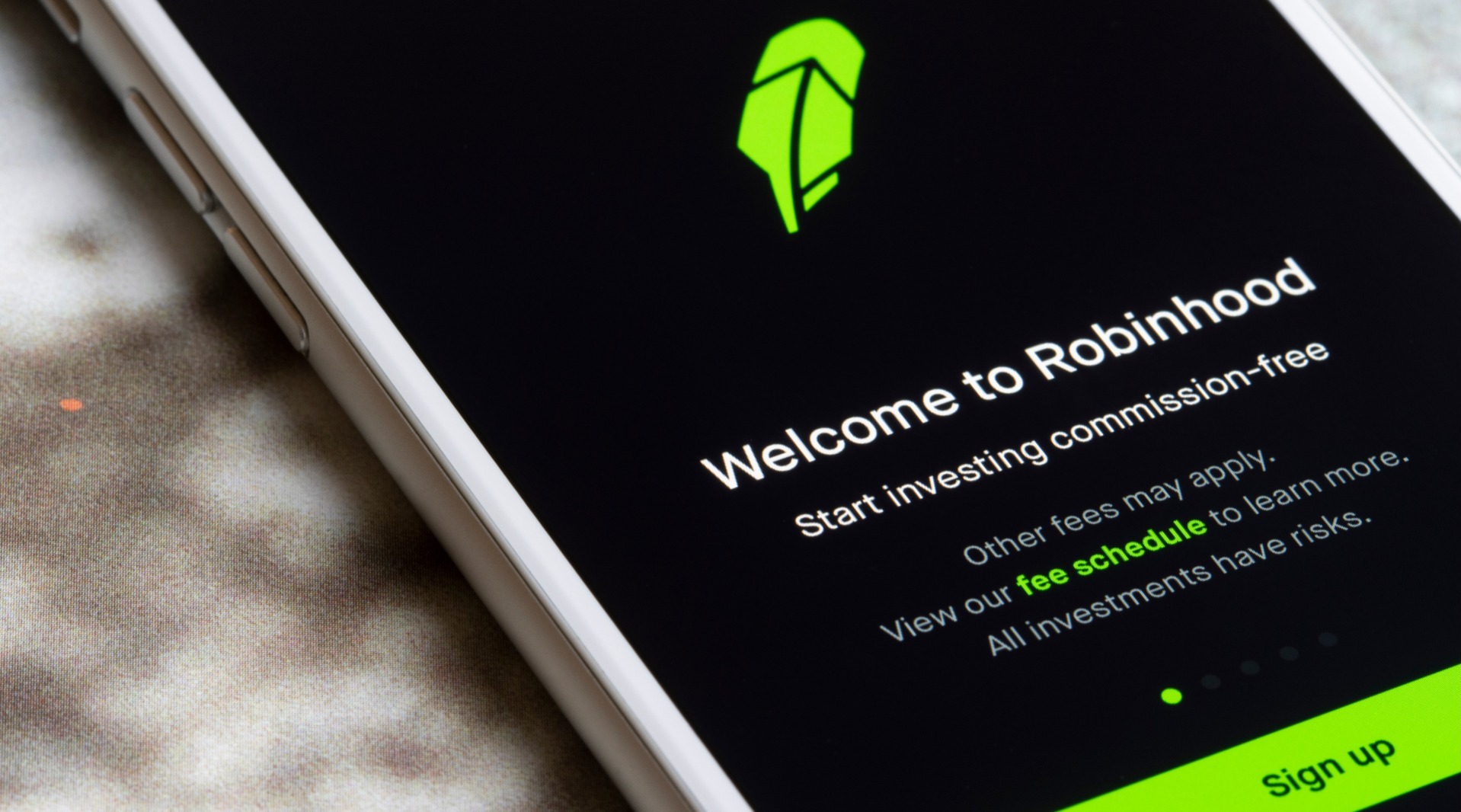
Robinhood
Robinhood, source: Shutterstock

Robinhood has announced a new $1.5 billion stock repurchase plan, coming as crypto and tech markets face pressure from wider geopolitical and economic uncertainty. Shares in Robinhood Markets dropped to their lowest level this year.

Singapore Summit: Meet the largest APAC brokers you know (and those you still don't!)

$1.5 Billion Program Extends Earlier Buybacks

Robinhood’s board approved the buyback on Tuesday, adding $1.1 billion in new capacity to its remaining authorization. The plan will run for about three years, with flexibility to speed up depending on market conditions.

The latest plan extends an earlier $1.5 billion program started in 2024 and expanded in 2025. By March 2025, Robinhood had repurchased 25 million shares for more than $1.1 billion. The firm went public on July 29, 2021, listing its shares on the Nasdaq under the ticker.

Keep reading: Finance on Tap: Robinhood Brings Money Trivia to Pubs Across England

Robinhood shares closed 4.7% lower Tuesday at $69.08 before recovering slightly after hours. The stock has dropped almost 40% this year and is down more than half from its October peak of more than $150. However, at the time of writing, the price was 7% up, trading at $73.

Separately, Robinhood Securities entered a $3.25 billion revolving credit facility with JPMorgan Chase, replacing a smaller one and allowing expansion up to $4.87 billion.

Social Trading, Prediction Markets, and Tokenization

Robinhood’s latest buyback comes as the broker leans harder into social trading, testing a U.S. product that lets users share and discuss portfolios in‑app while trying not to provoke another regulatory backlash.

At the same time, the company is pouring resources into prediction markets, which have quickly become one of its fastest‑growing businesses and a key pillar of its post‑meme‑stock story. Robinhood is building its own futures and derivatives exchange and gradually loosening its reliance on Kalshi, even if volumes and fee sharing still tie the two together for now.

Further out on the risk curve sits Robinhood’s tokenization push, where it is working with blockchain partners on a three‑phase plan that would see users hold tokenized equities , withdraw them off‑platform and eventually pledge them as collateral for crypto loans. If it works, Robinhood could position itself at the center of a retail capital‑markets stack that spans stocks, prediction markets and on‑chain finance.

Robinhood has announced a new $1.5 billion stock repurchase plan, coming as crypto and tech markets face pressure from wider geopolitical and economic uncertainty. Shares in Robinhood Markets dropped to their lowest level this year.

Singapore Summit: Meet the largest APAC brokers you know (and those you still don't!)

$1.5 Billion Program Extends Earlier Buybacks

Robinhood’s board approved the buyback on Tuesday, adding $1.1 billion in new capacity to its remaining authorization. The plan will run for about three years, with flexibility to speed up depending on market conditions.

The latest plan extends an earlier $1.5 billion program started in 2024 and expanded in 2025. By March 2025, Robinhood had repurchased 25 million shares for more than $1.1 billion. The firm went public on July 29, 2021, listing its shares on the Nasdaq under the ticker.

Keep reading: Finance on Tap: Robinhood Brings Money Trivia to Pubs Across England

Robinhood shares closed 4.7% lower Tuesday at $69.08 before recovering slightly after hours. The stock has dropped almost 40% this year and is down more than half from its October peak of more than $150. However, at the time of writing, the price was 7% up, trading at $73.

Separately, Robinhood Securities entered a $3.25 billion revolving credit facility with JPMorgan Chase, replacing a smaller one and allowing expansion up to $4.87 billion.

Social Trading, Prediction Markets, and Tokenization

Robinhood’s latest buyback comes as the broker leans harder into social trading, testing a U.S. product that lets users share and discuss portfolios in‑app while trying not to provoke another regulatory backlash.

At the same time, the company is pouring resources into prediction markets, which have quickly become one of its fastest‑growing businesses and a key pillar of its post‑meme‑stock story. Robinhood is building its own futures and derivatives exchange and gradually loosening its reliance on Kalshi, even if volumes and fee sharing still tie the two together for now.

Further out on the risk curve sits Robinhood’s tokenization push, where it is working with blockchain partners on a three‑phase plan that would see users hold tokenized equities , withdraw them off‑platform and eventually pledge them as collateral for crypto loans. If it works, Robinhood could position itself at the center of a retail capital‑markets stack that spans stocks, prediction markets and on‑chain finance.
About the Author: Jared Kirui
Jared Kirui
  • 2704 Articles
  • 53 Followers
Jared Kirui is an Editor at Finance Magnates with more than five years of experience in financial journalism. He covers online trading, fintech, payments, and crypto industries with a focus on companies, regulation and compliance, executive moves, trading technology, and market analysis. His work has been featured in other media outlets, including Benzinga, ZyCrypto, The Distributed, and The Daily Hodl. Education: Bachelor of Commerce degree (Finance option), University of Nairobi

More from the Author

FinTech