Financial and Business News

OpenAI’s CEO Drama Ends with Sam Altman Back in Charge

Wednesday, 22/11/2023 | 08:24 GMT by Damian Chmiel
  • Altman returns to the position of the CEO, and OpenAI forms a new board.
  • The company might get scared of employees' mass resignations who stood firmly behind the CEO.
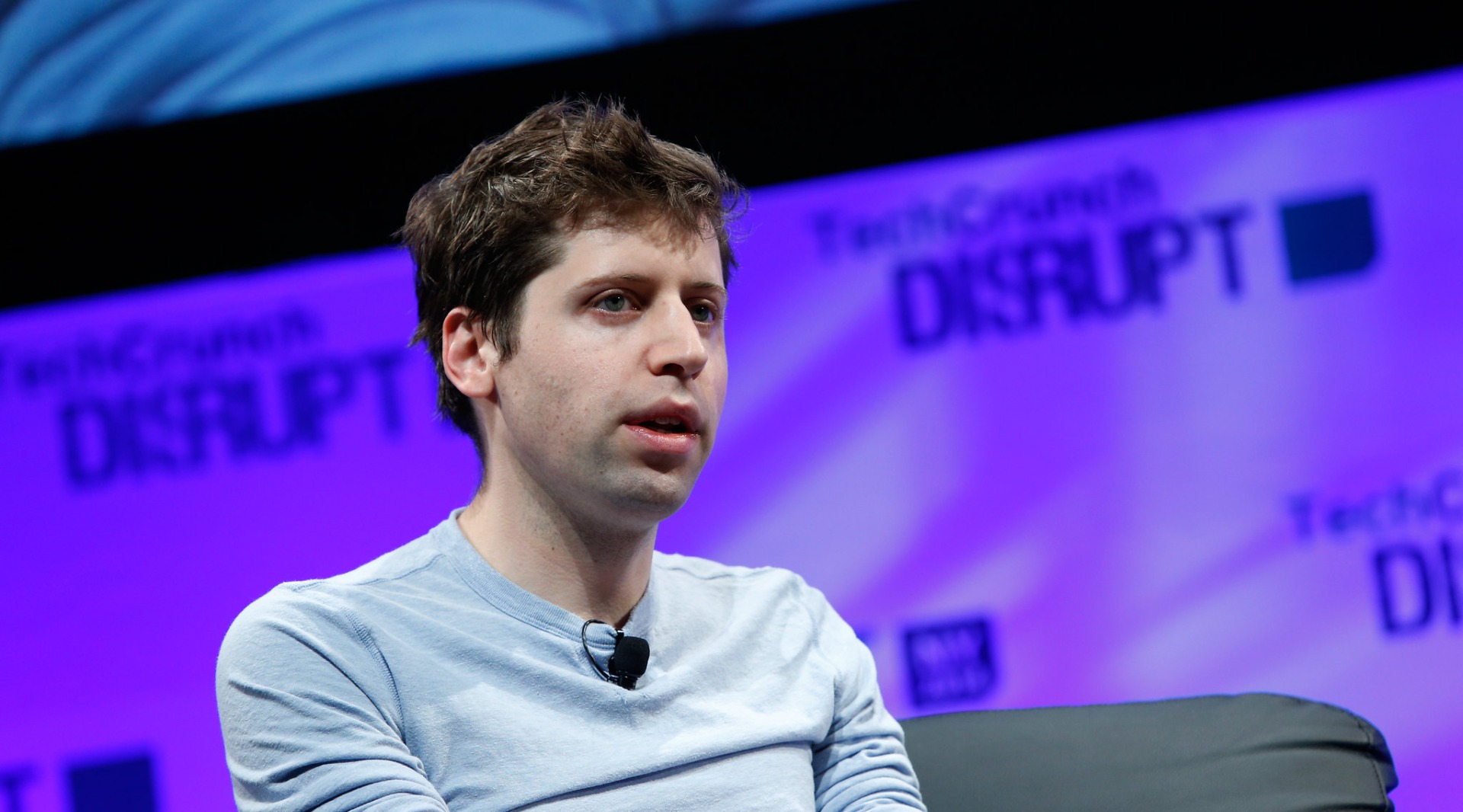
Sam Altman
Sam Altman, speaking during TechChrunch Disrupt NY 2014

Resignation, job offers from Microsoft, and ultimately a return to the CEO chair, all within a matter of hours. Sam Altman, the Co-Founder of OpenAI, has undoubtedly been on an emotional rollercoaster, and the artificial intelligence (AI ) industry has seen the drama that Silicon Valley and the entire Internet have been closely following.

Sam Altman Back as OpenAI’s CEO

After three days, Altman has returned to the position of OpenAI's CEO, the creator of the record-breaking artificial intelligence tool ChatGPT. The company is creating an initial board and intends to "figure out the details" shortly. It will be led by Bret Taylor, who was the Chairman at Twitter before Elon Musk took over.

Last Friday, OpenAI announced that it had decided to remove Altman from his position, explaining this with a lack of confidence in his future actions. Altman had been one of the company's co-founders since 2015 and served as its CEO since 2019. Mira Murati, who was responsible for research at the company, was appointed interim CEO.

From Unemployment, through Microsoft and Back to OpenAI

However, Altman did not spend much time unemployed, as on Sunday, there was information that Microsoft had offered him a position. Together with him, Greg Brockman, OpenAI's former Chairman, and a team of "colleagues" who allegedly left OpenAI with Altman, were also offered jobs. Behind the scenes, it was said that most of the company's employees stood behind their CEO and threatened mass resignations.

Microsoft's involvement, the media turmoil, and the chaos caused by the CEO's dismissal led to several days of intense negotiations. As a result, Altman was reinstated, and the company is now trying to form a new board.

For Silicon Valley, CEO departures and returns are nothing new. However, Apple's Co-Founder Steve Jobs needed ten years to return, and Twitter's Co-Founder Jack Dorsey needed seven years. For Altman, it only took a few days. Everything, including dramas, seems to be happening much faster in the AI revolution era.

OpenAI Could Be Worth Almost $90 Billion

At the end of October, Finance Magnates reported that OpenAI is negotiating a tender offer, allowing current employees to sell their shares and value the company at $86 billion. Specifically, according to people familiar with the matter, OpenAI is in talks with potential investors to sell existing employees' shares through a tender offer that would value the company at $86 billion.

Also, OpenAI is entering the hardware arena to develop custom AI chips, driven by the growing demand for specialized hardware tailored to AI workloads. Traditional processors like CPUs and GPUs are limited in handling complex AI tasks. Custom hardware like ASICs and FPGAs offers higher performance and energy efficiency.

Resignation, job offers from Microsoft, and ultimately a return to the CEO chair, all within a matter of hours. Sam Altman, the Co-Founder of OpenAI, has undoubtedly been on an emotional rollercoaster, and the artificial intelligence (AI ) industry has seen the drama that Silicon Valley and the entire Internet have been closely following.

Sam Altman Back as OpenAI’s CEO

After three days, Altman has returned to the position of OpenAI's CEO, the creator of the record-breaking artificial intelligence tool ChatGPT. The company is creating an initial board and intends to "figure out the details" shortly. It will be led by Bret Taylor, who was the Chairman at Twitter before Elon Musk took over.

Last Friday, OpenAI announced that it had decided to remove Altman from his position, explaining this with a lack of confidence in his future actions. Altman had been one of the company's co-founders since 2015 and served as its CEO since 2019. Mira Murati, who was responsible for research at the company, was appointed interim CEO.

From Unemployment, through Microsoft and Back to OpenAI

However, Altman did not spend much time unemployed, as on Sunday, there was information that Microsoft had offered him a position. Together with him, Greg Brockman, OpenAI's former Chairman, and a team of "colleagues" who allegedly left OpenAI with Altman, were also offered jobs. Behind the scenes, it was said that most of the company's employees stood behind their CEO and threatened mass resignations.

Microsoft's involvement, the media turmoil, and the chaos caused by the CEO's dismissal led to several days of intense negotiations. As a result, Altman was reinstated, and the company is now trying to form a new board.

For Silicon Valley, CEO departures and returns are nothing new. However, Apple's Co-Founder Steve Jobs needed ten years to return, and Twitter's Co-Founder Jack Dorsey needed seven years. For Altman, it only took a few days. Everything, including dramas, seems to be happening much faster in the AI revolution era.

OpenAI Could Be Worth Almost $90 Billion

At the end of October, Finance Magnates reported that OpenAI is negotiating a tender offer, allowing current employees to sell their shares and value the company at $86 billion. Specifically, according to people familiar with the matter, OpenAI is in talks with potential investors to sell existing employees' shares through a tender offer that would value the company at $86 billion.

Also, OpenAI is entering the hardware arena to develop custom AI chips, driven by the growing demand for specialized hardware tailored to AI workloads. Traditional processors like CPUs and GPUs are limited in handling complex AI tasks. Custom hardware like ASICs and FPGAs offers higher performance and energy efficiency.
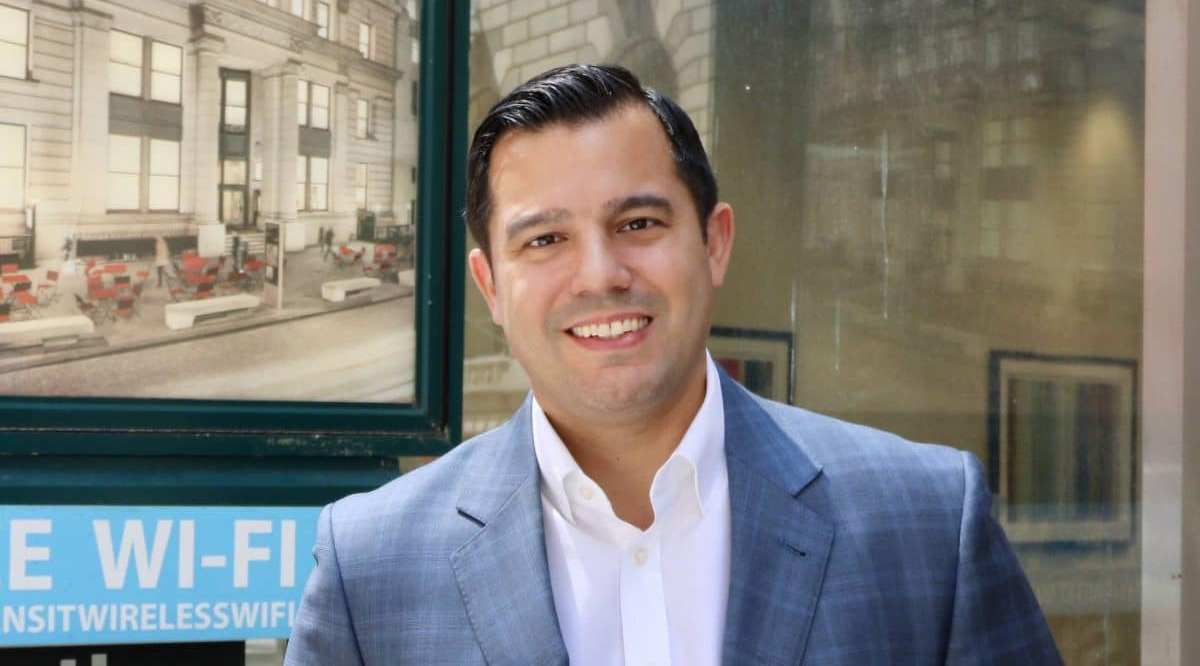
About the Author: Damian Chmiel
Damian Chmiel
  • 3352 Articles
  • 105 Followers
Damian Chmiel is a Senior Analyst & Editor at Finance Magnates with more than 15 years of experience in the CFD and online trading industry. Active as both a trader and journalist since 2010, he focuses on broker coverage, fintech innovation, and regulatory developments across Europe, the Middle East, and Asia. His work includes interviews with C-level leaders at major brokerages and fintech platforms, as well as co-authoring Finance Magnates’ quarterly industry benchmarking reports. Damian’s reporting is data-driven, market-aware, and grounded in direct industry engagement. His analysis and commentary have also been cited by external media outlets, including Investing.com, Binance, The Asset, Stockhead, and Dispatch. Education: MA in Finance and Accounting, Cracow University of Economics

More from the Author

FinTech