Challenges in B2B payments, like time inefficiency, were discussed during the FMLS:23.
Experts examined how Web 3 payments tackle challenges in the traditional payments infrastructure.
Web3 Payments: The Next Frontier - Panel at FMLS:23
Delving into the future of finance, the recent panel
discussion at Finance Magnates London Summit 2023's (FMLS:23) Innovate Stage showcased an intriguing dialogue on Web
3 Payments. From unveiling challenges in B2B transactions to contemplating the
transformative potential of blockchain technology, experts discussed the challenges in this evolving landscape.
The panel discussion was moderated by Elena Sabelnikova, a business partner at Advanced Payments Solution, and brought together Danat Tunushbayev from BVNK, Nabil Manji, the SVP for Crypto and Web 3 at
Worldpay, Nikita Sachdev, the CEO and Founder of Luna PR, and Kebbie Sebastian, the CEO of Merge Money.
B2B Payments and Time
Efficiency
The conversation commenced by outlining the intricate challenges within the payment landscape. Sebastian mentioned:
"Challenges with respect to payments are time and cost. Regarding time,
53% of B2B payments are credited within an hour, and 42% of cross-border B2B
payments are credited within an hour for P2P. Clearly, that's not good enough,
and I believe the cost ranges from 1.5% to 2.5% whether it's B2B or P2P
payments."
However, Manji reflected on the progress made in the consumer payment space over the
past decade. He highlighted the remarkable shift from predominantly card-based
transactions to diverse local non-card payment methods globally.
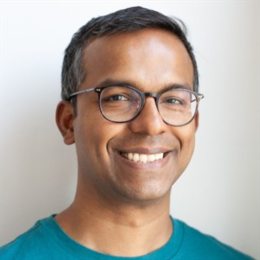
Nabil Manji, the SVP for Crypto and Web3 at Worldpay
This diversification has significantly reduced costs.
Yet, the profitability struggle within fintech businesses raises questions
about the sustainability of further cost reduction.
According to Tungushbayev,
traditional methods like Swift often entail prolonged settlement duration of up
to five or six days, coupled with relatively high fees, particularly in
corridors like Southeast Asia to the EU or the UK. Emphasizing the potential of
blockchain technology in revolutionizing this space, he underscored the
emergence of startups innovating with stablecoins and native tokens.
Blockchain technology facilitates rapid settlements, significantly lowers costs, and enhances security compared to conventional methods. The panelists delved into the prospect of near-instant settlement times and heightened security in this technology, especially the application of central bank digital currencies (CBDCs).
Nikita Sachdev, the CEO and Founder at Luna PR
Sachdev said: "We are not completely in Web 3 yet, and CBDCs present a perfect use case for Web 2.5. I feel like CBDCs will provide more transparency with how money moves and the supply of money. I think CBDCs are an alternative, not comparing it to cryptocurrencies, but I think it's a perfect middle ground."
Central Bank Digital Currencies and
Regulatory Hurdles
The panel discussion highlighted the potential of CBDCs but cautioned about the protracted timeline for their
implementation. Sebastian noted the pivotal role of legal tender concepts and the
reluctance of countries to relinquish control over monetary policies.
Kebbie Sebastian, the CEO of Merge Money
He said: "I am not as bullish on CBDCs for two reasons:
the likelihood that any country would give up a key instrument of monetary
policy is very low, and two, in the time it will take off. But I guess without China, India, and the US getting behind crypto and CBDCs
in a big way, you do not have a block that represents 40% of the world's
population and 53% of the world's GDP. If that does not happen, this will not
take off."
Besides that, regulatory landscapes emerged as a critical
cornerstone in stablecoin payments. The discussion examined the necessity for robust regulations addressing counterparty identity and
recourse in case of technical glitches.
Tungushbayev opined:
"I think you can look at crypto payments as an alternative payment
method in order to acquire a new customer base without going into a new
geographical location. You can also look at a whole new sector of
people holding their crypto wealth. By offering crypto payments or web-free
payments, you can start looking at expanding into new regions."
Security in Web 3 Payments
In the course of the discussion, the issue of security in payments surfaced as an essential concern. The
panelists agreed on the need for stringent regulations and traditional security
measures within the crypto space. The need for regulated licensing, asset
segregation, stringent controls, and qualified personnel highlighted the
critical steps to ensure client asset security amid industry concerns
over past security breaches.
Danat Tungushbayev from BVNK
Sebastian echoed this sentiment, underscoring the
importance of oversight and standards. He cited the banking
sector's stringent compliance spending, indicating an imminent convergence in the cost of compliance for crypto companies to ensure heightened security.
The panelists acknowledged the growing participation
of traditional financial giants in the Web 3 Payments arena. "We are seeing multiple traditional financial giants come in and try to innovate on the blockchain, whether in payments or tokenizing," Tungushbayev mentioned. He explained that the convergence of traditional and emerging
financial players signifies a pivotal shift in the industry's landscape.
The financial world is at the phase of a
transformative shift with Web 3 payments. As panelists analyzed the challenges,
proposed solutions, and contemplated the role of traditional institutions, the
conversation revolved around efficiency, security, and regulatory frameworks.
Delving into the future of finance, the recent panel
discussion at Finance Magnates London Summit 2023's (FMLS:23) Innovate Stage showcased an intriguing dialogue on Web
3 Payments. From unveiling challenges in B2B transactions to contemplating the
transformative potential of blockchain technology, experts discussed the challenges in this evolving landscape.
The panel discussion was moderated by Elena Sabelnikova, a business partner at Advanced Payments Solution, and brought together Danat Tunushbayev from BVNK, Nabil Manji, the SVP for Crypto and Web 3 at
Worldpay, Nikita Sachdev, the CEO and Founder of Luna PR, and Kebbie Sebastian, the CEO of Merge Money.
B2B Payments and Time
Efficiency
The conversation commenced by outlining the intricate challenges within the payment landscape. Sebastian mentioned:
"Challenges with respect to payments are time and cost. Regarding time,
53% of B2B payments are credited within an hour, and 42% of cross-border B2B
payments are credited within an hour for P2P. Clearly, that's not good enough,
and I believe the cost ranges from 1.5% to 2.5% whether it's B2B or P2P
payments."
However, Manji reflected on the progress made in the consumer payment space over the
past decade. He highlighted the remarkable shift from predominantly card-based
transactions to diverse local non-card payment methods globally.
Nabil Manji, the SVP for Crypto and Web3 at Worldpay
This diversification has significantly reduced costs.
Yet, the profitability struggle within fintech businesses raises questions
about the sustainability of further cost reduction.
According to Tungushbayev,
traditional methods like Swift often entail prolonged settlement duration of up
to five or six days, coupled with relatively high fees, particularly in
corridors like Southeast Asia to the EU or the UK. Emphasizing the potential of
blockchain technology in revolutionizing this space, he underscored the
emergence of startups innovating with stablecoins and native tokens.
Blockchain technology facilitates rapid settlements, significantly lowers costs, and enhances security compared to conventional methods. The panelists delved into the prospect of near-instant settlement times and heightened security in this technology, especially the application of central bank digital currencies (CBDCs).
Nikita Sachdev, the CEO and Founder at Luna PR
Sachdev said: "We are not completely in Web 3 yet, and CBDCs present a perfect use case for Web 2.5. I feel like CBDCs will provide more transparency with how money moves and the supply of money. I think CBDCs are an alternative, not comparing it to cryptocurrencies, but I think it's a perfect middle ground."
Central Bank Digital Currencies and
Regulatory Hurdles
The panel discussion highlighted the potential of CBDCs but cautioned about the protracted timeline for their
implementation. Sebastian noted the pivotal role of legal tender concepts and the
reluctance of countries to relinquish control over monetary policies.
Kebbie Sebastian, the CEO of Merge Money
He said: "I am not as bullish on CBDCs for two reasons:
the likelihood that any country would give up a key instrument of monetary
policy is very low, and two, in the time it will take off. But I guess without China, India, and the US getting behind crypto and CBDCs
in a big way, you do not have a block that represents 40% of the world's
population and 53% of the world's GDP. If that does not happen, this will not
take off."
Besides that, regulatory landscapes emerged as a critical
cornerstone in stablecoin payments. The discussion examined the necessity for robust regulations addressing counterparty identity and
recourse in case of technical glitches.
Tungushbayev opined:
"I think you can look at crypto payments as an alternative payment
method in order to acquire a new customer base without going into a new
geographical location. You can also look at a whole new sector of
people holding their crypto wealth. By offering crypto payments or web-free
payments, you can start looking at expanding into new regions."
Security in Web 3 Payments
In the course of the discussion, the issue of security in payments surfaced as an essential concern. The
panelists agreed on the need for stringent regulations and traditional security
measures within the crypto space. The need for regulated licensing, asset
segregation, stringent controls, and qualified personnel highlighted the
critical steps to ensure client asset security amid industry concerns
over past security breaches.
Danat Tungushbayev from BVNK
Sebastian echoed this sentiment, underscoring the
importance of oversight and standards. He cited the banking
sector's stringent compliance spending, indicating an imminent convergence in the cost of compliance for crypto companies to ensure heightened security.
The panelists acknowledged the growing participation
of traditional financial giants in the Web 3 Payments arena. "We are seeing multiple traditional financial giants come in and try to innovate on the blockchain, whether in payments or tokenizing," Tungushbayev mentioned. He explained that the convergence of traditional and emerging
financial players signifies a pivotal shift in the industry's landscape.
The financial world is at the phase of a
transformative shift with Web 3 payments. As panelists analyzed the challenges,
proposed solutions, and contemplated the role of traditional institutions, the
conversation revolved around efficiency, security, and regulatory frameworks.
Jared Kirui is an Editor at Finance Magnates with more than five years of experience in financial journalism. He covers online trading, fintech, payments, and crypto industries with a focus on companies, regulation and compliance, executive moves, trading technology, and market analysis.
His work has been featured in other media outlets, including Benzinga, ZyCrypto, The Distributed, and The Daily Hodl.
Education:
Bachelor of Commerce degree (Finance option), University of Nairobi
Polymarket Adds Self-Exclusion and Deposit Limits for Prediction Traders
Featured Videos
AvaTrade to Acquire Most of FXCM; NAGA Raises $8M
AvaTrade to Acquire Most of FXCM; NAGA Raises $8M
AvaTrade to Acquire Most of FXCM; NAGA Raises $8M
AvaTrade to Acquire Most of FXCM; NAGA Raises $8M
Today’s financial news recap covers AvaTrade agrees to acquire most of FXCM, NAGA secures eight million dollars in new financing, and Wise seeks a tax settlement in the UK.
Finance Magnates Daily Recap brings you the latest news from forex and CFD brokers, fintech, payments, cryptocurrency, digital assets, trading platforms, financial regulation and global markets.
Get the key company news, executive moves, deals, regulatory updates and market developments of the day, in just a few minutes. New episodes published every weekday.
Read more: https://www.financemagnates.com
#FinanceMagnates #ForexNews #FintechNews
Today’s financial news recap covers AvaTrade agrees to acquire most of FXCM, NAGA secures eight million dollars in new financing, and Wise seeks a tax settlement in the UK.
Finance Magnates Daily Recap brings you the latest news from forex and CFD brokers, fintech, payments, cryptocurrency, digital assets, trading platforms, financial regulation and global markets.
Get the key company news, executive moves, deals, regulatory updates and market developments of the day, in just a few minutes. New episodes published every weekday.
Read more: https://www.financemagnates.com
#FinanceMagnates #ForexNews #FintechNews
Today’s financial news recap covers AvaTrade agrees to acquire most of FXCM, NAGA secures eight million dollars in new financing, and Wise seeks a tax settlement in the UK.
Finance Magnates Daily Recap brings you the latest news from forex and CFD brokers, fintech, payments, cryptocurrency, digital assets, trading platforms, financial regulation and global markets.
Get the key company news, executive moves, deals, regulatory updates and market developments of the day, in just a few minutes. New episodes published every weekday.
Read more: https://www.financemagnates.com
#FinanceMagnates #ForexNews #FintechNews
Today’s financial news recap covers AvaTrade agrees to acquire most of FXCM, NAGA secures eight million dollars in new financing, and Wise seeks a tax settlement in the UK.
Finance Magnates Daily Recap brings you the latest news from forex and CFD brokers, fintech, payments, cryptocurrency, digital assets, trading platforms, financial regulation and global markets.
Get the key company news, executive moves, deals, regulatory updates and market developments of the day, in just a few minutes. New episodes published every weekday.
Read more: https://www.financemagnates.com
#FinanceMagnates #ForexNews #FintechNews
XTB Adds Overnight US Stock Trading; Nasdaq Ventures Invests in One Trading
XTB Adds Overnight US Stock Trading; Nasdaq Ventures Invests in One Trading
XTB Adds Overnight US Stock Trading; Nasdaq Ventures Invests in One Trading
XTB Adds Overnight US Stock Trading; Nasdaq Ventures Invests in One Trading
XTB Adds Overnight US Stock Trading; Nasdaq Ventures Invests in One Trading
XTB Adds Overnight US Stock Trading; Nasdaq Ventures Invests in One Trading
Today’s financial news recap covers XTB expands overnight US stock trading, Fortrade reports higher revenue, Nasdaq backs One Trading, and Vest Labs raises 13 million dollars.
Finance Magnates Daily Recap brings you the latest news from forex and CFD brokers, fintech, payments, cryptocurrency, digital assets, trading platforms, financial regulation and global markets.
Get the key company news, executive moves, deals, regulatory updates and market developments of the day, in just a few minutes. New episodes published every weekday.
Read more: https://www.financemagnates.com
#FinanceMagnates #ForexNews #FintechNews
Today’s financial news recap covers XTB expands overnight US stock trading, Fortrade reports higher revenue, Nasdaq backs One Trading, and Vest Labs raises 13 million dollars.
Finance Magnates Daily Recap brings you the latest news from forex and CFD brokers, fintech, payments, cryptocurrency, digital assets, trading platforms, financial regulation and global markets.
Get the key company news, executive moves, deals, regulatory updates and market developments of the day, in just a few minutes. New episodes published every weekday.
Read more: https://www.financemagnates.com
#FinanceMagnates #ForexNews #FintechNews
Today’s financial news recap covers XTB expands overnight US stock trading, Fortrade reports higher revenue, Nasdaq backs One Trading, and Vest Labs raises 13 million dollars.
Finance Magnates Daily Recap brings you the latest news from forex and CFD brokers, fintech, payments, cryptocurrency, digital assets, trading platforms, financial regulation and global markets.
Get the key company news, executive moves, deals, regulatory updates and market developments of the day, in just a few minutes. New episodes published every weekday.
Read more: https://www.financemagnates.com
#FinanceMagnates #ForexNews #FintechNews
Today’s financial news recap covers XTB expands overnight US stock trading, Fortrade reports higher revenue, Nasdaq backs One Trading, and Vest Labs raises 13 million dollars.
Finance Magnates Daily Recap brings you the latest news from forex and CFD brokers, fintech, payments, cryptocurrency, digital assets, trading platforms, financial regulation and global markets.
Get the key company news, executive moves, deals, regulatory updates and market developments of the day, in just a few minutes. New episodes published every weekday.
Read more: https://www.financemagnates.com
#FinanceMagnates #ForexNews #FintechNews
Today’s financial news recap covers XTB expands overnight US stock trading, Fortrade reports higher revenue, Nasdaq backs One Trading, and Vest Labs raises 13 million dollars.
Finance Magnates Daily Recap brings you the latest news from forex and CFD brokers, fintech, payments, cryptocurrency, digital assets, trading platforms, financial regulation and global markets.
Get the key company news, executive moves, deals, regulatory updates and market developments of the day, in just a few minutes. New episodes published every weekday.
Read more: https://www.financemagnates.com
#FinanceMagnates #ForexNews #FintechNews
Today’s financial news recap covers XTB expands overnight US stock trading, Fortrade reports higher revenue, Nasdaq backs One Trading, and Vest Labs raises 13 million dollars.
Finance Magnates Daily Recap brings you the latest news from forex and CFD brokers, fintech, payments, cryptocurrency, digital assets, trading platforms, financial regulation and global markets.
Get the key company news, executive moves, deals, regulatory updates and market developments of the day, in just a few minutes. New episodes published every weekday.
Read more: https://www.financemagnates.com
#FinanceMagnates #ForexNews #FintechNews
CMC Founder Downplays Volatility Hit; Devexperts Names CEO
CMC Founder Downplays Volatility Hit; Devexperts Names CEO
CMC Founder Downplays Volatility Hit; Devexperts Names CEO
CMC Founder Downplays Volatility Hit; Devexperts Names CEO
CMC Founder Downplays Volatility Hit; Devexperts Names CEO
CMC Founder Downplays Volatility Hit; Devexperts Names CEO
Today’s financial news recap covers low volatility pressures brokers, Devexperts names a new CEO, Saxo cuts onboarding time, and OKX reaches a 25 billion dollar valuation.
Finance Magnates Daily Recap brings you the latest news from forex and CFD brokers, fintech, payments, cryptocurrency, digital assets, trading platforms, financial regulation and global markets.
Get the key company news, executive moves, deals, regulatory updates and market developments of the day, in just a few minutes. New episodes published every weekday.
Read more: https://www.financemagnates.com
#FinanceMagnates #ForexNews #FintechNews
Today’s financial news recap covers low volatility pressures brokers, Devexperts names a new CEO, Saxo cuts onboarding time, and OKX reaches a 25 billion dollar valuation.
Finance Magnates Daily Recap brings you the latest news from forex and CFD brokers, fintech, payments, cryptocurrency, digital assets, trading platforms, financial regulation and global markets.
Get the key company news, executive moves, deals, regulatory updates and market developments of the day, in just a few minutes. New episodes published every weekday.
Read more: https://www.financemagnates.com
#FinanceMagnates #ForexNews #FintechNews
Today’s financial news recap covers low volatility pressures brokers, Devexperts names a new CEO, Saxo cuts onboarding time, and OKX reaches a 25 billion dollar valuation.
Finance Magnates Daily Recap brings you the latest news from forex and CFD brokers, fintech, payments, cryptocurrency, digital assets, trading platforms, financial regulation and global markets.
Get the key company news, executive moves, deals, regulatory updates and market developments of the day, in just a few minutes. New episodes published every weekday.
Read more: https://www.financemagnates.com
#FinanceMagnates #ForexNews #FintechNews
Today’s financial news recap covers low volatility pressures brokers, Devexperts names a new CEO, Saxo cuts onboarding time, and OKX reaches a 25 billion dollar valuation.
Finance Magnates Daily Recap brings you the latest news from forex and CFD brokers, fintech, payments, cryptocurrency, digital assets, trading platforms, financial regulation and global markets.
Get the key company news, executive moves, deals, regulatory updates and market developments of the day, in just a few minutes. New episodes published every weekday.
Read more: https://www.financemagnates.com
#FinanceMagnates #ForexNews #FintechNews
Today’s financial news recap covers low volatility pressures brokers, Devexperts names a new CEO, Saxo cuts onboarding time, and OKX reaches a 25 billion dollar valuation.
Finance Magnates Daily Recap brings you the latest news from forex and CFD brokers, fintech, payments, cryptocurrency, digital assets, trading platforms, financial regulation and global markets.
Get the key company news, executive moves, deals, regulatory updates and market developments of the day, in just a few minutes. New episodes published every weekday.
Read more: https://www.financemagnates.com
#FinanceMagnates #ForexNews #FintechNews
Today’s financial news recap covers low volatility pressures brokers, Devexperts names a new CEO, Saxo cuts onboarding time, and OKX reaches a 25 billion dollar valuation.
Finance Magnates Daily Recap brings you the latest news from forex and CFD brokers, fintech, payments, cryptocurrency, digital assets, trading platforms, financial regulation and global markets.
Get the key company news, executive moves, deals, regulatory updates and market developments of the day, in just a few minutes. New episodes published every weekday.
Read more: https://www.financemagnates.com
#FinanceMagnates #ForexNews #FintechNews
Today’s financial news recap covers Trade Nation buys FXCM's UK client book, Trading 212 reports higher revenue, the CFTC's move to allow perpetual index futures.
Finance Magnates Daily Recap brings you the latest news from forex and CFD brokers, fintech, payments, cryptocurrency, digital assets, trading platforms, financial regulation and global markets.
Get the key company news, executive moves, deals, regulatory updates and market developments of the day, in just a few minutes. New episodes published every weekday.
Read more: https://www.financemagnates.com
#FinanceMagnates #ForexNews #FintechNews
Today’s financial news recap covers Trade Nation buys FXCM's UK client book, Trading 212 reports higher revenue, the CFTC's move to allow perpetual index futures.
Finance Magnates Daily Recap brings you the latest news from forex and CFD brokers, fintech, payments, cryptocurrency, digital assets, trading platforms, financial regulation and global markets.
Get the key company news, executive moves, deals, regulatory updates and market developments of the day, in just a few minutes. New episodes published every weekday.
Read more: https://www.financemagnates.com
#FinanceMagnates #ForexNews #FintechNews
Today’s financial news recap covers Trade Nation buys FXCM's UK client book, Trading 212 reports higher revenue, the CFTC's move to allow perpetual index futures.
Finance Magnates Daily Recap brings you the latest news from forex and CFD brokers, fintech, payments, cryptocurrency, digital assets, trading platforms, financial regulation and global markets.
Get the key company news, executive moves, deals, regulatory updates and market developments of the day, in just a few minutes. New episodes published every weekday.
Read more: https://www.financemagnates.com
#FinanceMagnates #ForexNews #FintechNews
Today’s financial news recap covers Trade Nation buys FXCM's UK client book, Trading 212 reports higher revenue, the CFTC's move to allow perpetual index futures.
Finance Magnates Daily Recap brings you the latest news from forex and CFD brokers, fintech, payments, cryptocurrency, digital assets, trading platforms, financial regulation and global markets.
Get the key company news, executive moves, deals, regulatory updates and market developments of the day, in just a few minutes. New episodes published every weekday.
Read more: https://www.financemagnates.com
#FinanceMagnates #ForexNews #FintechNews
Today’s financial news recap covers Trade Nation buys FXCM's UK client book, Trading 212 reports higher revenue, the CFTC's move to allow perpetual index futures.
Finance Magnates Daily Recap brings you the latest news from forex and CFD brokers, fintech, payments, cryptocurrency, digital assets, trading platforms, financial regulation and global markets.
Get the key company news, executive moves, deals, regulatory updates and market developments of the day, in just a few minutes. New episodes published every weekday.
Read more: https://www.financemagnates.com
#FinanceMagnates #ForexNews #FintechNews
Today’s financial news recap covers Trade Nation buys FXCM's UK client book, Trading 212 reports higher revenue, the CFTC's move to allow perpetual index futures.
Finance Magnates Daily Recap brings you the latest news from forex and CFD brokers, fintech, payments, cryptocurrency, digital assets, trading platforms, financial regulation and global markets.
Get the key company news, executive moves, deals, regulatory updates and market developments of the day, in just a few minutes. New episodes published every weekday.
Read more: https://www.financemagnates.com
#FinanceMagnates #ForexNews #FintechNews
Your career isn’t a linear path.
Your career isn’t a linear path.
Your career isn’t a linear path.
Your career isn’t a linear path.
Your career isn’t a linear path.
Your career isn’t a linear path.
Roles change. Career goals change. Sometimes you want a completely new challenge.
But the skills and knowledge you build along the way can stay with you and give you something to build on.
For Jeff Patterson, that continued growth is key to long-term career development.
You bring the skills. FM Academy helps you build the knowledge.
#FMAcademy #FinanceMagnates #FinanceCareers #ProfessionalDevelopment #Fintech
Roles change. Career goals change. Sometimes you want a completely new challenge.
But the skills and knowledge you build along the way can stay with you and give you something to build on.
For Jeff Patterson, that continued growth is key to long-term career development.
You bring the skills. FM Academy helps you build the knowledge.
#FMAcademy #FinanceMagnates #FinanceCareers #ProfessionalDevelopment #Fintech
Roles change. Career goals change. Sometimes you want a completely new challenge.
But the skills and knowledge you build along the way can stay with you and give you something to build on.
For Jeff Patterson, that continued growth is key to long-term career development.
You bring the skills. FM Academy helps you build the knowledge.
#FMAcademy #FinanceMagnates #FinanceCareers #ProfessionalDevelopment #Fintech
Roles change. Career goals change. Sometimes you want a completely new challenge.
But the skills and knowledge you build along the way can stay with you and give you something to build on.
For Jeff Patterson, that continued growth is key to long-term career development.
You bring the skills. FM Academy helps you build the knowledge.
#FMAcademy #FinanceMagnates #FinanceCareers #ProfessionalDevelopment #Fintech
Roles change. Career goals change. Sometimes you want a completely new challenge.
But the skills and knowledge you build along the way can stay with you and give you something to build on.
For Jeff Patterson, that continued growth is key to long-term career development.
You bring the skills. FM Academy helps you build the knowledge.
#FMAcademy #FinanceMagnates #FinanceCareers #ProfessionalDevelopment #Fintech
Roles change. Career goals change. Sometimes you want a completely new challenge.
But the skills and knowledge you build along the way can stay with you and give you something to build on.
For Jeff Patterson, that continued growth is key to long-term career development.
You bring the skills. FM Academy helps you build the knowledge.
#FMAcademy #FinanceMagnates #FinanceCareers #ProfessionalDevelopment #Fintech